
Reviewed · TRADITIONAL CRAFTS
Kyoto Food Tour of 10 Tastings with Wagyu, Mochi & More Surprises
Kyoto’s food story is not limited to temple sweets and matcha. This Karasuma-to-Gion walk takes you through a restaurant, Nishiki Market, riverside streets, and a small okonomiyaki stop while serving ten tastings along the way. I like the mix of sit-down food and market bites, and I like that the route ends near Yasaka Shrine and Gion Shijo Station.
The small group, capped at ten people, keeps the walk more personal than a big coach outing. The main caution is value: at $142 per person, you are paying for guiding, several tastings, drinks, and the route, not simply for ten full meals. Some guests also found the guide’s English or speaking volume too limited for detailed food explanations.
Key points at a glance
- Ten tastings across Kyoto: Try katsudon, yuba tofu, Wagyu sushi, fishcakes, mochi, okonomiyaki, sake, beer, and Japanese tea.
- A useful Karasuma-to-Gion route: The walk links Nishiki Market, the Kamo River area, Pontocho views, and Gion.
- Small group size: The maximum is ten people, which suits anyone who prefers a less crowded food outing.
- A strong guide can shape the experience: Yuma and Tomoro have been praised for friendly hosting, while quiet delivery has been a concern for some bookings.
- Plan for steady walking: The tour lasts about three and a half hours and finishes in Gion, so comfortable shoes matter.
- Best for curious eaters: You will sample local specialties rather than choose a single large meal, with the menu subject to change.
From Karasuma station to the first pork cutlet
The meeting point is in front of the Starbucks across from Exit 5 of Karasuma Oike Subway Station. Look for the guide with an orange umbrella. This is a practical start because the station is easy to reach, and you do not need to search through a maze of narrow Kyoto lanes.
The guide begins with an introduction to the route. Group size is limited to ten, so this opening should feel more like a hosted walk than a mass food procession. Guides named Yuma and Tomoro have received especially warm comments for being friendly and easy to spend time with. Still, you should listen closely at the first briefing. A few people found the guide too soft-spoken, and that can make food explanations hard to catch in a noisy street or restaurant.
The first food stop is Kyoto Tonkatsu Katsuda Shijo Kawaramachi. Here, you begin with a traditional Japanese dish and a regional twist on katsudon. Katsudon is a bowl of rice topped with breaded pork cutlet, egg, and sauce, so it gives you a filling start rather than a tiny sample.
This early restaurant visit helps set a useful rhythm. You sit down, eat something substantial, and then move into the market portion. The possible drawback is that a fried pork dish may feel heavy if you prefer fresh seafood, vegetables, or lighter food first. It also means the tour is not built entirely around delicate Kyoto cuisine.
More Craft Workshops in Kyoto
- Authentic knife making experience at a blacksmith in Kyoto
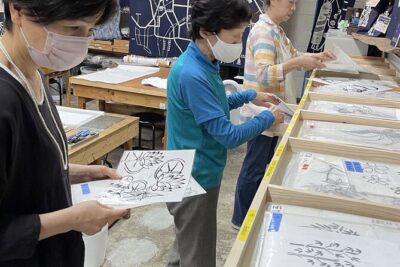
★ 4.8 · 350 reviews - Roketsu dyeing experience: M course Roketsu Dyeing Experience
★ 5.0 · 163 reviews - Kyoto Michelin Ramen Workshop or Painting Ramen Essentials
★ 4.9 · 100 reviews
Nishiki Market turns food into a walking lesson
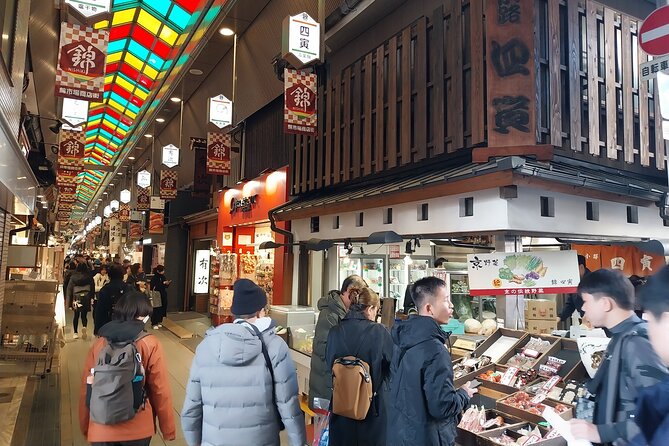
The longest portion of the outing takes place at Nishiki Market, a covered market street stretching about 400 meters. You spend roughly an hour and a half here, making it the heart of the experience.
Nishiki works well for a guided food tour because many stalls sell small portions and specialty items that can be confusing when you are on your own. The guide introduces local artisans and their trades while you taste several foods. You are not simply walking past displays and taking photographs. The point is to try Kyoto preparations in small amounts and learn how the market fits into daily food culture.
Yuba tofu is one of the more distinctive stops. Yuba is the thin layer that forms on the surface when soy milk is heated, and Kyoto is especially associated with it. The tour includes a yuba presentation, giving you a chance to see how the food is made rather than only receiving a finished bite. That demonstration adds more value than a quick sample at a stall.
You also taste fresh handmade fishcakes in different flavors and sample sake from Kyoto. These are useful market tastings because they show two different sides of local eating: a savory snack made for immediate enjoyment and a drink with a stronger connection to regional producers. A glass of draft beer is included as well, giving you another way to pace the meal.
The market segment can be the most enjoyable part if you like trying several small foods and watching shopkeepers work. It can be less satisfying if you want large portions or a calm seated meal. Some visitors felt the food leaned too heavily toward fried and street-style items. Keep that in mind before booking, especially if you are expecting a formal introduction to Kyoto’s refined kaiseki cooking.
Wagyu sushi and seasonal mochi
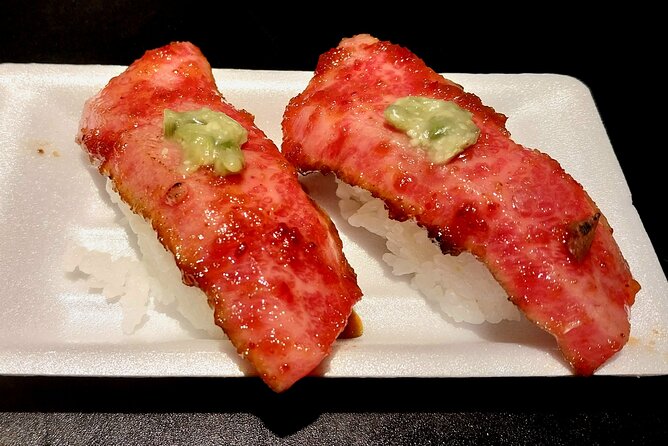
Wagyu sushi is one of the headline tastings. The beef is seared, then served in sushi form. This is a rich bite, so it works best as part of a sequence rather than as the main event. The portion is meant to let you sample a prized ingredient without turning the whole tour into a beef meal.
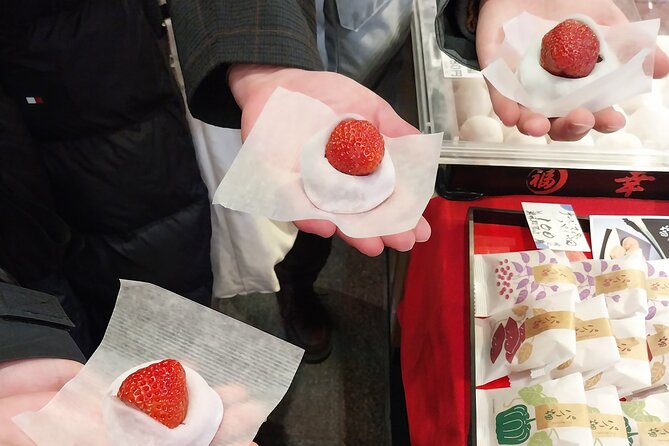
Daifuku mochi provides a different texture and flavor. The tour includes mochi with a seasonal fruit filling, so the exact variety can change. Soft rice dough and fruit make a welcome contrast after savory food, though the seasonal element means you should not expect one fixed flavor on every departure.
A secret dish is also included. Since its identity is not disclosed in advance, you cannot plan around it. That can be fun for an adventurous eater, but it also means the tour is not ideal if you need a fully predictable menu. Dietary needs should be shared ahead of time so the operator can make the best arrangements available.
The overall menu has real variety, but variety does not always mean balance. You may eat pork, beef, fishcake, fried food, sweets, rice, and drinks in a short period. If you have a small appetite, take modest bites and treat each stop as a tasting. If you need a strictly vegetarian, vegan, or allergy-safe menu, contact the operator before the day of the tour.
From Nishiki to Pontocho and the Kamo River
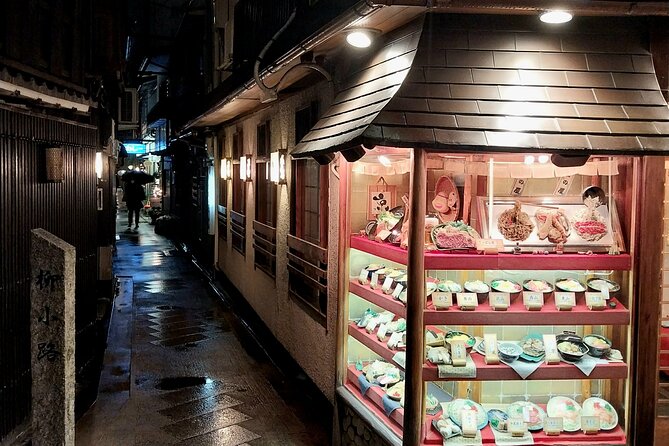
After the market, the group walks toward Gion. The route includes views of Pontocho and the Kamo River. This is more than a transfer between restaurants. It gives you a short break from eating and places the food in the setting of central Kyoto.
Pontocho is known for its narrow lane beside the river, while the Kamo River offers an open change of pace. The walk helps you connect the covered market with the traditional streets around Gion. You will want comfortable shoes because the tour covers the route on foot and lasts about three and a half hours.
This section also affects your expectations. It is a food tour with sightseeing, not a full historical walking tour. The guide may explain the places you pass, but the main purpose remains eating. If you want a detailed account of Kyoto’s temples, geisha districts, or architecture, you will need a separate tour.
The route ends in the Minami Gion area, close to Yasaka Shrine and only a few minutes from Gion Shijo Station on the Keihan Line. That makes the finish useful for continuing your evening. You can visit Yasaka Shrine, explore Gion, or take the train onward without needing to return to the starting point.
More Food Tours in Kyoto
- Kyoto Night Foodie Tour in Gion (9+ dishes + 6 Sake tastings)
★ 5.0 · 1,762 reviews - Kyoto Nishiki Market Food and Culture Walking Tour
★ 5.0 · 412 reviews - Kyoto: Gion Food Tour 13 Dishes at 4 Eateries
★ 5.0 · 408 reviews - Kyoto Foodie Night Tour
★ 5.0 · 376 reviews
Kyoto-style okonomiyaki in Gion
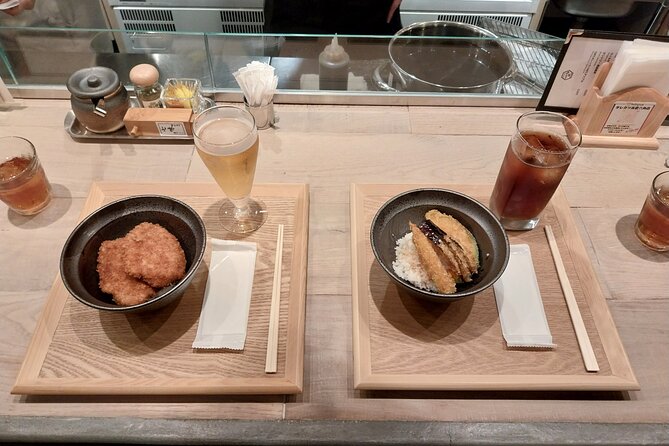
Once you reach Gion, the group stops for okonomiyaki in a small, quaint restaurant. Okonomiyaki is a savory Japanese pancake, usually cooked with a batter and a mixture of ingredients, then finished with sauces and toppings. This version is prepared in the Kyoto style.
This is the second substantial seated food stop after the katsudon. I like that placement because the meal gives you time to rest after the market walk. It also makes the tour feel less like a string of samples grabbed at random.
The setting is likely part of the appeal. A small restaurant gives you a pause from the street and lets you enjoy a hot dish at a slower pace. On the other hand, the menu still includes several filling foods, and you may not want to arrive hungry enough for a full pancake if you have already eaten generously at Nishiki Market.
The tour works best when you think of it as a progressive meal. You are building a picture of Kyoto food through contrasting portions, not trying to rank each dish as if it were a restaurant tasting menu.
Matcha and tea at the final stop
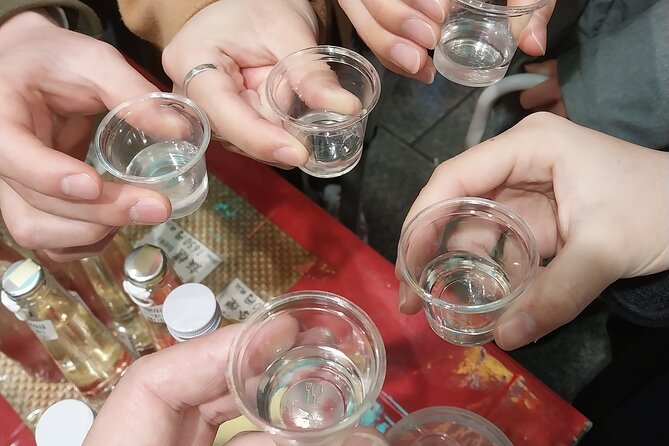
The final food and drink stop focuses on tea. Kyoto is strongly linked with tea ceremony, and the tour visits a well-known matcha venue. Depending on the season, you receive a hot or cold tea from a selection.
This ending is well judged. After meat, rice, fishcakes, sweets, beer, and sake, tea offers a cleaner finish. It also gives the tour a distinctly Kyoto note without requiring a full tea ceremony lesson.
Do not expect a formal ceremony unless the guide specifically explains otherwise. The supplied details describe a tea tasting, not a ceremonial performance. The exact drink may change with the season, so the hot or cold option is part of the day’s conditions rather than a fixed promise.
From here, you finish at the entrance to the Minami Gion district. Yasaka Shrine is nearby, and Gion Shijo Station is close. I would plan a little extra time after the tour rather than rushing to another reservation. Gion is best enjoyed at an unhurried pace, especially after an afternoon of walking and eating.
Is $142 a fair price?
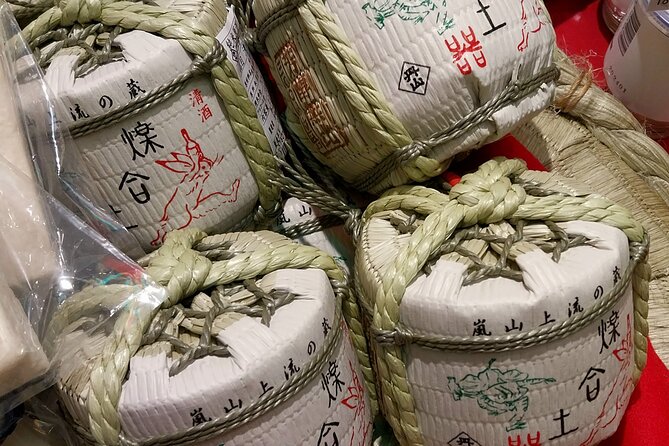
The price is $142 per person. That is not a low-cost way to buy ten snacks, and you could purchase many individual market items for less. The value rests in the structure: a guide leads you from Karasuma to Gion, arranges tastings, includes drinks, explains the foods, and keeps the group small.
The included items cover a broad range:
- Katsudon with a local twist
- Yuba tofu and a yuba presentation
- Wagyu sushi
- Handmade fishcakes
- Daifuku mochi with seasonal fruit
- Kyoto-style okonomiyaki
- A secret dish
- A glass of draft beer
- Several Kyoto sake tastings
- Hot or cold Japanese tea
For a first visit to Kyoto, that combination can save you the work of deciding what to order at unfamiliar stalls. You also get a route through Nishiki Market and Gion, rather than remaining in one restaurant.
The price feels harder to justify if your main goal is quantity. Some meals may be small, and the menu includes street food and fried items. It is also less appealing if you already know Kyoto’s food scene and feel comfortable buying these dishes yourself.
Group discounts may be available, but the exact saving is not provided. Check the booking total for your dates and group size before deciding.
Communication and guide style matter
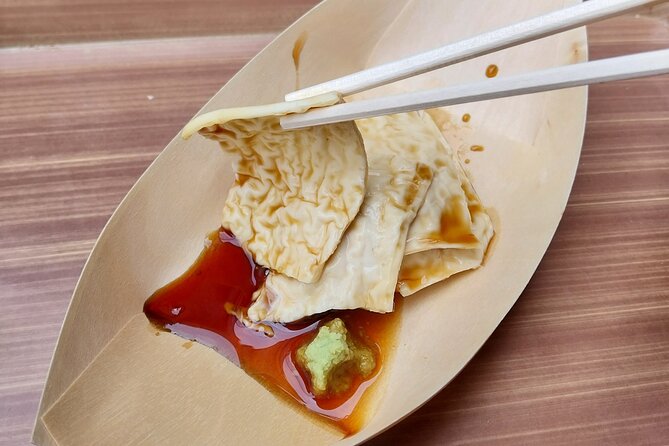
This experience depends heavily on the individual guide. Yuma and Tomoro have been praised for their friendly, welcoming manner, and that personal contact can make a small-group walk feel relaxed. A good host can help you order, explain unfamiliar ingredients, and keep the group moving without making the outing feel rushed.
The main weakness is communication. Some people found the guide too quiet or felt the English explanations did not go far enough into the food and its background. This does not mean every departure will feel the same, but it is a fair reason to keep expectations measured.
If detailed culinary education is your top priority, ask questions as you go and stay near the guide during market stops. If you mainly want a friendly route, several tastings, and help choosing what to try, the tour may suit you well.
Practical details before you book
The tour lasts about three hours and thirty minutes. Hotel pickup and drop-off are not included, so you need to reach the Starbucks meeting point yourself and arrange your own way onward from Gion.
The starting point is near public transportation at Karasuma Oike Station. The end point is also convenient, near Gion Shijo Station and Yasaka Shrine. The one-way route is a plus because you do not waste time retracing your steps.
Wear comfortable shoes. You walk through the market, along central Kyoto streets, past Pontocho and the Kamo River, and into Gion. Most people can take part, but the amount of walking is worth considering if you tire easily.
The menu and route can change because of weather, availability, or other local conditions. The activity requires good weather and a minimum number of participants. If poor weather or low enrollment cancels the outing, you are offered another date or experience, or a full refund.
Cancellation is free up to 24 hours before the start time. Inside that 24-hour window, you do not receive a refund and changes are not accepted. Confirmation arrives within 48 hours of booking, subject to availability.
Who should book this Kyoto food walk?
I would choose this tour if you want a guided introduction to Kyoto food and prefer tasting many items over sitting down for one long meal. It suits first-time visitors, couples, small groups, and anyone who wants Nishiki Market explained rather than simply photographed.
It also suits people who enjoy a route with changing scenery. You start near Karasuma, spend serious time in Nishiki Market, walk beside Pontocho and the Kamo River, eat in Gion, and finish with tea near Yasaka Shrine.
I would hesitate if you want formal culinary instruction, a refined restaurant menu, generous portions, or a carefully controlled dietary program. I would also think twice if fried food is not your preference or if $142 feels too high for a tasting-sized meal.
Should you book it?
Book it if the combination of ten varied tastings, a small group, and a one-way Kyoto walk sounds more useful than ordering each dish yourself. The strongest features are the yuba presentation, Wagyu sushi, Nishiki Market time, Kyoto sake, and the convenient finish in Gion.
Skip it if you mainly want fresh food, large portions, or detailed historical and culinary commentary from a specialist guide. For the right eater, this is a practical way to get oriented to central Kyoto food. Just bring comfortable shoes, arrive ready to sample fried and savory dishes, and judge the $142 price as payment for the route and hosting as much as for the food.
FAQ
Where does the Kyoto food tour start?
It starts in front of the Starbucks across from Exit 5 of Karasuma Oike Subway Station, at the Kyoto Sanjo Karasuma Building.
Where does the tour finish?
It finishes at the entrance to the Minami Gion district, close to Gion Shijo Station on the Keihan Line and a short distance from Yasaka Shrine.
How long does the experience last?
The tour lasts approximately three hours and thirty minutes.
What foods and drinks are included?
Included tastings are yuba tofu, katsudon, okonomiyaki, Wagyu sushi, handmade fishcakes, daifuku mochi with seasonal fruit, a secret dish, draft beer, Kyoto sake, and hot or cold Japanese tea.
How many people can join the tour?
The group has a maximum of ten participants.
Can I cancel for a full refund?
Yes. You can cancel at least 24 hours before the start time for a full refund. Cancellations within 24 hours are not refunded.
More Food & Drink in Kyoto
- 3-Hour Kyoto Insider Sake Brewery Tour with Tastings & Pairings
★ 5.0 · 917 reviews - Arashiyama Bamboo, Temple, Monkeys, or Secret Sake Brewery
★ 4.8 · 886 reviews - Kyoto: Insider Sake Brewery Tour with Sake and Food Pairing
★ 5.0 · 704 reviews - Kyoto Sake Brewery & Tasting Walking Tour
★ 5.0 · 623 reviews
More Wagyu Experiences in Kyoto
- Tokyo Night Foodie Tour in Shinjuku – Seasonal Sushi, Wagyu Beef
★ 5.0 · 1,161 reviews - Tokyo: Wagyu and 7 Japanese Dishes Cooking Class
★ 4.9 · 273 reviews - Small-Group Wagyu Beef and 7 Japanese Dishes Tokyo Cooking Class
★ 5.0 · 190 reviews - Wagyu & Sake Pairing in Shinjuku – Steak, Shabu-Shabu & More
★ 5.0 · 112 reviews
Just added around Kyoto
- Sekka Cotton Furoshiki Class★ 5.0 · 19 reviews
- Kyoto Sword Experience – includes Museum Ticket/Ninja Experience★ 4.5 · 149 reviews
- Scenic Green Tea Fields of Hidden Kyoto & Local Tea Exp (Private)★ 5.0 · 32 reviews
- Secret Eastern Kyoto Biking Adventure★ 5.0 · 44 reviews
- Private Sake Tasting in Central Kyoto with Sake Sommelier★ 5.0 · 32 reviews
- Samurai School in Kyoto: Samurai for a Day★ 5.0 · 202 reviews
- SHIRAKAWA Japanese Culture Experiences with private English staff★ 5.0 · 16 reviews
- A Privately Guided Photoshoot in Beautiful Kyoto by a Pro★ 5.0 · 18 reviews
Traditional Crafts, compared.
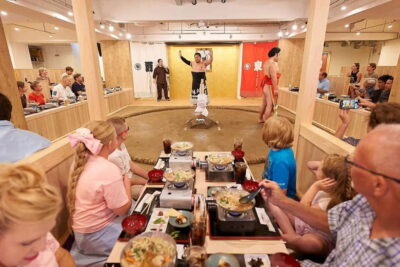
Tokyo Sumo Experience: Chanko & Mochi with a Former Pro
Our verdict →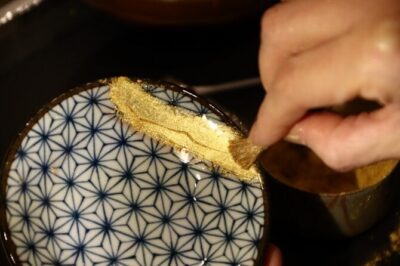
Kintsugi Experience: Art of Golden Joinery in Tokyo
Our verdict →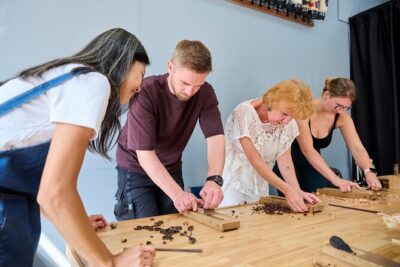
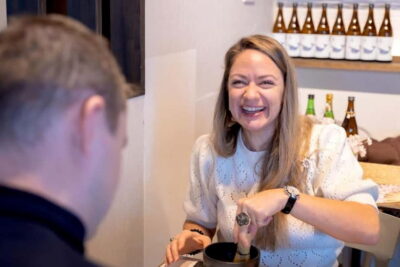
Matcha Making Experience with Mochi Sweets in Asakusa
Our verdict →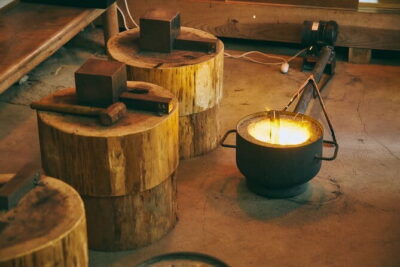
Authentic knife making experience at a blacksmith in Kyoto
Our verdict →
Roketsu dyeing experience: M course Roketsu Dyeing Experience
Our verdict →Browse the lists this tour appears in