
Reviewed · FOOD TOURS
Kyoto Nishiki Market Food and Culture Walking Tour
Kyoto’s Nishiki Market is easy to enter and surprisingly easy to misunderstand. A guide helps you sort through pickled vegetables, tofu products, seafood, sweets, meats, and unusual snacks while explaining what they are and how locals use them. The market is more than a food hall. It is a working shopping street with four centuries of culinary life behind it.
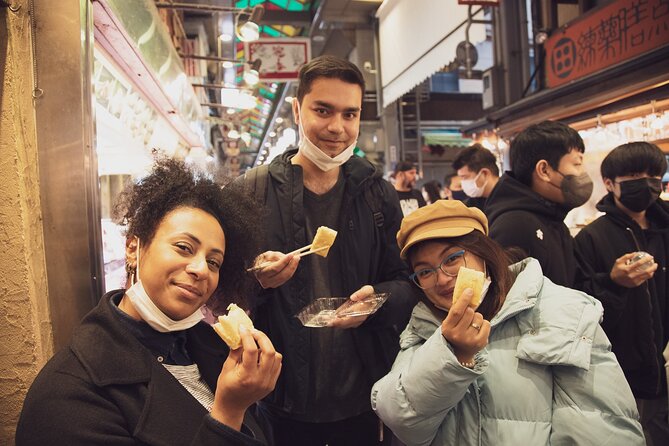
I like the small group size of six and the mix of food and culture. Guides such as Keiko, Takuma, Annie, Toshi, and Atsu have helped visitors understand both the food and the customs around it. I also like that the tastings can amount to a full meal, with time left for shopping.
The main caution is value. At $80.92 per person, this is not the cheapest way to eat at Nishiki Market. Some tours include many samples from several stalls, while others appear to offer fewer paid tastings. If you are comfortable choosing food on your own, you may spend less without a guide.
Key points to know before booking
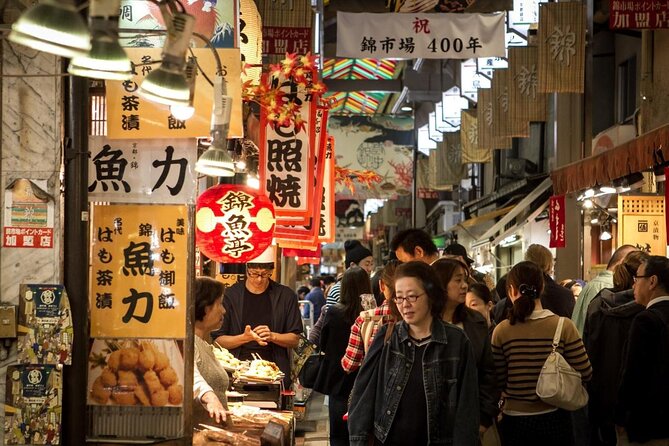
- Nishiki Market takes up most of the walk: Expect about 1 hour and 40 minutes among roughly 130 shops along a narrow, five-block street.
- The food can be substantial: Tastings may include yuba, soy doughnuts, omelet, pickles, gyoza, eel, minced-meat sandwiches, fruit, and drinks.
- The guide makes the difference: Guides including Miku, Naoko, Yasuko, Nagi, and Taisei have received especially warm praise for explaining food, language, religion, and local customs.
- The route adds more than eating: Nishiki Tenmangu, Shinkyogoku, Takoyakushido Eifukuji, and Teramachi-dori show how temples, shopping, and daily life overlap in central Kyoto.
- Come hungry, but check the food policy: Vegetarian, halal, kosher, gluten-free, and allergy-related requests cannot be accommodated.
- The group is capped at six: That can mean a personal experience, and on quieter days the tour may feel almost private.
Why Nishiki Market makes a useful first Kyoto food stop
Nishiki Market is known as Kyoto’s Kitchen for good reason. Its narrow covered street is lined with small shops selling ingredients and ready-to-eat foods, not just souvenirs. The market has operated in some form for about 400 years, and it still serves local shoppers as well as people seeing Kyoto for the first time.
That working character is what makes the place interesting. You are not simply walking past restaurant menus. You are seeing the ingredients, tools, preserved foods, and snacks that shape Kyoto cooking.
The catch is that Nishiki can feel confusing. The passage is narrow, signs may not explain much in English, and several shops sell items that look familiar until you realize you do not know how to eat them. A guide gives you a route through the choices and can point out foods you might otherwise pass.
This is also why the tour suits a first visit. You do not need to reserve a restaurant, study a food glossary, or guess which counter is worth your time. You can concentrate on tasting and asking questions.
More Food Tours in Kyoto
- Kyoto Night Foodie Tour in Gion (9+ dishes + 6 Sake tastings)
★ 5.0 · 1,762 reviews - Kyoto: Gion Food Tour 13 Dishes at 4 Eateries
★ 5.0 · 408 reviews - Kyoto Foodie Night Tour
★ 5.0 · 376 reviews
The main tasting walk through Nishiki Market
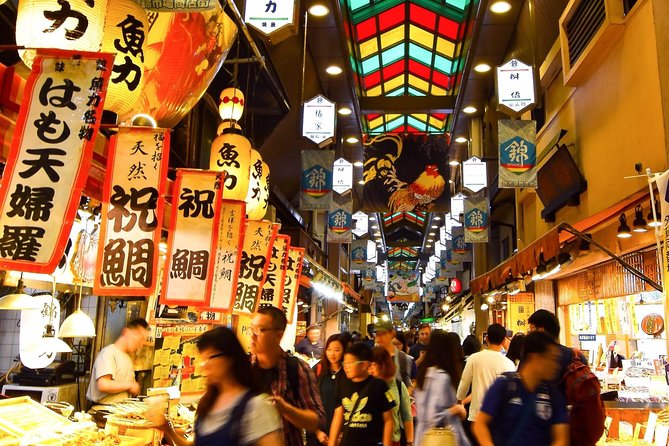
The market portion lasts about 1 hour and 40 minutes, making it the heart of the experience. The tour is not a quick pass through the street. You have time to stop, listen, taste, and look at the shops around you.
The exact food selection can vary, but the range described by past participants is broad. Possible tastes include yuba, a delicate tofu skin used in Kyoto cooking; soy doughnuts; rolled omelet; pickled cucumber; gyoza; konjac products; fruit; wagyu or Kobe-style minced-meat pies; and tempura eel. One account also included wheat starch, honey yuzu lemonade, and a minced-meat sandwich similar to a fried hamburger patty.
That list gives you a useful idea of the tour’s character. You are not sitting down to one carefully planned meal. You are building a meal from small portions at different shops, with explanations along the way.
Some guides have included food from three market vendors and additional dishes at a restaurant. Others have provided enough samples to leave people very full, especially when free tastings from vendors are added to the included food. This variation matters. Ask your guide early what is included that day so you can judge how much extra spending you want.
The food itself is only half the point. A good guide can explain how an ingredient is used, why a preparation is associated with Kyoto, or how a shop fits into the market’s past. Guides such as Takuma have also added Japanese language tips, while Toshi has shared local expressions and childhood food memories.
I especially like the shopping value here. The market can overwhelm you with seasonings, drink concentrates, sweets, preserved foods, and unusual household products. Annie has helped visitors locate matcha salt, and other guides have directed people toward foods they could take home. You still pay for personal purchases, but a recommendation can prevent a random souvenir choice.
Food portions and the question of value
The tour costs $80.92 per person, so the food allowance deserves a clear look. You are paying for more than the samples. The price also covers a small group, a guide, cultural explanations, route planning, and help navigating a crowded market.
That can be worthwhile if you are short on time or unsure what to order. A three-hour walk can introduce you to foods you might not recognize and give you a practical map of central Kyoto’s shopping streets.
Still, the value depends heavily on your expectations. If you expect a dozen generous tastings at every stop, you may be disappointed. Some accounts describe only three market items plus three dishes at a sit-down restaurant, while others describe enough food to replace lunch and many extra tastes from vendors.
This is not necessarily a contradiction. The market changes, shops may serve different portions, and guides can adjust the route. But it does mean you should book this for guidance and context, not simply for the lowest cost per bite.
If you enjoy choosing your own food and can handle the crowds, you can explore Nishiki independently. You may spend less and sample more. If you want someone to explain unfamiliar food, organize the route, and help you avoid poor choices, the tour has a stronger case.
Nishiki Tenmangu and the meaning behind a shrine visit
After the market, the route visits Nishiki Tenmangu, a local Shinto shrine. The stop lasts about 15 minutes, so do not expect a long religious tour. Instead, you get a short introduction to the basic parts of a shrine and how to pray.
This is a useful pause after the food stalls. Kyoto’s religious sites can seem decorative if you do not know what you are looking at. A guide can explain what people do at the entrance, how worship works, and why shrines remain part of ordinary Japanese life.
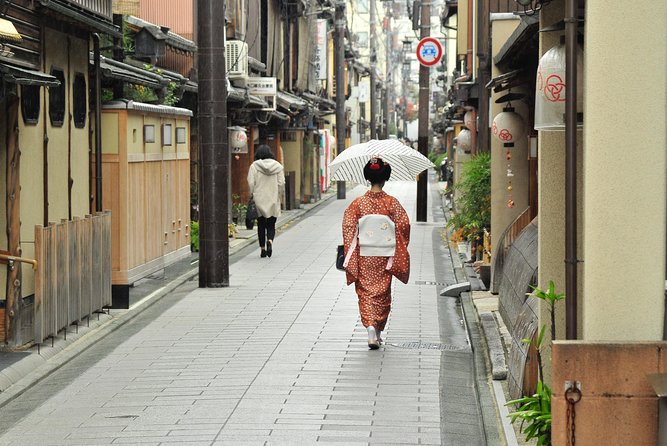
The stop also helps show that Kyoto’s food culture and religious culture are not isolated attractions. A shrine can sit beside a shopping street, and daily errands can happen close to temples and traditional buildings. You will not spend long here, but the explanation adds meaning to later visits around Japan.
More Market Tours in Kyoto
- Nishiki Market Brunch Walking Tour (7 Tastings + Brunch)
★ 5.0 · 1,355 reviews - Kyoto: Nishiki Market Tea Ceremony with Koto Performance
★ 4.8 · 294 reviews - Kyoto: Nishiki Market Brunch Walking Tour-7 Tastings+Brunch
★ 4.8 · 197 reviews - Kyoto: Local Food Tasting Tour at the Nishiki Market
★ 4.7 · 135 reviews
Shinkyogoku, a modern shopping arcade with local life
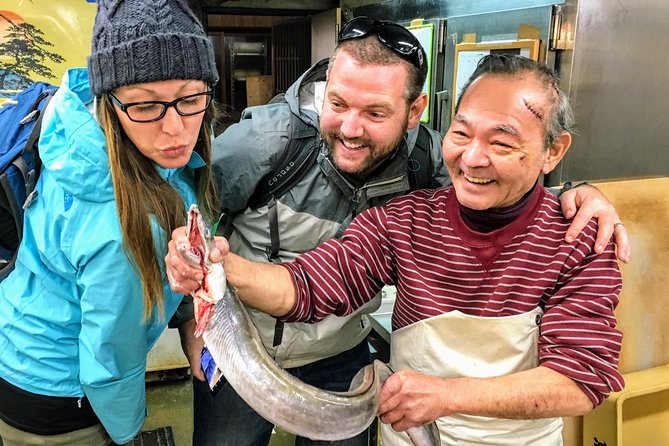
The next stop is Shinkyogoku Shopping District, a pedestrian arcade with a mix of traditional Kyoto goods and modern commercial shops. The walk takes about 20 minutes.
This is a useful contrast with Nishiki. Nishiki focuses on ingredients and food stalls, while Shinkyogoku shows a broader shopping life. You may see the kind of retail street used by local people, alongside shops aimed at visitors.
The arcade is also a practical place to compare Kyoto’s old and new sides. The route does not pretend that the city is frozen in the past. Instead, it shows how historic customs, ordinary shopping, and tourist commerce share the same central streets.
Do not expect another major food stop here. This part is about the setting and the rhythm of the neighborhood. If your priority is constant tasting, the 20 minutes may feel like a pause. If you want to understand the area beyond the market, it gives the tour better balance.
Takoyakushido Eifukuji, a small temple in an everyday setting
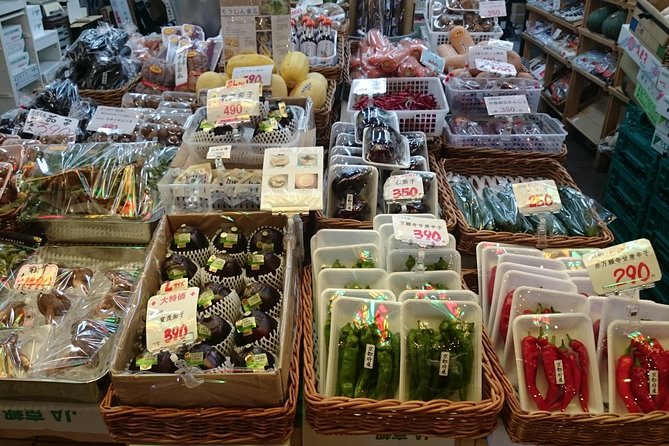
Takoyakushido Eifukuji Temple receives about 10 minutes. It is a small Buddhist temple at the corner of a shopping street, which is precisely what makes it useful.
Kyoto has grand temples that draw international attention, but small neighborhood temples show how religion fits into daily life. You see a place of worship close to shops and ordinary foot traffic rather than a large complex set apart from the city.
The visit is brief, but it adds another religious tradition to the route. Nishiki Tenmangu introduces Shinto practice, while this temple gives you a glimpse of Buddhism. The tour does not turn into a formal religious study, but the pairing helps you notice differences in the sites you visit later in Japan.
Teramachi-dori and time to shop
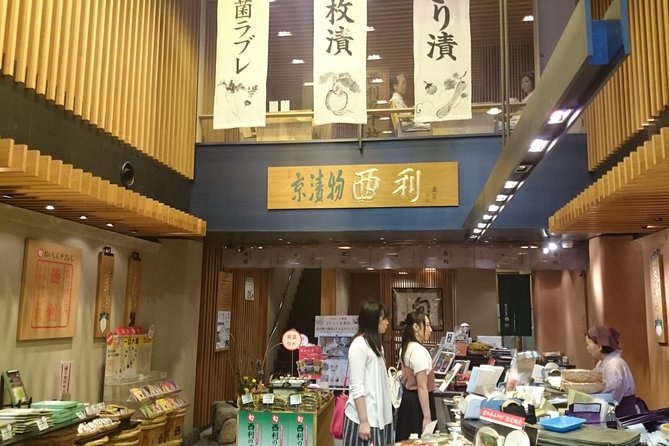
The final listed stop is Teramachi-dori, a local shopping street lined with long-established businesses and newer stores. The walk here lasts about 15 minutes.
This is where the tour’s food and shopping themes come together. You have already seen market ingredients and pedestrian arcades. Teramachi adds another type of central Kyoto street, with shops that may appeal to residents as well as visitors.
Several guides have allowed time for shopping during the walk. That matters because Nishiki offers more than immediate snacks. You might want seasonings, sweets, drink concentrates, or another food item to take home. The guide can help you make a decision before you leave the area.
Keep your shopping expectations realistic. Personal purchases are not included, and the route is still a group activity. You may not have unlimited time at every store. The benefit is that you get orientation before returning on your own.
The guides shape the experience
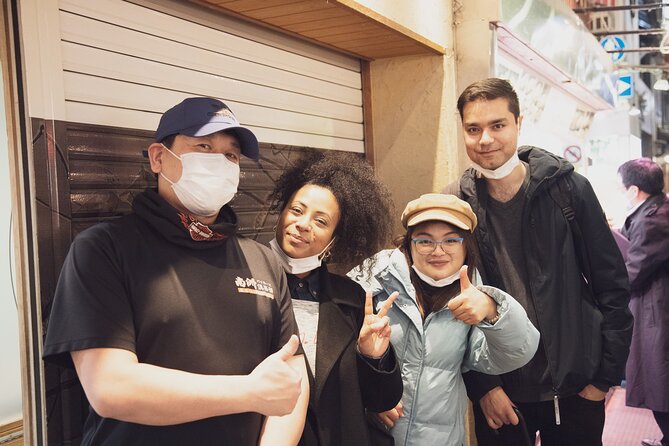
The tour uses different guides, so the tone will not be identical each time. That is worth understanding before booking. Names that have received particularly strong praise include Keiko, Takuma, Miku, Toshi, Naoko, Annie, Atsu, Akiko, Eric, Saeko, Nagi, Taisei, Taka, Yasuko, Yoko, and Chizuko.
The best guide reports share a clear pattern: good English, easy conversation, patience with questions, and an ability to adjust the pace. Chizuko, for example, has linked the route to a participant’s specific food and cultural interests. Saeko has adjusted tastings around foods people wanted to try and suggested which places to choose or skip.
Small groups help. With a maximum of six people, you can ask questions without losing the guide in a crowd. On a quiet day, the tour may become a private or semi-private walk, though you should not book it assuming that will happen.
Some groups have included several generations, and Atsu has been praised for keeping different ages involved. The route combines walking, standing, tasting, and some sitting, which can make the three hours manageable for people who do not want a nonstop walking tour.
Timing, weather, and practical details
The activity lasts about three hours and takes place near public transportation. There is no hotel pickup, drop-off, or transportation between attractions. You meet the tour at its designated starting point and make your own way there.
Check the meeting details carefully. Confusion between a starting point and an ending point has caused serious trouble for at least one booking, and another account noted that map information showed two possible locations. Contact Japan Wonder Travel before the day if anything looks unclear.
Nishiki can become very crowded, and the operator asks you to mention a stroller in advance. The tour runs rain or shine, although poor weather can lead to a new date or a full refund.
Wear shoes you can walk and stand in comfortably. The route is not presented as difficult, and most people can participate, but a narrow market street is not the place for fast movement or a large amount of luggage.
The cancellation rule is simple: cancel at least 24 hours before the start time for a full refund. Cancellations or changes inside that window are not accepted for a refund.
Dietary restrictions and who should skip it
This tour cannot accommodate vegetarian, halal, kosher, gluten-free, or allergy-related requests. Severe dietary restrictions may make it impossible to arrange food, so contact the operator before booking if that applies to you.
You should also remember that alcohol rules apply in Japan. The legal drinking age is 20, and any extra drinks or food are your own expense.
I would recommend this walk to first-time Kyoto visitors who want an organized introduction to local food. It also fits solo visitors, couples, families, and small groups who prefer conversation and explanation over wandering alone.
I would be more cautious if you are an experienced food-market explorer, have strict dietary needs, or mainly want the greatest possible amount of food for your money. In those cases, independent browsing may serve you better.
Should you book the Nishiki Market food walk?
Book it if you want a guide to explain unfamiliar food, help you navigate a crowded market, and connect the stalls with Kyoto’s religious and shopping traditions. The strongest part is the human guidance, especially when your guide adjusts the route, answers questions, and points you toward useful foods to take home.
Skip it if you expect a fixed, lavish tasting menu or if $80.92 feels high for a meal replacement. The food selection can vary, and the tour’s value rests as much on local context and confidence as on the number of bites.
For most first visits, I would treat it as a three-hour introduction rather than a bargain food crawl. Come hungry, confirm the meeting place, and tell the operator about any limitations before paying. That is the best way to get the experience this route is designed to provide.
FAQ
How long does the Kyoto Nishiki Market Food and Culture Walking Tour last?
The tour lasts approximately three hours.
What is the price?
The listed price is $80.92 per person.
How many people can join the tour?
The maximum group size is six people.
What food might be included?
Food can vary, but examples include yuba, soy doughnuts, omelet, pickled cucumbers, gyoza, fruit, minced-meat sandwiches, eel, wheat starch, and honey yuzu lemonade.
Is the food enough for a meal?
The included samples are intended to be enough to fill you up in place of a meal. The amount can vary, so you should not expect a fixed tasting menu.
Can the tour accommodate vegetarian or allergy-related requests?
No. Vegetarian, halal, kosher, gluten-free, and allergy-related requests cannot be accommodated.
What places are visited besides Nishiki Market?
The route includes Nishiki Tenmangu, Shinkyogoku Shopping District, Takoyakushido Eifukuji Temple, and Teramachi-dori Street.
Is transportation included?
No. Hotel pickup, hotel drop-off, transportation to and from attractions, and other personal expenses are not included.
Does the tour run in bad weather?
The tour takes place rain or shine. If it is canceled because of poor weather, you can receive a different date or a full refund.
What is the cancellation policy?
You can cancel for a full refund at least 24 hours before the experience starts. Cancellations or changes made less than 24 hours before the start time are not accepted.
More Food & Drink in Kyoto
- 3-Hour Kyoto Insider Sake Brewery Tour with Tastings & Pairings
★ 5.0 · 917 reviews - Arashiyama Bamboo, Temple, Monkeys, or Secret Sake Brewery
★ 4.8 · 886 reviews - Kyoto: Insider Sake Brewery Tour with Sake and Food Pairing
★ 5.0 · 704 reviews - Kyoto Sake Brewery & Tasting Walking Tour
★ 5.0 · 623 reviews
More Walking Tours in Kyoto
- Kyoto Geisha Walking Tour: Gion District & Hidden Gems
★ 4.7 · 3,273 reviews - Kyoto: Gion Magical Night Walking Tour with Geisha Trivia
★ 4.9 · 2,393 reviews - Kyoto: Gion Geisha District Walking Tour – Stories of Geisha
★ 4.7 · 2,187 reviews - Night Walk in Gion: Kyoto’s Geisha District
★ 4.5 · 2,003 reviews
Just added around Kyoto
- Sekka Cotton Furoshiki Class★ 5.0 · 19 reviews
- Kyoto Sword Experience – includes Museum Ticket/Ninja Experience★ 4.5 · 149 reviews
- Scenic Green Tea Fields of Hidden Kyoto & Local Tea Exp (Private)★ 5.0 · 32 reviews
- Secret Eastern Kyoto Biking Adventure★ 5.0 · 44 reviews
- Samurai School in Kyoto: Samurai for a Day★ 5.0 · 202 reviews
- Private Sake Tasting in Central Kyoto with Sake Sommelier★ 5.0 · 32 reviews
- SHIRAKAWA Japanese Culture Experiences with private English staff★ 5.0 · 16 reviews
- A Privately Guided Photoshoot in Beautiful Kyoto by a Pro★ 5.0 · 18 reviews
Food Tours, compared.
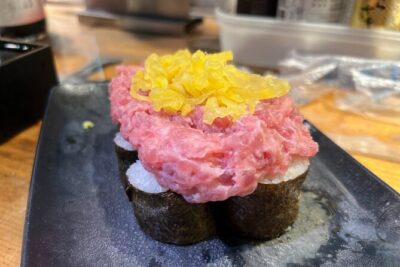
Shinjuku Food Tour (13 Dishes at 4 Local Eateries)
Our verdict →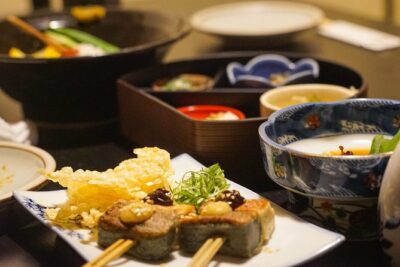
Kyoto Night Foodie Tour in Gion (9+ dishes + 6 Sake tastings)
Our verdict →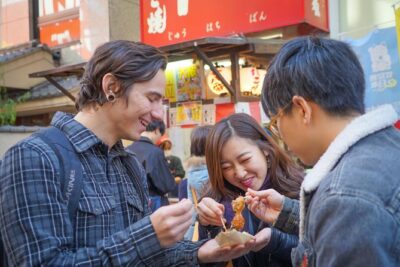
Osaka Local Foodie Walking Tour in Dotonbori and Shinsekai
Our verdict →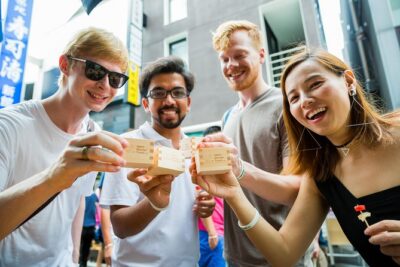
Food Tour in Ueno with 10+ Tastings of Japanese Classics
Our verdict →
Browse the lists this tour appears in