
Reviewed · SAKE TASTING
Wagyu & Sake Pairing in Shinjuku – Steak, Shabu-Shabu & More
Shinjuku’s wagyu and sake evening is more than a steak dinner. You sit down to a full course built around beef from different Japanese regions, then match each dish with a different sake style. The best part is the range: grilled tongue, wagyu tataki, sirloin, hotpot, udon, and dessert all appear in one meal. Hosts such as Joe, Chi, Andrea, and Miyuki explain what you are tasting in clear English.
I like the practical lessons and the generous portions. You learn how wagyu grading works, how sake is made, and how to prepare or cook parts of the meal yourself. I also like the small maximum of eight people, which gives the host time to answer questions and offer tips for buying sake later in Japan. The main drawback is the setting: one account found the dining area small and crowded, with six people seated closely together, so this is not the choice for a quiet, spacious restaurant night.
Key points at a glance
- A full wagyu course, not just steak: Try tongue, chuck flap tataki, sirloin, hotpot, dashi udon, appetizers, salad, and dessert.
- A different sake match for each course: Pairings can include warm sake, nigori, unpasteurized sake, aged sake, and original sake cocktails.
- A useful introduction to Japanese food: Learn about wagyu grades, regional differences, cooking methods, and sake production.
- A small group capped at eight: The format supports conversation and personal help with Japanese menus.
- A three-hour evening in Shinjuku: The experience begins at 6 pm and finishes back at Ushinobi Shinjuku.
- Good value for serious food fans: At $148.65 per person, the price includes the full course and sake pairings, but not extra drinks such as beer.
Why this dinner is different from a standard wagyu meal
A regular wagyu dinner can leave you with an excellent piece of beef but little sense of why it tastes different from ordinary steak. This experience builds a lesson around the meal. You are introduced to wagyu and sake before the first full course arrives, then the explanations continue as each pairing reaches the table.
That structure matters. Wagyu is not one single product with one fixed flavor. Beef from different parts of Japan can vary by cut, fat, texture, and preparation. The dinner is designed to show those differences rather than serve one expensive steak and call it done.
The same idea applies to sake. You are not given one cup and expected to understand the whole category. The pairings use different styles and serving methods, including warm sake, nigori, unpasteurized sake, and aged sake. Some drinks are original cocktails made to work with wagyu, which gives the evening a more playful edge than a standard tasting flight.
You also get advice you can use after the meal. The hosts explain how sake is made and can point you toward useful buying tips for the rest of your time in Japan. If Japanese menus have felt hard to read, the evening gives you a better vocabulary for ordering beef and sake on your own.
More Drinking Tours in Tokyo
- Tokyo Bar Hopping Tour in Shinjuku (All-You-Can-Drink + Dinner)
★ 5.0 · 3,587 reviews - Best of Shinjuku: Izakaya Food Tour (4 Stops, 14+ Tastings)
★ 5.0 · 1,863 reviews - Tokyo: Shinjuku Local Bar and Izakaya Guided Walking Tour
★ 4.9 · 1,794 reviews
Arriving at Ushinobi Shinjuku at 6 pm
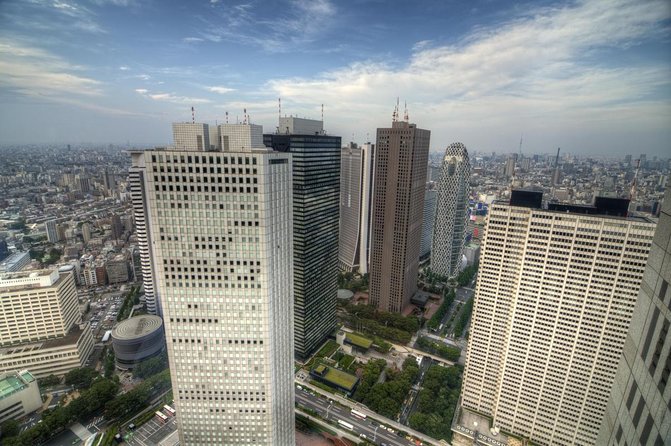
The meeting point is Ushinobi Shinjuku, in the NSK Building at 1-chome-22-1 Hyakuninchō, Shinjuku City. The restaurant is near public transportation, and the activity starts at 6 pm. You should allow enough time to reach the building without rushing, since the meal begins with an introduction rather than sending you straight to the first dish.
This is a hosted dinner, not a walking tour. You meet the group at the restaurant, settle in, and spend the evening in the same location. That makes the plan easy to manage after a day of sightseeing, especially if you do not want to navigate several food stops at night.
The group limit is eight people. That is small enough for a shared-table feel, and it gives you a reasonable chance to ask about a cut, a drink, or a Japanese term as it comes up. Several hosts are named in the feedback, including Joe, Chi, Andrea, Tadashi, and Miyuki. The common thread is an English-speaking host who keeps the evening conversational and explains the food as it arrives.
The room may feel compact. One account found six people seated closely in a small area at the back of the bar and felt the welcome was less warm than expected. If you want a polished dining room with lots of personal space, adjust your expectations. The close setting can also help the group talk, but it is worth knowing before you book.
The opening lesson: wagyu, sake, and unusual drinks
The evening begins with aperitif-style Japanese drinks while the host explains the basics. You hear about the history and importance of wagyu and sake, along with regional differences. This is useful context because the meal moves quickly across cuts and styles, and the opening talk gives you a framework for noticing what changes.
The sake introduction is especially helpful if you have only tried one familiar version before. You may taste sake served in different ways, and you learn why temperature and texture affect the match with food. Nigori, for example, has a cloudy appearance and a fuller texture, while warm sake offers a different drinking experience from a chilled pour.
Some of the drinks are cocktails created specifically for wagyu. That pairing can make sense with strongly flavored or grilled cuts, where a cocktail can refresh your palate in a way a simple sake might not. You are not locked into a single traditional format, and that is helpful for people who are curious about sake but are not yet sure what they like.
The hosts also explain how sake is made. That does not turn the night into a brewing class, but it gives you enough background to understand the differences between the pours placed in front of you. If you enjoy asking questions, this is one of the strongest parts of the format.
A wagyu course that keeps changing shape
The sample menu begins with two appetizers, then moves into beef and drink pairings. Menus can change with the available cuts and season, but the planned sequence shows the range you should expect.
More Sake Tastings in Tokyo
- Ramen and Sushi Cooking Class with Sake Pairing Set in Tokyo
★ 5.0 · 291 reviews - Sake Tasting Masterclass in Shinjuku (8+ Varieties with a Pro)
★ 5.0 · 271 reviews - Sake Omakase in Tokyo: Guided Tasting by Certified Sommeliers
★ 5.0 · 239 reviews - Tasting All Types of Sake with Sommelier
★ 5.0 · 151 reviews
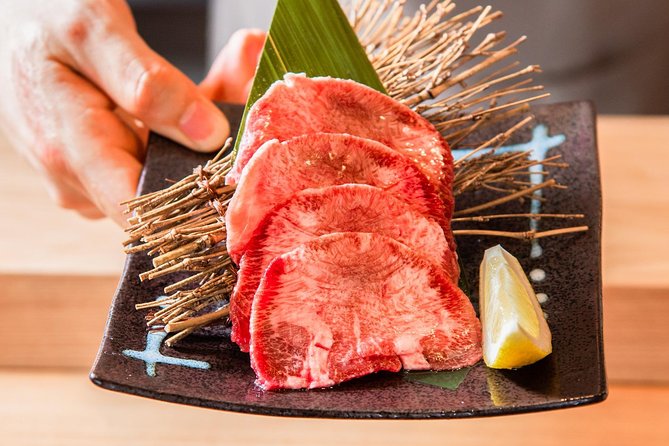
Grilled wagyu tongue with an original sake cocktail
Beef tongue is a useful first wagyu course because the texture differs from a typical steak. Grilling gives it a firm bite and a savory edge, while the sake cocktail is designed to complement rather than duplicate the beef.
This is also a good reminder that wagyu dining is not limited to sirloin. If you prefer familiar cuts only, tongue may be outside your comfort zone. If you want to understand how Japanese cooking uses the whole animal, it is an important inclusion.
Wagyu chuck flap tataki with warm sake
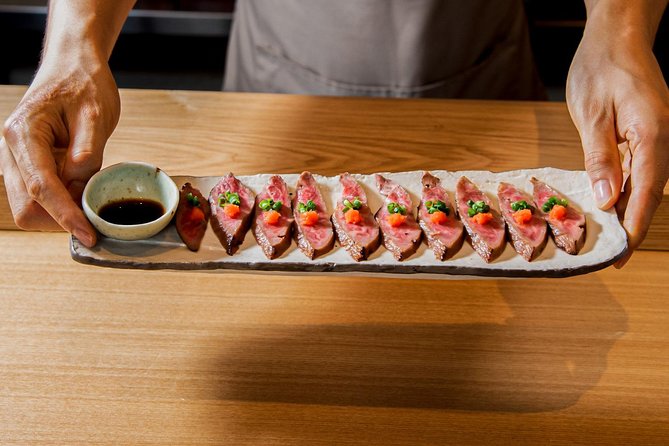
Tataki usually means the outside is seared while the center remains much less cooked. Chuck flap brings a different texture from the later sirloin, and warm sake gives the course a softer, more rounded drink pairing.
This part of the meal helps show that preparation can matter as much as the grade of the beef. You are tasting the cut, the cooking method, and the sake together rather than judging the wagyu in isolation.
Seasonal salad
The salad offers a break from the richer courses. That pause is welcome because the meal contains plenty of beef and alcohol, and a fresh course helps reset your palate before the steak.
The exact ingredients are not fixed. You should think of it as a seasonal counterpoint, not a centerpiece. Its value is in the pacing.
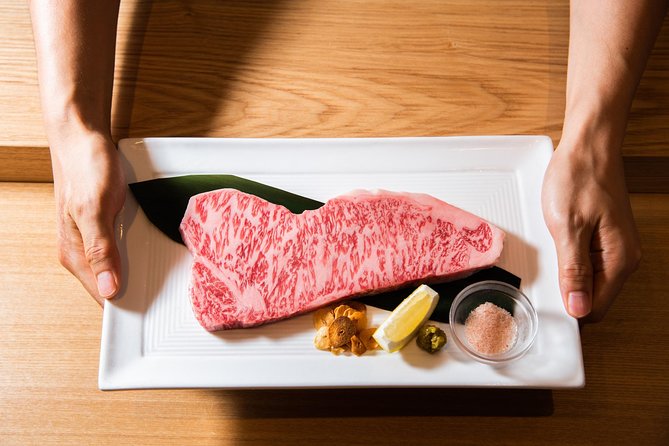
Wagyu sirloin with nigori
The sirloin is the course most people will picture when they hear wagyu. The sample menu pairs it with nigori, a cloudy sake with a distinct texture. That pairing gives you a direct comparison between a familiar steak format and a less familiar sake style.
You may also hear more about the Japanese grading system here. The grade is only one part of the experience, but understanding it helps explain why some cuts command high prices. The evening gives you a better basis for deciding what is worth ordering later, rather than assuming every piece labeled wagyu will be identical.
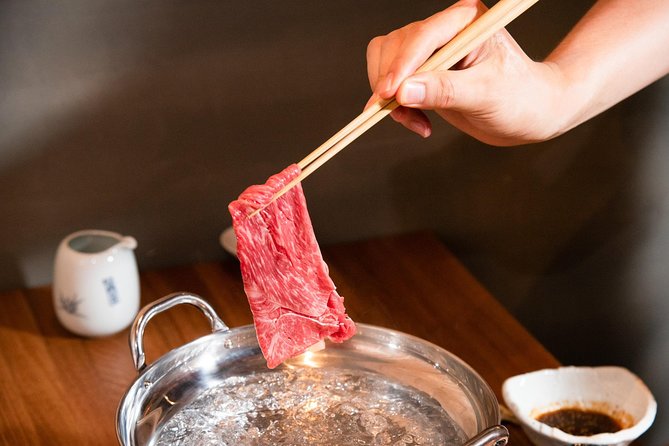
Wagyu chuck hotpot with unpasteurized sake
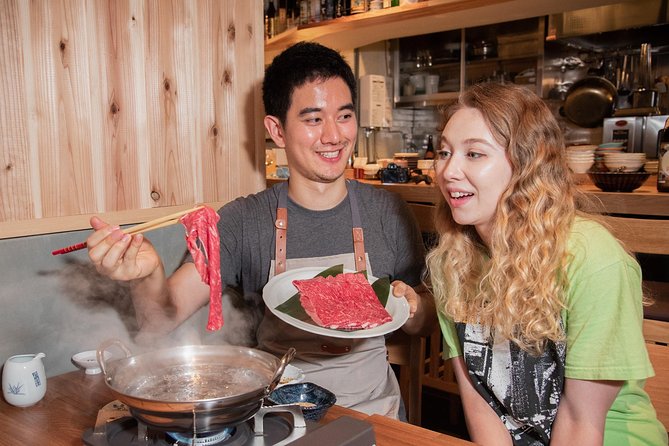
The hotpot changes the mood again. Instead of a grilled cut, you get a communal preparation in which the beef is cooked in a broth. Some participants enjoy having a hand in preparing and cooking the food, and this course offers the most direct chance to do that.
The sample pairing is unpasteurized sake. This is a chance to taste a style that may not appear on a standard restaurant menu at home. It also shows how wagyu works in a lighter, broth-based dish, not only under a grill.
Wagyu dashi udon
The udon course uses dashi, a Japanese stock known for its savory depth. By this point, the meal has moved from small bites to grilled beef and hotpot, and the noodles provide a satisfying close to the savory portion.
You should arrive hungry. The portions are described as generous, and the meal includes many courses rather than a small tasting plate. People who prefer a light dinner may find the amount of food and sake difficult to manage.
Dessert with a surprise sake
The dessert comes with another sake element. The details are not fixed, so you should expect a final pairing rather than a specific sweet. It is a fun way to finish an evening built around the idea that sake can work beyond the obvious savory matches.
What the hosts add to the meal
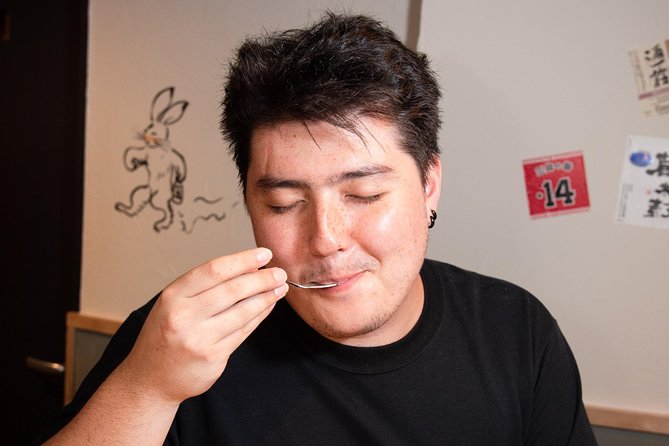
The food matters, but the host can shape the whole night. Joe is described as a friendly, clear English-speaking host who explains wagyu and sake in a way that is easy to follow. Chi is praised for being engaging, and Miyuki is described as welcoming and personable while teaching the group about wagyu.
Andrea has also hosted the tasting and is associated with a relaxed group atmosphere. In one case, the chef accommodated an allergy, but you should not treat that as a guarantee. The instructions ask you to send food restrictions at least one week before the date, and vegan, vegetarian, and gluten-free choices are limited.
Tadashi’s version of the evening includes explanations of the meat grading system, sake production, and hands-on preparation. That combination is valuable if you learn best by doing rather than listening to a lecture.
The small group lets the host adjust the conversation. You can ask how to order a particular cut, what sake to buy, or how a preparation differs from another. It also means the social side is part of the experience. You share the meal with other people, so this suits you if you enjoy conversation and new company more than a private dinner for two.
Is $148.65 a fair price?
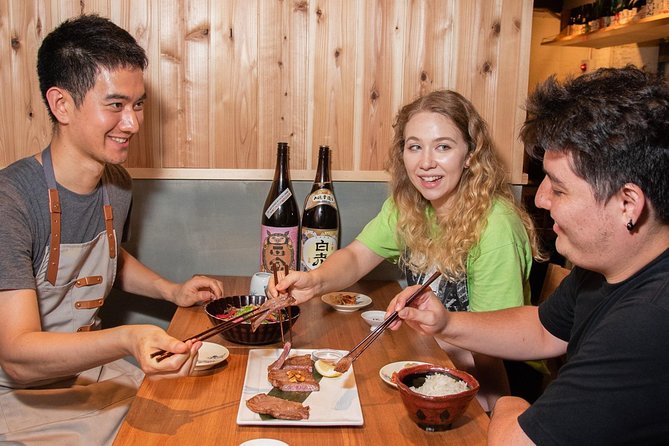
At $148.65 per person, this is not a casual budget meal. The price makes more sense when you count the full course, the range of wagyu preparations, and the sake pairings. You are paying for a meal, but also for the explanation, comparison, and guidance that help you make sense of premium Japanese beef and sake.
Several parts support the value. You get more than one wagyu cut, including tongue, chuck, and sirloin. You also get multiple sake styles and preparations, with some original cocktails. The menu includes appetizers, salad, hotpot, udon, and dessert, so this is intended as a complete evening rather than a short tasting.
Extra drinks such as beer are not included. If you want beer or another drink outside the sake pairings, budget for that separately. You should also compare the experience with what you would spend on a high-end wagyu meal without instruction. For a first visit to Japan, the practical advice may be worth as much as the meal itself.
The price is less attractive if you mainly want one perfect steak in a quiet dining room. In that case, you may prefer to spend the same money on a restaurant chosen for its atmosphere and a single signature cut.
Who should book this Shinjuku experience?
I would suggest it to a first-time Japan visitor who wants help ordering food and drinks later in the trip. It is also a good match for anyone who likes tasting menus, regional ingredients, sake, and learning the reason behind each course.
You should book if:
- You want to sample several wagyu cuts and cooking methods in one sitting.
- You are curious about sake but do not know the difference between styles.
- You prefer a hosted meal to working out a Japanese menu alone.
- You enjoy a small social group and hands-on cooking.
- You can arrive hungry and are comfortable with a substantial dinner.
You might skip it if you need vegan, vegetarian, or gluten-free food, since options are limited. You may also want another restaurant if space, privacy, or a formal atmosphere matters more to you than instruction and variety.
The activity is open to most people, is near public transportation, and ends back at the starting restaurant. Free cancellation is available until 24 hours before the 6 pm start time. A mobile ticket keeps entry simple, but food restrictions must be sent at least a week ahead.
Should you book it?
Book this wagyu and sake experience if you want a guided food education with a generous meal. The strongest reasons are the variety of beef, the changing sake pairings, the English explanations, and the chance to leave with useful ordering and buying advice.
I would not book it for a quiet luxury dinner or a carefully controlled dietary menu. The compact setting and shared format are real considerations. For most food-focused visitors who want to understand why wagyu and sake matter in Japan, though, the combination of teaching, conversation, and a substantial three-hour meal makes the $148.65 price reasonable.
FAQ
Where does the wagyu and sake experience begin?
It begins at Ushinobi Shinjuku, Wagyu & Sake, in the NSK Building at 201, 1-chome-22-1 Hyakuninchō, Shinjuku City, Tokyo 169-0073, Japan.
What time does the experience start?
The start time is 6 pm. The activity lasts approximately three hours and ends back at the meeting point.
How many people can join the dinner?
The maximum group size is eight people.
What food and drinks are included?
The full course meal and sake pairings are included. Extra drinks, including beer, are not included.
Can the meal accommodate food restrictions?
You must message the provider about restrictions at least one week before the tour date. Vegan, vegetarian, and gluten-free options are limited, and last-minute requests cannot be accommodated.
Can I cancel for a full refund?
Yes. You can cancel at least 24 hours before the experience start time for a full refund. Cancellations or changes made less than 24 hours before the start time are not accepted for a refund.
More Food & Drink in Tokyo
- Tokyo: Shinjuku Food Tour (13 Dishes at 4 Local Eateries)
★ 5.0 · 6,603 reviews - Tokyo Tsukiji Fish Market Food and Culture Walking Tour
★ 5.0 · 3,184 reviews - Tokyo: Shinjuku Food Tour (15 Dishes and 4 Eateries)
★ 4.9 · 2,033 reviews - Tokyo: Tsukiji Fish Market Food and Walking tour
★ 5.0 · 1,724 reviews
More Wagyu Experiences in Tokyo
- Tokyo Night Foodie Tour in Shinjuku – Seasonal Sushi, Wagyu Beef
★ 5.0 · 1,161 reviews - Tokyo: Wagyu and 7 Japanese Dishes Cooking Class
★ 4.9 · 273 reviews - Small-Group Wagyu Beef and 7 Japanese Dishes Tokyo Cooking Class
★ 5.0 · 190 reviews - Tokyo: Wagyu and Sushi Gastronomic Journey
★ 4.3 · 24 reviews
Just added around Tokyo
- Kawagoe Japanese Food Tour : Unagi Kaiseki and Sake near Tokyo★ 5.0 · 30 reviews
- Kawagoe 4hr Private Tour with Licensed Guide (Kawagoe Dep)★ 5.0 · 13 reviews
- Little EDO Sushi Making workshop in Kawagoe★ 5.0 · 18 reviews
- 【R34】Tokyo:Private Daikoku tour in Modified R34★ 4.9 · 92 reviews
- :Tokyo,Shibuya/ Pro Photography in Kimono / English-Friendly★ 5.0 · 26 reviews
- Tokyo:Celebrate Unique Japanese New Year Tradition Festivity★ 3.9 · 20 reviews
- Tokyo: Allstar Food Tour★ 4.7 · 29 reviews
- Tokyo: West-Side Cycling and Food Tour with Guide★ 5.0 · 37 reviews
Sake Tasting, compared.
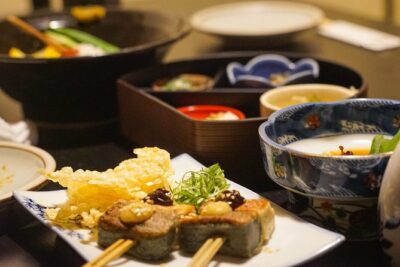
Kyoto Night Foodie Tour in Gion (9+ dishes + 6 Sake tastings)
Our verdict →
1-Day Snow Monkeys, Zenko-ji Temple & Sake in Nagano
Our verdict →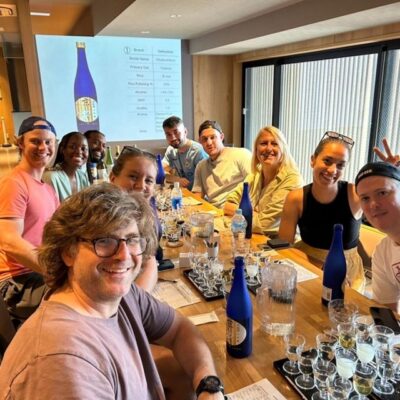
Insider Sake Brewery Tour with Sake and Food Pairing
Our verdict →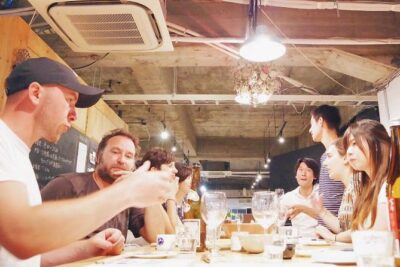
Sake Tasting Masterclass in Shinjuku (8+ Varieties with a Pro)
Our verdict →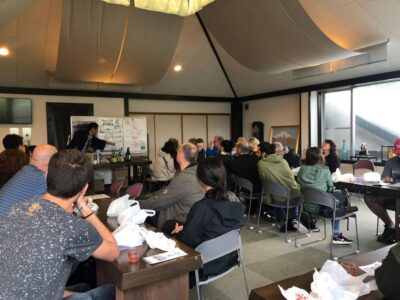
Browse the lists this tour appears in