Reviewed · PRIVATE
Scenic Green Tea Fields of Hidden Kyoto & Local Tea Exp (Private)
The best part of this private Kyoto outing is the change of pace. You leave the city for Wazuka and Ujitawara, where tea bushes climb hills in neat green rows and small roads wind through cedar groves. Along the way, guide Daiki adds stories about tea, monks, samurai, and ninjas instead of simply pointing out photo stops.
I like the private vehicle and flexible pickup, especially because many tea farms and rural temples are difficult to reach by train. I also like the chance to buy premium tea near its source, often for far less than city prices. The main catch is time: five and a half hours covers a lot, and Byodo-in plus Shoju-in admission and your drinks are extra.
At a glance
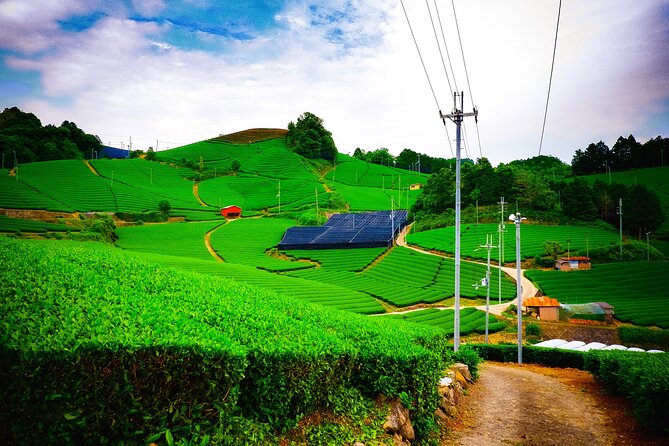
- Tea fields that climb the hills: Ishitera and Ujitawara provide the tour’s most memorable views, with carefully planted rows reaching up the slopes.
- A private route beyond central Kyoto: Pickup and drop-off can be arranged at different points, making this useful for travelers who do not want to return to the same hotel.
- Daiki as guide and driver: His explanations of Japanese history, tea culture, and rural life are a major part of the experience.
- Byodo-in’s Phoenix Hall: The famous temple, shown on the Japanese 10-yen coin, gives the day a strong cultural anchor.
- Tea at local prices: Wazuka tea and matcha products can cost about one-half to one-third of city prices.
- Two vehicle choices: Groups of two to six ride in an air-conditioned Nissan van, while solo guests may get an open-air Mini Cooper.
Why Kyoto’s tea country is worth the drive
Central Kyoto gives you temples, gardens, and narrow lanes. Southern Kyoto gives you something different: broad views, quiet farm roads, and tea fields shaped by working agriculture rather than by a temple garden designer.
Wazuka is a major tea-producing village associated with Uji tea. The distinction can be confusing. Uji is the better-known regional name, while Wazuka is one of the rural places where high-quality tea is grown and processed. Here, tea is not just a souvenir or a green dessert flavor. It is the local economy and a visible part of daily life.
The fields are the visual prize. Tea bushes are trimmed into smooth, low mounds that form repeated lines across the hills. In good conditions, the rows look almost geometric. The tour description promotes views in every season, and that makes sense: summer brings strong green color, while winter can reveal the shape of the fields more clearly.
You should expect a scenic drive, not a long farm walk. The listed stops at Ishitera and Ujitawara allow about 30 minutes each. That is enough for photographs and a short walk, but not enough for a slow agricultural visit or a detailed tour of tea production.
A few more Kyoto half-days worth comparing
- PERFECT KYOTO 1-Day Bus Tour
★ 5.0 · 13,518 reviews - Kyoto: Fushimi Inari, Kinkakuji, Bamboo Grove 1 Day Bus Tour
★ 4.8 · 4,316 reviews - Kyoto: Tea Ceremony in a Traditional Tea House in Kiyomizu
★ 4.9 · 3,519 reviews
Byodo-in and the Phoenix Hall
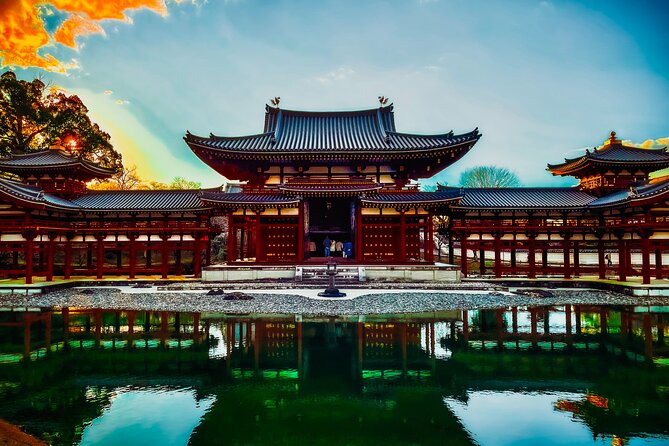
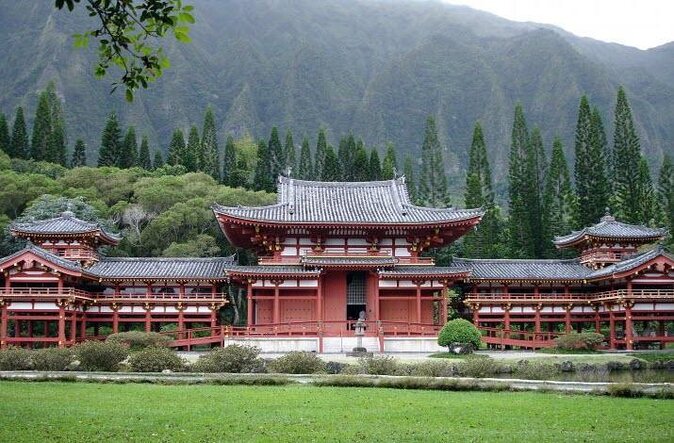
The tour begins with up to two hours at Byodo-in, one of Kyoto’s most recognizable temples. Its Phoenix Hall appears on the Japanese 10-yen coin, and the building’s design represents the Buddhist Pure Land, a vision of paradise on earth.
This is a smart first stop because it gives the day a clear historical center before you head into the countryside. You can look at the architecture, grounds, and the pond setting, then connect the temple’s religious ideals with the older traditions surrounding tea and Japanese aesthetics.
Admission is not included and is listed at ¥600 per person. Allowing two hours here gives you time to see more than the famous hall itself, though the exact flow can depend on crowds and access conditions.
If you have already visited many major Kyoto temples, Byodo-in may feel familiar in its broad themes. Its advantage is the setting and the Phoenix Hall’s unusual appearance. If this is your first temple visit in Kyoto, it is a particularly strong introduction.
Wazuka-cha Cafe and the taste of local tea
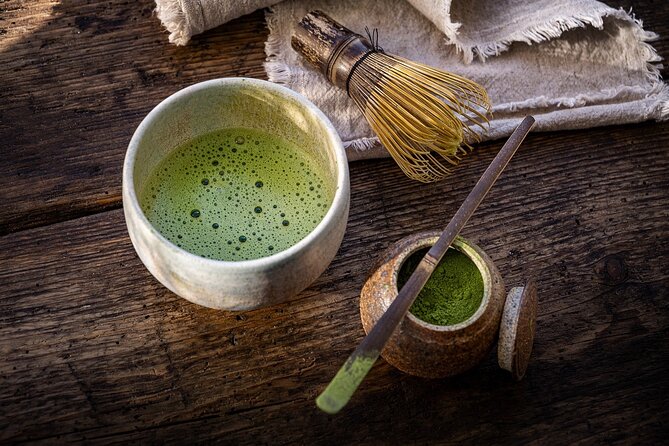
The one-hour cafe stop is where the tour shifts from scenery to flavor. You can try green tea and matcha supplied by local farmers, along with matcha desserts. The experience is less about a formal tea ceremony and more about tasting the product in the region where it is grown.
That difference matters. In Kyoto, matcha is often served as ice cream, cakes, or a polished cafe drink. In Wazuka, you have a better chance to think about the tea itself: its color, bitterness, sweetness, aroma, and finish.
Your own tea or coffee is not included, so budget for it separately. You can also shop for premium tea. The listed prices are described as roughly one-half to one-third of what you may pay in the city, which can make this stop practical as well as enjoyable.
The tour presents Wazuka tea as even purer and more authentic than the Uji tea label. I would treat that as a promotional comparison rather than a strict rule. The useful point is simpler: Wazuka is a serious tea-growing area, and buying directly near the farms can give you more choice and better value than picking up a generic packet in central Kyoto.
Ishitera’s tea fields reaching up the hills

Ishitera is the short, highly visual stop. You get about 30 minutes to see the tea fields and take photographs. The rows are the kind of view that makes the trip worthwhile for anyone who wants a side of Japan beyond city streets and famous shrine gates.
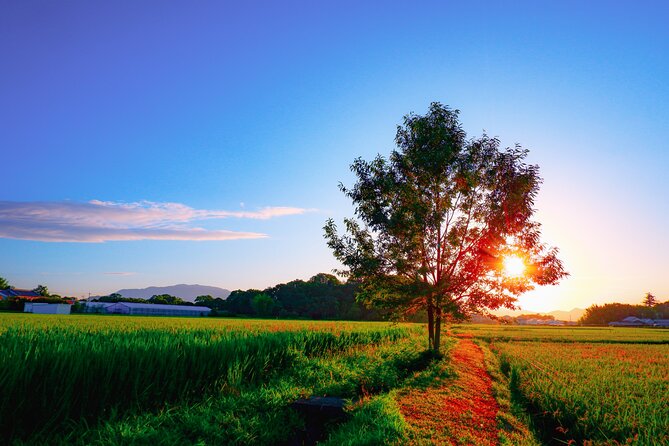
The phrase tea fields reaching to the sky is not hard to understand once you see the slopes. Rows of tea bushes follow the contours of the hills, creating long bands of green. The scene feels orderly but not manufactured. These are working farms, and that gives the view more meaning than a decorative garden.
Bring shoes suited to uneven ground and expect a short walk with some stairs during the day. The tour is not described as a demanding hike, but it is not entirely step-free either.
Photography can easily consume your time here. If you want more than a quick snapshot, tell Daiki early. The private format helps, since the group does not need to wait for a large busload of people.
More Private-Only Departures in Kyoto:
- Fushimi Inari Hidden Hiking Tour (Private Option Available)
★ 5.0 · 1,750 reviews - Private Kyoto Tour with a Local, Highlights & Hidden Gems, Personalised
★ 5.0 · 1,543 reviews - Kyoto 6hr Private Tour with Government-Licensed Guide
★ 5.0 · 1,369 reviews - 10 Must-see Spots in Kyoto One Day Private Tour (up to 7 people)
★ 5.0 · 1,108 reviews
Ujitawara, tea origins, and a quieter rural stop
The next tea-country stop is Ujitawara, described as one of Japan’s major green tea areas and a place connected with the development of Japanese green tea and matcha. You stop at a beautiful tea field where you can walk on a farm and take another photograph.
This stop adds context to Ishitera. Instead of seeing only one famous viewpoint, you get a second look at how tea farming fits into the region. The two stops are close in purpose, so anyone who cares mainly about temples may find the repetition less exciting. If tea, photography, or rural Japan is your reason for booking, the extra field is a real benefit.
The timing is again about 30 minutes. You will see the setting and get a taste of the countryside, but you should not expect a full farming lesson unless Daiki provides more detail during your visit.
Shoju-in and the heart-shaped window
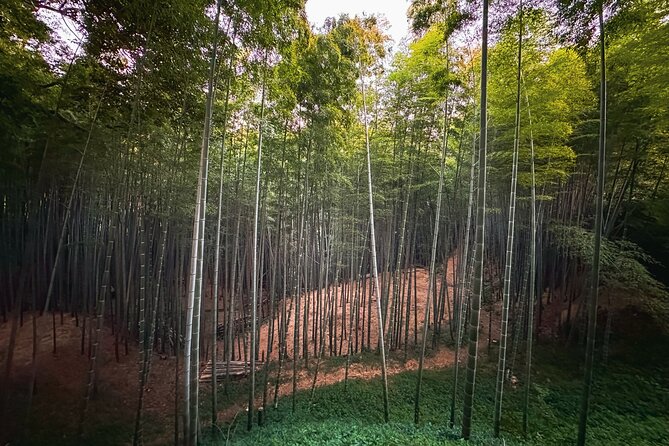
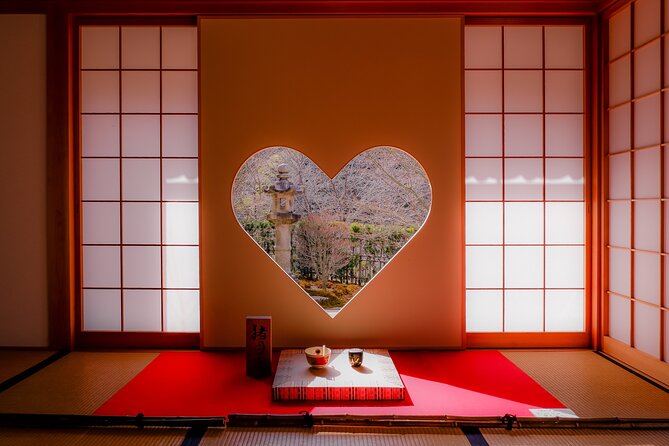
Shoju-in, also written as Seijuin in the tour information, is the final major stop and receives about an hour and a half. It sits in the southern Kyoto countryside and is known for a heart-shaped window in its tea room.
The window is an obvious photo draw, but the temple also helps explain the tone of the day. This is not only a checklist of famous Kyoto buildings. The route uses smaller religious sites, rural roads, and tea areas to show a less polished side of the region.
Admission is ¥1,000 per person and is not included. The tour information notes that the temple requires about an hour’s drive from central Kyoto, so the value depends on your interests. If you want only the fastest route to tea fields, that long drive may feel costly in time. If you like small temples, forest roads, and unusual architectural details, it gives the day a memorable finish.
Some past outings with Daiki have included extra shrines, a meal stop, or a longer route through Kyoto, Nara, and Osaka. Those examples suggest that he can adapt when time allows, but you should treat the advertised five-and-a-half-hour plan as the standard and ask ahead if you want additions.
The private vehicle makes the route practical
Public transportation is useful in Kyoto, but it will not take you directly to every tea field, cafe, and rural temple on this route. The included vehicle is therefore more than a comfort feature. It is what makes the day possible without piecing together buses, taxis, and long walks.
Groups of two to six use an air-conditioned Nissan van. This is the sensible choice for families, couples with luggage, or anyone who wants room after several stops. Solo guests may be assigned an open-air convertible Mini Cooper, which creates a very different mood on the country roads.
The vehicle arrangement is one detail worth confirming before booking, especially if you are traveling alone and have large bags. Pickup is offered over a wide area from two major cities, and the start and end points can be different. That can save time if you want to finish near dinner or at another accommodation.
The tour starts at 1:00 pm. Since Byodo-in is listed first, the day begins in the afternoon and continues into the countryside. This schedule may suit you if you prefer a slower morning, but it leaves less daylight for unplanned additions during winter.
What Daiki adds to the day
A private guide can make a rural drive either interesting or very quiet. Here, Daiki’s role is central. He explains Japanese history and culture while driving, with particular attention to tea, monks, samurai, and ninjas.
His teaching style also appears practical. He has helped with photographs, made extra drop-offs, and adjusted the end of the day for meals when possible. That is useful on a private tour because the small details matter: where you eat, how long you want at a viewpoint, and whether you need help getting to the next stop.
You should not book this only for transport. The vehicle gets you there, but Daiki’s stories give the stops a connection. The strongest part of the tour is likely the combination of moving through the countryside and understanding why the temples and tea farms matter.
Price, timing, and what you actually receive
The listed price is $250.38 per group of up to six people. For a full group, that is strong value because the price covers private transport, fuel, highway fees, pickup, and drop-off. Split among six, the vehicle cost becomes especially reasonable.
For two people, the per-person price is higher, but you are buying access to places that are awkward to reach independently. For a solo guest, the price is harder to justify unless the convertible Mini Cooper, personal guide, and private route are major priorities.
Plan extra money for:
- Byodo-in admission, ¥600 per person
- Shoju-in admission, ¥1,000 per person
- Tea, coffee, and matcha purchases
- Any meal or added activity not included in the listed price
The tour has a 4.9 rating from 32 reviews and a 97 percent recommendation rate. Those figures suggest a strong record, but the experience still depends on weather, road conditions, closures, and crowd levels. Seasonal routes may change for cherry blossoms, plum blossoms, or autumn color.
Free cancellation is available until 24 hours before the start time. After that cutoff, the amount paid is not refunded, and late changes are not accepted.
Who should book this Kyoto tea tour?
I would choose this outing if you have already seen central Kyoto or want to balance temple-hopping with open countryside. It suits couples, families, small groups, solo photographers, and anyone curious about Japanese tea beyond cafe desserts.
It is also a good choice if you value direct help from a local guide. Daiki’s ability to explain culture, wait for photographs, and sometimes adjust the final drop-off gives the tour a personal feel that a standard coach trip cannot match.
I would hesitate if your priority is a slow tea ceremony, a full farm lesson, or a long hike through the fields. The schedule includes several stops, and the tea fields receive short visits. You should also be comfortable with driving time, stairs, and paying separate admission fees.
Should you book it?
Book this tour if you want tea country, small temples, and private transport in one half-day. The scenery at Ishitera and Ujitawara is the main reason to go, while Byodo-in and Shoju-in give the route cultural depth.
For the best value, bring a small group and tell Daiki what matters most: photographs, tea shopping, temple architecture, or local history. If you want a polished route through the quieter side of Kyoto and do not mind paying extra for temple entry and tea, this is a strong pick.
FAQ
How long is the tour?
The scheduled experience lasts approximately five and a half hours and starts at 1:00 pm.
Is pickup included?
Yes. Pinpoint pickup and drop-off are offered, and different start and end points can be arranged.
What vehicle is used?
Groups of two to six use an air-conditioned Nissan van. Solo guests may ride in an open-air convertible Mini Cooper.
Are temple admission fees included?
No. Byodo-in admission is listed at ¥600 per person, and Shoju-in admission is ¥1,000 per person.
Is tea included?
The tea cafe stop is included as part of the route, but coffee or tea you order for yourself is not included. Tea purchases are also separate.
Can the itinerary change?
Yes. The route may change because of unexpected closures, road conditions, crowd levels, or seasonal courses such as cherry blossoms, plum blossoms, and autumn leaves.
Just added around Kyoto
- Sekka Cotton Furoshiki Class★ 5.0 · 19 reviews
- Secret Eastern Kyoto Biking Adventure★ 5.0 · 44 reviews
- Kyoto Sword Experience – includes Museum Ticket/Ninja Experience★ 4.5 · 149 reviews
- Private Sake Tasting in Central Kyoto with Sake Sommelier★ 5.0 · 32 reviews
- Samurai School in Kyoto: Samurai for a Day★ 5.0 · 202 reviews
- SHIRAKAWA Japanese Culture Experiences with private English staff★ 5.0 · 16 reviews
- A Privately Guided Photoshoot in Beautiful Kyoto by a Pro★ 5.0 · 18 reviews
- Samurai Performance and Casual Experience: Kyoto Ticket★ 4.5 · 115 reviews
Private, compared.
Private Tour to Mt. Fuji and Hakone (Fully Licenced Operator)
Our verdict →
Fushimi Inari Hidden Hiking Tour (Private Option Available)
Our verdict →
Private Kyoto Tour with a Local, Highlights & Hidden Gems, Personalised
Our verdict →
Tokyo Customized Private Tour (Must See Places in 1 Day)
Our verdict →

Tokyo 4hr Private Tour with Government-Licensed Guide
Our verdict →
Tokyo, Shaped Around You: A Private Experience with a Local
Our verdict →