
Reviewed · TEMPLES & SHRINES
Arashiyama Bamboo, Temple, Monkeys, or Secret Sake Brewery
Arashiyama’s famous bamboo grove is only the beginning of this long, varied walk. You’ll move from towering bamboo and a private garden to a Zen temple, shopping lanes, Togetsukyo Bridge, and a hilltop monkey park with wide views over the Katsura River. Guides such as Karim, Francis, Tom, and Toru bring plenty of local stories and practical help along the way.
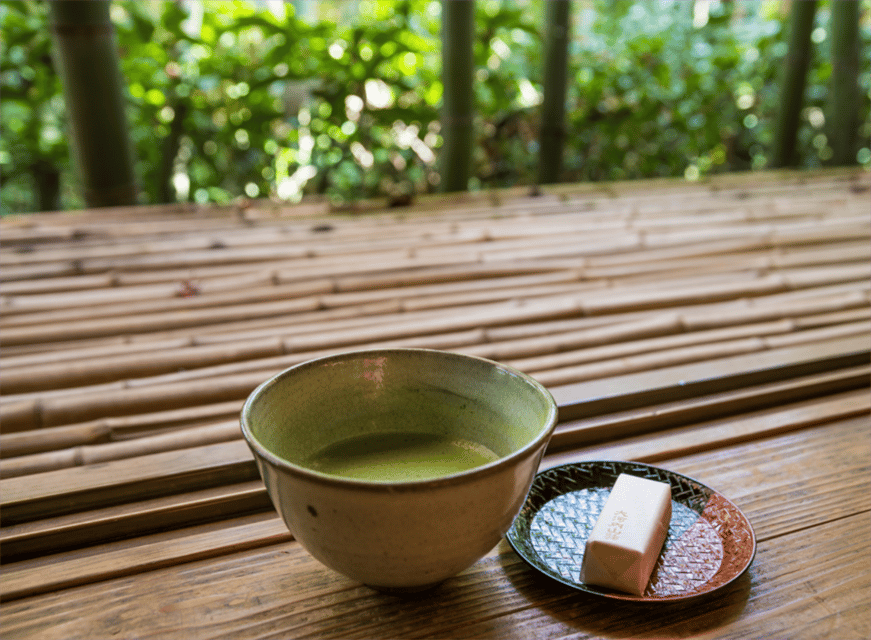
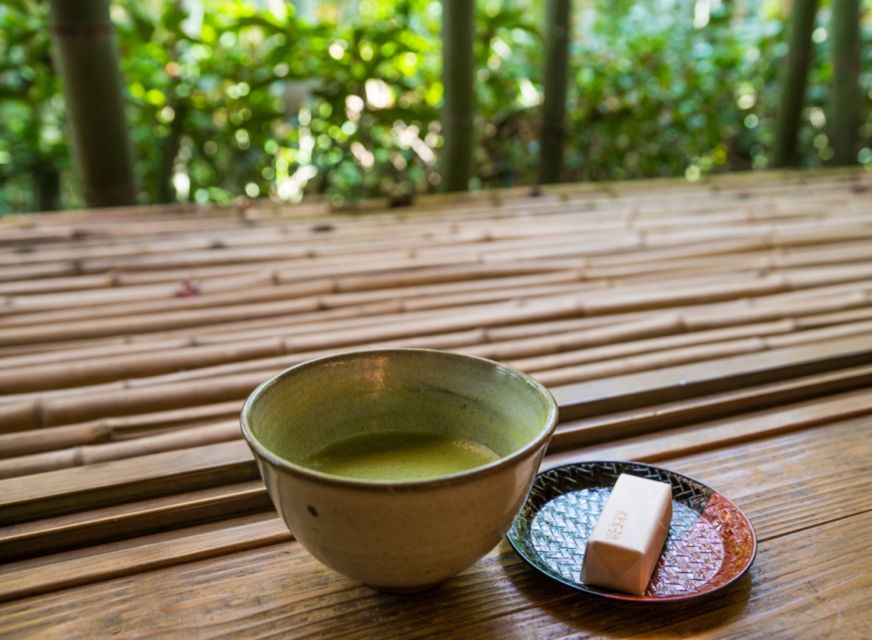
I like the mix of major sights and quieter corners, especially Okochi Sanso Garden, where your admission includes green tea at the former tea-house rest area. I also like the flexible pace: the best guides, including Alice and Tom, have been praised for adding shade, snack, drink, and photo breaks when the weather or group called for it.
The main drawback is simple: this is a real walking tour, not a sightseeing bus. The climb to Iwatayama Monkey Park takes about 15 to 20 minutes on a steep path, and hot, wet weather can make the five to five-and-a-half-hour outing tiring.
Key points to know before booking
- The bamboo grove comes early: You reach Arashiyama’s famous trees near the start, before moving on to shrines, gardens, and temples.
- Okochi Sanso is the quiet luxury: Admission includes the private garden and a drink at the resting area.
- The monkey park requires effort: Expect a steep 15 to 20-minute climb, but you get macaques and one of Kyoto’s best city views.
- You choose the ending: Option A continues to the shopping street, Kimono Forest, Togetsukyo Bridge, and Iwatayama. Option B adds a mountain train ride, a local lunch stop, and sake tasting at Tanzan Brewery.
- Guides vary by date: Karim, Francis, Tom, Toru, Alice, and others lead tours, but no particular guide is guaranteed.
- It is good value for active sightseers: At $87 per person, entry to three paid attractions, a local guide, green tea, and souvenir photos are included, but lunch and extra drinks are not.
Starting at Saga-Arashiyama Station
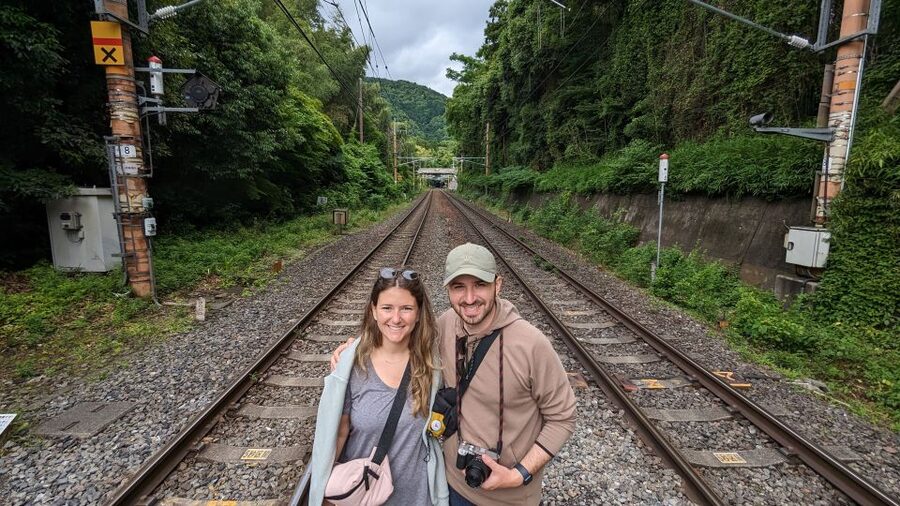
You meet by the map near the vending machines on the north side of JR Saga-Arashiyama Station. After passing through the gates, turn right and go downstairs. Look for a guide in a red polo shirt or jacket with the JTA, or Japan Tour Adventure, logo.
Arrive 15 minutes early. This matters here because the tour begins on foot, and a late arrival is treated as a no-show without a refund. The station meeting point is practical, especially if you are coming directly by train, but do not assume the tour starts in central Kyoto.
The group walks about 15 minutes to the bamboo grove. That opening walk gives you time to meet the guide and settle into the pace. Shared groups can include up to about 12 people, though some departures have been much smaller. A private option is available if you want more control over the pace or route.
The advertised length is five hours, with the duration also listed as 330 minutes. In practice, plan for a substantial half-day and avoid scheduling a tight connection immediately afterward.
More Drinking Tours in Kyoto
- Kyoto Night Foodie Tour in Gion (9+ dishes + 6 Sake tastings)
★ 5.0 · 1,762 reviews - 3-Hour Kyoto Insider Sake Brewery Tour with Tastings & Pairings
★ 5.0 · 917 reviews - Kyoto: Izakaya Bars Guided Walking Tour
★ 4.9 · 815 reviews
Walking beneath Arashiyama’s bamboo
The Arashiyama Bamboo Forest is the visual hook. Tall bamboo rises on both sides of the path, creating a cool, green corridor that feels far removed from the nearby station and shopping streets. You have about 25 minutes here for walking, photographs, and an introduction to the area.
Your guide can help you make sense of what you are seeing rather than simply pointing out the trees. The grove is beautiful, but it is also one of Kyoto’s most photographed stops, so the path can feel busy. A guide cannot remove the crowds, but can help you find better places to pause and explain how the grove fits into Arashiyama’s larger temple and garden district.
This is a good moment to check your shoes and water supply. The morning includes several more stops, and the monkey park comes later. Wear shoes with a firm grip, not fashion sandals or smooth-soled sneakers.
Nonomiya Shrine and the meaning behind the rituals
A short walk brings you to Nonomiya Shrine for about 15 minutes. This compact shrine adds cultural context to the bamboo walk, and your guide can show you how to approach and pray at a Shinto shrine.
The stop is not long, so expect a focused visit rather than a detailed exploration of every corner. That is useful on a tour with so much ground to cover. You can take photographs, listen to the explanation, and ask practical questions about shrine customs without losing much time.
Several guides, including Francis and Toru, have been praised for explaining Japanese religious traditions in clear, approachable ways. If you have never visited a shrine before, this short stop makes later temple visits easier to understand.
Okochi Sanso Garden, the tour’s calmest stop
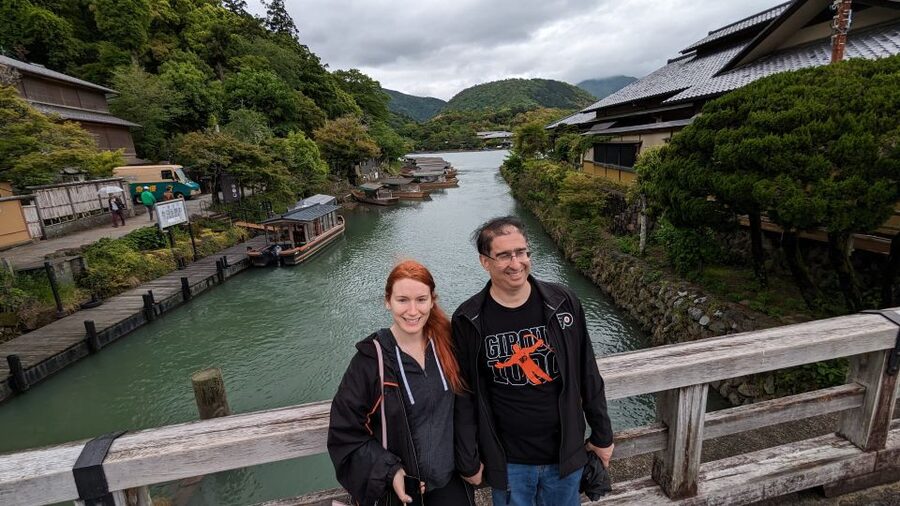
Okochi Sanso Garden is one of the strongest reasons to choose this tour instead of visiting only the bamboo grove. The garden was once the home of actor Denjiro Okochi, and the grounds are arranged across a hillside with carefully framed views and quiet paths.
You have about 40 minutes here, including free time and a drink at the former tea-house rest area. Green tea is included, which gives you a useful break after the first stretch of walking. It also adds value to the admission price, since you are not paying simply to pass through a garden and hurry back outside.
I would use this stop to slow down. Take in the garden views, enjoy the tea, and let the guide point out details you might otherwise miss. The paths include some slopes and steps, so this is not a flat, effortless garden visit. Still, the pace is gentler than the monkey-park climb later.
If you are trying to choose between a basic bamboo-grove visit and this longer tour, Okochi Sanso is the quieter, more reflective part of the day. It gives the outing a sense of balance instead of making it a chain of crowded photo stops.
More Sake Tastings in Kyoto
- Kyoto: Insider Sake Brewery Tour with Sake and Food Pairing
★ 5.0 · 704 reviews - Kyoto Sake Brewery & Tasting Walking Tour
★ 5.0 · 623 reviews - 1.5-Hour Kyoto Insider Sake Experience with 7 Tastings & Pairings
★ 5.0 · 297 reviews - Kyoto: Insider Sake Experience with 7 Tastings and Snacks
★ 5.0 · 266 reviews
Tenryuji Temple and its koi pond
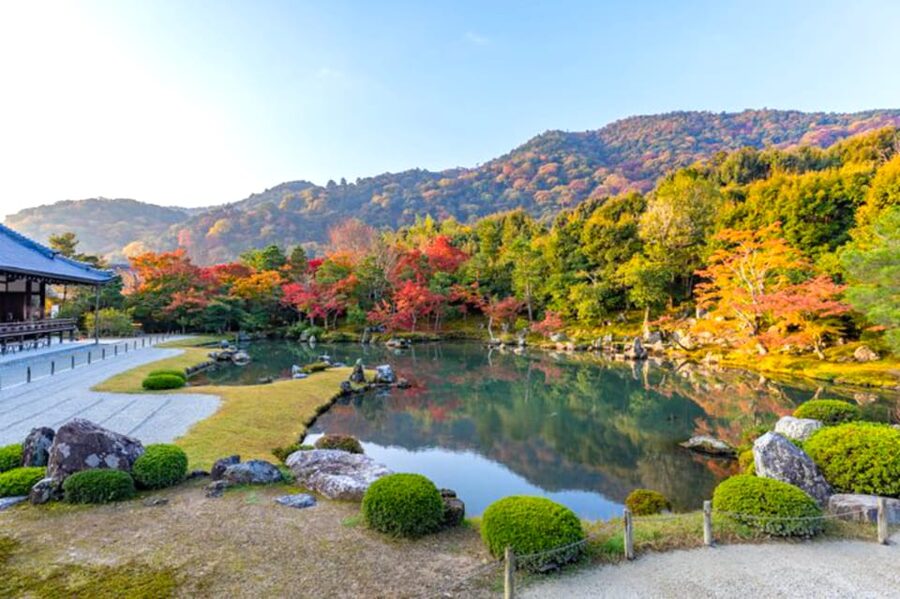
Next comes Tenryuji Temple, one of Arashiyama’s key Zen sites. The visit lasts about 30 minutes and includes time for sightseeing, photographs, and some self-guided exploration.
The temple grounds are best appreciated as a combination of architecture, gardens, and water. The koi pond is an easy favorite, especially after the bamboo grove and hillside garden. Your guide can explain the Zen setting and the stories connected with the temple, while you get some space to look around at your own speed.
Thirty minutes is enough for a useful introduction, but not enough for every building and garden path. That is an important tradeoff. If Tenryuji is your main reason for visiting Arashiyama, you may want to return independently for a longer look. If you want a broad first visit to the district, the time allocation works well.
The tour includes the temple entry ticket, so you do not need to buy that separately. This is one of the details that helps the $87 price make sense.
Arashiyama’s shopping street, snacks, and Kimono Forest
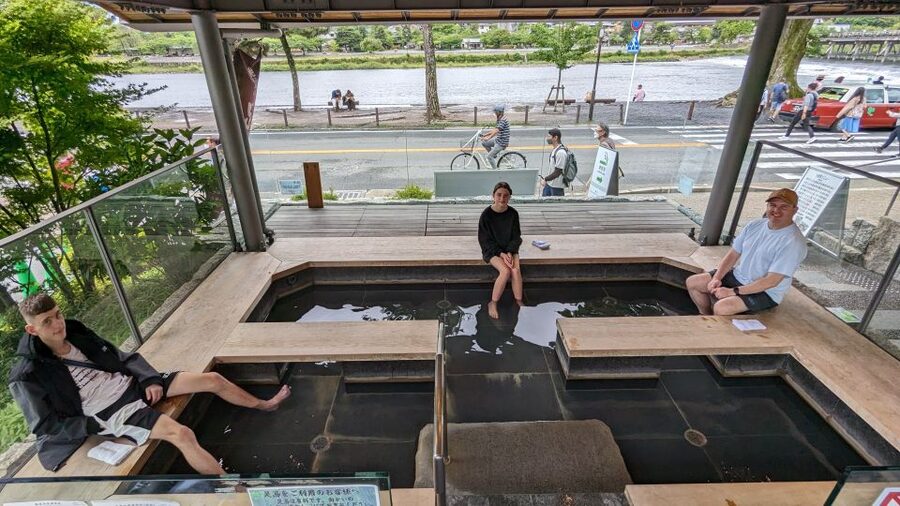
The route then reaches the Arashiyama shopping area for roughly 30 minutes. This is your chance to look at local food, browse shops, and buy a snack. Lunch is not included, so keep some cash with you.
The guide may point out food stops and explain what to try, but you should not expect a full meal as part of the standard price. The time is better viewed as a flexible snack and shopping pause. If you are hungry, ask early so you can choose something without rushing.
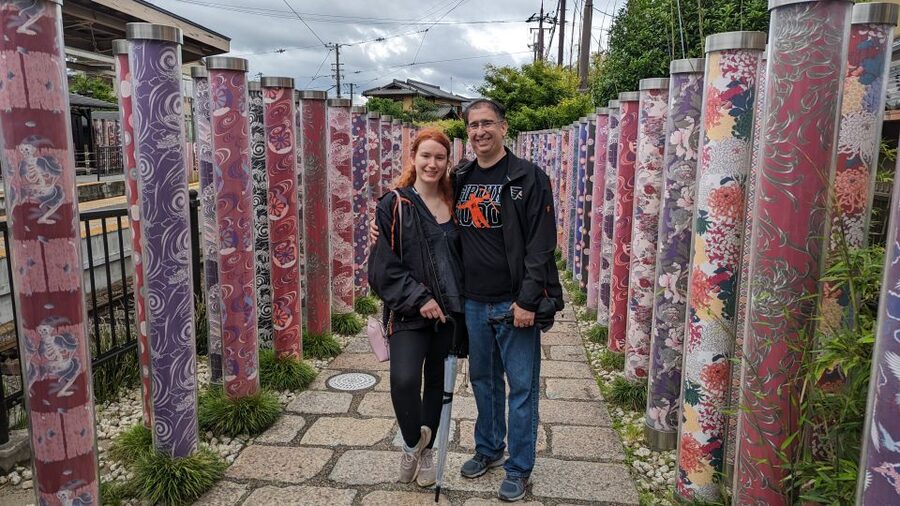
Kimono Forest follows, with colorful fabric-covered pillars arranged near the station area. It is a short stop, about 10 minutes, and works well for photographs. The display is modern and decorative rather than an old temple or shrine, giving the route a change of mood.
That variety is one of the tour’s strengths. You get religion, gardens, food, shopping, public art, and wildlife in one outing. The price of that variety is that no single attraction receives an extremely long visit.
Togetsukyo Bridge and the Katsura River

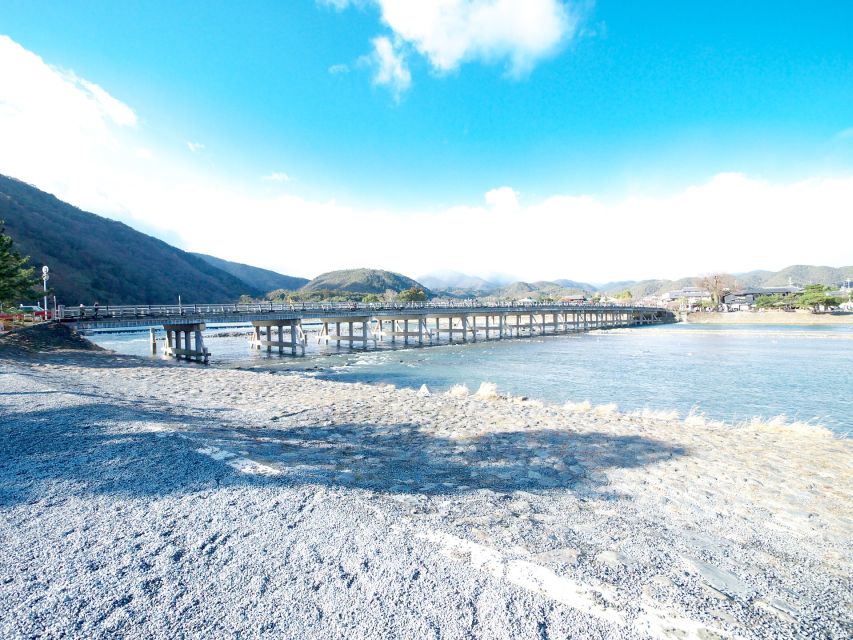
The walk continues to Togetsukyo Bridge for photographs and views. The bridge is one of Arashiyama’s familiar sights, crossing the Katsura River against the hills.
You only spend about five minutes at the bridge itself, with another 10 minutes of walking around it. Do not expect a long riverside break at this point. The main purpose is to see the setting, take photographs, and continue toward the monkey park.
The most impressive river view comes later from the hill above Iwatayama. The bridge gives you the scene from below, while the monkey park gives you a higher view over the river and Kyoto. Together, the two stops make more sense than either one alone.
Climbing to Iwatayama Monkey Park
The monkey park is the physical test of the tour. After about 10 minutes of walking from the bridge, you begin a steep uphill path that takes roughly 15 to 20 minutes to reach the top. The full park visit is scheduled for about an hour, including the climb, wildlife viewing, photographs, and time to take in the view.
The macaques live in a natural hillside setting rather than a conventional zoo enclosure. Follow the park rules carefully and keep a respectful distance. Do not treat the animals like pets, and listen to the guide’s instructions about where to stand and how to behave.
The payoff is twofold. You see the monkeys, and you reach a viewpoint over the Katsura River and Kyoto. Several guides, including Tom and Karim, have helped groups manage the climb by setting a sensible pace and allowing breaks. That matters in summer, when temperatures can become oppressive, and in rainy weather, when the path may feel harder.
You should be in reasonable physical condition for this section. The tour is not a good match if steep paths, uneven ground, or prolonged walking are difficult for you. One useful feature is that the official tour ends at the monkey park. After receiving your ticket and instructions, you can take your time at the top and leave the park when you are ready.
The listed drop-off points are Iwatayama Monkey Park and Saga-Arashiyama Station. Confirm the exact finish plan with your guide, particularly if you choose the alternative route.
Choosing between the monkey route and the sake option
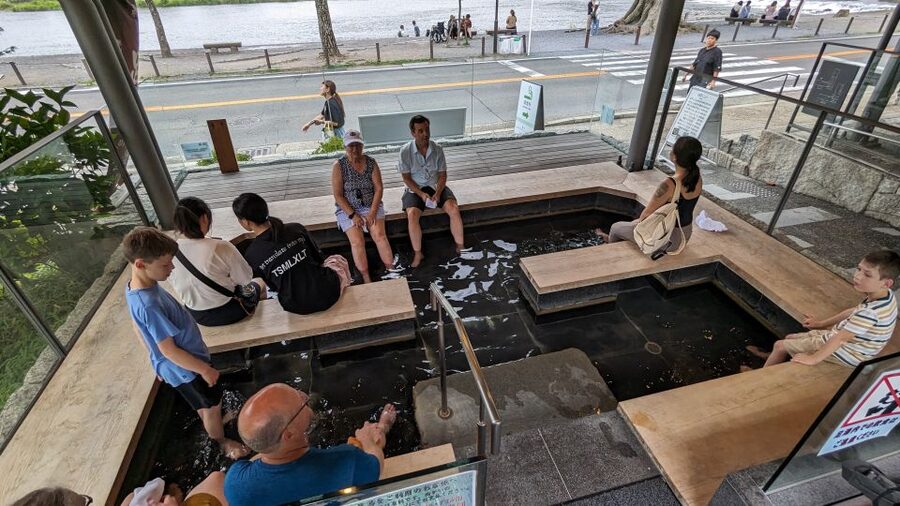
The standard route, called Option A, continues through the shopping street, Kimono Forest, Togetsukyo Bridge, and Iwatayama Monkey Park. Choose it if you want the classic Arashiyama combination of bamboo, temples, river views, and monkeys.
Option B changes the ending. You return to the station for a short train ride through the mountains, have lunch among local residents with fewer tourists, and visit Tanzan Brewery for a sake tasting. This is a very different finish, with more food and drink and less emphasis on the monkey park.
The supplied details do not make clear whether both options operate at every departure, so confirm your preferred choice before booking. Lunch is not included in the general inclusions, while the sake tasting is specifically included in Option B. Bring cash for food and any purchases.
I would choose Option A for a first visit to Arashiyama, especially if monkeys and the hilltop view are high on your list. Option B suits you better if you have already seen the monkey park, prefer local food and sake, or want a less demanding ending. The two versions are not interchangeable, so this choice should guide your booking.
Guides, group size, and language
The experience includes a bilingual local guide, with English as the language you should expect on a shared tour. French, German, and Spanish may be available, but a particular non-English language is not guaranteed. Contact the provider before booking if language is important to you, even for a private group.
Guide quality appears to be central to the experience. Karim is described as energetic and flexible. Francis has helped English-speaking groups with cultural explanations and local food suggestions. Tom has been praised for humor, history, and adjusting the pace in extreme heat. Toru is known for detailed cultural stories, while Alice has been especially practical about water, bathrooms, and shade.
Those names do not mean you can request a specific guide with certainty. They do show what to value: a guide who can explain shrine customs, temple traditions, food, and local geography without turning the day into a lecture.
Shared groups are usually capped around 12 people, though smaller groups can occur. A small group makes it easier to ask questions and adjust for photographs or snacks. A private tour gives you more control, but the shared version may already feel personal if attendance is low.
Is $87 a fair price?
At $87 per person, this is not the cheapest way to see the bamboo grove. You are paying for a full half-day with a guide, not just entry to one attraction.
The package includes Okochi Sanso Garden, Tenryuji Temple, and Iwatayama Monkey Park entry, plus green tea and souvenir pictures. Add the guide’s explanations, route planning, and the ability to move between several sights without working out the sequence yourself, and the price is reasonable for an active first visit.
The value is strongest if you want cultural context and would otherwise pay separate admission fees. It is weaker if you prefer to linger for hours at one temple, shop independently, or move at your own pace. Lunch, extra drinks, and souvenirs cost more, so budget for those.
I would also factor in time. Five to five and a half hours in Arashiyama can replace several separate visits, but the schedule is fairly full. You gain range and guidance, not complete freedom.
Weather, clothing, and who should book
The tour operates rain or shine. In summer, several people have found the heat difficult, even with regular shade and drink breaks. Bring water, sun protection, and a light rain layer. An umbrella can help with sun as well as rain.
Comfortable shoes are essential. The day includes station walking, temple and garden paths, streets, and the steep climb to the monkey park. Bring your passport or another ID card, plus cash for lunch, snacks, and extra drinks.
I would recommend this tour to first-time Kyoto visitors, families with active teenagers, couples who want a broad introduction to Arashiyama, and anyone who prefers a guide to explain cultural details. It can also work well for solo bookers, but the departure requires at least two participants to operate. A solo reservation may be canceled, moved, or refunded if that minimum is not met.
I would skip it if you have mobility limits, dislike hills, or want an unhurried temple day. The walk is the point, and the monkeys come only after you have earned the view.
Should you book the Arashiyama tour?
Book it if you want to fit Arashiyama’s main sights into one well-organized outing and like the idea of combining bamboo, gardens, a Zen temple, shopping, river views, and macaques. The included admissions and tea make $87 reasonable, especially with a good guide such as Karim, Francis, Tom, Toru, or Alice.
Choose the monkey route for the most classic Arashiyama day. Choose the brewery option if local food and sake appeal more than a steep climb. Either way, arrive early, wear proper shoes, allow extra time, and confirm the language and route option before you pay.
FAQ
Where does the tour meet?
Meet by the map near the vending machines on the north side of JR Saga-Arashiyama Station. After leaving the gates, turn right and go downstairs. Look for a guide wearing a red polo shirt or jacket with the JTA logo.
How long does the activity last?
The tour is advertised as five hours, with the duration also listed as 330 minutes. Plan for a substantial half-day on foot.
Is the tour conducted in English?
English is the language you should expect on a shared tour. French, German, and Spanish may be available, but you must contact the provider to confirm a preferred language.
Is hotel pickup included?
No. Hotel pickup and drop-off are not included. You make your own way to Saga-Arashiyama Station.
What admissions are included?
Entry to Okochi Sanso Garden, Tenryuji Temple, and Iwatayama Monkey Park is included.
Is food included?
Lunch is not included. The tour includes green tea, and extra drinks, snacks, and souvenirs cost more. Option B includes a sake tasting at Tanzan Brewery.
How difficult is the monkey-park climb?
The path to the top takes about 15 to 20 minutes and is steep. Comfortable shoes and reasonable physical condition are required.
Does the tour run in bad weather?
Yes. The tour operates rain or shine. Bring suitable clothing and shoes for the conditions.
Can one person book the tour?
Yes, but the tour requires at least two participants to operate. A solo booking may be canceled, rescheduled, or refunded if the minimum is not reached.
Is cancellation allowed?
You can cancel up to 24 hours before departure for a full refund. You can also reserve now and pay later, according to the booking terms.
More Sake Breweries in Kyoto
- Kyoto: Fushimi Sake Brewery Tour – 18 Tastings in 2.5 Hours
★ 4.7 · 36 reviews - KYOTO Sake Tasting Tour at Local Breweries(tasting fee included)
★ 5.0 · 16 reviews - Japanese Sake Breweries Tour in Kyoto Fushimi
★ 4.3 · 13 reviews - Kyoto Sake Brewery Tour with Lunch
★ 4.5 · 12 reviews
More Temple & Shrine Tours in Kyoto
- Kyoto: Fushimi Inari, Kinkakuji, Bamboo Grove 1 Day Bus Tour
★ 4.8 · 4,316 reviews - Kyoto: Tea Ceremony in a Traditional Tea House in Kiyomizu
★ 4.9 · 3,519 reviews - Kyoto: Tea Ceremony Ju-An at Jotokuji Temple
★ 4.9 · 3,207 reviews - Fushimi Inari Hidden Hiking Tour (Private Option Available)
★ 5.0 · 1,750 reviews
Just added around Kyoto
- Sekka Cotton Furoshiki Class★ 5.0 · 19 reviews
- Kyoto Sword Experience – includes Museum Ticket/Ninja Experience★ 4.5 · 149 reviews
- Scenic Green Tea Fields of Hidden Kyoto & Local Tea Exp (Private)★ 5.0 · 32 reviews
- Secret Eastern Kyoto Biking Adventure★ 5.0 · 44 reviews
- Private Sake Tasting in Central Kyoto with Sake Sommelier★ 5.0 · 32 reviews
- Samurai School in Kyoto: Samurai for a Day★ 5.0 · 202 reviews
- Samurai Performance and Casual Experience: Kyoto Ticket★ 4.5 · 115 reviews
- SHIRAKAWA Japanese Culture Experiences with private English staff★ 5.0 · 16 reviews
Temples & Shrines, compared.

Tea Ceremony in a Traditional Tea House in Kiyomizu
Our verdict →

Meiji Shrine, Asakusa, Skytree Bus Tour and Cruise
Our verdict →
Fushimi Inari Hidden Hiking Tour (Private Option Available)
Our verdict →
Osaka/Kyoto:Kinkakuji,Arashiyama,FushimiInariShrine,NaraPark
Our verdict →
Nikko: Kegon Falls, Lake Chuzenji & Toshogu Temple
Our verdict →
Kamakura & Enoshima Day Trip including Temple Tickets
Our verdict →Browse the lists this tour appears in