
Reviewed · FOOD TOURS
Kyoto Foodie Night Tour
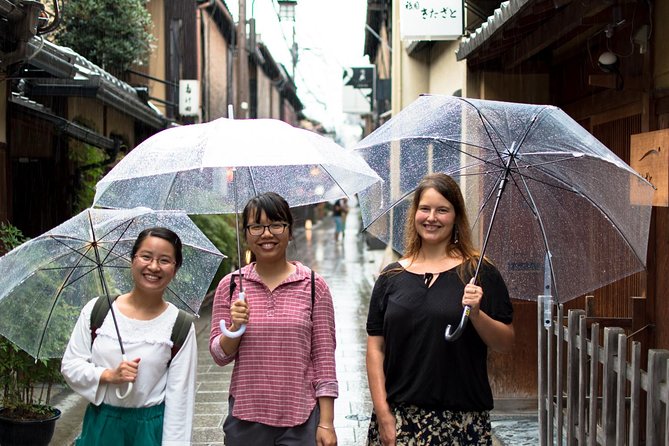
Kyoto’s food culture makes the most sense one small plate at a time, and this evening tour takes you from Nishiki Market to local izakaya restaurants and the narrow lanes of Pontocho. You get at least seven tastings, two drinks, and a guide who helps explain what is on the table.
I like the maximum group size of eight, which makes it easier to ask questions and fit into small Japanese restaurants. I also like the range: market samples, Kyoto-style obanzai, casual bar food, sake, and a short walk through a geisha district. The main caution is that much of the food is shared, and the evening may feel drink-heavy if you do not care for beer or sake.
Key points to know before booking
- Seven tastings plus two drinks: Expect a full evening meal, not just a few samples.
- Nishiki Market comes first: You try small bites at two or three family-run shops.
- Two or three restaurants follow: The food can range from obanzai to local izakaya dishes.
- Small group, up to eight people: This suits anyone who wants conversation and help ordering.
- Guides shape the experience: Sora, Chikako, Leandra, Yui, Shun, Taishi, Moe, Mana, and others have received especially warm praise for their food knowledge and personal recommendations.
- Dietary planning matters: Vegetarian, vegan, and gluten-free choices are limited, and requests must be sent at least one week ahead.
A Kyoto dinner that keeps moving
The Kyoto Foodie Night Tour begins at 5 p.m. near central Kyoto and runs for about three and a half hours. It finishes near the old Sanjo Bridge, placing you in a useful part of downtown for the rest of your evening.
This is not a formal cooking class or a restaurant meal with one fixed menu. It is a guided walk through Kyoto’s food districts, with stops selected by the guide and local partners. The appeal is variety. You may begin with a market snack, move to traditional Kyoto cooking, then finish with small plates and drinks in an izakaya.
I like this format because food becomes a way to understand the city. You are not just told that Kyoto has an important culinary tradition. You see it in the market stalls, taste it in several settings, and hear how everyday Japanese dining works.
The tour earns a strong overall rating of 4.9 from 376 ratings, with 98 percent recommending it. That is a useful signal, though it does not remove the need to consider your own eating habits. The best match is an adventurous eater who enjoys sharing dishes and is happy to let a guide make some of the choices.
More Food Tours in Kyoto
- Kyoto Night Foodie Tour in Gion (9+ dishes + 6 Sake tastings)
★ 5.0 · 1,762 reviews - Kyoto Nishiki Market Food and Culture Walking Tour
★ 5.0 · 412 reviews - Kyoto: Gion Food Tour 13 Dishes at 4 Eateries
★ 5.0 · 408 reviews
Starting with Kyoto’s food stalls at Nishiki Market
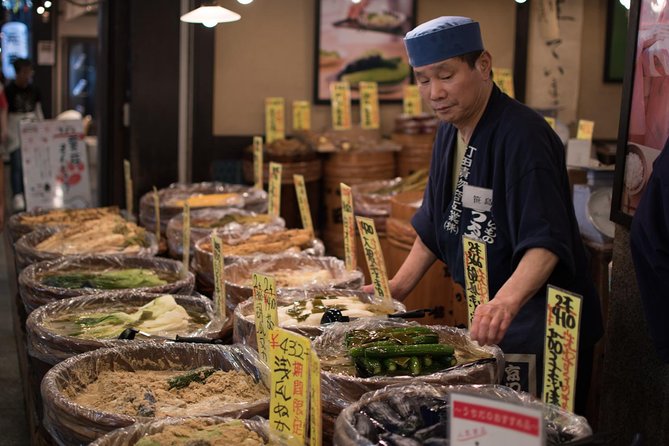
The first stop is Nishiki Market, the traditional food market in central Kyoto. You spend about 25 minutes here and visit two or three family-owned shops for sample-size foods linked to Kyoto’s food culture and past.
This is a short introduction rather than a full market tour. You will not have hours to browse every stall, but that can be an advantage. The guide keeps the focus on tasting and explains why certain foods matter. You also get a quick look at one of Kyoto’s most recognizable downtown food areas before the restaurant portion begins.
Market food is often the most approachable part of the evening. It gives you a chance to try small portions without committing to a full dish. If you are unsure about unfamiliar ingredients, the guide can explain what you are seeing and how it is commonly eaten.
The tradeoff is that the market stop is brief. If Nishiki Market is high on your Kyoto wish list, return on your own during daylight hours so you can browse at a slower pace. During the tour, think of it as an opening tasting session, not a complete market visit.
Obanzai, Kyoto-style cooking, and local izakaya plates
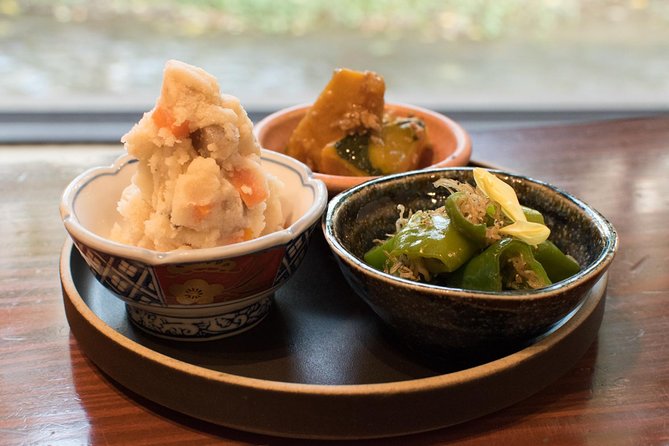
After Nishiki Market, the main food portion takes place over about two hours at two or three restaurants. The food can include obanzai, a style of Kyoto home cooking, along with dishes served in local izakaya.
Obanzai is a useful counterpoint to the flashy image of Japanese food. It often centers on seasonal vegetables, simple preparation, and small portions meant to be shared. Izakaya food brings a different mood: casual dishes, snacks to accompany drinks, and a social style of dining that works well for a group.
The exact menu varies, so you should not book this expecting a printed list of guaranteed dishes. The supplied details promise at least seven food tastings and two drinks, but the guide chooses the restaurants and dishes. That gives the evening a local feel, though it also means you need to be open to surprises.
Several guides are praised for taking groups to personal favorites and places that are easy to miss on your own. Sora is especially noted for ordering a generous range of food and explaining local customs. Chikako, also called Chika, is praised for her food and sake choices, while Leandra receives repeated praise for selecting small restaurants and explaining the connection between food, place, and daily life.
Yui and Yuina are the same guide described in different ways within the tour information. She is praised for helping with Japanese language practice as well as food. Taishi is noted for his easygoing manner, strong English, and ability to explain why his chosen restaurants are local favorites.
How much food will you actually get?
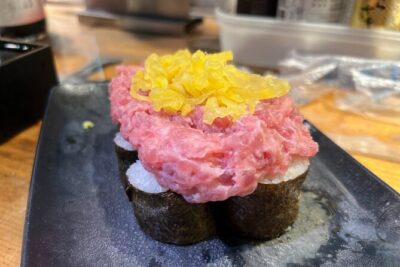
The safest advice is simple: arrive hungry. Many accounts describe the tour as filling, with enough food to serve as dinner. The evening includes at least seven tastings, and some guides order a broad spread so you can try foods you might not choose by yourself.
Still, you should understand how shared dining works. Dishes are placed in the middle of the table, and portions are divided among the group. One detailed criticism was that some plates were small enough that each person received only one piece of certain items, especially when the group was full.
That means the phrase seven tastings does not necessarily mean seven individual servings. If you want large portions of every dish, this may not feel like the right value. If you enjoy sampling many flavors and treating dinner as a social meal, the format makes more sense.
The tour also includes two drinks, commonly beer or sake. Soft drinks may be available, but the experience is built partly around Japanese drinking culture. One person felt that the evening placed too much emphasis on alcohol and not enough on food. If you do not drink, tell the guide at the start and make your preferences clear. The tour can still suit you, but you should not assume the drink portion will be central to your enjoyment.
More Night Tours in Kyoto
- Night Walk in Gion: Kyoto’s Geisha District
★ 4.5 · 2,003 reviews - Kyoto Gion Night Walk & Geisha District Guided Tour
★ 5.0 · 786 reviews - Kyoto Bar Hopping Night Tour
★ 5.0 · 613 reviews - Kyoto Nighttime All-Inclusive Eats and Streets, Gion and Beyond
★ 4.5 · 464 reviews
The sake tasting and the role of the guide
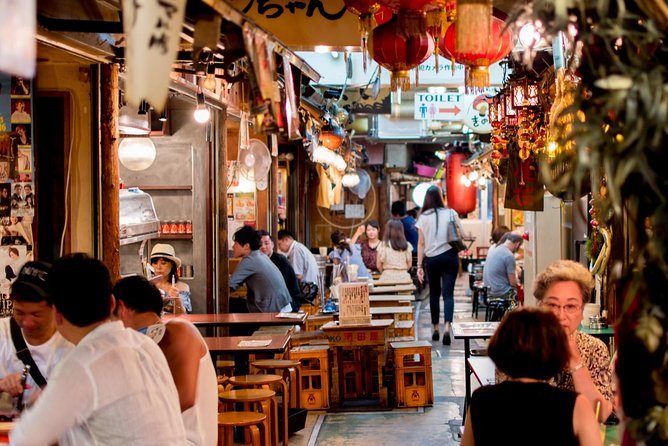
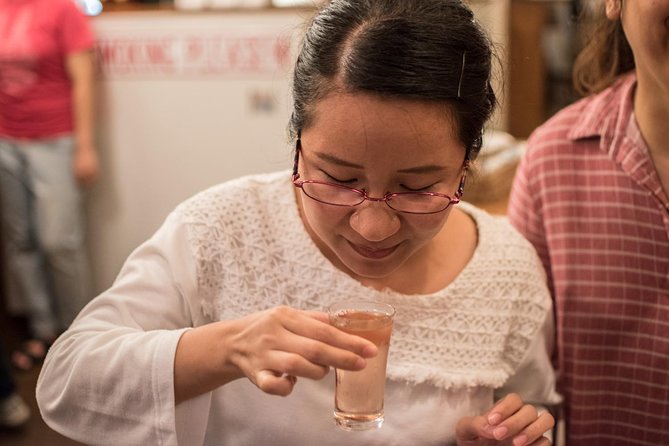
Sake is one of the evening’s most praised elements. The tasting gives you a chance to compare styles and learn how sake fits into Japanese meals, rather than simply receiving a drink with dinner.
Chikako is repeatedly singled out for enthusiasm and strong explanations of both dishes and sake. Other guides are also praised for making the tasting accessible to people who are new to Japanese drinks. If you have never ordered sake before, the guide can help turn a confusing menu into a manageable choice.
The guide matters a great deal here. This is a small-group experience, not a set audio tour. Your host explains dishes, answers questions, manages restaurant ordering, and keeps the group moving between stops. Sora, Shun, Chikako, Leandra, Mana, Moe, Izumi, Yui, and Taishi are among the named guides associated with particularly strong experiences.
Guide quality can vary from one departure to another, as it does with any hosted tour. The consistent strength is the personal approach: recommendations based on places and foods the guides themselves enjoy. That is valuable in Kyoto, where a restaurant menu can be difficult to read and a narrow doorway may hide an excellent meal.
A short walk through Pontocho after dinner
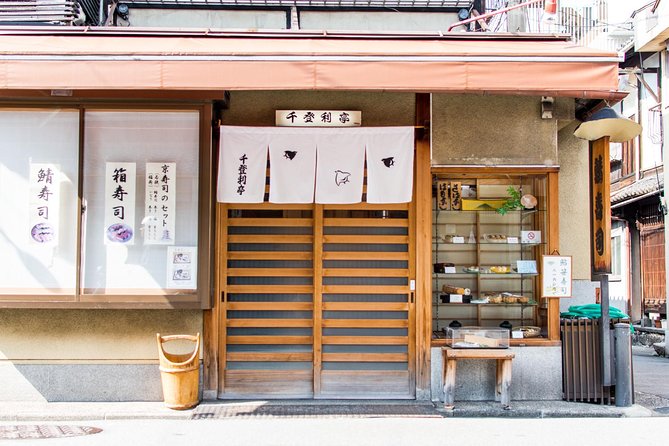
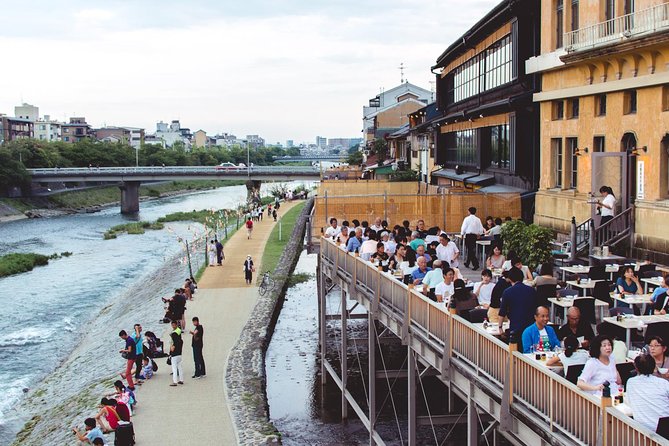
The final listed stop is Pontocho District, a narrow entertainment area beside the Kamo River. You spend about 15 minutes walking through the district while learning about Kyoto and geisha culture.
This is not a performance or a long cultural lecture. It is a short orientation to one of Kyoto’s atmospheric streets. The lane is known for traditional restaurants, teahouses, and its connection to the city’s geisha districts.
I like this ending because it links food with the neighborhood around it. You finish the restaurant portion with a little context about the streets you are walking through, rather than simply being dropped at the final restaurant.
The time is short, so keep your expectations in check. If you want a full explanation of geisha culture or a detailed nighttime walk, you would need a separate experience. Here, Pontocho works as a final glimpse and a pleasant route toward the finishing point near the old Sanjo Bridge.
The value of $102.47
At $102.47 per person, this is not a cheap meal. The value depends on how much you would otherwise spend on several tastings, two drinks, and the help of a guide in restaurants where ordering may be difficult.
You are paying for more than food. The price covers the route, restaurant coordination, the guide’s explanations, and the chance to sample several types of Kyoto dining in one evening. For a first night in Kyoto, that can save time and reduce the risk of choosing restaurants at random.
The value is strongest if you plan to use the advice afterward. Guides share food recommendations and, in some cases, follow up with details about what you sampled. Several people also found dishes and restaurants they later returned to, which is a good sign that the tour can shape the rest of your Kyoto meals.
The value is weaker if you are a light eater, avoid alcohol, or want full portions of every dish. You may prefer to spend the same money on one carefully chosen dinner. The tour makes more sense for variety, guidance, and social dining than for maximum quantity per plate.
Group size, pace, and practical comfort
The group is capped at eight people, giving the evening a more personal feel than a large bus-style food tour. Small restaurants in Kyoto often have limited seating, so a small party also makes it easier to enter places that could not handle a large crowd.
There is still a social element. You share dishes, walk between stops, and meet people from different countries. That is part of the appeal, but it may not suit someone seeking a private dinner or a quiet, highly controlled menu.
The tour lasts approximately three hours and 30 minutes. The schedule includes roughly 25 minutes at Nishiki Market, two hours at restaurants, and 15 minutes in Pontocho, with the remaining time used for walking and transitions.
Wear comfortable shoes. The route covers downtown streets and narrow lanes, and the experience is built around moving from place to place. The meeting point is Alba Creative Boutique near Naramonochō. The finish is at the old Sanjo Bridge, so plan your evening from the endpoint rather than assuming you will return to the start.
Food restrictions and adventurous eating
You must send food restrictions at least one week before the tour date. Vegan, vegetarian, and gluten-free choices are limited, and last-minute requests cannot be accommodated.
This is especially important because the menu may include foods you would not normally order. One detailed complaint involved sashimi and eel being served despite a stated dislike. The lesson is practical: allergies, intolerances, and firm dislikes should be communicated in advance and repeated clearly at the beginning.
The tour suits adventurous eaters who want a guide to make some choices. You might try unfamiliar seafood, bar snacks, seasonal dishes, or foods that are difficult to identify from a menu. That is part of the point, but nobody should feel pressured to eat something unsafe or truly unsuitable.
Families can enjoy the experience. One family with teenagers found the mix of food and cultural explanation worked well for them. Still, parents should consider the evening’s alcohol focus and the possibility of unfamiliar dishes before booking for younger children.
Who should book this Kyoto food tour?
I would recommend it to you if you want a broad first look at Kyoto’s food scene, prefer small groups, and enjoy learning while you eat. It is also a strong choice for solo visitors who want company at dinner, couples who like trying many dishes, and families with older children who are open to new flavors.
It is particularly useful near the start of a Kyoto stay. You can gather restaurant ideas, learn how izakaya dining works, and get a feel for central areas such as Nishiki Market and Pontocho. The guide’s recommendations may help you plan later meals.
I would think twice if you want a quiet, private dinner, avoid drinking, have strict dietary needs, or prefer familiar food. The tour promises authentic local dishes, not a carefully filtered menu designed around international tastes.
Should you book it?
Book this tour if your ideal Kyoto evening includes seven or more small tastings, sake or beer, shared plates, and a guide who can explain the food as you go. The small group, strong overall rating, and repeated praise for guides such as Sora, Chikako, Leandra, Yui, and Taishi make it a compelling introduction to the city’s dining culture.
Skip it if portion control, strict menu choice, or dietary flexibility matters more than variety. Before paying, send all food restrictions at least a week ahead and decide whether two drinks fit your plans.
For the right eater, this is a lively, practical way to turn Kyoto dinner into a guided neighborhood walk. Come hungry, stay curious, and expect the food to arrive for sharing.
FAQ
Where does the Kyoto Foodie Night Tour start?
The tour starts at Alba Creative Boutique in Kyoto’s Shimogyo Ward, at 358 Naramonochō, inside the Nisshin Fire and Marine Insurance Kyoto Building.
What time does the tour begin?
The start time is 5 p.m.
How long does the tour last?
The tour lasts approximately three hours and 30 minutes.
Where does the tour finish?
The tour finishes near the old Sanjo Bridge, at the stone pillar area in Nakajimachō, Nakagyo Ward.
How many people can join the tour?
The maximum group size is eight people.
How much food is included?
You receive at least seven food tastings during the evening.
Are drinks included?
Two drinks are included, such as beer or sake.
Does the tour visit Nishiki Market?
Yes. The tour spends about 25 minutes at Nishiki Market and visits two or three family-owned shops for sample-size foods.
Does the tour include Pontocho District?
Yes. The group walks through Pontocho for about 15 minutes and learns about Kyoto and geisha culture.
Can the tour accommodate dietary restrictions?
You must send food restrictions at least one week before the tour. Vegan, vegetarian, and gluten-free options are limited, and last-minute food requests cannot be accommodated.
Just added around Kyoto
- Sekka Cotton Furoshiki Class★ 5.0 · 19 reviews
- Kyoto Sword Experience – includes Museum Ticket/Ninja Experience★ 4.5 · 149 reviews
- Scenic Green Tea Fields of Hidden Kyoto & Local Tea Exp (Private)★ 5.0 · 32 reviews
- Secret Eastern Kyoto Biking Adventure★ 5.0 · 44 reviews
- Private Sake Tasting in Central Kyoto with Sake Sommelier★ 5.0 · 32 reviews
- Samurai School in Kyoto: Samurai for a Day★ 5.0 · 202 reviews
- SHIRAKAWA Japanese Culture Experiences with private English staff★ 5.0 · 16 reviews
- A Privately Guided Photoshoot in Beautiful Kyoto by a Pro★ 5.0 · 18 reviews
Food Tours, compared.
Shinjuku Food Tour (13 Dishes at 4 Local Eateries)
Our verdict →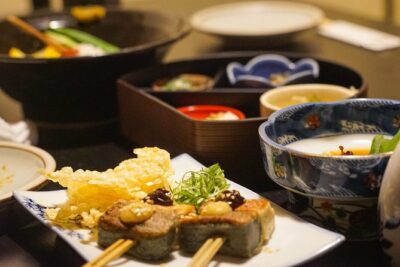
Kyoto Night Foodie Tour in Gion (9+ dishes + 6 Sake tastings)
Our verdict →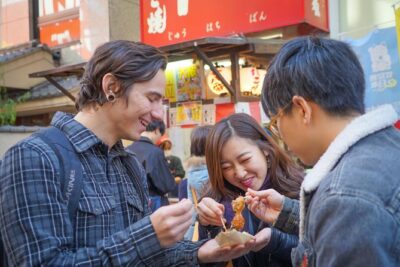
Osaka Local Foodie Walking Tour in Dotonbori and Shinsekai
Our verdict →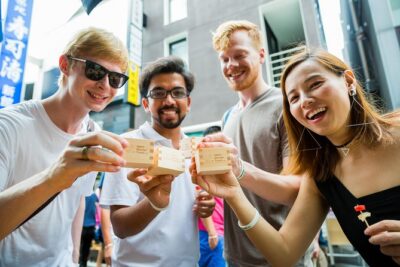
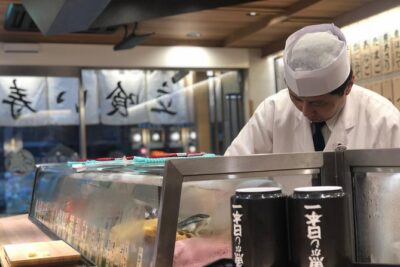
Food Tour in Ueno with 10+ Tastings of Japanese Classics
Our verdict →
Browse the lists this tour appears in