
Reviewed · TEA CEREMONY EXPERIENCES
Tokyo: Matcha Making Experience with Mochi Sweets in Asakusa
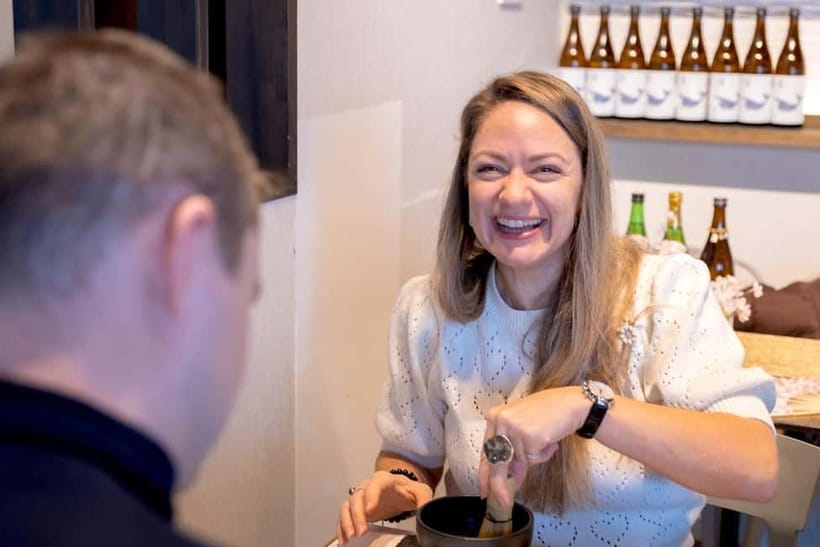
Making matcha here is not a passive tea tasting. You handle the bamboo whisk, learn why the powder is prepared without sugar, and drink the cup you made yourself. The short history lesson and playful quiz give the ritual some context without turning the hour into a lecture.
I like the friendly English instruction and the fact that the class works for solo visitors, families, and older people. I also like the seated format, which lets you enjoy tea culture without kneeling. The main limitation is time: one hour offers a useful introduction, not a full tea ceremony or a detailed study of Japanese tea.
Key points to know before booking
- Whisk your own matcha: You use traditional tools and prepare the tea under guidance.
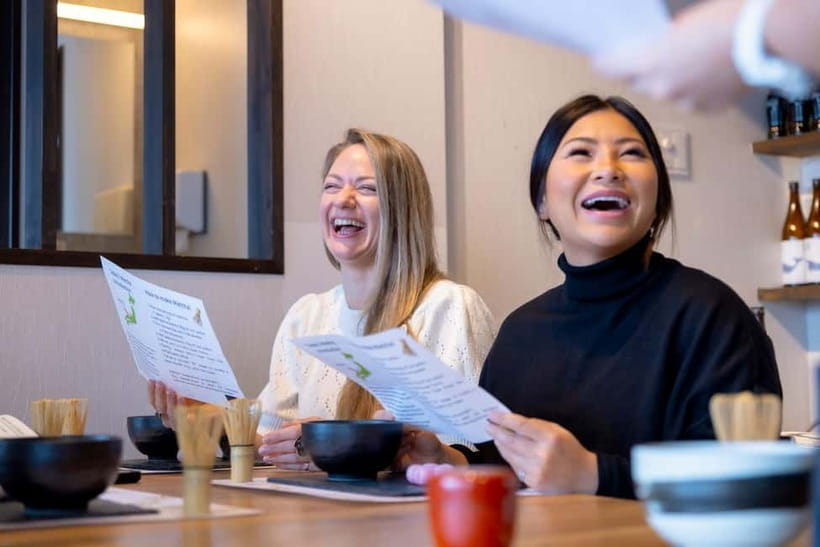
- Learn through a quiz: Matcha history, customs, and tea etiquette are presented in a light, interactive way.
- Taste the classic pairing: Your tea is served with Japanese sweets, including mochi-style treats.
- Easy Asakusa location: The class is one minute from Asakusa Station in the Relink KAMINARIMON building.
- Good for mixed ages: The seated lesson suits families, solo visitors, and people who cannot kneel comfortably.
- A short, flexible stop: At $22 per person and one hour, it fits neatly between Asakusa sights.
A practical matcha lesson in central Asakusa
This experience takes place at Matcha Making Tokyo, a small food activity close to Tokyo Skytree. The meeting point is the sixth floor of the Relink KAMINARIMON building, about one minute from Asakusa Station. The location matters because Asakusa gives the class the right setting: you can visit temples, old shopping streets, and the Sumida River area before or after learning about one of Japan’s best-known drinks.
The class costs $22 per person and lasts one hour. That is a sensible price for an activity that includes the instructor, ingredients, matcha, and Japanese sweets. You are not paying for a long meal or a formal ceremony. You are paying for clear instruction, a hands-on task, and a small cultural lesson that you can carry into the rest of your Japan trip.
The class is taught in English. Instructors have included Mana, Ken, Hayato, Hiyo, Yui, Midori, Honoka, and Rino. The names may vary by session, but the teaching approach is consistent: friendly, direct, and designed for people who may know little about matcha.
More Craft Workshops in Tokyo
- Tokyo Sumo Experience: Chanko & Mochi with a Former Pro
★ 4.8 · 567 reviews - Kintsugi Experience: Art of Golden Joinery in Tokyo
★ 5.0 · 467 reviews - Tokyo Chopstick Making Workshop with Artisan
★ 5.0 · 466 reviews
What happens during the first few minutes
You meet the staff at the Asakusa location and settle into a seated lesson. This is worth noting if you have spent the day walking Tokyo’s busy streets. You do not need to kneel in the traditional position, and the class can be comfortable for older family members or anyone with stiff knees.
The opening section introduces matcha and its place in Japanese culture. Rather than throwing a long block of facts at you, the instructors use a short presentation and a light quiz. You may be asked to think about the drink’s origins, preparation, or customs. The quiz adds just enough playfulness to keep the group involved.
That format also helps solo visitors. You are not left quietly watching a demonstration. The questions give you an easy way to join in, and the group activity makes it natural to talk with people from other countries. If you are traveling alone and want a simple social activity without committing to a full-day tour, this is a good fit.
The history section is brief, so keep your expectations in check. You will gain a useful introduction to matcha and tea etiquette, but you will not receive a specialist lecture on cultivation, regional production, or the full development of the tea ceremony.
Learning why matcha is prepared differently
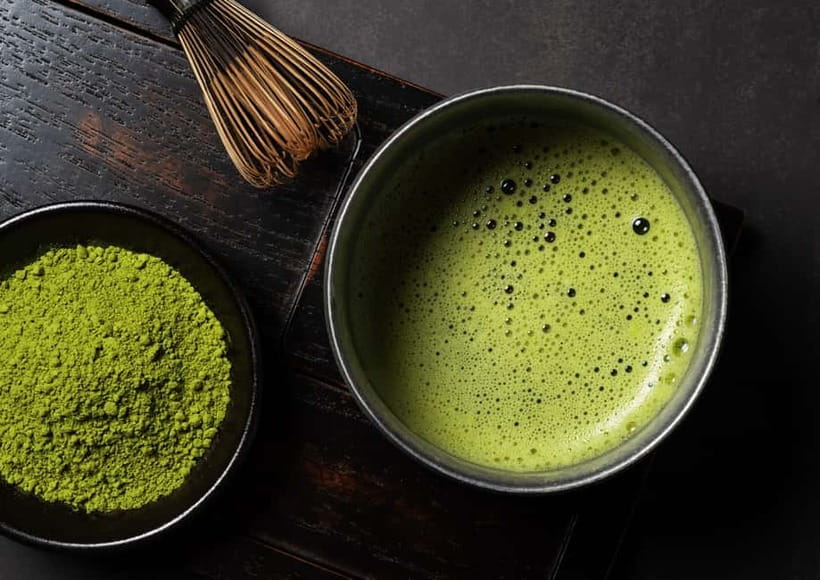
The key lesson is that matcha is powdered tea. Instead of steeping leaves and removing them, you mix the powder into water and drink the tea itself. That explains the preparation method and the slightly more direct taste.
The instructors also show you how matcha is traditionally enjoyed without sugar. For some people, this is the most useful part of the session. Sweetened matcha drinks are common in cafes outside Japan, but classic matcha is usually valued for its fresh, earthy, and sometimes bitter flavor. The Japanese sweets served alongside it help balance that taste.
You also get an introduction to tea manners. The lesson does not appear to demand a strict ceremonial performance from you. Instead, it gives you enough background to understand why certain movements and gestures matter. That makes the activity approachable for first-time visitors who want culture without pressure.
The staff’s humor is part of the teaching. Ken has been praised for keeping the class lively, while Mana is often noted for her energy and clear explanations. Hayato has also led sessions on matcha history, preparation, and etiquette. The tone is informal enough for children, but still useful for adults who want more than a quick photo opportunity.
Whisking your own cup with traditional tools
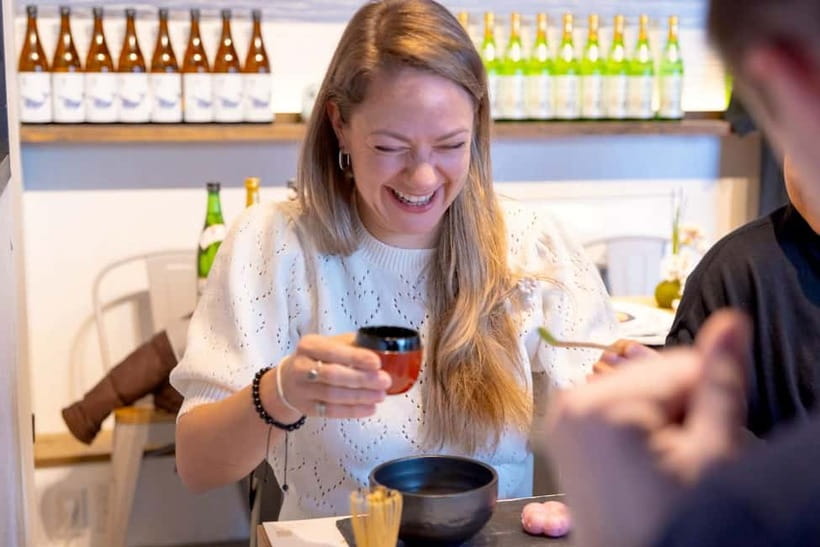
The hands-on part is the center of the experience. You receive the ingredients and use traditional tea tools, including the bamboo whisk, to prepare your own matcha. The staff demonstrates the technique first, then guides you as you make your cup.
This is where the lesson becomes memorable. Watching someone whisk tea is simple. Producing the foam yourself requires a little attention to movement, speed, and control. You do not need previous cooking or tea-making experience, and the instructors help you through the process in clear English.
Do not worry about making a perfect cup on your first attempt. The point is to understand the method and feel the difference between a carefully whisked drink and a poorly mixed one. You leave with a practical skill that you can try again at home if you later buy matcha and a whisk.
The class has a relaxed feel, but you should still expect to participate. This is not a sit-back tasting where the staff prepares everything for you. If you prefer watching rather than handling ingredients, another type of tea visit may suit you better.
After you finish whisking, you drink your own matcha. That small detail gives the activity a satisfying shape: learn the background, see the method, try it yourself, then taste the result.
More Sweets & Dessert Tours in Tokyo
- Matcha Making Class in Tokyo with Authentic Japanese Sweets Set
★ 5.0 · 744 reviews - Make Traditional Nerikiri Sweets & Matcha experience in Shibuya
★ 5.0 · 130 reviews - Private Mochi Sweets Making class near Shibuya area
★ 5.0 · 93 reviews - Japanese Traditional Sweets making and Tea Ceremony
★ 4.7 · 50 reviews
Matcha and Japanese sweets at the table
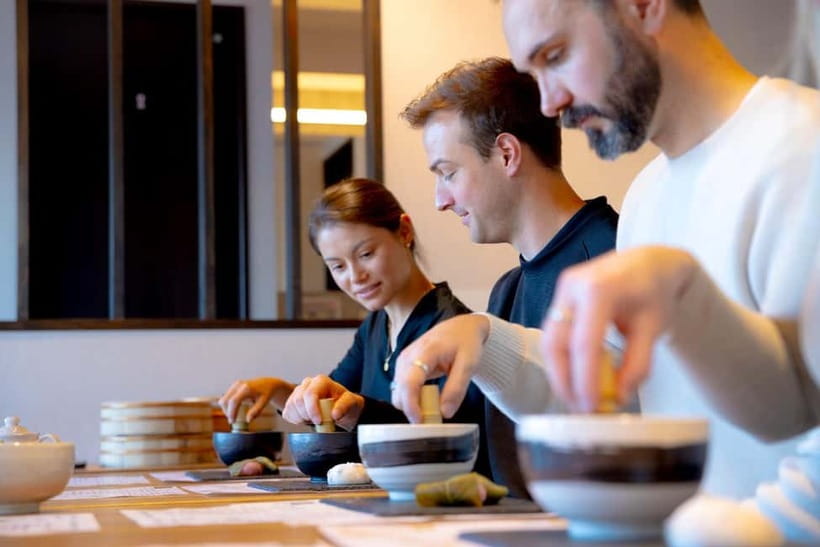
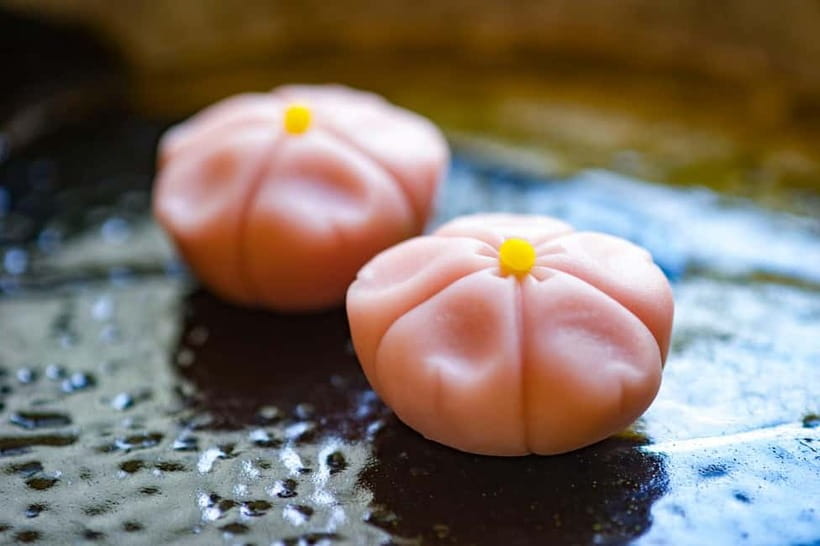
The tea is served with Japanese sweets, including mochi-style treats. This pairing is more than a snack. Traditional sweets are often designed to balance the bitterness of tea, so tasting them together helps you understand the flavor pattern.
The sweets are also a good reason to include this class in a family itinerary. Children may not care much about tea history, but preparing a drink and trying a soft Japanese sweet gives them something concrete to enjoy. The activity has been well suited to families, and the class remains gentle and easy to follow.
If you already love matcha, you will appreciate the chance to taste it in a more traditional form. If you normally find matcha too bitter, the sweets make the first cup easier to approach. Still, the experience does not promise a menu of different teas or a large dessert tasting. Think of it as one prepared matcha and a modest sweet pairing.
The instructors may also offer matcha-making equipment for purchase after the class. That can be useful if you want to continue the habit at home, but buying equipment is optional and not part of the included activity.
Why the one-hour length works in Tokyo
Tokyo rewards short activities. You can spend the morning at Sensoji Temple, take the class around midday, then walk toward the Tokyo Skytree area. Because the meeting point is close to Asakusa Station, you do not lose much sightseeing time getting there.
One hour is long enough to cover the story of matcha, the quiz, the demonstration, your own preparation, and the tasting. It is short enough to fit into a crowded Tokyo schedule. I would not plan it as the only cultural activity of the day, but it works well as a focused break between larger sights.
The seated format adds another practical benefit. Asakusa is a walking district, and a tea lesson gives you a chance to rest while still doing something meaningful. You get off your feet without simply sitting in a cafe.
The tradeoff is that the lesson moves at a brisk pace. If you want a slow, highly formal tea ceremony with detailed gestures and quiet ritual, this is not that experience. It is an introduction designed for international visitors, with clear explanations and a social tone.
Who will get the most from this class
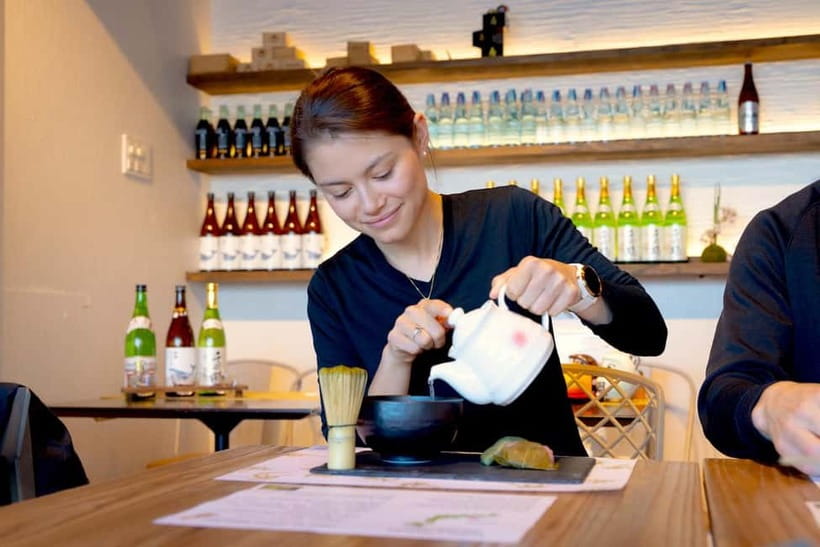
I would recommend this experience to first-time visitors who want a simple entry into Japanese tea culture. You do not need to know the difference between matcha and other green teas, and you do not need cooking skills.
It is also a strong choice for:
- Families with children who enjoy hands-on activities
- Solo visitors who want an easy way to meet other people
- Couples looking for a low-cost cultural stop
- Older visitors who prefer a seated activity
- Matcha fans who want to learn proper preparation
- Visitors with a spare hour near Asakusa or Tokyo Skytree
The class is especially useful for mixed-age groups. A 74-year-old parent and a 23-year-old adult child can enjoy the same activity without one person feeling left out. The lesson is not built around physical exertion, and the English instruction removes much of the uncertainty that can make cultural activities feel intimidating.
You may want to skip it if you dislike tea, sweets, group instruction, or hands-on activities. You should also choose a longer tea experience if your main goal is a formal ceremony rather than a friendly introduction.
Finding the building and planning your visit
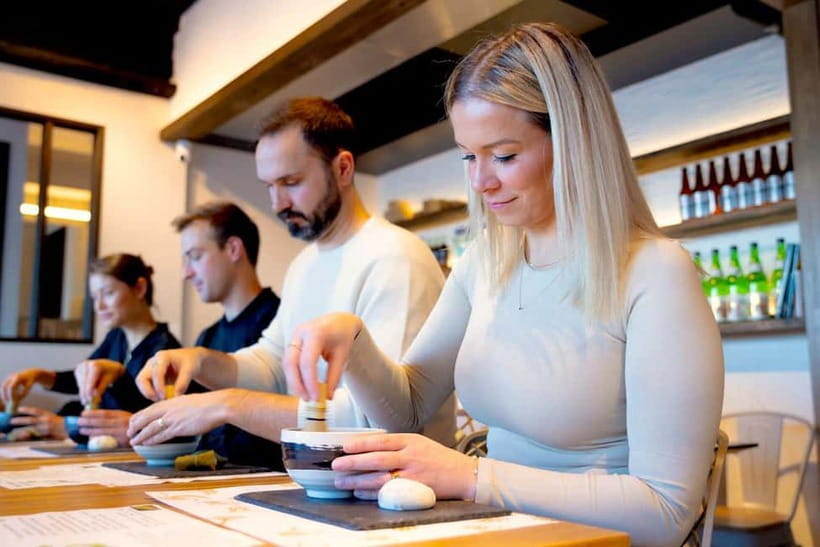
The meeting point is Relink KAMINARIMON building, sixth floor, at coordinates 35.710774, 139.7956532. It is about one minute from Asakusa Station. Use the full building name and floor when planning, since a central Tokyo street can contain many similar entrances and signs.
The class does not include hotel pickup or drop-off. That is not a serious drawback here because the activity is near a major station, but you should allow enough time to find the correct entrance and reach the sixth floor.
Check the available starting times when booking. The duration is fixed at one hour, but the start time can affect how neatly it fits with Sensoji Temple, Nakamise shopping street, or a visit to Tokyo Skytree. I would avoid placing it too close to a timed train or another reservation, since a little breathing room makes the day easier.
You can cancel for a full refund up to 24 hours before the activity. A reserve-now, pay-later option is also available, which helps if your Tokyo schedule is still changing.
Is $22 good value for an hour?
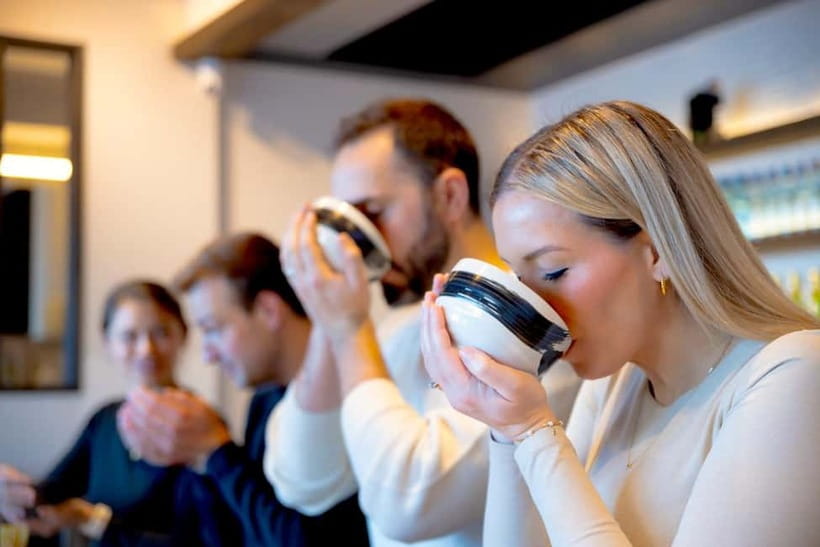
At $22, this is good value if you want instruction rather than just a drink. The price includes the class, ingredients, instructor, matcha, and sweets. You also get use of traditional tools and a technique you can repeat at home.
The value is strongest when you treat the class as a compact cultural activity. It gives you a story, a skill, a tasting, and a rest from sightseeing in one hour. Compared with a formal tea ceremony, it is less elaborate, but the lower price and shorter length make it easier to fit into a first visit to Tokyo.
The value is weaker if you expect a full meal, a long ceremony, or a broad tea tasting. The class is focused. You make one style of matcha, enjoy sweets, and learn the basics. That clear limit is useful because you know what you are booking.
Should you book the Asakusa matcha experience?
Book it if you want an affordable, friendly introduction to Japanese tea with real participation. The strongest reasons are the English-speaking staff, the easy station location, the seated format, and the chance to whisk and taste your own matcha.
I would especially choose it for a family day in Asakusa, a solo afternoon, or a first Tokyo visit when you want a cultural activity that does not take half a day. If you are seeking quiet ceremony, formal ritual, or advanced tea instruction, look for a longer and more traditional format instead.
For most visitors, this class earns its place because it turns a familiar drink into something you understand and prepare yourself. Afterward, matcha on a cafe menu will have a little more meaning, and perhaps you will leave with a whisking habit of your own.
FAQ
Where is the matcha-making class held?
The class is held at Relink KAMINARIMON building on the sixth floor, about one minute from Asakusa Station. The listed coordinates are 35.710774, 139.7956532.
How long does the experience last?
The matcha-making experience lasts one hour. Starting times vary, so you should check availability when booking.
What language is the class taught in?
The instructor teaches in English. The activity is designed for international visitors and includes English explanations of matcha, preparation, and customs.
Do I need previous experience?
No. You do not need prior tea-making or cooking experience. The instructor demonstrates the method and guides you as you prepare your own matcha.
What is included in the price?
The $22 price includes the cooking class, ingredients, and instructor. Matcha and Japanese sweets are part of the tasting experience.
Is the activity suitable for solo visitors?
Yes. Solo visitors are welcome, and the interactive format gives you a simple way to take part with other people in the class.
Is the class suitable for children and older family members?
The activity is suitable for families and uses a seated format. It may be a good option for people who cannot comfortably adopt a traditional kneeling position.
Can I cancel or pay later?
You can cancel up to 24 hours in advance for a full refund. A reserve-now, pay-later option is also available.
More Tea Ceremony Experiences in Tokyo
- Tokyo: Traditional Tea Ceremony with a Tea Master
★ 5.0 · 528 reviews - Tokyo: Matcha and Kimono Experience
★ 4.7 · 219 reviews - Tokyo: Asakusa Kimono Dressing and Matcha Experience
★ 4.9 · 173 reviews - Asakusa: Kimono Tea Ceremony with Matcha and Sweet
★ 4.9 · 153 reviews
Just added around Tokyo
- Kawagoe Japanese Food Tour : Unagi Kaiseki and Sake near Tokyo★ 5.0 · 30 reviews
- Kawagoe 4hr Private Tour with Licensed Guide (Kawagoe Dep)★ 5.0 · 13 reviews
- Little EDO Sushi Making workshop in Kawagoe★ 5.0 · 18 reviews
- 【R34】Tokyo:Private Daikoku tour in Modified R34★ 4.9 · 92 reviews
- :Tokyo,Shibuya/ Pro Photography in Kimono / English-Friendly★ 5.0 · 26 reviews
- Tokyo:Celebrate Unique Japanese New Year Tradition Festivity★ 3.9 · 20 reviews
- Tokyo: Allstar Food Tour★ 4.7 · 29 reviews
- Tokyo: West-Side Cycling and Food Tour with Guide★ 5.0 · 37 reviews
Tea Ceremony Experiences, compared.

Tea Ceremony in a Traditional Tea House in Kiyomizu
Our verdict →


World Heritage Kyoto & Nara Uji Authentic Matcha Experience
Our verdict →
Arashiyama Bamboo Forest, Monkeys, Matcha & Temple Tour
Our verdict →
Browse the lists this tour appears in