
Reviewed · TRADITIONAL CRAFTS
Kintsugi Experience: Art of Golden Joinery in Tokyo
Kintsugi turns a cracked ceramic plate into a keepsake marked by its break, not hidden from it. At this Tokyo workshop, you’ll learn the basic technique, hear the Japanese ideas behind it, and leave with a small repaired plate of your own.
I like two things here: the work is hands-on, and the studio supplies the plate and tools, so you don’t need pottery skills or a breakable item from home. I also like the short, focused format, which fits neatly into a morning around Omotesando and gives you a souvenir with a real story.
The main drawback is the strict booking policy. The experience is non-refundable and cannot be changed, even for a mistaken date, so check your plans carefully before paying. Children under six cannot enter the atelier for safety reasons.
Key points to know before you book
- You repair a studio-supplied plate: Personal pottery is not allowed, so you can concentrate on learning without risking a treasured item.
- The lesson lasts about one hour: It is a compact cultural activity, not a long pottery course.
- The 11:00am class may include Master Taku: Other sessions are led by the studio team.
- You wear a samue: The traditional craft garment adds a pleasant workshop feel without requiring special clothing.
- The class is designed for beginners: Clear demonstrations and patient help make it suitable even if you do not think of yourself as artistic.
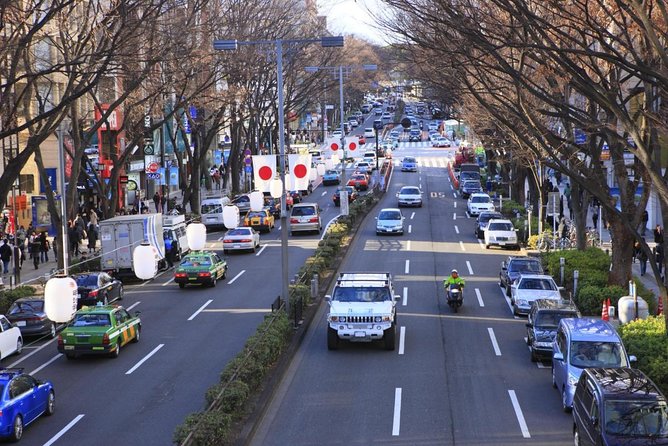
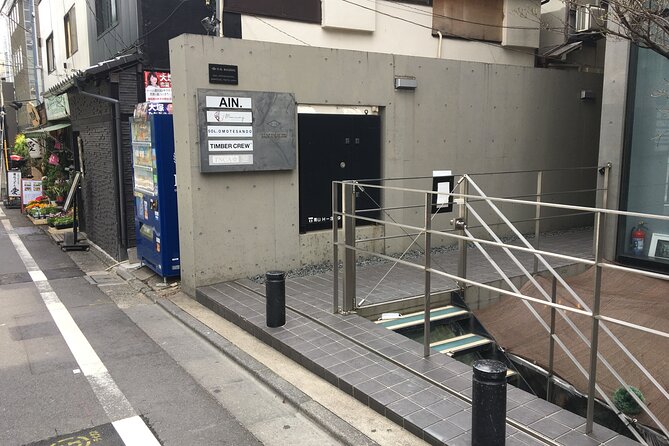
- The studio is in Minami-Aoyama: Make extra time to locate TNCA Minami-Aoyama before class, since finding the entrance can take longer than expected.
Kintsugi in one small Tokyo workshop

Kintsugi is the Japanese practice of repairing broken pottery with lacquer mixed with gold. The repaired lines remain visible, turning damage into part of the object’s story. This class gives you a simple, practical introduction to that idea rather than asking you to watch a demonstration from the sidelines.
You will work on one ceramic plate provided by the studio. The class covers the basic steps, the cultural thinking behind the craft, and the use of the supplied equipment. At the end, your repaired plate comes home with you.
That last part matters. Many Tokyo activities leave you with a photo or a memory that fades into the rest of the trip. Here, you carry back a physical object that records your first attempt. It may not look like a master artisan’s work, and that is part of the appeal. The visible joins show that you made it yourself.
The experience is also more thoughtful than a quick souvenir-making stop. The lesson connects the technique to Japanese aesthetics and the idea that an object’s break and repair form part of its history. You are not simply decorating a plate. You are learning why repair can add meaning instead of reducing value.
More Craft Workshops in Tokyo
- Tokyo Sumo Experience: Chanko & Mochi with a Former Pro
★ 4.8 · 567 reviews - Tokyo Chopstick Making Workshop with Artisan
★ 5.0 · 466 reviews - Tokyo: Matcha Making Experience with Mochi Sweets in Asakusa
★ 4.9 · 388 reviews
Arriving at TNCA Minami-Aoyama
The meeting point is TNCA Minami-Aoyama Studio at 3-chome-8-2 Minamiaoyama, Minato City, Tokyo. The activity begins and ends at the studio, with no hotel pickup or drop-off.
The stop is listed as Omotesando, and the studio is near public transportation. Still, allow time to get your bearings. The workshop is in a small atelier rather than a large, obvious tourist attraction, and one person arriving shortly before class had trouble finding the location and felt overlooked on arrival.
My advice is simple: locate the studio before the start time, not six minutes before it. Arriving early gives you time to find the entrance, settle in, and avoid beginning the class flustered. The booking confirmation is also worth checking carefully for the exact meeting details.
The neighborhood makes this easy to pair with other plans. You can schedule the class as a morning activity, then continue around Omotesando and Minami-Aoyama afterward. Since the workshop itself takes only about an hour, it will not consume a full day of sightseeing.
Putting on the samue and meeting the instructor
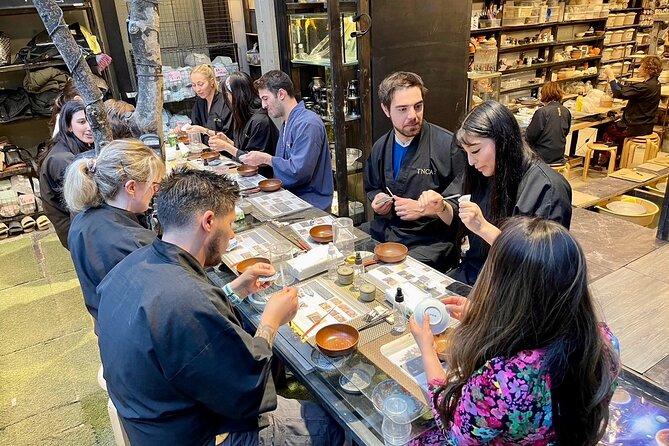
Once inside, you meet the instructor and the rest of the group before putting on a samue, a traditional Japanese garment associated with craftspeople and practical work. It is a small detail, but it helps shift the mood from ordinary sightseeing to making something with your hands.
The class description presents a group of no more than 10 people, creating a fairly personal setting. The additional booking information lists a maximum of 20 participants, so the exact size can vary by session or by how the activity is recorded. If group size is especially important to you, ask the provider before booking.
The 11:00am class offers the chance to meet Master Taku, described as the owner and master artisan. Other sessions are handled by the studio staff. The teaching style reported across the experience is clear and patient, with instructors checking each person’s work and offering help without taking over.
English-speaking visitors should find the lesson manageable. The instruction includes demonstrations and video examples, and one instructor was specifically described as speaking very good English. The class is intended for people who may have no previous pottery or craft background.
Learning the idea behind the golden joins
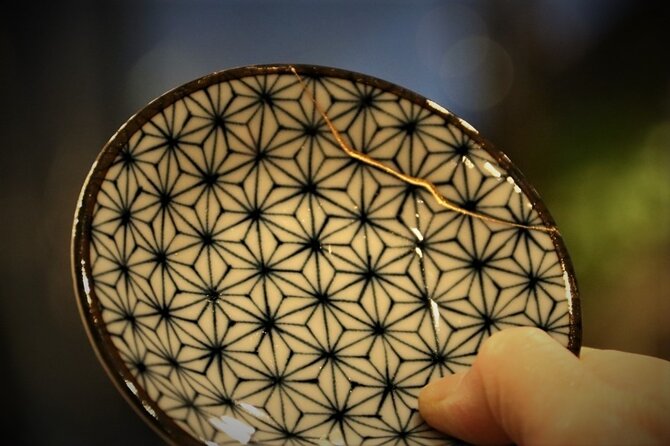
Before or during the practical work, the instructor explains the philosophy of kintsugi. The key idea is that broken pottery need not be thrown away simply because it is damaged. Repair becomes part of the object’s life, and the gold-colored line makes that repair visible.
This cultural context gives the activity more weight than a standard craft class. You begin to look at the plate as something with a past and a future, rather than a disposable object. The lesson also introduces ideas linked with Japanese aesthetics, including the value of imperfection and age.
The explanation is kept at a beginner-friendly level. You will not become a professional kintsugi artisan in one hour, and the class does not pretend otherwise. What you gain is a first taste of the process and a clearer sense of why it matters in Japanese culture.
I like that balance. A short class needs to respect your time, but it should also explain more than the mechanics. Here, the history and philosophy give purpose to the handwork, while the hands-on portion keeps the lesson from becoming a lecture.
Same trip, a completely different kind of day:
- 1-Day Tokyo Bus Tour
★ 5.0 · 14,250 reviews - Tokyo: TOKYO SKYTREE® Admission ticket
★ 4.5 · 11,192 reviews - Tokyo: teamLab Planets TOKYO Digital Art Museum Entry Ticket
★ 4.6 · 9,779 reviews - Tokyo: Sumo Show Experience with Chicken Hot Pot and a Photo
★ 4.8 · 6,678 reviews
Repairing your supplied ceramic plate
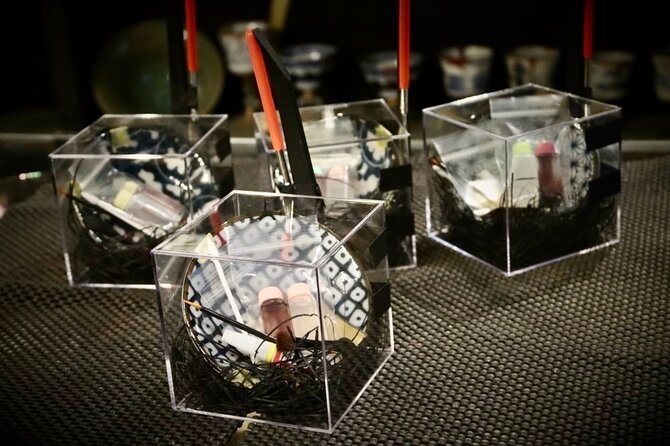
The studio provides a plate, equipment, and the materials needed for the lesson. You cannot bring a personal item, which may disappoint anyone hoping to repair a family cup or a favorite bowl. It is also a sensible rule for a beginner class, since the studio can control the materials, shape, and condition of every piece.
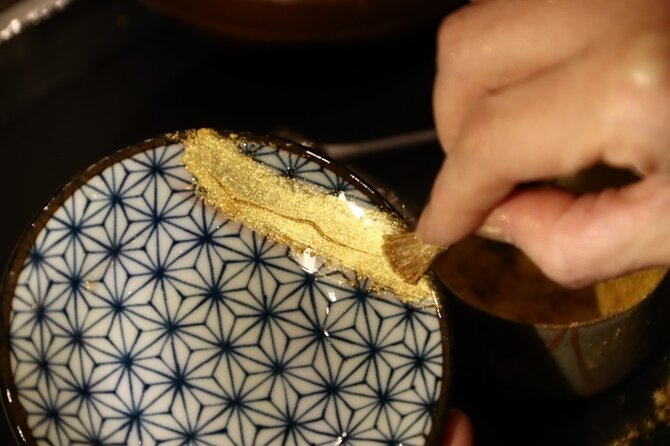
The instructor guides you through repairing the ceramic with lacquer mixed with gold. The work is simple enough for beginners, but it still asks you to slow down and pay attention. You follow the demonstrated steps, then receive help as your own plate takes shape.
The class works well for people who do not consider themselves artistic. You are not asked to invent a design from nothing. The break in the supplied plate gives you a clear path to follow, while the finish still feels personal because your hand controls the repair.
Expect the result to have the charm of a first attempt. Some plates may look more polished than others. That difference is not a problem. Kintsugi is about making the repair visible, and an imperfect gold line can be a more honest souvenir than a factory-perfect object.
The instructor’s role is important here. The strongest part of the teaching is the combination of clear directions and individual help. You can work independently, then ask for assistance when a step feels uncertain. The staff are described as encouraging and patient, which helps keep the class relaxed.
Taking home a meaningful souvenir
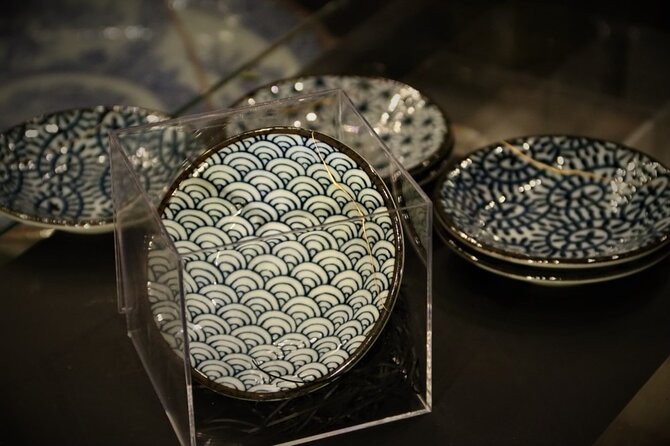
Your finished plate is included in the price and comes home with you after the lesson. The studio also takes care with packaging for the trip, an important detail when you have several more days of trains, hotel changes, and luggage handling ahead.
The plate is small enough to function as a practical travel memento rather than an awkward purchase. It also has a story you can explain when you return home: you learned the basic principles of kintsugi in Tokyo and repaired the piece yourself.
Do remember that this is a ceramic object. The activity provides packaging, but you should still handle it with care in your luggage. The supplied plate is part of the class, not an option to swap for your own item.
The souvenir also gives the workshop lasting value. At $59.69 per person, the price is not the cheapest one-hour activity in Tokyo. You are paying for the instruction, studio setting, supplied plate, equipment, garment, materials, taxes, and the finished item. For someone who wants a creative cultural activity, that package is reasonable. If you only want a low-cost craft souvenir, it may feel expensive.
How the one-hour timing affects the experience
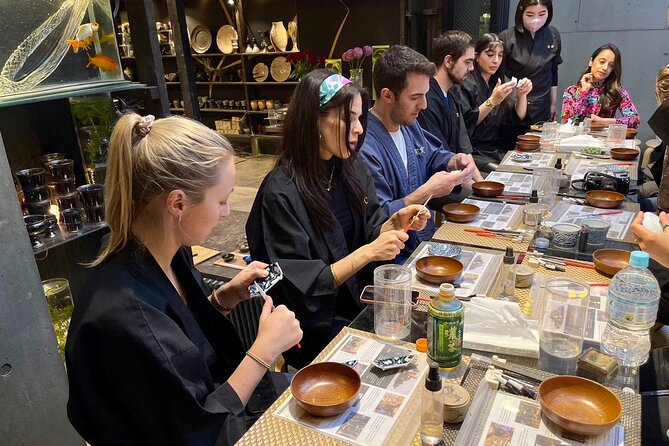
The short format is one of the class’s strengths and one of its limits. In about an hour, you receive an introduction to the ideas behind kintsugi, put on the samue, follow the practical steps, and finish a plate.
That makes it easy to fit between larger Tokyo plans. You do not need to give up half a day, and the workshop suits a morning when you want something quieter than shopping or sightseeing. It also works well for couples, friends, and parent-child pairs with children old enough to enter the atelier.
The tradeoff is that you should not expect advanced instruction. A single session cannot cover every type of ceramic repair or teach the full work of a professional artisan. If you already practice pottery or kintsugi, the activity may feel basic.
For a first introduction, though, the pace is sensible. You get enough background to understand the meaning and enough practice to make the souvenir feel earned.
Who will enjoy this most
I would choose this experience if you want a creative activity with a clear Japanese connection. It suits people who like ceramics, design, traditional crafts, mindful tasks, and souvenirs that are made rather than bought.
It is also a good choice for couples and friends traveling together. You can compare your finished pieces, share the process, and leave with different versions of the same basic plate. One class can work well for a small group traveling together, especially because the studio setting allows the instructor to look at each person’s work.
Families need to check the age rule carefully. Children under six cannot enter the atelier because of the establishment’s safety policy. Older children may find the activity rewarding, but the provided information does not give a specific recommended age beyond that restriction.
You should skip it if you dislike careful handwork, want a longer technical course, or are likely to need a date change. The no-refund, no-amendment policy is firm. A booking mistake resulted in one person paying twice, so check the date and time before confirming.
Practical value at $59.69
At $59.69, this is best judged as a guided cultural workshop rather than a quick souvenir purchase. The cost covers the lesson, the plate, all necessary equipment, taxes, and handling charges. Food, drinks, and transportation are not included.
The strongest value comes from the combination of teaching and take-home object. You receive an explanation of kintsugi, a chance to try the craft yourself, and a souvenir that carries the memory of the class. The activity also gives you a break from Tokyo’s fast pace.
The value is weaker if you mainly want to see a master at work. You will be making your own piece, not watching a long professional demonstration. Likewise, anyone hoping to repair a personal heirloom should know that the studio supplies the plate and does not allow personal items.
The capped class format, when it is limited to about 10 people, adds value because the instructor can offer personal guidance. Since the general information also lists a maximum of 20, confirm the expected group size if that detail affects your decision.
Booking details that deserve attention
Confirmation is sent within 48 hours of booking, subject to availability. The activity is near public transportation, but hotel pickup and drop-off are not provided. Plan to reach the Minami-Aoyama studio on your own.
The experience is non-refundable and cannot be changed for any reason. If you cancel or request an amendment, the amount paid is not returned. The provider requires a minimum number of participants, but if the class is canceled because that minimum is not reached, you are offered another date or experience, or a full refund.
This is the sort of booking where a little care prevents a costly mistake. Check the calendar, select the correct class time, and confirm that everyone in your party meets the age rule before paying.
Should you book the Kintsugi Experience?
Book it if you want a compact, hands-on introduction to a Japanese craft and like the idea of taking home a visibly imperfect souvenir. The patient instruction, English-friendly teaching, samue garment, and clear cultural explanation make it accessible to beginners.
I would especially recommend it for couples, friends, creative families with older children, and anyone who prefers making something over buying another souvenir. The 11:00am class is appealing if meeting Master Taku matters to you.
Think twice if your schedule is uncertain, since the booking cannot be changed or refunded. Also skip it if you want to repair your own pottery or study kintsugi at an advanced level. For most first-time visitors, though, this one-hour class offers a thoughtful way to slow down, learn a Japanese idea, and carry a small piece of your own handiwork home from Tokyo.
FAQ
How long does the Kintsugi Experience last?
The lesson lasts approximately one hour.
Where does the experience take place?
It takes place at TNCA Minami-Aoyama Studio, 3-chome-8-2 Minamiaoyama, Minato City, Tokyo 107-0062, Japan.
Where does the activity start and finish?
The experience starts at the studio and ends back at the same meeting point.
Is transportation included?
No. You make your own way to the studio. Hotel pickup and drop-off are not included.
Is a ceramic plate provided?
Yes. The studio provides one plate for the lesson, and you take that plate home afterward.
Can I bring my own broken pottery?
No. Personal items are not allowed. You use the plate supplied by the studio.
Are equipment and materials included?
Yes. The necessary equipment is included, along with the lesson and the supplied plate.
Can children participate?
Children under six cannot enter the atelier because of the establishment’s safety policy.
Is the experience suitable for beginners?
Yes. The class teaches the basic kintsugi technique and provides guidance from the instructor. Previous artistic or pottery experience is not required.
Can I cancel or change my booking?
No. The experience is non-refundable and cannot be changed for any reason. If the provider cancels because the minimum number of participants is not reached, you are offered another date or experience, or a full refund.
Just added around Tokyo
- Kawagoe Japanese Food Tour : Unagi Kaiseki and Sake near Tokyo★ 5.0 · 30 reviews
- Kawagoe 4hr Private Tour with Licensed Guide (Kawagoe Dep)★ 5.0 · 13 reviews
- Little EDO Sushi Making workshop in Kawagoe★ 5.0 · 18 reviews
- 【R34】Tokyo:Private Daikoku tour in Modified R34★ 4.9 · 92 reviews
- :Tokyo,Shibuya/ Pro Photography in Kimono / English-Friendly★ 5.0 · 26 reviews
- Tokyo:Celebrate Unique Japanese New Year Tradition Festivity★ 3.9 · 20 reviews
- Tokyo: Allstar Food Tour★ 4.7 · 29 reviews
- Tokyo: West-Side Cycling and Food Tour with Guide★ 5.0 · 37 reviews
Traditional Crafts, compared.
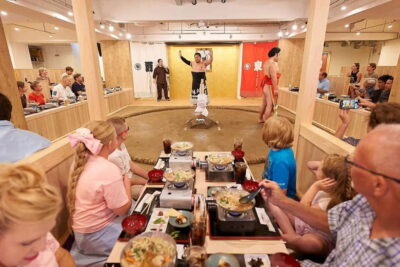
Tokyo Sumo Experience: Chanko & Mochi with a Former Pro
Our verdict →
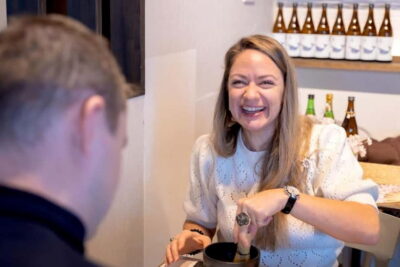
Matcha Making Experience with Mochi Sweets in Asakusa
Our verdict →
Authentic knife making experience at a blacksmith in Kyoto
Our verdict →

Roketsu dyeing experience: M course Roketsu Dyeing Experience
Our verdict →
Browse the lists this tour appears in