
Reviewed · SAMURAI EXPERIENCES
Samurai School in Kyoto: Samurai for a Day
The best part of this Kyoto class is that you do more than watch a samurai show. You learn how to bow, draw and sheath a sword, make basic strikes, and perform stylized kenbu movements under an instructor’s direction. The hands-on lesson gives the subject real weight.
I like the small maximum of 10 people and the careful mix of history, movement, costume, and performance. I also like that the $66.32 price includes photos, a completion certificate, and a traditional tenugui towel. The English instruction makes the class easy to follow.
The main caution is timing. The standard session lasts about 90 minutes, but the performance or teaching sequence can sometimes run longer than expected. The photo session may also feel rushed when another class is waiting.
Key points to know before you book
- You learn real stage movements: Practice bowing, sword drawing, strikes, thrusts, walking, and kenbu choreography.
- The group stays small: A maximum of 10 participants allows the instructor to watch your form and offer corrections.
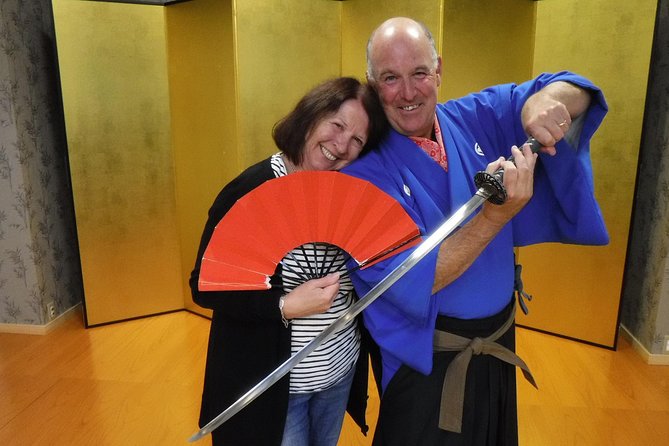
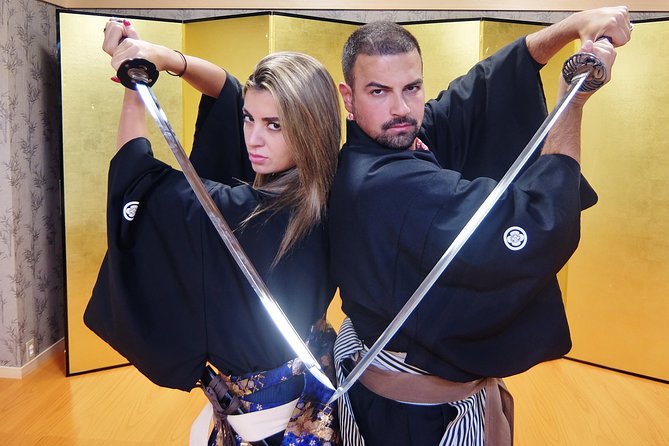
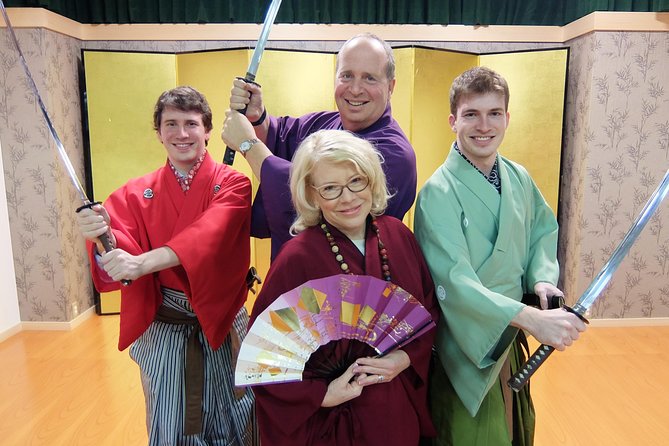
- Costume photos are part of the experience: You dress in samurai clothing and take souvenir pictures with your sword.
- The longer option adds depth: An upgraded session may include folding-fan work and a final sword routine with music and a poem.
- You receive useful keepsakes: The package includes a completion certificate and a tenugui, a traditional Japanese towel.
- Plan extra time: Some sessions run over the advertised 90 minutes, especially when a performance is included.
What this Kyoto samurai class is really about
This is not a sword-fighting lesson in the modern sports sense. It is an introduction to kenbu, a Japanese performing art based on the controlled, formal movements associated with samurai culture.
That distinction matters. You are not being trained for combat, and the class is not a free-form session for swinging a sword around. The instructor teaches posture, respect, timing, and a set sequence of movements. You learn why the bow comes first, how the sword is drawn with control, and how the body works with the weapon.
The class takes place at Kembu Kyoto Dojo in Kyoto’s Higashiyama Ward. The meeting address is 35 Sanchome, and you enter the first basement floor using the stairs on the right side of the GOZAN building. This location is near public transportation, but I would still leave a little time to find the entrance. A basement venue can be easy to miss if you arrive at the last minute.
You should arrive about 10 to 3 minutes before your start time. That narrow instruction is worth taking seriously. The class involves changing clothes, meeting the instructor, and getting organized before the lesson begins.
More Samurai Experiences in Kyoto
- Kyoto Samurai Experience
★ 5.0 · 1,294 reviews - Kyoto: Kendo and Samurai Experience with Uniform and Gear
★ 4.9 · 815 reviews - Kyoto: Samurai Sword Class by Experts in Traditional Arts
★ 4.9 · 657 reviews
The opening film and first lesson
Your session begins with an introduction to samurai practice and a short film of about three minutes. It explains the basic ideas behind the art and gives you a little context before you handle the sword.
The order of events can vary. Some sessions place the performance before the practical class, while others train you first and then let you watch the performers. One important detail is that a performance described as short may take considerably longer in practice. If you have a dinner reservation, temple visit, or train to catch, leave a cushion after the scheduled finish.
The early explanation is useful, especially if you know little about samurai customs. You will hear about the warrior class that shaped Japan from roughly the 12th through the 19th centuries, but the focus stays practical rather than academic. This suits children and teens who might lose patience with a long museum lecture.
The instructor’s tone is part of the experience. Most of the teaching is in English, and the class is designed so you can follow demonstrations even when a movement is unfamiliar. The instructors also stress safety and expect you to follow directions closely.
Dressing as a samurai
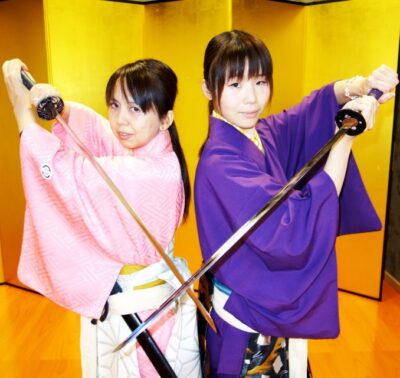
Next comes the costume change. You put on a samurai-style outfit with a white belt and Japanese-style socks, then receive a sword for the lesson.
This is where the activity shifts from a talk into something physical. The clothing helps you pay attention to stance and movement, while the belt and costume make the photographs more meaningful than a quick snapshot in ordinary clothes. You are not simply holding a prop. You are learning how the outfit and sword are handled together.
Wear clothes that allow you to move and make changing easy. A single hoodie or tight clothing is not a good choice because the costume must go over or around what you are wearing. Exercise-friendly clothes are the sensible option.
Children from ages 5 to 11 may participate, but it is preferable that younger children already attend a class or martial arts school. That advice makes sense. The lesson requires listening, patience, and control, not just enthusiasm for a sword.
The class suits families particularly well when the children are old enough to follow instructions. Teenagers often get more from it than they would from a long historical presentation because they take part from the first practical exercise.
Bowing, drawing, and replacing the sword
The first technical lesson is the bow. This is not a throwaway gesture before the fun begins. It sets the tone for the class and introduces the discipline behind kenbu.
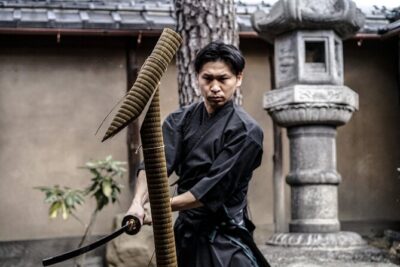
You then learn how to draw the sword and return it to its protective scabbard. This simple-looking movement takes concentration. Your hands, body position, and timing all need to work together, and the instructor will correct the way you hold and move the sword.
After that, you practice basic strikes. The lesson can include striking and thrusting actions, along with movements used against a potential opponent. The goal is not speed. It is clean form and awareness of the people around you.
This is one of the strongest parts of the experience because it gives you a skill to remember after the costume comes off. You may not leave with polished technique, but you will understand why a sword performance depends on measured motion rather than wild action.
The instructors are described as experienced performers, and one instructor is a seventh-generation member of a family trained in samurai arts. That background adds a sense of continuity to the lesson without turning it into a history lecture.
Same trip, a completely different kind of day:
- PERFECT KYOTO 1-Day Bus Tour
★ 5.0 · 13,518 reviews - Kyoto: Fushimi Inari, Kinkakuji, Bamboo Grove 1 Day Bus Tour
★ 4.8 · 4,316 reviews - Kyoto: Tea Ceremony in a Traditional Tea House in Kiyomizu
★ 4.9 · 3,519 reviews - Kyoto Geisha Walking Tour: Gion District & Hidden Gems
★ 4.7 · 3,273 reviews
The costume photo session
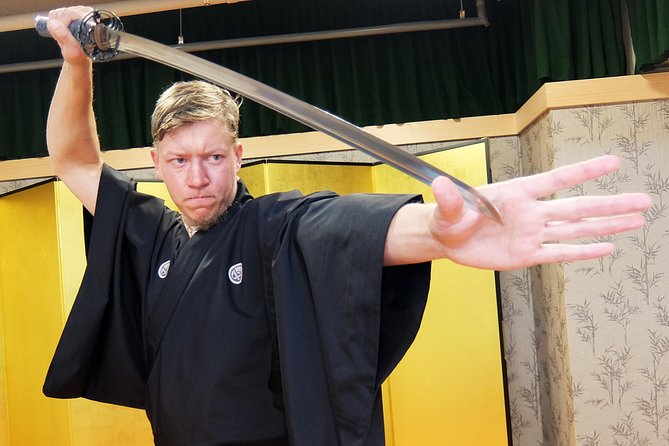
At some point during the class, you take a short photo session in traditional samurai clothing. You may pose with the sword, and the staff provide the costume and setting.
The photo session is a good part of the package, but you should set realistic expectations. It is not a professional portrait shoot with unlimited time and careful lighting. When other classes are waiting, the process may feel hurried. If photographs matter a great deal to you, be ready to take your own pictures promptly and ask clearly for the poses you want.
This is also a good reason to travel with a phone that has enough storage and battery. The experience includes a photo opportunity, but the supplied information does not promise a large set of professionally edited images. Treat it as a fun souvenir moment rather than a formal studio session.
The costume photos work best when everyone joins in. Couples can pose together, families can create a group shot, and solo participants still get a clear record of the day. The combination of dress, sword, and formal stance gives the pictures a strong Kyoto memory without requiring a full-day outing.
The longer practice option
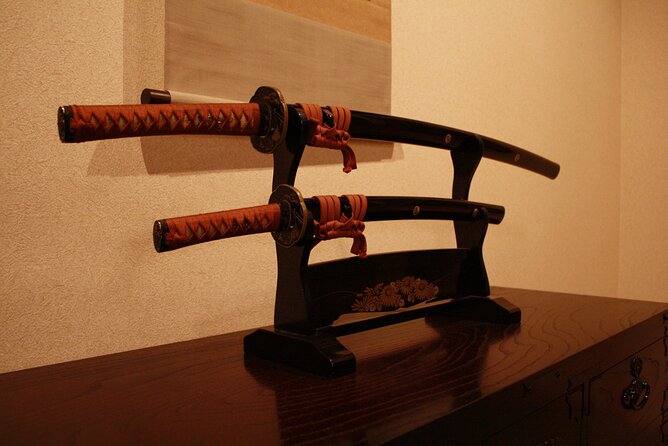
The basic session covers the essential movements. If you select the longer lesson, you continue with more stylized samurai actions and have time to work on the details.
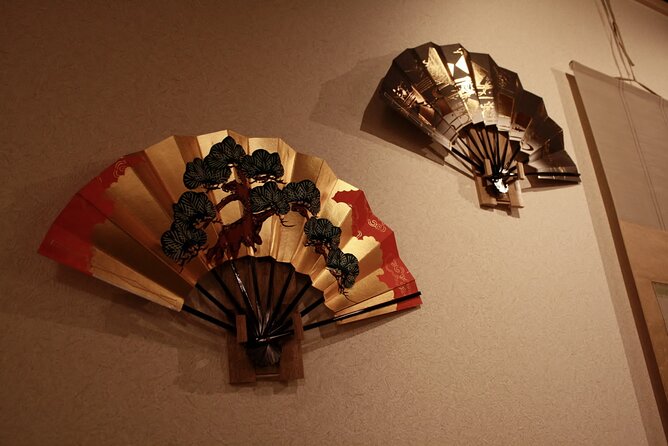
The extended class may include walking technique and the use of a folding fan. The fan is not just a decorative extra. In kenbu, it forms part of the choreography and changes the rhythm of the movement.
The session can finish with a more demanding routine performed on stage with a sword, poem, and music. This is where the art becomes performance rather than simple instruction. You have to remember a sequence, keep your posture, and match movement to the mood of the music.
I would choose the longer option if you have a strong interest in martial arts, theater, Japanese culture, or learning physical skills. It gives you time to move beyond the basic draw-and-strike lesson.
The shorter option is better for a tight Kyoto schedule or for children who may tire quickly. It still includes the core training, costume, photos, certificate, and towel. Check the exact option at booking because the length and order of the activities can vary.
Watching the samurai performance
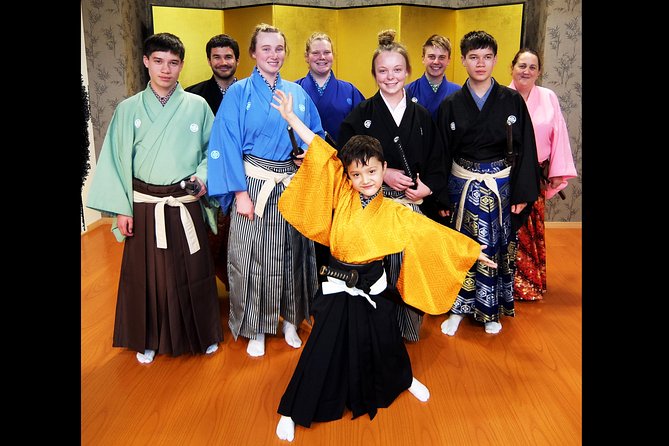
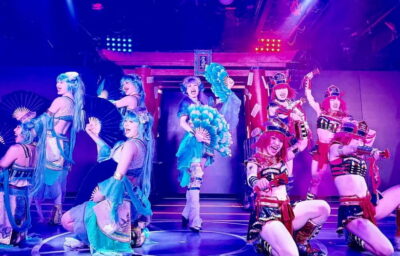
The professional performance is an important part of the visit. It shows how controlled movements look when performed by people who have trained for years.
You may watch the show before the lesson or after it. Seeing it before class can give you a clear picture of what the movements are meant to become. Seeing it after class may be even more satisfying because you recognize the bow, draw, strikes, and poses from your own practice.
The performance is also where you should adjust your expectations. This is not a quick fifteen-minute add-on in every session. Some participants have found the opening show much longer than expected, close to an hour, before the practical sword work began. Others describe the show as a major highlight and praise the skill of the performers.
The difference likely comes from the selected format and the session schedule. To be safe, do not plan another fixed appointment immediately afterward. If your main goal is wielding the sword, confirm how much time is allocated to the class when you book.
Value at $66.32 per person
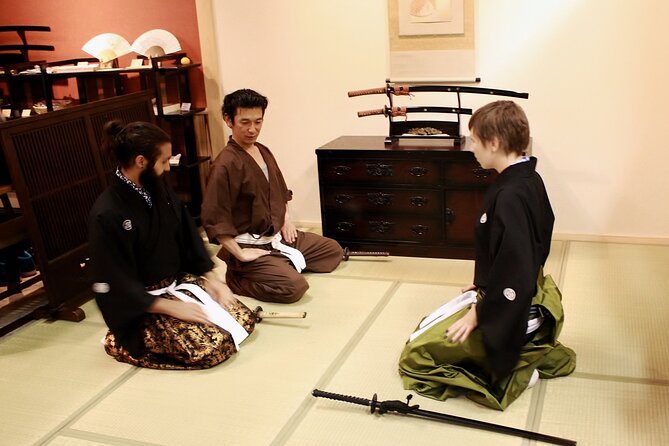
At $66.32, this is not the cheapest short activity in Kyoto. It is also more than the price of simply watching a cultural performance. The value comes from combining several elements in one visit: an English-speaking instructor, a practical lesson, costume use, photos, a completion certificate, and a tenugui towel.
The maximum group size of 10 helps the price feel fair. You are not joining a huge crowd where the instructor can only demonstrate from the front. A small class gives you a better chance to receive corrections and repeat movements.
The included keepsakes add modest value rather than changing the whole calculation. The certificate is a fun reminder for children and first-time participants. The towel is more useful in daily life and gives you a small Japanese souvenir that is easy to pack.
I would consider the price reasonable for a family or couple looking for a focused indoor activity. It is especially useful on a rainy day because the whole experience takes place inside. It is less compelling if you only want a quick photo in costume or if you already have several martial arts activities planned.
Who will enjoy this most
I would recommend the class to:
- Families with children old enough to listen and follow safety instructions
- Teenagers who prefer hands-on activities to museums
- Couples looking for a shared cultural activity
- Martial arts enthusiasts interested in sword form and discipline
- History buffs who want a practical connection to samurai culture
- Visitors looking for an indoor Kyoto activity on a rainy day
You do not need advanced fitness, but you should have a moderate level of physical ability. You will stand, move, change direction, and practice repeated gestures. The class is not described as strenuous, yet it is not a sit-down presentation either.
It may be a poor fit if you dislike costumes, have very limited time, or want a quiet historical lecture. It also may not suit young children who cannot stay focused or follow instructions around a sword.
Practical details that affect your day
The activity begins and ends at the same Kyoto meeting point. Hotel pickup and drop-off are not included, and food and drinks are not part of the experience.
The mobile ticket is convenient, but it does not replace planning your route. Find the GOZAN building, then go to the first basement floor by the stairs on the right. Arriving early gives you time to change and avoids adding pressure to a lesson built around careful movements.
The cancellation policy is generous if your plans change early. You can cancel for a full refund up to 24 hours before the start time. Changes or cancellations made less than 24 hours before the start are not accepted for a refund, and the cut-off follows local Kyoto time.
The provider is Ginbu Co., LTD., formerly known as Samurai Kenbu Co., LTD. That name may help if you see different branding around the venue or in your booking information.
Should you book Samurai for a Day?
Book it if you want active cultural learning, not just a staged display. The class gives you a clear introduction to bowing, sword handling, posture, and kenbu, then adds the fun of a costume and souvenir photos.
Choose the longer option if you want the full choreography, fan work, and a more demanding stage routine. Choose the shorter lesson if you are traveling with young children or need to keep the afternoon flexible.
I would book this for a family, couple, or small group that wants something memorable and indoors. Just allow extra time after the stated 90 minutes, wear easy-to-change exercise clothes, and keep your expectations for the photo session modest. If you do that, the experience offers a thoughtful mix of tradition, movement, humor, and hands-on fun at a fair Kyoto activity price.
FAQ
Where does the Samurai for a Day experience take place?
It takes place at Kembu Kyoto Dojo in Kyoto’s Higashiyama Ward. The meeting address is Japan, 605-0005 Kyoto, Higashiyama Ward, Sanchome, 35.
How do I find the venue?
Go to the first basement floor of the GOZAN building. Use the stairs on the right side of the building.
How long does the experience last?
The standard activity lasts approximately 1 hour and 30 minutes. A longer lesson option is available, and some sessions may run beyond the scheduled time.
What will I learn in the class?
You will learn how to bow, draw and sheath a sword, perform basic strikes, and practice stylized kenbu movements. The longer option may also include walking, folding-fan work, and a choreographed sword performance with music and a poem.
Is the class taught in English?
Yes. An English-speaking local guide or instructor leads the activity.
Is a costume included?
Yes. You will put on a samurai-style costume that includes a white belt and Japanese-style socks. You will also have a sword for the lesson.
Are photos and souvenirs included?
Yes. The experience includes a photo shoot, a lesson completion certificate, and a tenugui traditional Japanese towel.
Is the activity suitable for children?
Children can participate, but participants aged 5 to 11 should preferably already attend some type of class or martial arts school. Everyone must follow the instructor’s safety directions.
What happens if I need to cancel?
You can cancel for a full refund up to 24 hours before the experience begins. Cancellations or changes made less than 24 hours before the start time are not accepted for a refund.
Just added around Kyoto
- Sekka Cotton Furoshiki Class★ 5.0 · 19 reviews
- Secret Eastern Kyoto Biking Adventure★ 5.0 · 44 reviews
- Kyoto Sword Experience – includes Museum Ticket/Ninja Experience★ 4.5 · 149 reviews
- Scenic Green Tea Fields of Hidden Kyoto & Local Tea Exp (Private)★ 5.0 · 32 reviews
- Private Sake Tasting in Central Kyoto with Sake Sommelier★ 5.0 · 32 reviews
- SHIRAKAWA Japanese Culture Experiences with private English staff★ 5.0 · 16 reviews
- A Privately Guided Photoshoot in Beautiful Kyoto by a Pro★ 5.0 · 18 reviews
- Samurai Performance and Casual Experience: Kyoto Ticket★ 4.5 · 115 reviews
Samurai Experiences, compared.
Browse the lists this tour appears in