
Reviewed · CYCLING TOURS
Secret Eastern Kyoto Biking Adventure
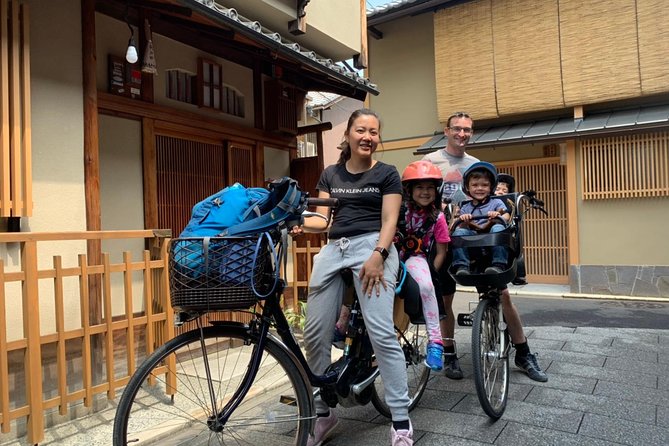
Kyoto’s eastern side makes much more sense from a bicycle. You can move from the wedding-photo lanes of Gion to Heian Shrine, Nanzenji, quiet gardens, and old temple streets without spending much of your morning waiting for buses. The small group, capped at four people, should also make it easier to ask questions and keep a comfortable pace.
I like the blend of famous sights and smaller Kyoto details, especially the visit to Murinan garden with included matcha. I also like that guide Ben is praised for clear cultural explanations and for letting the group ride at its own speed. The main consideration is physical: you need moderate fitness, and the listing gives a duration of roughly two to two and a half hours, while its description also refers to a three-hour ride, so confirm the exact timing before booking.
Key points to know before you book
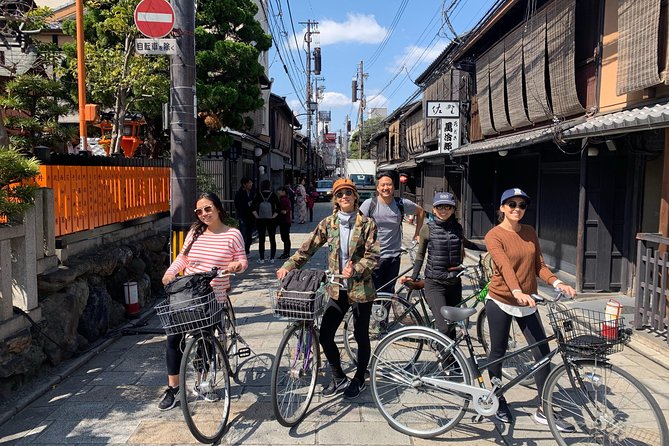
- Smallest possible group: The tour accepts a maximum of four people, a useful advantage on narrow lanes and around busy temple areas.
- A real garden and matcha stop: Murinan includes admission and a serving of local green tea, not just an outside look.
- Eastern Kyoto in one loop: The route links Gion, Heian Shrine, Keage Tunnel, Nanzenji, Maruyama Park, Yasui-Konpiragu, and Kennin-ji.
- Backstreets save time: The ride is designed to avoid some of Kyoto’s slower bus routes and crowded main roads.
- Guide Ben gets specific praise: He is noted for strong cultural explanations, a professional manner, and a flexible pace.
- Bring reasonable stamina: Cycling, stopping, walking through temple grounds, and handling Kyoto streets require moderate physical fitness.
Why a bicycle works so well in eastern Kyoto
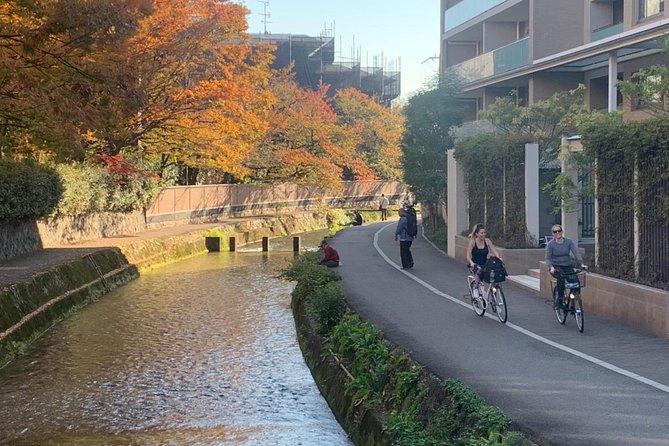
Kyoto rewards slow travel, but it can also test your patience. The eastern temple district is spread across several neighborhoods, and walking between Gion, Heian Shrine, Nanzenji, and the old lanes south of Yasaka Shrine takes time. Buses cover the area, but traffic and crowded stops can eat into a short visit.
This route uses bicycles and scenic backstreets to connect the main sights. That does not mean every stretch will be silent or empty. Kyoto is a busy city, and temple districts draw plenty of people. Still, a bicycle gives you more control than a bus and more range than walking.
I especially like the scale of the group. With only four people maximum, you are not trying to keep up with a large pack of cyclists at every turn. A small group also suits the cultural side of the tour. The guide can explain Japanese customs and Kyoto traditions without shouting over a crowd.
The route includes short stops, often five minutes at photo points, and longer visits at Heian Shrine, Nanzenji, and Murinan. That makes this more of a moving introduction to eastern Kyoto than a deep visit to every temple. If you want a long, unhurried meditation in each garden, you will need extra time on your own afterward.
More Bike Tours in Kyoto
- Hidden Kyoto E-Biking tour
★ 5.0 · 1,843 reviews - Bike Tour Exploring North Kyoto plus Lunch
★ 5.0 · 1,087 reviews - Arashiyama Bamboo Forest & Hidden Gems Bike Tour (Early Bird)
★ 5.0 · 613 reviews
Starting near Sanjo and entering Gion
The meeting point is at 117 Ohashicho, Higashiyama Ward, near Sanjo Station and public transportation. This is a practical place to begin because the route quickly reaches Gion and the eastern temple district.
The first stop is Shirakawa Minami Avenue, a historic Gion street often used as a backdrop for wedding photographs. Expect traditional architecture, a narrow street, and an attractive setting along the Shirakawa area. The planned stop is only about five minutes, so think of it as a quick orientation and photo pause rather than a full Gion walk.
Tatsumi Bridge follows with another short photo stop. The bridge is one of those places where the surrounding streets do much of the work. You get a compact view of old Kyoto, and the bicycle makes it easy to continue before the area becomes a long detour.
Gion is best appreciated at a respectful distance. This is a working neighborhood as well as a sightseeing area. The tour gives you a look at its setting without turning the entire morning into a hunt for geisha sightings.
Heian Shrine and the Keage Tunnel
Heian Shrine is one of the route’s larger visual moments. Its huge torii gate announces the shrine from a distance, and the main complex gives you a sense of Kyoto’s formal religious spaces. The planned visit lasts about 20 minutes, enough to take in the scale and hear background about the shrine, but not enough for every corner.
That short timing is both useful and limiting. You get one of the city’s major landmarks without spending half a day there. At the same time, if the shrine is a personal priority, you may want to return later and explore at your own pace.
Next comes Nejirimampo, also called the Keage Tunnel. This is a pleasant change from grand gates and broad shrine grounds. The tunnel is part of eastern Kyoto’s old canal and infrastructure area, and the five-minute stop gives you a chance to see a less obvious piece of the city.
The route’s appeal is strongest in places like this. You are not only checking off famous names. You are also moving through the connecting spaces that help eastern Kyoto feel like a real neighborhood rather than a row of isolated attractions.
Nanzenji and the most rewarding garden stop
Nanzenji receives about 20 minutes on the schedule. It is one of the leading temple sites in eastern Kyoto, with a large gate, temple buildings, and a strong sense of space. The route also includes a major temple with an imperial connection and another large temple gate, though those stops are not named in the supplied details.
At Nanzenji, the time goes quickly. You can see an important part of the complex and listen to the guide’s explanation, but you should not expect a full survey of every subtemple or garden. For many people, that is a fair trade. The bicycle lets you reach several major places in one outing, then you can return to your favorite later.
Murinan is the most distinctive stop. The visit lasts about 20 minutes and includes admission plus local matcha. The garden offers a quieter change of mood after the larger shrine and temple grounds. You are not simply stopping for a drink at a random café. You are having green tea while viewing a carefully designed Japanese garden.
That combination gives the tour its strongest cultural moment. The tea creates a reason to pause, and the garden gives the guide something concrete to explain about Japanese aesthetics and Kyoto life. I would not book this ride only for a long tea ceremony, since the listed stop is brief and no formal ceremony is promised. But as an included garden and tea break, it adds real value.
Same trip, a completely different kind of day:
- PERFECT KYOTO 1-Day Bus Tour
★ 5.0 · 13,518 reviews - Kyoto: Fushimi Inari, Kinkakuji, Bamboo Grove 1 Day Bus Tour
★ 4.8 · 4,316 reviews - Kyoto: Tea Ceremony in a Traditional Tea House in Kiyomizu
★ 4.9 · 3,519 reviews - Kyoto Geisha Walking Tour: Gion District & Hidden Gems
★ 4.7 · 3,273 reviews
Maruyama Park and the old lanes south of Yasaka
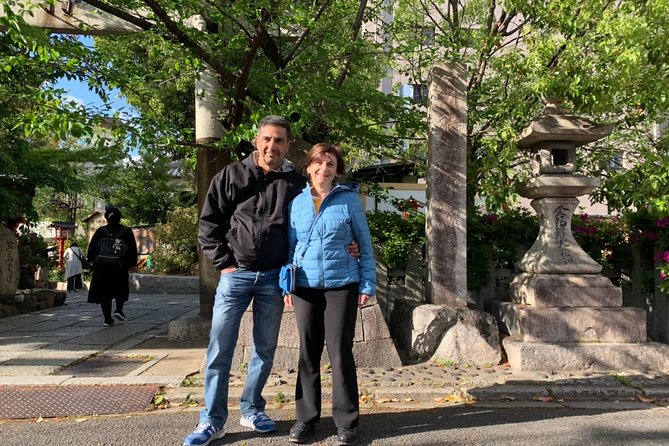
Maruyama Park is scheduled for about five minutes. It is known as one of Kyoto’s best cherry blossom spots and includes a garden with a pond. In blossom season, the setting can be especially appealing, though the tour’s short stop will not allow a long park walk.
The timing makes sense for a bike loop. You get a taste of the park, then continue through the older lanes nearby. If you visit Kyoto during cherry blossom season, you may want to return here separately, when you can walk around without watching the clock.
Nenenokomichi offers another five-minute stop. This attractive path is known for its old Kyoto feel and interesting views. It is the kind of stretch that can be awkward to reach efficiently by public transit, yet it fits naturally into a bicycle route.
The itinerary also includes a stop near one of Kyoto’s famous towers, although the tower is not named in the supplied details. The same is true of another large temple gate along the route. You should treat these as added points of interest rather than guaranteed long visits. The route is designed to keep moving.
Yasui-Konpiragu and Kennin-ji
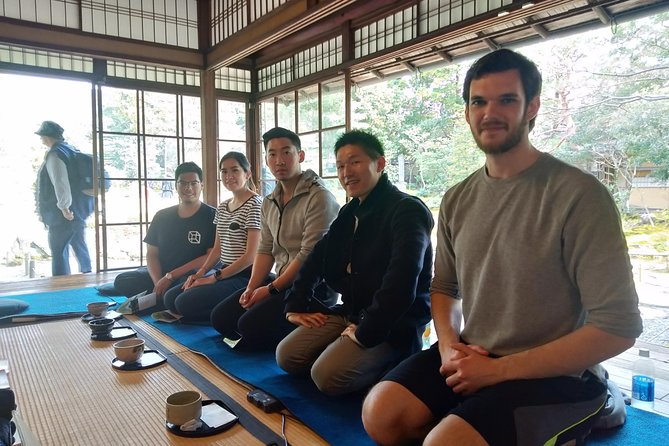
Yasui-Konpiragu is a short five-minute stop with a notable rock. The shrine is known for a distinctive ritual involving passing through the rock, though the supplied tour details only promise that the rock is waiting for you. Your guide can provide the cultural setting, and you can decide how much time to spend there.
Kennin-ji follows with another brief stop. The temple is associated with broad gardens and attractive paths, and it gives you one more look at the refined temple spaces of eastern Kyoto. Five minutes is enough for an introduction and a few photos, not a proper temple visit.
This is the point where the tour’s design becomes clear. You are sampling many places rather than settling into one. I find that useful on a first Kyoto visit, especially if you are unsure which neighborhoods deserve more of your time. You leave with a better map in your head and can plan a longer return visit to Nanzenji, Kennin-ji, Murinan, or Gion.
Returning to Gion with a small group
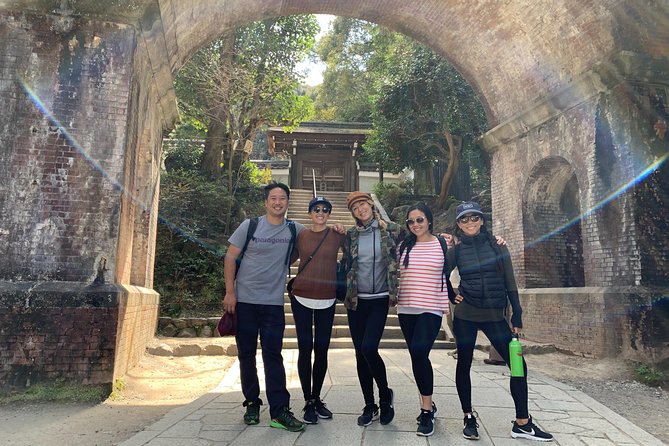
The ride ends back at the starting point near Sanjo. The final Gion stop returns you to the geisha district, closing the loop rather than leaving you across town. That is helpful if you have a lunch reservation or another activity planned nearby.
The published duration is approximately two to two and a half hours, although the tour description also calls it a three-hour bike ride. The difference may reflect the pace, traffic, or time spent with the guide. I would ask for the expected finish time before booking, especially if you have a train, restaurant booking, or temple reservation afterward.
The mobile ticket is convenient, and the meeting point is near public transportation. You will want to arrive with enough time to find the building and settle in before departure. The available details do not specify bicycle sizes, helmets, rain arrangements, or exact riding conditions, so those are sensible questions to ask the operator if they matter to you.
Is $119 a fair price?
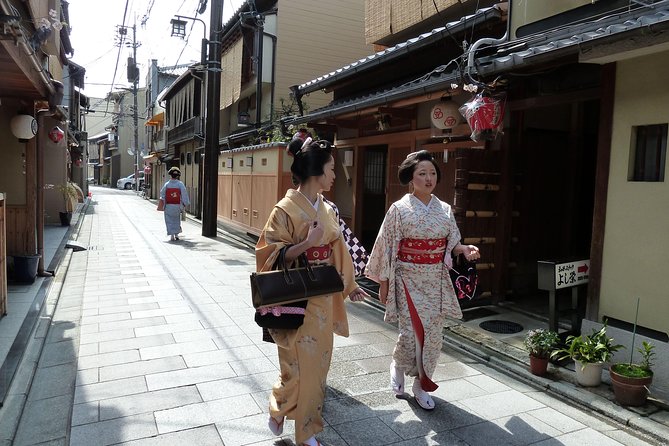
At $119, this is not the cheapest way to see Kyoto’s eastern district. You are paying for more than bicycle use, though. The price includes a guide, a compact itinerary, and admission plus matcha at Murinan. You also get the efficiency of moving between sites that are spread across several neighborhoods.
The value is strongest if you have limited time or dislike organizing Kyoto’s transport. A bus and walking plan may cost less, but it can take longer and require more route planning. A private taxi may cover more ground, but it will not give you the same open-air view or the simple pleasure of moving through small streets by bike.
The maximum of four makes the cost easier to justify for people who want personal attention. It is less compelling if you already know Kyoto well, prefer long temple visits, or simply enjoy exploring on foot at no fixed pace.
The tour receives a five-star rating from 44 reviews, with 100 percent recommending it. The most useful praise is specific: guide Ben is described as professional, clear in his explanations, and willing to let the group set its own pace. Those qualities matter more here than a long list of stops, since the guide helps connect the sights into a coherent picture of Kyoto.
Who should book this Kyoto bike tour?
I would choose this ride for a first visit to Kyoto when you want a quick, guided look at the eastern side. It suits couples, friends, and small families who can cycle for a couple of hours and enjoy frequent stops.
It is also a good fit if you prefer cultural context over a simple bicycle rental. The guide explains Japanese and Kyoto culture during the ride, and the Murinan tea stop gives the tour a clear local focus.
You should think twice if cycling is difficult for you, since moderate physical fitness is required. Children aged one to three can join only with a special bike, which costs an additional ¥2,500 per bike on the day and is subject to availability.
The tour is not designed for a slow, detailed study of each temple. It is a sampler with useful cultural commentary. That makes it a strong early-Kyoto activity, followed by solo visits to the places you want to explore more fully.
Should you book it?
Book this tour if you want to cover many eastern Kyoto sights without relying on buses and you like the idea of a very small group. The backstreets, Gion lanes, temple gates, Murinan garden, and matcha stop give the ride more character than a basic city cycling loop.
Skip it if you want a long tea ceremony, extensive time inside every temple, or an entirely relaxed pace. Before paying, confirm the actual duration and ask about bicycle equipment if you have specific needs. Cancellation is free up to 24 hours before the start time, but changes or cancellations inside that window are not refunded.
For an efficient first look at eastern Kyoto, the price is reasonable, especially when four or fewer people share the guide’s attention. The best reason to book is not the number of stops. It is the chance to connect them by bicycle and hear why they matter as you go.
FAQ
Where does the Secret Eastern Kyoto Biking Adventure start?
It starts at 117 Ohashicho, Higashiyama Ward, Kyoto, near Sanjo.
Where does the tour end?
The activity ends back at the meeting point.
How long does the bike tour last?
The listed duration is approximately two to two and a half hours. The tour description also refers to a three-hour bike ride, so confirm the expected timing before booking.
How many people can join?
The maximum group size is four travelers.
Is admission to Murinan included?
Yes. Admission to Murinan and local matcha tea are included.
Does the tour visit Gion?
Yes. The route includes Shirakawa Minami Avenue, Tatsumi Bridge, and a final stop in the Gion district.
Does the tour visit Heian Shrine?
Yes. The tour stops at Heian Shrine for about 20 minutes.
What level of fitness is required?
A moderate level of physical fitness is required.
Can children aged one to three join?
Yes, but they need a special bicycle. An additional fee of ¥2,500 per bike is charged on the day, and the special bicycle is subject to availability.
What is the cancellation policy?
You can cancel for a full refund up to 24 hours before the experience starts. Cancellations or changes made less than 24 hours before the start are not accepted or refunded.
Just added around Kyoto
- Sekka Cotton Furoshiki Class★ 5.0 · 19 reviews
- Kyoto Sword Experience – includes Museum Ticket/Ninja Experience★ 4.5 · 149 reviews
- Scenic Green Tea Fields of Hidden Kyoto & Local Tea Exp (Private)★ 5.0 · 32 reviews
- Private Sake Tasting in Central Kyoto with Sake Sommelier★ 5.0 · 32 reviews
- Samurai School in Kyoto: Samurai for a Day★ 5.0 · 202 reviews
- Samurai Performance and Casual Experience: Kyoto Ticket★ 4.5 · 115 reviews
- SHIRAKAWA Japanese Culture Experiences with private English staff★ 5.0 · 16 reviews
- A Privately Guided Photoshoot in Beautiful Kyoto by a Pro★ 5.0 · 18 reviews
Cycling Tours, compared.
Arashiyama Bamboo Forest & Hidden Gems Bike Tour (Early Bird)
Our verdict →

Browse the lists this tour appears in