
Reviewed · TRADITIONAL CRAFTS
From Kanazawa: Shirakawa-go, Gokayama and Wood Carving Art
The best surprise here is that Shirakawa-go is not the whole show. You also visit Inami, a working woodcarving town, and quiet Ainokura in Gokayama, where you make washi paper by hand. I like the mix of famous scenery and smaller places you might not reach easily on your own.
I also like the small-group feel, with several departures operating in a minibus or small van, and the balance between guided walks and time to wander. Guides including Daniel, Mike, and Garrett add useful context about Japanese culture. The main drawback is a long day on the road, and lunch is not included, so bring food if you have firm preferences.
Key points to know before booking
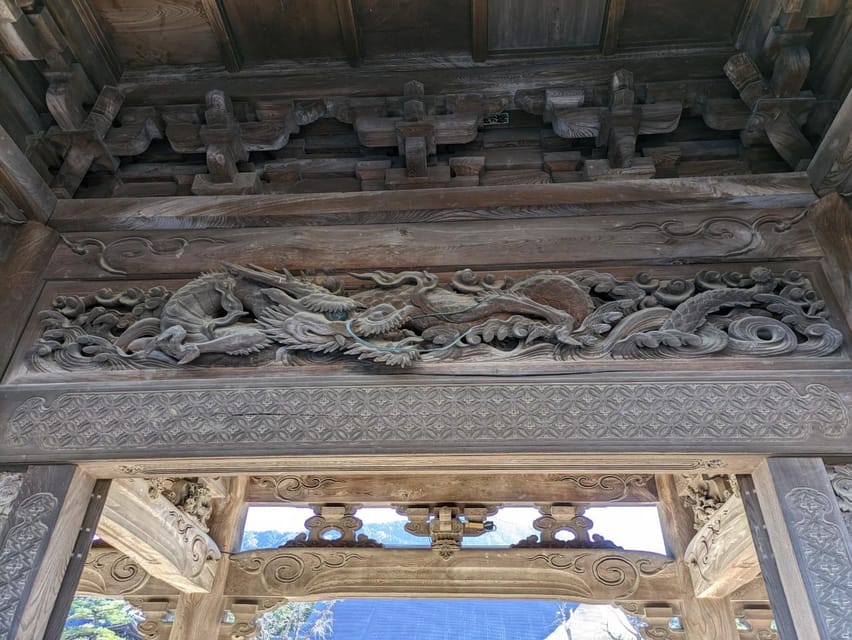
- Inami’s carved cats and Zuisenji Temple: Follow the main street toward a huge temple filled with dragons, lions, elephants, and fine wooden details.
- Hands-on Gokayama papermaking: You make your own traditional Japanese paper, a practical souvenir rather than another quick photo stop.
- A quieter side of the UNESCO area: Ainokura often feels calmer than Shirakawa-go, with thatched farmhouses and mountain views.
- Two hours in Shirakawa-go: Tour a historic house, see the famous gassho-style roofs, and keep time for your own exploring.
- A useful Kanazawa to Takayama option: Some bookings allow you to finish in Takayama instead of returning to Kanazawa.
- A full day for $180: Transport, guiding, temple entry, and papermaking are included, but lunch and accommodation are not.
Why this day trip works from Kanazawa
This is a good choice if you want to see rural Hokuriku without piecing together several buses and entrance tickets. The day starts at Kanazawa Station, then heads through mountain country and open plains toward Inami. You spend much of the day moving between destinations, but the included transport saves you from managing remote connections.
The scheduled start is 9:00 a.m., changing to 8:30 a.m. from June 1. Meet your English-speaking guide near the Information Center by the Shinkansen Ticket Gates, then board on the Kanazawa Port side of the station. The bus ride to Inami takes about an hour.
The vehicle has been a comfortable minibus for some groups and a smaller van for others. That makes the day feel personal, but space can be tight when the vehicle is full. If you dislike close seating or long drives, this is worth considering before booking.
I particularly like the route design. Inami gives you craft and religious art. Gokayama adds a hands-on activity and a quieter village. Shirakawa-go supplies the iconic thatched roofs. Each stop does a different job, so the day does not feel like three copies of the same village.
More Craft Workshops in Takayama:
- From Kanazawa: Shirakawa-go, Gokayama and Wood Carving Village
★ 5.0 · 90 reviews - Tokyo Sumo Experience: Chanko & Mochi with a Former Pro
★ 4.8 · 567 reviews - Kintsugi Experience: Art of Golden Joinery in Tokyo
★ 5.0 · 467 reviews
Inami, where woodcarving is part of the street
Inami is known for traditional woodcarving, with more than 100 professional carvers in the area. The main street leads toward Zuisenji Temple, and carved details appear on shopfronts and above doorways as you walk.
This is not a polished craft market built only for sightseeing. The town’s identity comes from working artisans and long-standing carving traditions. You may see shops closed depending on the day, and there is not always a large selection of small souvenirs aimed at visitors. That is part of the trade-off: the work can be exceptional, but the town is not arranged like a large shopping district.
Keep your eyes open for cats. The town association identifies 32 carved cats hidden around the streets, while individual shops have added more. Cat spotting gives the walk a light, playful edge, especially for children, and encourages you to look closely at the buildings rather than hurry straight to the temple.
The most impressive stop is Zuisenji Temple, reached at the end of the main street. Its large walls can make the entrance feel almost castle-like. The temple was originally built in the 1300s and burned in 1735. During its rebuilding, a celebrated woodcarver from Kyoto was brought in, and the result is a remarkable display of carved gates and animal figures.
Look for dragons, lions, elephants, and intricate patterns across the temple grounds. The entry fee is included, which matters here because the carvings are the reason to visit. Guides such as Mike or Daniel can help you notice details that are easy to miss if you simply walk through, especially when the light is low or the carvings are high above eye level.
Inami is also a strong part of the day for anyone interested in Japanese craft traditions. You are not just seeing an old building. You are seeing how a local skill shapes an entire town.
Gokayama and the satisfying work of making paper
After Inami, the vehicle continues for about 35 minutes toward Gokayama. The visit centers on Ainokura, one of the best-preserved villages in the UNESCO World Heritage area.
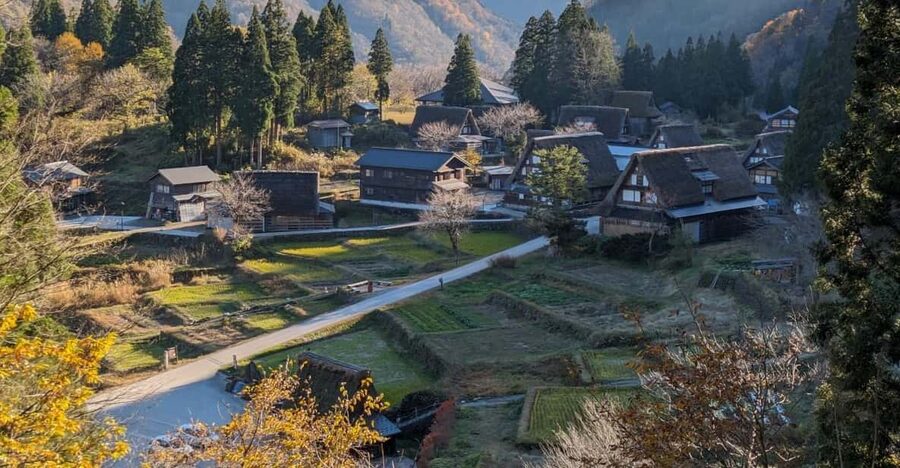
Ainokura feels more peaceful than Shirakawa-go. Its thatched farmhouses sit among mountain scenery, and the village gives you room to slow down. Depending on the season, you may see snow, clear blue skies, or rain. The setting can change the mood of the stop, so bring suitable footwear and clothing.
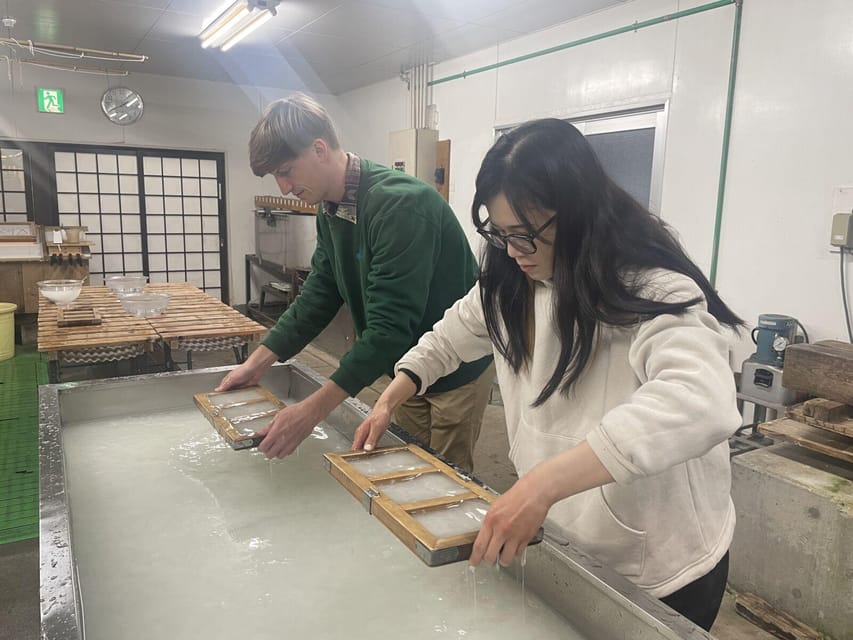
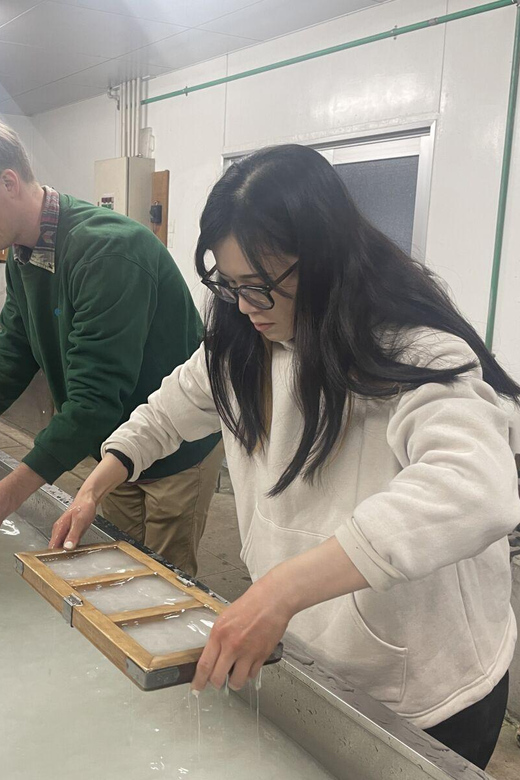
The most memorable activity here is traditional Japanese paper making. You get your hands wet and work through the basic process rather than simply watching a demonstration. The finished paper makes a personal souvenir, and the activity gives you a better sense of the care behind an everyday traditional material.
This is one reason I rate the tour above a simple sightseeing transfer. You leave with something you made, but the real value is the change of pace. After walking through Inami and looking at finely carved work, you get to take part in a local craft with your own hands.
The usual visit lasts about 75 minutes, including the guided portion and workshop. Time may also be available for lunch in Ainokura, though the schedule can place lunch in Inami instead. Food is not included, and the number of dining choices may be limited. I would bring a packed lunch or snacks if you eat at set times, have dietary needs, or do not want to spend your short village visit searching for food.
One useful detail is that the papermaking activity does not operate from December 27 through January 3. The wider itinerary can also change if an activity is unavailable, so check the exact arrangements for your date.
The advertised highlights also include a matcha experience at Shima, a heritage site with classic architecture. Since the detailed route information focuses on Inami, Ainokura, and Shirakawa-go, I would confirm how Shima fits into your chosen departure before you book. Experiences can vary by date and availability.
Shirakawa-go, the famous final stop
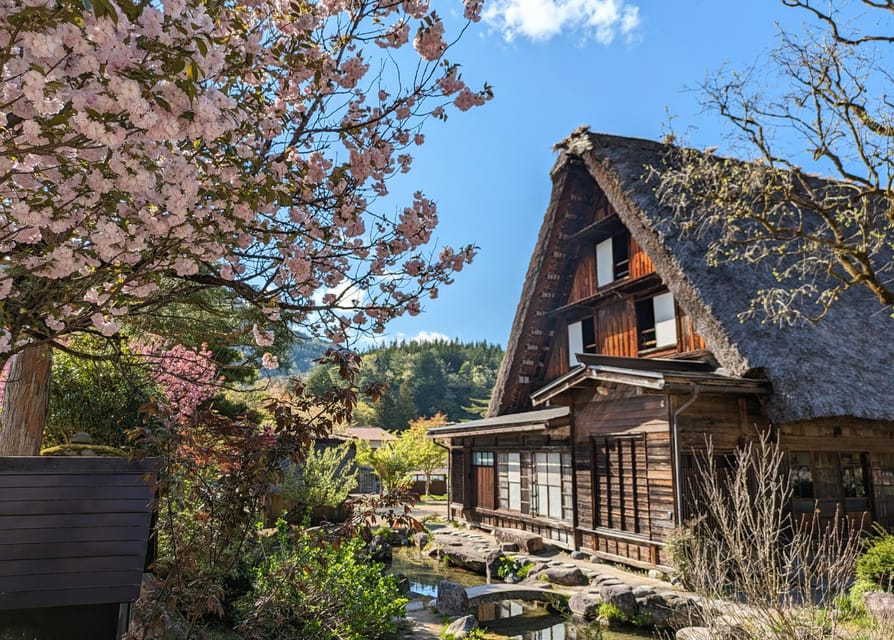
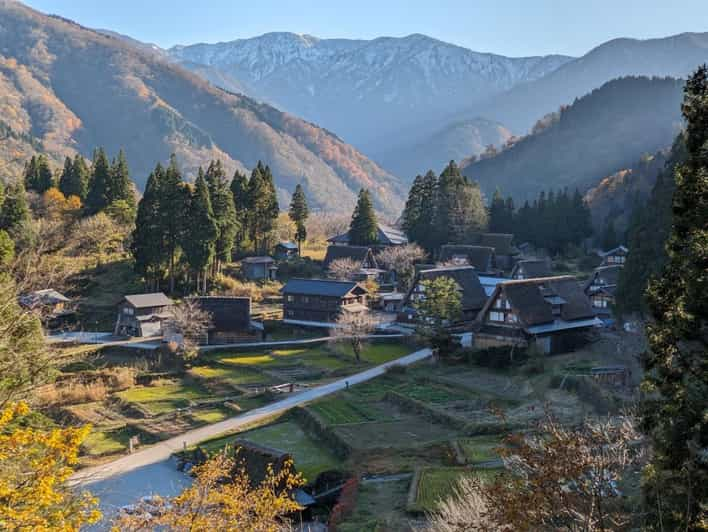
From Gokayama, it is about 40 minutes to Shirakawa-go. This is the place most people picture when they think of the tour: a village of steeply pitched gassho farmhouses built to handle heavy mountain snow.
You begin near the main street with a guided walk through the historic area. The tour includes entry into one of the thatched-roof houses, which helps you understand these buildings as homes and working spaces rather than scenic façades.
You then have about two hours for the village. That is enough time for photographs, a relaxed walk, local food, souvenirs, and a viewpoint walk if the group schedule permits. One practical point: Shirakawa-go is more touristic and can be crowded, especially compared with Ainokura. The contrast is useful. Ainokura lets you enjoy a quieter village atmosphere, while Shirakawa-go gives you the famous sight and more visitor facilities.
Do not rush straight to the best-known photo angle. Walk into the side streets, look at the roof construction, and notice how the houses relate to the fields and surrounding mountains. The village is attractive from a distance, but the details make the visit worthwhile.
You may also find local sweets, udon or soba, souvenirs, and small museums. Food stops depend on opening hours and the day’s timing, so I would not count on a long restaurant meal unless the guide confirms it. Two hours sounds generous, but it passes quickly once you stop for lunch and photographs.
A few more Takayama half-days worth comparing
- World Heritage Shirakawa-go and Experience Tours from Kanazawa
★ 5.0 · 4,049 reviews - Kanazawa: World Heritage Shirakawa-go Morning Guided Tour
★ 4.9 · 988 reviews - From Nagoya: Gujo, Hida Takayama, and Shirakawa-go Day Tour
★ 4.4 · 398 reviews - Kanazawa: World Heritage Shirakawa-go & Two Local Experience
★ 4.9 · 274 reviews
The guide can make or break the day
The route covers several places where a guide adds real value. Inami’s carvings can be easy to pass without explanation, and Gokayama’s traditional industries need some context. At Shirakawa-go, a guide helps you understand why the houses look as they do rather than treating the village as a photo backdrop.
Guides vary by departure. Daniel is often praised for careful explanations, patience, and practical help. Mike is known for storytelling, humor, and answering questions about daily life in Japan. Garrett has a background in East Asian history and is especially strong at connecting the places to wider cultural themes. Other departures may have guides such as Mohammed or Lee.
The best part of the guiding style is the balance. You get explanations at the key sites, then time to take photographs or explore without someone talking at you every minute. That suits you if you want structure but dislike being herded from one stop to the next.
Guides have also helped with practical problems, such as a forgotten phone or a lost bag containing a passport. That is not a promised service, but it shows why a small-group day can feel more reassuring than traveling alone in a remote area.
Transport, timing, and the real cost of $180
At $180 per person, this is not a budget bus ride. It is a full-day guided excursion with transport between four separate areas, an English-speaking guide, entry to Zuisenji Temple, the Inami and Shirakawa-go walks, and the papermaking fee.
You are paying for convenience as much as admission. The villages are spread out, and reaching all of them independently takes planning. A public bus may get you to Shirakawa-go, but it will not give you the same easy combination of Inami, Ainokura, a temple visit, and a craft workshop.
The weak point is lunch. Since you pay for your own meal and may have limited time to find one, the price feels better if you bring snacks and treat the included activities as the main value. It also helps to think of this as a cultural day, not a food tour.
Expect roughly 80 minutes for the return journey after Shirakawa-go, with arrival back in Kanazawa around 6:00 to 6:30 p.m., depending on traffic. Some bookings offer drop-off in Takayama instead. That option can be very useful if you are moving through the Japanese Alps, but verify the departure and drop-off choices when booking because the meeting point and finish can vary.
Free cancellation up to 24 hours before departure and reserve-now, pay-later terms make the booking less rigid. Still, winter weather can affect roads and the feel of the day. Snow can make Ainokura beautiful, but it can also mean cold walks and a strong need for warm layers and good shoes.
Who will enjoy this most
I would recommend this tour to you if you want more than the standard Shirakawa-go visit. It suits people interested in woodwork, temples, traditional villages, Japanese paper, and local stories. Families can enjoy the cat hunt and papermaking, while couples and solo visitors benefit from having transport and a guide through a remote area.
It also works well for a first visit to Kanazawa when you want one organized day outside the city. You get a broad look at the region without changing hotels.
I would hesitate if your priority is slow photography, long meals, or independent wandering. The schedule is well balanced, but it is still a one-day route with several drives. You will see a lot, not settle into one village for half a day.
Should you book it?
Book this day trip if Shirakawa-go is on your list but you also want quieter places and hands-on culture. Inami and Ainokura may become the day’s biggest surprises, especially if you prefer working traditions and calm streets to famous viewpoints.
The $180 price is reasonable when you value a small group, door-to-door regional transport, an English-speaking guide, temple entry, and papermaking. Bring lunch or snacks, expect a long day, and confirm whether your booking returns to Kanazawa or continues to Takayama.
Skip it if you already have easy transport to Shirakawa-go and want several unstructured hours there. For most visitors based in Kanazawa, though, this route offers a fuller picture of the mountain villages than a Shirakawa-go-only outing.
FAQ
Where does the tour start?
You meet at Kanazawa Station, near the Information Center by the Shinkansen Ticket Gates. Boarding takes place at the bus terminal on the Kanazawa Port side of the station. The exact meeting point can vary by booking option.
What time does the tour start?
The standard start time is 9:00 a.m. From June 1, the start time changes to 8:30 a.m.
Is lunch included?
No. Lunch is not included. Depending on the day, you may have time to eat in Ainokura or Inami. Bring your own lunch if you have specific food preferences or want to avoid relying on limited local choices.
Is the paper-making workshop always available?
No. The papermaking experience is unavailable from December 27 through January 3. Other activities can also change based on availability, so confirm the arrangements for your date.
Can I finish the tour in Takayama?
The listed drop-off choices are Kanazawa Station and Takayama Station. Check the option you select, since the meeting point and drop-off can vary.
What is included in the price?
The price includes transport to and from the destinations, an English-speaking guide, entry to Zuisenji Temple, guided visits in Inami and Shirakawa-go, and the Japanese papermaking workshop. Lunch and accommodation are not included.
Just added around Takayama
- Takayama and Shirakawago/Photoshoot by professional photographer★ 5.0 · 67 reviews
- Shirakawago & Kanazawa from Kanazawa★ 5.0 · 51 reviews
- Private Tour of Shirakawago and Gokayama from Kanazawa★ 5.0 · 50 reviews
- Private Tour of Shirakawago from Kanazawa (Half Day)★ 5.0 · 24 reviews
- Private Tour Kanazawa, Shirakawago, Hida Furukawa,Takayama★ 5.0 · 108 reviews
- Private transfer Kanazawa to Takayama Including Shirakawago★ 5.0 · 15 reviews
- Gokayama and Shirakawago/Photoshoot by professional photographer★ 5.0 · 51 reviews
- From Kanazawa: Shirakawa-go, Gokayama and Wood Carving Village★ 5.0 · 90 reviews
Traditional Crafts, compared.
Tokyo Sumo Experience: Chanko & Mochi with a Former Pro
Our verdict →
Kintsugi Experience: Art of Golden Joinery in Tokyo
Our verdict →

Matcha Making Experience with Mochi Sweets in Asakusa
Our verdict →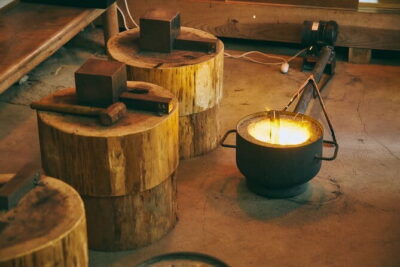
Authentic knife making experience at a blacksmith in Kyoto
Our verdict →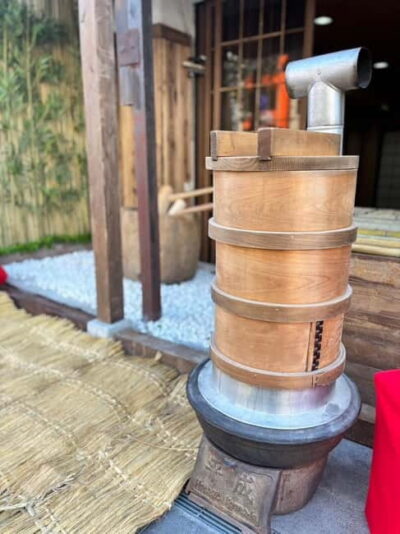
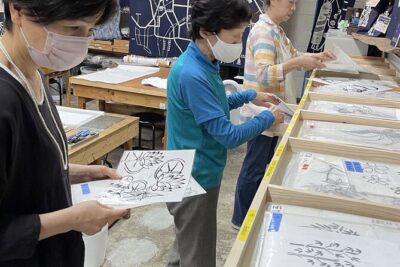
Roketsu dyeing experience: M course Roketsu Dyeing Experience
Our verdict →
Browse the lists this tour appears in