
Reviewed · TRADITIONAL CRAFTS
Osaka: Traditional Mochi Pounding Experience with Tasting
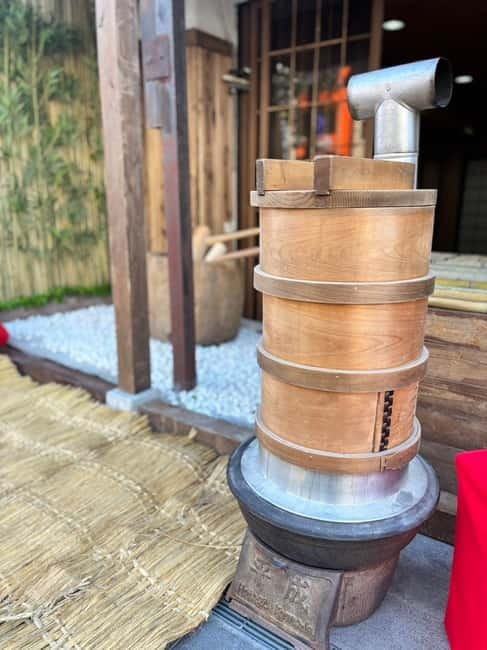
Mochi pounding is not a tidy cooking demonstration where you watch from the sidelines. You help turn steamed glutinous rice into a soft, stretchy sweet, taking turns with the mortar and pestle before shaping and eating it. I like the hands-on work and the chance to taste fresh mochi with several classic toppings, not just one pre-made sample.
I also like the short cultural introduction. In about 10 minutes, you get useful context about mochi’s origins and place in Japanese life without losing most of your hour to a lecture. The main consideration is that the activity takes some effort, and the entrance can be easy to miss from Dotonbori Street. Look for the river-side entrance and allow a few extra minutes to find it.
Quick takeaways from the Osaka mochi class
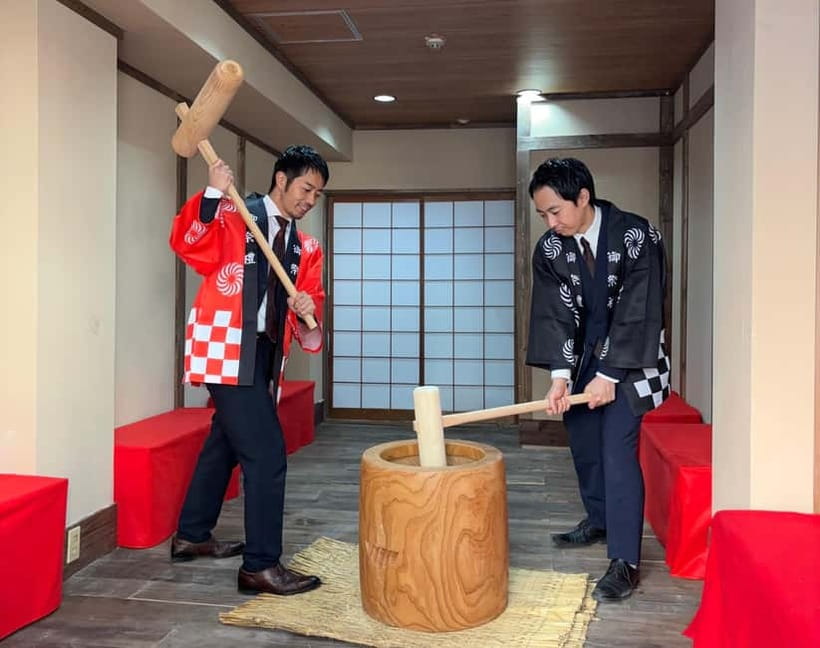
- You pound the rice yourself: The activity moves from steamed glutinous rice to finished mochi using traditional tools.
- Fresh toppings make the tasting generous: Try kinako, sweet red bean paste, nori, sweet soy sauce, and tea.
- The group is limited to four: This keeps the instruction personal and gives everyone a turn.
- It works for families and solo visitors: Children and adults can take part, while staff can help with photos for solo participants.
- The setting is central but the entrance needs care: The activity is near Dotonbori and the canal, but the door is on the river side rather than the main street.
- The $31 price buys participation, not just food: You receive instruction, ingredients, cultural background, and a full tasting in a one-hour session.
Why mochi pounding is more than a snack stop
Mochi is made from glutinous rice, but the finished texture is not what you get from ordinary cooked rice. The rice is steamed, softened, and worked until it becomes a smooth, elastic mass. That change is the heart of this activity, and you see it happen under your own hands.
The short introduction explains why mochi matters in Japan and gives the pounding a useful cultural frame. You are not simply making a sweet for a photograph. You learn about the food’s history and significance before handling the tools, which helps explain why the traditional method is still worth showing.
I appreciate the balance. Ten minutes of background is enough to give the activity meaning, but the class is built around doing rather than listening. The rest of the hour belongs to the rice, the tools, the shaping, and the tasting.
More Craft Workshops in Osaka
- Kamigata Ukiyoe Museum:Ukiyo-e Woodblock Printing Experience
★ 4.9 · 79 reviews - 1.5〜2 Hours Traditional Kintsugi Work Shop in Namba Osaka
★ 5.0 · 75 reviews - 90 min Shared Handmade Udon Experience
★ 5.0 · 70 reviews
From steamed rice to sticky mochi in one hour
The session begins with instruction and preparation. You learn how the steamed rice is handled and how the mortar and pestle are used. The guides explain each step, then help you take part rather than leaving the difficult work to one person.
The rice first needs mashing before it can become mochi. This part can look simple, but the texture changes gradually. You will notice the rice becoming smoother and stickier as it is worked. The activity is physical, so do not arrive expecting a completely passive food lesson.
Pounding is done with traditional equipment. Participants take turns, which gives each person a clear role and keeps the process safe and manageable. The guides help with timing and technique, and they make sure children can participate in a way suited to their age.
This is also where the small group matters. With a maximum of four participants, you should have a real chance to handle the rice and tools. A larger class could still be entertaining, but it would be harder for everyone to get equal time.
Once the mochi reaches the right consistency, you help form it into portions. The activity then shifts from making to eating, which is a welcome change after the physical work. The finished pieces are served with several traditional flavors and a cup of tea.
The tasting is a full part of the experience
The tasting is not limited to a single sweet bite. You can try the fresh mochi with kinako, a roasted soybean flour with a gently nutty taste; sweet red bean paste; nori; and sweet soy sauce. These toppings show how much the flavor and character of mochi can change from one combination to another.
Freshly made mochi has a soft, elastic texture that is different from packaged versions. It is also sticky, so take your time while eating. The activity gives you enough to feel like you have had a real snack, and several people find it filling enough to affect their next meal.
If red bean paste is not your usual choice, try it with the other available toppings rather than dismissing it after one taste. The range of condiments is one of the better parts of the session because you can compare sweet and savory flavors side by side.
Tea is included, which gives you a simple break between the hands-on work and the tasting. It also fits the traditional character of the activity without turning the session into a formal tea ceremony.
Friendly instruction in English and Chinese
Instruction is available in English and Chinese. The guides named in participant feedback include Seina, Taka, Misaki, Moe, Grace, Pari, and Aiko, though the exact staff member for your session can vary.
The teaching style is active and social. Guides explain the process, encourage participation, help with the tools, and can take photos during the activity. That last detail matters if you are visiting Osaka alone. You can join in without needing to ask another participant to document every stage.
The staff also adjust the pace for mixed-age groups. Families with children can expect help that makes the process approachable, while adults and older children still get a proper turn at the more physical parts. The activity is designed to include all ages, but children should be supervised by their accompanying adult.
The tone is cheerful rather than formal. That suits mochi pounding, which works best when everyone is willing to laugh a little at sticky hands and imperfect shapes. You do not need cooking experience.
Same trip, a completely different kind of day:
- Osaka Go Karting Tour with Funny Costume
★ 5.0 · 2,658 reviews - Osaka Castle: Museum and Tower Entry Ticket
★ 4.5 · 2,380 reviews - Osaka: Shinsekai Food Tour with 13-15 Dishes at 5 Eateries
★ 4.8 · 2,204 reviews - Osaka Food Tour: 13 Dishes at 5 Local Eateries
★ 5.0 · 2,149 reviews
A central Dotonbori location with one important warning
The activity is in central Osaka, near the Dotonbori canal. That makes it easy to combine with time in one of Osaka’s busiest sightseeing areas, but the location can also cause confusion.
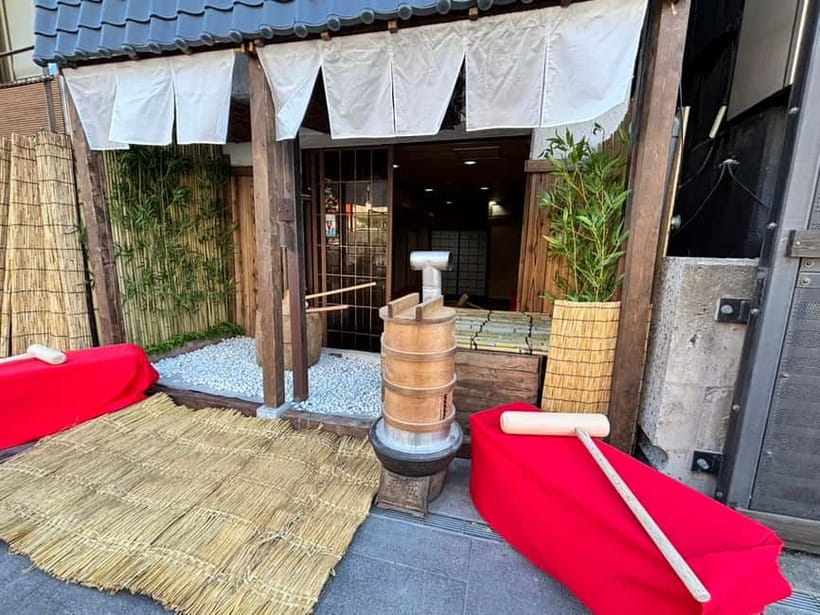
The entrance is on the canal or river side, not directly from Dotonbori Street. It may be marked by a handwritten sign near the entrance of a hotel on the parallel street. I would not rely on the busiest frontage as your only landmark. Check the meeting instructions carefully and allow extra time to walk around to the back or river-side entrance.
The location is part of the appeal. You can fit a one-hour class into a day of food, shopping, and sightseeing without committing to a long trip across Osaka. Transportation to and from the activity is not included, so you make your own way there.
Because the meeting point can vary by the selected option, confirm the exact address after booking. That is especially important here, since the entrance arrangement has caused some people trouble even though the activity itself is easy to find once you reach the correct side.
How the $31 price holds up
At $31 per person, this is priced above buying mochi from a shop, but that is not the right comparison. You are paying for instruction, ingredients, use of traditional tools, cultural background, and a tasting session. The food is the final part of a guided activity, not the whole product.
I consider the price fair for someone who wants a short cultural activity with real participation. The one-hour length is useful in Osaka, where you may be fitting several neighborhoods into a day. It is long enough to explain the process and complete the tasting, but short enough to place between other plans.
The value is strongest for families, couples, and solo visitors who want a shared memory rather than another restaurant stop. It is also a good choice if you are curious about Japanese food but do not want a full cooking class lasting half a day.
The value is weaker if you only want to eat mochi or if your schedule is so tight that finding the entrance will create stress. You can buy ready-made versions more cheaply. This class earns its price through the participation and the people guiding you through it.
Who should book this activity
I would recommend it to families with children, especially if you want a break from temples, shops, and long walks. The activity has a clear beginning, middle, and end, and children can see the food change as they work.
It also suits adults who want something distinctly Japanese but not overly formal. You do not need prior knowledge of mochi, and the cultural introduction gives the activity more substance than a simple dessert tasting.
Solo visitors should not rule it out. The small group format makes it easier to join in, and the guides can take photos. The class has enough structure that you will not be left standing awkwardly while other people handle the food.
It may be less suitable for anyone who dislikes sticky textures, has difficulty with light physical activity, or wants a quiet class. The atmosphere is friendly and interactive, and the pounding requires some stamina. Wear comfortable clothing that you do not mind using during a hands-on food activity.
Practical timing and booking advice
The experience lasts one hour, with start times depending on availability. Plan a little extra time before the session for finding the canal-side entrance. That small buffer is worthwhile in the Dotonbori area.
Choose the correct plan when booking:
- Adult Experience: For participants age 13 and older, with more attention to cultural detail.
- Family Experience: For groups with children and adults, with the activity adapted for younger participants.
The experience runs year-round. Materials, ingredients, instruction, and the tasting are included. Transportation is not included, so you need to reach the meeting point independently.
You can cancel up to 24 hours ahead for a full refund, and the reserve-now, pay-later option keeps the booking flexible. Those terms are useful if your Osaka plans may change, but you still need to check the meeting point for the specific option you select.
What makes this a memorable Osaka activity
Osaka is famous for food, but much of the city’s food culture is experienced from a counter or restaurant table. This class gives you a different role. You are not just sampling something associated with Japan. You are helping produce it.
The process also gives you a physical sense of the food. You feel the rice become dense and elastic, see how much work goes into the texture, and then taste the result while it is fresh. That connection between method and meal is the reason I would choose this over a simple mochi snack stop.
The guides add another layer. Names such as Seina, Taka, Misaki, Moe, Grace, Pari, and Aiko appear among the people leading sessions, and the teaching includes explanations, encouragement, and help with photographs. You should expect a warm, informal class rather than a technical pastry course.
The setting near Dotonbori helps too. You can make mochi close to the canal, then continue into the neighborhood for more food and evening sights. Just do not confuse the central location with an obvious street-front door.
Should you book the Osaka mochi pounding experience?
Book it if you want a one-hour activity that combines Japanese food, cultural context, and genuine hands-on work. The strongest reasons are the small group size, the choice of toppings, the friendly English and Chinese instruction, and the fact that children, adults, and solo participants can all take part.
Skip it if you only want the cheapest possible mochi or if sticky food and light physical effort sound unpleasant. For everyone else, $31 is a reasonable price for an active tasting experience in central Osaka. Choose the right age plan, wear comfortable clothes, and find the canal-side entrance before the session begins.
FAQ
How long does the mochi pounding experience last?
The activity lasts one hour.
How much does the experience cost?
The listed price is $31 per person.
What will I do during the activity?
You will learn about mochi, work with steamed glutinous rice, use traditional pounding tools, shape the mochi, and taste it with Japanese toppings.
What toppings are included?
The tasting includes kinako, sweet red bean paste, nori, sweet soy sauce, and tea.
Is the activity suitable for children?
Yes. The Family Experience welcomes all ages and is designed to include children and adults.
Is there an adult-only or older participant option?
Yes. The Adult Experience is for participants age 13 and older.
What languages are available?
Instruction is available in English and Chinese.
Is transportation included?
No. You are responsible for transportation to and from the activity location.
More Food & Drink in Osaka
- Hungry Osaka Street Food Tour:15 Tastings & 3 Drinks with a Local
★ 5.0 · 1,727 reviews - Hungry Osaka Street Food Tour: 15 Dishes & 3 Drinks
★ 4.9 · 694 reviews - Kuromon Market Food Walking Tour in Osaka (6 stops, 6 tastes)
★ 5.0 · 550 reviews - Osaka: Guided Food Tour with 12 Dishes at 4 Local Eateries
★ 5.0 · 533 reviews
Just added around Osaka
- Exclusive Sushi Making Experience with a Master Chef – Osaka Area★ 5.0 · 25 reviews
- Private Home-Style Cooking Class in Osaka with Local Mom Yoshiko★ 5.0 · 46 reviews
- Hidden Osaka – Yukaku Red Light Tour & Culinary Adventure★ 4.8 · 96 reviews
- Osaka: Walking Tour and Top Highlights★ 4.8 · 104 reviews
- Osaka: Private Ceramic Painting Workshop★ 5.0 · 13 reviews
- Pickleball in Osaka, Kobe & Kyoto with Locals!★ 4.7 · 80 reviews
- Eat Like a Local in Osaka – Private Custom Street Food Tour★ 4.3 · 33 reviews
- Osaka:SUMO BEATS SHOWCASE: Taiko Drum and Wagyu burger!★ 4.2 · 37 reviews
Traditional Crafts, compared.
Tokyo Sumo Experience: Chanko & Mochi with a Former Pro
Our verdict →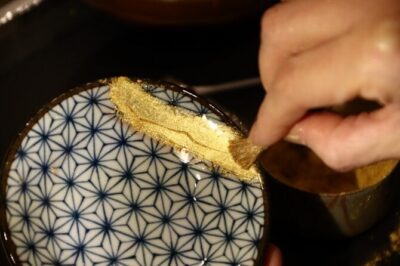
Kintsugi Experience: Art of Golden Joinery in Tokyo
Our verdict →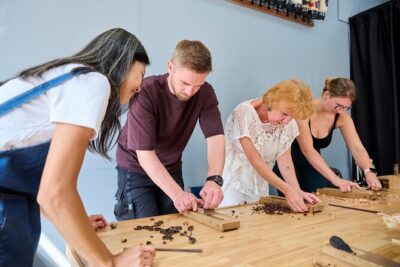

Matcha Making Experience with Mochi Sweets in Asakusa
Our verdict →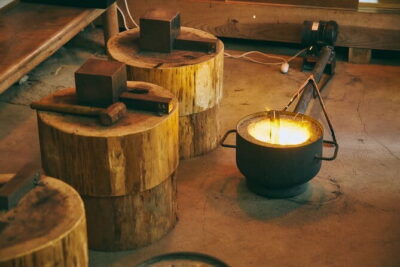
Authentic knife making experience at a blacksmith in Kyoto
Our verdict →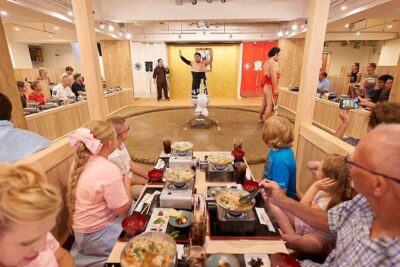
TokyoSumoShow, ChickenHotPot, and Mochi-Pounding by Pro Wrestlers
Our verdict →
Roketsu dyeing experience: M course Roketsu Dyeing Experience
Our verdict →Browse the lists this tour appears in