
Reviewed · TRADITIONAL CRAFTS
Kyoto Ramen Spoon Painting & Michelin Cooking Class
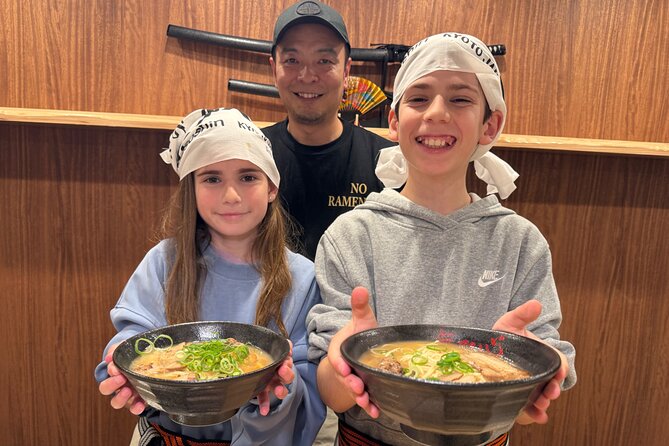
The best part of this Kyoto experience is the two-part format: you paint a ceramic ramen spoon upstairs, then head into a working restaurant kitchen to prepare and eat ramen. Chef Shin and assistant Amiru lead the class, with plenty of step-by-step help and a good deal of energy.
I like the real restaurant connection. Musoshin makes its own noodles, soup, soy sauce, and roast pork, so you are learning from the same food served at its restaurants in Kyoto and Toronto. I also like the small group, capped at 12 people, which gives the class a friendly feel without turning it into a noisy production.
The main thing to understand is that you do not make the noodles from scratch. The noodles and many components are prepared in advance. Also, the painted spoon must be fired in a kiln overnight, so it is a souvenir to collect later, not one you carry away at the end of the class.
Key points at a glance
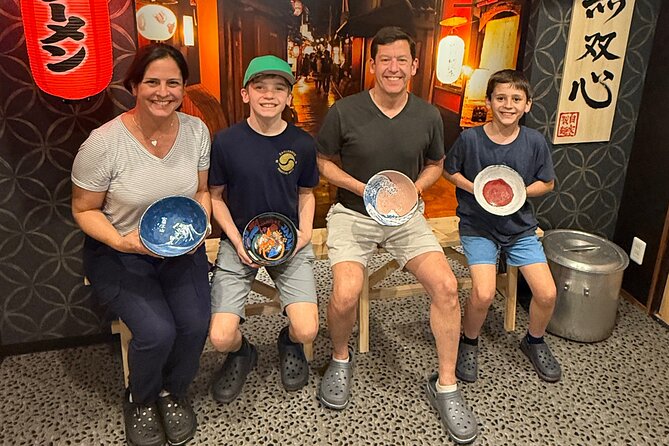
- Paint a ceramic ramen spoon: Decorate your own spoon upstairs, then have it kiln-fired overnight.
- Cook in a real ramen restaurant: Musoshin brings restaurant-made ingredients into the class kitchen for you to prepare.
- Eat the ramen you make: The class ends with a full bowl, including pork broth or vegetarian and vegan options.
- Learn from working chefs: Shin and Amiru explain the ingredients, cooking method, and background of ramen.
- Small group setting: The maximum is 12 people, useful for questions and hands-on guidance.
- Budget about 90 minutes: The short format fits well into a Kyoto sightseeing day, though you should allow extra time to find the meeting point.
A Kyoto ramen class with two very different halves
Musoshin Ramen Academy meets at 440-5 Nishigomoncho in Kyoto’s Higashiyama Ward. The address puts you in an area known for major sights, including Kiyomizu-dera, Kennin-ji, and Sanjusangendo. Those temples appear in the supplied itinerary, but the detailed activity description focuses on the ramen class and spoon painting rather than a guided temple visit.
That distinction matters. You should book this as a food and craft workshop, not as a temple tour with a cooking stop. If you plan to visit Kiyomizu-dera or the other temples, treat them as nearby sights to pair with the class, not as guaranteed guided portions of the 90-minute experience.
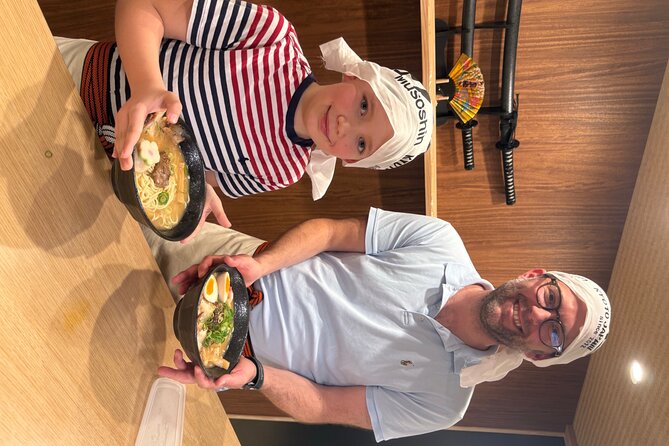
The class itself has a simple rhythm. First, you decorate a ceramic ramen spoon. Then you move downstairs to cook. Finally, you sit down and eat the ramen you helped prepare. That change of pace keeps the activity from feeling like a standard demonstration where you watch a chef do everything.
More Cooking Classes in Kyoto
- Ramen Cooking Class at Ramen Factory in Kyoto
★ 5.0 · 1,937 reviews - Kyoto: Ramen Cooking Class at a Ramen Factory with Souvenir
★ 4.9 · 532 reviews - Kyoto: Ramen, Gyoza, and Onigiri Cooking Class
★ 5.0 · 445 reviews
Spoon painting turns lunch into a keepsake
The spoon painting is more than a quick photo opportunity. You get a ceramic ramen spoon and time to add your own design. The upstairs setting gives the class a creative opening before the more practical cooking begins.
This is a good feature for families and mixed-age groups. Children can take part in the art, while adults get a hands-on food lesson. The class also leaves you with something tied to the experience, rather than just another meal that disappears as soon as you leave Kyoto.
There is one important practical catch. The spoon needs to be baked in a kiln overnight. You cannot expect to paint it and take it home immediately. If you are leaving Kyoto the same evening or the next morning, ask about collection arrangements before booking. The provided information confirms the overnight firing, but does not give a delivery or pickup system.
The spoon is also not the same thing as the ramen bowl. The experience includes use of a ramen bowl, a ramen spoon, an apron, and part of the ramen ingredients. The bowl is part of the class setup, while the painted spoon is the stated souvenir.
What you learn from Musoshin’s kitchen

Musoshin began in Kyoto in 2022 and now has six restaurants in Kyoto and Toronto. Its Toronto restaurant has received Michelin nominations for three consecutive years, and the class uses the same recipe. That gives the cooking lesson a clear professional base, though you should read Michelin-nominated as a mark of recognition, not as a promise that the class itself takes place in a Michelin-starred restaurant.
The kitchen philosophy is unusually ingredient-focused. Musoshin makes its noodles every morning, lets them rest overnight for use the following day, and cooks its ramen soup for 12 hours. The restaurant also makes its soy sauce and roast pork by hand.
You will not reproduce all of that work in 90 minutes. Instead, the restaurant brings prepared components into the class and shows you how to cook and assemble them. This is still useful. You see how the broth, seasoning, noodles, meat, and toppings fit together, and you get to taste the final balance in your own bowl.
The lesson covers the method behind ramen as well as the cooking steps. You can expect explanations about the parts of the dish, its background, and the amount of work hidden behind a bowl served at a restaurant. That context makes the meal more meaningful than simply adding noodles to hot soup.
Cooking your own bowl in a professional kitchen
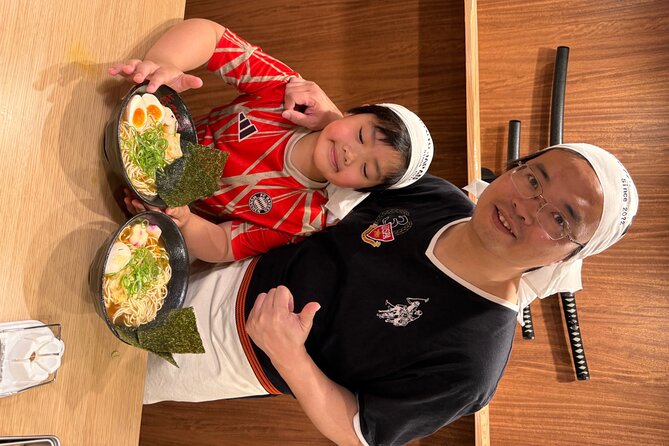
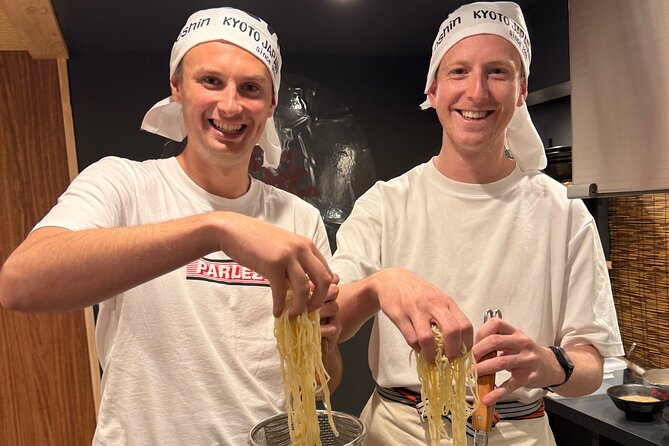
The hands-on section takes place downstairs in the restaurant kitchen. You prepare the ingredients brought from Musoshin, follow the chef’s instructions, and assemble the ramen yourself.
This is where the small group helps. With a maximum of 12 people, the chefs can offer individual guidance instead of leaving you to guess at each step. The class has been described as patient and engaging, including with children, and the instructors bring plenty of humor and energy.
Chef Shin is especially involved in the teaching. He is also the restaurant owner, and the class keeps him close to the actual food rather than placing a separate presenter between you and the kitchen. Amiru has also led sessions and is described as warm and professional.
Do not expect a noodle-making workshop. One of the clearest limitations is that the class does not have you make the noodles yourself. Musoshin prepares them before the session, following its own restaurant process. If your dream is to stretch and cut noodles by hand, this is not that class.
On the other hand, skipping noodle production is part of what makes the short class possible. You spend your time learning how the finished ingredients work together, rather than using most of the session on dough. The result is a practical lesson aimed at cooking and assembly, not a full apprenticeship in ramen production.
More Craft Workshops in Kyoto
- Authentic knife making experience at a blacksmith in Kyoto
★ 4.8 · 350 reviews - Roketsu dyeing experience: M course Roketsu Dyeing Experience
★ 5.0 · 163 reviews - Kyoto Michelin Ramen Workshop or Painting Ramen Essentials
★ 4.9 · 100 reviews - Kyoto: Ramen Bowl Painting and Michelin Cooking Class
★ 4.9 · 96 reviews
Pork, vegetarian, and vegan choices
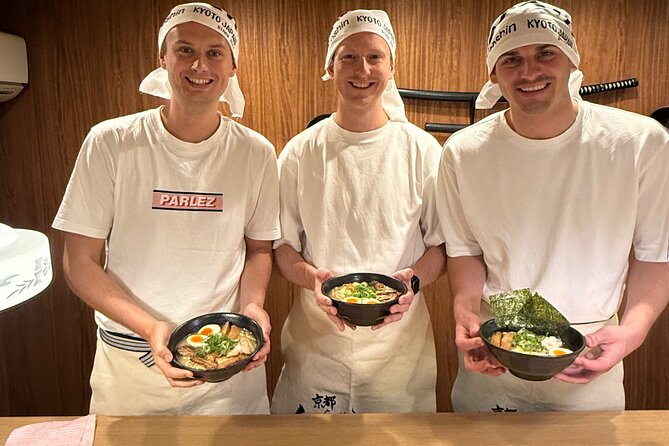
The class can accommodate vegetarian and vegan preparations. This is valuable because ramen broth is often built around meat, seafood, or other animal products, and a generic cooking class may offer little more than a token substitute.
The available information specifically confirms pork broth and vegetarian options, with vegan ramen also accommodated in the class. If you need one of these choices, state it when booking and confirm it with the provider. The staff has handled allergies carefully, but the supplied information does not list every allergen or provide a separate allergy policy.
For meat eaters, the handmade roast pork is part of Musoshin’s food identity. For plant-based diners, the class offers a chance to learn how the seasoning and toppings create a satisfying bowl without relying on pork broth. That makes the activity easier to recommend to families or groups with different diets.
How the 90-minute timing works
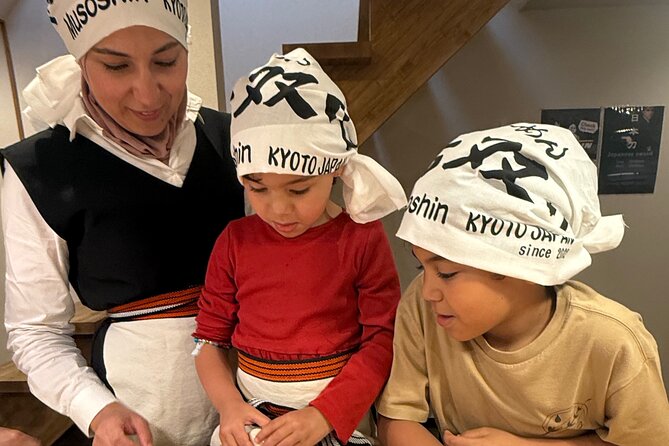
The advertised duration is about 1 hour and 30 minutes. That is short enough to fit between Kyoto sightseeing plans, but you should not squeeze it between two temple reservations with no margin.
You will need time to find the meeting point at 440-5 Nishigomoncho. The activity ends back at the meeting point, so there is no need to arrange a separate return transfer. It is near public transportation, though the address can be hard to spot, so arrive early and use the full street address rather than relying only on the restaurant name.
A 90-minute class also means the pace may feel brisk. You have spoon painting, an explanation of the food, cooking, and eating to fit into one session. That is efficient, but it is not a slow afternoon workshop where you linger over every technique.
The group limit of 12 keeps the format manageable. It is small enough for personal help, but not private. If you want a one-on-one lesson, this will not provide that level of attention.
The temple itinerary needs a careful reading
The itinerary lists three Kyoto temples:
- Kiyomizu-dera Temple
- Kennin-ji Temple
- Sanjusangendo Temple
All three are significant places to see, but the supplied class details do not explain a temple route, temple entry, or guided sightseeing at each stop. The activity begins and ends at the Higashiyama meeting point, while the main description concentrates on spoon painting and ramen preparation.
For planning, I would place the class alongside your own temple visits rather than assume the temples are included in the workshop. Kiyomizu-dera is a natural pairing for an east Kyoto day. Kennin-ji also fits the area. Sanjusangendo is farther south and may require separate timing.
This is not a minor wording issue. If you are booking because you want a food class, the activity delivers the important parts clearly. If you are booking because you expect a three-temple tour, confirm the schedule with the operator first.
Is $65.89 a fair price?
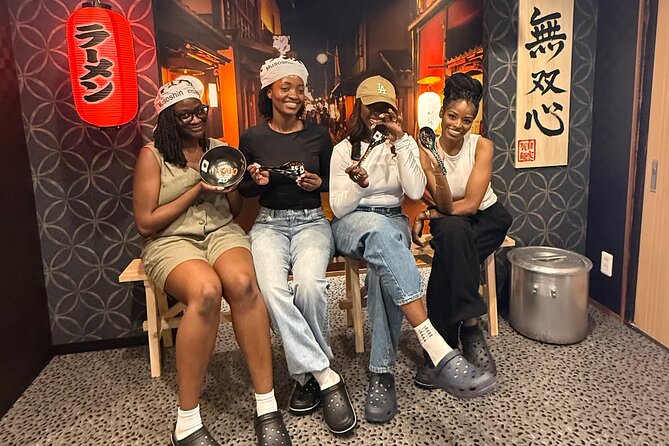
At $65.89 per person, this costs more than ordering a bowl of ramen and buying a souvenir spoon separately. You are paying for instruction, restaurant ingredients, kitchen access, the meal, spoon painting, and the staff’s time.
The strongest value comes from combining three things in one short session: a craft, a cooking lesson, and lunch or dinner. You also get food made with the restaurant’s own noodles, long-cooked soup, house-made soy sauce, and handmade roast pork. That is a more useful lesson than a generic instant ramen demonstration.
The value is weaker if you mainly want a cheap meal or if you insist on making noodles from flour yourself. The spoon is kiln-fired overnight, so its souvenir value depends on your ability to collect it later. Still, for someone who wants a memorable Kyoto activity with food at the center, the price is reasonable.
The experience had a 4.9 rating from 34 reviews, with 97 percent recommending it. Those numbers suggest a strong track record, but I would focus on the details behind the praise: the ramen quality, the warm teaching style, allergy care, and the fun of painting the spoon. Those are the parts most likely to shape your own experience.
Who will enjoy this most
I would recommend this class to ramen fans, families, couples, and anyone who prefers doing something rather than only looking at temples. It is also a good pick for a mixed group because one person can enjoy the cooking while another focuses on the craft.
It suits you especially well if you want:
- A small-group activity with active participation
- A meal built around restaurant-made ingredients
- A souvenir you help design
- Vegetarian or vegan food options
- A class led by chefs connected to a working ramen business
- A short activity that fits into an east Kyoto sightseeing day
I would choose something else if you want a full noodle-making course, a private class, or a temple tour with a clearly explained guide route. The class teaches ramen preparation and assembly, not every stage of production.
Booking and cancellation advice
Confirmation is provided at booking, and the activity accepts mobile tickets. Free cancellation is available up to 24 hours before the start time for a full refund. Changes or cancellations made less than 24 hours before the local start time are not accepted for a refund.
Mention dietary needs ahead of time. Vegetarian and vegan options are available, and the class has handled allergies, but the listing does not spell out every ingredient or cross-contact procedure.
Also plan around the spoon. Since it is fired overnight, ask how and when you can receive it before you commit to a tight departure schedule. That one detail can make the difference between a useful keepsake and a souvenir you cannot take home.
Should you book the Musoshin ramen class?
Book it if you want a friendly, hands-on Kyoto food experience rather than a simple restaurant meal. The best features are the real kitchen setting, the house-made ramen components, the patient teaching style of chefs such as Shin and Amiru, and the mix of cooking with spoon painting.
Go in with the right expectations. You will not make noodles from scratch, the spoon will not be ready immediately, and the temple stops need clarification if they are important to your plan. With those points understood, the $65.89 price buys a full meal, a practical lesson, and a personal souvenir in about 90 minutes. That is a solid use of time for ramen lovers and families who want more than another sit-down meal in Kyoto.
FAQ
Where does the ramen class meet?
The meeting point is 440-5 Nishigomoncho, Higashiyama Ward, Kyoto, 605-0816, Japan. The activity ends back at the same meeting point.
How long does the experience last?
The class lasts approximately 1 hour and 30 minutes.
How many people can join the class?
The activity has a maximum of 12 travelers, making it a small-group experience.
Do I get to take the painted spoon home immediately?
No. The ceramic spoon is baked in a kiln overnight after you paint it. The available information does not specify the pickup or delivery arrangements, so confirm those details with the provider.
Are vegetarian and vegan ramen options available?
Yes. Vegetarian and vegan options are available, and the class can accommodate dietary needs. You should provide details when booking and confirm any allergy concerns with the provider.
Can I cancel for a full refund?
Yes. You can cancel at least 24 hours before the experience start time for a full refund. Cancellations or changes made less than 24 hours before the local start time are not accepted for a refund.
More Ramen Tours in Kyoto
- Kyoto Ramen and Gyoza Cooking Class with Professional Chefs
★ 5.0 · 282 reviews - Home style Ramen and Homemade Gyoza in Kyoto
★ 5.0 · 152 reviews - Kyoto Ramen Noodle Making Class
★ 5.0 · 58 reviews - Ramen Gyoza Onigiri Japanese Cooking Class in Kyoto
★ 5.0 · 44 reviews
Just added around Kyoto
- Sekka Cotton Furoshiki Class★ 5.0 · 19 reviews
- Kyoto Sword Experience – includes Museum Ticket/Ninja Experience★ 4.5 · 149 reviews
- Scenic Green Tea Fields of Hidden Kyoto & Local Tea Exp (Private)★ 5.0 · 32 reviews
- Secret Eastern Kyoto Biking Adventure★ 5.0 · 44 reviews
- Private Sake Tasting in Central Kyoto with Sake Sommelier★ 5.0 · 32 reviews
- Samurai School in Kyoto: Samurai for a Day★ 5.0 · 202 reviews
- SHIRAKAWA Japanese Culture Experiences with private English staff★ 5.0 · 16 reviews
- A Privately Guided Photoshoot in Beautiful Kyoto by a Pro★ 5.0 · 18 reviews
Traditional Crafts, compared.
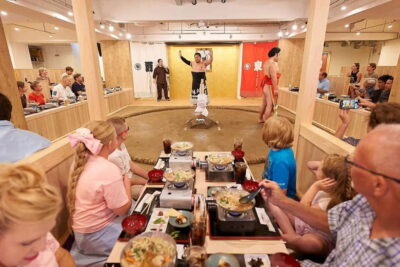
Tokyo Sumo Experience: Chanko & Mochi with a Former Pro
Our verdict →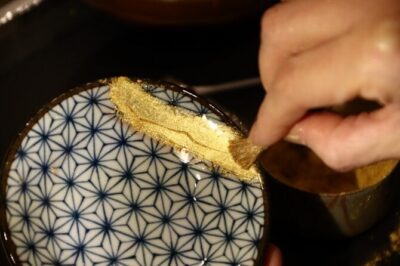
Kintsugi Experience: Art of Golden Joinery in Tokyo
Our verdict →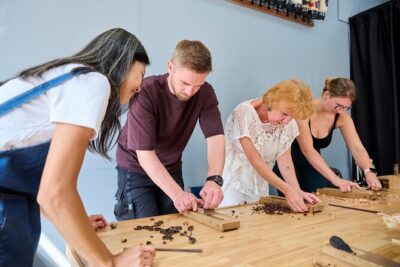

Matcha Making Experience with Mochi Sweets in Asakusa
Our verdict →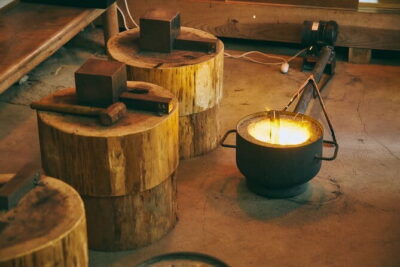
Authentic knife making experience at a blacksmith in Kyoto
Our verdict →

Roketsu dyeing experience: M course Roketsu Dyeing Experience
Our verdict →Browse the lists this tour appears in