
Reviewed · TRADITIONAL CRAFTS
Kyoto: Ramen Bowl Painting and Michelin Cooking Class
The clever part of this Kyoto experience is that you do not simply eat ramen and go home. You paint a bowl or spoon, assemble a restaurant-quality ramen meal, then keep a personal souvenir. The workshop combines a calm craft activity with a quick, tasty lesson in one of Japan’s most popular foods.
I like the hands-on souvenir, especially because Musoshin will fire a painted bowl in a kiln at no extra charge. I also like the serious food behind the class: noodles made in-house, broth cooked for 12 hours, handmade soy sauce, and roast pork prepared by the restaurant.
The main thing to understand is that this is more of a ramen assembly class than a full cooking course. You will not make the broth or noodles from raw ingredients, so anyone hoping to learn every step of ramen production may find the kitchen work limited.
Key points to know before booking
- Paint a bowl or spoon: Create a useful souvenir, with bowls and spoons available as options.
- Eat Musoshin ramen: Ingredients come from the Musoshin Gion restaurant, including handmade noodles, broth, soy sauce, and roast pork.
- Free kiln firing: Your bowl can be fired for meal use and collected after the next day, or taken home the same day as decoration.
- Good for families: Children as young as four have enjoyed the painting and assembly, with patient guidance from the hosts.
- Dietary choices are available: Vegetarian, vegan, and gluten-free ramen can be requested.
- Allow 60 to 90 minutes: The pace includes painting, a chef demonstration, ramen assembly, and eating.
What happens during the Kyoto ramen workshop
The class begins with the creative part. You choose between painting a ramen bowl and painting a ceramic spoon, then work on your design before the cooking starts.
Painting gives the experience a pleasant change of pace. You are not rushed straight into a kitchen task, and children can take part without needing knife skills or cooking experience. Several families chose spoons because they were easier to fit into luggage, while others preferred bowls they could later use at home.
You should arrive with a simple idea for your design. One useful bit of advice from the experience is that the painting period is not unlimited, so planning a pattern, name, symbol, or food illustration ahead of time helps. The available paint colors may feel a little limited, although you can ask the staff if you need something specific.
After painting, the class shifts from quiet concentration to a faster kitchen session. The chef explains how Musoshin prepares its ramen, then guides you through the final steps. You may handle the noodles, arrange toppings, and torch some of the meat, depending on the class setup.
This is where expectations matter. Musoshin makes the noodles each morning and rests them overnight for use the following day. Its broth takes about 12 hours, and the soy sauce and roast pork are also made in-house. Those parts are professionally prepared before you arrive, so you are learning how the finished components come together rather than making ramen entirely from scratch.
That may sound less hands-on than a traditional cooking class, but it also means you eat the same carefully prepared ingredients used at the restaurant. The result is much closer to a restaurant meal than a basic demonstration dish.
More Cooking Classes in Kyoto
- Ramen Cooking Class at Ramen Factory in Kyoto
★ 5.0 · 1,937 reviews - Kyoto: Ramen Cooking Class at a Ramen Factory with Souvenir
★ 4.9 · 532 reviews - Kyoto: Ramen, Gyoza, and Onigiri Cooking Class
★ 5.0 · 445 reviews
The food behind the bowl
Musoshin began in Kyoto in 2022 and now has six restaurants in Kyoto and Toronto. The Toronto location has received Michelin nominations for three consecutive years, and the class uses the same recipe.
The Michelin connection needs a little context. You are not being promised a formal Michelin-starred restaurant meal in the workshop. The useful point is that the class is tied directly to a ramen business with recognized culinary credentials and a working restaurant operation.
The ingredients are brought from the Musoshin Gion location. You can expect noodles, soup, soy sauce, roast pork, and toppings prepared to restaurant standards, with the final bowl assembled by you under instruction.
The broth is the part that makes the class different from simply buying instant noodles and adding toppings. Since the soup takes 12 hours to cook, the class shows you the final handling of a carefully developed base rather than pretending a full broth can be made in one hour.
You also arrange the toppings yourself. This small step matters more than it sounds. A ramen bowl is built quickly, and the order, timing, and placement affect how the finished dish looks and eats. The hosts explain the process and help you keep things moving.
Several participants described the ramen as the best they ate in Japan, though taste is personal and that claim is naturally subjective. I would describe the meal as the strongest part of the experience for anyone who values fresh noodles, a full-bodied broth, and restaurant-prepared toppings.
Meeting Shin and the Musoshin team
Shin is the guide most often named in the class experience, and he leads the cooking with a friendly, patient manner. Other hosts include Sherry, Amir, Miki, and Mickey, depending on the session.
English and Japanese are available. You do not need advanced cooking vocabulary to follow along, since the class is built around demonstrations and direct guidance. Shin also explains the ingredients and preparation in a way that works for both adults and children.
The staff often take photographs during the activity. That is useful because your hands may be busy painting, handling noodles, or arranging toppings. Photos have been sent to participants afterward, although you should confirm how this works on your own date.
The group can be small, and some sessions may feel nearly private. One solo participant enjoyed the class even when attending alone, while a family of nine used the spacious workshop together. Group size can affect the mood, so ask about the expected number if that matters to you.
The hosts also appear willing to help when a design takes longer than expected. Still, do not treat extra time as guaranteed. The safest plan is to arrive with your design in mind and work steadily.
The souvenir: bowl, spoon, kiln, or luggage space
A painted ceramic item gives you something more personal than a standard shop purchase. You made it during the class, and the design will remind you of Kyoto and the meal long after the trip.
You can paint a ramen bowl or, in some bookings, choose a ceramic spoon. The spoon is a practical choice if you are traveling with limited luggage space. One family with young children chose spoons, which were large ceramic pieces rather than small disposable restaurant spoons.
The painted ceramic can go home the same day as a decorative item. If you want to eat from the bowl, Musoshin can fire it in a kiln for free. It should be ready for pickup after the next day.
That creates an important planning point. If you are leaving Kyoto immediately after the class, the fired item may not fit your schedule. You can ask about delivery to your next hotel, but shipping costs are not included. If you are staying another night, collecting the piece the following day is much easier.
The free firing is a strong part of the value. Many craft activities charge extra for glazing, firing, or later collection. Here, that step is included, though the practical benefit depends on your route through Japan.
More Craft Workshops in Kyoto
- Authentic knife making experience at a blacksmith in Kyoto
★ 4.8 · 350 reviews - Roketsu dyeing experience: M course Roketsu Dyeing Experience
★ 5.0 · 163 reviews - Kyoto Michelin Ramen Workshop or Painting Ramen Essentials
★ 4.9 · 100 reviews - Kyoto Food Tour of 10 Tastings with Wagyu, Mochi & More Surprises
★ 5.0 · 85 reviews
Is the ramen class good for children?
Yes, this is one of the better food activities for a family with mixed ages. Young children can paint, help arrange toppings, and take part in the final assembly without needing to manage a complicated recipe.
The hosts have been especially attentive with children, explaining each stage, taking family photographs, and making sure everyone gets a turn. Families with children aged four, ten, eleven, thirteen, and seventeen have all found ways to participate.
The painting section is likely to appeal most to younger children. Older children and teenagers may prefer the kitchen portion, the torching of the meat, or the chance to build their own finished bowl.
Parents should keep one limit in mind: the activity lasts only 60 to 90 minutes, so there is not much spare time for a child who works very slowly on a design. Help your child choose something simple before the class begins.
The room has also been described as clean, attractive, and well equipped, with Japanese décor and even samurai swords creating a memorable setting. Those details add atmosphere without taking over the activity.
Vegetarian, vegan, and gluten-free choices
The class offers vegetarian, vegan, and gluten-free ramen options. Tell the provider about your needs when booking or before the class begins so the right ingredients can be prepared.
The standard ramen includes meat-based elements such as roast pork, so dietary requirements should not be left until the last moment. The available alternatives make this a more workable choice for mixed groups, where one person wants vegetarian ramen and another wants the regular bowl.
You should still clarify any severe allergy directly with the provider. The information confirms dietary styles, but it does not list every ingredient or explain cross-contact procedures.
What the $64 price gets you
At $64 per person, this is not the cheapest ramen meal in Kyoto. You can eat a bowl of ramen elsewhere for much less, and you could buy a souvenir spoon or bowl without taking a class.
The value comes from combining several things in one short session:
- A guided craft activity
- A ceramic bowl or spoon option
- A ramen meal using Musoshin ingredients
- Instruction from the restaurant team
- A free kiln firing for the painted bowl
- A small-group setting when available
- Photos taken during the experience
I think the price makes the most sense for families, couples, and solo visitors who want an activity rather than just lunch. For a family, it gives everyone a job. For a couple, it creates two personal souvenirs. For a solo visitor, the guided structure avoids the awkwardness of trying to learn a new food alone.
The value is weaker if you want a detailed technical cooking course. You are not making a 12-hour broth, mixing the restaurant’s secret soy sauce, or producing fresh noodles from flour. This is a polished introduction to ramen construction, not professional culinary training.
Timing, booking, and practical planning
The activity lasts about one hour to 90 minutes, with start times dependent on availability. That makes it easy to fit between sightseeing stops, though you should avoid scheduling it too tightly against another reservation.
The class is offered in English and Japanese. Small groups are available, but the exact size can vary. If you are traveling during a busy period or have a large family, booking ahead is sensible.
Free cancellation is available up to 24 hours before the activity for a full refund. You can also reserve and pay later, which helps if your Kyoto schedule is still changing.
If you want a fired bowl, plan your Kyoto nights around pickup. The bowl is ready after the next day, and delivery to your next hotel is possible on request, but shipping is extra.
The class is not the place to arrive with a completely blank design plan. Think of a simple motif before you go. A family could paint initials, a favorite animal, a Japanese pattern, or a cartoon-style noodle bowl.
Who should book this experience?
I would choose this class if you want a Kyoto activity that works for adults and children at the same time. It gives younger participants something creative, while adults get a real explanation of ramen preparation and a satisfying meal.
It also suits anyone tired of collecting generic souvenirs. A painted bowl or spoon has a story attached to it, and the free kiln firing means the bowl can become a working part of your kitchen.
Solo visitors should not hesitate. The hosts guide each person closely, and the class can run with only one participant. Couples will appreciate the relaxed painting stage followed by the shared cooking and eating.
I would think twice if your main goal is to learn a recipe you can reproduce at home. The broth, noodles, and sauces are prepared in advance, and some of the restaurant’s methods remain proprietary. You will understand the structure of a good ramen bowl, but you will not leave with every formula.
Should you book the Musoshin ramen class?
Book it if you want good food, a personal souvenir, and an easy family activity in one stop. The ramen is the real draw, and the painting gives the experience a lasting payoff.
Choose the spoon if luggage space is tight, and choose the bowl if you can stay long enough to collect it after kiln firing. Arrive with a design idea, mention dietary needs early, and remember that the class is ramen assembly rather than full recipe creation.
For $64, I see this as a fair buy for visitors who value an experience around their meal. It is less suitable for serious home cooks seeking a complete ramen curriculum, but for a memorable Kyoto afternoon, it offers plenty to eat, make, and take home.
FAQ
How long does the Kyoto ramen and bowl painting class last?
The activity lasts about one hour to 90 minutes, depending on the session and its pace.
How much does the experience cost?
The listed price is $64 per person.
Can I paint a ramen bowl?
Yes. You can create your own design on a Musoshin ramen bowl, subject to the option selected when booking.
Can I paint something smaller than a bowl?
A ceramic ramen spoon is also available as an option. It can be a better choice if you have limited luggage space.
Can the painted bowl be used for meals?
Yes. You can have the painted bowl fired in a kiln so it can be used for meals. The kiln firing is free.
When can I collect the fired bowl?
The fired bowl is ready for pickup after the next day. You can also take the unfired ceramic home the same day for decoration.
Is hotel delivery available?
Delivery to your next hotel can be requested, but shipping costs are not included.
Are vegetarian, vegan, and gluten-free ramen options available?
Yes. Vegetarian, vegan, and gluten-free ramen options are available.
Is the class suitable for children?
Yes. The experience is family friendly, and children can take part in painting, ramen assembly, and the guided demonstrations.
What languages are offered?
The class is offered in English and Japanese.
More Ramen Tours in Kyoto
- Kyoto Ramen and Gyoza Cooking Class with Professional Chefs
★ 5.0 · 282 reviews - Home style Ramen and Homemade Gyoza in Kyoto
★ 5.0 · 152 reviews - Kyoto Ramen Noodle Making Class
★ 5.0 · 58 reviews - Ramen Gyoza Onigiri Japanese Cooking Class in Kyoto
★ 5.0 · 44 reviews
Just added around Kyoto
- Sekka Cotton Furoshiki Class★ 5.0 · 19 reviews
- Secret Eastern Kyoto Biking Adventure★ 5.0 · 44 reviews
- Kyoto Sword Experience – includes Museum Ticket/Ninja Experience★ 4.5 · 149 reviews
- Scenic Green Tea Fields of Hidden Kyoto & Local Tea Exp (Private)★ 5.0 · 32 reviews
- Private Sake Tasting in Central Kyoto with Sake Sommelier★ 5.0 · 32 reviews
- Samurai School in Kyoto: Samurai for a Day★ 5.0 · 202 reviews
- SHIRAKAWA Japanese Culture Experiences with private English staff★ 5.0 · 16 reviews
- A Privately Guided Photoshoot in Beautiful Kyoto by a Pro★ 5.0 · 18 reviews
Traditional Crafts, compared.
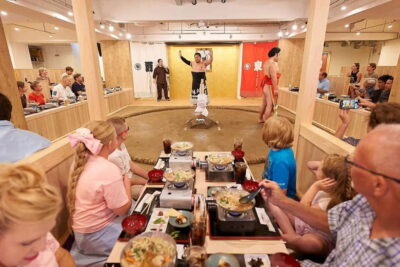
Tokyo Sumo Experience: Chanko & Mochi with a Former Pro
Our verdict →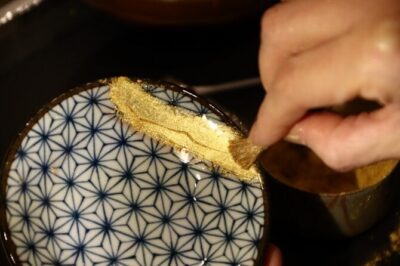
Kintsugi Experience: Art of Golden Joinery in Tokyo
Our verdict →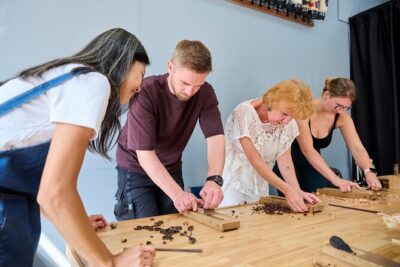

Matcha Making Experience with Mochi Sweets in Asakusa
Our verdict →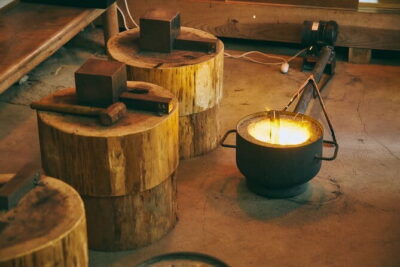
Authentic knife making experience at a blacksmith in Kyoto
Our verdict →

Roketsu dyeing experience: M course Roketsu Dyeing Experience
Our verdict →Browse the lists this tour appears in