
Reviewed · RAMEN & NOODLE TOURS
Kyoto: Ramen, Gyoza, and Onigiri Cooking Class
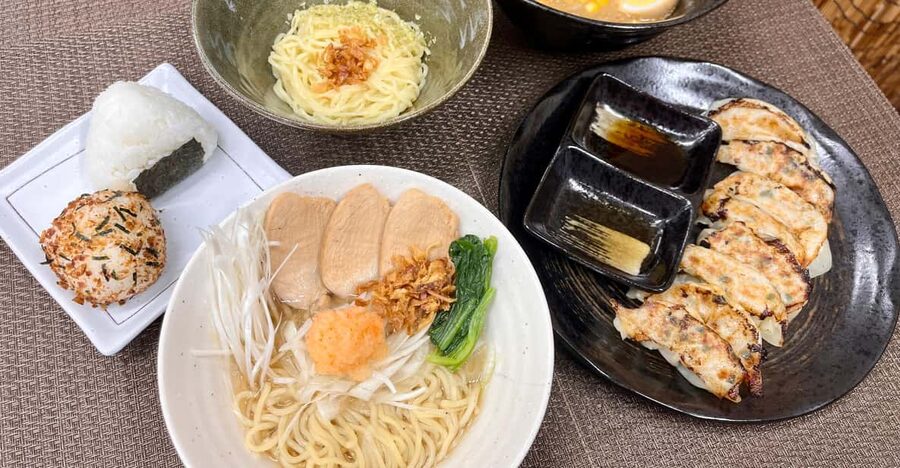
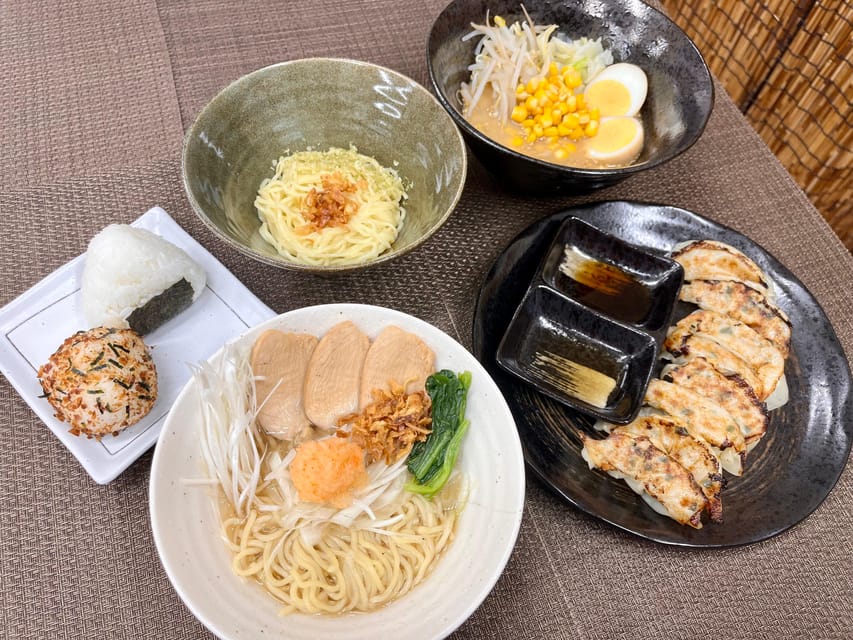
Kyoto’s ramen class is really four lessons in one: two broths, gyoza, and onigiri, all cooked and eaten in 90 minutes. I like the focus on home-friendly recipes, especially the broth, since noodles are easy to buy but good soup is harder to recreate. I also like the small groups, capped at eight, and the warm, clear teaching from Nori, Kairi, and their team.
The main catch is dietary. The class cannot handle vegan, pescatarian, gluten-free, or other special diets, and the published minimum age is 13. Also, this is not a noodle-making class: you prepare the broth and use ready-made noodles.
Key points at a glance
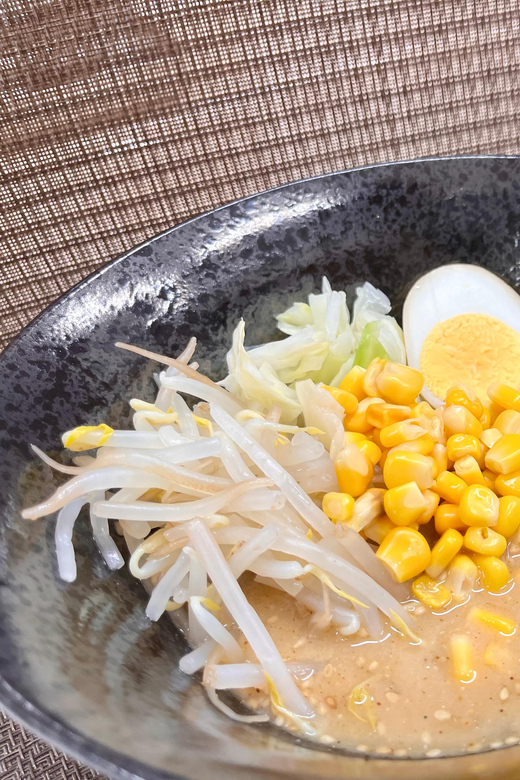
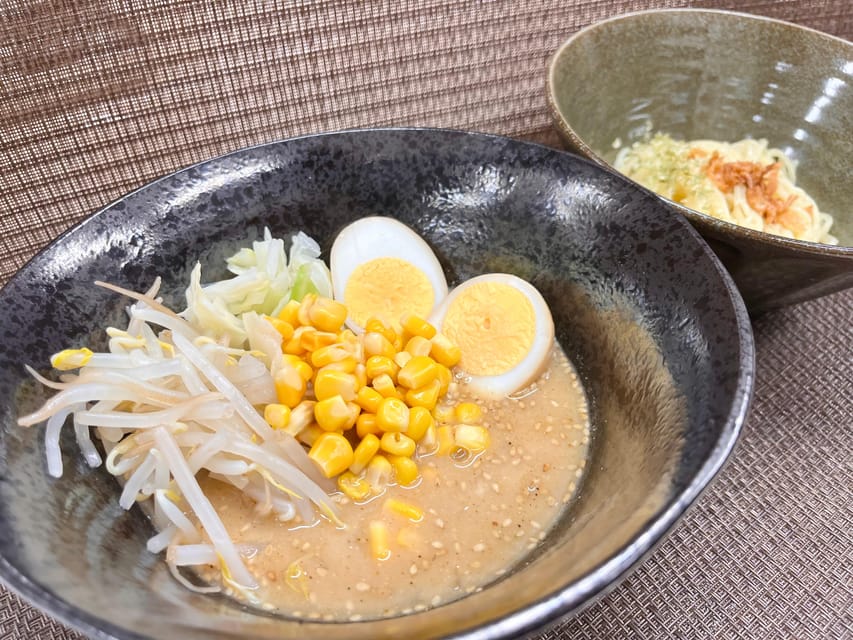
- Two ramen styles: Prepare miso ramen with egg, bean sprouts, green onions, and corn, plus shoyu ramen with chicken, bamboo shoots, and green vegetables.
- Gyoza technique: Learn how to balance the filling and seal the dumplings into a neat, pan-fried shape.
- Onigiri included: Shape Japanese rice balls and season them as a quick snack or lunch.
- Small English-speaking class: Groups are limited to eight, with instructors able to give personal help.
- A filling 90 minutes: Ingredients and equipment are ready, and you eat the food you make.
- Strict diet rules: Only the regular menu and a pork-replaced-with-tofu vegetarian menu are offered.
What this Kyoto cooking class really teaches
This is not a showy chef demonstration where you watch from a distance. You take part at your own station, follow instructions, and handle the key steps yourself. The class is designed for people who want recipes they can repeat at home, not just a meal in Kyoto.
The central lesson is ramen broth. You learn how soy sauce and miso become the base for two different bowls. The ingredient list includes chicken stock powder, soy sauce, miso, oyster sauce, sesame oil, garlic, ginger, mirin, lard, fish powder, cooking sake, and other seasonings.
That list matters because Japanese flavor often comes from balance rather than one dramatic ingredient. The instructors explain how salty, savory, sweet, spicy, and fatty notes work together. You also learn why the toppings stay fairly simple: the broth should remain the main voice in the bowl.
You do not make ramen noodles here. That may disappoint anyone hoping for a full noodle workshop, but it also keeps the lesson practical. Most home cooks can find fresh or dried ramen noodles in a supermarket. Reproducing a good broth is the more useful skill.
More Cooking Classes in Kyoto
- Ramen Cooking Class at Ramen Factory in Kyoto
★ 5.0 · 1,937 reviews - Kyoto: Ramen Cooking Class at a Ramen Factory with Souvenir
★ 4.9 · 532 reviews - Kyoto: Japanese Washoku Bento Small Group Cooking Class
★ 5.0 · 380 reviews
Starting with miso and shoyu ramen
The ramen portion gives you two useful comparisons. Miso ramen has a fuller, rounder flavor, while shoyu ramen relies on soy sauce for a cleaner, more direct taste. Making both lets you understand how the same basic cooking process can produce distinct bowls.
For the miso version, the toppings include a boiled egg, bean sprouts, green onions, and sweet corn. For shoyu ramen, you add chicken, bamboo shoots, and green vegetables. These are familiar combinations, and that is part of the point. You are learning a style you can reproduce without a specialist Japanese grocery nearby.
The cooking moves quickly. Ingredients are portioned and prepared in advance, so you are not spending the entire class chopping onions or measuring every spice from large containers. One useful distinction is that this makes the class efficient, but it also means you are assembling and cooking more than starting every dish from zero.
For a first Japanese cooking lesson, I see that as a fair trade. You get to focus on seasoning, timing, mixing, and presentation. The pace also explains how the class fits two ramen bowls, gyoza, and onigiri into 90 minutes.
Folding gyoza without the usual frustration
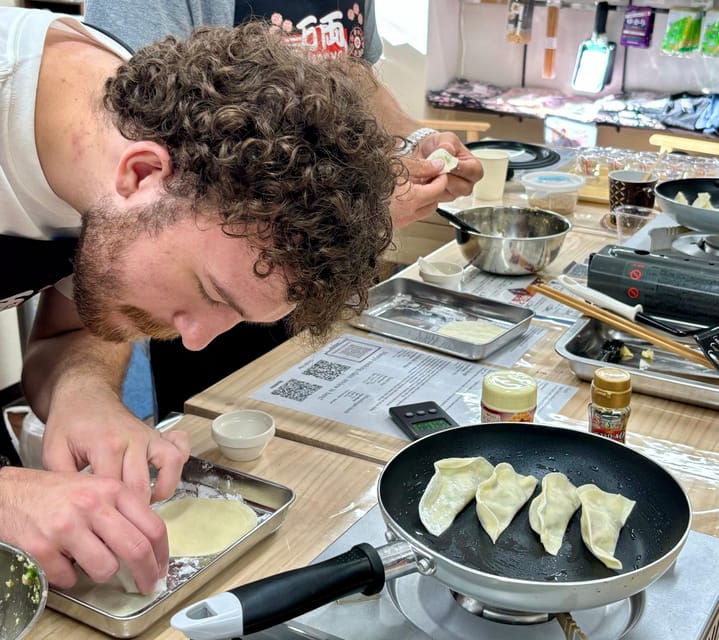
Gyoza is often the most hands-on part of the class. You make a filling from ground pork, cabbage, onion, chives, garlic, ginger, and seasonings. The useful lesson is not just the ingredient list. It is learning how to keep the filling balanced and moist without making it too wet.
Then comes the folding. You place the filling in the wrapper, moisten the edge, and work toward a tight seal. The instructors show you how to create the familiar pleated shape, but the real goal is a dumpling that stays closed and cooks evenly.
This is where a small group helps. If your first gyoza looks more like a folded envelope than a restaurant dumpling, an instructor can correct your hand position. The class team has been praised for being attentive without hovering, a good balance for anyone who wants help but still wants to do the work.
The finished gyoza are pan-fried, giving them a crisp base and soft top. You eat them during the final meal, so the lesson has an immediate payoff. You can also take the method home for a dumpling night with friends, which may be one of the most reusable skills from the whole class.
Shaping onigiri for an easy Japanese lunch
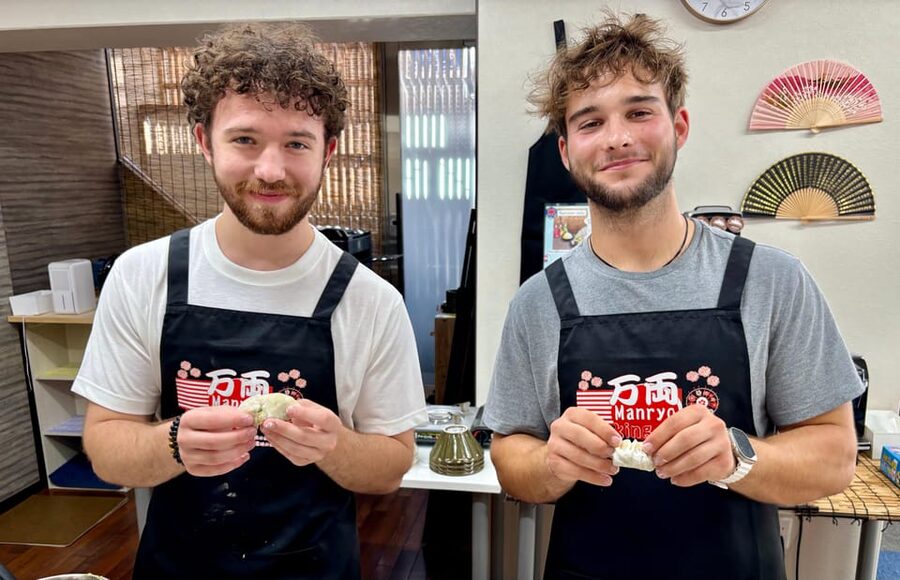
Onigiri looks simple, but shaping a rice ball neatly takes a little practice. You learn to form compact, even pieces that hold their shape without becoming hard or overworked.
The class describes onigiri as a quick snack and a practical alternative to a sandwich. That makes this part especially useful for home cooks. Once you understand how to season and shape the rice, you can vary the filling and make a portable lunch.
The onigiri also gives the class a break from broth and dumpling work. Ramen is about liquid, seasoning, and timing. Gyoza is about filling and sealing. Onigiri is about texture and hand technique. Together, the dishes cover several basic skills without turning the class into an advanced culinary course.
You receive recipes for ramen and gyoza. The onigiri lesson is part of the hands-on meal, but the stated recipe handout specifically covers ramen and gyoza, so do not assume you will receive a separate printed onigiri recipe.
More Ramen Tours in Kyoto
- Kyoto Ramen and Gyoza Cooking Class with Professional Chefs
★ 5.0 · 282 reviews - Home style Ramen and Homemade Gyoza in Kyoto
★ 5.0 · 152 reviews - Kyoto Michelin Ramen Workshop or Painting Ramen Essentials
★ 4.9 · 100 reviews - Kyoto: Ramen Bowl Painting and Michelin Cooking Class
★ 4.9 · 96 reviews
Eating the meal you prepared
At the end, you sit down to eat what you have made. This is a substantial amount of food: two ramen styles, gyoza, and onigiri. Several class participants found the portions so generous that they could not finish everything, so arrive with a real appetite rather than scheduling this immediately after a large breakfast.
Coffee and tea are included. Beer may be available to purchase after the meal, but it is not part of the listed inclusions. The practical value here is clear: your $90 covers the ingredients, equipment, instruction, food, recipes for ramen and gyoza, and nonalcoholic drinks.
At $90 per person, this is not a cheap lunch. It becomes better value if you want a proper cooking lesson, plan to use the recipes at home, and would otherwise pay for both a meal and an activity. If your only goal is to eat ramen in Kyoto, a restaurant will cost less and take less time.
The class is also a useful rainy-day or midday plan. It does not depend on good weather, and the 90-minute length leaves room for another Kyoto sight afterward.
Friendly instruction in a compact group
English is the teaching language. Nori has been singled out for humor and clear explanations, while Kairi and other instructors help at the cooking stations. The team also adds short explanations about the dishes, ingredients, and Japanese food culture.
A class of eight is small enough for questions and individual corrections. Some sessions may be smaller, depending on bookings. That can make the lesson feel more personal, though you should not book expecting a private class.
The teaching style is structured rather than leisurely. You move from one dish to another with little wasted time. That organization is necessary, but it means this may feel fast if you are a nervous cook or need extra time to read instructions.
You do not need advanced cooking skills. You do need to cook independently and follow directions without constant staff assistance. Comfortable clothes and shoes are sensible, especially since you will be standing and working with food.
Finding the classroom near Sanjo Keihan
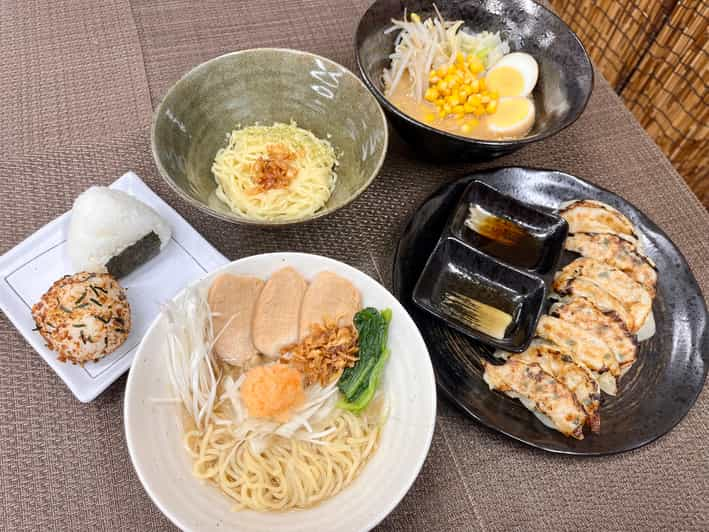
The classroom is in the basement level, B1, of the Life Building. It is not directly on the main street. The directions specifically warn that it sits one street back, so check Google Maps before the day of your class.
If you take a taxi, get out near the Family Mart at Sanjo Keihan. From there, the classroom is about a two-minute walk. Search Google Maps for Manryo cooking class rather than relying only on the building name.
This is a small but important planning detail. One participant found the side-street location easy to miss and was glad to have a driver who knew where to stop. Arrive about 10 minutes early so you can find the basement classroom without cutting into your cooking time.
There is no hotel pickup or drop-off. You make your own way to the meeting point.
Who should book, and who should skip it
This class suits couples, families with teenagers, friends, and solo cooks who like structured activities. It also works well for an English-speaking visitor who wants practical food skills rather than a formal restaurant meal.
The published age rule is 13 and older, and participants must be able to cook by themselves without staff assistance. Some past participants brought younger children, but that does not change the stated rule, so families should confirm eligibility before booking.
The class is not suitable for wheelchair users or people with recent surgeries. The available menu is also a serious limitation for anyone with dietary restrictions.
The regular menu uses meat and seafood-related ingredients, including chicken stock powder, oyster sauce, fish powder, lard, and cooking sake. The vegetarian option replaces pork with tofu, but other ingredients remain the same. That means the vegetarian menu is not vegan, pescatarian, gluten-free, or fully customizable.
The published restrictions should take priority over isolated reports of special accommodations. If you need a strict diet, choose another cooking class.
Booking rules and cancellation
Only one reservation per group is allowed. Multiple bookings under the same name for the same date or for different dates can be canceled, since holding extra places blocks other people from booking.
Anyone who is not participating cannot enter simply to watch the class. If you reserve five places, only those five participants may attend.
You can cancel up to 24 hours in advance for a full refund. Reserve-now, pay-later booking may also be available, which helps if your Kyoto schedule is still changing. Check the available start times because the class runs for 90 minutes and the schedule may vary.
The activity has a published rating of 5 out of 5 from 445 ratings. The strongest pattern is not just praise for the food. It is the combination of clear English, friendly instruction, careful preparation, small groups, and a meal large enough to feel like lunch or dinner.
Should you book the Kyoto ramen, gyoza, and onigiri class?
Book it if you want to learn three useful Japanese food skills in one compact session and you eat a standard Japanese-style diet. The broth lesson gives you something genuinely practical, while gyoza folding and onigiri shaping are fun skills to repeat at home.
I would especially choose it for a family with teenagers, a couple looking for an indoor Kyoto activity, or anyone who enjoys cooking but does not want an advanced course. The recipes, friendly English instruction, and ready-to-eat meal make the $90 easier to justify.
Skip it if you want to make noodles from flour, need strict dietary accommodation, dislike fast-paced classes, or only want a cheap bowl of ramen. For the right eater, though, this is a well-organized way to turn a Kyoto meal into a skill you can carry home.
FAQ
How long does the Kyoto ramen cooking class last?
The class lasts 90 minutes.
What dishes will I make?
You will make miso ramen, shoyu ramen, gyoza, and onigiri.
Does the class include making ramen noodles?
No. The class focuses on making ramen broth. You use ramen noodles that can usually be purchased near home.
What ramen toppings are included?
Miso ramen includes a boiled egg, bean sprouts, green onions, and sweet corn. Shoyu ramen includes chicken, bamboo shoots, and green vegetables.
Are recipes provided?
Recipes for ramen and gyoza are included.
Is the class taught in English?
Yes. The instructors teach in English.
Can vegan or gluten-free participants join?
No. Vegan, pescatarian, gluten-free, and other special diets cannot be accommodated.
What is the minimum age?
Participants must be 13 or older and able to cook independently without staff assistance.
Where is the meeting point?
The classroom is on B1 of the Life Building, one street away from the main road. By taxi, get off near the Family Mart at Sanjo Keihan, then walk about two minutes. Search for Manryo cooking class on Google Maps.
Just added around Kyoto
- Sekka Cotton Furoshiki Class★ 5.0 · 19 reviews
- Secret Eastern Kyoto Biking Adventure★ 5.0 · 44 reviews
- Kyoto Sword Experience – includes Museum Ticket/Ninja Experience★ 4.5 · 149 reviews
- Scenic Green Tea Fields of Hidden Kyoto & Local Tea Exp (Private)★ 5.0 · 32 reviews
- Private Sake Tasting in Central Kyoto with Sake Sommelier★ 5.0 · 32 reviews
- Samurai School in Kyoto: Samurai for a Day★ 5.0 · 202 reviews
- SHIRAKAWA Japanese Culture Experiences with private English staff★ 5.0 · 16 reviews
- A Privately Guided Photoshoot in Beautiful Kyoto by a Pro★ 5.0 · 18 reviews
Ramen & Noodle Tours, compared.

Eat and Drink Like a Local: Tokyo Ueno Food Tour-Taverns&Ramen
Our verdict →

Five Must-See Highlights Walking Tour & Ramen Lunch
Our verdict →
Professional Ramen & Gyoza with Ramen Chef in a restaurant!
Our verdict →
Popular in SapporoExperience authentic hand-made soba at a real soba shop!
Our verdict →
Browse the lists this tour appears in