
Reviewed · RAMEN & NOODLE TOURS
Home style Ramen and Homemade Gyoza in Kyoto
The best part of Nariko’s Kitchen is that you do not simply watch a chef assemble a polished dish. You make the meal yourself, from ramen broth and gyoza dough to the final fried dumplings. Nariko teaches in her own Kyoto home, which gives the class a personal feel that a restaurant kitchen cannot match.
I like two things especially: the recipes are practical enough to try at home, and the small group lets Nariko give clear, step-by-step help. The meal also includes cucumber pickles, so you leave with a better sense of how several everyday Japanese dishes fit together. The main consideration is dietary: the ramen broth uses dried fish, and the class cannot be made vegetarian.
Key points before you book
- Mother’s ramen recipe: You make the soup from scratch, but ramen noodles are not made during the class.
- Homemade gyoza skins: Rolling the wrappers yourself is one of the more hands-on parts of the lesson.
- Small Kyoto home setting: The group can include up to eight people, with some classes smaller.
- A meal you actually eat: The class ends with your own ramen, fried gyoza, and cucumber pickles.
- Useful for home cooks: Recipes and cooking tips are shared so you can repeat the dishes after your trip.
- Important food restriction: Dried fish is used in the soup, so this is not a vegetarian class.
A Kyoto cooking class built around real home food
This is a three-and-a-half-hour lesson with Nariko, held in her home at 5-6 Matsugasaki Rokunotsubochō in Sakyo Ward. You meet at 10:00 a.m., and the activity ends back at the same meeting point.
The setting matters. A cooking school can teach technique, but a home kitchen gives you a closer look at the food people prepare outside restaurants. The pace is also less like a staged demonstration. You work through the ingredients, ask questions, and sit down to eat once the cooking is done.
Nariko’s style is friendly and patient. She explains each step, demonstrates the technique, then gives you a chance to try it. That suits beginners well, especially if you have never shaped dumplings or made Japanese soup before.
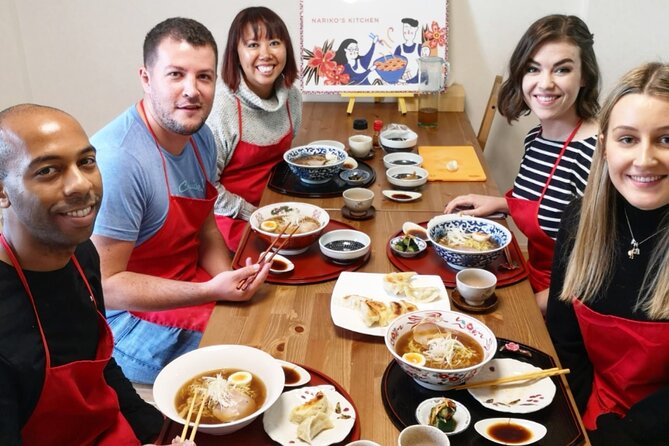
The group limit is eight people. That is small enough for personal help, though the exact feel depends on the day. A class of four will feel calm and spacious, while eight people will bring more conversation and shared activity. The class has also included families, couples, and solo participants, so you do not need to arrive as part of a large group.
More Ramen Tours in Kyoto
- Ramen Cooking Class at Ramen Factory in Kyoto
★ 5.0 · 1,937 reviews - Kyoto: Ramen Cooking Class at a Ramen Factory with Souvenir
★ 4.9 · 532 reviews - Kyoto: Ramen, Gyoza, and Onigiri Cooking Class
★ 5.0 · 445 reviews
What happens when you arrive
The listed meeting point is in northern Kyoto’s Sakyo Ward, near public transportation. Some participants have been met at a nearby train station by Nariko before walking to her home, so pay close attention to the confirmed meeting instructions you receive after booking.
The class takes place in a clean, well-organized home kitchen. Ingredients are prepared for the lesson, but the work is still hands-on. You are not just handed a finished bowl and asked to garnish it.
A home setting also means limited space. Only people taking part in the class may attend. Do not bring a spectator who plans to sit in the room without cooking.
The morning start is useful if you have a full afternoon planned in Kyoto. At roughly 10:00 a.m., you can cook, eat, and finish around early afternoon. Since the lesson lasts about three and a half hours, leave enough room in your day rather than scheduling a major sight immediately afterward.
Building the ramen broth from a family recipe
The ramen begins with Nariko’s mother’s soup recipe. You make the broth using simple ingredients, including vegetables and meats, and dried fish. This is a useful part of the class because ramen soup is often the element that seems hardest to recreate at home.
You will not make ramen noodles. The class focuses on the broth and the other components of the meal, with noodles supplied for the finished dish. That distinction is worth noting if you are looking for a full noodle-making workshop.
Still, the broth lesson gives you something practical. You learn how flavor is built rather than simply opening a packet or pouring prepared soup into a bowl. Nariko explains the process while you work, and the method is designed to be possible in a normal home kitchen.
If you avoid fish, this is the point to ask questions before booking. Dried fish is a fixed part of the ramen soup, and Nariko cannot prepare the broth without it. The class cannot accommodate a vegetarian diet.
Making gyoza skins by hand
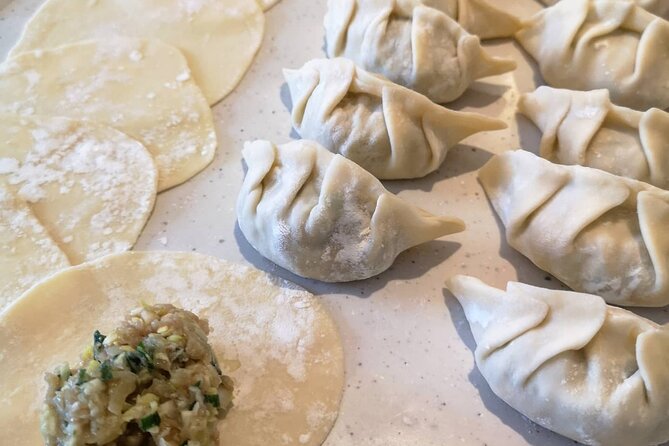
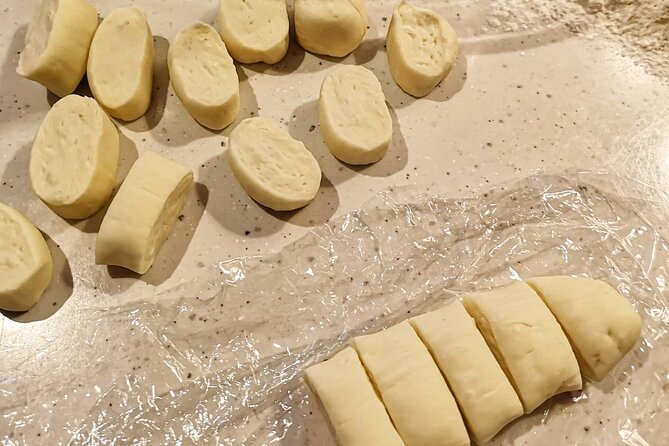
The gyoza section is likely the most tactile part of the morning. You mix and prepare the dough, then make the wrappers from scratch. The class does not expect you to arrive with professional dumpling skills.
Nariko shows you how to work with the dough and shape the skins. You then fill and fold the dumplings. The folding can look simple when someone else does it, but your first few may be uneven. That is part of the fun, and the small group format gives you room to improve as you go.
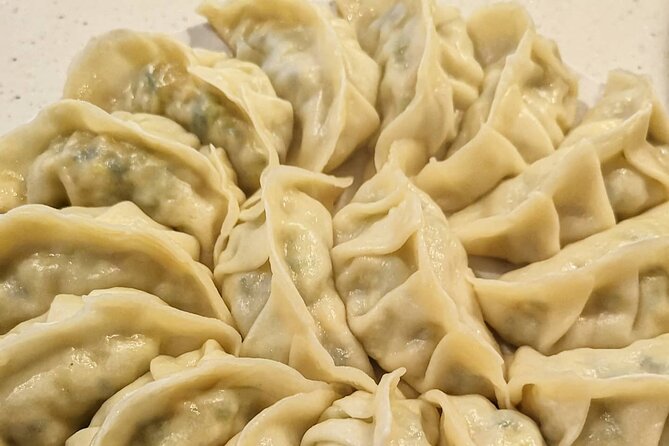
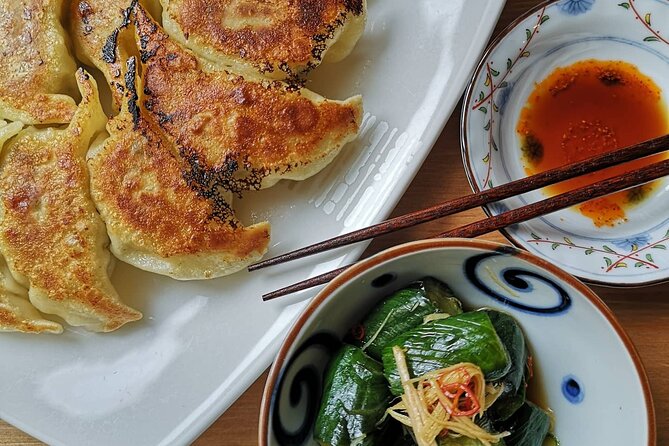
The gyoza are fried rather than boiled. This gives the finished dumplings a crisp surface while keeping the filling tender. You learn the full process, from dough to filling to cooking, rather than using ready-made wrappers.
This is also where the class earns its value for anyone who likes to cook at home. Gyoza wrappers from a shop are convenient, but learning the homemade version shows you how the dough should feel and how thin the skins need to be. You can later choose whether to repeat the full method or use purchased wrappers with the same filling and folding ideas.
Same trip, a completely different kind of day:
- PERFECT KYOTO 1-Day Bus Tour
★ 5.0 · 13,518 reviews - Kyoto: Fushimi Inari, Kinkakuji, Bamboo Grove 1 Day Bus Tour
★ 4.8 · 4,316 reviews - Kyoto: Tea Ceremony in a Traditional Tea House in Kiyomizu
★ 4.9 · 3,519 reviews - Kyoto Geisha Walking Tour: Gion District & Hidden Gems
★ 4.7 · 3,273 reviews
Cucumber pickles and the final meal
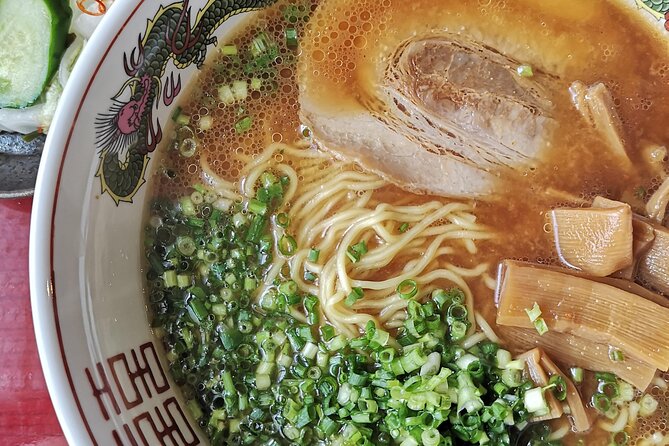
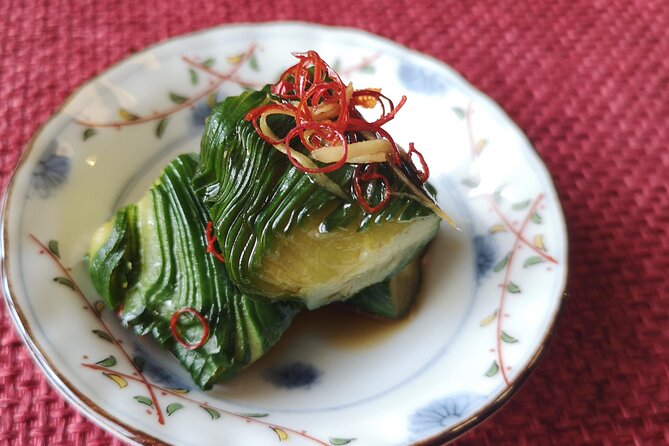
The cucumber pickles are a smaller part of the class, but they balance the richer ramen and fried dumplings. They add a fresh, sharp side dish and show how a simple vegetable can be prepared in a Japanese home meal.
Once the cooking is finished, you sit down to eat your own work. The meal includes ramen, gyoza, and cucumber pickles, and the portions are described as plentiful. This shared table is an important part of the experience. You are not rushing away with a container of food. You have time to enjoy the meal and talk with Nariko and the other participants.
The food is the payoff, but it is also a useful test of the recipes. You can taste the broth, dumplings, and pickles right away, while the techniques are still fresh in your mind. If you are unsure about seasoning or texture, this is the moment to ask.
Why Nariko makes the class work
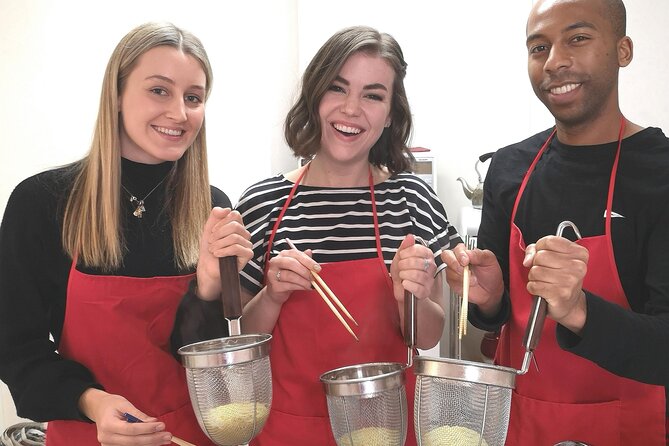
Nariko is both the host and the instructor. Her teaching approach is clear and relaxed, with demonstrations followed by your own attempts. She helps keep the class moving without making beginners feel pressured.
That balance is important in a cooking class. Too much demonstration leaves you feeling like an observer. Too little guidance can turn the lesson into a frustrating kitchen task. Here, the aim is to let you do the work while stepping in when a technique needs correction.
Nariko also shares information about Japanese food and daily cooking, not just instructions. You can ask questions as the meal comes together, and the home setting makes those conversations feel natural.
A small detail from the class experience is especially helpful for visitors: Nariko has helped participants with dinner reservations during their Kyoto stay. That is not the main reason to book, and it is not a guaranteed part of the activity, but it shows the practical local help available in a personal class.
What you take home besides a full stomach
The real value is the skill transfer. Nariko shares the recipes after the class, so you can try the food again once you return home.
Ramen and gyoza are good choices for this kind of lesson because both can seem complicated from the outside. The class breaks them into manageable jobs: prepare the broth, mix the dough, make the wrappers, fill and fold the dumplings, cook everything, and serve.
You also pick up small technique lessons along the way. The class covers proper cutting and slicing, how to handle the gyoza dough, and how to prepare the dumplings for frying. These are the details that make a recipe easier to repeat.
The class is not a professional culinary course. You should not expect advanced knife training, restaurant-scale production, or handmade ramen noodles. Think of it as a focused home-cooking lesson with a complete meal at the end.
Price, group size, and practical value
The price is $118.92 per person. That is not a cheap meal, but it covers about three and a half hours of instruction, the ingredients, the cooking activity, and a complete lunch or early afternoon meal in a private home setting.
To judge the value, compare it with what you are getting. You are not paying only for ramen and dumplings. You are paying for instruction, access to a family recipe, hands-on practice, a small group, and the chance to ask questions throughout the process.
The price makes the most sense if you will use the recipes later. If you only want to eat ramen, a restaurant will cost far less. If you want a personal cultural activity that gives you a skill to bring home, the class offers more than a standard meal.
The experience is often booked about 24 days ahead, so do not leave it until the last part of your Kyoto planning. Confirmation arrives within 48 hours, subject to availability. The booking is non-refundable and cannot be changed, so check your schedule, food needs, and meeting details before paying.
Who should take this class
I would recommend it most strongly to:
- Couples who want a relaxed food activity with a personal setting
- Families with children age 10 or older who can safely use a knife
- Solo participants who enjoy cooking with a small international group
- Beginners who want recipes they can repeat at home
- Visitors who prefer a local home meal to a formal restaurant lesson
Children under 10 cannot take part because knives are used. The class also requires every person present to participate, so it is not suited to families bringing a non-cooking companion.
Vegetarians should skip this activity because of the dried fish in the ramen broth. If you have another dietary restriction, contact Nariko before booking. She may be able to help, but accommodation is not guaranteed.
The few drawbacks to keep in mind
The class does not cover ramen noodle-making. If your main goal is to learn noodles from flour and water, choose another lesson.
The ramen broth includes dried fish, which rules out a vegetarian version. Other dietary needs should be settled in advance, not at the door.
The activity also has a strict cancellation policy. You cannot receive a refund or change the booking for personal reasons. If Nariko cancels because the minimum number of participants is not reached, you will be offered another date or experience, or a full refund.
Finally, the home setting is part of the charm but also means space is limited. A group of eight may feel more active than a very small class. That is not a problem for most people, but it is worth knowing if you want a private lesson.
Should you book Nariko’s Kitchen?
Book this class if you want to cook a full Japanese meal, not simply watch a demonstration. The homemade gyoza wrappers, mother’s ramen broth, fried dumplings, and shared meal make it a useful and personal Kyoto activity.
I would pass if you need vegetarian food, want to make ramen noodles, or prefer a flexible booking that can be changed later. For everyone else, the class offers a sensible mix of cooking instruction, local contact, and good food, with recipes you can use long after your Kyoto visit.
FAQ
Where does the cooking class take place?
The class takes place at Nariko’s home at 5-6 Matsugasaki Rokunotsubochō, Sakyo Ward, Kyoto, 606-0915, Japan.
What time does the class start?
The start time is 10:00 a.m.
How long does the activity last?
The class lasts approximately three hours and 30 minutes.
What food will I make?
You will make ramen soup, gyoza with homemade wrappers, and cucumber pickles. You will then eat your own cooking.
Are ramen noodles made during the class?
No. The class makes the ramen soup, but it does not include making ramen noodles.
Are gyoza wrappers made from scratch?
Yes. You make the gyoza skins from scratch during the class.
Can vegetarians take the class?
No. The ramen soup uses dried fish, and Nariko cannot make the soup without it.
How old must children be to participate?
Participants must be older than 10. Children must also be able to use a knife because the class involves knife work.
Can someone attend without taking the class?
No. Only people participating in the cooking class may attend because space is limited.
How many people can join the class?
The maximum group size is eight participants.
Is the activity refundable?
No. The booking is non-refundable and cannot be changed for any reason. If the class is canceled because the minimum number of participants is not met, you will be offered another date or experience, or a full refund.
Just added around Kyoto
- Sekka Cotton Furoshiki Class★ 5.0 · 19 reviews
- Kyoto Sword Experience – includes Museum Ticket/Ninja Experience★ 4.5 · 149 reviews
- Scenic Green Tea Fields of Hidden Kyoto & Local Tea Exp (Private)★ 5.0 · 32 reviews
- Secret Eastern Kyoto Biking Adventure★ 5.0 · 44 reviews
- Private Sake Tasting in Central Kyoto with Sake Sommelier★ 5.0 · 32 reviews
- Samurai School in Kyoto: Samurai for a Day★ 5.0 · 202 reviews
- Samurai Performance and Casual Experience: Kyoto Ticket★ 4.5 · 115 reviews
- SHIRAKAWA Japanese Culture Experiences with private English staff★ 5.0 · 16 reviews
Ramen & Noodle Tours, compared.
Eat and Drink Like a Local: Tokyo Ueno Food Tour-Taverns&Ramen
Our verdict →

Five Must-See Highlights Walking Tour & Ramen Lunch
Our verdict →
Professional Ramen & Gyoza with Ramen Chef in a restaurant!
Our verdict →
Popular in SapporoExperience authentic hand-made soba at a real soba shop!
Our verdict →
Browse the lists this tour appears in