
Reviewed · SAMURAI EXPERIENCES
Tokyo:Samurai sword and archery class from a samurai descendant
The most unusual part of this Tokyo samurai class is its serious training-room feel. At a dojo in Machida, samurai descendant Yoshioki Sumida teaches sword history, handling, movement, sparring, target cutting, and traditional archery. You change into training clothes, work with practice weapons, and see a demanding Toyama-ryu demonstration.
I like the small-group format, which gives Sumida-sensei time to correct your stance and timing. I also like the range of activities: this is not only a quick katana photo opportunity, but a lesson that moves from blade construction to kata, mock combat, cutting practice, and bow use. The catch is that it takes effort to reach Machida, and you should expect sore muscles afterward.
Key points before you book
- Four-part training session: Learn sword history, iai forms, sparring, target cutting, and archery in about two and a half hours.
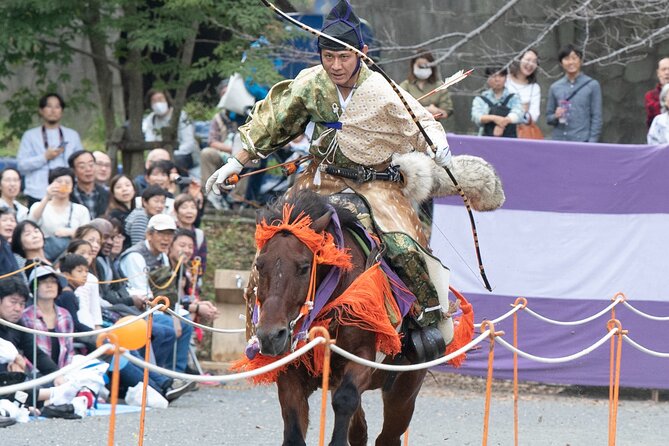
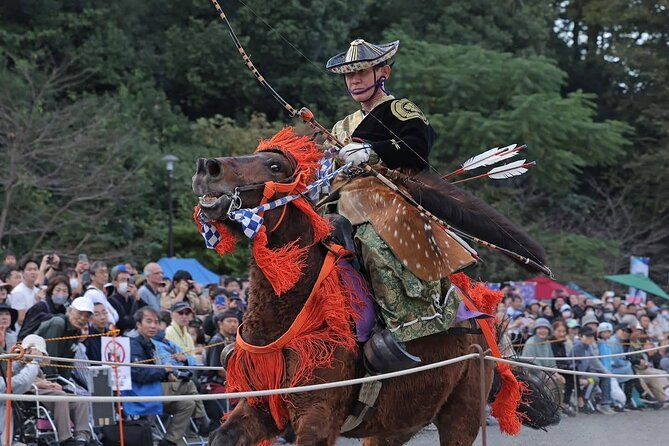
- Led by Yoshioki Sumida: Your instructor is a samurai descendant and teacher of swordsmanship and horseback archery.
- Real dojo setting: The class takes place at 3-chōme-14-14 Haramachida in Machida, outside central Tokyo.
- Hands-on equipment: Practice clothes, a practice sword, bokken, and a real bow and arrow are provided.
- Serious rather than theatrical: The Toyama-ryu demonstration shows difficult techniques, and the class expects focus and physical effort.
- Plan your route: One participant traveling from Tokyo Daiba needed about 1.5 hours, and the studio can be hard to find.
A serious samurai class, not a costume photo
Many Tokyo samurai activities are built around dressing up, posing with a sword, and taking home a few photographs. This class takes a different path. You put on training clothes, listen to an explanation of Japanese swords, and then spend most of the time learning how the body and blade work together.
That difference matters. You are not simply handed a sword and told to swing. Sumida-sensei explains the parts of a Japanese sword, how it is handled, and why the blade line matters. The lesson gives you a small but useful look at the discipline behind swordsmanship.
The class is connected with Toyama-ryu BIZENKAI. Sumida-sensei is described as a master of swordsmanship and horseback archery, and the experience includes a live demonstration of Toyama-ryu technique. The demonstration is not presented as a stage act. It is a chance to watch difficult movements performed by someone who has spent years training.
That seriousness can be a strength or a drawback. If you want a light, easygoing cultural activity with little physical demand, this may feel intense. If you want to understand why sword work requires control, balance, and timing, the approach is far more rewarding.
More Martial Arts Experiences in Tokyo
- Tokyo: Samurai Sword & Archery Class from Samurai Descendant
★ 5.0 · 603 reviews - Tokyo 2-Hour Genuine Samurai Experience: Kendo in Japan
★ 5.0 · 112 reviews - Tokyo: Samurai Kendo Practice Experience
★ 4.7 · 102 reviews
What happens when you arrive at the Machida dojo
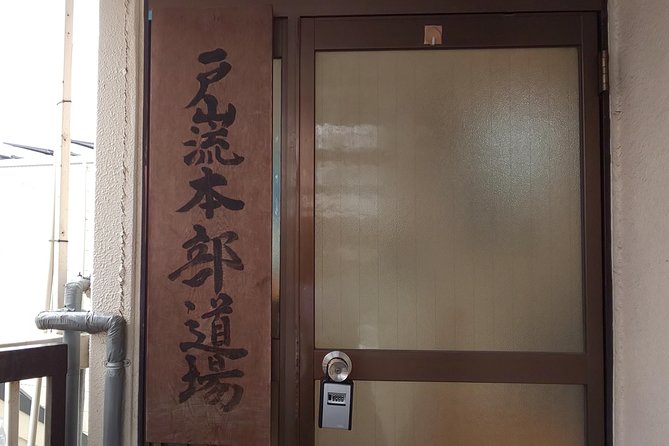
The meeting point is at 3-chōme-14-14 Haramachida, Machida, Tokyo. The activity begins and ends there, so you do not need to arrange a separate return transfer. The dojo is near public transportation, but allow extra time. The address and studio can be difficult to find, especially if you are coming from central Tokyo.
Once you arrive, you receive training wear and prepare for class. The provider asks for your height and weight in advance so the clothing can be prepared. That is a small detail, but it saves time and makes the opening part of the session smoother.
The class can accommodate up to 15 people. That is still a fairly small group for a physical lesson, though the amount of personal correction will depend on how many people attend that day. The experience is listed at about 2 hours and 30 minutes, enough time to cover several styles of practice without rushing through each one.
You might see a student training before your own session begins. The dojo setting, rather than a polished tourist venue, helps set the tone. Come ready to listen, follow instructions, and treat the equipment with care.
The sword lecture gives the practice a purpose
The opening lecture covers Japanese swords, including their construction and use. This section helps you see the sword as a crafted weapon rather than a movie prop. The lesson also connects the blade to samurai culture and the different ways swordsmanship developed.
The class may include handling and assembling or disassembling a sword, according to the activities described by past participants. The exact order can vary, but the point is consistent: you learn what you are holding before you begin swinging it.
I value this part because it gives context to the physical work. Without it, cutting a target can become a simple amusement. With it, you begin to understand why grip, posture, and the path of the blade matter.
Do not expect an academic history seminar. The main focus is practice, and the lecture is brief enough to keep the class moving. Still, it provides useful background before you begin the iai lesson.
Iai forms teach control before speed
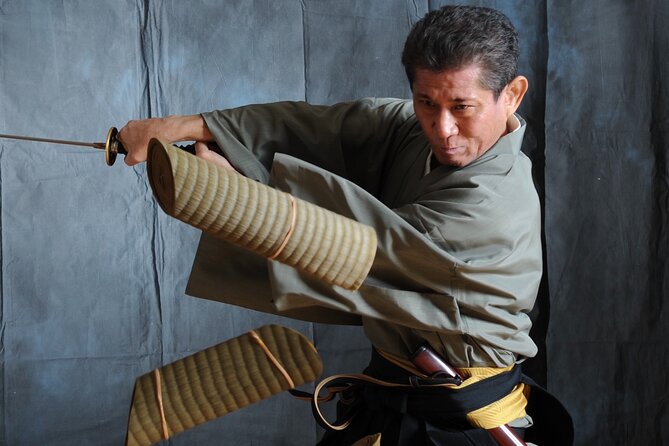
In the iai portion, you learn how to handle and swing a mock sword. The emphasis is on kata, or formal movement patterns. You work on stance, grip, the direction of the cut, and the relationship between your feet and hands.
This can look easy until you try it. A sword swing is not simply a matter of using your arms. You must keep the blade moving along the right line while maintaining balance and control. The class includes repeated practice, and Sumida-sensei or his staff corrects errors along the way.
The use of a practice sword makes this suitable for beginners, but do not mistake beginner-friendly for effortless. The movement calls for concentration. You will get more from the session if you listen closely instead of trying to imitate movie sword fights.
The training also gives you a better sense of why formal martial arts can look slow from the outside. Every position has a purpose. The goal is not wild speed, but clean movement and control.
More Samurai Experiences in Tokyo
- Tokyo: Samurai Restaurant Show Ticket with 2 Drinks
★ 4.5 · 1,307 reviews - Tokyo: Samurai Ninja Museum Guided tour and Experience
★ 4.6 · 1,010 reviews - Best Samurai Experience in Tokyo
★ 5.0 · 458 reviews - Ninja Experience (Family Friendly) at Samurai Ninja Museum TOKYO
★ 5.0 · 441 reviews
Sparring adds timing and pressure
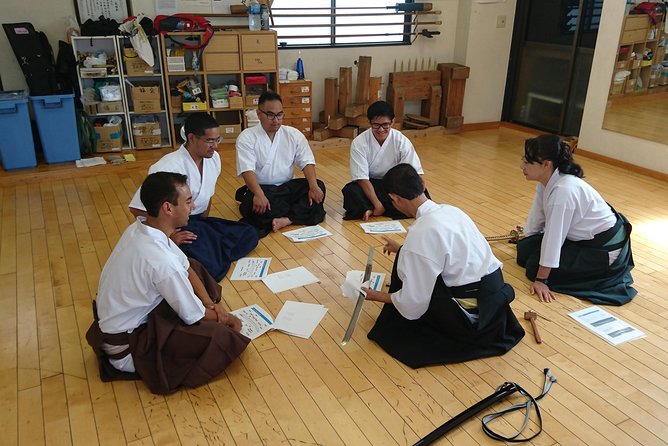
The gekken section introduces attack and defense with a practice sword. You spar using a mock or foam sword, so the focus is on timing, distance, and reaction rather than contact with a sharp weapon.
This is often the most playful part of the class. It lets you test the movements in a more active setting, and some participants have sparred directly with Sumida-sensei. At the same time, it is not a free-for-all. Safety instructions and controlled movement remain central.
Sparring reveals a problem that formal kata can hide: knowing a movement is not the same as performing it while someone else is moving. You must watch your partner, judge distance, and decide when to attack or defend. Even a short exchange can make the lesson feel much more demanding.
The class welcomes beginners, and most people can take part. Still, tell yourself to slow down. Trying to win the exchange is less important than keeping your form and following the instructor’s directions.
Target cutting shows how hard the blade line is
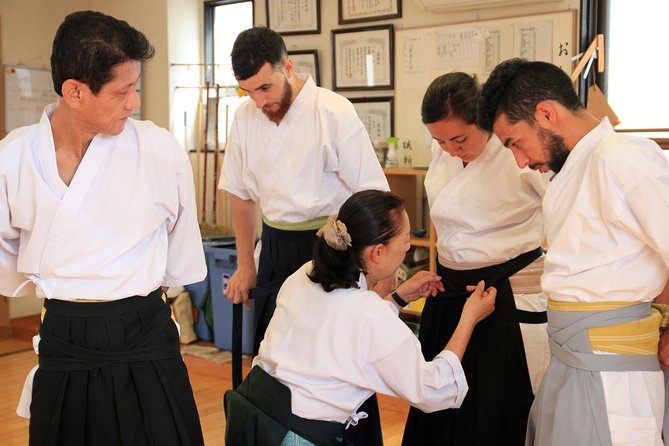
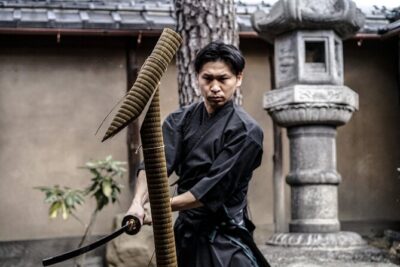
The cutting exercise is one of the class’s most memorable features. You practice slashing targets while moving, which is far harder than standing still and swinging. The activity tests the blade line, body position, timing, and follow-through you have been working on.
The equipment description includes a practice sword and bokken, while the class information also refers to test cutting and mock sword work. The precise sword used for each exercise may depend on the drill and the instructor’s direction. Follow the safety briefing carefully and do not assume that a training weapon can be handled casually.
This section gives you a practical lesson in precision. A cut that looks strong may not travel along the correct path. You can have plenty of force and still miss the target or fail to cut cleanly. That challenge is part of the point.
You may leave with a new respect for the skill involved. The activity is satisfying when the technique comes together, but it can also be physically tiring. Keep your movements controlled, especially near the end of the class when your arms and shoulders begin to fatigue.
Archery adds an older samurai skill
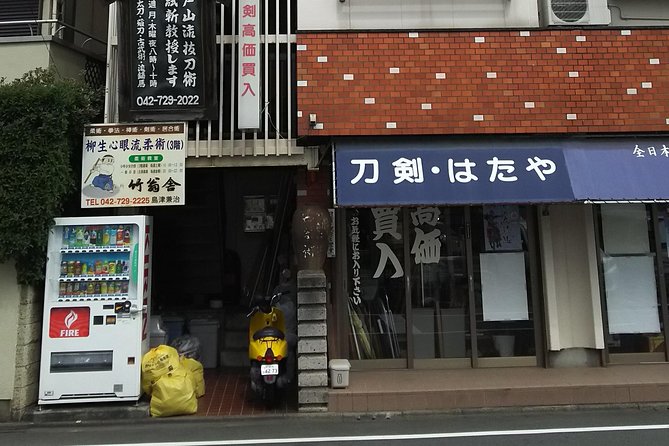
The class also gives you a chance to use a real bow and arrow. The description connects this weapon with samurai practice from about 1,000 years ago, and Sumida-sensei teaches horseback archery as part of his background.
You are not taking a full mounted archery course in this session. Instead, you get a short introduction to the bow as another part of samurai martial culture. That variety is valuable because it shows that samurai training was not limited to sword fighting.
The archery section also changes the physical rhythm of the class. After working with a sword, you must adjust your stance, aim, and use of the upper body. As with the sword drills, listen carefully and handle the bow only as instructed.
Because the activity depends on good weather, poor conditions can lead to a new date or a full refund. That policy is worth noting even though much of the class takes place at a dojo. Check the forecast before you go and keep some flexibility in your schedule.
The Toyama-ryu demonstration is worth watching closely
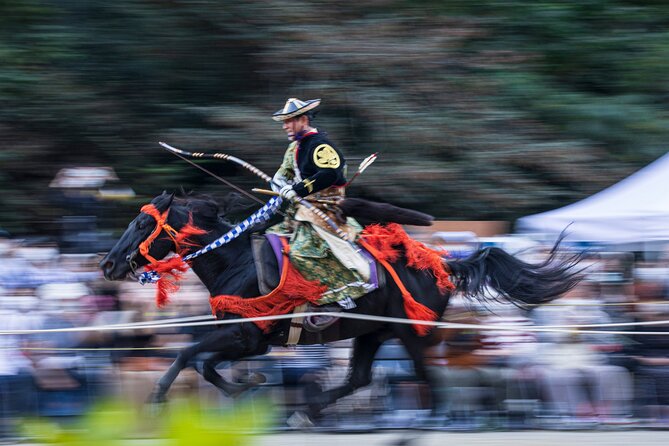
A live demonstration by a seventh-grade Toyama-ryu practitioner is included. It is described as a display of difficult techniques, not entertainment. That distinction matters.
You may not understand every movement, but watch the details. Notice how little wasted motion there is, how the body stays balanced, and how the sword follows a precise line. The demonstration gives you a standard to compare with your own beginner practice.
It also adds a human element to the class. You are not learning from a video or a costumed performer. You are watching a martial arts teacher demonstrate an established discipline in the same room where you are training.
The demonstration is best treated as instruction through observation. Pay attention to posture and timing rather than waiting for a dramatic flourish.
The instructor makes a major difference
Yoshioki Sumida is the central figure in this experience. The supplied details describe him as a samurai descendant, swordsmanship master, and horseback archery teacher. His role is not limited to showing techniques. He explains culture, answers questions, watches for safety, and guides beginners through difficult movements.
A second staff member, Harry, may also assist with instruction. The class has been described as patient, encouraging, and attentive to safety. That matters when you are handling practice weapons and trying unfamiliar movements.
The teaching style appears to balance high standards with warmth. You are expected to concentrate and work hard, but the atmosphere is not described as cold or intimidating. Sumida-sensei is also known for using humor and personal conversation to make the class welcoming.
That balance suits first-time students. Martial artists may appreciate the technical focus, while people with no sword experience can still follow the lesson. You should not expect private coaching throughout the full session, especially if the group reaches its limit of 15 people.
How much value do you get for $198.20?
At $198.20 per person, this is not a budget activity. The value comes from the length, the number of activities, the instructor’s background, and the fact that clothing and training equipment are included.
You receive more than a short sword-handling demonstration. The session covers history, blade construction, iai forms, mock sparring, target cutting, archery, and a live technical demonstration. Practice clothes, a practice sword, bokken, and bow and arrow are supplied, so you do not need to rent or carry specialist gear.
The price makes more sense if you want a focused cultural experience and plan to give it a half day of your Tokyo schedule. It makes less sense if your main goal is a quick photograph in samurai clothing or a simple introduction lasting less than an hour.
There is also a facility charter fee listed separately in the booking details. Clarify how that fee applies before paying, especially if you are considering exclusive use of the dojo. A private facility rental is available by request, but it is not part of the standard per-person experience.
With a 99 percent recommendation rate and a five-star rating based on 121 reviews, the class has a strong record. That does not remove the physical demands or the travel time, but it supports the idea that the experience delivers what it promises.
Getting there and preparing your body
Machida is outside the central Tokyo sightseeing area. One participant traveling from Tokyo Daiba reported a journey of about 1.5 hours, and another noted that the studio was not easy to find. Treat the meeting time seriously and leave a generous margin for navigation.
The activity ends where it starts. You can arrange your day around the dojo without wondering where the group will leave you afterward. Machida itself can also give you a change from Tokyo’s central districts, though the class should be the main reason for making the trip.
Wear or bring comfortable clothing under the training uniform, and tell the provider your height and weight when requested. The class supplies the main equipment, but you should arrive ready for active movement.
Expect to feel tired and possibly sore for a day or two. The physical work includes repeated sword movements, sparring, cutting practice, and archery. You do not need to be a martial artist, and the information says most people can participate, but do not schedule a demanding hike immediately afterward.
Who should book this experience?
I would choose this class if you want a serious introduction to Japanese swordsmanship rather than a staged tourist activity. It suits adults, families with older children, martial arts enthusiasts, and curious beginners who enjoy learning by doing.
It is especially good for you if:
- You want direct instruction from a named teacher with a samurai family connection.
- You care about technique, not only photographs.
- You enjoy physical activities and can follow detailed safety directions.
- You want sword practice and archery in the same session.
- You are willing to travel to Machida and spend about half a day on the outing.
You might skip it if you dislike structured physical training, have very limited time in Tokyo, or want a gentle cultural activity with little exertion. The class is not presented as a performance, and that means you need to take part rather than simply watch.
Free cancellation is available up to 24 hours before the start time. Cancellations or changes inside that window are not refunded or accepted, and bad weather can lead to a new date or full refund. Keep those rules in mind when planning a tight Japan itinerary.
Should you book the Machida samurai class?
Book it if the idea of learning the hard parts appeals to you. You will handle practice weapons, work through formal sword movements, spar, attempt target cutting, shoot a bow, and watch a skilled Toyama-ryu demonstration. The class gives you a real sense of how much discipline sits behind the samurai image.
The main tradeoffs are clear: $198.20 is a significant price, Machida is not central Tokyo, the studio can take time to find, and your body may complain the next day. For the right visitor, those costs buy a serious, personal session rather than a fast tourist photo stop.
I would make this a strong choice for anyone with a genuine interest in martial arts, Japanese culture, or hands-on history. Plan the route carefully, arrive rested, and treat the lesson with respect. If that sounds appealing, this is one of the more substantial samurai activities available near Tokyo.
FAQ
Where does the samurai class take place?
The meeting point is 3-chōme-14-14 Haramachida, Machida, Tokyo 194-0013, Japan. The activity also ends at this meeting point.
How long does the experience last?
The class lasts approximately 2 hours and 30 minutes.
What activities are included?
You receive a sword lecture, practice iai kata and slashing forms, learn attack and defense through sparring, try target cutting with a practice weapon, use a bow and arrow, and watch a Toyama-ryu demonstration.
Is equipment provided?
Yes. Practice clothing, a practice sword, bokken, and a real bow and arrow are included. The provider asks for your height and weight to prepare the training clothes.
How many people can join the class?
The activity has a maximum of 15 participants.
Can I cancel for a full refund?
Yes, if you cancel at least 24 hours before the experience start time. Cancellations or changes made less than 24 hours in advance are not refunded or accepted. If poor weather causes the experience to be canceled, you are offered another date or a full refund.
Just added around Tokyo
- Kawagoe Japanese Food Tour : Unagi Kaiseki and Sake near Tokyo★ 5.0 · 30 reviews
- Kawagoe 4hr Private Tour with Licensed Guide (Kawagoe Dep)★ 5.0 · 13 reviews
- Little EDO Sushi Making workshop in Kawagoe★ 5.0 · 18 reviews
- 【R34】Tokyo:Private Daikoku tour in Modified R34★ 4.9 · 92 reviews
- :Tokyo,Shibuya/ Pro Photography in Kimono / English-Friendly★ 5.0 · 26 reviews
- Tokyo:Celebrate Unique Japanese New Year Tradition Festivity★ 3.9 · 20 reviews
- Tokyo: Allstar Food Tour★ 4.7 · 29 reviews
- Tokyo: West-Side Cycling and Food Tour with Guide★ 5.0 · 37 reviews
Samurai Experiences, compared.

Browse the lists this tour appears in