

Reviewed · SAMURAI EXPERIENCES
Tokyo: Samurai Sword & Archery Class from Samurai Descendant
The unusual part of this three-hour class is that you do not just watch a samurai demonstration. You learn basic sword forms, practice attack and defense, cut targets under close instruction, and shoot a traditional Japanese bow. Yoshioki Sumida, a samurai descendant and master of swordsmanship and horseback archery, leads the training with help from assistants such as Harry.
I like the balance between physical practice and cultural detail. I also like that the class takes place in a working dojo, where etiquette, blade handling, and correct form matter. The main drawback is the price, $193 per person, and the trip to Machida can take about 90 minutes from central Tokyo. This is a serious half-day activity, not a quick downtown diversion.
Key points to know before booking
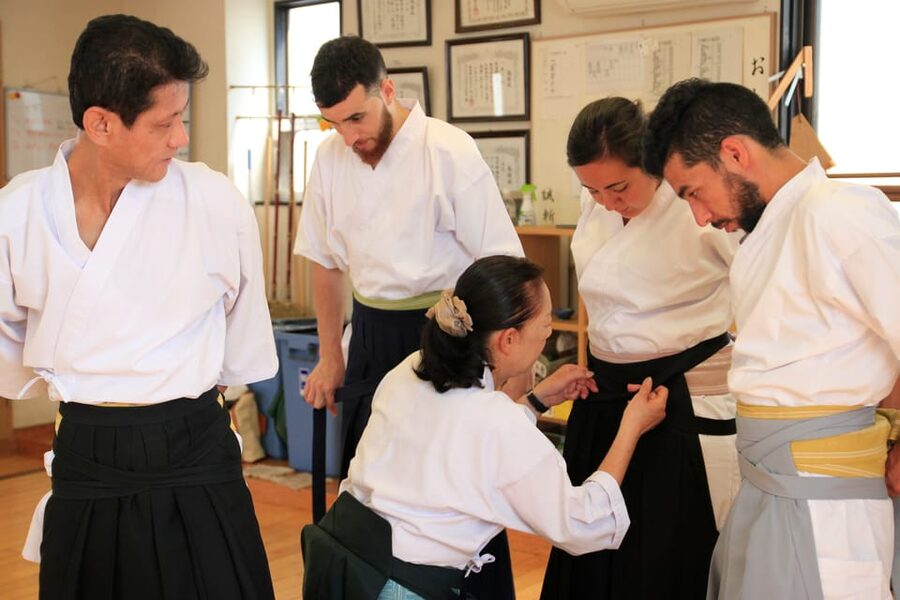
- You train instead of simply posing: The class includes iai forms, sparring, target cutting, and archery.
- Sumida-sensei teaches both disciplines: His instruction covers Japanese swordsmanship and traditional horseback archery.
- Expect a real workout: Repeated sword movements require strength, balance, and concentration.
- The dojo is near JR Machida Station: It is about a 10-minute walk, with the room on the third floor.
- Training clothes are supplied: Send each participant’s height and weight after booking.
- The class is shared: Up to 15 people may attend, though smaller groups can allow more individual correction.
A real dojo near Machida, not a staged samurai show
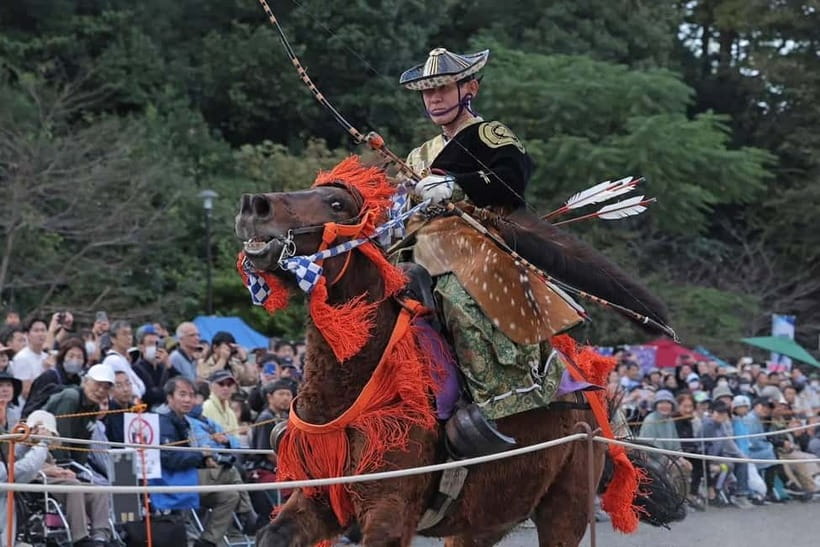
Toyama-ryu BIZENKAI is in Machida, a Tokyo-area city south of the central tourist districts. From JR Machida Station, plan on a 10-minute walk. The dojo is on the third floor, reached by stairs at the back between a sword shop and vending machines on the first floor.
That final detail matters. This is not a theme-park set built for a quick photograph. You enter a functioning martial arts space, change into training clothes, and take part in a class led in Japanese and English. The setting helps establish the right mood, but the value comes from what you do there.
Give yourself extra time. One direct account puts the journey from Shimbashi at about 90 minutes, and central Tokyo traffic and train connections can make a short-looking route take longer than expected. Arriving early is useful for finding the building and watching practice if the dojo is active before your class.
The activity allows up to 15 people. That is not a tiny private lesson, so the amount of one-to-one attention depends on the group. Still, the teaching style is hands-on, with form corrected during each exercise. A small booking may feel almost private, but you should book this as a shared class rather than expect an exclusive session.
More Martial Arts Experiences in Tokyo
- Tokyo:Samurai sword and archery class from a samurai descendant
★ 5.0 · 121 reviews - Tokyo 2-Hour Genuine Samurai Experience: Kendo in Japan
★ 5.0 · 112 reviews - Tokyo: Samurai Kendo Practice Experience
★ 4.7 · 102 reviews
The opening lesson: samurai weapons in their proper order
The class begins with an explanation of Japanese swords, samurai weapons, and the history behind the arts. The instructor places swordsmanship in a wider military timeline: the bow was the main samurai weapon about 1,000 years ago, matchlock guns became powerful about 450 years ago, and the sword became central after civil war ended about 400 years ago.
That context is more useful than a simple list of dates. It keeps the samurai image from shrinking into the familiar movie version of a lone warrior with a katana. You learn that weapons changed with warfare, and that the sword later became a central symbol of training, discipline, and identity.
You may also hold an antique matchlock gun and examine traditional equipment. The class includes a look at a Japanese horseback archery costume associated with roughly 1,000 years ago. These objects give the lesson a physical focus, especially if you already have an interest in Japanese military culture.
Sumida-sensei also explains sword construction and handling. Pay attention to the small points, including how the blade is positioned, how the weapon is drawn, and how it is returned to its scabbard. Those details are easy to miss in films, but they are part of what makes the training feel precise rather than theatrical.
Iai: learning to draw and cut with control
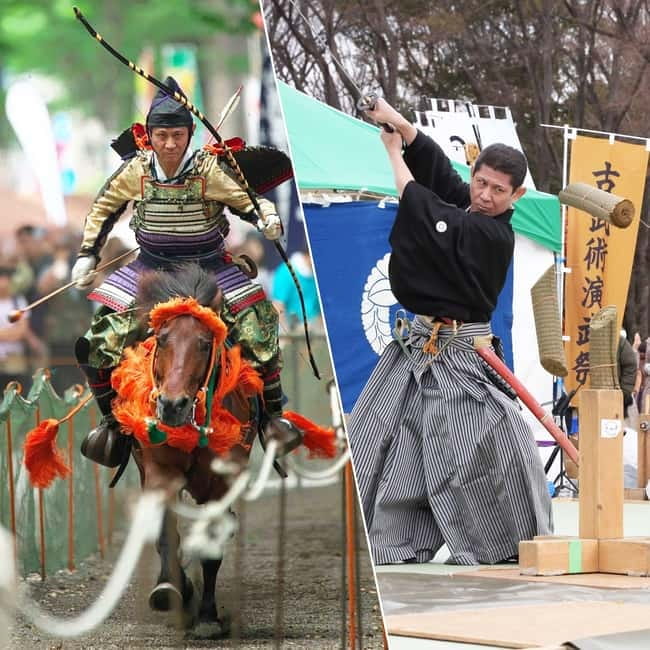
After the introduction, you change into the supplied practice uniform and begin iai. This is the controlled art of drawing and using the sword, with movements arranged into formal patterns called kata.
You first learn how to hold and swing the practice sword. That sounds simple until you try to coordinate your stance, grip, arm position, breathing, and direction of movement. The aim is not to swing hard. It is to move the blade along the correct line with control.
The practice sword makes this first stage suitable for beginners, but it does not make the work easy. Repeating the same motion exposes poor posture quickly. The instructors demonstrate what to avoid, then adjust your form until the movement begins to make sense.
This is one of the best parts of the class for first-time students. You do not need prior martial arts training, and the lesson proceeds from basic handling. At the same time, the activity does not pretend that three hours will make you a swordsman. You receive an introduction to the discipline, not a shortcut to mastery.
Left-handed participants should take note. The standard instruction is right-handed, and one left-handed student found that this affected archery more than sword work. If you are left-handed, ask about the arrangement before booking so you know what to expect.
Gekken sparring: timing matters more than movie speed
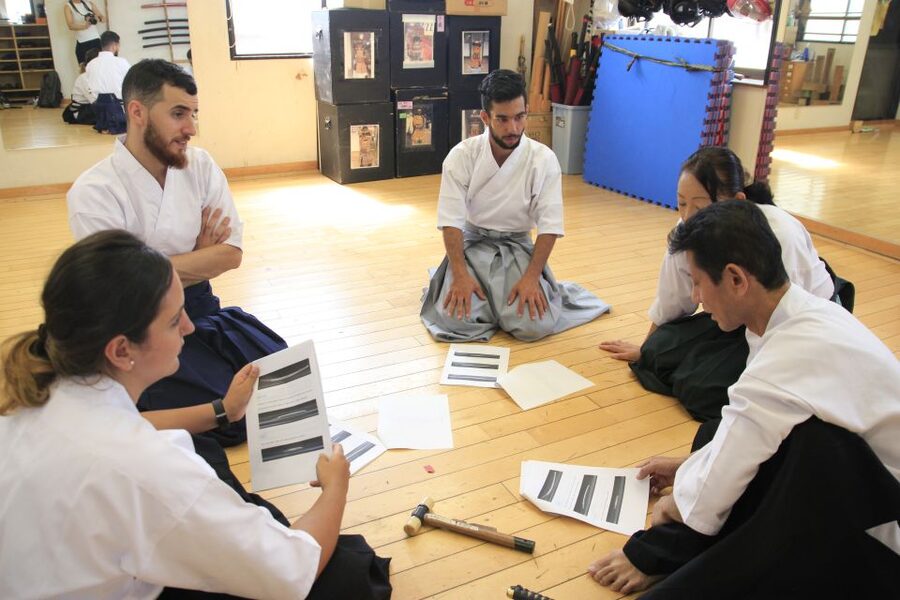
The gekken portion introduces attack and defense with practice swords. You learn timing, distance, and how to respond to another person rather than simply repeat a solo form.
This is friendly sparring, but it still demands focus. The challenge is not to swing wildly or imitate a film fight. You must watch your partner, wait for the proper opening, and keep your own body under control. The exercise makes the difference between a choreographed screen battle and a martial art immediately clear.
The instructors keep the work structured and correct mistakes as they happen. English instruction is available, and Sumida-sensei has been praised for explaining steps clearly, demonstrating them, and correcting beginners without making the atmosphere tense.
Expect to use muscles you may not normally call on during a sightseeing day. The class involves repeated stances, swings, and controlled movement. Several people have found themselves sore the next day, so I would not schedule this immediately before a demanding hike or a long day carrying luggage.
More Samurai Experiences in Tokyo
- Tokyo: Samurai Restaurant Show Ticket with 2 Drinks
★ 4.5 · 1,307 reviews - Tokyo: Samurai Ninja Museum Guided tour and Experience
★ 4.6 · 1,010 reviews - Best Samurai Experience in Tokyo
★ 5.0 · 458 reviews - Ninja Experience (Family Friendly) at Samurai Ninja Museum TOKYO
★ 5.0 · 441 reviews
Cutting targets while moving
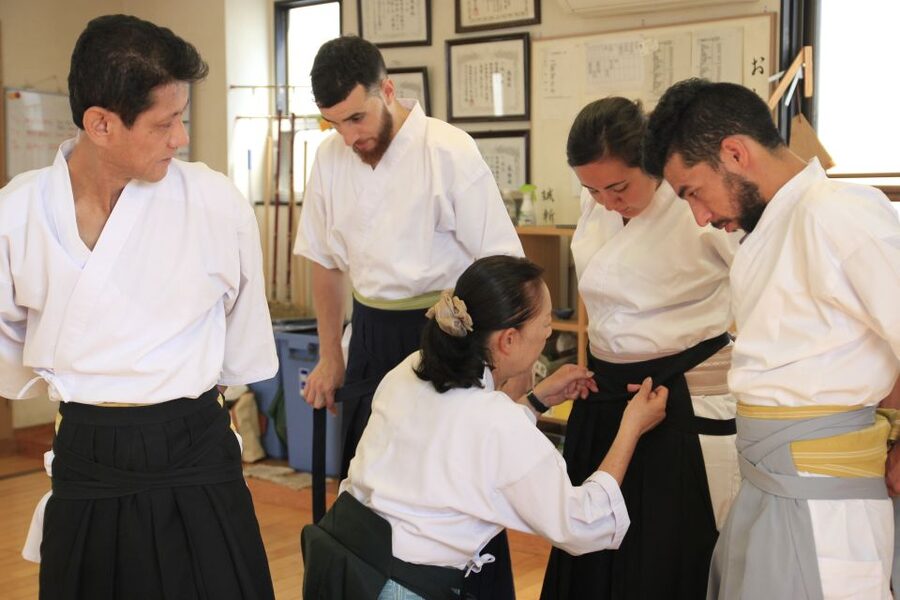
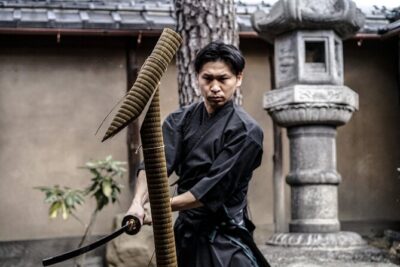
The cutting section is the moment many people book this activity for, and it is harder than it looks. The class has you slash multiple targets while moving, rather than stand still and make one dramatic swing for a photograph.
The instructor watches your blade line, stance, timing, and follow-through. You learn that a strong cut depends on alignment and control, not brute force. The practice sword is used during training, while the exact blade and target arrangement are managed by the instructor for safety.
Some sessions include hands-on cutting with a katana, as described by participants, but you should follow the equipment provided and the teacher’s directions rather than assume you will handle a live blade throughout the class. The important point is that the cutting is taught as a technical exercise, not as a staged action scene.
This section also offers the best photo opportunities, provided filming does not interfere with instruction. A camera can be useful, but keep it out of the way and ask before recording. The movement can be wide and quick, so a companion holding a phone should give you plenty of room.
Japanese archery with a longbow
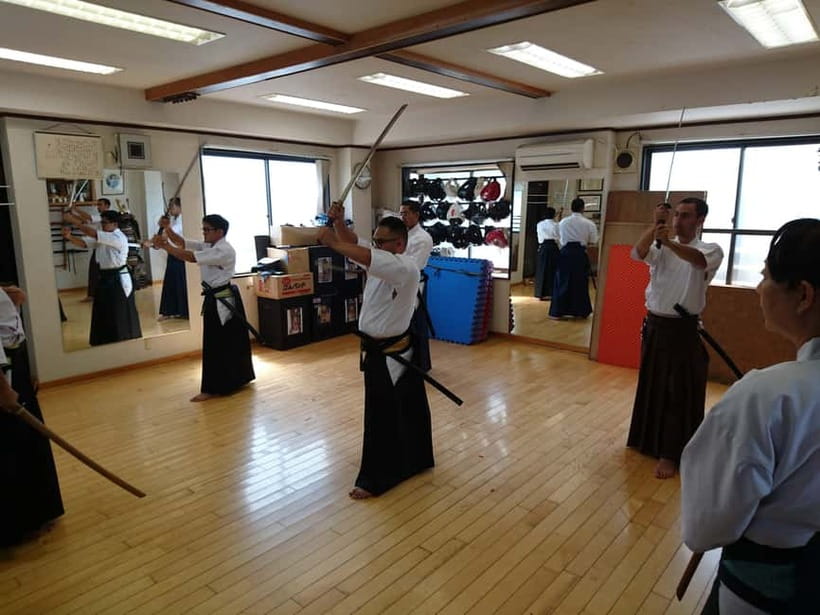
The archery lesson shifts the mood. The sword work is compact and close to the body, while the Japanese bow requires a longer movement and steady patience.
You try a traditional Japanese longbow associated with horseback archery. The bow is not presented as a casual toy or a short modern target bow. Its size and handling make the draw feel unfamiliar, especially if you have only used standard Western-style archery equipment.
The instructor explains how to hold the bow, position your body, and release the arrow. The goal is to learn the basic action safely, not to become an expert archer in one visit. Expect more emphasis on posture and process than on hitting a distant bullseye.
The bow section can be physically demanding. It may also feel less natural for left-handed participants because the class follows a standard right-handed method. If archery is your main reason for booking, contact the organizer about this before paying.
A wide-angle camera is helpful if you want to film this part, since the bow and arm movement take up more space than you might expect. Again, ask permission and let the instructor control the pace.
The final demonstration by a working master
The class includes a live demonstration of advanced Toyama-ryu technique by a seventh-grade practitioner. This is not presented as a flashy stunt show. The difficult movements are there to show what years of training can produce, and to give you a standard against which to measure your own beginner exercises.
Watching Sumida-sensei demonstrate after you have tried the basics changes the experience. You understand how much precision goes into a movement that looked simple a few minutes earlier. The demonstration also gives the class a strong finish without turning the whole session into a performance.
The teaching team matters here. Sumida-sensei is the central instructor, and assistants such as Harry help guide participants through the exercises. Their approach is patient and direct, with a clear concern for safety and proper form. You can expect correction, and sometimes firm correction, but the class is not built around humiliation or macho posturing.
What the $193 price really buys you
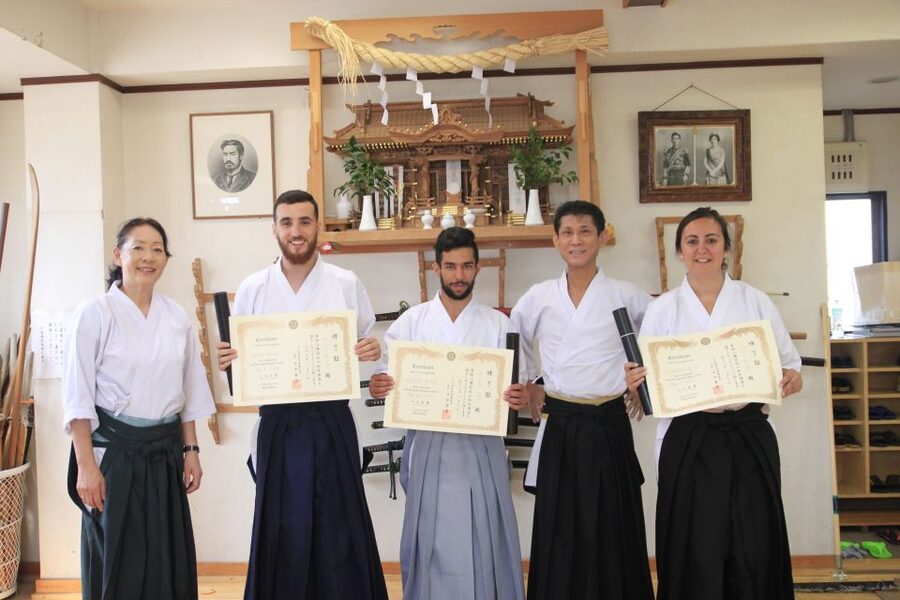
At $193 per person, this is expensive compared with a museum visit, a short cultural demonstration, or a basic group activity. You are paying for three hours of instruction, supplied training clothes, a practice sword, access to a real dojo, and time with an instructor who teaches both swordsmanship and traditional horseback archery.
The price makes more sense if you care about doing rather than watching. You handle equipment, repeat forms, spar, cut targets under direction, and try the bow. The class also gives you cultural context that a costume rental and photo session would not provide.
I would not book it simply because you want a samurai-themed picture. There are cheaper ways to wear a robe and hold a sword. Book this if you want the rules, the repetition, the physical effort, and the small corrections that make a martial art meaningful.
For couples and friends, the class offers a shared challenge. It also suits solo visitors who are comfortable joining a group. Martial arts experience is not required, but an existing interest in Japanese culture, kendo, iaido, archery, or traditional weapons will help you appreciate the finer points.
Who should skip it
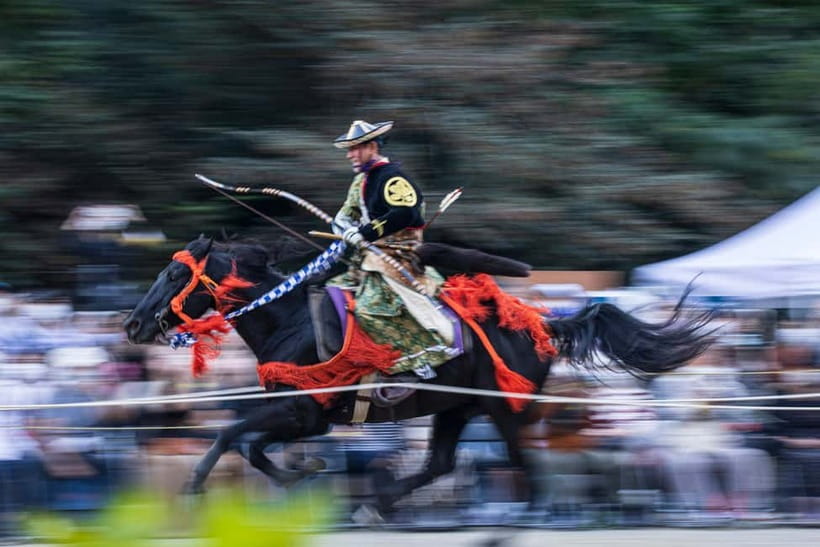
This class is not a passive cultural talk. You will swing a sword, move through forms, spar with practice equipment, and handle a bow. People with heart problems, back problems, epilepsy, mobility impairments, or visual impairments should not take part. It is also not suitable for wheelchair users or pregnant women.
The published information also contains mixed guidance about age. One note says people under 18 may participate with parental permission and supervision if they have enough strength to swing the sword, while another suitability note excludes children under 18. Ask the organizer for a clear decision before booking a minor.
Wear comfortable clothing under the supplied uniform and bring water. Alcohol and drugs are not allowed. The class can be tiring, so plan a calm evening afterward rather than another physically demanding activity.
Practical booking advice for a smoother class
Send the height and weight of every participant after the reservation is confirmed. The dojo provides practice uniforms, and this information helps the organizer prepare the right clothing.
Check your email after booking. The organizer sends further instructions, and you should not assume that the booking confirmation contains every meeting detail.
The meeting point is Toyama-ryu BIZENKAI, written in Japanese as 戸山流備前会 BIZENKAI. Look for the sword shop and vending machines on the first floor, then use the rear stairs to the third-floor dojo.
The class is offered in Japanese and English. Sumida-sensei can explain the training in basic English, and assistants may help with communication. If a technical point is unclear, ask for another demonstration. Correct movement matters more than rushing to keep up.
Cancellation is free up to 24 hours before the start time, and the reserve-now, pay-later option can help if your Tokyo plans are still changing. Check the available start times before building the rest of your day around the class.
Is this Tokyo samurai class worth booking?
I would book it if you want a serious, hands-on introduction to Japanese swordsmanship and archery, and if you are willing to travel to Machida for it. The strongest reasons are the range of activities, the real dojo setting, and the chance to learn from Yoshioki Sumida, who has trained in both disciplines.
I would skip it if you want a short central-Tokyo attraction, dislike physical instruction, or mainly want a staged photo. At $193, it asks for both money and effort.
For the right person, the unusual combination of iai, sparring, target cutting, and longbow practice makes this a memorable use of half a day. Arrive early, pack water, listen closely, and treat the dojo like a place of training rather than a backdrop. That attitude will give you the best experience.
FAQ
How long does the samurai class last?
The class lasts three hours.
How much does the experience cost?
The price is $193 per person.
Where does the class take place?
It takes place at Toyama-ryu BIZENKAI, near JR Machida Station in the Tokyo area. The dojo is about a 10-minute walk from the station and is on the third floor.
How do I find the dojo?
Use the stairs at the back, between the sword shop and the vending machines on the first floor, to reach the third floor.
What activities are included?
The class includes a sword lecture, iai forms, gekken sparring, practice sword work, target cutting, Japanese archery, and a demonstration of Toyama-ryu technique.
Are training clothes provided?
Yes. Practice uniforms are provided. You should send the height and weight of every participant after booking.
Is a practice sword included?
Yes. A practice sword is included as part of the experience.
Is the class taught in English?
Yes. The class is offered in Japanese and English.
How many people can join?
The maximum group size is 15 people, and the class is shared.
Can people under 18 participate?
The information says that people under 18 may participate with parental permission and supervision if they have enough strength to swing the sword, but another note lists the activity as unsuitable for children under 18. Ask the organizer to confirm eligibility before booking.
What should I bring?
Bring a camera and drinks. Comfortable clothing under the supplied practice uniform is also sensible.
Can I cancel for a refund?
You can cancel up to 24 hours before the activity for a full refund. A reserve-now, pay-later option is also available.
Just added around Tokyo
- Kawagoe Japanese Food Tour : Unagi Kaiseki and Sake near Tokyo★ 5.0 · 30 reviews
- Kawagoe 4hr Private Tour with Licensed Guide (Kawagoe Dep)★ 5.0 · 13 reviews
- Little EDO Sushi Making workshop in Kawagoe★ 5.0 · 18 reviews
- 【R34】Tokyo:Private Daikoku tour in Modified R34★ 4.9 · 92 reviews
- :Tokyo,Shibuya/ Pro Photography in Kimono / English-Friendly★ 5.0 · 26 reviews
- Tokyo:Celebrate Unique Japanese New Year Tradition Festivity★ 3.9 · 20 reviews
- Tokyo: Allstar Food Tour★ 4.7 · 29 reviews
- Tokyo:Calligraphy &Make your original folding fan in Asakusa★ 5.0 · 62 reviews
Samurai Experiences, compared.
Browse the lists this tour appears in