
Reviewed · FOOD TOURS
Tokyo: West-Side Cycling and Food Tour with Guide
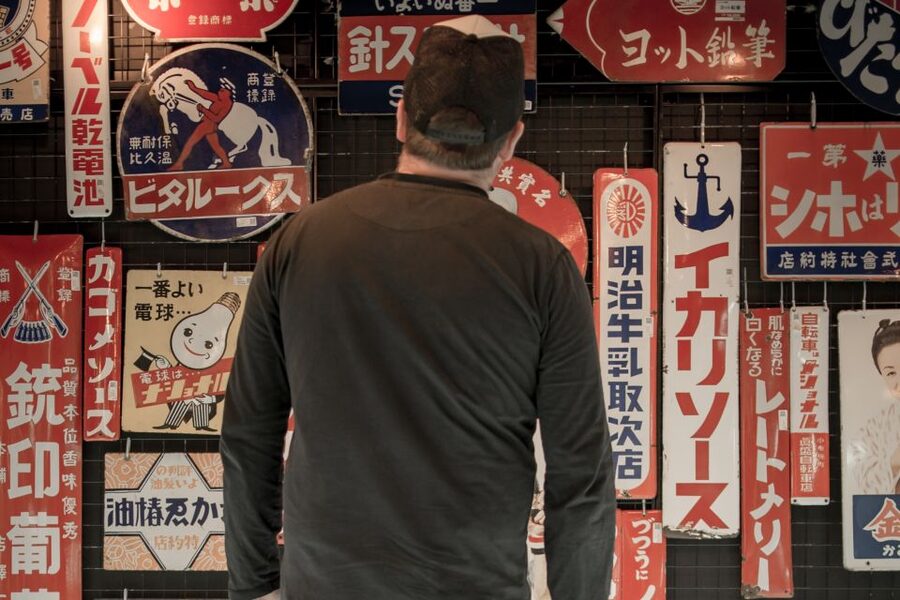
Tokyo’s west side is best understood from a bicycle seat. On this 3.5-hour outing, you pedal through Nakano, Koenji, and Asagaya, using back streets, riverside paths, and ordinary neighborhood streets that most visitors never see.
I like the mamachari bicycles, with their front baskets and slightly creaky personality, and I like the food stops, which include two street eats, a bottled drink, and a simple local lunch. Guide Andy adds useful context about Japanese habits, vending machines, shops, and daily life. The main drawback is clear: you need to be comfortable riding 12 to 15 kilometers through narrow streets, uneven surfaces, and occasional crowds.
Key points at a glance
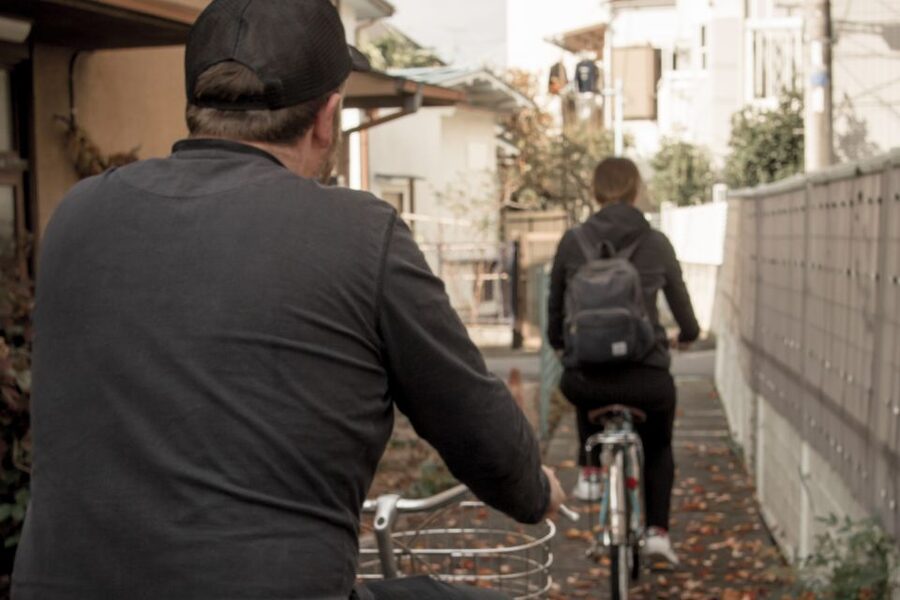
- Ride a real neighborhood bicycle: The well-maintained mamachari bikes are practical Japanese city bikes, not sleek racing machines.
- See three west-side districts: Nakano, Koenji, and Asagaya each offer a different feel, from local shopping streets to quieter residential lanes.
- Learn the small details: Andy explains bicycle parking, Japanese customs, neighborhood design, and everyday food.
- Eat as you go: The price includes two street food items, a simple Japanese lunch, and one bottled drink.
- Expect a moderate physical outing: The route covers roughly 7.5 to 9.5 miles at a leisurely pace, with tight turns and uneven ground.
- Best for confident cyclists: Children under 10, people under 140 centimeters, vegans, and people with food allergies should choose another activity.
Why west Tokyo works so well by bicycle
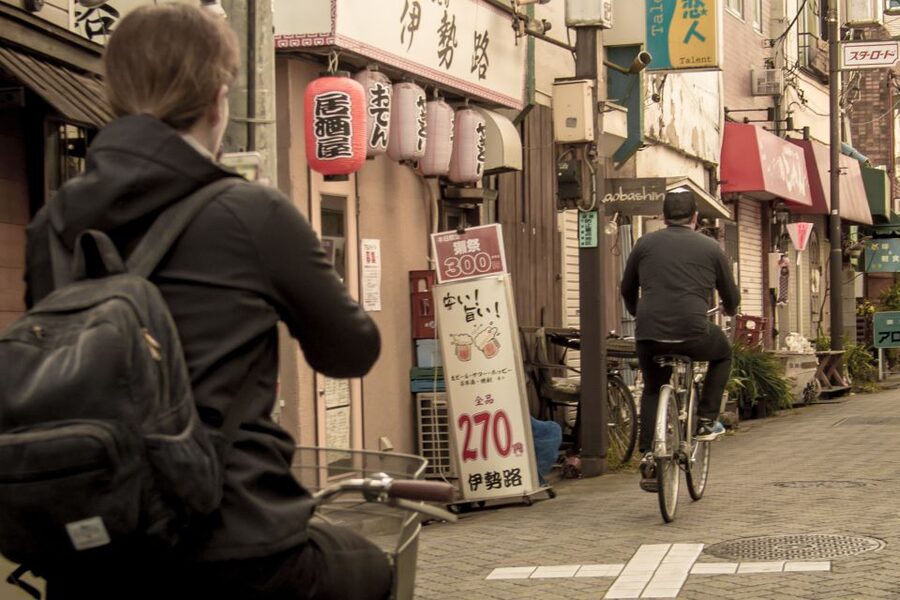
Central Tokyo gives you famous crossings, department stores, neon streets, and major shrines. West Tokyo gives you a closer look at how the city functions between those headline sights.
The neighborhoods here are not presented as a parade of major monuments. Instead, you see the rhythm of ordinary life: small lanes, local shops, residential streets, food counters, bicycle parking areas, and people moving through their day. That is the point of the tour. You are not checking off attractions. You are learning how Tokyo feels when you leave the main sightseeing routes.
A bicycle makes this possible in a way walking cannot. You cover enough ground to connect Nakano, Koenji, and Asagaya, but you still move slowly enough to notice changes from one block to the next. The route can pass through twisting back streets, riverside bike paths, and activity hubs before returning to quieter lanes.
I especially like the way a bicycle reveals Tokyo’s scale. A major station area can feel dense and intense, but a few turns later you may find a much calmer street. The tour helps you make sense of those shifts instead of treating Tokyo as one giant, uniform city.
More Bike Tours in Tokyo
- Tokyo Guided Small-Group Biking Tour
★ 5.0 · 1,250 reviews - Tokyo Great Cycling Tour
★ 5.0 · 811 reviews - Tokyo Top Highlights 3h Guided E-bike Tour
★ 5.0 · 714 reviews
Meeting Andy at Koenji Station
The tour begins outside the ticket gates at Koenji Station, on the JR network. The guide waits there five minutes before departure and wears a baseball cap, so you have a simple visual marker. Do not cut it close. The group leaves on time, and the tour does not want to begin its neighborhood ride without you.
Koenji is convenient from the main tourist base. It takes about six minutes from Shinjuku by train and about 18 minutes from Shibuya. That makes this a practical morning or afternoon addition to a Tokyo itinerary, especially if you are staying near either of those hubs.
Andy is the named guide associated with this experience. He is an Australian transplant with strong local familiarity, and his style combines Japanese cultural explanations with an easy sense of humor. His role matters here because the route itself is only part of the value. A quiet street or unusual shop becomes more interesting when you understand what it says about local habits.
He also welcomes questions. Past comments highlight his explanations of Japanese society, local food, vending machines, architecture, and neighborhood customs. If you are curious about details that would be difficult to ask during a large coach tour, this small-group format is a better fit.
The mamachari bicycle: practical rather than sporty
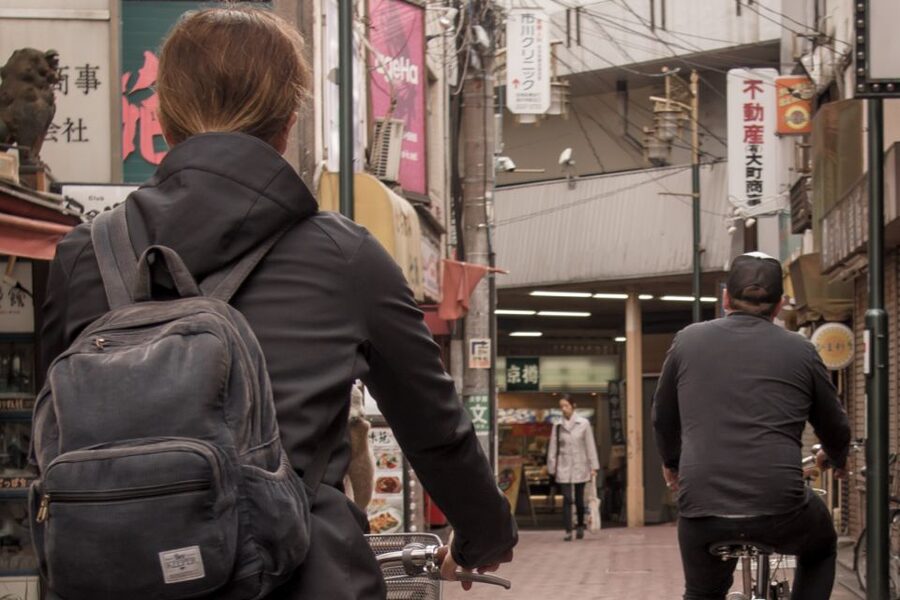
You ride a salvaged mamachari, the sturdy upright bicycle commonly used for everyday errands in Japan. These are not performance bikes, and that is exactly why they suit the tour. You sit upright, ride at a relaxed pace, and have a front basket for small personal items.
The bikes may be creaky or squeaky, but they are described as carefully maintained and easy to ride. That distinction is useful. The tour is not trying to offer a polished cycling-sport experience. It is offering a local form of transport that fits the neighborhoods.
You should be a competent cyclist before booking. The route includes narrow and crowded streets, uneven surfaces, and occasional sharp turns. One account specifically noted the tight turns around Koenji, so you should not treat this as a flat, empty cycle path.
The expected distance is roughly 12 to 15 kilometers, or about 7.5 to 9.5 miles. The pace is leisurely, but leisurely does not mean effortless. You need enough control to stop, steer, and keep your balance when a street gets tight.
The stated minimum height is 140 centimeters, or about 4 feet 7 inches, for comfortable use of the bikes. Children under 10 are not accepted. For families with older children, the key question is cycling ability, not just age.
Nakano, Koenji, and Asagaya at street level
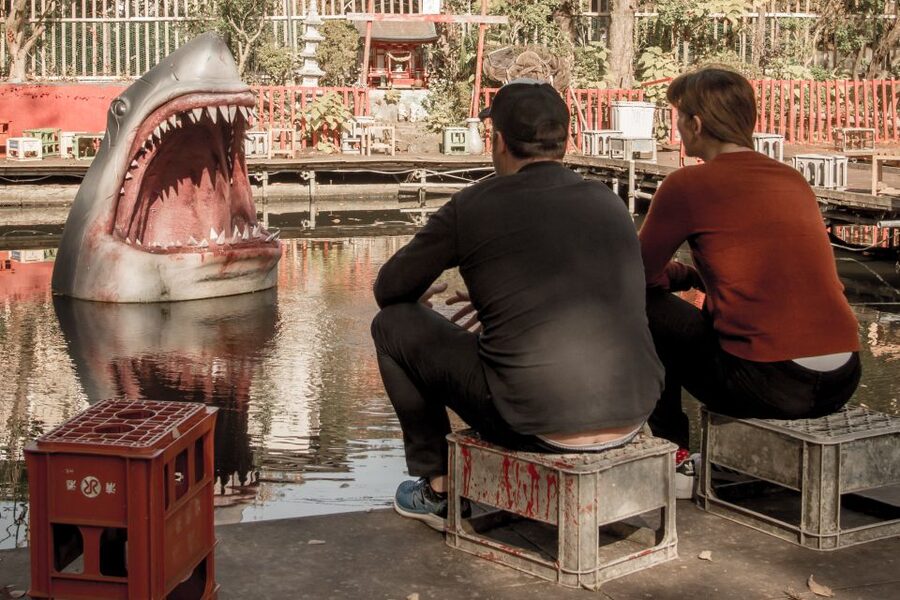
The route links three west-side neighborhoods, giving you a broader picture than a tour focused on one shopping street.
Nakano is known for its busy local activity areas and layered mix of shops, back streets, and residential sections. The cycling route lets you see beyond the parts that are easiest to reach on foot from the station. You may find the contrast between the active streets and quieter side lanes especially useful for understanding how Tokyo neighborhoods are arranged.
Koenji brings a different mood. It is associated with independent local life, and the ride uses its twisting streets rather than treating the station area as the whole neighborhood. The turns can be sharp, but they also make the ride feel more like moving through the real city than following a straight sightseeing corridor.
Asagaya adds another west-side perspective. The tour does not promise a list of famous monuments here, and that is an advantage for the right person. You are seeing the places where people shop, commute, eat, park bicycles, and handle ordinary errands.
The exact order and timing can vary, but the common thread is comparison. You begin to notice how one district differs from the next, even when all three are part of inner Tokyo. For me, that is more useful than seeing three similar-looking streets without context.
More Food Tours in Tokyo
- Tokyo: Shinjuku Food Tour (13 Dishes at 4 Local Eateries)
★ 5.0 · 6,603 reviews - Tokyo Tsukiji Fish Market Food and Culture Walking Tour
★ 5.0 · 3,184 reviews - Tokyo: Shinjuku Food Tour (15 Dishes and 4 Eateries)
★ 4.9 · 2,033 reviews - Best of Shinjuku: Izakaya Food Tour (4 Stops, 14+ Tastings)
★ 5.0 · 1,863 reviews
Food stops that keep the tour grounded
Food is built into the ride rather than saved for a formal restaurant visit. The ticket includes two popular street food items, one bottled drink, and a simple Japanese lunch.
The lunch is served at a local spot, with a noodle bar specifically mentioned as one of the stops. That setting puts you close to the everyday dining culture of Tokyo. You may share counter space with local office workers, including the salarymen who make quick meals part of the working day.
This is not a luxury food tour. The meal is described as simple, and the value comes from eating in a normal neighborhood setting while Andy explains what you are ordering and how the place fits local life. One useful touch is his help with vending machine drinks, which can seem confusing when the labels are unfamiliar.
The two street foods add variety and keep the route from feeling like a single restaurant stop with cycling in between. Exact food choices are not promised, so you should not book this expecting a carefully designed tasting menu.
There is also an important limitation. The tour does not cater to personal tastes, dietary requirements, or allergies. It is not suitable for vegans or people with food allergies. If food is a major reason for booking, you need to be comfortable with the set selection rather than expecting substitutions.
Bicycle parking and the details you would miss alone
One of the most useful parts of this outing is its attention to bicycle culture. Tokyo has specific systems for parking bikes, and the tour includes bicycle parking fees, so you can see how the city manages a common but often overlooked form of transport.
That detail may sound minor, but it adds practical context. Tokyo is crowded, and public space has to be organized carefully. Knowing where and how bicycles are parked helps explain why you do not simply leave a bike beside any shop or station entrance.
Andy also points out neighborhood features that are easy to pass without noticing. The experience includes local architecture, vending machines, shops, and everyday customs. You are encouraged to ask questions, which turns the ride into a moving conversation rather than a silent group cycle.
This is where the guide’s local insight earns its keep. Without explanation, a bicycle parking system is just a bicycle parking system. With context, it becomes part of the larger story of how people share limited urban space.
Weather, pace, and what the ride feels like
This is an outdoor activity that generally proceeds in rain, so you should be prepared to get wet. The all-season approach is practical, but it also means you should check the forecast and dress for conditions rather than assuming a cancellation.
Bring a passport or identity card, hand sanitizer or tissues, and a garbage bag. The garbage bag is a small but sensible item for carrying rubbish during a food-focused ride, since you may not always find a bin right after eating.
Wear clothing that lets you pedal comfortably. The supplied information does not specify helmets or a dress code, so you should not assume that extra equipment or specialist cycling clothing is included. The important requirement is comfort and control on a regular city bicycle.
The pace is leisurely, and the tour is designed for sightseeing rather than speed. Still, narrow streets demand attention. You may need to steer around uneven pavement, make quick stops, or follow Andy through a tight turn. If you rarely cycle, this will not be the relaxed sightseeing alternative you may imagine.
What the $110 price includes
At $110 per person, the tour is not a budget way to get from one Tokyo station to another. Its value depends on how much you want the guide, local access, food, and bicycle logistics to be handled for you.
The price includes:
- A mamachari bicycle
- An English-speaking local guide
- A simple Japanese lunch
- Two street food items
- One bottled drink
- Bicycle parking fees
- Cycling liability insurance
That package removes several small costs and decisions. You do not need to rent a bike separately, work out where it can be parked, choose food from an unfamiliar menu, or plan a route linking three districts.
I think the price makes the most sense early in a Tokyo visit. Andy can help you understand neighborhood life, food customs, vending machines, and cycling systems, giving you useful context for the rest of your stay. It also works well near the end of a trip if you have already seen the major sights and want a change of pace.
The value is weaker if you mainly want famous landmarks, a substantial meal, or a polished cycling excursion. This is a local-life experience with simple food, not a premium culinary tour or a sightseeing ride built around major monuments.
Who will enjoy this most
I would recommend the tour to adults and older children who are comfortable on bicycles and want to see Tokyo beyond Shinjuku, Shibuya, and the central sightseeing circuit.
It suits you especially well if you:
- Like small groups and direct conversation with a guide
- Want to compare ordinary Tokyo neighborhoods
- Enjoy trying simple local food without choosing every dish
- Are curious about Japanese customs and city systems
- Prefer active sightseeing to a bus or walking-only tour
- Want a useful introduction to west Tokyo
It is a poor match if you dislike cycling in traffic, have mobility concerns that make uneven streets difficult, need a strict diet, or expect every stop to be a major attraction. Vegans and people with food allergies should not book it.
Private or small-group options are available, which can make the experience more comfortable if you want more room for questions or a more personal pace. The exact group arrangement depends on the option you select.
Should you book the Koenji cycling tour?
Book it if you want to understand Tokyo through its ordinary streets rather than only its famous sights. The combination of mamachari cycling, three west-side neighborhoods, food stops, and Andy’s explanations gives you a useful sense of how daily life works away from the main tourist routes.
Skip it if you are not a confident cyclist or if food restrictions make a fixed menu risky. Also skip it if rain would spoil your day, since the tour generally continues in wet weather.
For the right person, this is a strong first or last activity in Tokyo. It helps you get your bearings, introduces you to a less familiar side of the city, and leaves you with practical details you can use after the bikes are returned.
FAQ
Where does the cycling tour begin?
The tour begins directly outside the ticket gates at Koenji Station on the JR Train Network. The guide waits there five minutes before the start and wears a baseball cap.
How long is the experience?
The experience lasts 210 minutes, or 3.5 hours.
How far will I cycle?
You should expect to cycle roughly 12 to 15 kilometers, or about 7.5 to 9.5 miles, at a leisurely pace.
What food and drinks are included?
The price includes a simple local lunch, two popular street food items, and one bottled drink.
Is the tour suitable for vegans or people with food allergies?
No. The experience does not cater to dietary requirements, personal tastes, or allergies, and it is not suitable for vegans or people with food allergies.
What happens if it rains?
The tour generally proceeds as planned in rainy weather, so you should be prepared for the possibility of getting wet.
What age and height limits apply?
Children under 10 are not accepted, and riders should be at least 140 centimeters tall for comfortable use of the bicycles.
More Food & Drink in Tokyo
- Tokyo: Tsukiji Fish Market Food and Walking tour
★ 5.0 · 1,724 reviews - Eat and Drink Like a Local: Tokyo Ueno Food Tour-Taverns&Ramen
★ 5.0 · 957 reviews - Tokyo: Shibuya Food Tour (13 dishes and 4 Eateries)
★ 5.0 · 770 reviews - Tokyo: Tsukiji Fish Market Food and Culture Walking Tour
★ 4.7 · 757 reviews
Just added around Tokyo
- Kawagoe Japanese Food Tour : Unagi Kaiseki and Sake near Tokyo★ 5.0 · 30 reviews
- Kawagoe 4hr Private Tour with Licensed Guide (Kawagoe Dep)★ 5.0 · 13 reviews
- Little EDO Sushi Making workshop in Kawagoe★ 5.0 · 18 reviews
- 【R34】Tokyo:Private Daikoku tour in Modified R34★ 4.9 · 92 reviews
- :Tokyo,Shibuya/ Pro Photography in Kimono / English-Friendly★ 5.0 · 26 reviews
- Tokyo:Celebrate Unique Japanese New Year Tradition Festivity★ 3.9 · 20 reviews
- Tokyo: Allstar Food Tour★ 4.7 · 29 reviews
- Tokyo:Calligraphy &Make your original folding fan in Asakusa★ 5.0 · 62 reviews
Food Tours, compared.
Shinjuku Food Tour (13 Dishes at 4 Local Eateries)
Our verdict →
Kyoto Night Foodie Tour in Gion (9+ dishes + 6 Sake tastings)
Our verdict →
Osaka Local Foodie Walking Tour in Dotonbori and Shinsekai
Our verdict →
Food Tour in Ueno with 10+ Tastings of Japanese Classics
Our verdict →
Browse the lists this tour appears in