
Reviewed · CALLIGRAPHY CLASSES
Tokyo:Calligraphy &Make your original folding fan in Asakusa
Japanese calligraphy becomes much more than neat writing in this small Asakusa workshop. You learn how posture, breathing, brush pressure, and the amount of ink shape each stroke, then turn your practice into a one-of-a-kind folding fan. I like the calm pace and the personal help from Mana, whose clear English and patient teaching make the class easy to follow. I also like that you leave with both a useful souvenir and a postcard to remind you of the day.
The main thing to consider is that ink can make a mess, even with aprons provided. Wear clothes that can handle a spot or two, and note that the session is not suitable for wheelchair users. If you choose the separate henna tattoo option, you do not receive the calligraphy class.
Key points at a glance
- Practice before you make anything permanent: Use guide sheets and thin paper for about 30 minutes before choosing your final design.
- Learn from Mana: The English-speaking instructor explains posture, brush handling, ink control, and the meaning behind Japanese writing.
- Use traditional materials: You melt a solid ink stick with water before practicing with brush and ink.
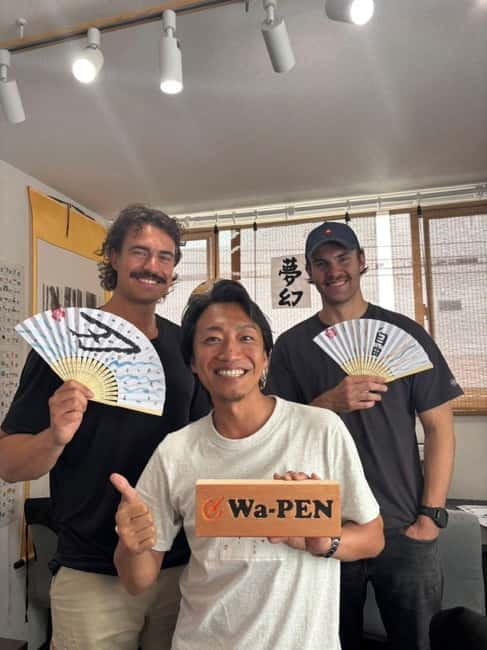
- Take home a personal fan: Your final calligraphy becomes an original folding fan, not a mass-produced souvenir.
- Slow down in Asakusa: Green tea and a postcard to your future self add a quiet finish to a busy sightseeing day.
Calligraphy in Asakusa, with a souvenir you make yourself
At $16 per person, this is one of the more modestly priced hands-on activities you can add to a Tokyo day. The price matters because you are not simply watching a demonstration. You receive instruction, practice materials, tea, and a finished folding fan that carries your own writing.
The experience takes between 30 and 90 minutes, depending on the option and how long you practice. That flexible timing is useful. If you want a quick creative break between Asakusa sights, you can keep it short. If you are enjoying the process, the instructor may allow extra practice so you feel ready for your final design.
The setting in Asakusa gives the activity a natural place in your schedule. You can fit it around a visit to Senso-ji, though you should check the exact meeting point for the option you book. The meeting location can vary, and the listed coordinates are 35.7162239, 139.7922354.
More Calligraphy Classes in Tokyo
- Tokyo: Calligraphy on Kanji Fan & Scroll with Drink
★ 5.0 · 210 reviews - Let’s experience calligraphy in YANAKA, Taito-ku, TOKYO !!
★ 5.0 · 127 reviews - Tokyo: Calligraphy Workshop & Original T-Shirt Creation
★ 4.9 · 105 reviews
Starting with hiragana, kanji, and Japanese writing culture
The class begins with an introduction to Japanese calligraphy and the place of hiragana in daily life. This first section helps you see that the characters are not just decorative marks. The shape, rhythm, and spacing of each stroke carry meaning, and the writing style changes the feeling of the finished piece.
You also learn about kanji, including ways to write a name or choose a character with a meaning that suits you. One useful feature is the chance to ask for help selecting a design from a sample book or request a design from the instructor. That saves you from choosing a character simply because it looks attractive without knowing what it means.
I find this explanation especially useful for first-time visitors. Calligraphy can look simple from across the room, but the brush records every hesitation. A short introduction gives you a better sense of why posture and attitude matter before you put ink on paper.
Posture, brush control, and the eight basic techniques
Mana then shows you how to sit or stand correctly, hold the fude brush, and control the ink. The right amount of ink is important. Too little leaves a weak, broken line. Too much can make the stroke spread and lose its shape.
You practice about eight basic techniques with guide paper. This is where the class earns its keep. You are not expected to produce polished calligraphy on your first attempt. Instead, the practice sheets let you repeat each movement and see how a small change in pressure affects the result.
The instruction is friendly and hands-on. Mana has been praised for being patient with children, older family members, solo participants, and people who had never taken a proper calligraphy class. A six-year-old participant was able to take part, and an older student joined with a grandmother who had always wanted to try calligraphy.
That does not mean every stroke will look perfect. Your first pages may be uneven, and the ink may behave differently from what you expect. That is part of the appeal. The goal is not to produce professional work in one sitting. It is to learn enough control to make a personal piece you are happy to keep.
Melting solid ink the traditional way
One of the more distinctive parts of the activity is preparing the ink from a traditional solid ink stick. You use water to melt the ink rather than starting with a ready-made bottle.
This small step adds a physical connection to the craft. It slows the class down and gives you a sense of how materials have been prepared for calligraphy over generations. You can see why the ink’s thickness matters before you begin your practice.
The process is simple enough for beginners, but it gives the workshop more substance than a basic brush-painting session. If you enjoy tools, materials, and old techniques, this will likely be one of your favorite sections.
Keep your hands and sleeves in mind. Aprons are available, but the advice is still practical: wear comfortable clothes that can get a little dirty. Food and drinks are not allowed during the session, so finish your snack before you arrive.
Same trip, a completely different kind of day:
- 1-Day Tokyo Bus Tour
★ 5.0 · 14,250 reviews - Tokyo: TOKYO SKYTREE® Admission ticket
★ 4.5 · 11,192 reviews - Tokyo: teamLab Planets TOKYO Digital Art Museum Entry Ticket
★ 4.6 · 9,779 reviews - Tokyo: Sumo Show Experience with Chicken Hot Pot and a Photo
★ 4.8 · 6,678 reviews
Thirty minutes of practice before the final design
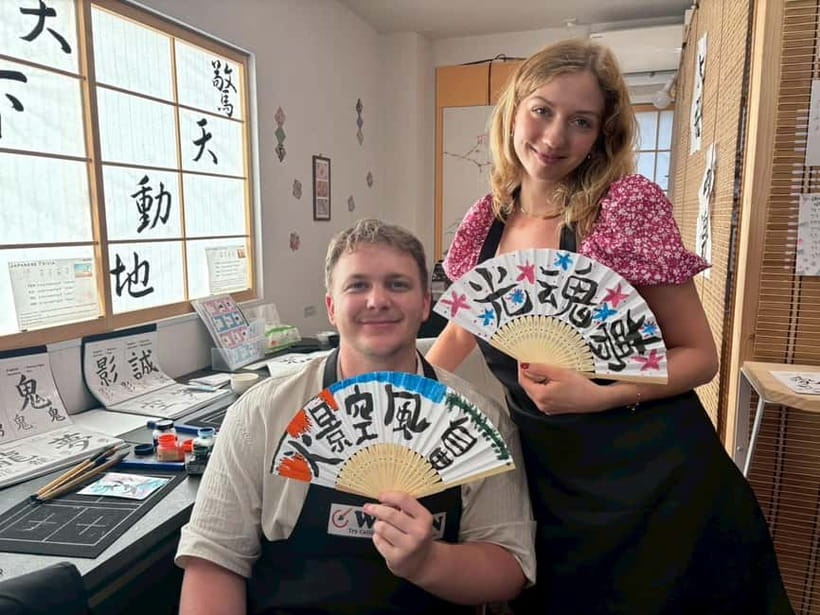
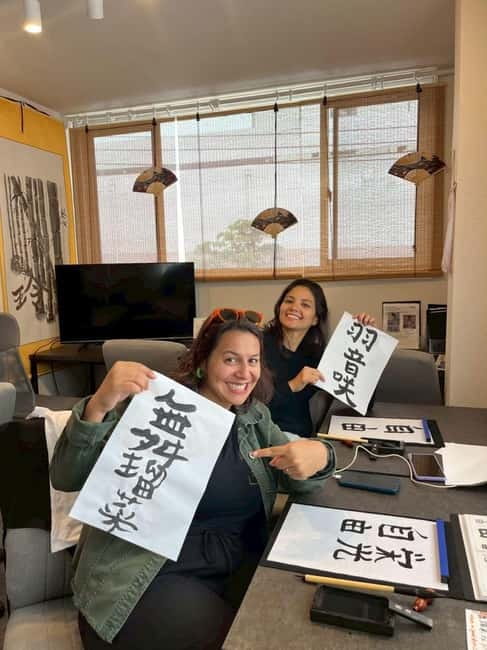
The practice stage is the heart of the class. You work on thin paper with guide sheets and support from the instructor. You can repeat the characters, names, or designs until you have a version that feels right.
This is where the flexible length helps. Some people will be ready quickly, while others will want to try the same character several times. The instructor does not force you to move on before you have had a fair chance to improve. One participant was even allowed to extend the session to finish practicing.
I like that this makes the activity work for different skill levels. You can treat it as a light cultural lesson, or you can take the brush control seriously and spend more time refining your design. The class does not demand artistic talent, but it does reward patience.
You should not expect a formal school-style course. The session introduces the basics and gives you guided practice, rather than teaching a full system of calligraphy. If you want advanced technique, several hours of private instruction, or a detailed study of classical scripts, this is not that kind of class.
Turning your writing into an original folding fan
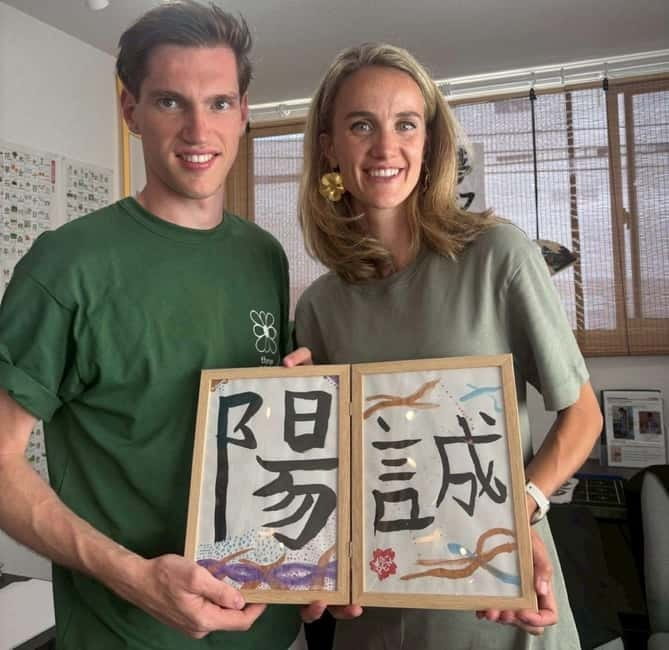
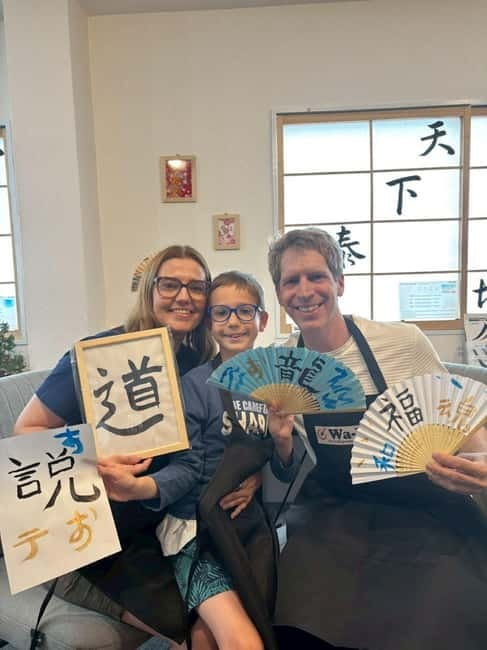
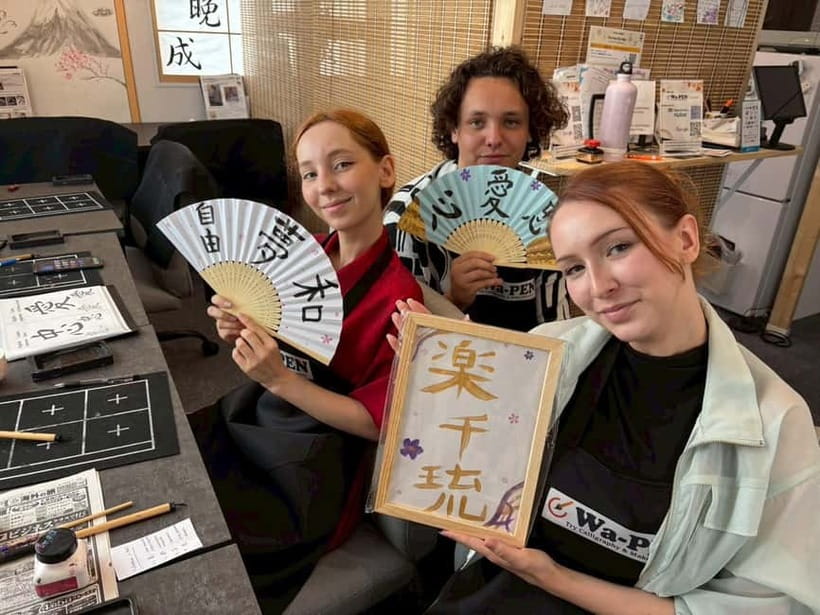
Once you have practiced, you choose your favorite design and place it on the final piece. The result is an original folding fan decorated with your calligraphy.
This is a better souvenir than something picked up from a shop because the unevenness is part of its story. Your lines, your choice of character, and your level of control remain visible. You can take it home as a reminder of Tokyo, Asakusa, and the time you spent learning something by hand.
The fan is included, but other products are separate. You can request to have your design printed on a T-shirt, but the shirt and printing fee are not included. If you are interested in that option, ask about the cost before committing. The supplied information also makes clear that clothing fees are separate if you want a T-shirt.
For most people, the fan is enough. It is compact, light, and easier to pack than a framed artwork. It also gives you a practical object rather than another small item that will sit in a drawer.
Green tea and a postcard to your future self
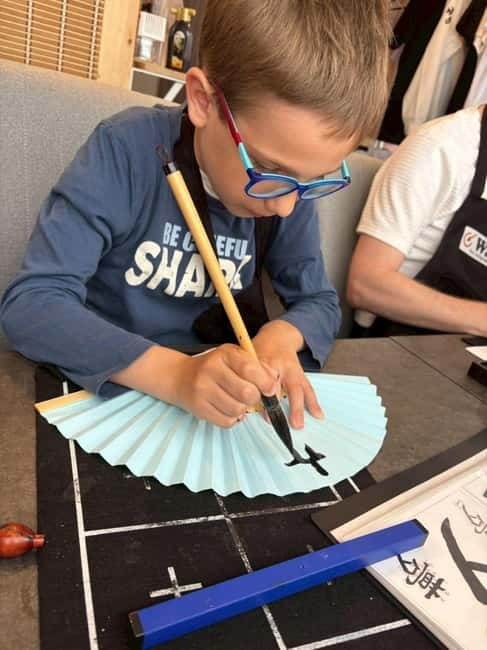
The class ends with a cup of green tea and a postcard-writing exercise. You write a note to yourself, describing your feelings after the calligraphy session and your time in Tokyo. The postcard is intended to be sent to you at home, giving the memory a delayed arrival.
This is a thoughtful touch. The fan records what you made, while the postcard records how the trip felt at that moment. It also gives the activity a quiet ending instead of stopping as soon as the brush is put away.
The tea is part of the experience, not a full refreshment break. Food and drinks are not allowed during the main session, so do not arrive expecting a meal or a long tea service. Think of it as a brief pause after the creative work.
Why Mana makes a difference
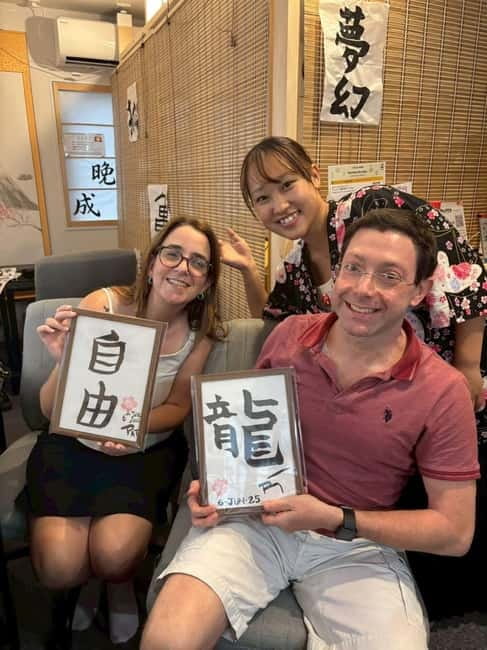
The instructor is Mana, and her teaching style is one of the strongest reasons to book this particular class. She speaks excellent English and explains the steps in a way that is easy to follow. She also gives practical help beyond the brushwork, including suggestions for food and places to visit in Tokyo.
Her patience is useful if you are nervous about making mistakes. She encourages you to keep practicing without making the class feel like an exam. That matters with calligraphy, where a beginner can become self-conscious very quickly.
Mana has also shown flexibility with timing and finished T-shirts when participants needed to meet friends near Senso-ji. That kind of personal attention may not happen in exactly the same way every time, but it suggests a small-scale activity rather than a large, rigid class.
The supplied details do not give a fixed group size, so do not assume the session is private. Still, the teaching described here is personal enough to help solo visitors, couples, families, and mixed-age groups.
Who will enjoy this activity most
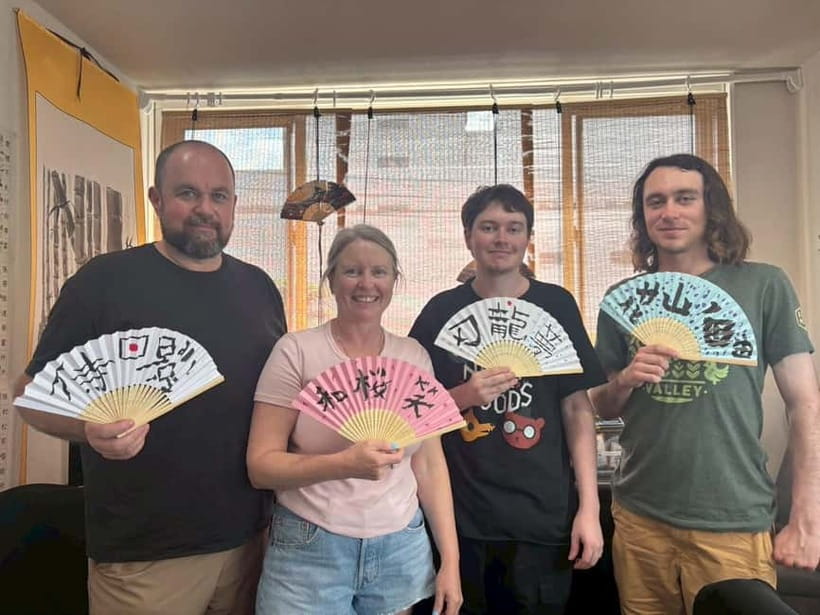
I would recommend this workshop to you if you want a calm change of pace from Tokyo sightseeing. It works well after walking around Asakusa, especially when you want to sit down and do something creative instead of adding another temple or shopping street to the day.
It is also a good choice for families. A young child can take part with patient guidance, though adults should be ready to help keep clothing and supplies tidy. Grandparents and first-time learners can join without needing previous experience.
Solo visitors should find it comfortable too. One participant had the instructor’s full attention when no other student was present, and the flexible practice time makes the experience less awkward for someone arriving alone.
This is less suitable for anyone looking for a fast photo stop. The class asks you to slow down, repeat strokes, and make decisions about your final design. It is also not suitable for wheelchair users, according to the activity information.
The henna tattoo option needs special care when booking. If you choose that option, the calligraphy experience is not included. Read the option name closely before paying, since the activities are not combined.
Practical details before you book
The activity is taught in English, and cancellation is free up to 24 hours before the start time. You can also reserve now and pay later, which helps if your Tokyo schedule is still changing.
Check the starting times because the duration can range from 30 to 90 minutes. If you want time to practice properly and enjoy the postcard, allow closer to the longer end of that range. If you have a fixed reservation at Senso-ji or another attraction, do not schedule the next activity too tightly.
Wear comfortable clothes and use the available apron. Black ink is the main practical risk, and a careless sleeve or hand can carry marks away from the table. Pets are not allowed, though assistance dogs are permitted.
The workshop is currently rated 5 out of 5 from 62 reviews, with repeated praise for Mana’s kindness, patience, English, and ability to make beginners feel comfortable. That strong pattern fits the structure of the class: the materials are traditional, but the instruction is approachable.
Should you book the Asakusa calligraphy class?
Book it if you want an affordable, low-pressure activity that teaches you something and gives you a personal souvenir. At $16, the included practice, instruction, green tea, postcard, and folding fan offer good value, especially when compared with buying a decorative fan without any connection to your trip.
I would skip it only if you need wheelchair access, dislike handling ink, or want an advanced calligraphy lesson. For everyone else, this is a smart way to give a busy Tokyo day some breathing room. You leave with more than a character on paper: you leave with a fan you made yourself and a small reminder waiting in your mailbox.
FAQ
How much does the calligraphy and folding fan activity cost?
The listed price is $16 per person. The price includes the calligraphy lesson, practice materials, green tea, postcard activity, and original folding fan.
How long does the activity last?
The duration is listed as 30 to 90 minutes. Starting times and the exact length depend on the option available when you book.
Is the class taught in English?
Yes. The instructor teaches in English, and Mana is described as speaking excellent English.
What should I wear?
Wear comfortable clothes that can get a little dirty from ink. Aprons are available, but you should still avoid clothing that is difficult to clean.
Can I take my calligraphy home?
Yes. Your final calligraphy is used to make an original folding fan that you can take home. You can also write a postcard to yourself for delivery at home.
Is the activity suitable for wheelchair users?
No. The activity is listed as not suitable for wheelchair users. Pets are not allowed, although assistance dogs are permitted.
Just added around Tokyo
- Kawagoe Japanese Food Tour : Unagi Kaiseki and Sake near Tokyo★ 5.0 · 30 reviews
- Kawagoe 4hr Private Tour with Licensed Guide (Kawagoe Dep)★ 5.0 · 13 reviews
- Little EDO Sushi Making workshop in Kawagoe★ 5.0 · 18 reviews
- 【R34】Tokyo:Private Daikoku tour in Modified R34★ 4.9 · 92 reviews
- :Tokyo,Shibuya/ Pro Photography in Kimono / English-Friendly★ 5.0 · 26 reviews
- Tokyo:Celebrate Unique Japanese New Year Tradition Festivity★ 3.9 · 20 reviews
- Tokyo: Allstar Food Tour★ 4.7 · 29 reviews
- Tokyo: West-Side Cycling and Food Tour with Guide★ 5.0 · 37 reviews
Calligraphy Classes, compared.
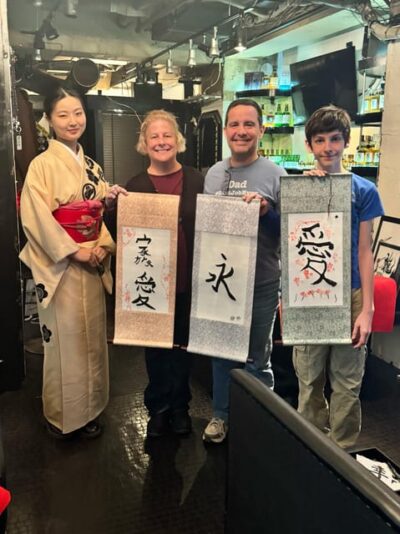
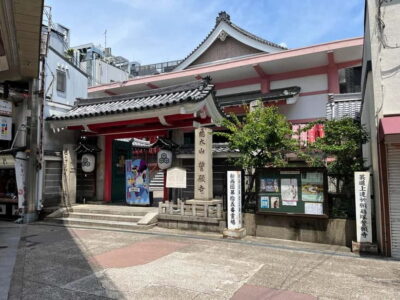
Calligraphy class at Buddhist temple in city center
Our verdict →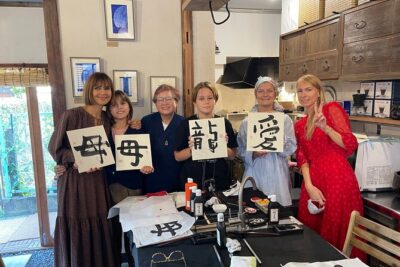
Let’s experience calligraphy in YANAKA, Taito-ku, TOKYO !!
Our verdict →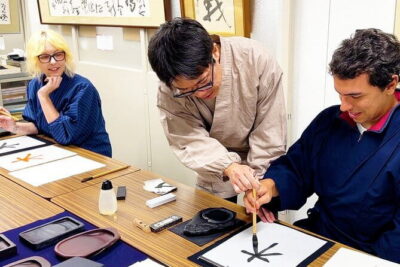
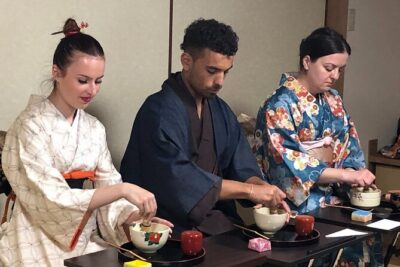
An Amazing set of Cultural experience: Kimono, Tea Ceremony and Calligraphy
Our verdict →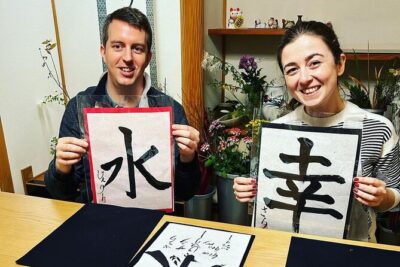
Private Japanese Calligraphy in Kyoto – Learn Shodō with a Master
Our verdict →
Browse the lists this tour appears in