Reviewed · GEISHA & MAIKO EXPERIENCES
Kyoto: Maiko, Samurai, or Kimono Rental and Tea Ceremony
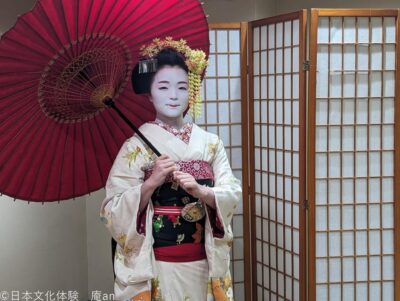
Kyoto’s famous temple district becomes more fun when you are wearing the part. At Studio Shiki, you can choose a maiko, samurai, or kimono look, then walk three minutes to Akebonotei for matcha and sweets. I like the handy location near Kiyomizu-dera, and I like that a kimono rental lets you keep exploring until 5pm instead of rushing straight back to the shop.
The tea ceremony is brief, which works well for children, but it also means this is a tourist-friendly introduction rather than a long, formal lesson. I would also allow extra time for dressing and avoid arriving late: the schedule is tightly arranged, and a delay can mean joining halfway or missing part of the activity.
Key points to know before you book
- Three-minute walk to Kiyomizu-dera: Studio Shiki places you close to Kyoto’s best-known temple district, with Ninenzaka, Sannenzaka, and the Yasaka Five-Story Pagoda nearby.
- Three costume choices: You can dress as a maiko, choose a samurai style, or rent a standard kimono or seasonal yukata.
- Matcha and sweets at Akebonotei: The tea experience takes place a short walk from the rental studio.
- Keep the kimono until 5pm: This gives you time to walk through the surrounding temple lanes after the tea session.
- Good family format: Children aged five and up can join, with a maximum family size of four.
- Hair styling costs extra: A recent price quoted for hairstyling was 1,650 yen, so budget for that if you want a finished maiko or kimono look.
What happens at Studio Shiki
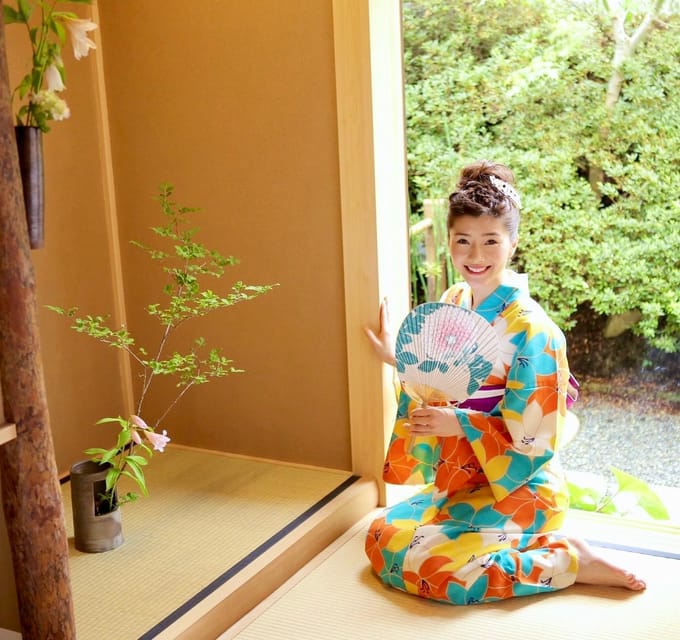
Your visit begins at Maiko Transformation Studio Shiki, also known as Rental Kimono Shiki Sakura. The shop is in the Kiyomizu-dera area, a useful base for a half-day of sightseeing.
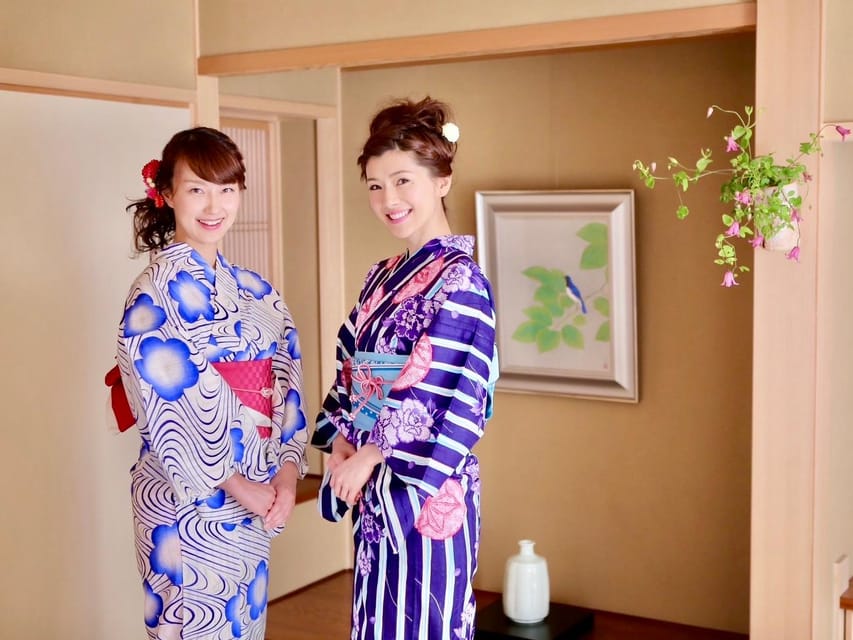
You choose among three broad styles: maiko, samurai, or kimono. The standard kimono option includes a kimono, obi belt, underwear, sandals, and a bag. From June 1 through September 15, the seasonal yukata plan is available instead. A yukata is lighter and more casual than a formal kimono, making it a sensible choice in Kyoto’s hot summer months.
The supplied outfit is the practical core of the experience. You are not simply taking tea in ordinary clothes and then heading home. You get a chance to walk around one of Kyoto’s most photogenic districts in traditional dress, provided you are comfortable with the extra layers and careful walking.
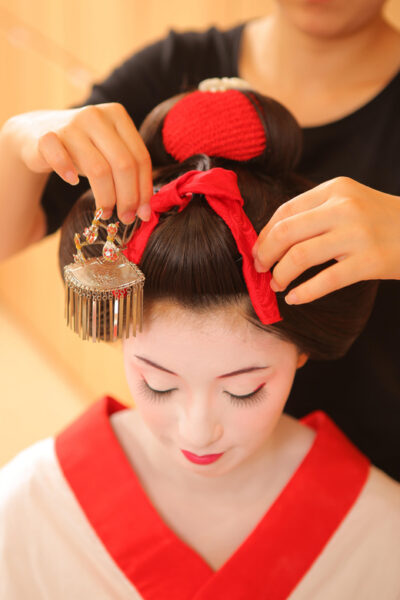
The shop has enough costume choice for a family outing, though the selection is described as correct rather than vast. If your main goal is a highly elaborate transformation with extensive hair and makeup, check the extra charges before booking. Hair styling is not included, and a quoted add-on price is 1,650 yen.
That detail matters most for the maiko option. The costume itself creates much of the visual effect, but hair styling can make the finished look feel more complete. For a basic kimono walk, you may be perfectly happy without it.
More Kimono Experiences in Kyoto
- Kimono Tea Ceremony at Kyoto Maikoya, NISHIKI
★ 5.0 · 911 reviews - Kyoto: Kimono Rental with Hairstyling and Accessories
★ 4.8 · 653 reviews - Kyoto: Kimono Tea Ceremony at Orizuruya Gion
★ 4.9 · 618 reviews
The short walk to Akebonotei
After changing, you walk about three minutes to the tea ceremony parlor, Akebonotei. This is easy on paper, but remember that you will be walking in sandals and traditional clothing. Give yourself a little care on slopes and uneven surfaces.
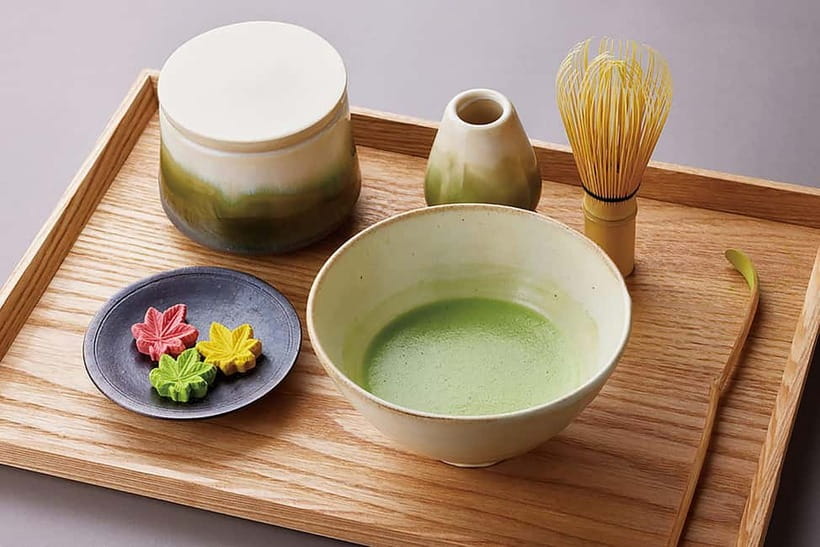
The tea session includes matcha and sweets. You get an introduction to the basic rhythm of a Japanese tea ceremony, with the setting and clothing doing much of the atmosphere-building. The experience is designed to fit into a busy sightseeing day rather than occupy an entire morning or afternoon.
One useful detail is that an English-speaking woman has been praised for communicating well during the ceremony. No individual guide name is provided, so I would not book this expecting a named tea master or a private cultural lecture. Instead, think of it as a compact, approachable demonstration that lets you try matcha and learn the broad etiquette.
The short format has a clear advantage for families. Young children can lose patience during a long, formal ceremony, while this version keeps the sitting time manageable. The tradeoff is depth. If you have studied tea practice or want a quiet, traditional session with plenty of explanation, this may feel too fast.
The seven start times and why punctuality matters
The schedule pairs each kimono appointment with a tea appointment 90 minutes later:
- 9:00am dressing, 10:30am tea
- 10:00am dressing, 11:30am tea
- 11:00am dressing, 12:30pm tea
- 12:00pm dressing, 1:30pm tea
- 1:00pm dressing, 2:30pm tea
- 2:00pm dressing, 3:30pm tea
- 3:00pm dressing, 4:30pm tea
This 90-minute gap is not free time to wander far. It covers the dressing process, the walk to Akebonotei, and the need to arrive on time. Plan your temple sightseeing around the appointment, not during it.
Punctuality is the main practical warning here. If you are late for the kimono appointment or the tea session, you may have to join partway through or lose the chance to participate. I would arrive early, especially if you are coming by bus or visiting with children.
The full duration is listed as 150 minutes to three hours. That range makes sense once you allow for changing, the tea session, and the time you spend wearing the kimono afterward. The formal paired portion is built around the 90-minute interval and tea appointment, while the longer option reflects the wider rental period.
Exploring Kyoto in traditional dress
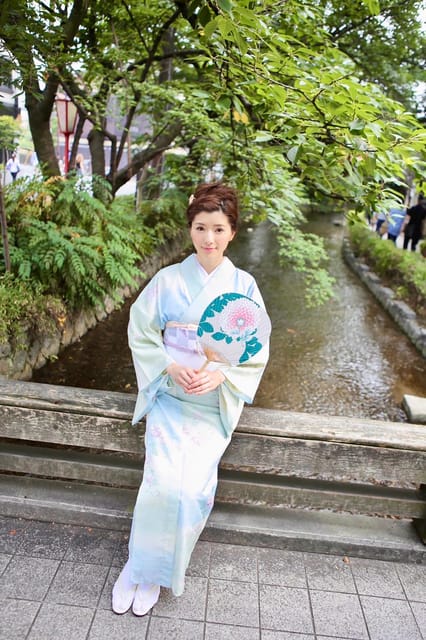
The real value of the booking comes after the matcha. If you rent a kimono, you can keep it until 5pm, giving you time to walk through the surrounding district.
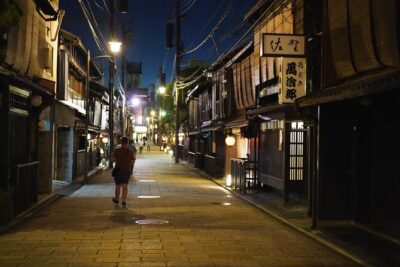
Kiyomizu-dera is about a three-minute walk from the studio. Its position above the old temple district makes it one of Kyoto’s most popular stops, and traditional clothing fits naturally into the setting. You can also reach Ninenzaka and Sannenzaka, two sloping lanes lined with shops and old-style buildings.
The nearby Yasaka Five-Story Pagoda and Yasaka Koshindo add more photo stops. Kodaiji Temple and Yasaka Shrine extend the route toward Gion. The area has enough temples, shrines, cafés, and small streets to fill the rest of your afternoon without needing another major transport connection.
I like this arrangement because the costume is not limited to a single staged photo area. You can use it as part of a wider walk. Just remember that the busiest lanes can be crowded, and traditional footwear is not the best choice for covering huge distances.
The best approach is to choose a small, realistic route. Kiyomizu-dera, the two Ninenzaka and Sannenzaka slopes, and one additional temple or shrine will give you plenty to see. Trying to visit every nearby site before returning the outfit could turn a pleasant outing into a tiring one.
More Samurai Experiences in Kyoto
- Kyoto Samurai Experience
★ 5.0 · 1,294 reviews - Kyoto: Kendo and Samurai Experience with Uniform and Gear
★ 4.9 · 815 reviews - Kyoto: Samurai Sword Class by Experts in Traditional Arts
★ 4.9 · 657 reviews - Skip the lines Basic Ticket at SAMURAI NINJA MUSEUM KYOTO
★ 4.5 · 632 reviews
Getting there from Kyoto’s city buses
If you come by city bus, allow about 20 minutes to reach the Kiyomizu-michi bus stop, followed by a 10-minute walk to the shop. The total time depends on where you board and on road conditions, so do not treat the 20-minute bus estimate as a door-to-door journey.
The walk from the bus stop is important when choosing your appointment. Leave room to find the shop, check in, and handle any last-minute family needs before the dressing time. A late arrival is especially risky because the tea appointment is fixed 90 minutes later.
The location is one of the strongest features of this experience. You are not sent across Kyoto for the ceremony and then brought back to the sights. Studio Shiki and Akebonotei sit right in the Kiyomizu-dera zone, where you can continue your day on foot.
Is $77 a fair price?

At $77 per person, this is not the cheapest way to borrow a kimono for a few hours. The price includes the kimono, obi, underwear, bag, sandals, matcha, and sweets, along with the linked tea ceremony. It also buys you the convenience of having the rental and tea session arranged together.
The value improves if you actually use the outfit until 5pm. A quick costume change followed by a short tea session would feel less convincing at this price. A family that spends the afternoon visiting Kiyomizu-dera, Ninenzaka, Sannenzaka, and nearby shrines gets more from the booking than someone who treats it as a 30-minute photo stop.
Hair styling is extra, and that should be included in your budget if it matters to you. The tea ceremony is also short, so you are paying partly for the costume rental and location rather than for an extended cultural class.
My view is that the price is reasonable for a convenient family activity in one of Kyoto’s most visited areas, but not a bargain for a serious tea student or someone seeking a private, highly traditional ceremony. The experience earns its keep through the combination of clothing, matcha, sweets, and access to a good walking district.
Families, group size, and costume choices
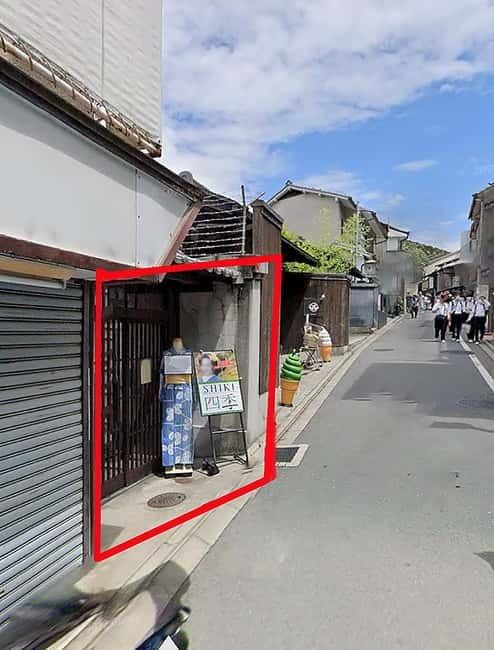
The activity is open to children aged five and up, and a family can include up to four people. The broader group information lists a small group of up to six participants, so you should expect a small shared setting rather than a fully private booking.
That family limit is useful. Four people can dress together and share the same afternoon plan without splitting into separate arrangements. The short tea format also avoids asking children to sit still for too long.
Children under five cannot participate, and pregnant women are not permitted to join. Those restrictions should shape your booking before you commit to the appointment time.
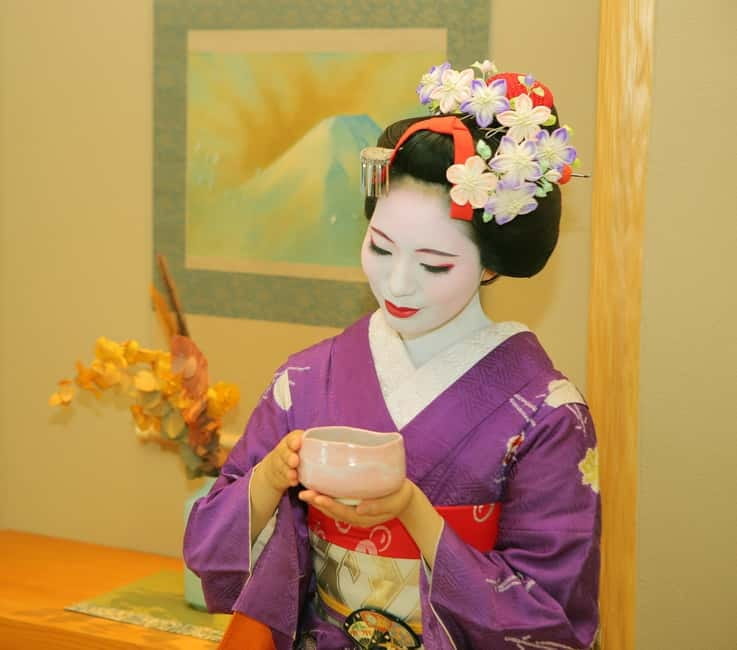
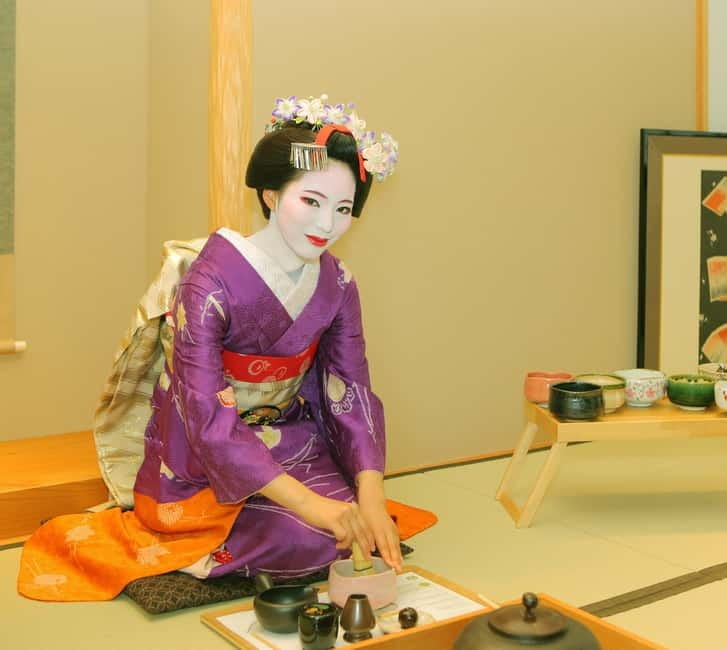
For adults, the choice between the three costume styles comes down to the kind of afternoon you want. The maiko option is the most theatrical. Samurai style gives the outing a different character, while the regular kimono or summer yukata is the natural choice if you want to walk through Kyoto for several hours.
What the experience does well, and where it falls short
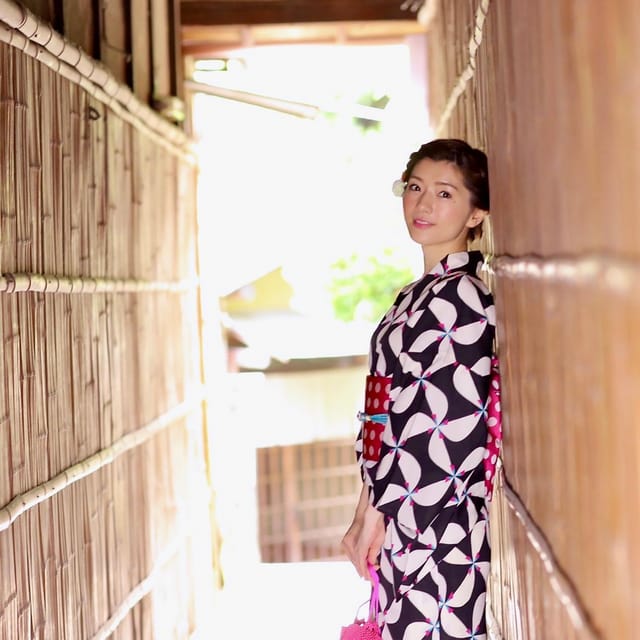
The most praised features are practical: the excellent location near Kiyomizu-dera, the ability to rent as a family, and the short tea ceremony that works with children. The English communication at the tea venue is another help for international visitors.
The main weakness is the possibility of a rushed, highly commercial feel. The schedule is tightly timed, the tea session is brief, and the setting is designed for visitors who want an accessible taste of Kyoto culture. If you want a quiet room, extensive instruction, or a ceremony built around traditional precision, you may find the format too artificial.
The experience also depends on your expectations. Calling it a cultural introduction makes sense. Expecting it to reproduce a formal tea gathering in every detail would set the bar too high.
I would also avoid booking this on a day when you are already trying to cover half of eastern Kyoto. The district has steep lanes, many shops, and several major temples. The costume adds charm, but it can also make a long walking day more tiring.
Booking advice for a smoother visit
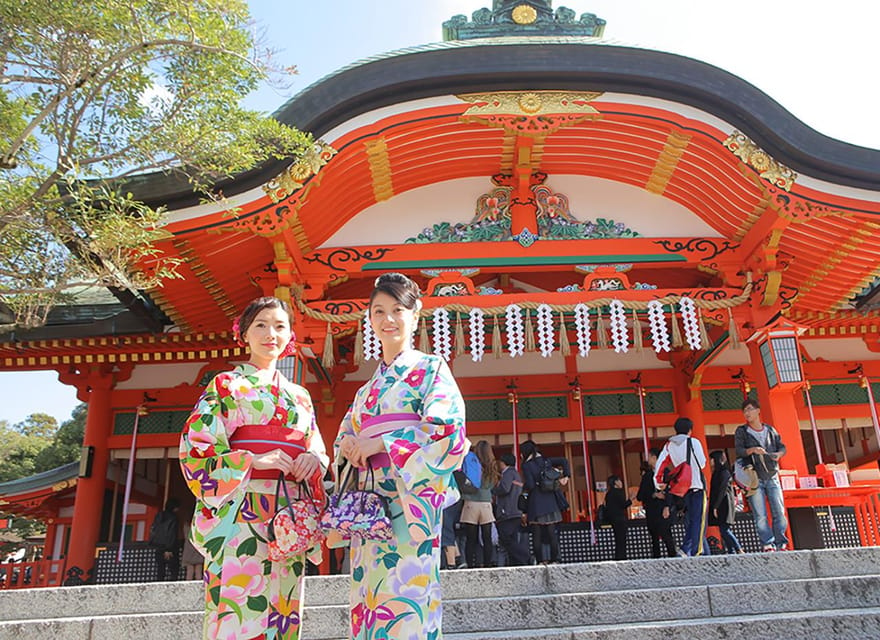
Choose your appointment before arranging other sightseeing. The tea times are fixed, and late arrival can cut short both parts of the activity.
Arrive early at the shop, especially if you are using the bus. Wear or bring whatever you need to stay comfortable under the kimono, and plan a route with reasonable walking distances.
If you want hair styling, ask for it when arranging the booking or confirm the 1,650-yen supplement. Do not assume it is included because the costume is included.
For summer visits between June 1 and September 15, consider the yukata plan. It is intended for warmer weather and may be easier for a long afternoon walk. For cooler seasons, the standard kimono provides the more classic look.
Free cancellation is available up to 24 hours before the activity for a full refund, and you can reserve now and pay later. Those terms help if your Kyoto schedule is still moving, but they do not remove the need to protect the fixed appointment time once you decide to go.
Should you book this Kyoto tea and kimono experience?
Book it if you want an easy, family-friendly way to combine traditional dress, matcha, and the Kiyomizu-dera district. It is especially suitable for first-time Kyoto visitors, families with children aged five and up, and anyone who wants the costume to remain useful for sightseeing instead of returning it immediately after tea.
Think twice if your priority is a serious tea ceremony, a private session, or a quiet setting with lengthy instruction. The short format and tourist-oriented setup are part of the deal.
For most people, the best value comes from treating this as a half-day Kiyomizu-dera outing with a cultural activity in the middle. Dress up, enjoy the matcha and sweets, then use the remaining rental time to explore the old lanes at a relaxed pace.
FAQ
Where does the kimono rental take place?
The rental takes place at Studio Shiki, also called Rental Kimono Shiki Sakura, in Kyoto’s Kiyomizu-dera area.
How far is the studio from Kiyomizu-dera Temple?
The studio is about a three-minute walk from Kiyomizu-dera Temple.
Where does the tea ceremony take place?
The matcha experience takes place at the Akebonotei tea ceremony parlor, about a three-minute walk from the rental studio.
What is included in the rental?
The rental includes a kimono, obi, underwear, bag, and sandals. The seasonal yukata plan is available from June 1 through September 15.
Is hair styling included?
No. Hair styling is not included. A price of 1,650 yen has been quoted for the service.
How long can I keep the kimono?
If you rent a kimono, you can enjoy it until 5pm.
Can children participate?
Children aged five and up can participate. Children under five are not allowed.
Can pregnant women join?
No. Pregnant women are not permitted to participate.
What happens if I arrive late?
If you are late for either the kimono appointment or the matcha experience, you may have to join partway through or may not be able to participate.
More Geisha Experiences in Kyoto
- Kyoto Geisha Walking Tour: Gion District & Hidden Gems
★ 4.7 · 3,273 reviews - Kyoto: Gion Magical Night Walking Tour with Geisha Trivia
★ 4.9 · 2,393 reviews - Kyoto: Gion Geisha District Walking Tour – Stories of Geisha
★ 4.7 · 2,187 reviews - Best of Kyoto: Gion, Geisha, Pagodas & Cobblestones
★ 4.9 · 2,058 reviews
More Tea Ceremony Experiences in Kyoto
- Kyoto: Tea Ceremony in a Traditional Tea House in Kiyomizu
★ 4.9 · 3,519 reviews - Kyoto: Tea Ceremony Ju-An at Jotokuji Temple
★ 4.9 · 3,207 reviews - Kyoto: 45-Minute Tea Ceremony Lesson Experience
★ 4.3 · 2,378 reviews - Kyoto: Table-Style Tea Ceremony at a Kyo-Machiya
★ 4.9 · 1,211 reviews
Just added around Kyoto
- Sekka Cotton Furoshiki Class★ 5.0 · 19 reviews
- Kyoto Sword Experience – includes Museum Ticket/Ninja Experience★ 4.5 · 149 reviews
- Scenic Green Tea Fields of Hidden Kyoto & Local Tea Exp (Private)★ 5.0 · 32 reviews
- Secret Eastern Kyoto Biking Adventure★ 5.0 · 44 reviews
- Private Sake Tasting in Central Kyoto with Sake Sommelier★ 5.0 · 32 reviews
- Samurai School in Kyoto: Samurai for a Day★ 5.0 · 202 reviews
- SHIRAKAWA Japanese Culture Experiences with private English staff★ 5.0 · 16 reviews
- A Privately Guided Photoshoot in Beautiful Kyoto by a Pro★ 5.0 · 18 reviews
Geisha & Maiko Experiences, compared.

Kyoto Geisha Walking Tour: Gion District & Hidden Gems
Our verdict →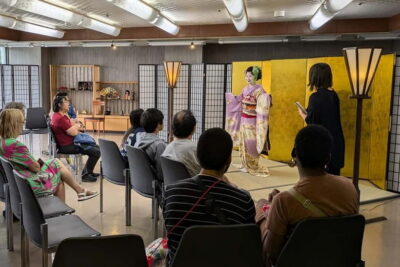
Dinner with Maiko in a Traditional Kyoto Style Restaurant Tour
Our verdict →