
Reviewed · GEISHA & MAIKO EXPERIENCES
Kyoto Geisha Walking Tour: Gion District & Hidden Gems
Gion is at its most atmospheric when lanterns begin to glow and elegantly dressed geiko and maiko move between appointments. This two-hour walk gives you the cultural background to understand what you are seeing, rather than treating Gion as a backdrop for quick photographs. You’ll visit historic lanes, temples, machiya townhouses, and quieter corners that are easy to miss alone.
I like the tour’s strong local storytelling, especially the way guides such as Michael explain geisha traditions, Kyoto history, and modern life in Gion. I also like the useful food, bar, shopping, and sightseeing suggestions shared at the end. The main consideration is simple: seeing a geiko or maiko is possible, not promised, and the walk is not suitable for wheelchair users or people with mobility limitations.
Key points to know before you book
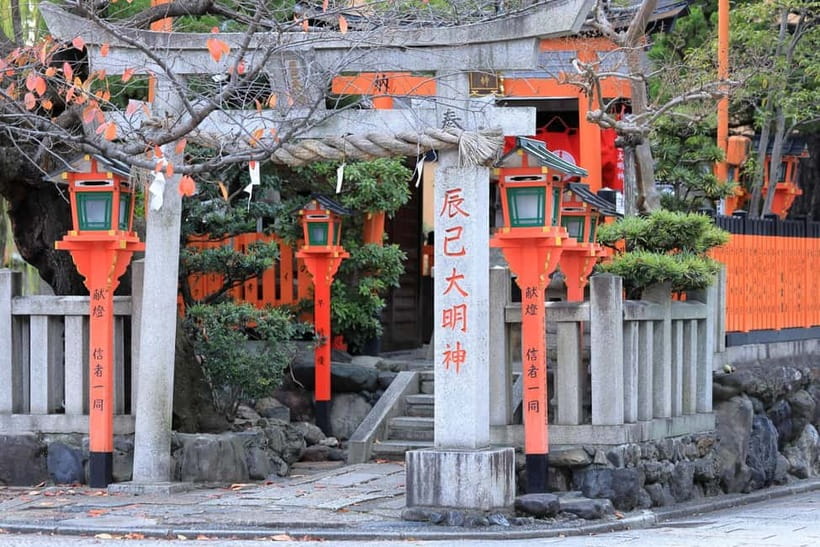
- Lantern-lit Gion: Evening departures offer the district’s most atmospheric light, while a 3:00 p.m. start gives you more daylight for photographs.
- More than a geisha hunt: You learn the meaning behind geiko and maiko traditions, not just where to stand with a camera.
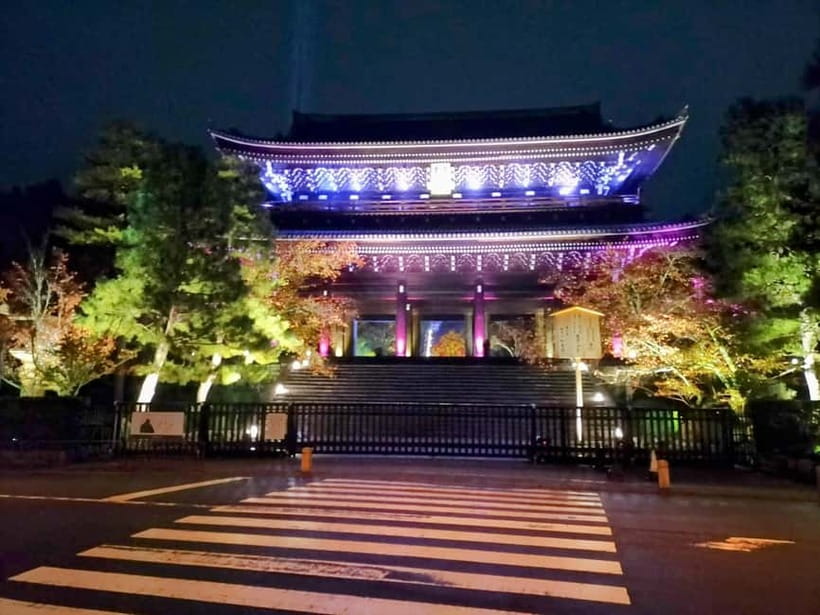
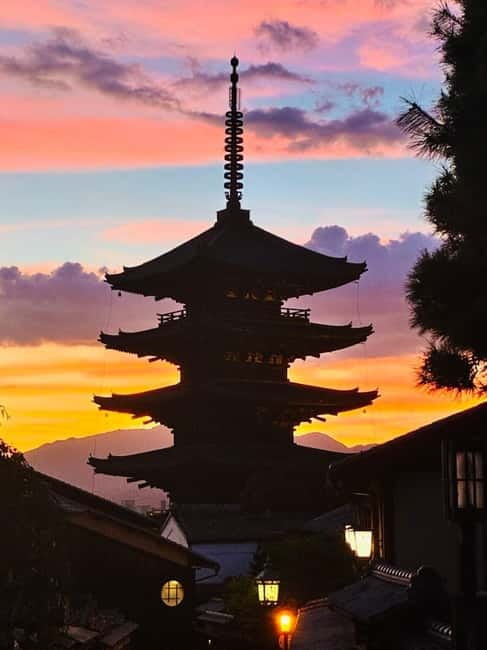
- Important Kyoto sights: The walk can include Hokan Ji Pagoda, Kennin-ji Temple, and Chion-in Temple, along with preserved machiya houses and tea houses.
- Guides who add practical value: Michael, Anton, Yuri, Ikuro, and other English-speaking guides are praised for clear explanations and useful recommendations.
- A low-cost introduction: At $25 for two hours, this is a sensible first look at Gion before you explore the district on your own.
- Walking is the point: Expect a fair amount of time on foot, with no stated accommodation for wheelchairs or significant mobility needs.
What this Gion walk actually gives you
Gion can look simple at first glance: narrow lanes, dark wooden facades, paper lanterns, and visitors hoping to catch sight of a geiko. The trouble is that the district’s meaning is easy to miss if you only follow the busiest photo stops.
This tour gives you a framework. Your guide explains how Kyoto’s entertainment quarters developed, how geiko and maiko fit into that world, and why the district still matters today. You also hear about architecture, temple grounds, local customs, and the difference between seeing a traditional neighborhood and treating it like a film set.
That context is the tour’s real value. A short walk through Gion alone can be beautiful, but a guide helps you notice why a doorway is designed a certain way, what a machiya townhouse tells you about older Kyoto, and why some tea houses are deliberately discreet.
The experience is conducted in English and costs $25 per person. For that price, I see it as an orientation walk rather than a complete cultural program. You are not attending a private geiko performance, entering exclusive tea houses, or receiving a long meal. You are paying for two hours of focused guidance through one of Kyoto’s most important districts.
More Hidden Gems Tours in Kyoto
- Private Kyoto Tour with a Local, Highlights & Hidden Gems, Personalised
★ 5.0 · 1,543 reviews - Arashiyama Bamboo Forest & Hidden Gems Bike Tour (Early Bird)
★ 5.0 · 613 reviews - Kyoto: Hidden Gems E-Bike Tour with Local Japanese Guide
★ 4.9 · 189 reviews
Meeting beside Hotel Alza Kyoto
The meeting point is on the side street next to Hotel Alza Kyoto. Look for the red parasols or umbrellas with marble seats beneath them.
That landmark matters because Gion’s streets can feel confusing, especially after dark. Give yourself enough time to find the hotel and identify the red umbrellas rather than arriving at the last moment. Once the walk begins, you should expect to stay with the group on foot for the full two hours.
The tour is available at different starting times, depending on the date. A 3:00 p.m. departure gives you useful daylight for buildings and photographs. One visitor specifically found that later departures lost some daylight, while another found 6:00 p.m. ideal because the area was quieter and there was more space to ask questions.
My practical advice is to choose based on your priorities. Pick mid-afternoon if temples, architecture, and clear photographs matter most. Choose early evening if you want lanterns, a calmer mood, and a better sense of Gion after work begins. In winter, remember that two hours outside can feel very cold. One person specifically wished for a warm-up stop, so dress for the conditions.
Walking the cobbled lanes of Gion
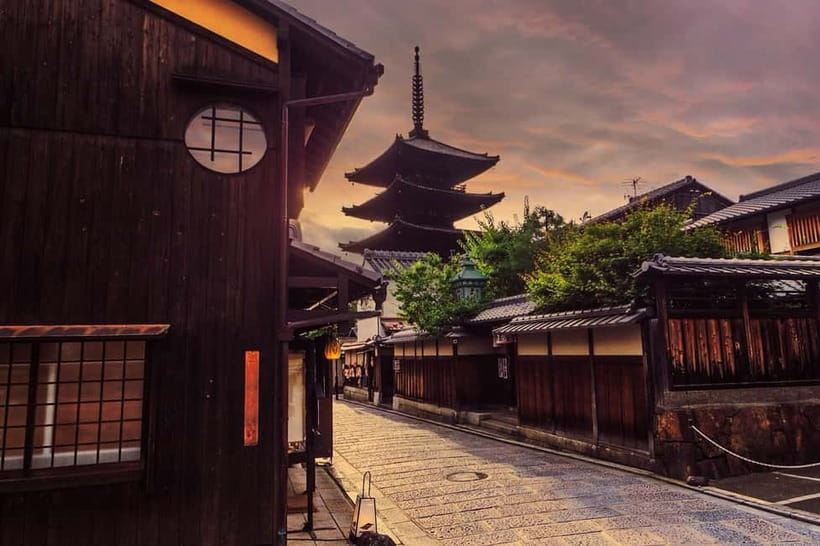
The first part of the walk introduces Gion through its streets and traditional buildings. The cobblestones, wooden facades, narrow entrances, and paper lanterns create the setting people hope to find in Kyoto, but the guide adds the details that photographs cannot provide.
You will see preserved machiya townhouses and boutique-style shops. Machiya are especially useful for understanding how homes and businesses once shared tight urban spaces. Their fronts are narrow, and their long layouts run back from the street. The tour does not just point at these buildings. It connects them to the way the district worked and to the traditions that remain visible today.
You also pass tea houses where geiko perform for private clients. These are not ordinary sightseeing venues, and you should not expect to enter or watch a performance during this walk. Their value here is as part of Gion’s working culture. Your guide can explain why access is limited and how the district’s entertainment traditions function in modern Kyoto.
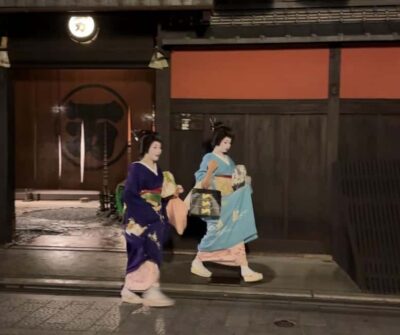
This is also where you need good manners. If you see a geiko or maiko heading to an appointment, keep your distance and follow your guide’s instructions. A sighting can be memorable, but these women are moving to work, not posing for tourists. The tour’s best approach is respectful observation, not chasing or blocking them.
Understanding geiko and maiko beyond the costume
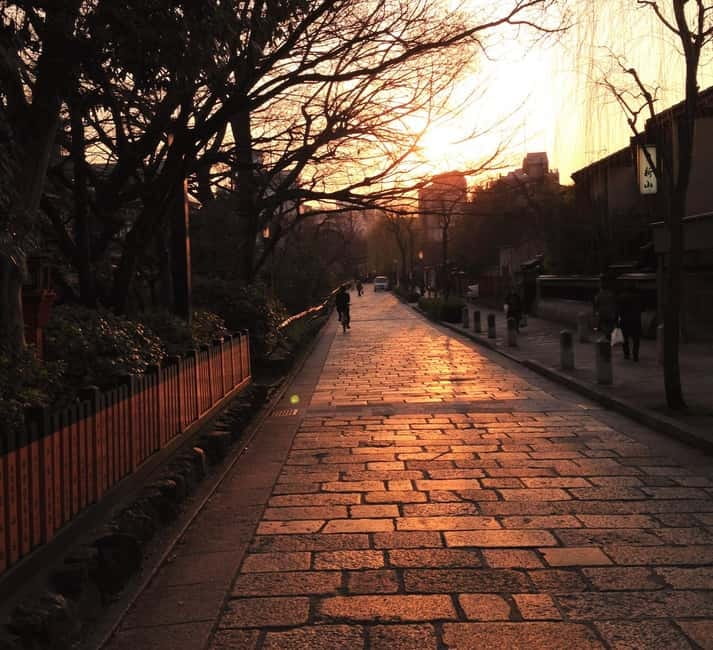
Many visitors arrive knowing only the popular image: elaborate hair, painted faces, colorful kimono, and wooden sandals. The tour goes further by explaining the origins of geisha culture, its role in Kyoto, and its place in present-day society.
The terms geiko and maiko are important in Kyoto. Geiko refers to the skilled traditional entertainers, while maiko are apprentices in Kyoto’s tradition. The clothing and makeup are easy to notice, but the training, performance skills, and social setting are harder to understand without explanation.
Your guide also puts the district into a wider Japanese context. That helps correct the usual tourist shortcut, where every woman in kimono is assumed to be a geisha and every old-looking lane is treated as a stage. The emphasis here is on people, work, tradition, and change.
Michael receives especially strong praise for making this material clear and engaging. Several groups found him warm, funny, and easy to understand, with one person noting that his explanations extended beyond geiko culture into Japanese history and daily life. Anton and Yuri are also named as guides who delivered personable and informative walks, while Ikuro is praised for making the tour interesting and respectful.
Because guides can differ, the precise tone will depend on who leads your departure. Still, the repeated strength is clear: this is a guide-led history walk first, with the chance of seeing geiko or maiko as an added possibility.
More Walking Tours in Kyoto
- Kyoto: Gion Magical Night Walking Tour with Geisha Trivia
★ 4.9 · 2,393 reviews - Kyoto: Gion Geisha District Walking Tour – Stories of Geisha
★ 4.7 · 2,187 reviews - Night Walk in Gion: Kyoto’s Geisha District
★ 4.5 · 2,003 reviews - Kyoto Gion Geisha District Walking Tour – The Stories of Geisha
★ 5.0 · 1,441 reviews
Hokan Ji Pagoda and the best photo stops
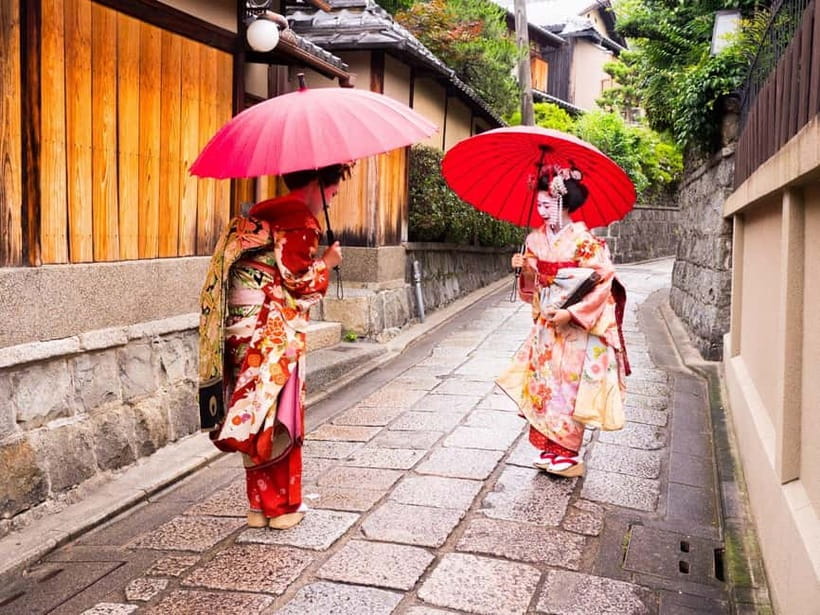
Hokan Ji Pagoda, often called Yasaka no To, is one of the most recognizable sights in this part of Kyoto. Its shape rises above the surrounding streets and gives the walk a strong visual anchor.
The tour includes opportunities to photograph the pagoda and other off-the-main-road locations. That is useful because Gion’s most famous views can become crowded, and a guide can direct you toward angles or streets you might not find by simply following a map.
Still, keep your expectations realistic. This is a walking tour, not a dedicated photography workshop. The guide’s job is to explain the district and keep the route moving, so you will have time for photographs but not unlimited time at every viewpoint.
The best pictures may come from the ordinary details: a lantern over a doorway, a quiet lane, a row of wooden facades, or the contrast between an old townhouse and modern Kyoto life. I like that the experience treats these details as part of the story rather than racing from one famous building to the next.
Kennin-ji, Kyoto’s oldest Zen temple
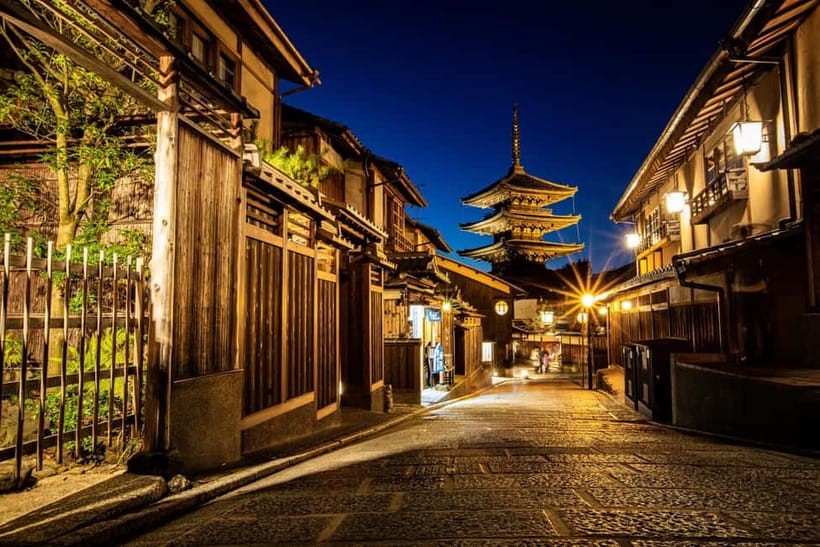
Kennin-ji is another important stop. It is described as the oldest Zen temple in Kyoto, and its grounds offer a quieter change from Gion’s narrow streets.
A temple stop gives the walk some breathing room. Instead of focusing only on entertainment culture, you see the religious and architectural setting that surrounds it. Your guide can connect the temple, the district, and Kyoto’s broader past, helping you understand that Gion is not an isolated attraction. It sits within a city shaped by temples, artistic traditions, commerce, and court culture.
Kennin-ji also gives you a chance to slow down and look carefully. Temple grounds reward attention to layout, gates, gardens, and the way buildings frame open space. The tour description does not promise entry to every interior or specific temple ceremony, so think of this as a guided look at the site and its place in the route.
If you want to spend a long, quiet period at Kennin-ji, plan to return on your own. Two hours is enough for an introduction, not a full study of every temple detail.
Chion-in and a broader view of Kyoto
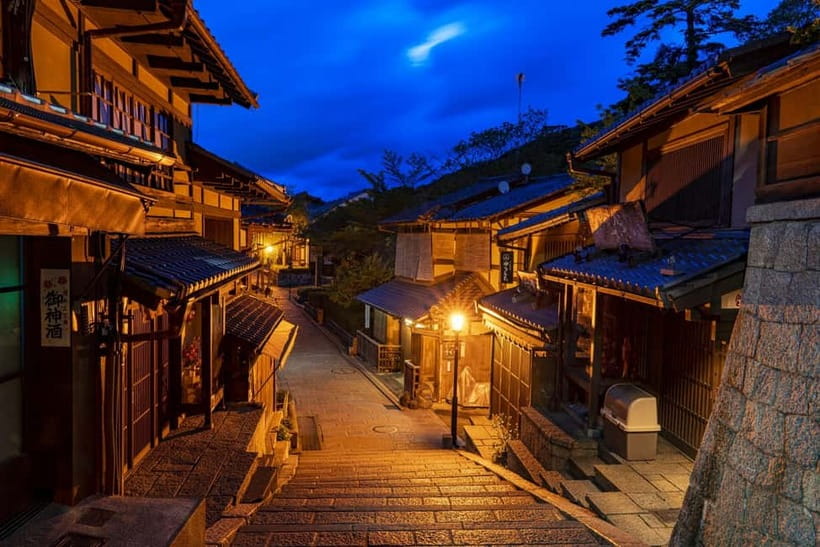
Chion-in is described as an often overlooked stop, with three designated national treasures within its large temple grounds. That makes it a useful contrast to the famous streets of Gion.
The scale of Chion-in helps you see another side of Kyoto. Gion feels intimate and tightly packed, while temple grounds give you space, height, and a slower rhythm. The guide explains the site’s place in Kyoto’s religious and cultural story, adding weight to the walk beyond geiko sightings and photo opportunities.
Again, keep the route in mind. A two-hour tour that includes several districts, temples, and cultural explanations cannot give every site the time of a dedicated temple visit. If Chion-in becomes a highlight for you, note what you see and return later with more time.
This is one reason I recommend taking the walk near the start of your Kyoto stay. You can use the route as a map for the rest of your visit. The guide may show you places that deserve a second look, and you will have a better sense of where to spend your free hours.
Why the final recommendations are worth hearing
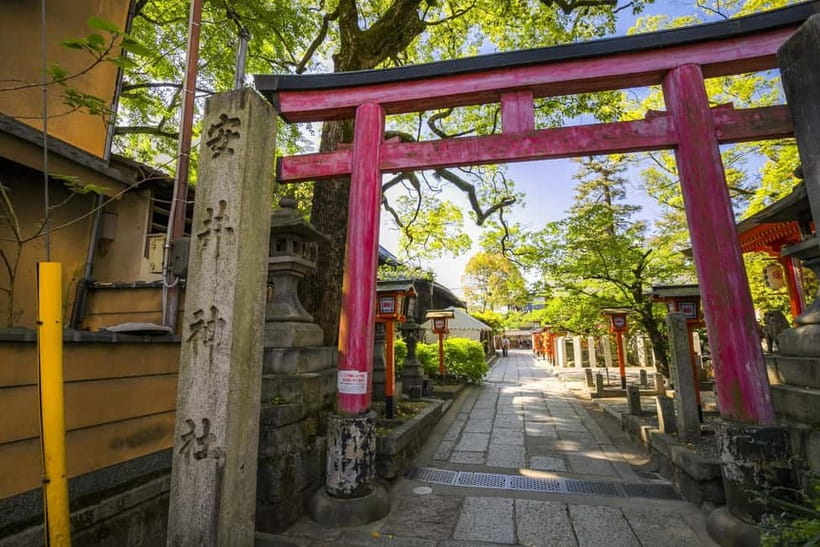
Near the end, the guide shares personal suggestions for restaurants, bars, shops, and other sights. This part may sound like a small extra, but it can be one of the most useful features of the tour.
Gion has many places aimed at visitors, and choosing well can be difficult if you are unfamiliar with Kyoto. A guide who knows the area can help you decide where to eat after the walk, what nearby attractions fit your interests, and which activities deserve time later in your trip.
The advice can also shape the rest of your day. Several people planned to eat after the tour, and one specifically suggested doing the walk before dinner. That makes sense: you finish in a neighborhood filled with places to continue your evening, while the guide’s suggestions are still fresh.
You should ask direct questions. If you want a particular type of food, a quieter bar, shopping, pottery, or a nearby activity, say so. The guide’s recommendations are most useful when they respond to your plans rather than remaining a general list.
Group size, pace, and physical effort
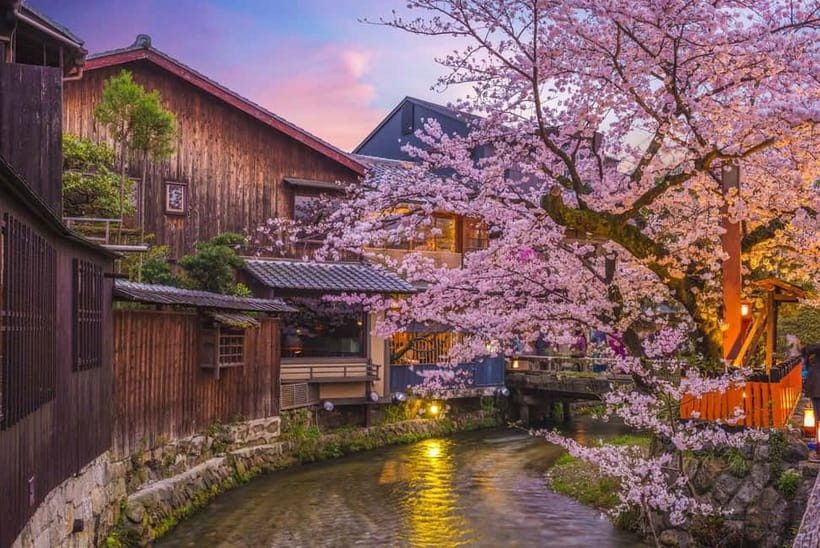
The exact group size can vary. Some departures have been small enough to feel almost private, and that creates more room for questions and personal suggestions. A larger group may feel less intimate, but the route remains manageable because the activity lasts two hours.
The pace is generally described as comfortable rather than rushed. That does not mean it is effortless. You will walk on cobbled streets and spend much of the time standing outdoors. One person called it a walk with lots of walking, which is an obvious point but an important one if you have already spent the day on your feet.
The activity is not suitable for wheelchair users or people with mobility impairments. The supplied information does not promise step-free access, seating, or transport between stops, so anyone concerned about walking should choose carefully.
Comfortable shoes are the sensible choice. In colder months, wear enough clothing for an outdoor evening and remember that a two-hour route may not include a café stop. In warm weather, the same walking time can feel demanding, so plan accordingly.
Is $25 good value?
At $25, this is inexpensive for a guided introduction to Gion. You are getting two hours with an English-speaking guide, cultural explanation, historic sites, photo opportunities, and practical advice for the rest of your trip.
The value is strongest if you are new to Kyoto. You could walk through Gion for free, but you would likely miss much of the meaning behind the tea houses, machiya, temples, and geiko traditions. The guide turns a scenic stroll into a structured introduction.
The price is less compelling if you already know Gion well or want a private geiko performance. This tour does not include a meal, transport, temple admission details beyond what is covered in the walk, or a guaranteed encounter with a geiko or maiko.
With a 4.7 rating from 3,273 reviews, the experience has a strong record of satisfaction, particularly for guide quality, historical explanation, and recommendations. I would still judge it by what you want from the afternoon or evening. It is a low-cost cultural orientation, not a luxury night in Kyoto’s entertainment world.
Who should book this walk
I would choose this tour if you want a clear introduction to Gion before exploring alone. It suits first-time visitors, history fans, photographers who want better context, and anyone curious about geiko culture but wary of shallow sightseeing.
Families can also find it useful. One guide was specifically praised for working well with children, and the walk’s mix of stories, buildings, temples, and people-watching gives younger visitors several ways to stay interested.
It is also a good fit if you want recommendations for the rest of your stay. Guides such as Michael have been especially helpful with food, attractions, and local activities, and the small-group setting can make it easy to ask questions.
I would skip it if you dislike walking, need guaranteed indoor shelter, or expect a geiko performance. I would also avoid making a geiko sighting the sole reason for booking. Let the history, architecture, and atmosphere carry the experience, and treat any encounter as luck.
Free cancellation is available up to 24 hours before the tour, and you can reserve now and pay later. Those terms make it easier to fit the walk into a changing Kyoto schedule.
Final call: book it for context, not certainty
Book this tour if you want Gion to make more sense. The strongest features are the guides’ clear explanations, the chance to see quieter streets and important temples, and the useful recommendations that can improve the rest of your Kyoto visit.
Choose an afternoon start for daylight and photographs, or an evening departure for lanterns and a calmer mood. Wear good shoes, dress for the weather, and remember that geiko sightings are never guaranteed.
For $25, I think it is a smart first look at Gion, especially with a guide such as Michael, Anton, Yuri, or Ikuro leading the walk. Just come for the culture and setting, not a promised celebrity sighting.
FAQ
How long is the Kyoto Geisha Walking Tour?
The tour lasts two hours.
How much does the tour cost?
The price is $25 per person.
Is the tour conducted in English?
Yes. The tour includes a live English-speaking guide.
Will I definitely see a geiko or maiko?
No. The tour gives you an opportunity to spot geiko and maiko as they travel to appointments, but sightings are not guaranteed.
Where is the meeting point?
Meet on the side street next to Hotel Alza Kyoto. Look for the red parasols or umbrellas with marble seats underneath.
Is the tour suitable for wheelchair users?
No. The activity is not suitable for wheelchair users or people with mobility impairments.
More Geisha Experiences in Kyoto
- Best of Kyoto: Gion, Geisha, Pagodas & Cobblestones
★ 4.9 · 2,058 reviews - Kyoto Gion: 2-Hour Geisha Culture & History Walking Tour
★ 5.0 · 1,186 reviews - Kyoto Gion Night Walk & Geisha District Guided Tour
★ 5.0 · 786 reviews - Kyoto Gion Cultural Walk & Geisha Show with Dining Options
★ 5.0 · 518 reviews
Just added around Kyoto
- Sekka Cotton Furoshiki Class★ 5.0 · 19 reviews
- Kyoto Sword Experience – includes Museum Ticket/Ninja Experience★ 4.5 · 149 reviews
- Scenic Green Tea Fields of Hidden Kyoto & Local Tea Exp (Private)★ 5.0 · 32 reviews
- Secret Eastern Kyoto Biking Adventure★ 5.0 · 44 reviews
- Private Sake Tasting in Central Kyoto with Sake Sommelier★ 5.0 · 32 reviews
- Samurai School in Kyoto: Samurai for a Day★ 5.0 · 202 reviews
- A Privately Guided Photoshoot in Beautiful Kyoto by a Pro★ 5.0 · 18 reviews
- Samurai Performance and Casual Experience: Kyoto Ticket★ 4.5 · 115 reviews
Geisha & Maiko Experiences, compared.
Gion Magical Night Walking Tour with Geisha Trivia
Our verdict →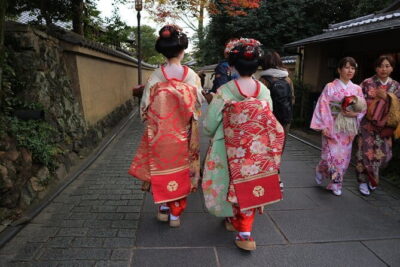

Browse the lists this tour appears in