
Reviewed · TEA CEREMONY EXPERIENCES
Kyoto: Kimono Tea Ceremony at Orizuruya Gion
Kyoto’s Orizuruya Gion experience gives you a traditional look, a quiet tea room, and a real task to perform: whisking your own bowl of matcha. I like the choice of more than 200 kimono designs, and I like that the instructor explains the ceremony so you can take part without worrying about a cultural misstep.
The small group, capped at 10, keeps the lesson personal. Simple hairstyling is included for women, and an early appointment may let you keep the kimono until 5 p.m. for a walk around Gion. The main drawback is that the dressing process takes time, and sitting formally for the ceremony may be uncomfortable for some people.
Key points to know before booking
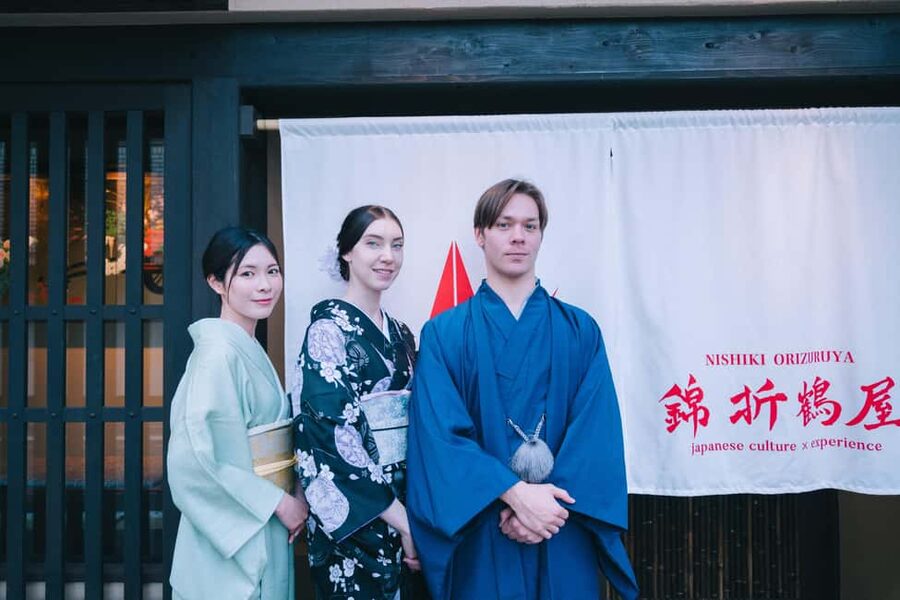
- Choose from over 200 kimonos: Staff help you select and dress in a traditional outfit.
- Try making matcha yourself: You learn to use a bamboo whisk, not just watch a demonstration.
- Add calligraphy for two hours: The longer option includes a Japanese calligraphy lesson and supplies.
- Small groups matter: A maximum of 10 participants leaves room for questions and individual help.
- Use the location well: Orizuruya Gion is a short walk from both Gion-Shijo and Kyoto-Kawaramachi stations.
- Plan an early start: Keeping the kimono until 5 p.m. can turn a 90-minute activity into a half-day Gion outing.
Arriving at Orizuruya Gion
The meeting point is Gion Oritsuruya at 572-7 Minamigawa, Gion-machi, in Kyoto’s Higashiyama district. It is about a seven-minute walk from Keihan Gion-Shijo Station and about 10 minutes from Hankyu Kyoto-Kawaramachi Station.
This is a useful location for a Kyoto day plan. You can pair the activity with time in Gion before or after the ceremony, rather than spending much of the day getting across the city. Allow a few extra minutes to find the address, especially if you are walking from a station with luggage or arriving during a busy sightseeing period.
The activity is conducted in English. Staff members handle the practical work of dressing, while the instructor leads the tea lesson and explains the meaning behind the movements. English ability may vary among the dressing staff, but the process is hands-on and guided closely.
More Kimono Experiences in Kyoto
- Kimono Tea Ceremony at Kyoto Maikoya, NISHIKI
★ 5.0 · 911 reviews - Kyoto: Kimono Rental with Hairstyling and Accessories
★ 4.8 · 653 reviews - KYOTO Tea Ceremony with kimono near by Imamiya Jinjya Shrine
★ 5.0 · 343 reviews
Choosing a kimono from more than 200 designs
The first major part of the visit is choosing what to wear. With more than 200 designs available, you have room to pick a color and pattern that suits you rather than simply accepting a standard outfit.
The staff then dress you in the kimono. This is not a quick costume change. Traditional clothing has several layers and must be arranged properly, so the attendants do the work while you follow their directions. That makes the experience easier for first-time participants and helps the finished outfit look neat in photographs.
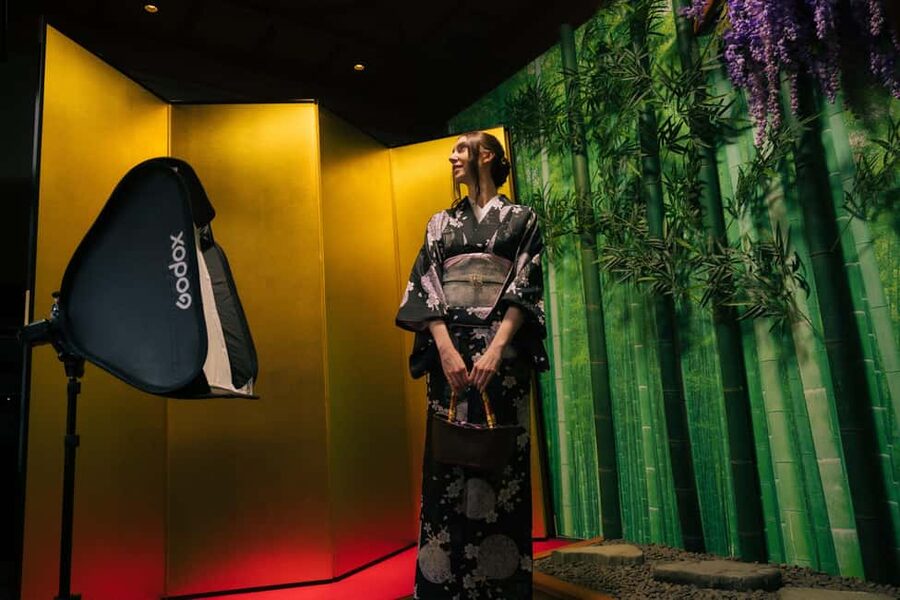
For women, simple hairstyling is included. This small addition matters because the hair arrangement helps the kimono look complete, and it saves you from having to book a separate salon appointment. The staff also take photographs, giving you a chance to record the finished look before moving into the tea room.
The dressing area is one of the most enjoyable parts for many people, but it is worth setting your expectations. You are being prepared for a cultural activity, not fitted for a custom garment. The process is efficient and professional, with the emphasis on helping you feel comfortable and ready.
Entering the tea room and learning the customs
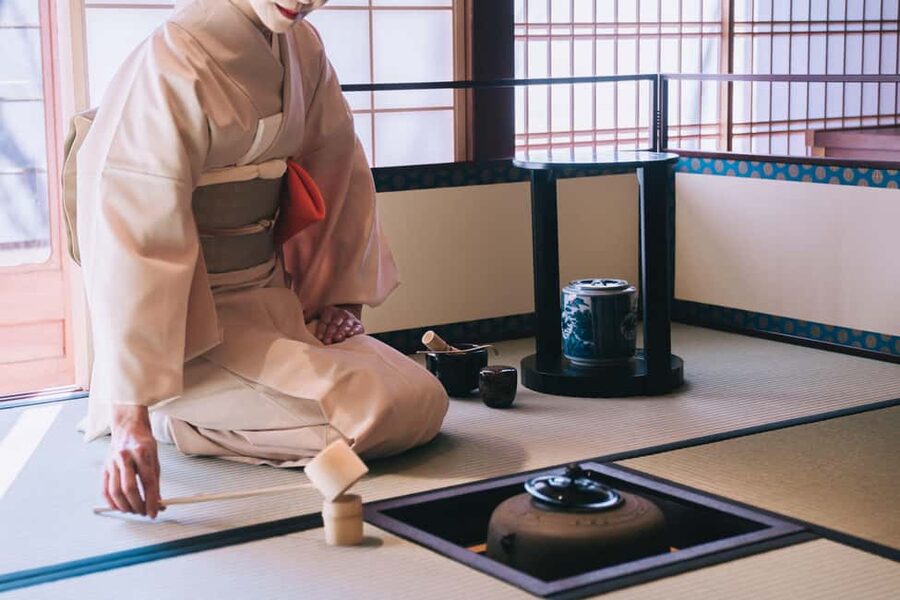
Once dressed, you move into a quiet tea room for the ceremony. The instructor explains the sequence and the purpose of the movements, so you are not left guessing when to bow, how to handle the bowl, or what to do with the sweets.
That explanation is important. A tea ceremony can look simple from the outside, but the order of actions and careful handling of the utensils give it its meaning. You do not need prior knowledge, and you are not expected to perform perfectly. The lesson gives you enough context to participate respectfully.
The ceremony also offers a calmer pause in a Kyoto itinerary. Gion can be crowded and noisy, but the tea room asks you to slow down and pay attention to small actions. The instructor’s guidance helps keep the mood relaxed rather than stiff or overly formal.
The exact ceremony is designed for an international audience, so it is an introduction rather than an advanced study of tea practice. That is a strength for most people visiting Kyoto for a short stay. You receive cultural context and a chance to participate without needing to commit to a lengthy formal course.
Making your own bowl of matcha
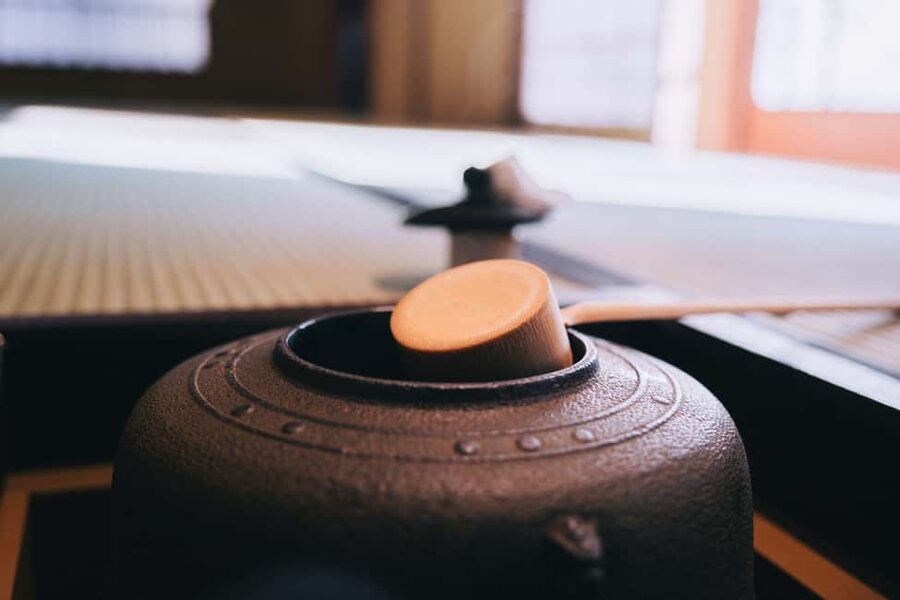
The hands-on matcha lesson is the heart of the activity. You learn how to prepare the tea with a traditional bamboo whisk, called a chasen, then make your own bowl.
The instructor demonstrates the technique before you try it. You can focus on the motion of the whisk, the texture of the tea, and the small details of handling the bowl. This gives you a skill to take home, even if your first bowl is not as smooth as the instructor’s.
Your matcha is served with wagashi, a Japanese sweet from a century-old confectionery. The sweet balances the tea’s bitter, grassy taste and helps explain the traditional pairing. Snacks and matcha are included in the price, so you are not paying extra for the tasting portion.
I like this format because it avoids turning the ceremony into a passive show. You watch, listen, and then do the work yourself. The task is simple enough for beginners, but it still gives the experience a sense of purpose.
More Tea Ceremony Experiences in Kyoto
- Kyoto: Tea Ceremony in a Traditional Tea House in Kiyomizu
★ 4.9 · 3,519 reviews - Kyoto: Tea Ceremony Ju-An at Jotokuji Temple
★ 4.9 · 3,207 reviews - Kyoto: 45-Minute Tea Ceremony Lesson Experience
★ 4.3 · 2,378 reviews - Kyoto: Table-Style Tea Ceremony at a Kyo-Machiya
★ 4.9 · 1,211 reviews
Adding Japanese calligraphy to the two-hour option
The standard kimono tea ceremony lasts about 90 minutes. You can also choose the tea ceremony and Japanese calligraphy option, which lasts about two hours.
Calligraphy adds a separate creative lesson rather than simply extending the tea ceremony. You receive a calligraphy set and guidance from the teacher. The activity requires patience and careful control, and it can be especially appealing if you want something tangible to remember the visit.
Several participants have found the calligraphy portion to be the highlight. That makes the longer option worth considering if you enjoy hands-on crafts or want more time in the kimono. It also gives families, couples, and friends a second activity to share after the tea lesson.
The calligraphy option is not necessary for understanding the tea ceremony. If your schedule is tight, the 90-minute version gives you the central experience. If you have room for two hours, calligraphy adds variety and makes the visit feel less like a single demonstration.
Why the small group makes a difference
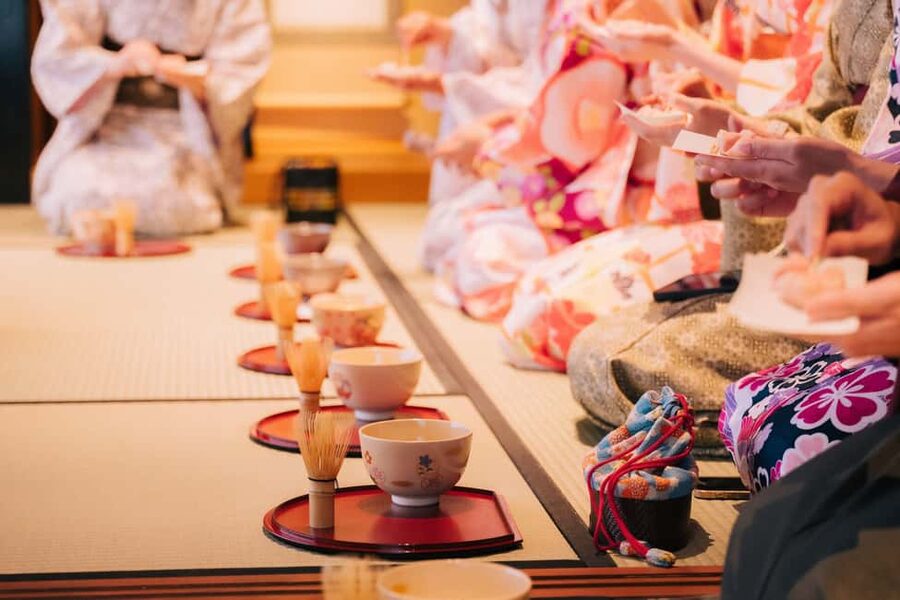
The group limit is 10 people. That is large enough to create a social atmosphere, but small enough for the instructor to explain the steps and respond to questions.
The practical benefit appears during the matcha lesson. Everyone needs a chance to handle the whisk, prepare tea, and receive correction if necessary. A very large class would turn that into a quick turn at a shared station. Here, the smaller format supports a more relaxed pace.
You may even find the group smaller than the maximum. One booking described a private-feeling session with only one participant and an individual host. That cannot be promised, but the limit gives the activity a better chance of feeling personal than a large cultural show.
The small group also helps with photographs and dressing assistance. Staff can pay attention to how the kimono sits and help you feel at ease before the ceremony begins.
The bonus of wearing the kimono around Gion
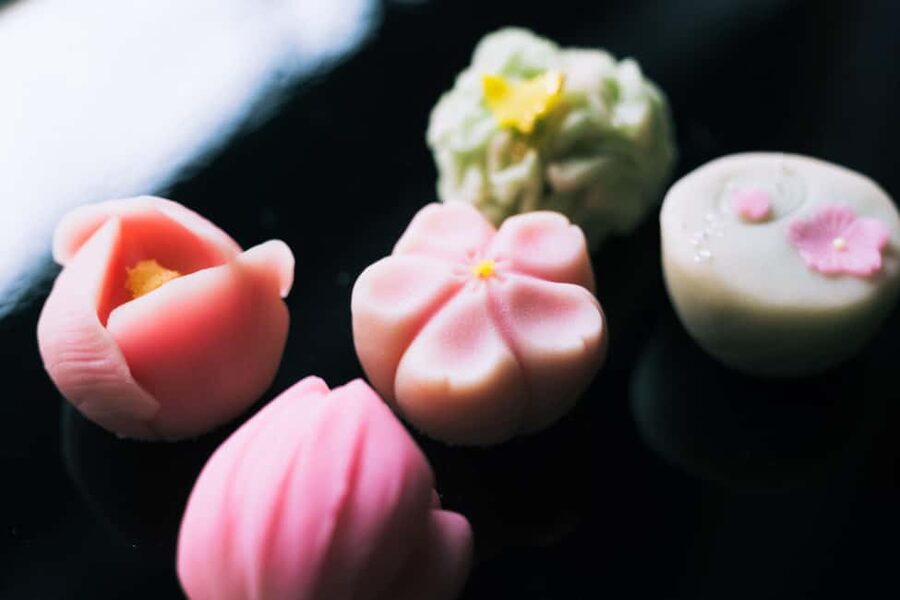
A useful feature is the chance to keep wearing the kimono after the ceremony. Early bookings have allowed participants to keep the outfit until 5 p.m., giving you time to walk around Gion and take photographs.
This changes the value calculation. At $49 per person, the activity already includes the kimono set, dressing, hairstyling for women, tea, wagashi, utensils, instruction, and fees. If you also use the kimono for several hours afterward, the price compares favorably with paying separately for a short kimono rental.
You should confirm the exact return arrangement for your chosen time slot. The experience information and recent booking details point to a return time of 5 p.m., but you should plan around the instructions given on the day.
Walking outside in traditional clothing is also different from wearing it only for staged photographs. You get a little sense of how the outfit affects your pace and posture. Keep in mind that the kimono is secured carefully and may feel restrictive, so a long walk is not the same as sightseeing in ordinary clothes.
A short visit to a nearby temple or shrine works well. One early booking described a temple about a 10-minute walk away. You can also stay in Gion for photographs, cafés, and streetside sightseeing before returning the kimono.
Is $49 a good value?

At $49 per person, the price is reasonable for the number of services bundled together. You are not paying only for a tea tasting. The fee includes the kimono rental, dressing, simple hairstyling for women, tea ceremony utensils, wagashi, matcha, an English-speaking licensed guide, and taxes.
The price is strongest for an early appointment when you can use the kimono beyond the ceremony. In that case, the experience also serves as a partial kimono rental for exploring Gion.
The calculation changes if you only want to watch a tea ceremony. A short demonstration without dressing would cost less at many cultural venues, and this experience may feel too involved if you have little interest in wearing traditional clothing.
The calligraphy option adds value for people who want a longer activity and a second skill. It is less useful if your priority is a quick, focused tea lesson before another reservation.
Who will enjoy this Kyoto experience most?
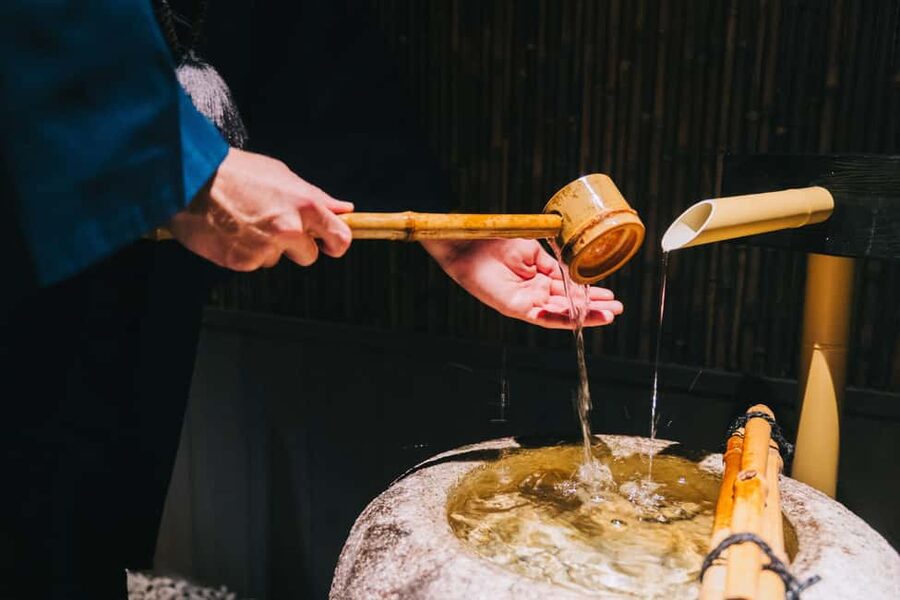
I would recommend this activity to first-time visitors who want a clear introduction to Japanese customs. You receive enough explanation to understand what you are doing, but the session does not require specialist knowledge.
It also suits couples and friends looking for photographs with more meaning than a simple costume rental. The dressing, tea preparation, sweets, and time in Gion create several different parts to the outing.
Families with older children and teenagers may enjoy it as well. The calligraphy option gives young participants another way to take part, and the instructors are described as patient and encouraging. The formal sitting and layered clothing may be less comfortable for very young children.
This is also a good choice for solo visitors. The small group keeps you involved, and a smaller-than-expected class may give you more individual attention. Staff can also take photographs, so you are not dependent on a companion.
You may want to skip it if you dislike dressing up, have difficulty sitting in a formal position, or want a purely academic discussion of tea history. The experience is practical and participatory. Its appeal comes from doing the activities, not simply hearing a lecture.
Timing, transport, and cancellation advice
The tea ceremony version lasts about one hour and 30 minutes. The calligraphy version lasts about two hours. Starting times vary, so check the available schedule before building the rest of your day.
Because the meeting point is in Gion, plan your transport separately. Your fare to and from Orizuruya is not included. Gion-Shijo is the closest listed station, while Kyoto-Kawaramachi is also within walking distance.
Comfortable clothing underneath the kimono is sensible, since the dressing process involves several layers. You should also leave enough time after the activity if you plan to return the kimono, especially if you want photographs or a short temple visit.
Cancellation is flexible: you can cancel up to 24 hours in advance for a full refund. You can also reserve now and pay later, which helps if your Kyoto plans are still changing.
Should you book Orizuruya Gion?
I would book this experience if you want one activity that combines clothing, food, instruction, photographs, and a traditional Kyoto setting. The matcha preparation gives you something to do, while the kimono time after the ceremony can make the $49 price especially attractive.
Choose the 90-minute session if you want the essential tea experience. Choose the two-hour version if calligraphy appeals to you or you want a slower, fuller cultural activity.
The main caution is comfort and time. This is not a quick photo stop, and the clothing may feel restrictive. For most visitors, though, Orizuruya Gion offers a friendly and well-organized way to approach Japanese culture without worrying about making a mistake.
FAQ
Where does the kimono tea ceremony take place?
It takes place at Gion Oritsuruya, 572-7 Minamigawa, Gion-machi, Higashiyama-ku, Kyoto-shi, Kyoto. The venue is about a seven-minute walk from Keihan Gion-Shijo Station and a 10-minute walk from Hankyu Kyoto-Kawaramachi Station.
How long does the experience last?
The kimono tea ceremony lasts approximately one hour and 30 minutes. The option that adds Japanese calligraphy lasts about two hours.
Is the activity conducted in English?
Yes. The instructor and licensed guide provide the experience in English.
What is included in the price?
The price includes the kimono set rental, tea ceremony utensil rental, matcha, wagashi sweets, simple hairstyling for women, a licensed guide, and all fees and taxes. Japanese calligraphy supplies are included only with the calligraphy option.
Can I wear the kimono after the ceremony?
Yes, the experience allows you to continue wearing the kimono after the ceremony for a walk around Gion. Booking details indicate that early appointments can allow use until 5 p.m. Confirm the return instructions for your selected time.
Can I cancel the booking?
You can cancel up to 24 hours in advance for a full refund. A reserve-now-and-pay-later option is also available.
Just added around Kyoto
- Sekka Cotton Furoshiki Class★ 5.0 · 19 reviews
- Kyoto Sword Experience – includes Museum Ticket/Ninja Experience★ 4.5 · 149 reviews
- Scenic Green Tea Fields of Hidden Kyoto & Local Tea Exp (Private)★ 5.0 · 32 reviews
- Secret Eastern Kyoto Biking Adventure★ 5.0 · 44 reviews
- Private Sake Tasting in Central Kyoto with Sake Sommelier★ 5.0 · 32 reviews
- Samurai School in Kyoto: Samurai for a Day★ 5.0 · 202 reviews
- SHIRAKAWA Japanese Culture Experiences with private English staff★ 5.0 · 16 reviews
- A Privately Guided Photoshoot in Beautiful Kyoto by a Pro★ 5.0 · 18 reviews
Tea Ceremony Experiences, compared.

Tea Ceremony in a Traditional Tea House in Kiyomizu
Our verdict →


World Heritage Kyoto & Nara Uji Authentic Matcha Experience
Our verdict →

Arashiyama Bamboo Forest, Monkeys, Matcha & Temple Tour
Our verdict →
Browse the lists this tour appears in