
Reviewed · TEA CEREMONY EXPERIENCES
Kyoto: Tea Ceremony Ju-An at Jotokuji Temple
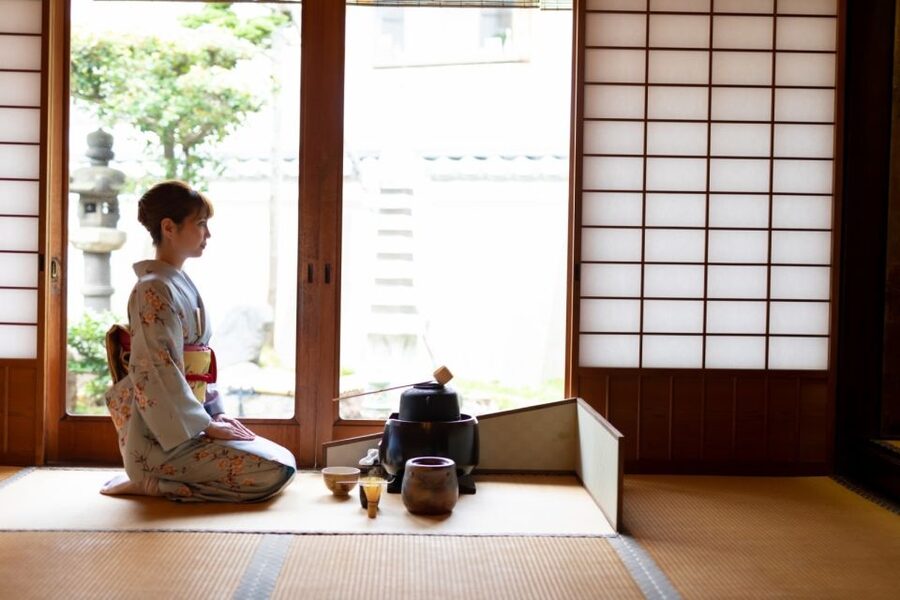
Kyoto’s tea ceremony is not just a cup of green tea. At Ju-An, inside Jotokuji Temple, you begin with a traditional purification ritual, then watch each measured movement of the Chanoyu ceremony before preparing matcha yourself. It is a calm, focused way to meet an important part of Japanese culture without giving up half a day.
I like the setting and the teaching. You pass through the temple grounds, pause by the purification fountain, and enter a tearoom where the tea master explains the meaning behind each gesture. I also like the small-group format, with up to 10 people and English guidance from hosts such as Kate and Taka.
The main drawback is practical: the tearoom has three steps and is not wheelchair accessible, even though parts of the temple are. You will also remove your shoes and sit in a traditional room, though stools and chairs can be provided if floor sitting is uncomfortable.
Key points at a glance
- Purification comes first: Begin at the temple fountain before entering the tearoom.
- Hands-on matcha making: Watch the tea master, then prepare your own tea with guidance.
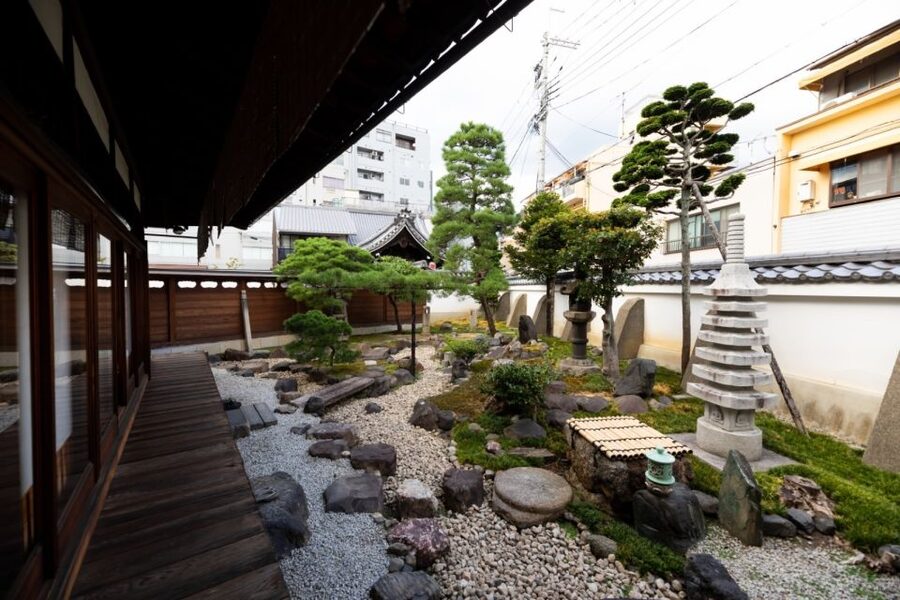
- A real temple setting: Jotokuji’s architecture and quiet grounds add weight to the ceremony.
- Useful English instruction: Kate and the tea masters explain both the actions and the ideas behind them.
- Small group, 10 people maximum: The format leaves room for questions and personal help.
- Good value at $29: A 70-minute cultural activity that includes the Chanoyu workshop, matcha, and sweets.
Why this 70-minute tea ceremony works
Many Kyoto activities give you a quick taste of tradition. Ju-An gives you a simple framework for understanding it. You do not merely watch someone whisk green tea. You learn why the room is arranged as it is, why the movements are slow and deliberate, and how the ceremony reflects respect, attention, and calm.
That matters because the formal ceremony can seem mysterious if you only see it from the outside. Here, the English-speaking guide explains the process as it unfolds. The tea master demonstrates the preparation, then helps you try it yourself. That hands-on step turns an elegant performance into something you can understand through your own movements.
The session lasts about 70 minutes. That is long enough to cover the temple setting, purification, the ceremony, the tea, and questions without becoming a four-hour formal gathering. One useful point made during the experience is that a full tea ceremony can last much longer, so this is best viewed as a well-paced introduction rather than the complete traditional event.
More Tea Ceremony Experiences in Kyoto
- Kyoto: Tea Ceremony in a Traditional Tea House in Kiyomizu
★ 4.9 · 3,519 reviews - Kyoto: 45-Minute Tea Ceremony Lesson Experience
★ 4.3 · 2,378 reviews - Kyoto: Table-Style Tea Ceremony at a Kyo-Machiya
★ 4.9 · 1,211 reviews
Entering Jotokuji Temple
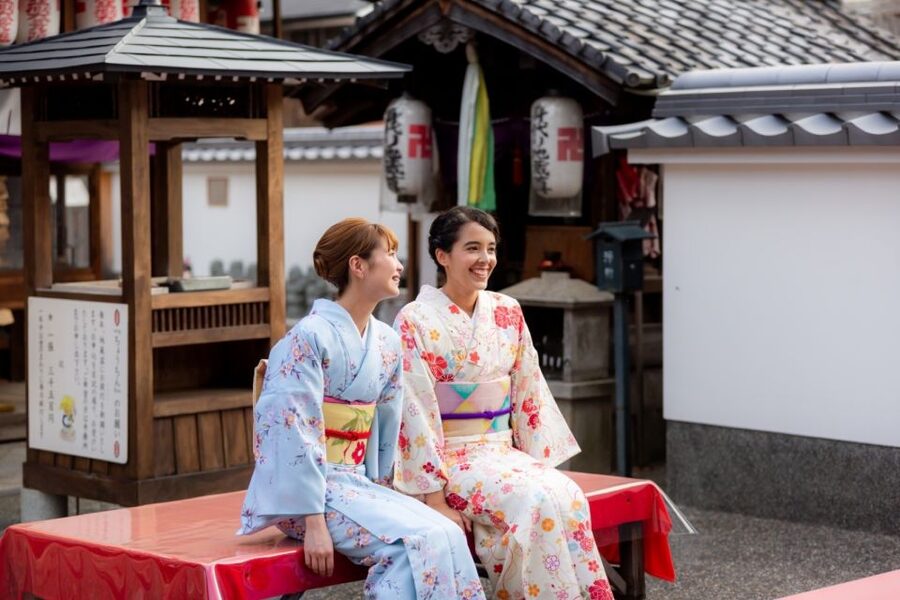
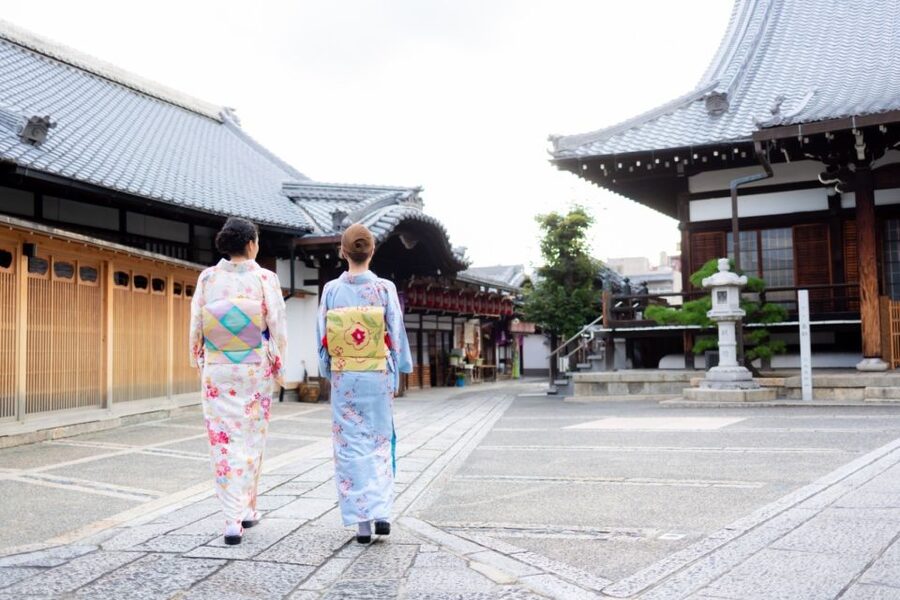
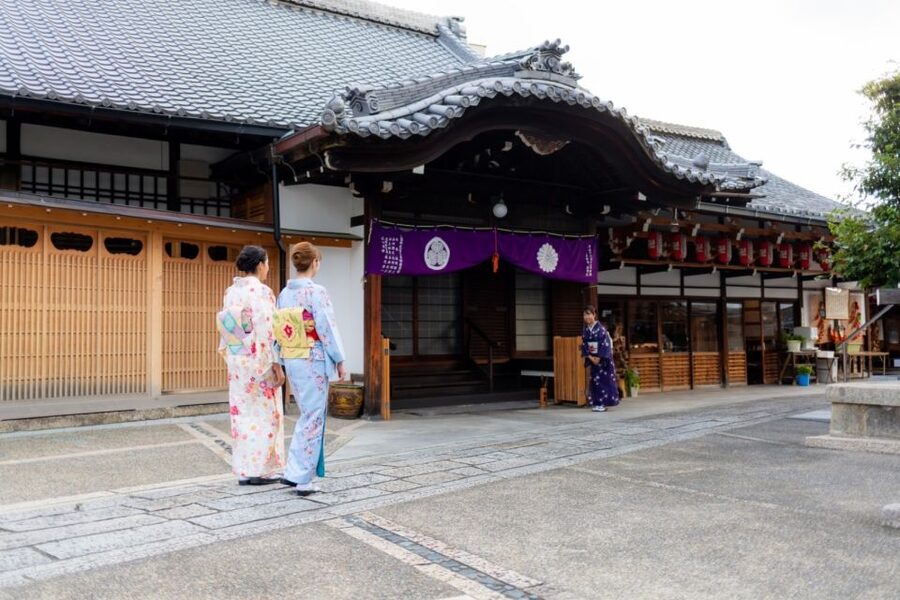
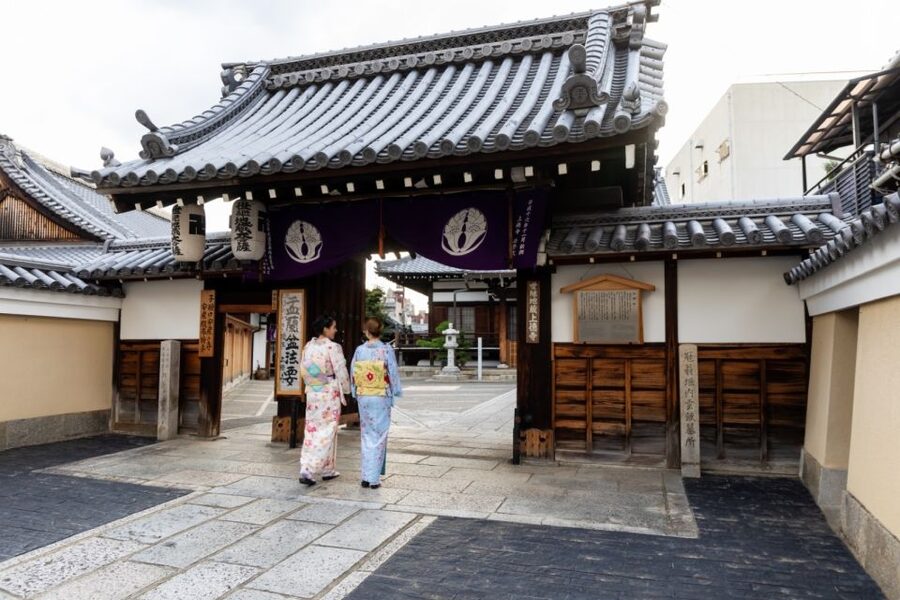
You enter through the main gates of Jotokuji Temple. The Grand Tearoom is on your left, with a parish shop beside it. The meeting point is near the red benches, where your guide waits.
This opening is part of the pleasure. Instead of stepping straight into a staged room, you first get a moment to notice the temple around you. Look at the architecture, take in the quiet, and pause at the purification fountain. If the weather is dry, you can sit on the red benches before the session begins.
Rain does not ruin the arrangement, but it changes the waiting spot. You can shelter beneath the shop’s gable or wait inside the Grand Tearoom. I would arrive with enough time to find the gates and settle in, since the temple entrance and the tearoom entrance are easy to confuse if you hurry.
Once you face the Main Hall, look to the left for a few steps leading toward the tea room. That small direction is worth remembering. The meeting address is listed as Tea Ceremony Ju-An, 556, Gojo-sagaru, Tominokoji Dori, Shimogyo-Ku, Kyoto.
The purification ritual and temple atmosphere
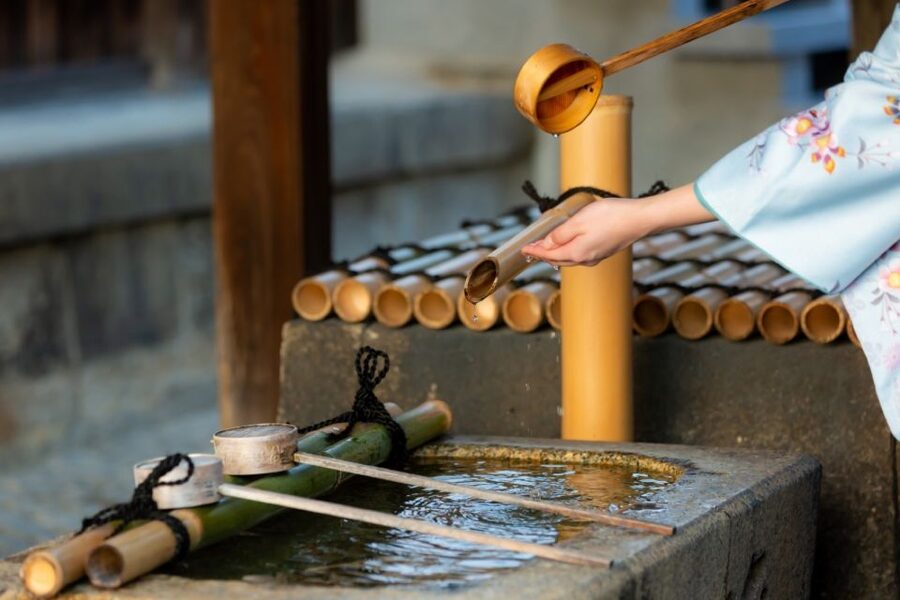
The ceremony begins with purification. For many people from outside Japan, this is one of the most useful parts because it gives context before the tea is served. You are shown how to take part in the ritual and why it belongs at the start of the experience.
The fountain also offers a quiet pause before you enter the tearoom. The ceremony asks you to slow down, and the temple grounds help create that change of pace. You are not being rushed from one photo stop to another. You have a few minutes to notice the setting and prepare for the more formal part of the session.
The temple architecture is an important part of the value. A tea demonstration in an ordinary classroom could explain the same basic steps, but Jotokuji gives those steps a stronger sense of place. The low-key setting also suits the nature of Chanoyu, where small details matter more than spectacle.
Removing your shoes and entering the Grand Tearoom
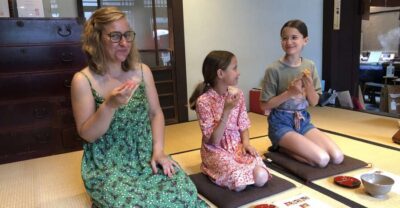
Before entering the Grand Tearoom, you remove your shoes. This is a small but important practical detail, so wear socks you are comfortable being seen in. You then enter with the group and take your place inside.
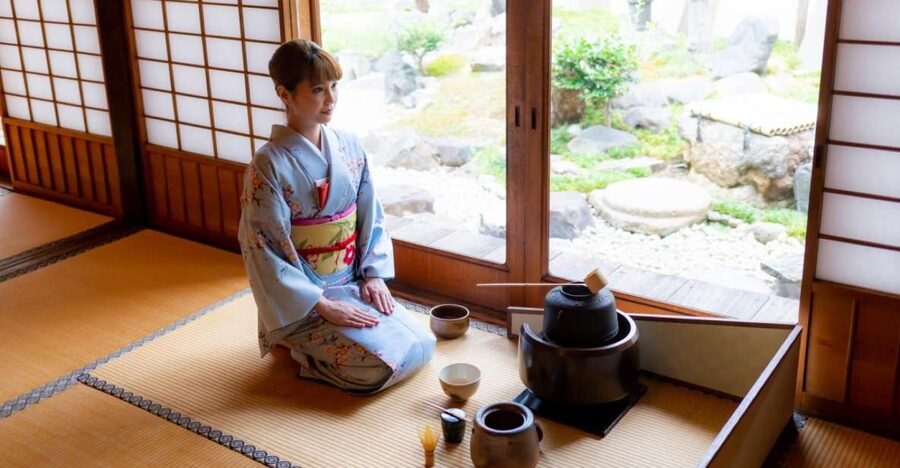
The room is traditional, and floor seating is part of the design. If sitting in the formal position is difficult, ask for a stool or chair. You do not need to force yourself into an uncomfortable posture to take part.
The room itself helps you notice the ceremony’s controlled rhythm. The host and tea master explain what is happening instead of assuming you already understand. That makes the experience suitable for first-time visitors who want more than a decorative demonstration.
The group limit is 10 people. That number is small enough for you to follow the demonstration and ask questions. It also means this is not a private ceremony, so expect to share the room and the teaching with other participants.
More Temple & Shrine Tours in Kyoto
- Kyoto: Fushimi Inari, Kinkakuji, Bamboo Grove 1 Day Bus Tour
★ 4.8 · 4,316 reviews - Fushimi Inari Hidden Hiking Tour (Private Option Available)
★ 5.0 · 1,750 reviews - Osaka/Kyoto:Kinkakuji,Arashiyama,FushimiInariShrine,NaraPark
★ 4.1 · 1,596 reviews - Arashiyama Bamboo, Temple, Monkeys, or Secret Sake Brewery
★ 4.8 · 886 reviews
Watching the tea master prepare matcha
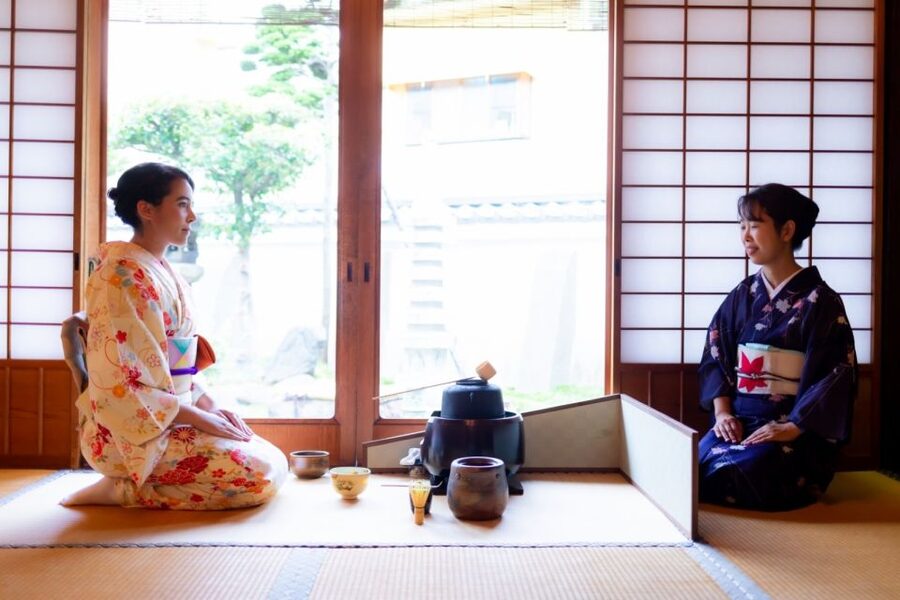
The tea master prepares matcha in front of you, explaining the tools and movements as the ceremony develops. The appeal is in the care given to each action. The preparation is not treated as a quick drink made for convenience. It is presented as a deliberate exchange between host and participant.
You will learn how to drink the matcha and how to approach the ceremony respectfully. The English-speaking guide helps explain the meaning behind the ritual, while the tea master shows the physical details. This partnership is especially useful because one person can focus on the demonstration while the other makes sure the group understands.
Several sessions have been led with Kate alongside the tea master, and Taka is also named as a host. The teaching style is warm and clear, with time for questions. That matters in a ceremony where you might otherwise worry about making a mistake.
You also receive Japanese sweets with the tea. The sweetness provides a pleasant contrast to matcha’s distinct, slightly bitter flavor. If you already enjoy matcha, you will appreciate the chance to taste it in this setting. If you are new to it, the sweets make the first cup easier to approach.
Making your own tea
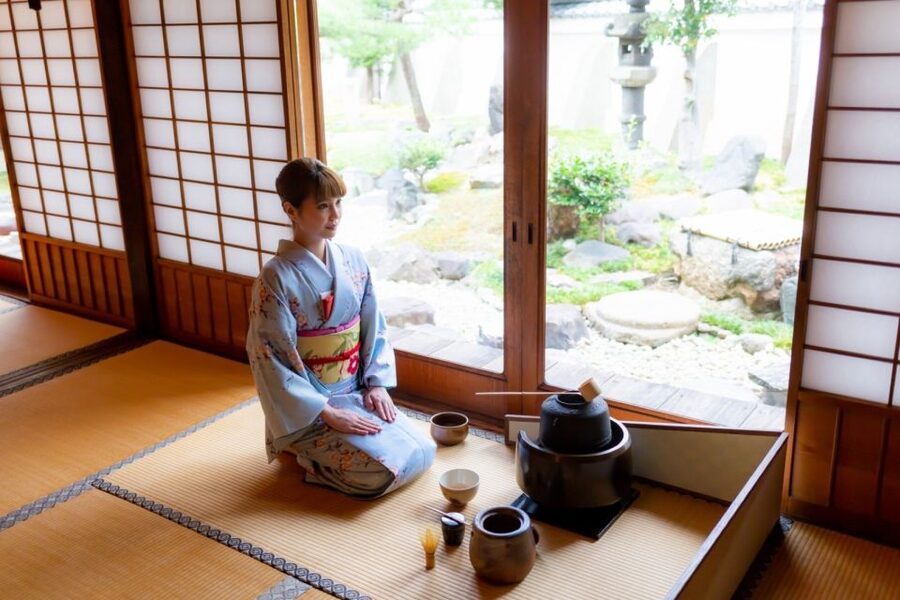
The strongest part for many people is the chance to prepare their own matcha. After watching the tea master, you use the ceremonial implements under guidance. This is not an advanced lesson, but it gives you a feel for the work and attention involved.
I like this balance between watching and doing. A demonstration alone can leave you with photographs and general impressions. Preparing your own tea gives you a physical memory of the process. You notice how much care goes into the whisking, how the tools are handled, and how the ceremony moves at a measured pace.
The guide remains available to explain the steps and answer questions. You are not expected to know the correct movements in advance. The tone is encouraging rather than severe, which helps keep the ritual from feeling intimidating.
The experience also connects tea with broader ideas about Japanese life and philosophy. The lesson is not only about matcha’s taste. It is about attention, hospitality, respect, and the value of a carefully shared moment. Those ideas are easier to understand after you have taken part in the actions yourself.
What the $29 price includes
At $29 per person, this is a strong-value cultural activity in Kyoto. The price includes a guide and the Chanoyu workshop ceremony. You also receive matcha and sweets as part of the session. Meals beyond that are not included, and kimono rental costs extra.
The value comes from the combination of access and instruction. You are not paying only to enter a tearoom or watch a short performance. You receive a temple setting, an explanation in English, a formal demonstration, a tasting, and a chance to make your own tea.
It is also a useful choice for a busy Kyoto schedule. Seventy minutes leaves room to pair it with other sightseeing rather than sacrificing a full morning or afternoon. The short duration does mean the experience cannot cover every school, tool, or historical detail connected with Japanese tea. Think of it as a thoughtful introduction, not specialist training.
The reserve-now-and-pay-later option can help if your schedule is still changing. Free cancellation is available up to 24 hours before the activity for a full refund. Check the available start times when booking, since the session runs at set times rather than whenever you arrive.
Who will enjoy Ju-An most
This experience suits you if you want cultural context and participation in equal measure. It works well for first-time visitors to Kyoto, couples, families with older children, and anyone curious about matcha but unsure how a tea ceremony actually works.
It is also a good fit if large group sightseeing wears you out. The small group and quiet room create a slower hour away from Kyoto’s busy sightseeing areas. You still receive clear instruction, but the mood is gentle rather than hurried.
You do not need prior knowledge of tea ceremony etiquette. The guide explains the process as you go. You also do not need to wear a kimono, although one can be rented separately if you want a more dressed-up experience.
This may not suit you if you want a full-length formal ceremony, a private session, or a major performance with elaborate costumes. The session is an introduction designed for people who want to learn and participate within a limited amount of time.
Access, seating, and useful preparation
The temple is wheelchair accessible, but the tearoom is not because of three steps. The activity is therefore listed as unsuitable for wheelchair users. Contact the provider before booking if you have any mobility concern not covered by that description.
Traditional floor seating is part of the room, but stools and seats can be provided. Tell the host when you arrive if you need one. You will remove your shoes, so comfortable socks are a sensible choice.
The instruction is in English. That makes the activity easy to follow for English-speaking participants, especially during the explanation of the ceremony’s meaning and the preparation of matcha.
Plan to arrive at the temple gates rather than heading directly to the Main Hall. Find the red benches and the guide first. If it is raining, use the shelter beside the shop or wait in the Grand Tearoom as directed.
The calmest hour of your Kyoto day
The best reason to book Ju-An is not simply that you get to drink matcha. It is the change of pace. The temple, fountain, tea room, measured movements, and small group all encourage you to pay attention to one thing at a time.
That calm feeling comes through clearly in the way the session is taught. The guides explain without making the ritual feel like a lecture. The tea master demonstrates without turning the ceremony into a stage show. You are given enough information to understand the actions, then enough time to try them.
The atmosphere may be especially welcome after a morning spent moving through crowded sights. This is not a replacement for visiting Kyoto’s major temples and gardens, but it gives you a closer look at a living tradition rather than another quick stop for photographs.
Should you book the Ju-An tea ceremony?
Book it if you want an affordable, English-language introduction to Japanese tea culture with a real chance to participate. The $29 price, 70-minute length, small group, temple setting, matcha, sweets, and hands-on preparation make it easy to fit into a Kyoto itinerary.
Skip it if you need step-free access to the tearoom, dislike removing your shoes, or want a private, full-length ceremony. For everyone else, Ju-An offers a considerate way to understand Chanoyu without feeling lost or out of place. Schedule it during a busy Kyoto day when you want one quiet hour with clear instruction and a strong sense of place.
FAQ
How long does the Ju-An tea ceremony last?
The experience lasts 70 minutes.
Where does the tea ceremony meet?
Meet at Tea Ceremony Ju-An, 556, Gojo-sagaru, Tominokoji Dori, Shimogyo-Ku, Kyoto. After entering the temple and facing the Main Hall, look to the left for the steps leading to the tearoom.
Is the activity taught in English?
Yes. The instructor and guide provide English-language instruction.
Will I prepare my own matcha?
Yes. The tea master first demonstrates the preparation, then you have the opportunity to make your own matcha with guidance.
Is the tearoom wheelchair accessible?
No. The temple is wheelchair accessible, but the tearoom has three steps and is not wheelchair accessible.
Can I sit on a chair instead of the floor?
Yes. Seats and stools can be provided for anyone not comfortable sitting on the floor in the traditional position.
Just added around Kyoto
- Sekka Cotton Furoshiki Class★ 5.0 · 19 reviews
- Kyoto Sword Experience – includes Museum Ticket/Ninja Experience★ 4.5 · 149 reviews
- Scenic Green Tea Fields of Hidden Kyoto & Local Tea Exp (Private)★ 5.0 · 32 reviews
- Secret Eastern Kyoto Biking Adventure★ 5.0 · 44 reviews
- Private Sake Tasting in Central Kyoto with Sake Sommelier★ 5.0 · 32 reviews
- Samurai School in Kyoto: Samurai for a Day★ 5.0 · 202 reviews
- Samurai Performance and Casual Experience: Kyoto Ticket★ 4.5 · 115 reviews
- SHIRAKAWA Japanese Culture Experiences with private English staff★ 5.0 · 16 reviews
Tea Ceremony Experiences, compared.

Tea Ceremony in a Traditional Tea House in Kiyomizu
Our verdict →

World Heritage Kyoto & Nara Uji Authentic Matcha Experience
Our verdict →


Arashiyama Bamboo Forest, Monkeys, Matcha & Temple Tour
Our verdict →
Tea Ceremony Meditation – Make Matcha with Tea Master
Our verdict →Browse the lists this tour appears in