
Reviewed · CASTLE TOURS
Imperial Palace East Garden and Edo Castle Walking Tour in Tokyo
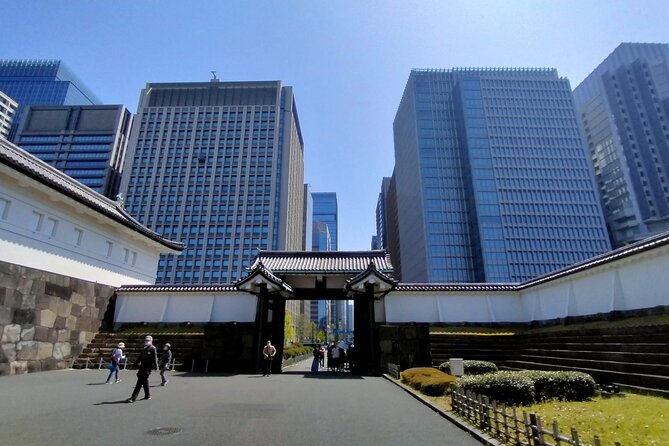
Tokyo’s Imperial Palace East Gardens reveal an older Tokyo beneath the modern city. On this 2.5-hour walking tour, you move from Wadakura Fountain Park into the former grounds of Edo Castle, where castle foundations, gardens, ponds, and carefully kept plantings help explain how Japan’s shoguns and emperors shaped the capital.
I like the small group size, capped at 12, and the way a good guide can turn bare stone walls and garden paths into a readable story. I also like the price: at $25, you get a long guided walk, an English-speaking local guide, and plenty of historical context without paying for a costly palace admission.
The main consideration is simple: you do not enter the Imperial Palace buildings. The gardens are attractive but not always flower-filled, and some paths rise sharply, so this suits people who enjoy history and walking more than those seeking grand interiors or a short photo stop.
Key points to know before you book
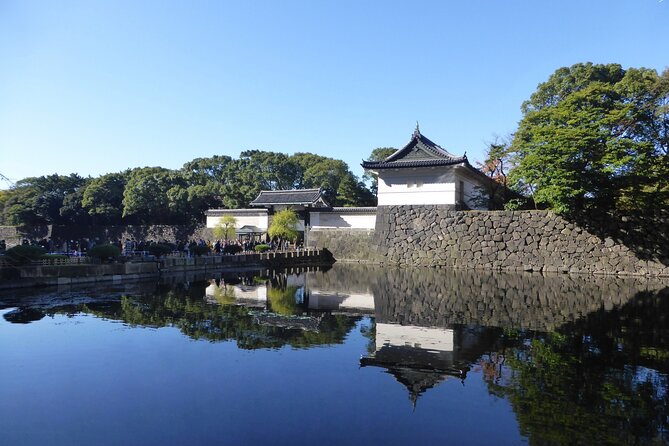
- The tour begins at Wadakura Fountain Park, with a meeting point at the Starbucks beside the park.
- Edo Castle’s former grounds are the main event, including castle ruins, the Honmaru area, and Ninomaru Garden.
- The Imperial Palace buildings are not open to this tour, and public access is not permitted.
- Groups are limited to 12 people, making it easier to hear the guide and ask questions.
- Guides use stories, photos, and visual aids, with Kenta, Glenda, Miko, Sato, Kei, and others receiving especially strong praise.
- Wear comfortable shoes and allow the full 2.5 hours, since this is a real walking tour rather than a quick garden visit.
What the $25 price gets you
At $25 per person, this is a modestly priced way to place Tokyo’s imperial center into context. Your admission fees and taxes are included, as is an English-speaking local guide. Snacks are not included, but that is hardly a serious gap for a walk of this length.
The real value comes from interpretation. Without a guide, you can walk through the East Gardens, admire the clipped trees, and photograph old stonework. You may enjoy the setting, but you can easily miss why a wall is there, how the grounds were arranged, or what changed when Edo became Tokyo.
A strong guide fills in those gaps. Kenta is praised for bringing visual materials and mixing facts with humor. Miko uses photos to explain the gardens, castle grounds, and former castle tower. Glenda is noted for clear English and for connecting the site to emperors, shoguns, samurai, and daily life.
The tour is not a bargain because it includes exclusive access. It is a bargain because the price buys you two and a half hours of explanation in a place that is free to enter. If you already know Japanese history or prefer to wander alone, the added value may feel smaller. For a first visit to Tokyo, though, the historical framing is useful.
The tour has a 4.9 rating from 510 reviews and a 98 percent recommendation rate. Those figures suggest a reliable experience, though the occasional less enthusiastic response points to a genuine issue: the gardens may not seem spectacular in every season.
More Castle Tours in Tokyo
- Tokyo Castle & Imperial PalaceーShogun Walking Tour
★ 4.7 · 1,068 reviews - Tokyo Castle & Imperial PalaceーShogun Walking Tour
★ 5.0 · 724 reviews - Tokyo Castle, Imperial Palace, Shogun & Garden Walking Tour
★ 5.0 · 211 reviews
Starting beside Wadakura Fountain Park
You meet at Starbucks Coffee at Kōkyogaien 3-1, beside Wadakura Fountain Park in Chiyoda City. This is a practical starting point because the park gives the group room to gather before heading toward the palace grounds.
Wadakura Fountain Park is more than a place to wait. It was first built in 1961 to mark the royal wedding of Emperor Akihito and Empress Michiko. The park was redesigned and reopened in 1995 for the wedding of Crown Prince Naruhito and Crown Princess Masako.
That detail gives the opening stop a useful link between modern Japan and the imperial family. The park itself is known for its water features and calm public setting, so it offers an easy first pause before the longer walk.
You spend about 30 minutes here, with no admission charge. Expect an orientation to the area rather than a major sightseeing stop. If you are hoping for a palace entrance right away, the meeting point may feel understated. If you like to understand where you are before moving on, it works well.
Walking into the East Gardens of Edo Castle
The main portion lasts about two hours in the Imperial Palace East Gardens. These gardens occupy part of what was once Edo Castle, the seat of political power during the shogun-led period.
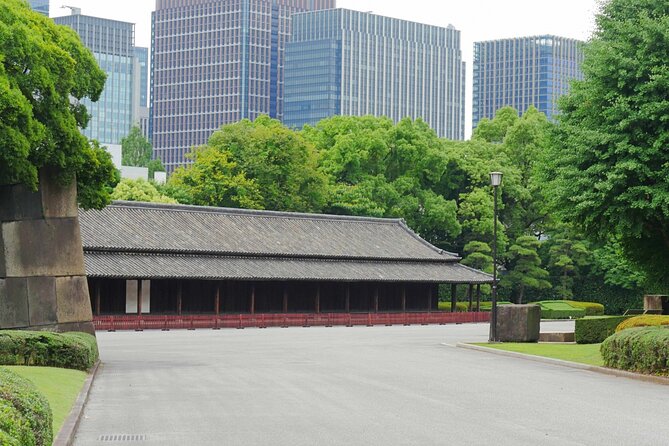
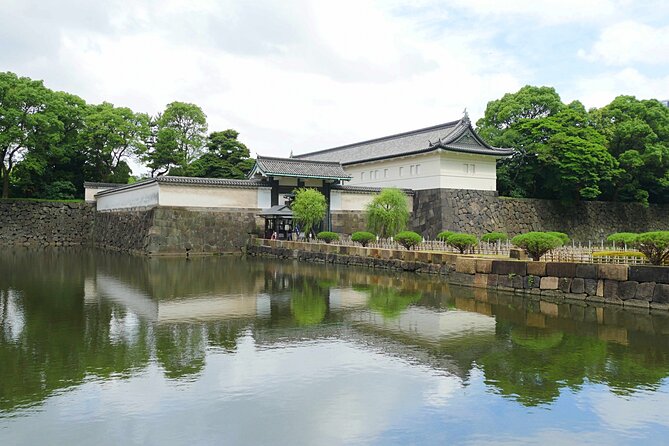
The word castle can mislead you. You will not find a complete palace complex waiting behind the walls. Instead, the experience combines open garden paths, ponds, planted areas, stone remains, and the traces of structures that once occupied the site.
That is exactly where a guide earns the fee. A surviving wall or foundation can look like a random pile of stones when you see it alone. With an explanation of its former role, the ruins become evidence of a much larger castle compound and a changing system of power.
The Honmaru area is one of the important points on the walk. It contains remnants connected with the castle’s central compound. You can expect the guide to explain the former castle layout and what the remaining foundations tell you about the site.
Ninomaru Garden offers a different mood. Its traditional Japanese scenery, ponds, and orderly plantings provide a quiet contrast to the castle remains. This is likely to be one of the most pleasant parts of the walk if you enjoy gardens, carp, and carefully shaped greenery.
One useful point from the walking experience is that the grounds are not completely flat. Some paths are steep, though there are no stairs on the route described by one guide. Wear shoes with good support, and do not treat the outing as a gentle stroll through a level park.
How the history comes alive
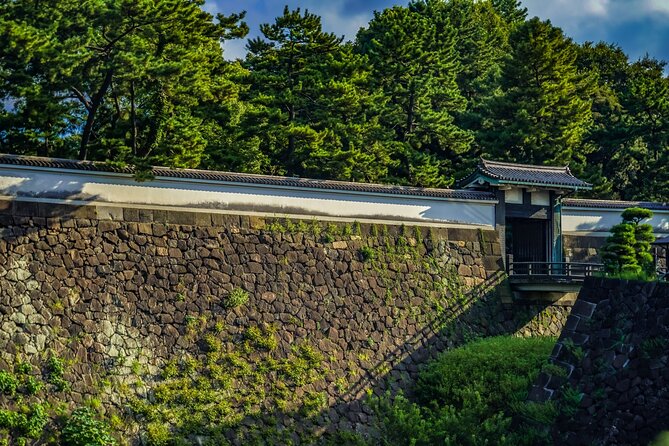
The best part of this experience is not simply seeing old stones. It is learning how the site connects several eras of Japanese history.
The walk covers the Edo period, samurai society, shoguns, the imperial family, and the modern palace grounds. A capable guide can show you how one place changed from a seat of military government to part of the present imperial center.
The guides also bring different strengths. Kenta is repeatedly praised for his energy, humor, clear explanations, and use of prepared visual materials. Glenda is described as especially clear in English and good at connecting political history with the lives of emperors, shoguns, and samurai.
Sato receives praise for giving the right amount of information without losing the group. Kei is noted for keeping a rainy-day group moving at a comfortable pace and finding places where the group could talk out of the weather. Miki, Miyu, Satoko, and Miko are also described as friendly and well informed.
You cannot request a particular guide based on the information provided, so it is best to view these names as examples of the guide team rather than a promise. Still, the repeated praise for clear communication, humor, preparation, and patience is important. Those qualities matter more here than a rehearsed list of dates.
The tour also works well for questions. Guides are described as answering questions directly and adjusting their explanations for families and mixed-age groups. One guide even helped obtain a wheelchair for a person who became tired and dizzy. That does not mean every part of the route is fully wheelchair friendly, but it does suggest a caring approach when needs arise.
More Garden Tours in Tokyo
- Tokyo: Imperial Palace East Gardens Walking Tour
★ 4.8 · 353 reviews - Tokyo: Edo Castle & East Garden of the Imperial Palace Tour
★ 4.7 · 112 reviews - Tokyo: Tsukiji Market and Hama-rikyu Gardens Guided Tour
★ 4.8 · 73 reviews - Tokyo: Pvt. Tour – Edo Castle & Imperial Palace East Gardens
★ 4.8 · 63 reviews
Gardens, seasons, and expectations

The East Gardens can be beautiful, but you should set your expectations carefully. This is not a flower show in every month, and the appearance changes with the season.
Spring may bring cherry blossoms. Autumn can bring colorful foliage, though one October visit found plenty of greenery without the expected fall colors. Another garden walk found no flowers blooming at all, despite the grounds being tidy and attractive.
That is not a flaw in the tour so much as a seasonal reality. If you are booking mainly for blossoms or autumn leaves, the date matters more than the guide. If you care more about historic ruins, ponds, trees, and garden design, the experience has more consistent appeal.
The carp in the garden can be a small highlight, especially when sunlight catches them in the water. They are not the reason to book the tour, but details like this give the walk some charm between the larger historical stops.
The gardens can also feel less dramatic than Tokyo’s famous temple and shrine sites. One less satisfied response found the setting underwhelming despite a friendly, well-informed guide. That is a fair warning. The East Gardens are peaceful and meaningful, but they are not packed with grand buildings or indoor treasures.
What you will not see
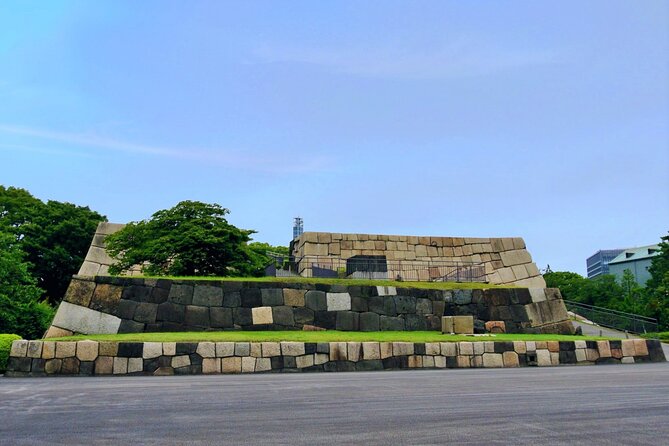
The tour does not enter the Imperial Palace buildings. Public entry is not permitted, so the experience focuses on the East Gardens and surrounding grounds.
This distinction deserves attention because the words Imperial Palace can create the wrong picture. You will not tour royal rooms, see palace interiors, or explore a complete Edo Castle restored in full. You will walk through a historic outdoor site with ruins, gardens, and views of the imperial area.
For many people, that is enough. The open setting gives you space to walk, take photos, and listen without the strict pace that often comes with an indoor museum. For others, the absence of interiors may feel like the tour stops short.
I would book this only if you are comfortable with an outdoor history walk rather than a palace visit. Read the experience as a lesson in place, not as access to a royal residence.
Timing, group size, and meeting details
The advertised duration is approximately 2 hours and 30 minutes. Plan your day around the full time, not a shorter version. One visitor found that the tour used nearly the entire two and a half hours and that this affected later plans.
That length is a strength if you want detail. It gives the guide time to explain the park, move through the castle grounds, pause for questions, and show several parts of the East Gardens. It is a drawback if you have a train, restaurant booking, or another timed attraction soon afterward.
The group maximum is 12 people. That is small enough for the guide to keep an eye on the group and answer questions, while still giving the tour a social feel. You may meet a few other people without being absorbed into a large crowd.
The meeting point is Starbucks Coffee at Wadakura Fountain Park. Confirmation is provided when you book, and the tour ends back at the meeting point. That return is useful for planning your next stop, particularly because the Imperial Palace area is close to major Tokyo transport links.
This activity is near public transportation, and most people can participate. Service animals are allowed. The route includes some hills, so anyone with limited stamina should consider the duration and terrain before booking.
Rain, comfort, and practical preparation
The experience requires good weather. If poor weather cancels the tour, you are offered another date or a full refund. If you cancel yourself, you must do so at least 24 hours before the start time for a full refund. Changes or cancellations inside that window are not accepted.
Bring comfortable walking shoes. That advice is not a formality here. You will spend most of the time outdoors, and the route may include steep paths.
A light rain layer is sensible during Tokyo’s changeable seasons, but the tour may be canceled in poor conditions. Guides have handled rain by keeping a comfortable pace and using sheltered points while explaining the history, but you should still expect an outdoor activity.
There is no snack included. Bring what you need for the morning or afternoon, though keep food and drink simple and easy to carry. The tour itself is focused on walking and explanation rather than refreshments.
Who should book this East Gardens walk
I would recommend it most strongly to first-time visitors who want a clear introduction to Tokyo’s political and imperial history. It also suits anyone who prefers learning about a place with a local guide instead of reading signs or walking without context.
Families can benefit from the guide’s stories and humor, especially if children lose interest in silent ruins. The small group also makes it easier to stay together than on a large city tour.
History fans will get the most from the Edo Castle remains and the links between shoguns, samurai, emperors, and modern Japan. Garden lovers may enjoy Ninomaru Garden, ponds, greenery, and seasonal changes, but should not expect flowers at every turn.
You may want to skip it if you need an indoor palace tour, dislike walking for more than two hours, or have a packed schedule that cannot absorb a full morning or afternoon. Independent walkers can enter the gardens for free, so the decision comes down to how much you value explanation.
Should you book it?
Book this tour if you want the Imperial Palace area to make sense, not merely appear in a few photographs. For $25, the small group, English-speaking guide, Edo Castle ruins, Wadakura Fountain Park, and two hours in the East Gardens make a fair package.
Go with realistic expectations. You will see historic outdoor grounds, not palace interiors, and the garden’s beauty depends on the season. If you wear good shoes, allow the full 2.5 hours, and choose the tour for its stories as much as its scenery, it is a sensible and affordable introduction to old Tokyo.
FAQ
Does the tour enter the Imperial Palace buildings?
No. The tour does not enter the Imperial Palace buildings because public entry is not permitted. It visits the East Gardens and surrounding grounds instead.
How long does the walking tour last?
The tour lasts approximately 2 hours and 30 minutes. You should allow the full time when planning other activities.
Where does the tour start?
The meeting point is Starbucks Coffee at Wadakura Fountain Park, 3-1 Kōkyogaien, Chiyoda City, Tokyo 100-0002, Japan.
Where does the tour end?
The tour ends back at the meeting point.
What is included in the price?
The $25 price includes all fees and taxes and an English-speaking local guide. Snacks are not included.
What happens if the weather is poor?
The experience requires good weather. If it is canceled because of poor weather, you will be offered a different date or a full refund.
More Walking Tours in Tokyo
- Tokyo Tsukiji Fish Market Food and Culture Walking Tour
★ 5.0 · 3,184 reviews - Tokyo: Shinjuku Local Bar and Izakaya Guided Walking Tour
★ 4.9 · 1,794 reviews - Tokyo: Tsukiji Fish Market Food and Walking tour
★ 5.0 · 1,724 reviews - Tokyo: Asakusa Walking Tour with Sensoji Temple Visit
★ 4.8 · 1,583 reviews
More Historical Tours in Tokyo
- Tokyo: Imperial Palace and Shogun Historical Walking Tour
★ 5.0 · 2,251 reviews - Tokyo: Imperial Palace Japanese History Walking Tour
★ 4.9 · 987 reviews - Tokyo: Imperial Palace and Shogun Walking Tour
★ 4.9 · 935 reviews - Yanaka Walking Tour: Historic and Traditional District of Tokyo
★ 5.0 · 530 reviews
Just added around Tokyo
- Kawagoe Japanese Food Tour : Unagi Kaiseki and Sake near Tokyo★ 5.0 · 30 reviews
- Kawagoe 4hr Private Tour with Licensed Guide (Kawagoe Dep)★ 5.0 · 13 reviews
- Little EDO Sushi Making workshop in Kawagoe★ 5.0 · 18 reviews
- 【R34】Tokyo:Private Daikoku tour in Modified R34★ 4.9 · 92 reviews
- :Tokyo,Shibuya/ Pro Photography in Kimono / English-Friendly★ 5.0 · 26 reviews
- Tokyo:Celebrate Unique Japanese New Year Tradition Festivity★ 3.9 · 20 reviews
- Tokyo: Allstar Food Tour★ 4.7 · 29 reviews
- Tokyo: West-Side Cycling and Food Tour with Guide★ 5.0 · 37 reviews
Castle Tours, compared.
Tokyo Castle & Imperial PalaceーShogun Walking Tour
Our verdict →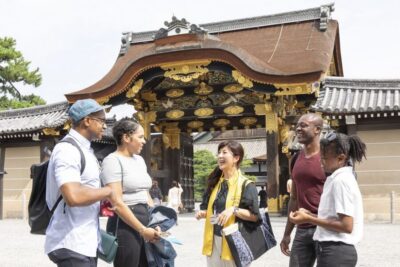
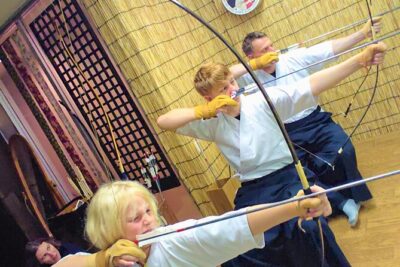
Japanesel Archery Experience HIROSHIMA CASTLE SHARAKU
Our verdict →
Browse the lists this tour appears in