

Reviewed · HISTORICAL TOURS
Tokyo: Imperial Palace and Shogun Walking Tour
The most interesting thing here is that you are walking through the former heart of shogun power, not just admiring a pretty park. Ote-Mon Gate, guardhouses, moats, stone foundations, and the huge castle tower base show how the Tokugawa rulers controlled Japan from Edo, the city that became Tokyo.
I like the way the tour connects old power to modern Tokyo, and I like the calm pause at Ninomaru Garden, where koi ponds and seasonal plantings soften the hard military remains. The main consideration is simple: this is an outdoor walking tour, and two hours is enough for a strong introduction, not a full study of the palace grounds.
Key points at a glance

- Walk through former shogun territory: The East Gardens occupy part of the old Edo Castle site, where the Tokugawa shoguns ruled Japan.
- See the castle’s defenses up close: Ote-Mon Gate, the Hyakunin Bansho guardhouse, moats, and massive stone walls give the history a physical scale.
- Pause in Ninomaru Garden: Koi ponds, bridges, and seasonal beauty offer a quiet contrast to the military setting.
- Learn from a live English guide: Tony, Blake, Jim, Embla, Miguel, and other guides are praised for clear explanations, humor, patience, and practical Tokyo suggestions.
- A useful first-day tour: The two-hour route helps you understand how Japanese history shaped the city you are seeing today.
- Low-cost, flexible booking: At $16 per person, with cancellation up to 24 hours ahead and reserve-now, pay-later terms, it is an easy addition to a Tokyo schedule.
Why Edo Castle matters more than the palace name suggests
When people hear Imperial Palace, they often picture royal rooms and formal ceremonies. This tour takes you somewhere different. The East Gardens are connected to Edo Castle, the great fortress that served as the seat of the Tokugawa shogunate for more than two centuries.
The emperor’s present-day residence is not the focus. You are mainly seeing outdoor remains and gardens. That distinction matters because the appeal is not ornate palace interiors. It is the chance to read political history in gates, walls, moats, foundations, and carefully planned open space.
The Tokugawa shoguns ruled from Edo during Japan’s feudal era. Their government shaped the city’s roads, social order, military structure, and relationship with regional lords. A good guide turns those broad facts into something easier to grasp: this was a working center of power, protected by layers of water, stone, gates, guards, and controlled movement.
I particularly like that the route does not treat the gardens as isolated sights. The explanations connect the old castle to present-day Tokyo. Tony, one of the frequently praised guides, is noted for explaining how Japanese history affected the city’s modern structure and everyday life. That link makes the walk useful beyond the two hours.
More Historical Tours in Tokyo
- Tokyo: Imperial Palace and Shogun Historical Walking Tour
★ 5.0 · 2,251 reviews - Tokyo: Imperial Palace Japanese History Walking Tour
★ 4.9 · 987 reviews - Yanaka Walking Tour: Historic and Traditional District of Tokyo
★ 5.0 · 530 reviews
Meeting at Wadakura Fountain Park
The tour begins in front of Starbucks Coffee at Kokyo Gaien Wadakura Fountain Park. The supplied meeting coordinates are 35.6830391, 139.7614181, so save the location before you set out and allow enough time to find the correct Starbucks.
This is a practical meeting point near the Imperial Palace area, but large central Tokyo spaces can be confusing if you are rushing. Look for your English-speaking guide before the start time and keep the meeting details easy to reach on your phone.
The return is to the same Starbucks location. That makes the tour simple to pair with another central Tokyo activity, a meal, or a later train journey. The activity lasts two hours, and starting times depend on availability when you book.
Ote-Mon Gate: the first lesson in castle control
The first major stop is Ote-Mon Gate, with about 10 minutes of guided explanation. This is where the scale of the old castle begins to register.
A castle gate was not merely an entrance. It controlled who could enter, how people approached, and how defenders could respond. Your guide can help you notice the gate as part of a larger system, rather than as a single photo stop.
This is also where the tour’s storytelling earns its keep. Without context, a gate and a wall can blur together after a few days of sightseeing. With an explanation of samurai authority, castle security, and the Tokugawa government, the stonework becomes evidence of how power operated.
The short stop keeps the route moving. You will not spend long examining every block of masonry, but you get enough background to understand the places that follow.
The Imperial Palace area and the change from shogun to emperor
The next stop is listed as Tokyo Imperial Palace, with about 15 minutes of guided sightseeing. The important idea here is the transition from the Tokugawa shogunate to modern Japan.
The site carries several layers of authority. First came the military government of the shoguns. Later, the political order changed and imperial rule returned to the center of national life. The guide’s job is to connect those shifts without turning the walk into a lecture full of dates.
Tony, Izzy, Embla, Jim, and others have been praised for making the material clear and approachable. Jim, in particular, is noted for keeping younger visitors interested, while several guides are praised for answering questions and speaking in a personal rather than mechanical way.
That makes this a good introduction if Japan’s political history is new to you. You can ask how the shogunate worked, why Edo became so important, or how the old castle site relates to Tokyo today.
More Walking Tours in Tokyo
- Tokyo Tsukiji Fish Market Food and Culture Walking Tour
★ 5.0 · 3,184 reviews - Tokyo: Shinjuku Local Bar and Izakaya Guided Walking Tour
★ 4.9 · 1,794 reviews - Tokyo: Tsukiji Fish Market Food and Walking tour
★ 5.0 · 1,724 reviews - Tokyo: Asakusa Walking Tour with Sensoji Temple Visit
★ 4.8 · 1,583 reviews
Hyakunin Bansho and the human side of castle security
The Hyakunin Bansho guardhouse receives about 10 minutes. The name refers to a guardhouse associated with a large number of guards, and the stop helps you picture the people who made the castle’s defenses function.
This is a useful change of scale. Ote-Mon Gate and the walls show the physical strength of the castle. The guardhouse reminds you that security depended on people, routines, and vigilance as much as on stone.
The stop is brief, so do not expect a long visit inside a museum-style display. Its value comes from the guide’s explanation and from seeing the location in relation to the gates, paths, and castle grounds around it.
I would pay close attention here if you enjoy the practical side of history. The tour is strongest when it explains not just who held power, but how that power was maintained day after day.
Fujimi-yagura and the view across the old stronghold
The route then reaches Fujimi-yagura for about 15 minutes. This type of turret formed part of the castle’s defensive system, and its name is associated with viewing Mount Fuji.
The stop adds another piece to the castle’s design. You are not looking at random ruins scattered through a park. Towers, walls, moats, gates, and open areas worked together to protect the center of government.
The tour does not promise an interior visit or a guaranteed Mount Fuji view, so keep expectations focused on the structure and its historical setting. Weather, visibility, and the surrounding grounds affect what you can see.
This is also a good place to think about the contrast running through the whole experience. A turret built for defense now sits within a peaceful public garden. The setting feels calm, but the stones point back to a period when access and status were tightly controlled.
East Gardens: ruins with room to breathe
About 30 minutes are devoted to the Imperial Palace East Gardens. This is the broad central portion of the walk, and it gives you time to take in the setting rather than hurry from one object to the next.
The gardens blend surviving castle features with planted areas and open paths. You will see historical foundations and defensive remains alongside lawns, trees, ponds, and carefully arranged garden spaces. The result is peaceful, but it never loses its connection to the old fortress.
Several people who booked the tour praised its pace. That makes sense here. A rushed walk would reduce the gardens to a checklist of names. A steady two-hour route gives you time to listen, take photographs, and notice how the garden’s calm surface sits on top of a former center of military government.
The East Gardens are also a good break from Tokyo’s busy streets. You are still in the middle of the capital, yet the atmosphere changes quickly once the walls and greenery surround you. I like this part for the contrast alone: the city is close, but the old castle grounds create breathing room.
The tour is wheelchair accessible, which is useful information for anyone planning around mobility needs. Still, the experience remains a walking tour through outdoor grounds, so it is sensible to check current conditions and route details when booking if you have specific access requirements.
Ninomaru Garden and the koi ponds
Ninomaru Garden gets around 30 minutes, making it one of the most substantial stops. This was the shogun’s inner garden, and it is the place where the tour’s military and political themes give way to a quieter kind of beauty.
Expect seasonal plantings, ponds, bridges, and koi. The fish moving through the water offer a small but memorable detail, especially after the heavy stone walls and guard structures earlier in the route.
The garden is not just a decorative pause. It shows another side of elite life at Edo Castle. Power was exercised through military control and official ceremony, but courtly gardens also shaped how rulers lived, received people, and presented authority.
Season matters here. The plantings change through the year, so the exact colors and mood will depend on when you visit. The garden is appealing even without peak blossoms, but you should treat seasonal beauty as a pleasant extra rather than a guaranteed display.
This is also where the quality of the guide matters most. Blake has been praised for using imaginative explanations to bring the garden to life. Other guides, including Miguel, Lasse, and Mayumi, are praised for clear historical explanations and patient answers. You are not simply being led past a pond. You are given a way to understand why the garden belongs in the story.
What the guides add to a $16 experience

The price is $16 per person, which is modest for a two-hour guided walk in central Tokyo. The admission value alone is not the main point. The real value comes from the interpretation.
The castle remains are impressive, but their meaning is not always obvious. A guide can explain why a wall is unusually large, how a guardhouse fits into the defenses, or why the site matters to the shift from shogun rule to modern Japan. That context is what turns a pleasant garden walk into a useful history lesson.
Guide quality can vary from person to person, as it does on any live tour, but the names that come up repeatedly include Tony, Blake, Jim, Embla, Miguel, Thomas, Dylan, and Lasse. The strongest pattern is clear delivery, friendly conversation, and a willingness to answer questions.
Some guides also offer suggestions for the rest of your Tokyo visit. Tony is praised for recommendations on food and other activities, while several guides have offered ideas beyond the palace area. That is especially handy if you book this near the start of your trip and want help shaping the next few days.
At $16, I consider the tour good value for first-time visitors and anyone who wants historical context without committing to a long museum visit. If you already know Edo-period history in detail, the walk may feel introductory. You will still get the setting, but the explanations are aimed at a broad audience.
Timing, weather, and what to bring
Two hours is a sensible length for this route. It is long enough to cover the main sites, yet short enough to fit before lunch, dinner, or another Tokyo appointment.
You will be outdoors for the full experience, so dress for the day’s conditions and wear shoes suited to walking. The schedule includes a quick chance to pause, and one guide was praised for allowing time to sit and use a vending machine. Still, do not treat this as a seated sightseeing activity.
Weather can shape the mood. Rain may make the gardens less comfortable, while heat or cold can affect how much you enjoy the open spaces. One guide was praised for keeping a group engaged despite poor weather, but you should still check the forecast and plan sensibly.
Bring water, a phone with the meeting point saved, and a little room in your schedule. The garden is worth photographing, but the spoken explanation is the part you cannot recreate easily on your own.
The tour offers free cancellation up to 24 hours before the start for a full refund. You can also reserve now and pay later, which helps if your Tokyo plans are still shifting.
Who should book this walk
I would choose this tour if you are visiting Tokyo for the first time, want a clear introduction to Japanese history, or prefer learning outdoors rather than spending another morning inside a museum.
It also suits families and mixed-age groups. Jim was praised for holding teenagers’ attention, and the route combines stories, ruins, gardens, ponds, and open space. That variety is easier for a group than a long talk in one room.
History fans should enjoy the chance to connect the Tokugawa shogunate with physical evidence. Photography fans will appreciate the gardens, stone walls, turrets, and koi ponds, though the tour’s purpose is explanation rather than a dedicated photo walk.
I would be less likely to recommend it to someone seeking access to the imperial residence itself or an in-depth examination of castle architecture. The route focuses on the East Gardens and outdoor remains. It gives you a strong framework, but not every corner of the palace grounds or a private palace interior.
Should you book the Imperial Palace and Shogun Walking Tour?
Book it if you want the Imperial Palace area to make sense rather than simply look attractive. For $16, you get two hours of English guidance through Ote-Mon Gate, the Hyakunin Bansho guardhouse, Fujimi-yagura, the East Gardens, and Ninomaru Garden.
I especially recommend it near the beginning of a Tokyo stay. The guide can give you a useful foundation for Japanese history and suggest food or activities for the rest of your visit. Choose it with realistic expectations: this is a guided outdoor introduction to the former Edo Castle site, not an interior palace tour or a full-day historical study.
FAQ
How long does the Imperial Palace and Shogun Walking Tour last?
The tour lasts two hours.
How much does the tour cost?
The listed price is $16 per person.
Where does the tour begin?
The meeting point is in front of Starbucks Coffee at Kokyo Gaien Wadakura Fountain Park. The listed coordinates are 35.6830391, 139.7614181.
Where does the tour finish?
The walk returns to Starbucks Coffee at Kokyo Gaien Wadakura Fountain Park.
What language is the tour conducted in?
The tour is conducted in English with a live English-speaking guide.
What places are included on the route?
The route includes Ote-Mon Gate, Tokyo Imperial Palace, the Hyakunin Bansho guardhouse, Fujimi-yagura, the Imperial Palace East Gardens, and Ninomaru Garden.
Will I see the palace interior?
The supplied tour details describe a guided walk through the East Gardens and outdoor palace grounds. They do not include a palace interior visit.
Will I see koi fish?
Yes. Koi ponds are among the sights in the East Gardens and Ninomaru Garden.
Is the tour wheelchair accessible?
Yes, the activity is listed as wheelchair accessible.
Can I cancel for a full refund?
Yes. You can cancel up to 24 hours in advance for a full refund.
Can I reserve the tour without paying immediately?
Yes. The reserve-now, pay-later option lets you book your place without paying at the time of reservation.
Just added around Tokyo
- Kawagoe Japanese Food Tour : Unagi Kaiseki and Sake near Tokyo★ 5.0 · 30 reviews
- Kawagoe 4hr Private Tour with Licensed Guide (Kawagoe Dep)★ 5.0 · 13 reviews
- Little EDO Sushi Making workshop in Kawagoe★ 5.0 · 18 reviews
- 【R34】Tokyo:Private Daikoku tour in Modified R34★ 4.9 · 92 reviews
- :Tokyo,Shibuya/ Pro Photography in Kimono / English-Friendly★ 5.0 · 26 reviews
- Tokyo:Celebrate Unique Japanese New Year Tradition Festivity★ 3.9 · 20 reviews
- Tokyo: Allstar Food Tour★ 4.7 · 29 reviews
- Tokyo: West-Side Cycling and Food Tour with Guide★ 5.0 · 37 reviews
Historical Tours, compared.

Imperial Palace and Shogun Historical Walking Tour
Our verdict →
World Heritage Kyoto & Nara Uji Authentic Matcha Experience
Our verdict →
Kyoto Gion: 2-Hour Geisha Culture & History Walking Tour
Our verdict →
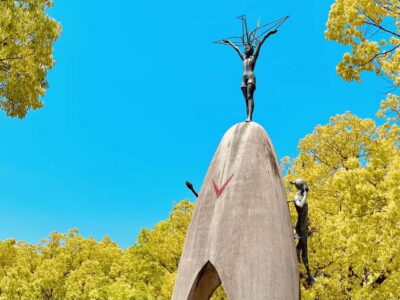
Hiroshima Historical Walking Tour – Why A-Bomb was Dropped
Our verdict →
Yanaka Walking Tour: Historic and Traditional District of Tokyo
Our verdict →
Shinjuku Historical Walking Tour & Secret Backstreets
Our verdict →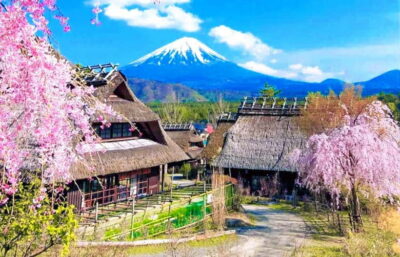
Mt. Fuji Heritage Tour: Traditional Villages, Lakes & Shrine
Our verdict →Browse the lists this tour appears in