
Reviewed · FISH MARKET TOURS
Tokyo: Tsukiji Market and Hama-rikyu Gardens Guided Tour
Tsukiji is where this tour earns its keep. You move from a striking temple to narrow market lanes filled with seafood, produce, sushi, grilled scallops, tamagoyaki, wagyu skewers, and matcha sweets, then finish in the calm of Hama-rikyu Gardens beneath Tokyo’s skyline. I like the clear contrast between food-focused streets and a quiet Edo-period garden. I also like that the market visit leaves room for your own snack choices instead of forcing one set meal.
The main consideration is walking. The route takes about 150 minutes to three hours, includes a 15-minute walk between the market and garden, and involves standing and moving through crowded lanes. The activity information also gives conflicting accessibility details, so anyone with mobility concerns should confirm the current route before booking.
Key points at a glance

- Tsukiji in edible detail: Learn about a market handling roughly 480 types of seafood and 270 types of produce.
- A memorable opening stop: Visit Tsukiji Hongwanji Temple for its unusual architecture and quiet interior atmosphere.
- Snacks are flexible: Buy seafood, sushi, tamagoyaki, wagyu skewers, or sweets directly from individual stalls.
- A strong change of pace: Leave the market behind for Hama-rikyu Gardens, created more than 370 years ago during the Edo period.
- Tea is optional: Add matcha and wagashi tasting for about 1,000 yen, paid locally.
- Simple transport plan: This is a walking tour that begins near Tsukiji Station and ends at Hama-rikyu Gardens.
Why this short Tokyo tour works
Tokyo can feel like a city of separate worlds. One minute you are surrounded by signs, shoppers, and food stalls. Soon after, you are walking beside ponds and trees with high-rise buildings in the distance. This tour connects those two sides of the city without requiring a train transfer or a long day on the road.
At $31 per person, the price is reasonable if you want an introduction to Tsukiji and the garden with a guide explaining what you are seeing. Admission to Hama-rikyu Gardens is included. Food is not, so your final cost depends on how much you sample.
I would think of this as a guided orientation rather than a full food tour. You get background, directions, and time to look around, but the individual snacks remain optional purchases. That is useful if one person in your group wants sushi while another prefers a sweet or simply wants to browse.
The tour is offered in Chinese, English, French, Korean, and Spanish. Starting times vary, so check the available schedule carefully. The published duration ranges from 150 minutes to three hours, which likely reflects the pace, group, and amount of free time. Allow extra time afterward if you want a slow garden visit or a meal near the end point.
More Garden Tours in Tokyo
- Imperial Palace East Garden and Edo Castle Walking Tour in Tokyo
★ 5.0 · 510 reviews - Tokyo: Imperial Palace East Gardens Walking Tour
★ 4.8 · 353 reviews - Tokyo Castle, Imperial Palace, Shogun & Garden Walking Tour
★ 5.0 · 211 reviews
Meeting near Tsukiji Station
Your guide waits in front of the Starbucks Coffee Tsukiji Station shop. This is a practical meeting point, but Tokyo station areas can be busy, so arrive with enough time to identify the correct storefront and your guide.
The tour does not provide transportation to or from the attractions. You walk the entire route and finish at Hama-rikyu Gardens. That makes the tour easy to fit into a day in central Tokyo, but it also means you should plan your next stop from the garden rather than assuming you will return to Tsukiji.
Wear shoes you can walk and stand in comfortably. Bring water and a camera. Smoking is not allowed during the activity.
Tsukiji Hongwanji Temple: an unusual start
The first stop is Tsukiji Hongwanji Temple, with about 15 minutes of guided time. This is a short visit, but it gives the tour a calmer opening than going straight into the market lanes.
The temple is known for its distinctive architecture and quiet atmosphere. You can pause here for a peaceful moment before the noise and movement of Tsukiji Outer Market. The contrast helps you understand that this part of Tokyo is not only a place to eat. It also has religious and cultural spaces woven into the city streets.
Do not expect a long temple visit. Fifteen minutes is enough to see the exterior, take in the setting, and hear a little background from your guide. If you prefer lengthy time at religious sites, you may find this stop too brief. For most people, though, it works as a useful introduction.
Tsukiji Outer Market: come hungry, but keep your options open
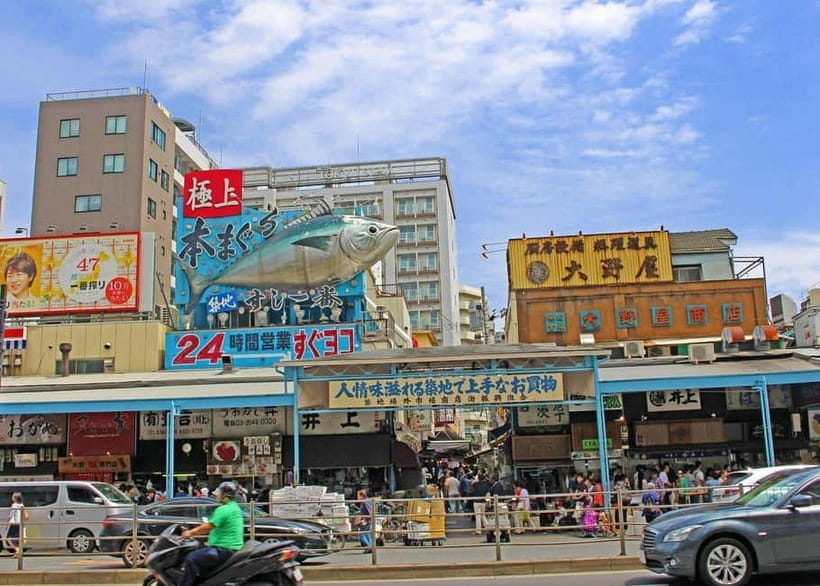
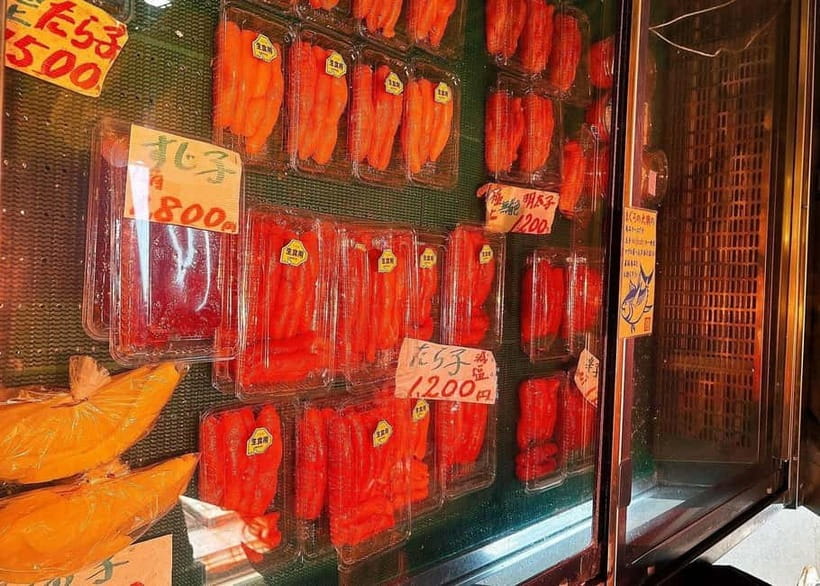
The main market visit lasts about 45 minutes and combines guided commentary, free time, and shopping. Tsukiji is described here as having an 83-year history as one of Tokyo’s central wholesale markets, with approximately 480 types of seafood and 270 types of produce moving through its stalls.
Those numbers explain why the market can feel like a lot to take in. You are not just looking at a row of restaurants. You are seeing a broad range of ingredients tied to Japanese food culture, from seafood and produce to prepared snacks and sweets.
The narrow lanes are the place to pay attention. Follow your guide, watch your footing, and be considerate around stall staff and shoppers. The experience is best when you treat the market as a working food district, not simply as a photo backdrop.
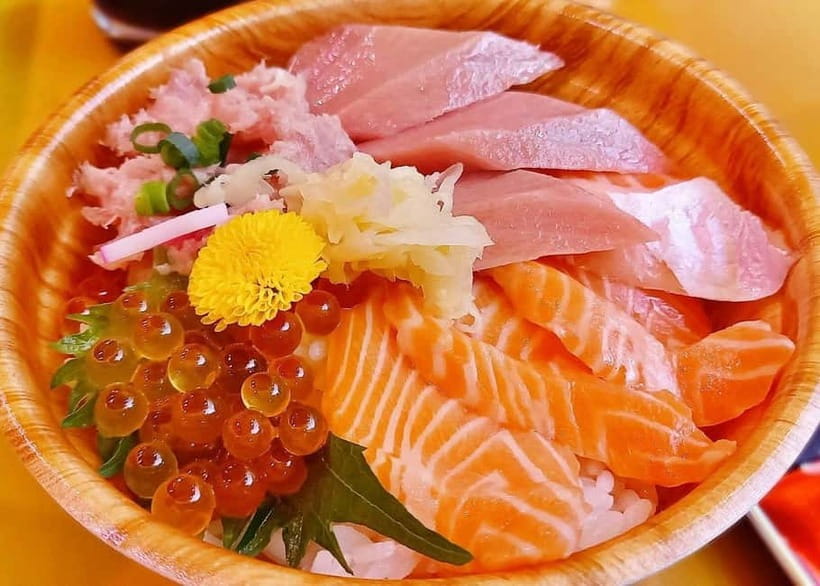
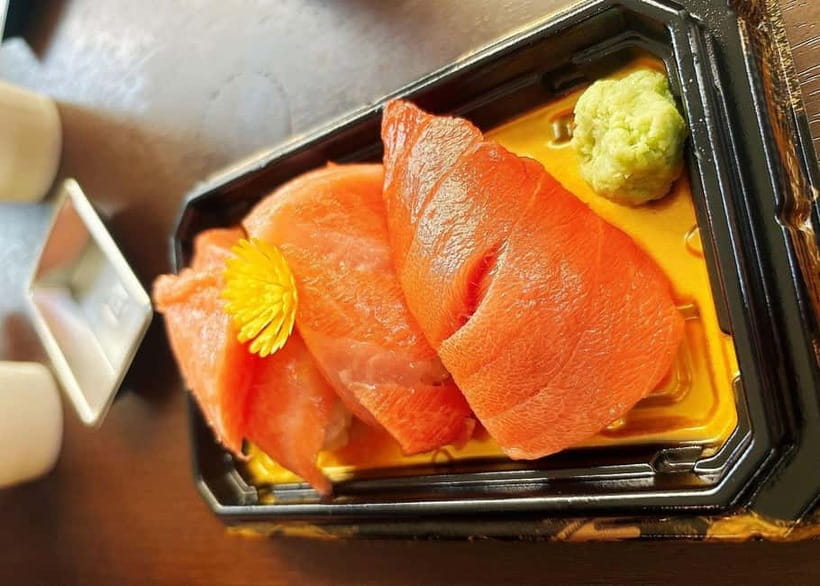
You might find grilled scallops, tamagoyaki, sushi, wagyu skewers, and matcha sweets. You pay stallholders separately, and the tour price does not cover food. That is a good arrangement for a group with different appetites. You can spend a little on one snack or build a small tasting meal from several stops.
Tamagoyaki is a particularly approachable choice if you want something familiar but distinctly Japanese. Sushi and seafood suit adventurous eaters, while matcha sweets offer an easy option for anyone who prefers dessert. The exact food available and the price at each stall can change, so keep some yen available and avoid planning your whole meal around one specific item.
The 45-minute market period is useful but not generous. It allows you to sample something and browse, but it is not enough for a long, unhurried market crawl. If Tsukiji is a major food priority for you, return independently with more time after learning the layout. If you want a first taste without giving up half a day, the schedule is well judged.
More Market Tours in Tokyo
- Tokyo Tsukiji Fish Market Food and Culture Walking Tour
★ 5.0 · 3,184 reviews - Tokyo: Tsukiji Fish Market Food and Walking tour
★ 5.0 · 1,724 reviews - Tokyo: Tsukiji Fish Market Guided Walking Tour
★ 4.9 · 1,397 reviews - Tsukiji Fish Market Guided Tour and Sushi Making with Pro Chef
★ 5.0 · 775 reviews
Walking from the market to Hama-rikyu
The route from Tsukiji to Hama-rikyu Gardens takes about 15 minutes on foot. This link is one of the tour’s strengths because it shows how quickly central Tokyo can change character.
You leave behind the market’s tight lanes and food stalls and move toward a garden that dates back more than 370 years to the Edo period. The walk is not presented as a separate sightseeing stop, so think of it as a practical transition rather than a long neighborhood tour.
This is also where the footwear warning matters. The tour includes the market, the connecting walk, and time inside the garden. If you have already been walking around Tokyo since breakfast, the total may feel longer than the short description suggests.
Hama-rikyu Gardens: quiet paths below the skyline
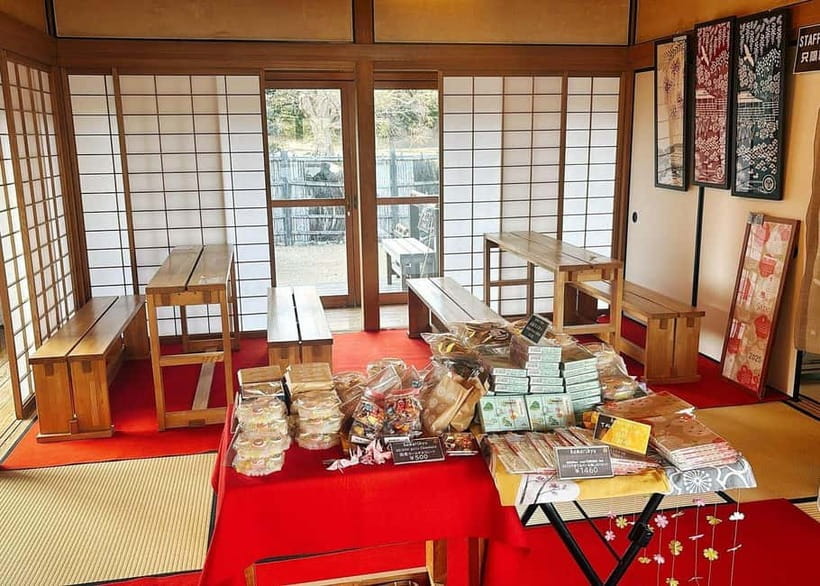
You spend about an hour at Hama-rikyu Gardens, with a mix of guided explanation and free time. Admission is included, which makes the $31 price easier to justify.
The garden’s appeal is the change in mood. After the market, you get open paths, plants, water, and seasonal flowers, with modern Tokyo buildings visible beyond the grounds. That meeting of old garden design and present-day towers is one of the most useful visual lessons in the tour.
Flower displays depend on the season. You may see colorful blooms, but the exact experience cannot be promised year-round. If flowers are your main reason for visiting, check the season before booking and treat the garden’s design, quiet, and skyline view as the more dependable attractions.
The one-hour visit gives you time to listen to the guide and wander at your own pace. It is long enough to slow down after the market, though people who enjoy gardens at a leisurely pace may want to return on their own later.
The tour finishes at Hama-rikyu Gardens. This is convenient if you want to continue exploring the area, but there is no included transportation back to your hotel or to another attraction. Plan your next move before you enter the garden, especially if you have timed reservations elsewhere.
Optional matcha and wagashi tasting
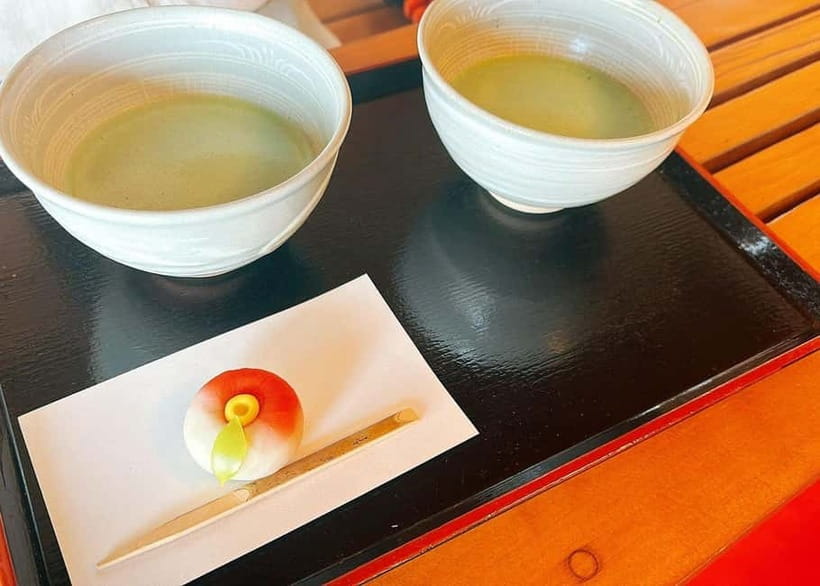
You can add a matcha and wagashi tasting in the gardens for about 1,000 yen, paid on-site. The tasting is optional, so you can decide based on your appetite, budget, and interest in Japanese tea customs.
Matcha gives the garden visit a cultural focus rather than making it only a scenic walk. Wagashi, traditional Japanese sweets, provide a small food pairing and a chance to learn about etiquette. The tasting is not included in the $31 tour price, so set aside extra cash if you want it.
I would choose this add-on if you have not already had a tea experience in Japan and want a short introduction. If your main goal is to keep moving or spend your money on market food, skip it and use the garden time for walking.
Group pace, languages, and practical limits
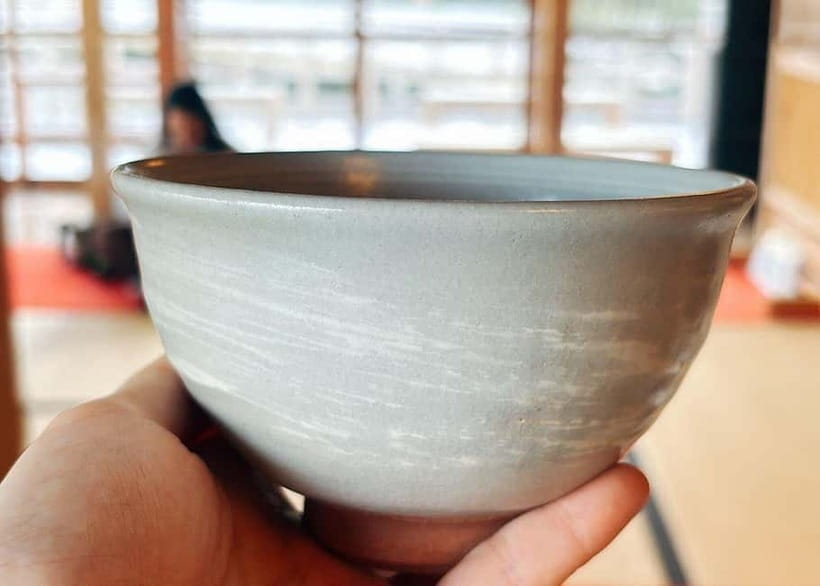
A live guide leads the experience in Chinese, English, French, Korean, or Spanish. That is helpful at the market, where a guide can explain unfamiliar foods and give context that you might miss while browsing alone.
The supplied information does not give a fixed group size. Expect the pace to depend on the people booked for your time. A smaller group may move more easily through narrow lanes, while a larger group may need to stay close together.
The published duration is listed as 150 minutes to three hours. That is a meaningful range. A fast version could cover the main points in about two and a half hours, while a slower group with more market browsing and garden time could approach three hours.
The activity is described as wheelchair accessible in one section, but another section says it is not suitable for wheelchair users or people with mobility impairments. Since the route includes narrow market lanes, outdoor walking, and a 15-minute connection between sites, contact the provider before booking if this affects your decision. Pregnant women are also listed among those for whom the activity is not suitable.
Cancellation is flexible: you can cancel up to 24 hours ahead for a full refund. The reserve-now, pay-later option can help if your Tokyo schedule is still shifting.
Who should book this experience?
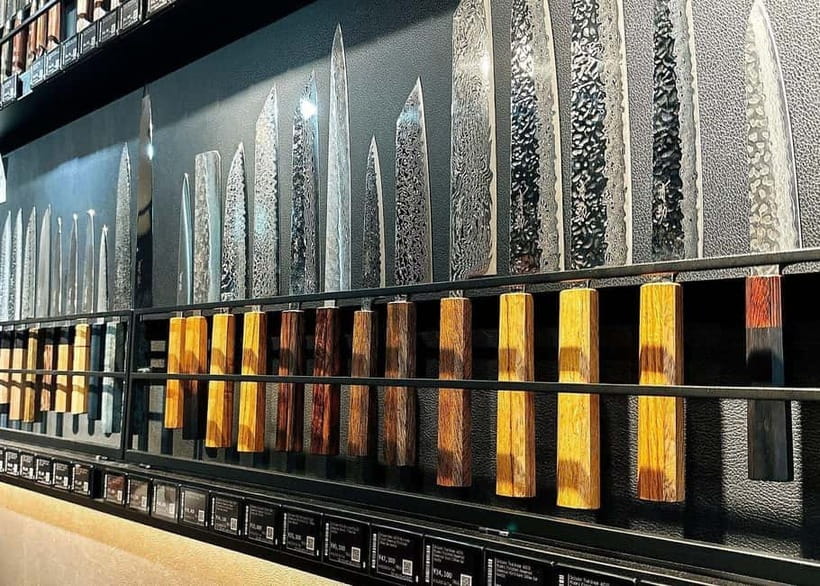
I would recommend this tour to first-time visitors who want three different Tokyo experiences in one compact outing: a temple, a food market, and a historic garden. It also suits couples or families who prefer a guided introduction but want freedom to choose their own snacks.
Food lovers should book it if they enjoy sampling rather than sitting down for one formal meal. You can try a scallop, omelette, sushi, skewer, or sweet without committing to a restaurant menu.
The tour is less suitable if you want a deep food crawl, a long temple visit, or a full day in the garden. It is also not the right choice if walking through narrow lanes and standing for several hours will be difficult.
Should you book the Tsukiji and Hama-rikyu tour?
Book it if you value variety and want a short, well-connected introduction to this part of Tokyo. The $31 fee covers the guide and garden admission, while the optional food and tea purchases let you control your spending.
I especially like the way the route moves from Tsukiji Hongwanji Temple to the market and then into Hama-rikyu Gardens. You get food culture, architecture, seasonal scenery, and a striking view of old Japan beside the modern city.
Skip it if you would rather explore Tsukiji slowly on your own or if accessibility and walking are concerns. For everyone else, wear good shoes, bring water, keep some yen ready for snacks, and leave enough time after the tour to continue from Hama-rikyu Gardens.
FAQ
Where does the tour begin?
The meeting point is in front of Starbucks Coffee near Tsukiji Station.
Where does the tour finish?
The tour finishes at Hama-rikyu Gardens.
How long does the experience take?
The stated duration is between 150 minutes and three hours, depending on the available start time and pace.
Is transportation included?
No. This is a walking tour, and transportation to and from the attractions is not included.
Is food included in the price?
No. Food from market stalls is optional and must be paid for separately.
How much does the matcha and wagashi tasting cost?
The optional tasting costs about 1,000 yen and is paid on-site.
What languages are available?
The live tour guide may lead the experience in Chinese, English, French, Korean, or Spanish.
More Fish Market Walks in Tokyo
- Tokyo Sushi Making Class in Tsukiji with Professional Chef
★ 5.0 · 1,177 reviews - Tokyo: Tsukiji Fish Market Food and Culture Walking Tour
★ 4.7 · 757 reviews - Tsukiji Fish Market: Street Food & Culture Walking Tour
★ 5.0 · 669 reviews - Tsukiji Fish Market Small-Group Food Walking Tour
★ 5.0 · 621 reviews
Just added around Tokyo
- Kawagoe Japanese Food Tour : Unagi Kaiseki and Sake near Tokyo★ 5.0 · 30 reviews
- Kawagoe 4hr Private Tour with Licensed Guide (Kawagoe Dep)★ 5.0 · 13 reviews
- Little EDO Sushi Making workshop in Kawagoe★ 5.0 · 18 reviews
- 【R34】Tokyo:Private Daikoku tour in Modified R34★ 4.9 · 92 reviews
- :Tokyo,Shibuya/ Pro Photography in Kimono / English-Friendly★ 5.0 · 26 reviews
- Tokyo:Celebrate Unique Japanese New Year Tradition Festivity★ 3.9 · 20 reviews
- Tokyo: Allstar Food Tour★ 4.7 · 29 reviews
- Tokyo: West-Side Cycling and Food Tour with Guide★ 5.0 · 37 reviews
Fish Market Tours, compared.

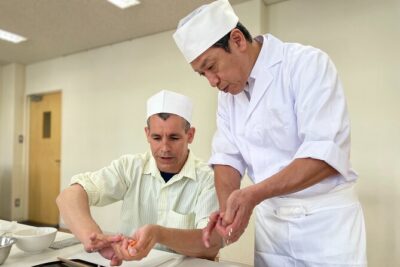
Tokyo Sushi Making Class in Tsukiji with Professional Chef
Our verdict →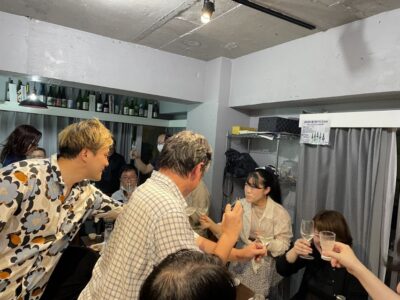

Wakayama Cat Train, Seafood market, Hot Springs Tour
Our verdict →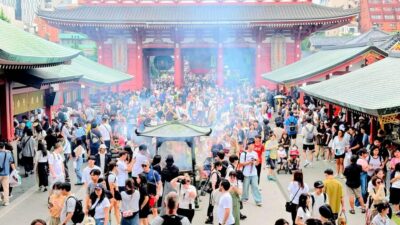
Awesome Private Tour: Tsukiji, Asakusa, Shinjuku, Shibuya
Our verdict →Browse the lists this tour appears in