
Reviewed · CASTLE TOURS
Tokyo: Pvt. Tour – Edo Castle & Imperial Palace East Gardens
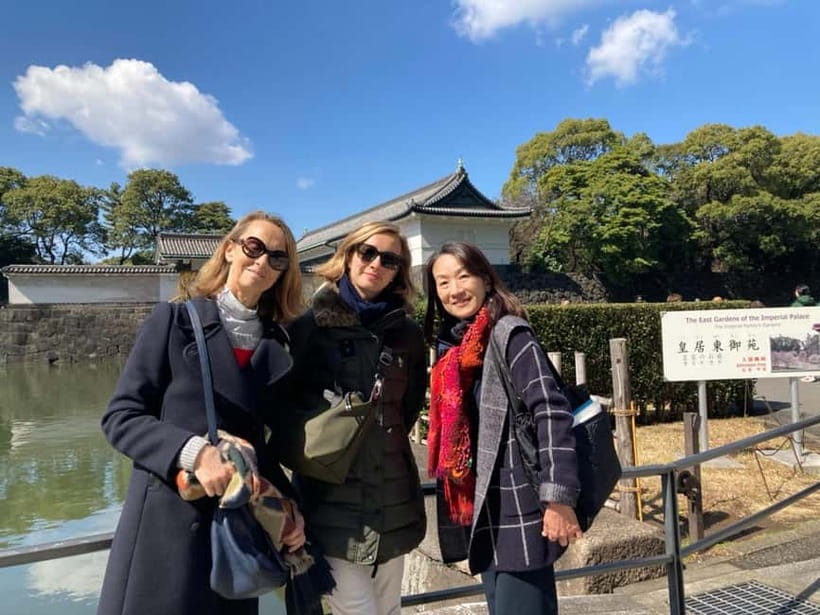
Edo Castle once covered much of central Tokyo, and its surviving stone walls, moats, and massive keep foundations give you a clear sense of the shogun’s power. I like that this tour puts those remains inside a calm garden, far removed from the city streets just beyond the palace grounds.
I especially like the private format, which lets you stop for questions and set a comfortable walking pace. I also like the guides’ practical approach: Yoshi, Yuji, Naoko, and Masahito have been praised for clear English, thoughtful explanations, and help with onward directions. The main drawback is simple: you do not enter the Imperial Palace itself, and seasonal flowers may not be at their best on your visit.
Key points to know before you book
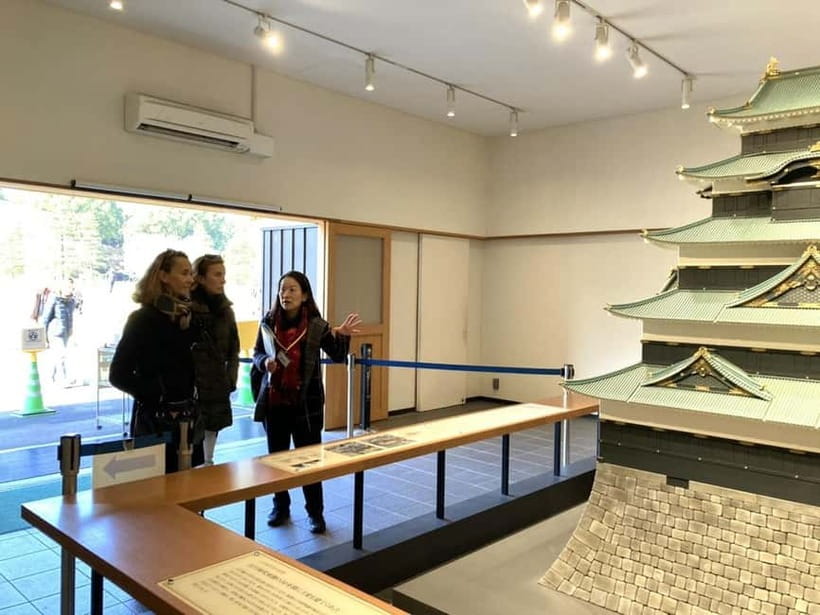
- See Edo Castle from its surviving foundations: Ancient walls, moats, and the massive keep site reveal the scale of feudal Tokyo.
- Walk through Ninomaru Garden: Seasonal flowers, koi, carefully arranged plantings, and traditional garden scenery make this the prettiest part of the visit.
- Enjoy a genuinely private two-hour tour: Your guide can slow down for questions, adjust the pace, and focus on your interests.
- Meet in an easy central location: The starting point is Wadakura Fountain Park, three minutes from Otemachi Station’s D2 exit and about ten minutes from Tokyo Station’s Marunouchi Central Exit.
- Prepare for a baggage inspection: The palace grounds inspect bags, so leave knives and similar items in a coin locker before meeting the guide.
- Know what is not included: The route visits the East Gardens only. It does not enter the inner palace where the Emperor resides.
Why Edo Castle matters in modern Tokyo
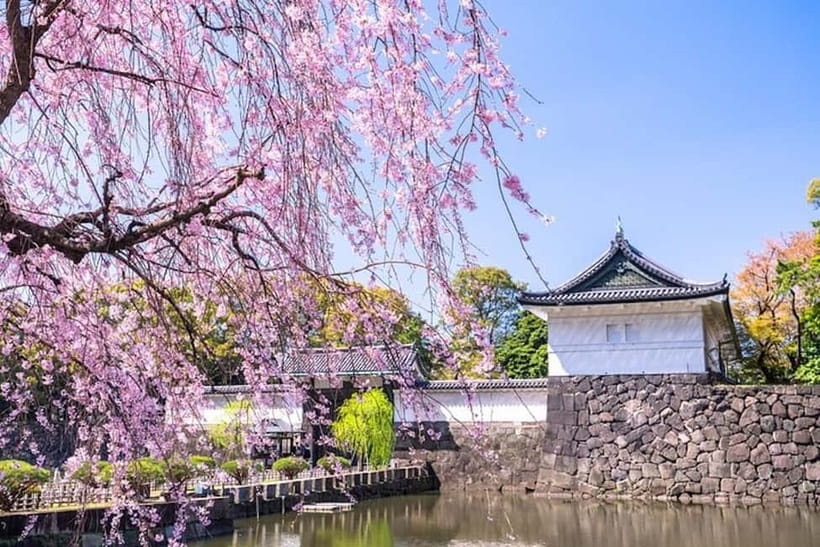
Tokyo can feel like a city built for the present, all bright signs, packed trains, and quick-moving crowds. The East Gardens offer a different view. Here, the remains of Edo Castle connect today’s capital with the period when Tokyo was called Edo and the shogun held the country’s political power.
You will not see a complete medieval fortress. Much of the castle disappeared over time, but what remains is impressive enough to make the old power center easy to picture. Wide moats, heavy stonework, gates, and the site of the main keep show how carefully the castle was protected.
A guide adds real value here because the ruins do not explain themselves. A large stone wall may look like a handsome piece of masonry when you walk past it alone. With context, you can understand its defensive purpose, the labor required to build it, and the scale of the compound it once protected.
The tour also connects the shogun’s era with the Imperial Palace of today. That transition is one of the most useful ideas to take away from the visit. You are not simply looking at a garden. You are walking through a place where political power changed hands and where old Japanese traditions remain part of the setting.
More Castle Tours in Tokyo
- Tokyo Castle & Imperial PalaceーShogun Walking Tour
★ 4.7 · 1,068 reviews - Tokyo Castle & Imperial PalaceーShogun Walking Tour
★ 5.0 · 724 reviews - Imperial Palace East Garden and Edo Castle Walking Tour in Tokyo
★ 5.0 · 510 reviews
Starting at Wadakura Fountain Park
Meet your English-speaking guide in front of Starbucks at Wadakura Fountain Park. Look for the signboard marked gotcha. The meeting point is central and practical, especially if you are already visiting Tokyo Station or the Marunouchi district.
From Otemachi Station’s D2 exit, the walk takes about three minutes. From Tokyo Station’s Marunouchi Central Exit, allow about ten minutes. That makes the tour easy to pair with a morning around the station, a visit to nearby Marunouchi, or an afternoon plan in central Tokyo.
The starting point also gives you a useful moment to get oriented before entering the palace grounds. Since this is a private tour, your guide can confirm the route, answer initial questions, and adapt the pace to your group.
You should arrive ready for a walking tour rather than a formal palace visit. Wear comfortable shoes and plan for outdoor conditions. The exact starting time varies, so check the available times when booking.
The historic gate and palace approach
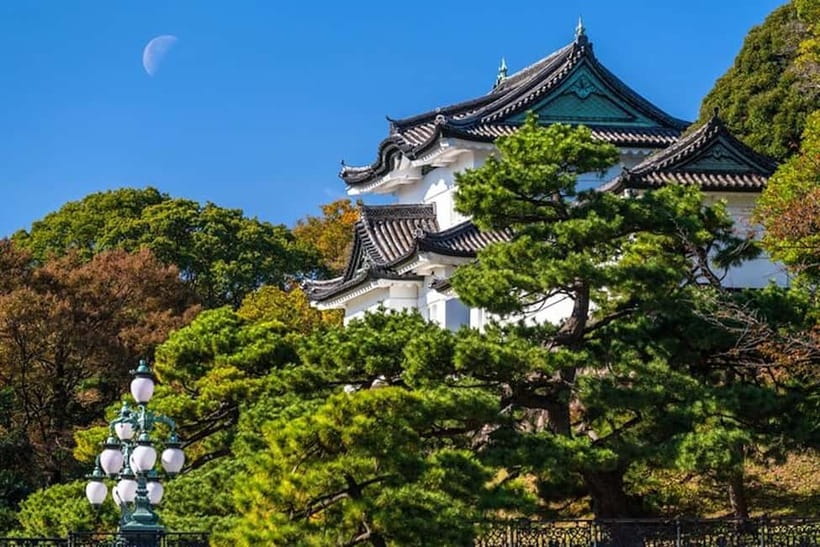
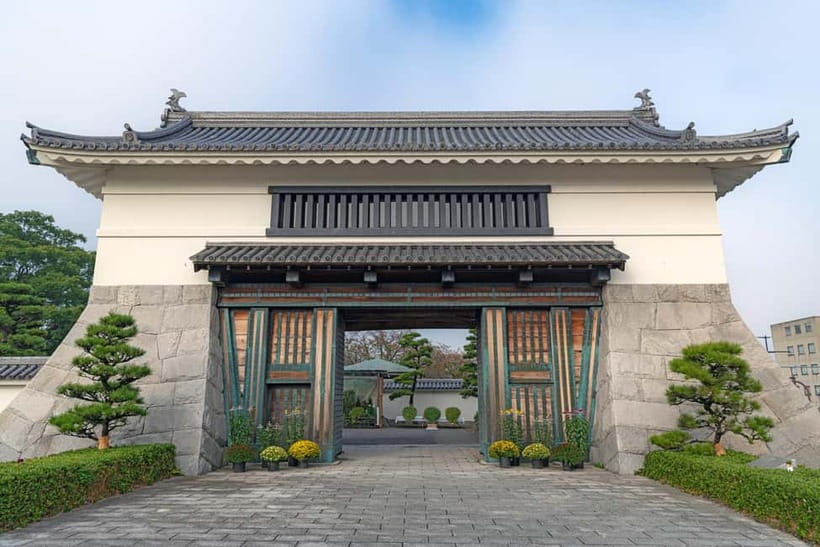
One of the first notable sights is the Main Gate, with its traditional guardhouse and a mix of old and new security measures. That combination gives you an immediate sense of how the site works today. This is an active imperial area, not a preserved castle town frozen in time.
The gate is also a useful introduction to Japanese architecture and public space. Traditional forms sit beside modern controls, and visitors pass through a setting that still has an official function. Your guide can help explain what you are seeing instead of leaving you to guess which details are old, restored, or part of current security.
A baggage inspection takes place when you enter the palace grounds. This is important if you have spent the day shopping. Japanese knives or other items that could be used as weapons must be left in a coin locker or similar storage before the meeting. Do not arrive with a newly purchased knife from Tsukiji, Asakusa, or another shopping area and expect to carry it through security.
This rule is easy to manage, but it is worth planning for. The tour information specifically calls it out because it can catch shoppers by surprise.
Edo Castle ruins, stone walls, and the keep site
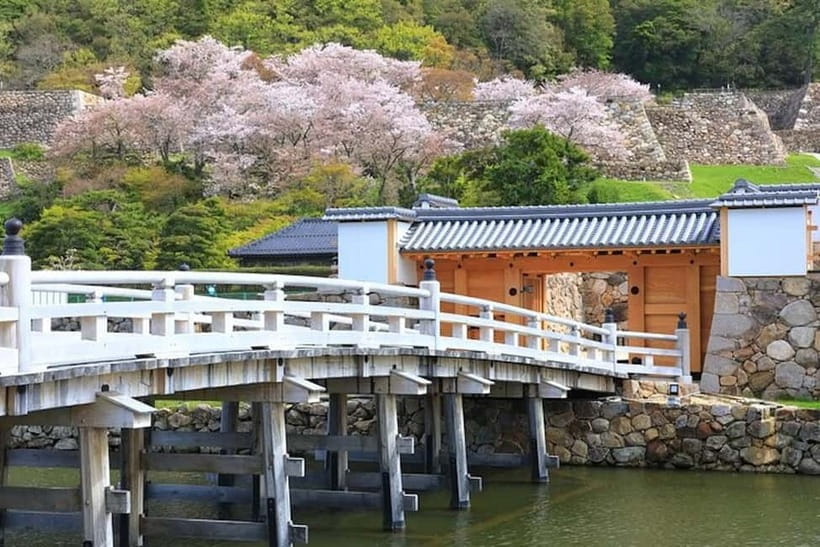
The castle ruins are the historical core of the walk. The ancient stone walls are built from large, carefully fitted blocks, and the moats help you understand the defensive logic of the site. The foundations of the massive keep are especially useful for visualizing how large the castle once was.
I find this section more rewarding with a guide than on a solo walk. Without explanation, you see stone platforms and broad open spaces. With a guide, those same features become clues about the old compound, its protection, and the shogun’s position at the center of Japanese political life.
The tour is not a museum visit with indoor displays and reconstructed rooms. It is an outdoor walk through surviving structures and open ground. If you want lavish interiors or a fully restored castle, this may feel limited. If you enjoy reading a place through its walls, gateways, and layout, the remains offer plenty to think about.
The private format matters here. You can ask how the castle functioned, what happened to the buildings, or how the site relates to the present palace. Guides have also adjusted their explanations to family groups and individual questions, according to the details available about the experience.
More Garden Tours in Tokyo
- Tokyo: Imperial Palace East Gardens Walking Tour
★ 4.8 · 353 reviews - Tokyo Castle, Imperial Palace, Shogun & Garden Walking Tour
★ 5.0 · 211 reviews - Tokyo: Edo Castle & East Garden of the Imperial Palace Tour
★ 4.7 · 112 reviews - Tokyo: Tsukiji Market and Hama-rikyu Gardens Guided Tour
★ 4.8 · 73 reviews
Ninomaru Garden and seasonal flowers
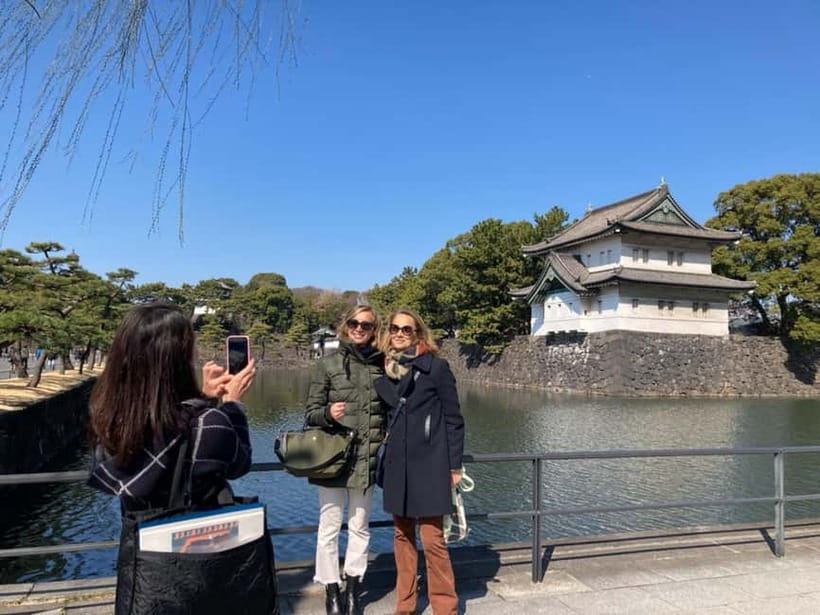
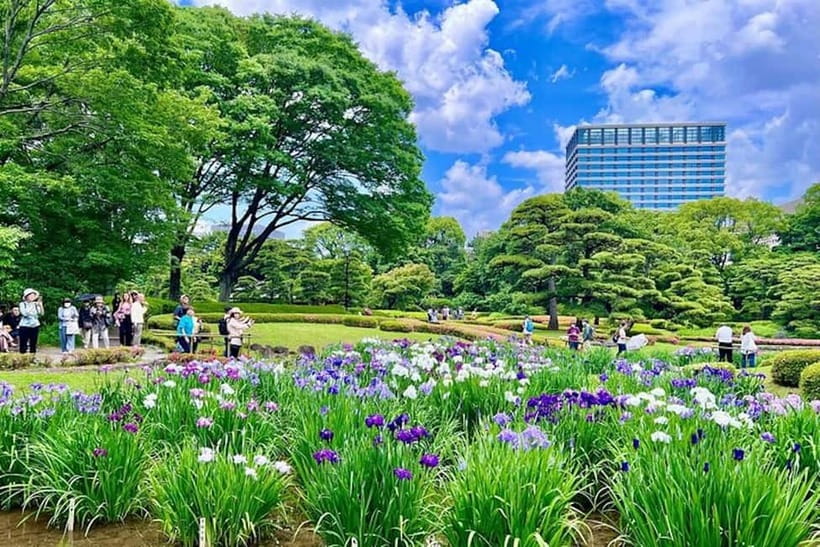
Ninomaru Garden provides the tour’s most peaceful stretch. It was built on the grounds of Edo Castle and follows traditional Japanese garden principles. You will see shaped plantings, water, paths, seasonal flowers, and koi in a setting designed for quiet observation rather than quick sightseeing.
The garden changes with the calendar. Cherry blossoms may appear in spring, irises in summer, and autumn leaves later in the year. That means timing affects what you see. A visit in April may offer blossoms, but flowering dates vary, and one April tour had flowers and cherry blossoms that had not fully appeared yet.
This is a useful reminder not to book only for one specific flower. The garden remains worth seeing outside peak bloom, but its visual character will change. Summer brings irises, while autumn can bring colorful foliage. If garden scenery is your main reason for booking, check the likely seasonal conditions before choosing your date.
The garden also rewards a slower pace. A private guide can point out details that are easy to pass over, including the koi and the relationship between water, plants, paths, and views. Naoko, for example, was praised for explaining the buildings, past and present inhabitants, koi, and garden features in a well-paced way.
You should not expect an unlimited garden stroll. The experience lasts two hours and includes the guided walk through the East Gardens. That is enough time for a focused visit, but not a full-day exploration of every corner of the palace area.
What the private guide changes
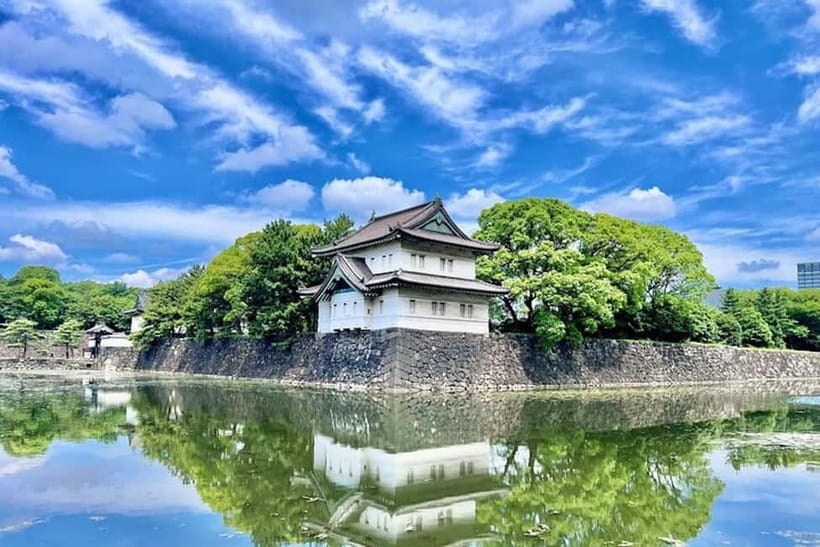
A private tour is the main reason to choose this experience over entering the garden alone. You are paying for interpretation and flexibility, not simply admission to a green space.
The strongest guide qualities reported for this experience are clear English, good organization, friendliness, and a willingness to answer questions. Yuji was praised for walking at a comfortable pace with a family and explaining details they might otherwise have missed. Masahito reportedly contacted another guide to check an answer rather than guessing. That is a small but meaningful sign of careful guiding.
Several named guides have received warm praise, including Hiroshito, Yoshi, Mari, Ishida, Maru, Naoko, Yuji, and David. Individual guide assignments can vary, so you cannot count on receiving a particular person. Still, the repeated pattern is useful: the experience is built around local English-speaking guides who explain the setting and adjust to the group.
The private setup also suits mixed-interest groups. One person can ask about military history, another can focus on garden design, and children can have the pace adjusted when the walk begins to feel long. You are not waiting for a large group to catch up or moving on before your question is answered.
The tradeoff is cost. At $63 per person, this is not the cheapest way to see the East Gardens. You are paying more than you would for a self-guided visit, but the price can make sense if you want historical context, smooth navigation, and a guide who can explain the connection between Edo Castle and the modern Imperial Palace.
What you will not see inside the palace
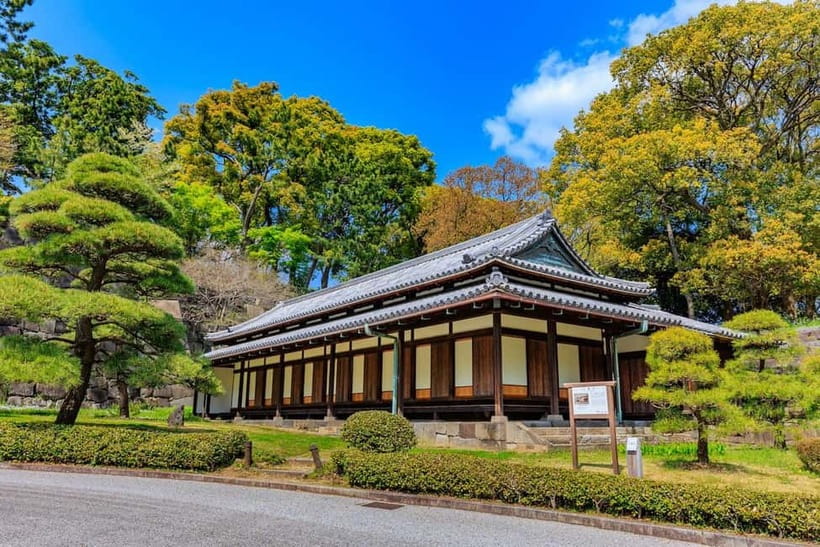
Set your expectations correctly: this tour does not enter the Inner Palace where the Emperor resides. The route covers the Imperial Palace East Gardens and the historic remains of Edo Castle, not the private or restricted palace buildings.
That limitation is not a minor footnote. Some people hear Imperial Palace and imagine an indoor tour of ceremonial rooms. That is not what you are booking. The experience is an outdoor historical and garden walk.
For many visitors, the East Gardens are the more accessible and rewarding part of the palace area anyway. You get stonework, moats, castle foundations, gardens, and explanations of Japanese political history. But if entering the palace itself is your main goal, choose another experience.
Is $63 a fair price for two hours?
The price is easiest to judge by comparing it with what you want from the visit. If you are happy to read signs, follow paths, and enjoy the garden quietly, you may prefer to go independently. The East Gardens provide plenty to see without a guide.
If you want the site explained in English, the private price is more reasonable. You receive a two-hour walking tour, a guide focused on your group, and the chance to ask questions throughout. That can prevent the castle ruins from becoming a series of attractive but confusing walls.
The value is also stronger for a first visit to Tokyo. Guides have helped with onward directions to stations and suggested what to see next, which can save time when you are still learning the city. That practical help is not the formal centerpiece of the tour, but it can improve the rest of your day.
Families and small groups will likely get the most from the private arrangement. Solo visitors should weigh the per-person cost more carefully, especially if they enjoy self-guided sightseeing. The strong 4.8 score from 63 ratings suggests a consistently well-received experience, but your satisfaction will still depend on wanting a guided walk rather than simple garden access.
Who should book this East Gardens walk?
I would recommend it to you if you want a calm break from central Tokyo and prefer history explained in plain English. It is also a good choice if you like gardens but want more than flower photographs. The combination of castle remains, imperial context, and seasonal scenery gives the two hours a clear shape.
Families should benefit from the private format and adjustable pace. The tour has also worked well for people who want help with navigation and nearby plans after the walk.
It may be less suitable if you want to enter palace interiors, see a complete restored castle, or spend a full day in formal gardens. It is also not ideal for anyone carrying recently purchased knives or similar items who has not arranged storage.
Book with realistic expectations about flowers. Cherry blossoms and other seasonal displays can vary, even within the expected season. The site itself remains worthwhile, but the exact show of color is not guaranteed.
Cancellation is free up to 24 hours in advance, and you can reserve now and pay later. Those terms make it easier to fit the tour around changing Tokyo plans.
Should you book it?
Book this tour if you want the Edo Castle ruins and Imperial Palace East Gardens to make sense, not just look attractive. The guide is the main purchase, and the private format gives you a comfortable pace, direct answers, and useful context about shoguns, emperors, architecture, and garden design.
Skip it if you mainly want to enter the palace or prefer wandering alone. For everyone else, $63 buys a focused introduction to one of central Tokyo’s most important historic spaces, with enough quiet greenery to make the city feel pleasantly far away for two hours.
FAQ
How long does the tour last?
The guided walk lasts two hours.
Where does the tour meet?
Meet in front of Starbucks at Wadakura Fountain Park. Look for the guide holding a signboard that says gotcha.
How far is the meeting point from Otemachi Station?
The meeting point is about a three-minute walk from Tokyo Metro Otemachi Station’s D2 exit.
How far is it from Tokyo Station?
It is about a ten-minute walk from Tokyo Station’s Marunouchi Central Exit.
Is the tour private?
Yes. This is a private-group walking tour with an English-speaking live guide.
Does the tour enter the Imperial Palace?
No. The tour visits the East Gardens and does not enter the Inner Palace where the Emperor resides.
Is there a baggage inspection?
Yes. Visitors are subject to a baggage inspection when entering the Imperial Palace grounds.
Can I bring a Japanese knife purchased earlier in the day?
No. If you buy a Japanese knife or another item that could be used as a weapon at Tsukiji, Asakusa, or elsewhere, leave it in a coin locker or similar storage before meeting the guide.
What is included in the price?
The price includes the guide and the walking tour of the Imperial Palace East Gardens. The Inner Palace is not included.
More Historical Tours in Tokyo
- Tokyo: Imperial Palace and Shogun Historical Walking Tour
★ 5.0 · 2,251 reviews - Tokyo: Imperial Palace Japanese History Walking Tour
★ 4.9 · 987 reviews - Tokyo: Imperial Palace and Shogun Walking Tour
★ 4.9 · 935 reviews - Yanaka Walking Tour: Historic and Traditional District of Tokyo
★ 5.0 · 530 reviews
Just added around Tokyo
- Kawagoe Japanese Food Tour : Unagi Kaiseki and Sake near Tokyo★ 5.0 · 30 reviews
- Kawagoe 4hr Private Tour with Licensed Guide (Kawagoe Dep)★ 5.0 · 13 reviews
- Little EDO Sushi Making workshop in Kawagoe★ 5.0 · 18 reviews
- 【R34】Tokyo:Private Daikoku tour in Modified R34★ 4.9 · 92 reviews
- :Tokyo,Shibuya/ Pro Photography in Kimono / English-Friendly★ 5.0 · 26 reviews
- Tokyo:Celebrate Unique Japanese New Year Tradition Festivity★ 3.9 · 20 reviews
- Tokyo: Allstar Food Tour★ 4.7 · 29 reviews
- Tokyo: West-Side Cycling and Food Tour with Guide★ 5.0 · 37 reviews
Castle Tours, compared.
Tokyo Castle & Imperial PalaceーShogun Walking Tour
Our verdict →
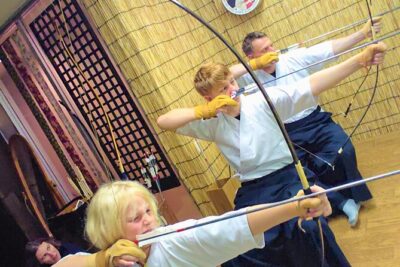
Japanesel Archery Experience HIROSHIMA CASTLE SHARAKU
Our verdict →
Browse the lists this tour appears in