
Reviewed · TEMPLES & SHRINES
Tokyo: Asakusa Walking Tour with Sensoji Temple Visit
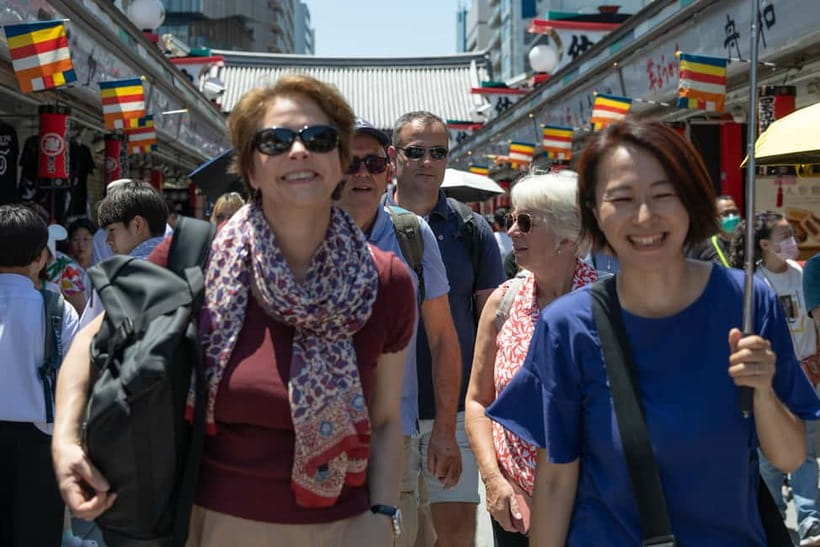
Asakusa gives you Tokyo at its most visibly traditional, and this two-hour walk puts its key sights into a clear story. You’ll pass beneath the huge red Kaminarimon, follow Nakamise Street to Sensoji Temple, and learn why Buddhist and Shinto sites share this old district. I especially like the guide’s practical food tips and the chance to see the temple rituals explained instead of simply photographed.
I also like the reasonable $22 price, the short two-hour format, and the accessible route through several major sights. The main drawback is that Asakusa can be crowded, and the schedule leaves limited time to shop, eat, or explore inside the temple area on your own.
Key points
- Kaminarimon meeting point: Find your guide on the left side of the Thunder Gate, near Tokiwado Kaminari-okoshi Honpo, holding a tour sign.
- Sensoji brought to life: Learn about Tokyo’s oldest Buddhist sanctuary, its architecture, incense customs, and religious meaning.
- More than one temple stop: The walk also includes Asakusa Shrine, giving you a useful introduction to both Buddhist and Shinto traditions.
- Local streets and food ideas: Hoppy Street and Shin-Nakamise add everyday Asakusa flavor beyond the main temple approach.
- Strong guide feedback: Aya, Keiko, Hiroko, Glenda, Polina, Loc, and Miyu are among the guides praised for clear English, humor, patience, and helpful local suggestions.
- Flexible booking: The tour costs $22 per person, is wheelchair accessible, and allows cancellation up to 24 hours before departure for a full refund.
Why Asakusa is a smart first walk in Tokyo
Tokyo can feel enormous on your first day. Neighborhoods blur into one another, temple customs may be unfamiliar, and it is easy to take a photograph without knowing what you are looking at. Asakusa solves part of that problem by giving you a compact area filled with clear landmarks and a strong sense of place.
I like this tour because it does not treat Sensoji as a single photo stop. The route links the gate, shopping street, temple, shrine, food lanes, and riverfront. That sequence helps you understand how Asakusa works rather than simply ticking off famous sights.
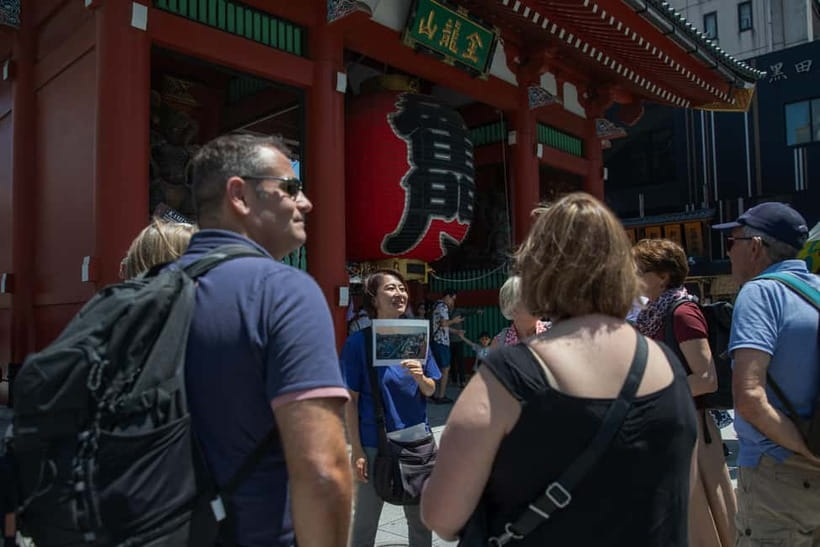
The English-speaking guide is the main reason to choose a tour instead of walking alone. Guides such as Aya, Keiko, Hiroko, and Glenda have been praised for explaining history and customs in an easy way, while Polina, Loc, and Miyu have also received strong praise for humor, good English, and friendly conversation. Your guide is not guaranteed to be one of these people, but the repeated pattern is clear: the human explanation is the central value.
More Temple & Shrine Tours in Tokyo
- Tokyo: Meiji Shrine, Asakusa, Skytree Bus Tour and Cruise
★ 4.7 · 1,986 reviews - Tokyo Panoramic 1 Day: Meiji Shrine, Asakusa, Odaiba and SKYTREE®
★ 4.5 · 1,222 reviews - Tokyo: Zen Meditation at a Private Temple with a Monk
★ 5.0 · 510 reviews
Meeting at Kaminarimon, Tokyo’s Thunder Gate
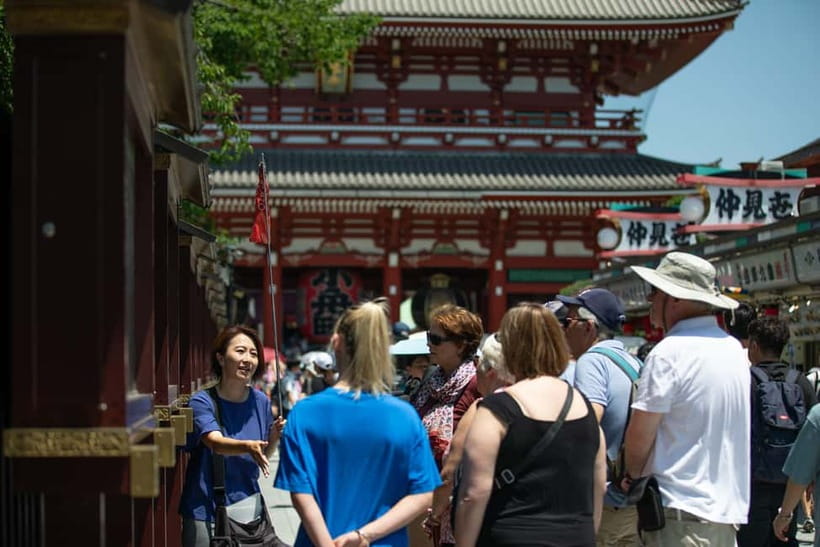
The walk begins at Kaminarimon, the grand entrance to Sensoji. Meet on the left side of the gate, close to Tokiwado Kaminari-okoshi Honpo. Your guide will hold a sign, which matters here because the area can be crowded and the gate is an obvious gathering place for many visitors.
Allow extra time to reach the meeting point. The tour asks you not to be late because the guide cannot hold up the rest of the group for long. That is sensible on a walking tour with several timed stops, but it also means you should not plan to arrive at the last minute.
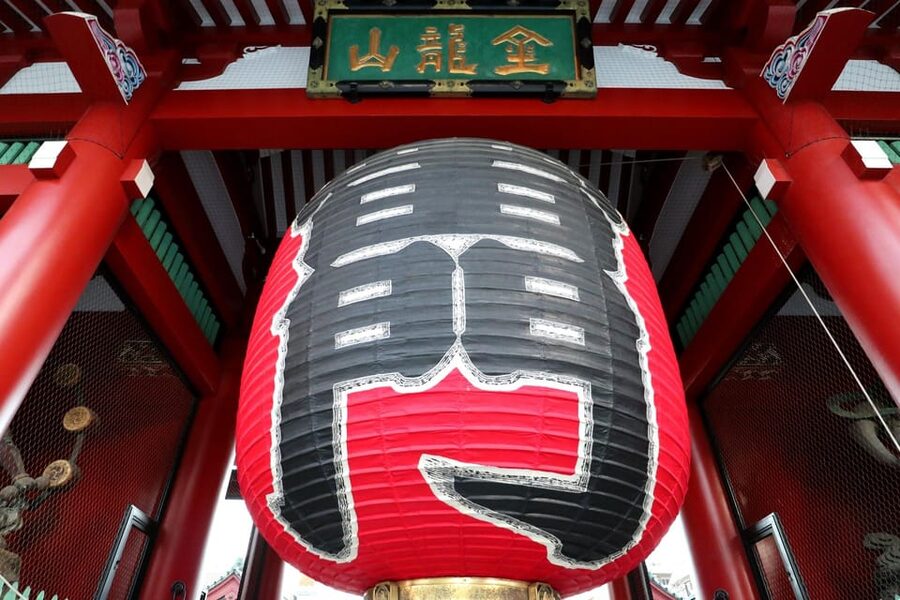
Kaminarimon is worth pausing over before you move on. The gate is dominated by its enormous red lantern, and the name Thunder Gate gives you an immediate clue to its dramatic character. Your guide spends about ten minutes here, explaining the gate and setting the scene for the temple complex beyond it.
This is a good opening because it gives you something to look at while introducing the religious and historical importance of Asakusa. It also gives you a chance to take the classic entrance photograph before the group moves into the narrower street.
Nakamise Street, souvenirs before the temple
From Kaminarimon, you walk down Nakamise Shopping Street for about fifteen minutes. This is one of Japan’s oldest shopping centers, lined with shops selling traditional crafts, snacks, and souvenirs.
Nakamise is not a quiet approach. It is a commercial street, and its value lies in the connection between shopping and worship. Your guide can point out the kinds of food and goods associated with the area, helping you decide what deserves a closer look later.
The time here is enough for orientation but not for a full shopping session. I would resist buying everything immediately. Note the shops and foods you want to revisit after the tour, when you are free to browse without keeping pace with the group.
This section also helps you understand how Asakusa has served visitors for generations. The street is not just a modern retail strip placed beside a temple. It is part of the experience of approaching Sensoji, where the commercial and religious sides of the district sit together.
Sensoji Temple and the incense ritual
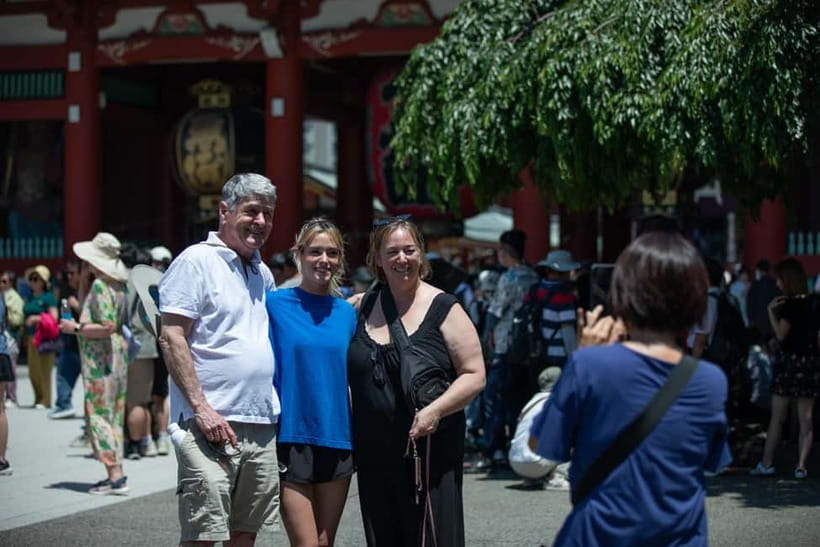
Sensoji, also called Asakusa Kannon, is the heart of the walk. It is described as Tokyo’s oldest Buddhist sanctuary, and the tour gives you roughly thirty minutes for a guided visit, photos, and free time.
That half hour is useful because Sensoji can feel confusing when you first arrive. There are large buildings, decorations, crowds, ritual areas, and many details competing for attention. A guide can help you focus on the temple’s architecture, stories, and customs instead of rushing straight to a photograph.
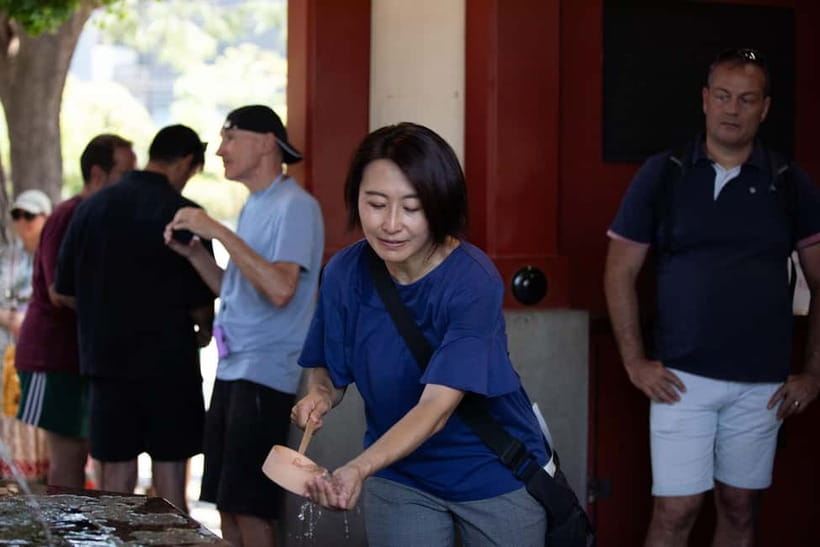
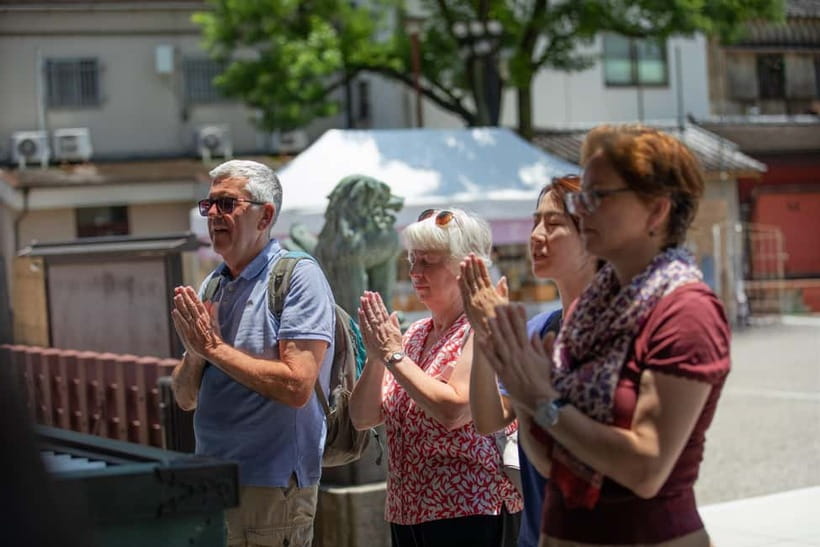
One of the most useful parts is the explanation of incense burning. You can take part in the ritual and learn how to behave respectfully, rather than copying the nearest person and hoping for the best. The guide also explains the meaning behind details that might otherwise look decorative or mysterious.
The tour’s strongest theme is context. Guides such as Aya have been praised for explaining the temple’s history, architecture, traditions, and stories of miracles. Other guides have answered questions about Japanese culture and religion in plain English, which is especially helpful if this is your first Buddhist temple visit.
Sensoji is also the busiest section of the walk. Thirty minutes passes quickly, and you may not have time to inspect every corner or linger for long. If you want quiet photographs, this scheduled visit may feel brisk. The benefit is that the guide keeps the group moving and makes sure you see the central features.
More Walking Tours in Tokyo
- Tokyo Tsukiji Fish Market Food and Culture Walking Tour
★ 5.0 · 3,184 reviews - Tokyo: Imperial Palace and Shogun Historical Walking Tour
★ 5.0 · 2,251 reviews - Tokyo: Shinjuku Local Bar and Izakaya Guided Walking Tour
★ 4.9 · 1,794 reviews - Tokyo: Tsukiji Fish Market Food and Walking tour
★ 5.0 · 1,724 reviews
Asakusa Shrine and the meeting of two traditions
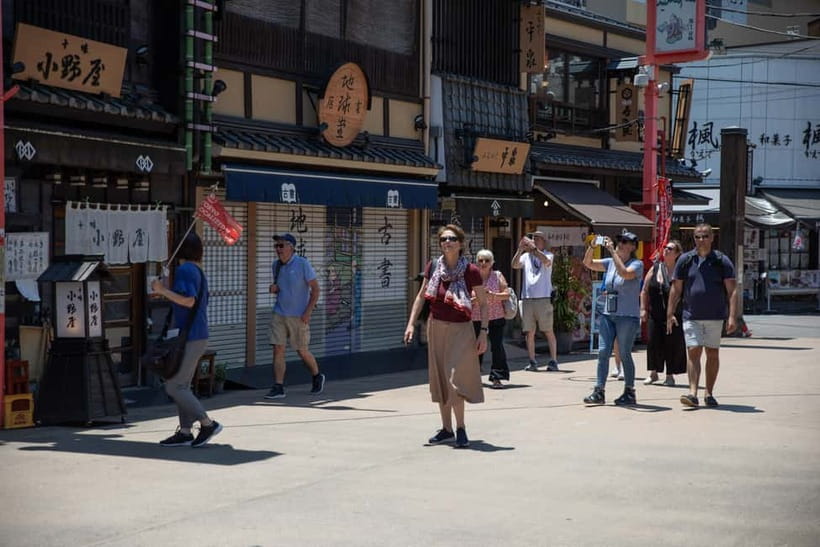
Next comes Asakusa Shrine, with about twenty minutes for a visit, photos, and explanation. This stop gives the tour a useful contrast because you are not looking at only one religious tradition.
Sensoji is Buddhist, while Asakusa Shrine is Shinto. Seeing both in one short walk gives you a basic framework for understanding how different religious customs appear side by side in Japan. Your guide can explain the difference without turning the visit into a lecture.
I find this pairing particularly valuable for first-time visitors. Many people recognize a Japanese temple or shrine but do not know which is which, what rituals belong to each, or why both matter in the same district. The tour gives you practical cultural reference points you can use elsewhere in Tokyo.
The stop is also a welcome change of pace after the main temple. Instead of staying with one monumental building, you get another setting and another way to read the neighborhood. As with Sensoji, the time is structured, so you should not expect a long independent visit.
Hoppy Street and Asakusa’s food side
The route then moves toward Hoppy Street for about ten minutes. This is where the tour shifts from major religious sights to the food and social character of Asakusa.
The street is known for casual eateries and local atmosphere, and it helps show that Asakusa is more than a temple district. Several guides have offered suggestions for places to eat after the walk, which is useful because the tour finishes around the time many people are ready for lunch.
You do not need to treat this as a full food tour. Food and drinks are not listed as included, and the stop is brief. Think of it as a guided introduction to a dining area, followed by recommendations you can use once the tour ends.
That arrangement suits me. You get the local pointers without paying for a fixed meal or being locked into someone else’s menu. If eating is your main reason for visiting Asakusa, plan to return after the tour with time to choose your own place.
Shin-Nakamise and the final walk to Azuma Bridge
The final shopping stop is Shin-Nakamise Shopping Street, where the guide spends about ten minutes. This adds another look at Asakusa’s retail life and gives you a chance to notice how the covered shopping streets differ from the main Nakamise approach.
The tour ends at Azuma Bridge. Finishing there gives the walk a clear endpoint away from the temple entrance, rather than leaving you in the middle of the same crowd where you began. It also makes the route feel like a neighborhood walk, not simply a return trip along one street.
Because the walk ends near lunchtime, you can use the guide’s restaurant suggestions immediately. Several guides, including Keiko, Aya, and Rio, have been praised for recommending places to eat or things to do after the formal route. That practical advice can save you from choosing a restaurant at random in a busy area.
The route includes roughly 105 minutes of named stops, with the remaining time used for walking, transitions, questions, and group pacing. You will be on your feet throughout, so comfortable shoes are a sensible choice even though the distance is not described as extreme.
What the $22 price really buys you
At $22 per person, this is a modestly priced guided introduction to one of Tokyo’s most visited districts. You could walk from Kaminarimon to Sensoji and Azuma Bridge without paying an admission fee, but the price here pays for interpretation, structure, and local suggestions.
The value is strongest if you are new to Japan. A guide can explain the incense ritual, distinguish Buddhist and Shinto sites, point out cultural details, and answer questions while the place is in front of you. That is difficult to reproduce with a quick online search while standing in a crowded temple precinct.
The value is less clear if you already know Asakusa well or prefer to wander slowly. The two-hour schedule is designed to cover the highlights, not to give you a leisurely morning for shopping, eating, and repeated photographs.
The rating is 4.8 from 1,583 ratings, and the strongest praise focuses on guide quality. People have singled out clear English, patience with children, thoughtful pacing, humor, and the ability to answer questions. One guide was praised for using extra charts, while another made a point of checking that everyone could hear and keep up.
Those details matter more than a generic promise of local expertise. A good guide in Asakusa must manage crowds, explain religious customs without confusion, and keep a mixed-age group interested. The feedback suggests this tour has often done that well.
Who should book this Asakusa walk
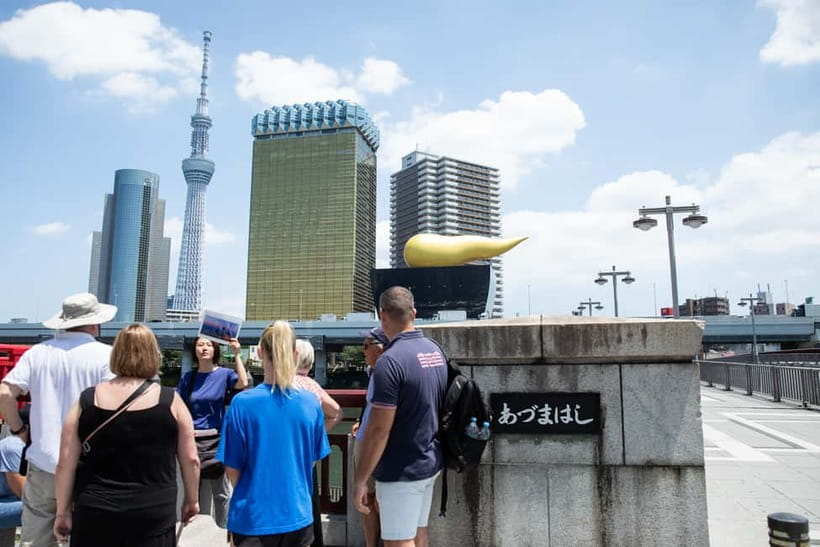
I would recommend this tour to first-time visitors who want an easy introduction to Tokyo’s older cultural side. It is also a good choice if you have only a short stay and want to see Sensoji without spending half a day planning the route.
Families may find it useful. A guide such as Keiko has been praised for engaging children and a fourteen-year-old, while keeping the pace comfortable for the whole group. The short format also works well when younger walkers need a clear finish time.
Food-focused visitors can use it as a morning orientation before lunch. You will not receive a meal, but Hoppy Street, Nakamise, and Shin-Nakamise give you several areas to investigate, and guides often provide suggestions for what to eat or where to go next.
The tour is wheelchair accessible, which makes it a practical option for people checking access before booking. Still, Asakusa is a busy urban district with crowds and active shopping streets, so you should confirm that the specific route and pace suit your needs.
I would think twice if your priority is solitude. Sensoji and Nakamise can be crowded, and a fixed group schedule means you cannot stop everywhere for as long as you wish. In that case, take the tour for orientation, then return independently at a quieter time.
Booking details that matter
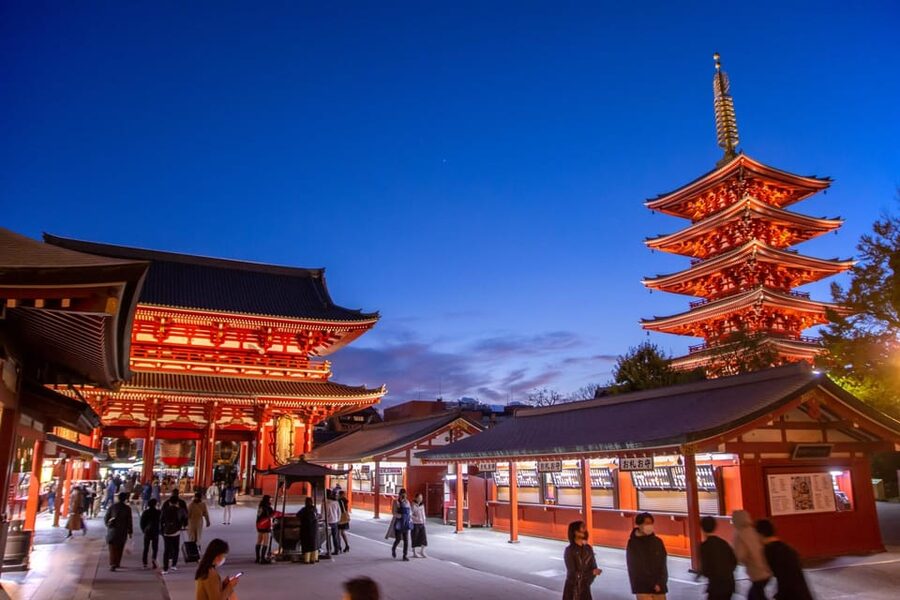
The tour lasts two hours and is conducted in English with a live guide. Starting times vary, so check availability for your chosen date.
You can reserve now and pay later, which helps if your Tokyo plans are still changing. Cancellation is free up to 24 hours before the tour for a full refund.
Arrive at Kaminarimon with enough time to find the left side of the gate and the nearby Tokiwado shop. Look for the guide holding a sign. Missing the start could mean missing the opening explanation and trying to catch up in a crowded area.
Should you book this tour?
Book it if you want Sensoji and Asakusa explained in a friendly, efficient way rather than simply photographed. For $22, you receive a well-planned walk through the Thunder Gate, Nakamise, Sensoji, Asakusa Shrine, Hoppy Street, Shin-Nakamise, and the route to Azuma Bridge.
I would especially choose it near the start of a Tokyo visit. The guide’s history, ritual advice, and food recommendations can shape the rest of your time in the city. Skip it only if you already know Asakusa well or want a slow, unstructured day among the shops and temple grounds.
FAQ
How much does the Asakusa walking tour cost?
The tour costs $22 per person.
How long does the tour last?
The walking tour lasts two hours.
Where does the tour begin?
It begins at Kaminarimon, the Thunder Gate. The guide waits on the left side of the gate, near Tokiwado Kaminari-okoshi Honpo, holding a sign.
Where does the tour finish?
The walk finishes at Azuma Bridge.
Which sights are included?
The route includes Kaminarimon, Nakamise Shopping Street, Sensoji Temple, Asakusa Shrine, Hoppy Street, and Shin-Nakamise Shopping Street.
Is the tour conducted in English?
Yes. The tour includes a live English-speaking guide.
Can I cancel the tour for a refund?
Yes. You can cancel up to 24 hours in advance for a full refund.
Just added around Tokyo
- Kawagoe Japanese Food Tour : Unagi Kaiseki and Sake near Tokyo★ 5.0 · 30 reviews
- Kawagoe 4hr Private Tour with Licensed Guide (Kawagoe Dep)★ 5.0 · 13 reviews
- Little EDO Sushi Making workshop in Kawagoe★ 5.0 · 18 reviews
- 【R34】Tokyo:Private Daikoku tour in Modified R34★ 4.9 · 92 reviews
- :Tokyo,Shibuya/ Pro Photography in Kimono / English-Friendly★ 5.0 · 26 reviews
- Tokyo:Celebrate Unique Japanese New Year Tradition Festivity★ 3.9 · 20 reviews
- Tokyo: Allstar Food Tour★ 4.7 · 29 reviews
- Tokyo: West-Side Cycling and Food Tour with Guide★ 5.0 · 37 reviews
Temples & Shrines, compared.

Tea Ceremony in a Traditional Tea House in Kiyomizu
Our verdict →
Meiji Shrine, Asakusa, Skytree Bus Tour and Cruise
Our verdict →
Fushimi Inari Hidden Hiking Tour (Private Option Available)
Our verdict →
Osaka/Kyoto:Kinkakuji,Arashiyama,FushimiInariShrine,NaraPark
Our verdict →
Nikko: Kegon Falls, Lake Chuzenji & Toshogu Temple
Our verdict →
Kamakura & Enoshima Day Trip including Temple Tickets
Our verdict →
1-Day Snow Monkeys, Zenko-ji Temple & Sake in Nagano
Our verdict →Browse the lists this tour appears in