
Reviewed · SAMURAI EXPERIENCES
Matsumoto Castle Tour & Samurai Experience
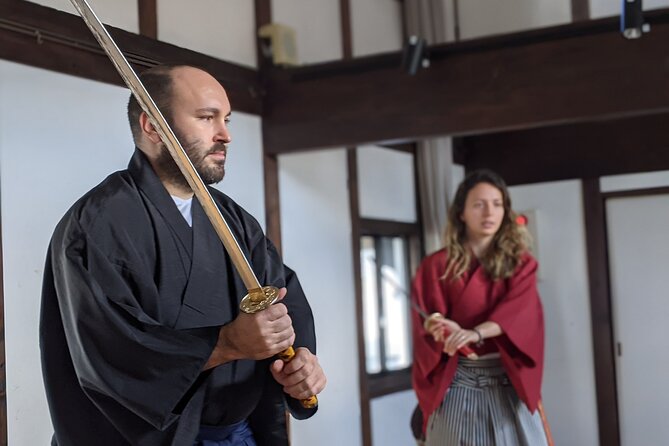
Matsumoto’s best samurai experience begins inside a real feudal castle, not a theme park. You’ll climb the original five-tiered, six-story tower at Matsumoto Castle, then put on samurai clothing and learn basic katana movements from an instructor.
I like the pairing of serious history with hands-on fun. I also like that guides such as Shin, Matt, Naomi, and Tim bring the castle to life with stories about local lords, social classes, and defense tactics. The main drawback is physical: the tower stairs are steep and narrow, and the castle interior can be cold because you remove your shoes.
Key points
- 400 years of history: Explore one of Japan’s five National Treasure castles, with its original tower dating from 1593 to 1594.
- Two experiences in one: Spend about two hours at the castle, followed by a one-hour samurai sword lesson.
- Real instruction: Dress in samurai clothing and practice basic attacking and defensive stances with a katana-style sword.
- Strong English support: Guides including Naomi, Shin, Matt, Tim, and Colin have helped explain both the castle and wider Japanese culture.
- Small-group feel: Some departures are intimate, giving you room to ask questions and receive help with photographs.
- Plan for stairs: The castle is not suitable for wheelchair users or people with mobility impairments.
Matsumoto has a useful advantage for anyone interested in samurai culture: the town’s most important historic building is still standing. You do not have to imagine the setting from a museum display. You can walk across the castle grounds, enter the original tower, and look through openings designed for defense.
This three-hour activity combines that visit with a practical sword lesson. At $88 per person, it is not the cheapest way to see Matsumoto Castle, but it gives you an English-speaking guide, castle admission, samurai clothing, sword rental, and a structured activity that is difficult to arrange on your own.
Meeting at Matsumoto Station
The meeting point is inside Matsumoto Station, at the front of the JR Line ticket office near the Starbucks on the second floor. That is a sensible place to meet, especially if you are arriving by train and do not know the city yet.
From the station, your guide walks with you toward the castle. This short approach is useful because Matsumoto’s story does not begin at the entrance gate. The city grew around its castle, and guides use the walk to point out local landmarks and explain how the town developed.
The exact guide varies. Names that have appeared on this experience include Naomi, Shin, Matt, Tim, Sayuko, Colin, and Sylvain. Their styles differ, but the strongest guides do more than recite dates. They answer questions about Japanese culture, explain why the castle was built as it was, and adjust the pace when the group needs more time.
Groups can be quite small. A party of three, for example, has enough room for a relaxed conversation rather than a lecture. That format is especially helpful if you want to ask about samurai equipment, castle defense, or the difference between a working castle and a later reconstruction.
Entering One of Japan’s Five National Treasure Castles

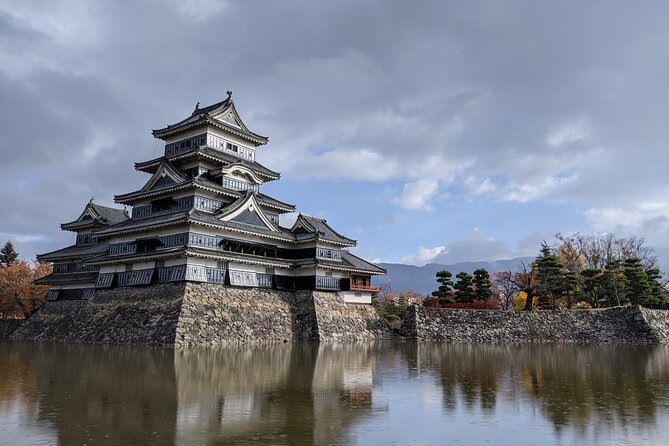
Matsumoto Castle is the main historical stop, and you should give it your full attention. Its original construction dates from 1593 to 1594, and its wooden tower is more than 400 years old.
The castle is one of only five castles in Japan designated as a National Treasure. Its most important feature is the original five-tiered, six-story tower. Many famous Japanese castles have been rebuilt, but Matsumoto gives you a much stronger sense of the building’s age and purpose.
The black exterior has earned the castle the nickname Crow Castle. The dark walls and white trim create a striking appearance, particularly when reflected in the surrounding water. The castle’s setting also gives you good chances for photographs before you enter.
Inside, the mood changes. This is not a polished modern attraction with broad stairways, bright galleries, and large English displays. It is an old wooden structure with narrow passages, low features, and steep stairs. That is part of its appeal, but it also demands care.
Your guide explains the Matsumoto lords, the city’s development, residential areas, and the social classes of feudal Japan. You also learn how the castle was designed for defense. Openings for archers and other defensive features make more sense once someone points them out.
I found this guided explanation especially valuable because the castle can look fairly simple at first glance. Without context, you may see wooden floors, beams, and small windows. With a guide, those details become clues about warfare, rank, movement, and daily life.
More Castle Tours in Nagano
- 1-Day Tour from Nagano and Matsumoto Kamikochi & Matsumoto Castle
★ 5.0 · 105 reviews - Full-Day Tour: Matsumoto Castle & Kamikochi Alpine Valley
★ 4.8 · 78 reviews - Matsumoto Castle Tour & Samurai Experience
★ 5.0 · 69 reviews
The Steep Climb Through the Tower
The tower visit takes about two hours, though the actual timing can change with crowds. Weekends and holiday periods may slow the group down, especially inside the staircases.
The stairs are steep and narrow. You will need to use the handrails and move carefully, particularly when other people are coming in the opposite direction. A crowded staircase can create a short wait, and visitors who move slowly may affect the group’s pace.
This is not a casual stroll through a flat museum. You should be comfortable climbing several difficult stair sections. The tour is not suitable for wheelchair users or people with mobility impairments.
You also remove your shoes inside the castle. In colder months, bring warm socks. One family found the bare wooden floors especially chilly for children in January, and that is an easy issue to prevent with an extra pair of socks.
The effort pays off at the upper levels. You get a better sense of how the tower was organized and why reaching the top was not a simple matter for an attacking force. The climb also lets you see the structure from close range rather than only admiring its exterior.
What the Castle Tour Adds
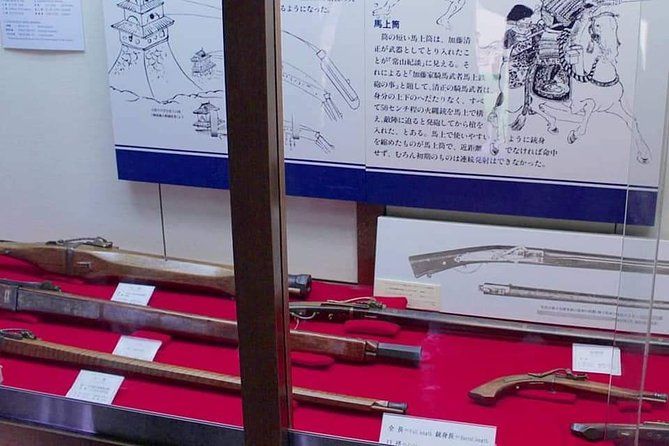
You can visit Matsumoto Castle on your own, and independent entry will cost less than this combined activity. The reason to join a guide is not simply to get through the gate. It is to understand what you are seeing.
A good guide turns the castle into a story about power and survival. You learn about the lords who controlled the area, the people who lived around the castle, and the ways social rank shaped daily life. You also gain context for the samurai, who were not just sword fighters but members of a strict military and political system.
Matt, Tim, Shin, and Naomi have been praised for making room for questions while keeping the group moving. That balance matters here. Long waits can build inside the tower, so the guide has to protect enough time for the later sword lesson.
Some people also use the castle portion to browse souvenirs or spend extra time outside. If you are hoping for long independent shopping time, tell your guide early. The schedule is designed to include both the castle and the samurai lesson, and busy periods can push the finish time earlier or later.
Changing Into Samurai Clothing
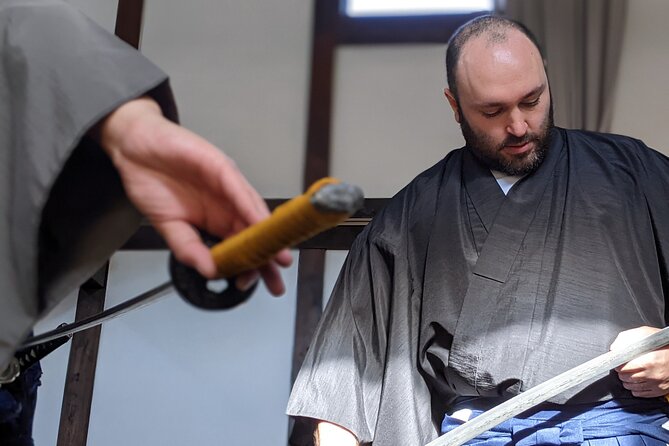
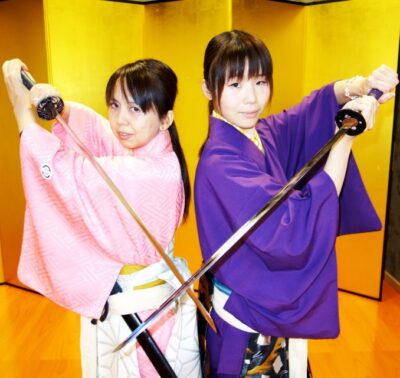
After the castle, you take part in a one-hour samurai experience. You dress in samurai clothing, choose a sword, and receive instruction from a sword master.
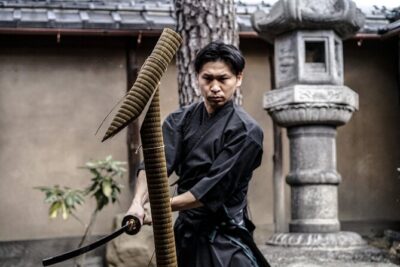
This is not presented as combat training for practical use. It is a cultural activity built around posture, movement, and a few basic techniques. You learn how to hold the sword, assume attacking and defensive stances, and follow a sequence of controlled movements.
The clothing helps shift the tone. The castle visit asks you to observe and listen. The sword class asks you to participate. You become more aware of foot position, arm movement, and the discipline required to make even a simple technique look smooth.
The instructors are a major part of the experience. Names associated with the class include Kei, Kae, Kai, and Kanga, though the instructor can vary. They are described as patient and encouraging, which matters because the sword movements may feel awkward at first.
English ability can also vary between the Japanese instructor and the tour guide. The guide may translate or demonstrate what the instructor means. This arrangement has worked well for previous groups because the lesson is visual and physical, not dependent on a long technical lecture.
More Samurai Experiences in Nagano:
- Tokyo: Samurai Restaurant Show Ticket with 2 Drinks
★ 4.5 · 1,307 reviews - Kyoto Samurai Experience
★ 5.0 · 1,294 reviews - Tokyo: Samurai Ninja Museum Guided tour and Experience
★ 4.6 · 1,010 reviews - Kyoto: Kendo and Samurai Experience with Uniform and Gear
★ 4.9 · 815 reviews
The Katana Lesson Is the Fun Part
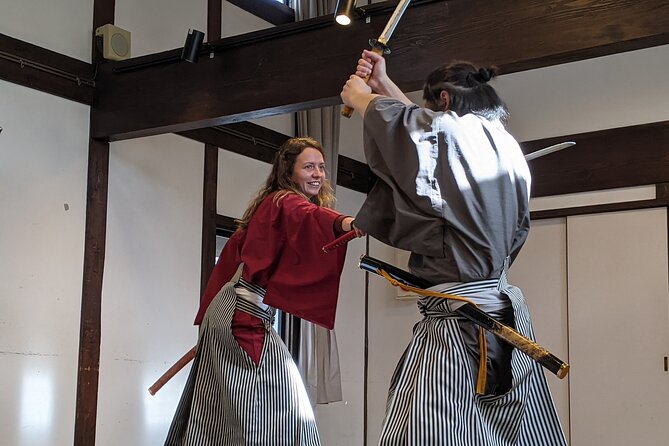
The sword lesson is where this activity earns its place in a Matsumoto itinerary. You are not simply posing with a costume sword. You receive a short lesson in basic movements and then repeat them with the group.
The class is designed to be enjoyable, so you do not need previous martial arts experience. Children and teenagers can take part, though the steep castle stairs and the physical demands of the full outing should be considered before booking.
The instructor demonstrates each movement and gives you time to copy it. You will probably look less polished than the teacher. That contrast is part of the fun, and it gives you a practical respect for the control and repetition behind Japanese sword arts.
The lesson also adds meaning to the castle visit. At the castle, you hear about warriors, defenses, and social order. In the class, you get a small physical sense of the concentration and discipline associated with sword training.
Your guide may take photographs and videos during the activity. Several people have especially appreciated this because it is difficult to take good pictures while handling the sword and wearing the outfit. Still, ask your guide about photographs at the start so expectations are clear.
Timing, Crowds, and Pace
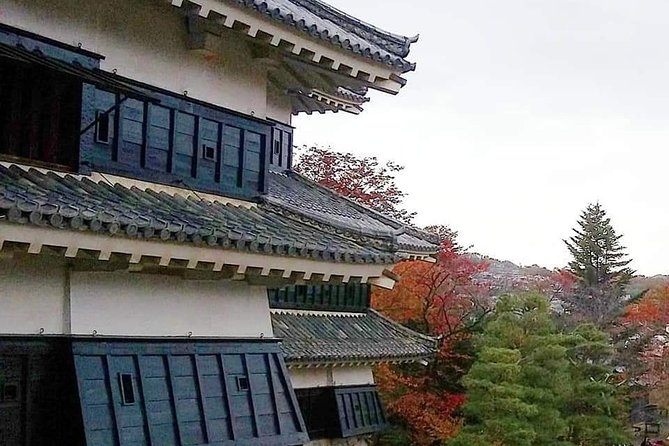
The stated duration is three hours, with about two hours at Matsumoto Castle and one hour for the samurai activity. Treat that as an estimate, not a guarantee.
The castle is the variable. On a quiet day, you may move through the tower at a steady pace. On a weekend or holiday, narrow stairs and crowded viewing areas can cause delays. The activity may finish earlier or later than planned.
A strong guide makes a difference here. Matt was praised for keeping enough time for the sword class despite long lines, while other guides have adjusted the visit for small groups or individual needs. If you have a train reservation or another fixed appointment, leave a generous buffer after the tour.
The route from the station to the castle is short, but you should wear comfortable shoes for the walk and the castle grounds. Inside the tower, your shoes come off, and the wooden floors can be cold.
Is $88 a Fair Price?
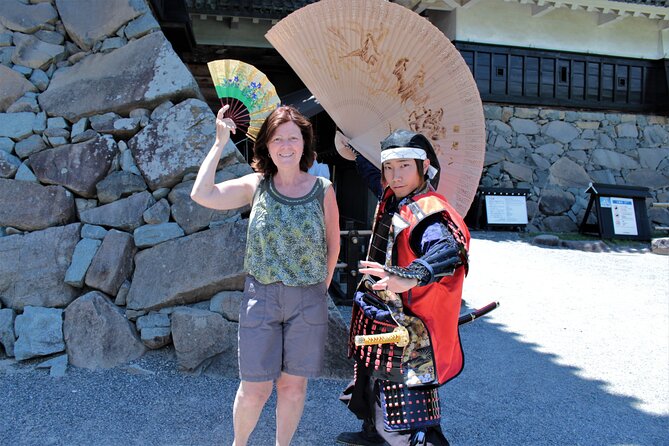
At $88 per person, the value depends on what you want from Matsumoto. If you only want to enter the castle and take photographs, a self-guided visit will cost less. If you want the castle explained in English and also want a structured samurai lesson, the price is easier to justify.
The fee covers an English-speaking guide, Matsumoto Castle admission, the samurai activity, and rental of the samurai clothing and swords. You do not need to arrange those pieces separately.
The strongest value comes from the combination. A castle tour alone may satisfy history fans but feel quiet for children. A sword activity alone may be entertaining but lack context. Together, the two halves support each other.
I would consider this a good use of money for a first visit to Matsumoto, especially if you have limited time in the city. The small-group format can also feel more personal than a large guided walk. Just remember that meals, snacks, souvenirs, and insurance are not included.
Who Will Enjoy This Most?
This activity suits you if you enjoy Japanese history but also want something active. Families with older children and teenagers can get a lot from the sword class, while adults interested in architecture, feudal politics, or martial arts will appreciate the castle commentary.
It is also a good choice if you are visiting the Nagano area and want a clear reason to spend time in Matsumoto. The city itself is smaller than Nagano, so do not expect a long list of major sights packed around the station. The castle is the central attraction, and this experience builds a focused half-day around it.
You may prefer another plan if you dislike crowds, stairs, or guided activities. The castle is not fully accessible, and the sword class requires standing and following physical instruction.
The experience also suits people who want photographs. The samurai clothing, swords, and castle setting give you memorable images, and the guide or instructor may help take them. Ask before the activity begins if photographs are important to you.
Booking Details to Know
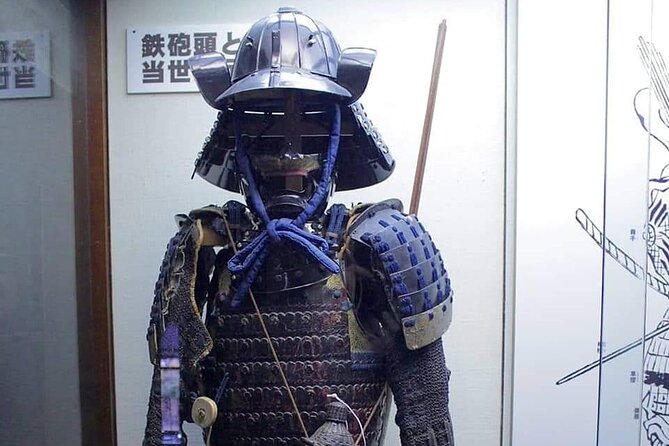
You meet at Matsumoto Station, inside the station near the JR Line ticket office and Starbucks on the second floor. Check the available starting times when booking because departures vary.
Cancellation is flexible up to 24 hours before the activity for a full refund. You can also reserve and pay later, which helps if your Japan schedule is still changing.
The experience is offered in English. Guide quality can vary by person, but the names most often associated with strong presentations include Shin, Naomi, Matt, Tim, and Colin. The sword instructors are generally praised for patience, humor, and clear demonstrations.
Should You Book the Matsumoto Samurai Experience?
Book it if you want more than a quick look at Matsumoto Castle. The castle gives you an authentic setting, while the sword lesson provides the memorable hands-on finish. The strongest reasons to go are the original tower, the practical historical explanation, and the chance to train in samurai clothing with an instructor.
Skip it if you have limited mobility, dislike steep stairways, or only want independent sightseeing. Also leave spare time after the tour in case the castle is crowded.
For most people who want a well-organized introduction to Matsumoto’s feudal past, this is a worthwhile pairing. You see the real building first, then try a small part of the tradition for yourself. That balance makes the $88 price easier to defend than a castle visit or costume activity on its own.
FAQ
Where does the Matsumoto Castle and Samurai Experience begin?
The meeting point is at Matsumoto Station, inside the front of the JR Line ticket office near Starbucks Coffee on the second floor.
How long does the activity last?
The experience lasts about three hours. The castle visit is estimated at two hours, followed by a one-hour samurai activity.
Is Matsumoto Castle admission included?
Yes. Castle entry and admission to the samurai activity are included in the price.
Are samurai clothing and swords provided?
Yes. Samurai outfits and swords are rented for use during the activity.
Is the experience available in English?
Yes. The activity includes a live English-speaking guide. The guide may also translate during the sword lesson.
Is the tour suitable for wheelchair users?
No. The experience is not suitable for wheelchair users or people with mobility impairments. The castle tower has steep, narrow stairs, and you should also expect to remove your shoes inside.
Just added around Nagano
- Wild Bird Sanctuary Forest Guided Tour in Nagano★ 5.0 · 17 reviews
- Tokyo: Nagano Snow Monkeys and Zenkoji Tour with Temples★ 4.9 · 19 reviews
- Nagano/Tokyo: Snow Monkey and Zenkoji Temple Private Tour★ 4.8 · 54 reviews
- Nagano: 1-Day Snow Monkey & Cherry Blossom Tour in Spring★ 4.8 · 51 reviews
- Nagano: Tateyama-Kurobe Guided Walking Tour★ 5.0 · 16 reviews
- Nagano/Tokyo: Snow Monkey Private Day Tour At Lowest Rate★ 4.7 · 44 reviews
- Nagano: Snow Monkeys & Togakushi Shrine Two-Spot in-One Day★ 4.9 · 35 reviews
- Nagano Sake Tasting Walking Tour★ 5.0 · 17 reviews
Samurai Experiences, compared.

Browse the lists this tour appears in