
Reviewed · TEA CEREMONY EXPERIENCES
Tokyo: Hama-rikyu Gardens tour with Japanese Tea & Sweets
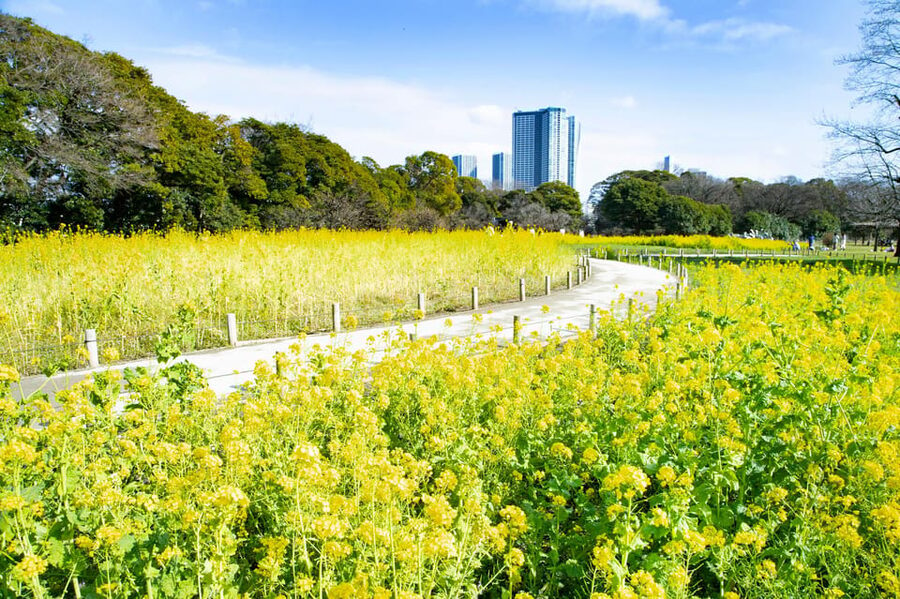
Hama-rikyu Gardens gives you a quiet look at old Tokyo, followed by a proper pause for matcha and Japanese sweets. The garden began in the Edo period, and its dry garden, circular garden, seasonal plants, and tea house make the 90-minute visit feel more substantial than a simple stroll.
I like the small group limit of four, which should make it easier to ask questions, and I like the way the tour joins garden design with Japanese tea culture. The main consideration is timing: one hour is set aside for tea, so this is not the best choice if you want a long, unhurried walk through every part of the garden.
Key points to know before booking
- Edo-period setting: Hama-rikyu Gardens offers a direct look at traditional Japanese garden planning in central Tokyo.
- Two types of garden design: Your guide explains both the Karesansui dry garden and the Kaiyushiki circular garden.
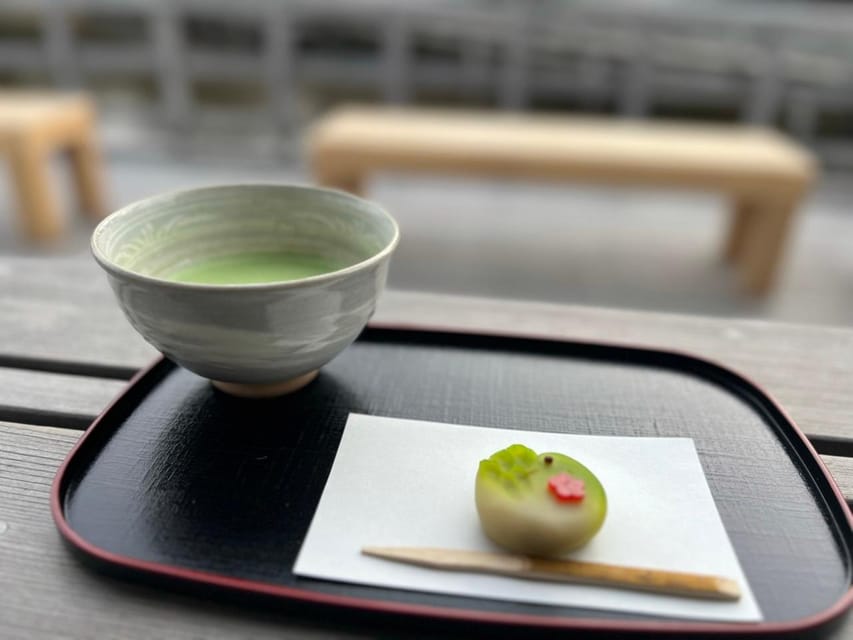
- Tea house experience: Matcha green tea and Japanese sweets are included in the $85 price.
- Small English-speaking group: The tour is limited to four participants.
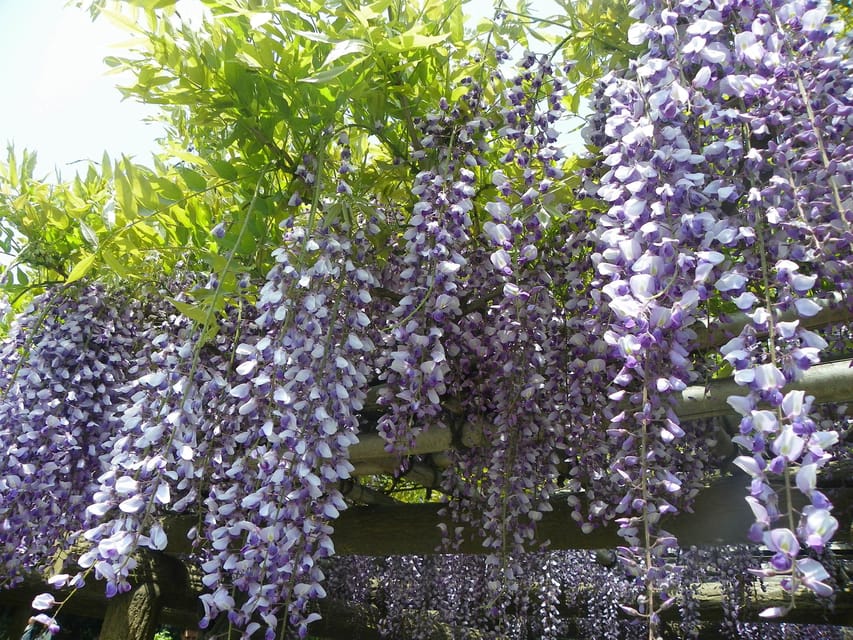
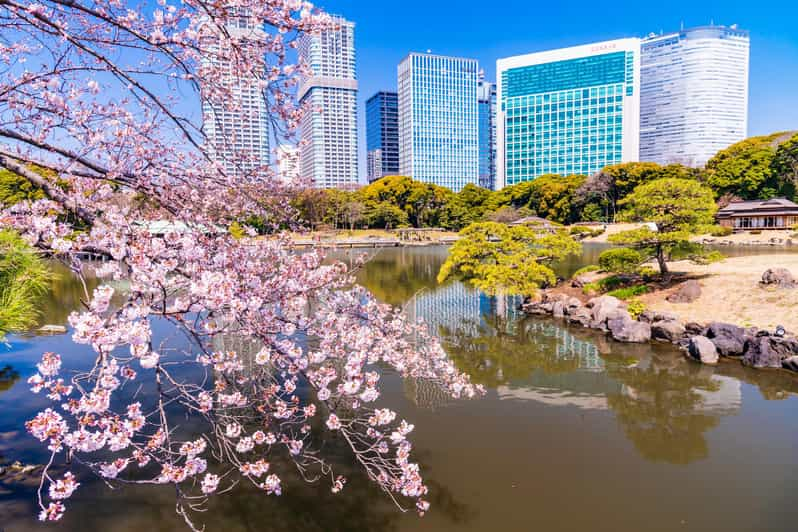
- Seasonal appeal: Flowers, trees, and other plants change with the time of year, with spring drawing particular interest.
- Short walking format: Expect a 30-minute guided garden tour followed by about an hour for tea.
Entering Hama-rikyu Gardens from Otemon Bridge
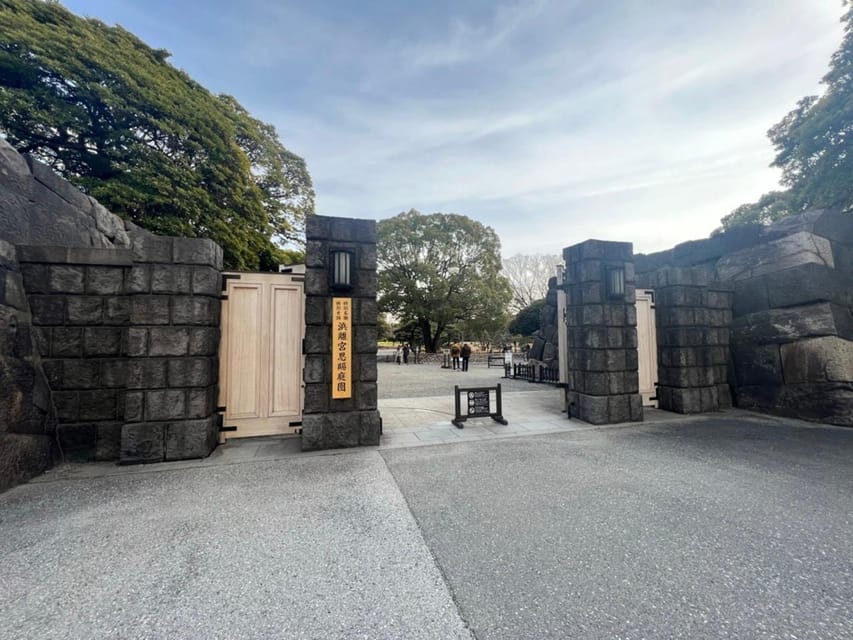
The tour begins at one of the listed starting points, with Otemon Bridge named as the main option. This is a useful meeting place because it brings you into the garden through a clearly defined historic entrance rather than dropping you into the middle of the grounds.
Your guide handles the orientation, so you do not need to arrive already knowing the garden’s layout. The meeting point can vary with the option you book, so check your confirmation carefully. That small bit of planning matters in Tokyo, where a wrong station exit can cost more time than expected.
Once inside, you will spend about 30 minutes walking with the guide. This is not simply a photo stop. The guide explains how the garden was designed and why its different sections matter. The aim is to help you read the garden instead of seeing it as a collection of attractive trees, ponds, paths, and bridges.
The garden dates from the Edo period, a time when Japanese garden design served more than one purpose. It could frame views, suggest larger natural scenes, guide movement, and create places for quiet attention. You do not need a background in Japanese history to follow the explanation, and the small group gives you a better chance to ask for clarification.
More Garden Tours in Tokyo
- Imperial Palace East Garden and Edo Castle Walking Tour in Tokyo
★ 5.0 · 510 reviews - Tokyo: Imperial Palace East Gardens Walking Tour
★ 4.8 · 353 reviews - Tokyo Castle, Imperial Palace, Shogun & Garden Walking Tour
★ 5.0 · 211 reviews
Reading the Karesansui dry garden
One of the highlights is the Karesansui, or dry garden. Its design uses stones, gravel, and carefully arranged space to suggest natural forms without relying on water or a literal copy of nature.
This is the sort of place where a guide adds real value. Without context, you may see a tidy arrangement of rocks and raked material. With an explanation of the design, you can pay attention to balance, empty space, viewpoint, and the way the garden asks you to slow down.
The 30-minute garden portion is brief, so do not expect a detailed study of every feature. It does, however, give you a framework for looking at Japanese gardens elsewhere in Japan. If this is your first visit to a traditional garden, the explanation can turn a pleasant walk into something more memorable.
Photography is welcome, and the garden gives you several types of image: formal design, seasonal plants, trees, and wider views across the grounds. Still, keep your camera from becoming the whole point of the visit. The best part of this stop is learning what you are looking at.
Following the Kaiyushiki circular garden
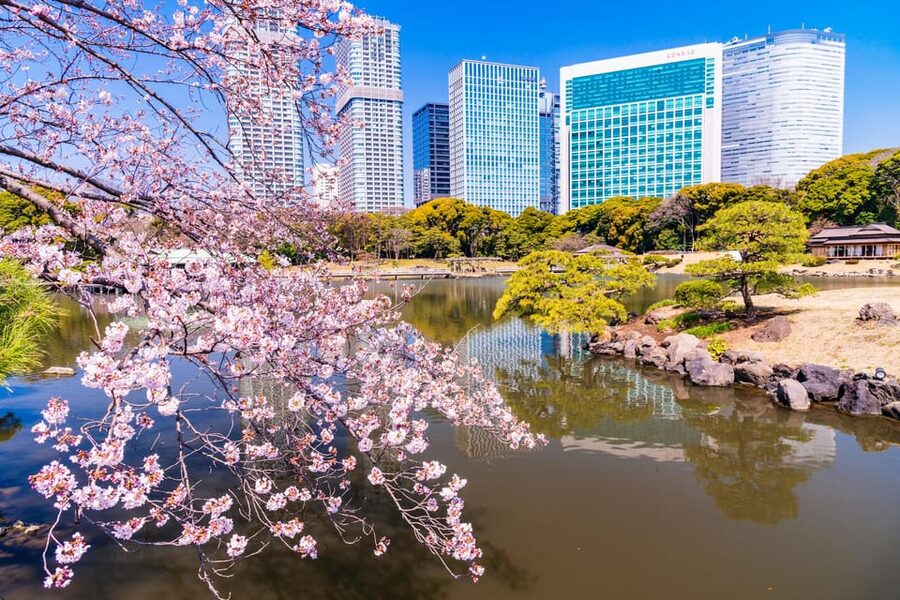
The Kaiyushiki garden is another important feature. A circular garden is designed to be experienced along a route, with the view changing as you move. Instead of presenting one fixed scene, it gives you a series of views and small shifts in perspective.
That makes the walking route feel purposeful. A tree, pond, bridge, or open view may appear differently from one section of the path than from another. Your guide explains the background of this design, helping you understand why the route itself matters.
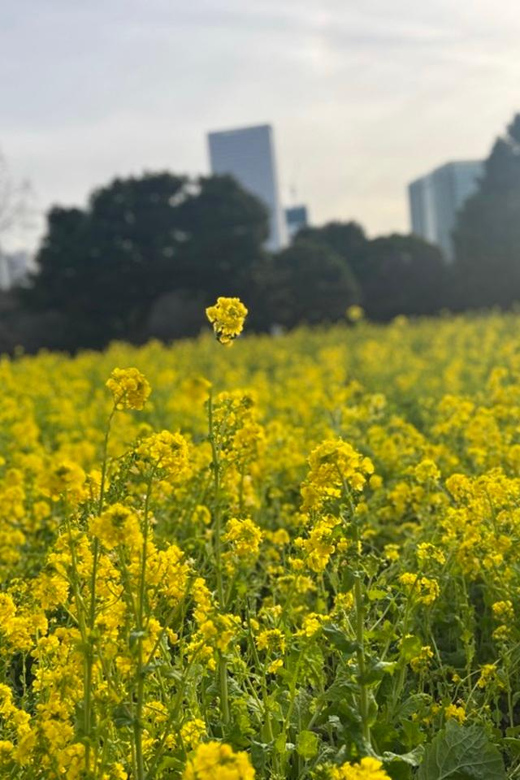
Seasonal change is part of the appeal. Plants and trees look different through the year, and one tour guide specifically encouraged a return visit in spring to see the flowers in bloom. The supplied experience details do not promise a particular flower display on your date, so you should think of the garden as seasonally variable rather than booking it for one guaranteed bloom.
This is also where expectations matter. If you want a long walk among changing colors, you may find the 30-minute guided portion short. The tour is better suited to learning the main ideas and highlights, then enjoying tea, than to a full garden exploration at your own pace.
Matcha and wagashi in the garden tea house
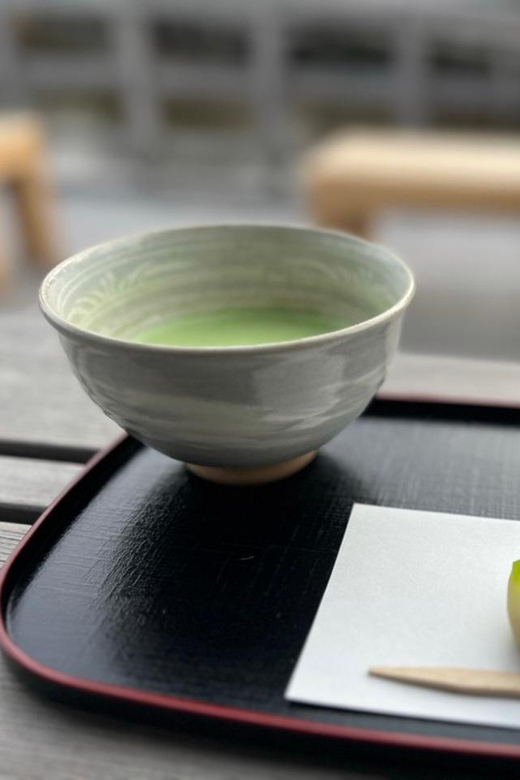
The tea portion lasts about one hour and takes place in a tea ceremony room within the garden. Matcha green tea and Japanese sweets are included in the tour fee, so you are not paying extra for the central food and drink experience.
The sweets are Japanese tea sweets, often called wagashi. Their role is not just to provide a snack. They balance the strong, grassy taste of matcha and form part of the rhythm of the tea experience. The combination gives you a simple introduction to Japanese tea culture without requiring you to book a longer formal ceremony.
This is the most distinctive part of the tour for many people. You are not having matcha in an ordinary café outside the garden. You are sitting within the historic grounds, with the garden scenery as part of the setting. That connection between place, drink, sweet, and design gives the hour a clear sense of purpose.
The tea experience also slows the pace. Tokyo can encourage you to move from one sight to the next, but this tour asks you to sit still for a while. If you enjoy cultural activities that include a quiet pause, the hour should feel well used. If you prefer constant sightseeing, it may seem long compared with the short garden walk.
The exact ceremony format is not described in the available details, so you should not expect a particular level of formality beyond the tea house setting, matcha, and sweets. The guide and venue provide the cultural setting, while the garden supplies the view.
More Sweets & Dessert Tours in Tokyo
- Matcha Making Class in Tokyo with Authentic Japanese Sweets Set
★ 5.0 · 744 reviews - Tokyo: Matcha Making Experience with Mochi Sweets in Asakusa
★ 4.9 · 388 reviews - Make Traditional Nerikiri Sweets & Matcha experience in Shibuya
★ 5.0 · 130 reviews - Private Mochi Sweets Making class near Shibuya area
★ 5.0 · 93 reviews
What the $85 price really covers
At $85 per person, this is not the cheapest way to enter a Tokyo garden. The value comes from the combination of a live English-speaking guide, a small group of no more than four, and matcha with Japanese sweets in the garden.
A self-guided visit would let you spend more time walking and photographing the grounds, but you would need to research the Edo-period background and garden design yourself. This tour packages that explanation into a short visit and adds the tea house experience.
The small group is especially important. With only four participants, the guide can explain details without addressing a crowd. You can also ask about the dry garden, circular garden, seasonal plants, or tea customs without feeling that you are holding up a large tour.
The price makes the most sense for you if you value interpretation and a structured cultural experience. It is less compelling if your main goal is simply access to the garden or a long independent walk. Think of the fee as covering a guided introduction plus a tea experience, not just admission to a park.
Guides who add personality to the walk
Recent tours have been led by guides including Hiro, Mr. Ito, and Ayaku. Their approaches may differ, but the experience is designed around an English-speaking live guide who explains the garden’s history and design as you walk.
Hiro has been praised for taking participants to several interesting spots and connecting those places with Japanese history. Mr. Ito has been described as clear and informative, especially for someone who enjoys learning about the country while walking in nature. Ayaku has been noted for her friendly manner and enthusiasm when explaining the garden.
Guide assignments can change, so you should not book on the assumption that one particular person will lead your visit. Still, these names give you a sense of the experience: personal, conversational, and centered on explanation rather than a scripted audio guide.
The tour’s 4.7 rating from 14 reviews suggests strong overall satisfaction, with the clearest praise going to the guides, the garden explanation, and the matcha experience. I would place those qualities at the heart of the booking decision.
Timing, walking, and practical planning
The total duration is 90 minutes. The listed schedule divides it into a 30-minute guided walk and a one-hour tea ceremony. That split is important because the title may lead you to picture a longer garden tour than you actually receive.
Wear comfortable walking shoes. The tour is not described as strenuous, but it is a walking activity, and you will be moving through garden paths before sitting for tea. The best plan is to arrive ready for a gentle walk rather than dress as if you are attending a formal ceremony.
The tour ends at Shiodome Station. That makes it easy to continue your Tokyo day from the Shiodome area, though the experience details do not specify transport between the meeting point and the garden. Confirm the precise start location for your booked option.
English is the listed tour language. The small group size should help if you have questions, but the tour is still conducted in English, so choose it if you are comfortable following a spoken explanation.
You can cancel for a full refund up to 24 hours before the start time, and the reserve-now, pay-later option lets you hold a place without paying immediately. These policies are useful if your Tokyo schedule is still shifting, but you should still check the final booking terms for your selected date.
Who will enjoy this experience most
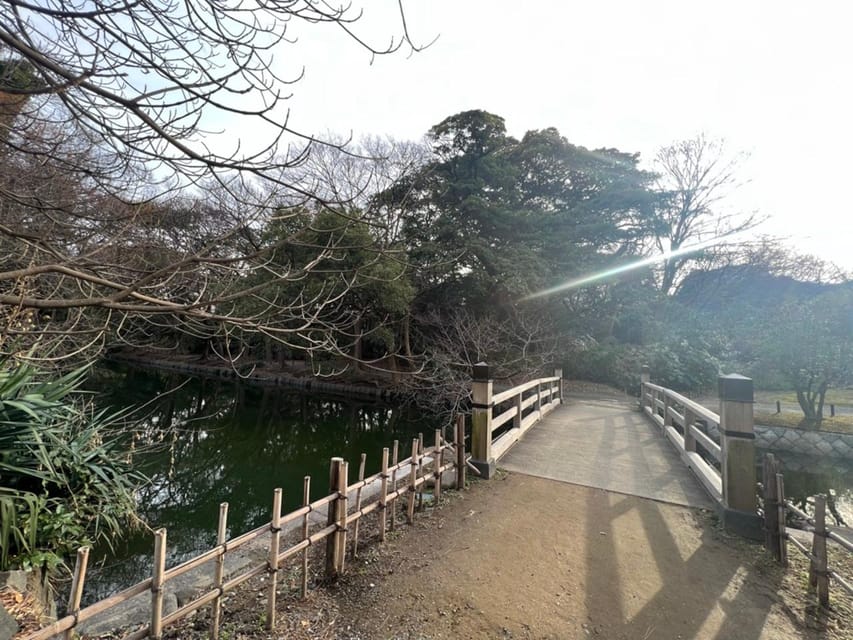
I would recommend this tour to you if you want a compact cultural activity that combines nature, history, design, and tea. It is particularly suitable for a first visit to Japan, when you may appreciate having someone explain details that are easy to miss on your own.
It also fits well into a Tokyo schedule that includes the Shiodome area. The 90-minute length is manageable, and the ending near Shiodome Station gives you a clear next point for the day.
Matcha fans will find the tea house portion especially appealing. The experience is also a good match for anyone who enjoys photography, seasonal plants, and calm settings, as long as you understand that the garden walk is limited to about half an hour.
I would think twice if you dislike guided activities, want a completely private experience, or hope to spend several hours wandering without a fixed schedule. The group is small, but it is still a shared tour. The tea hour is also a fixed part of the visit, not an optional add-on.
Families and older visitors may appreciate the short format, though the available details do not describe accessibility conditions or the exact surfaces along the paths. If mobility is a concern, ask the operator before booking.
Should you book Hama-rikyu Gardens with tea?
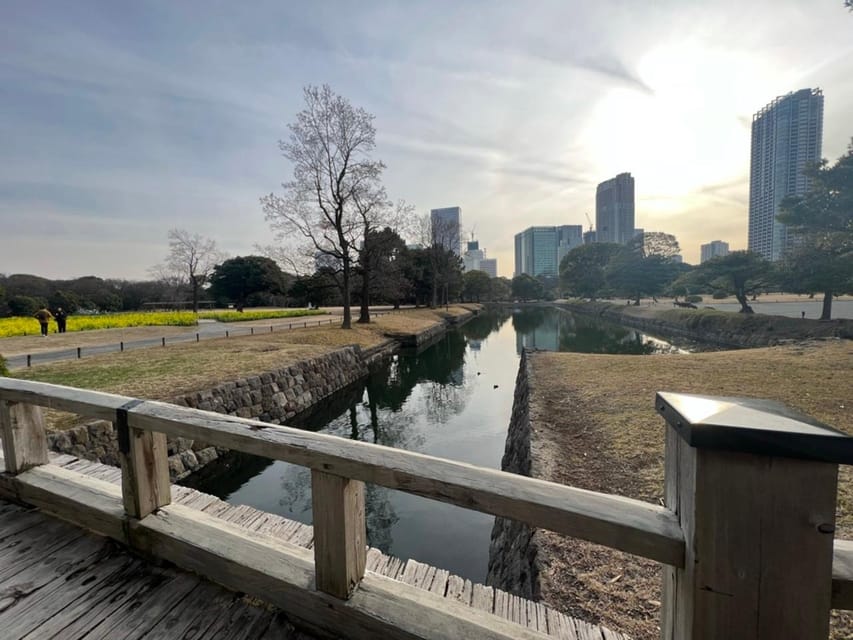
Book it if you want more than a garden photograph. The strongest reasons are the guide’s explanation of the Karesansui and Kaiyushiki designs, the very small group, and the chance to drink matcha with Japanese sweets inside the garden.
At $85, the experience is best judged as a guided cultural introduction rather than a simple sightseeing walk. You pay for context, a personal English-speaking guide, and a one-hour tea setting. The main tradeoff is the short garden portion, so independent explorers may prefer to visit on their own.
For most first-time Tokyo visitors who want a calm and informative break from the city, this is a sensible choice. Go in expecting a focused lesson and tea experience, not a full-day garden visit, and the format should suit you well.
FAQ
How long does the Hama-rikyu Gardens tour last?
The tour lasts 90 minutes. About 30 minutes are spent on the guided garden walk, followed by about one hour for the tea experience.
How much does the experience cost?
The price is $85 per person.
Is matcha included in the tour price?
Yes. Matcha green tea and Japanese sweets are included.
Where does the tour start?
The starting location can vary by booking option. Otemon Bridge is one listed starting point.
Where does the tour finish?
The listed drop-off point is Shiodome Station.
Is the tour conducted in English?
Yes. The live tour guide language is English.
How many people are in the group?
The experience is limited to four participants.
Can I cancel for a full refund?
Yes. You can cancel up to 24 hours in advance for a full refund.
More Tea Ceremony Experiences in Tokyo
- Tokyo: Traditional Tea Ceremony with a Tea Master
★ 5.0 · 528 reviews - Tokyo: Matcha and Kimono Experience
★ 4.7 · 219 reviews - Tokyo: Asakusa Kimono Dressing and Matcha Experience
★ 4.9 · 173 reviews - Asakusa: Kimono Tea Ceremony with Matcha and Sweet
★ 4.9 · 153 reviews
Just added around Tokyo
- Kawagoe Japanese Food Tour : Unagi Kaiseki and Sake near Tokyo★ 5.0 · 30 reviews
- Kawagoe 4hr Private Tour with Licensed Guide (Kawagoe Dep)★ 5.0 · 13 reviews
- Little EDO Sushi Making workshop in Kawagoe★ 5.0 · 18 reviews
- 【R34】Tokyo:Private Daikoku tour in Modified R34★ 4.9 · 92 reviews
- :Tokyo,Shibuya/ Pro Photography in Kimono / English-Friendly★ 5.0 · 26 reviews
- Tokyo:Celebrate Unique Japanese New Year Tradition Festivity★ 3.9 · 20 reviews
- Tokyo: Allstar Food Tour★ 4.7 · 29 reviews
- Tokyo: West-Side Cycling and Food Tour with Guide★ 5.0 · 37 reviews
Tea Ceremony Experiences, compared.

Tea Ceremony in a Traditional Tea House in Kiyomizu
Our verdict →


World Heritage Kyoto & Nara Uji Authentic Matcha Experience
Our verdict →


Arashiyama Bamboo Forest, Monkeys, Matcha & Temple Tour
Our verdict →
Browse the lists this tour appears in