
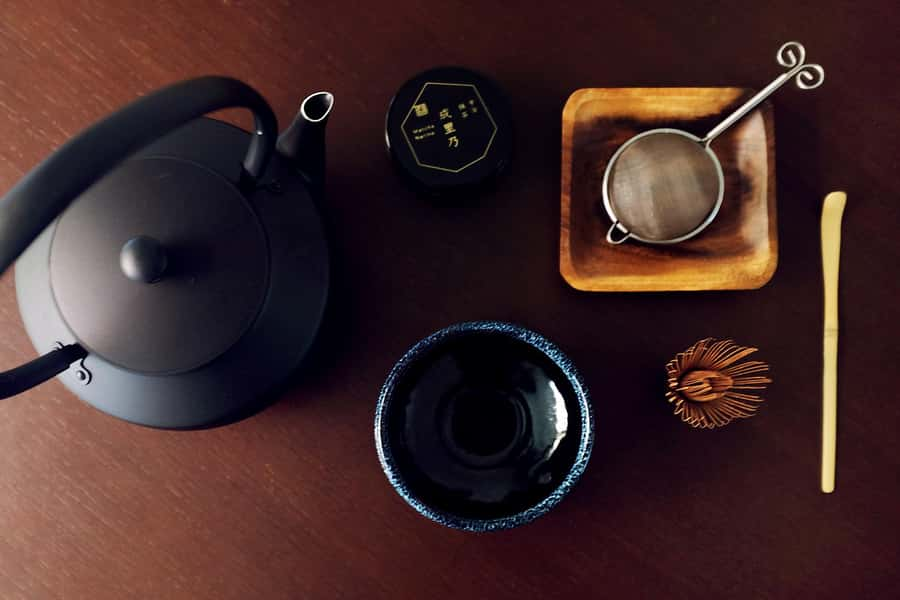
Reviewed · TEA CEREMONY EXPERIENCES
Tokyo: Matcha and Kimono Experience
The best part of this experience is that you do not simply watch a tea ceremony. You wear a kimono, handle the tools, and make your own matcha, while Komei explains what each step means. The lesson also tackles a useful question: how can you tell good matcha from poor imitation?
I like the carefully selected first-flush matcha and the chance to compare teas using your eyes, nose, and tongue. I also like the easy kimono design, which gives you the traditional look without the 30-minute dressing process. The main consideration is timing: if you arrive more than 10 minutes late, your booking is automatically canceled without a refund, so plan your walk from Yotsuya Station carefully.
Key points to know before booking
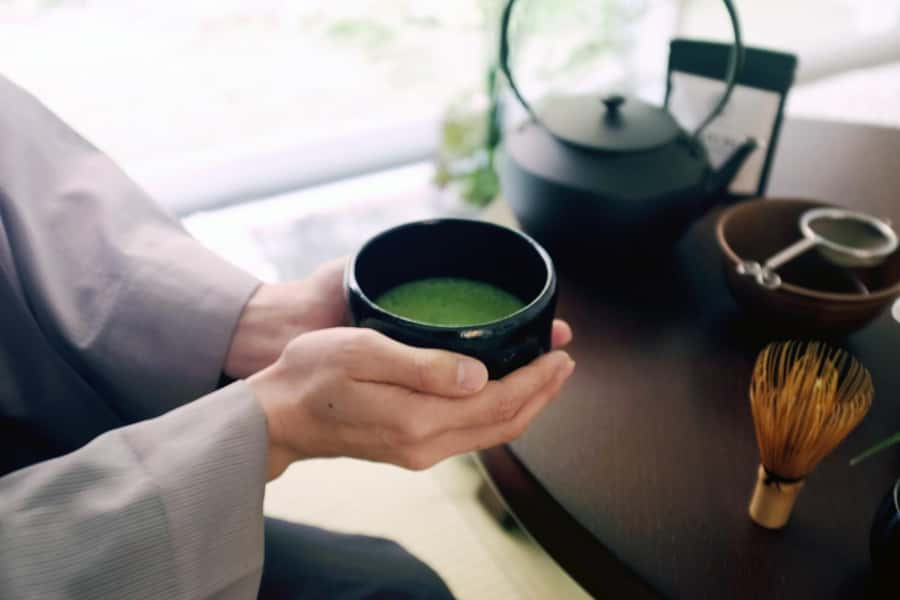
- First-flush matcha tasting: Sample high-grade matcha selected from a collection of more than 100 Japanese teas.
- Four cultural lessons in one: Learn about matcha, tea ceremony, teaism, and kimono.
- Easy kimono dressing: Choose a kimono you can put on quickly and wear throughout the workshop.
- Hands-on preparation: Whisk your own matcha with rented tea tools and learn four basic points for making it at home.
- Small-group feel: The format can be intimate, with one reported session including only five people.
- Strict arrival rule: The meeting point is about six minutes from Yotsuya Station, and a delay of more than 10 minutes cancels the booking.
A hands-on introduction to matcha near Yotsuya
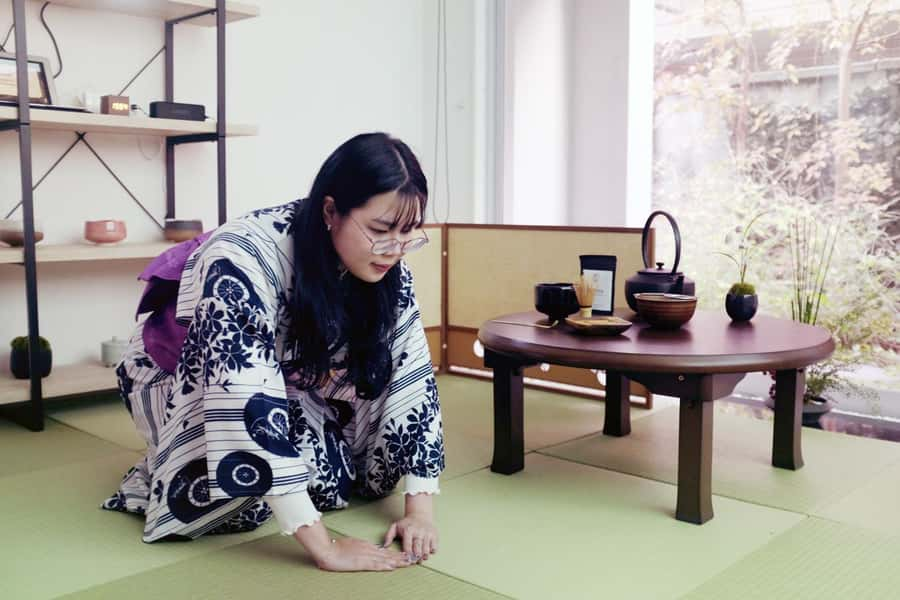
This workshop gives you a useful correction to the way matcha is often presented abroad. Matcha is not simply green tea powder stirred into hot water. Its quality, preparation, serving style, and place in Japanese culture all matter.
The session takes place near Yotsuya, a short walk from the station and within easy reach of the Shinjuku area. You meet the guide beside the LUUP scooter stand next to the ACN Yotsuya Building. Look for the workshop sign. Since the meeting point is on a city street rather than at a large tourist attraction, save the map before leaving your hotel and allow extra time for finding the entrance.
The experience is led by Komei, whose warm, conversational teaching style is one of its strongest features. He presents the subject with enthusiasm and humor, but the class is not just a light photo stop. You learn where tea ceremony customs come from, how different teas are made and used, and why matcha has its own rules.
English and Japanese are available. The teaching style suits you if you want explanations that go beyond memorizing a few Japanese gestures. It also works well for first-time visitors who want a clear introduction rather than a highly formal ceremony conducted in silence.
More Kimono Experiences in Tokyo
- Let’s make kimono !(Kimono is a gift for you
★ 5.0 · 252 reviews - Tokyo: Asakusa Kimono Dressing and Matcha Experience
★ 4.9 · 173 reviews - Asakusa: Kimono Tea Ceremony with Matcha and Sweet
★ 4.9 · 153 reviews
Choosing a kimono without a 30-minute dressing session
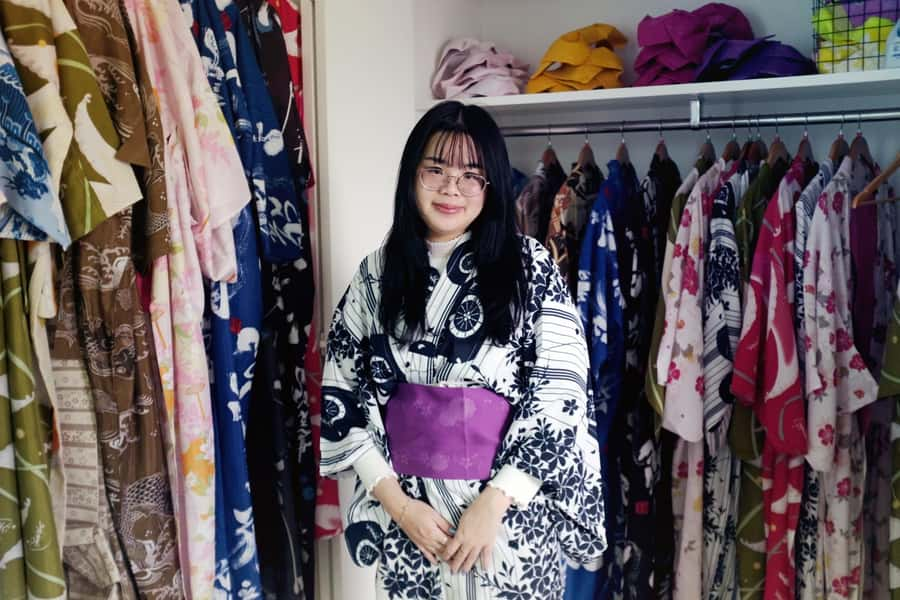
Before the tea lesson begins, you choose a kimono to wear. This is an important part of the experience, but it is designed for convenience. Traditional kimono dressing can take around 30 minutes and involves several layers and careful adjustments. Here, the clothing is made for quick use, so you can get into the look without giving up most of the workshop.
You wear the kimono during the rest of the activity, which makes the tea lesson feel more connected to Japanese customs. It also gives you a natural photo opportunity. Komei has taken photographs for groups during the experience, though you should treat that as part of the host’s helpful approach rather than a separately advertised photography service.
The kimono section may take more time than you expect. One useful point for planning is that the clothing is not merely a quick prop at the door. You learn about its background and how it should be worn, and some people may find this especially interesting. If your main goal is matcha preparation, you may prefer a shorter dressing segment and more time with the whisk and tea bowl.
Bring socks. You are asked to protect the traditional flooring, and if you forget, you may need to buy socks at the workshop. Shoes and bare feet are not a minor detail here, so pack a clean pair in your day bag.
Comparing real matcha with imitation powder
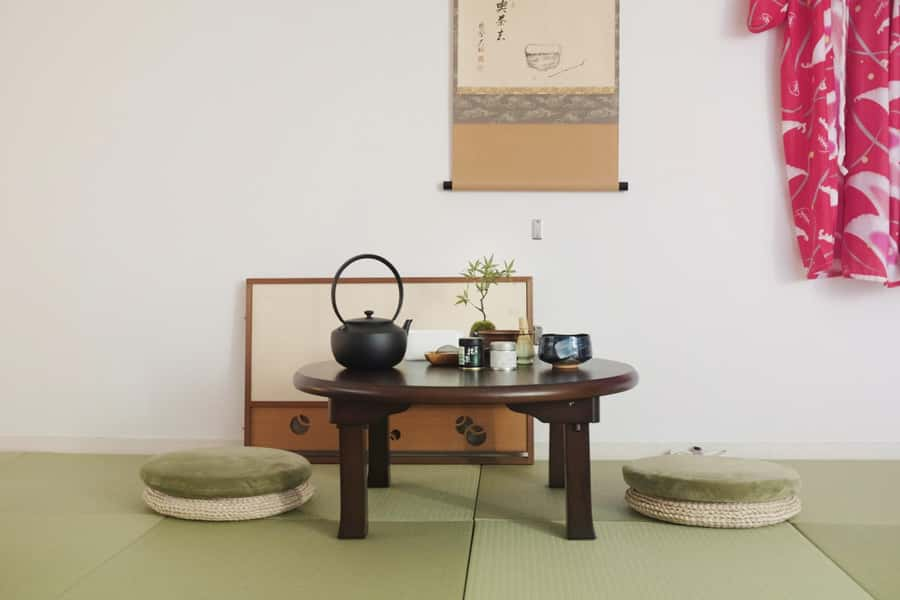
The tasting lesson is the heart of the workshop. You are introduced to matcha selected from a collection of more than 100 teas from around Japan, including a first-flush matcha described as the highest-quality selection.
The point is not to make you memorize tea-producing regions. Instead, you use simple senses that you can apply at home:
- Look at the color and texture.
- Smell the powder before preparing it.
- Taste the tea and notice its flavor and finish.
The class also compares Japanese matcha with matcha sold overseas. The difference can be considerable, and this helps explain why a bright green café drink does not always taste like carefully prepared Japanese matcha. You learn to ask better questions about freshness, quality, and preparation instead of judging a powder only by its color.
This tasting is useful for you even if you already drink matcha. A fan of the tea gets more vocabulary and context, while a newcomer gets a gentle way to understand why some bowls taste smooth and savory and others can seem bitter or flat.
The first-flush sample is included, as is a welcome drink and a Japanese traditional sweet. The sweet gives you a small but useful lesson in balance, since tea ceremony food is meant to work with the tea rather than compete with it.
What teaism adds to the tea ceremony lesson
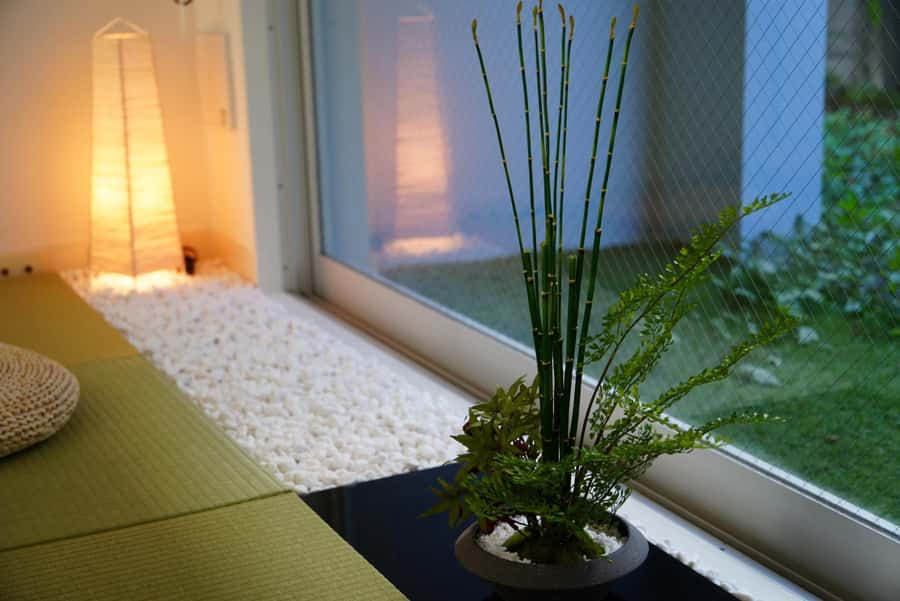
The workshop separates several ideas that are often lumped together. Matcha is the powdered tea itself. Tea ceremony refers to the structured preparation and serving of tea. Teaism is the wider philosophy around tea, including attention, hospitality, simplicity, and respect for the moment.
You also learn how green tea differs from black tea and Chinese tea. The lesson does not treat tea ceremony as a collection of mysterious gestures. It explains why the tools are arranged in a certain way, why movements are deliberate, and how manners shape the experience for both the person making the tea and the person receiving it.
This is where the workshop earns its price. You are not paying only for a costume and a cup of tea. You get a cultural explanation that helps the actions make sense. Once you understand the purpose of the bow, bowl, whisk, and serving order, the ceremony becomes less like a performance and more like a form of careful hospitality.
The setting can be a local Japanese flat with a small, decorated tea room. That kind of space offers a more personal atmosphere than a large commercial venue, although the compact setting may not suit you if you prefer a spacious, highly polished attraction with room to move around.
More Tea Ceremony Experiences in Tokyo
- Matcha Making Class in Tokyo with Authentic Japanese Sweets Set
★ 5.0 · 744 reviews - Tokyo: Traditional Tea Ceremony with a Tea Master
★ 5.0 · 528 reviews - Tokyo: Matcha Making Experience with Mochi Sweets in Asakusa
★ 4.9 · 388 reviews - Make Traditional Nerikiri Sweets & Matcha experience in Shibuya
★ 5.0 · 130 reviews
Whisking your own bowl with traditional tools
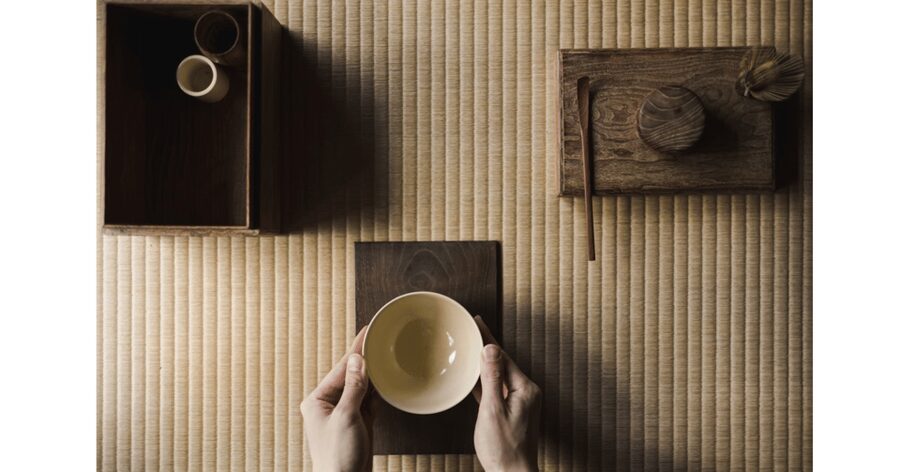
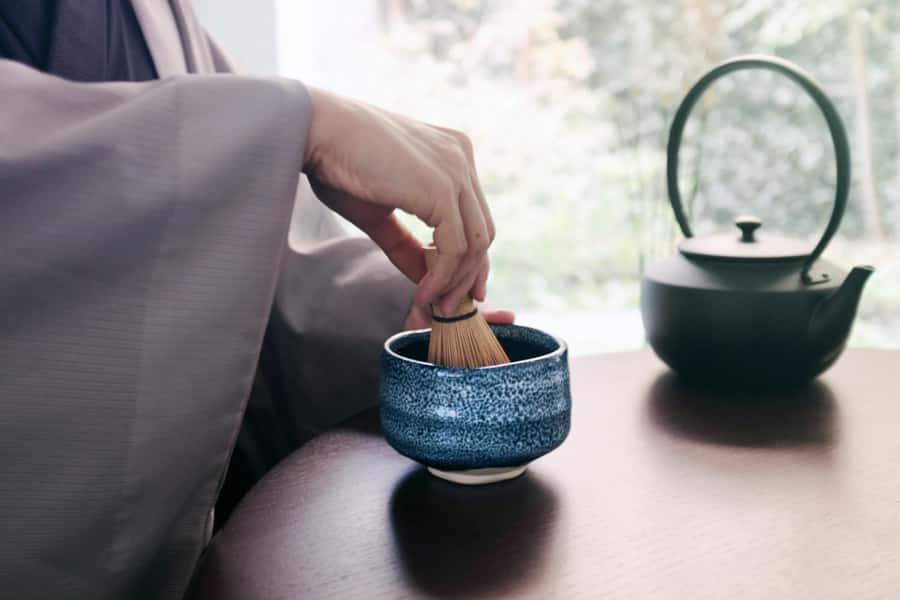
After the presentation, you prepare matcha yourself. Tea ceremony tools are provided for the workshop, so you do not need to bring equipment. Komei demonstrates the basic process, then guides you through the movements and proportions.
The practical aim is to teach four key points for making a good bowl at home. You learn the basic manner of drinking matcha as well as the preparation itself. That distinction matters. A home cup does not need to copy every formal ceremony rule, but knowing how to receive the tea helps you understand what the ceremony is communicating.
Whisking looks simple until you try it. The lesson gives you time to practice rather than leaving you with a decorative demonstration. You can ask questions, adjust your technique, and taste the result. The small-group format helps here. One session had five people, and the teaching is intended to be personal and conversational, though group size can vary.
The instructor’s enthusiasm is helpful when your first bowl is not perfect. This is not a test. The value is in learning how the powder, water, whisk, bowl, and movement work together. You leave with a better sense of what to look for when ordering matcha in Japan and what you would need to prepare it at home.
How the schedule feels from start to finish
The experience begins at the Yotsuya meeting point, where the guide waits with a workshop sign. From there, the activity unfolds in a natural order:
- Meet the guide and enter the workshop space.
- Choose and put on an easy-wear kimono.
- Learn about kimono customs and background.
- Taste and compare matcha selections.
- Discuss Japanese tea types, teaism, and tea ceremony.
- Watch a matcha preparation demonstration.
- Make your own bowl with traditional tools.
- Learn basic drinking manners and enjoy a Japanese sweet.
- Return to the meeting point at the end.
The exact duration is not provided, so do not schedule a tight train connection or restaurant reservation immediately afterward. The end point is the same as the start, which makes it easy to continue sightseeing around Yotsuya or head toward Shinjuku.
The pace is educational and relaxed rather than rushed. Still, the late-arrival policy is strict. More than 10 minutes late means automatic cancellation and no refund. Yotsuya Station is about a six-minute walk away, but station exits and city streets can slow you down. Arrive early.
Is $57 a fair price?
At $57 per person, this is not the cheapest way to drink matcha in Tokyo. You can buy a bowl of matcha at a café for far less. That comparison, however, misses what you are paying for here.
The price includes the matcha tasting, first-flush selection, welcome drink, traditional sweet, kimono use, tea tools, cultural lecture, and hands-on instruction. You also get a host who explains the details in English or Japanese and answers questions throughout the session.
I consider it a fair price if you want a compact cultural lesson with active participation. The kimono makes the experience more memorable, but the real value is the teaching. You learn how to judge matcha, prepare it, drink it, and place it within Japanese tea culture.
The value is weaker if you only want a quick photograph in traditional clothing or a short ceremonial performance. In that case, the lecture and tasting may feel longer than necessary. The same is true if you are already experienced with tea ceremony and want advanced instruction. This is best viewed as a strong introduction, not a specialist master class.
Who will enjoy this most?
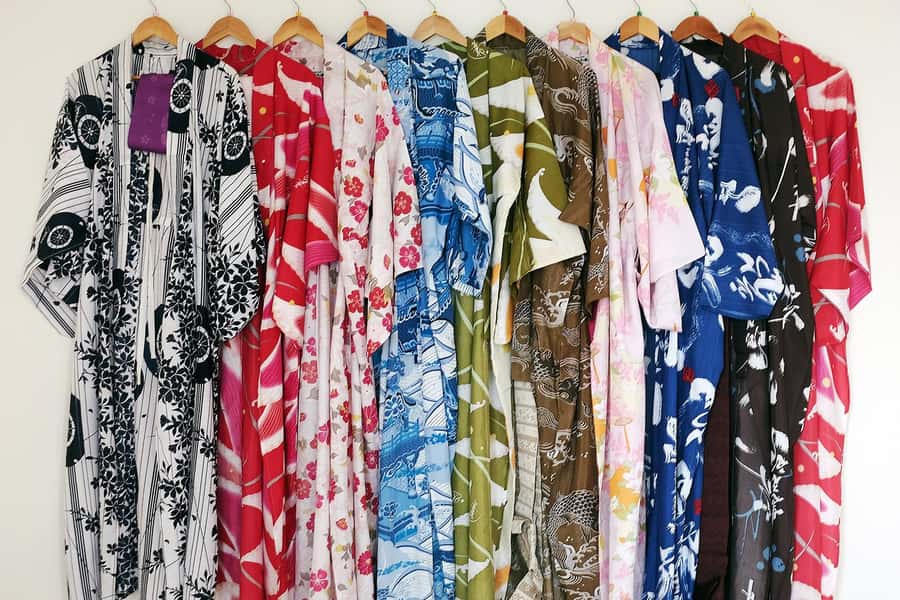
I would recommend the workshop to first-time visitors who want an approachable introduction to Japanese customs. It is also a good fit for people already interested in matcha, especially anyone curious about the difference between authentic Japanese powder and lower-quality versions sold overseas.
Couples, friends, and small groups can make good use of the photo opportunity and the shared tasting. The teaching is casual enough for people who know little about tea, yet detailed enough to keep a matcha fan interested.
Children under five are not suitable for the activity. Older children may enjoy the kimono and whisking, but remember that the session includes sitting, listening, handling tea tools, and respecting a quiet traditional space. Alcohol, drugs, strong fragrances, and noisy behavior are not allowed.
You should also be comfortable with a cultural activity that asks for attention. This is not a drop-in craft class. The manners and explanations are part of the point.
Small details that make the experience work
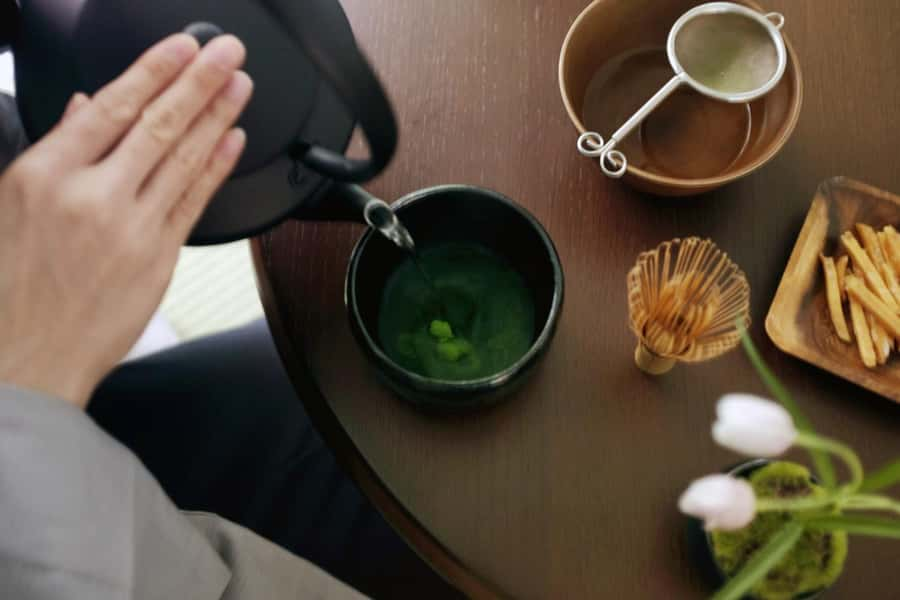
Wear clothing that makes it easy to change into the kimono. Bring socks, and avoid strong perfume or cologne, since fragrance can interfere with tasting tea and is not permitted.
The activity ends where it begins, and the location is close to Yotsuya Station. It is described as being near Shinjuku, but do not confuse the meeting point with Shinjuku Station itself. Use the provided map and give yourself a little cushion before the start time.
You can cancel up to 24 hours in advance for a full refund, and a reserve-now, pay-later option is available. These terms are useful if your Tokyo plans are still moving, but they do not soften the 10-minute late-arrival rule.
The experience has a 4.7 rating from 219 ratings, and the most consistent strengths are clear: Komei’s friendly instruction, the amount of matcha information, the chance to wear a kimono, and the hands-on preparation. One fair criticism is that some people would prefer less time dressing and more time making tea. Keep that tradeoff in mind.
Should you book this matcha and kimono experience?
Book it if you want more than a quick taste of matcha. You will learn how tea quality is judged, why ceremony manners matter, how to wear an easy kimono, and how to make a bowl yourself. The combination is particularly useful for a first visit to Japan because it links clothing, hospitality, food, and tea in one compact activity.
Skip it if you want a purely formal ceremony, advanced tea training, or a very short photo session. The workshop includes a substantial lecture, and the kimono portion may take more time than you expect.
For most visitors who want an engaging cultural activity near Yotsuya and Shinjuku, $57 is a reasonable spend. Arrive early, bring socks, and come ready to listen as well as whisk. That is how you get the most from it.
FAQ
Where does the matcha and kimono experience meet?
The guide waits in front of the LUUP scooter stand next to the ACN Yotsuya Building, holding a workshop sign.
How far is the meeting point from Yotsuya Station?
The meeting point is about a six-minute walk from Yotsuya Station.
Does the experience end at the meeting point?
Yes. The activity returns to the same meeting point at the end.
What languages are available?
The experience is available in English and Japanese.
Is a kimono included?
Yes. A kimono is provided for you to wear throughout the experience.
Do I need to bring tea-making tools?
No. Tea ceremony tools are rented as part of the experience.
What should I bring?
Bring your own socks to protect the traditional flooring. If you forget them, you may be asked to buy socks at the workshop.
What happens if I arrive late?
Your booking is automatically canceled after 10 minutes of delay from the appointment time, and no refund is accepted in that case.
Are children under five allowed?
No. The experience is not suitable for children under five.
Can I cancel for a refund?
You can cancel up to 24 hours in advance for a full refund. A reserve-now, pay-later option is also available.
Just added around Tokyo
- Kawagoe Japanese Food Tour : Unagi Kaiseki and Sake near Tokyo★ 5.0 · 30 reviews
- Kawagoe 4hr Private Tour with Licensed Guide (Kawagoe Dep)★ 5.0 · 13 reviews
- Little EDO Sushi Making workshop in Kawagoe★ 5.0 · 18 reviews
- 【R34】Tokyo:Private Daikoku tour in Modified R34★ 4.9 · 92 reviews
- :Tokyo,Shibuya/ Pro Photography in Kimono / English-Friendly★ 5.0 · 26 reviews
- Tokyo:Celebrate Unique Japanese New Year Tradition Festivity★ 3.9 · 20 reviews
- Tokyo: Allstar Food Tour★ 4.7 · 29 reviews
- Tokyo: West-Side Cycling and Food Tour with Guide★ 5.0 · 37 reviews
Tea Ceremony Experiences, compared.

Tea Ceremony in a Traditional Tea House in Kiyomizu
Our verdict →


World Heritage Kyoto & Nara Uji Authentic Matcha Experience
Our verdict →


Arashiyama Bamboo Forest, Monkeys, Matcha & Temple Tour
Our verdict →
Browse the lists this tour appears in