
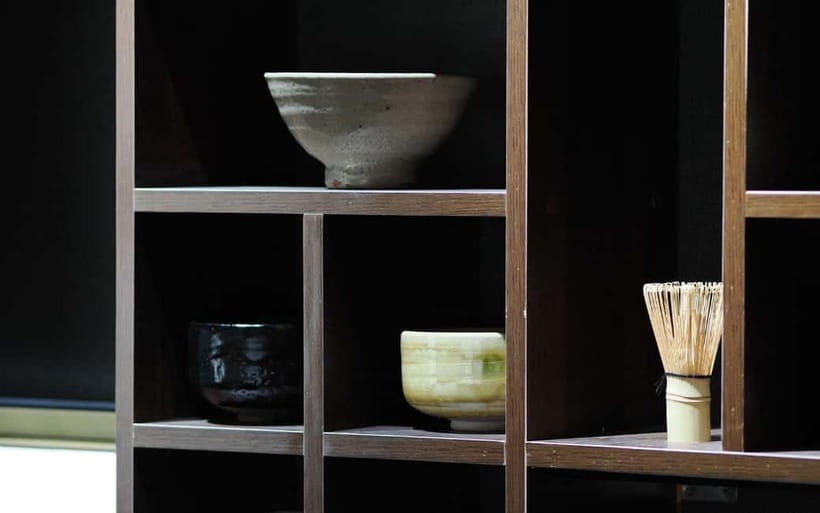
Reviewed · TEA CEREMONY EXPERIENCES
Tokyo: Traditional Tea Ceremony with a Tea Master
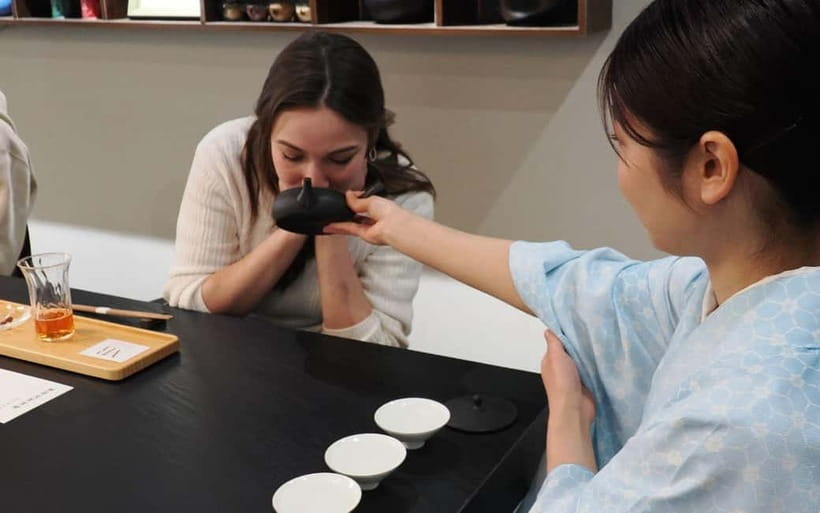
Tokyo’s Ocharu tea ceremony is less about sitting silently through a strict ritual and more about understanding what is in your cup. In one hour, you taste Japanese black tea, top-grade Gyokuro, handmade matcha, and Genmaicha, with a tea master explaining the customs, temperatures, tools, and origins behind each one.
I especially like the hands-on matcha making, since you do not simply watch a host perform the ceremony. The seasonal wagashi from Ougiya and the chance to taste Gyokuro leaves add two unusual details. The main drawback is that the room is not suitable for wheelchair users, and the green OCHARU sign can be easy to miss because it is high above the entrance.
Key details at a glance
- Four distinct teas: Taste wakocha, Gyokuro sencha, matcha, and Genmaicha, each prepared in a different way.
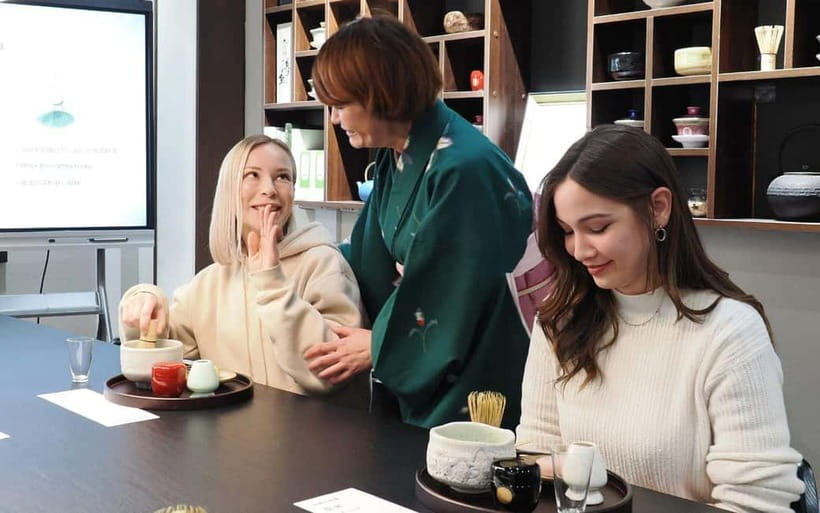
- Your own bowl of matcha: Learn how to use the bamboo whisk and traditional utensils with patient guidance.
- Seasonal sweets from Ougiya: Pair the teas with carefully made wagashi from a long-established confectioner.
- Across from Tokyo University: The location works well with a visit to the university area, Ueno, or the nearby zoo.
- A relaxed English-language lesson: Tea masters such as Shinichi and Ekiko have been praised for clear explanations and easy conversation.
- Useful keepsakes: You receive a certificate and group photo, with tea and accessories available at the shop downstairs.
Ocharu makes tea culture easy to understand
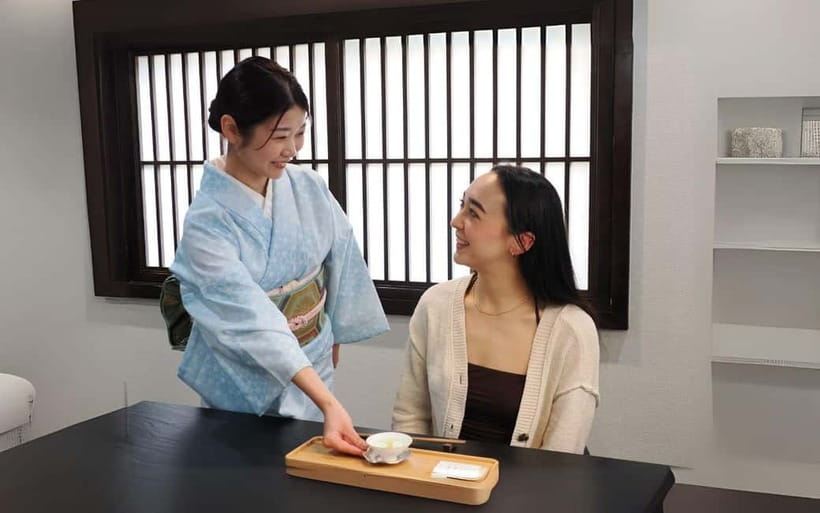
Many first-time visitors picture a tea ceremony as a formal performance with strict rules and little room for questions. Ocharu takes a more approachable route. The tea master explains what is happening, invites you to participate, and leaves room for questions about Japanese customs, tea regions, and everyday drinking habits.
That makes this a good choice if you want cultural context without committing to a long ceremony. The session lasts about one hour, so it can fit neatly between sightseeing stops. It also works for people who are curious about tea but do not yet know the difference between matcha, sencha, and roasted rice tea.
The teaching style can vary slightly with the host. Shinichi has been praised for his humor and detailed explanations, while Ekiko has been described as patient and clear. Other hosts have made a point of including children and answering questions about Japanese language and daily life. English is the working language, though one participant found a host’s accent a little difficult at times.
The atmosphere is calm, clean, and friendly. You should expect a small-group cultural activity rather than a grand temple ceremony. That distinction matters. If you want to study formal tea etiquette in depth, this is only an introduction. If you want to taste several teas and understand the basics in a welcoming room, it is a strong fit.
More Tea Ceremony Experiences in Tokyo
- Matcha Making Class in Tokyo with Authentic Japanese Sweets Set
★ 5.0 · 744 reviews - Tokyo: Matcha Making Experience with Mochi Sweets in Asakusa
★ 4.9 · 388 reviews - Tokyo: Matcha and Kimono Experience
★ 4.7 · 219 reviews
Your first cup is wakocha and a small sweet
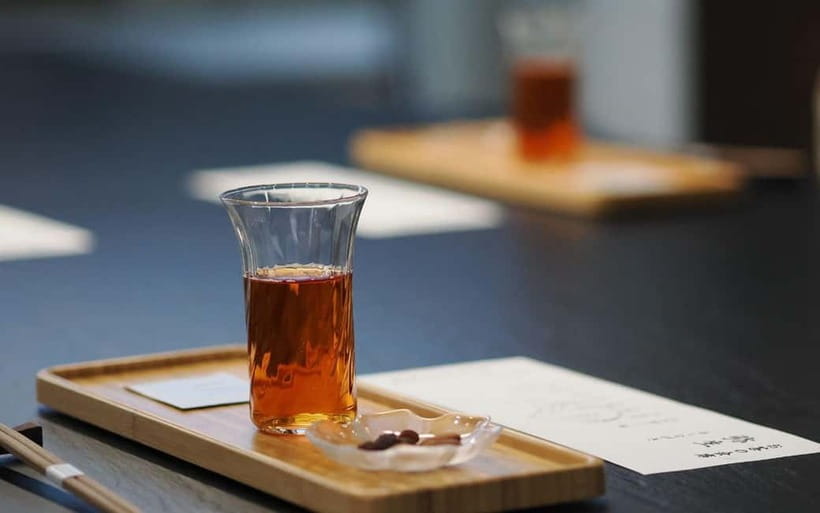
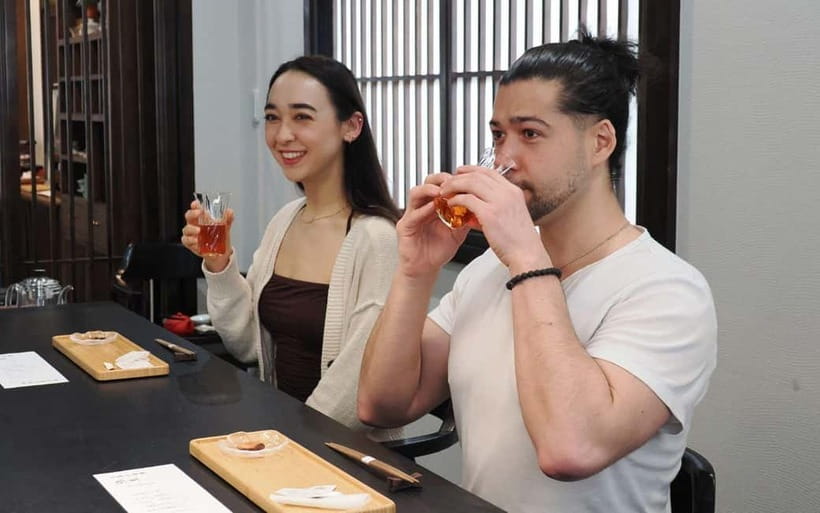
The session begins with wakocha, Japanese black tea from Shizuoka. Japan is better known overseas for green tea, so this is a useful opening. Wakocha tends to have gentle fruity and floral notes, and it gives you a quick lesson in how Japanese tea can differ from the more familiar green teas.
A tea cake comes with the welcome cup. This first pairing sets the tone for the activity: you are not just learning names and dates, you are paying attention to flavor, aroma, temperature, and the way a sweet changes the tea.
Shizuoka is one of Japan’s best-known tea regions, and connecting the drink to its place of origin gives the tasting a practical angle. You begin to see that Japanese tea is not one single flavor. Growing region, processing, leaf quality, and brewing temperature all matter.
The opening cup is also a gentle way into the etiquette. Your host shows you how to receive the tea and sweet, and you can ask questions before the more detailed tasting begins. You do not need prior knowledge, and you will not be expected to perform perfectly.
Gyokuro shows why temperature matters
Next comes Gyokuro sencha, a high-grade Japanese green tea. This is usually the most eye-opening part for people who think all green tea tastes alike. Gyokuro is prized for its savory, concentrated character, and the tea master pays close attention to how it is brewed.
Water temperature is not a minor technical point here. Hotter water can pull out stronger, sharper flavors, while cooler water helps reveal a softer and more rounded cup. The demonstration gives you a clear reason to handle Japanese green tea with more care at home.
You also taste the tea leaves. That may sound unusual, but it is one of the details that makes this session more than a standard cup-and-cookie stop. The leaves are treated as part of the tasting rather than waste. It is a small lesson in how much of the plant can be appreciated.
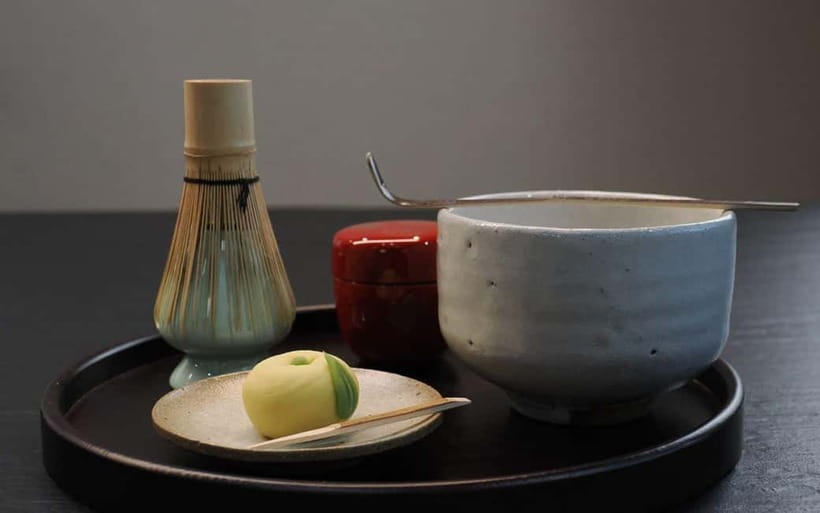
Gyokuro comes with seasonal wagashi from Ougiya, a respected confectioner. These Japanese sweets are designed to look appealing as well as taste good, and their seasonal character connects the food to the time of year. The sweetness balances the savory tea and gives you a simple example of Japanese pairing.
Do not expect a large meal. The food is a tasting accompaniment, not lunch. If you arrive hungry, eat beforehand. The sweets are generous for the purpose of the ceremony, but this experience is built around tea, not a full food spread.
Making matcha is the hands-on centerpiece
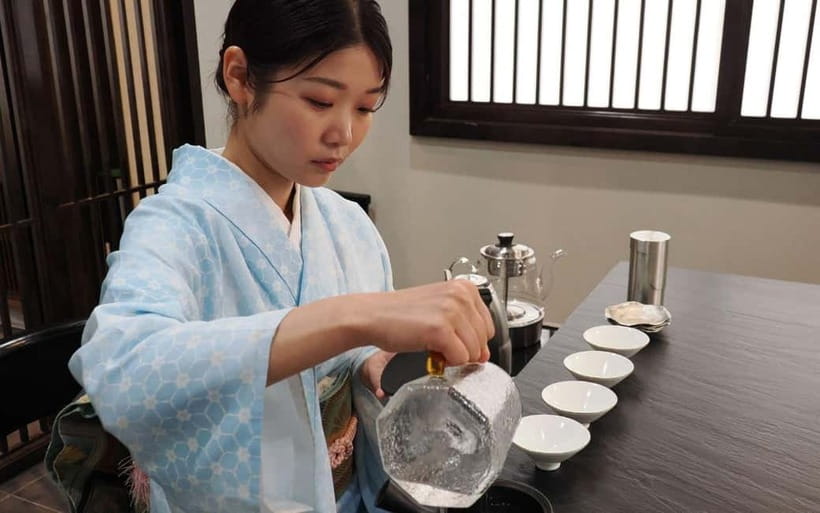
The most active part begins when you make your own matcha. The tea master provides the traditional tools and shows you how to prepare the powder with a bamboo whisk. You then try it yourself, following the movements and manners explained by the host.
This is where the experience becomes personal. Watching matcha being made is interesting, but whisking your own bowl helps you understand the texture, sound, and effort involved. You also get a better sense of why the equipment matters. The whisk is not a decorative prop. It creates the fine foam and smooth texture that define a well-prepared bowl.
The lesson is guided and forgiving. You do not need steady hands or previous practice. Hosts have been described as patient, funny, and willing to repeat instructions. Some people even receive a certificate with their name written in Japanese, adding a small personal touch to the finish.
You will also learn the manners connected with drinking matcha. These are explained in a simple way, so you can take part without worrying about making a serious mistake. The point is to understand the gestures and respect behind the ritual, not to test you.
The matcha portion suits both serious tea drinkers and people who normally avoid tea. One particularly useful detail is that even a partner who did not care much for tea still enjoyed the activity because it combines demonstration, tasting, and participation.
Same trip, a completely different kind of day:
- 1-Day Tokyo Bus Tour
★ 5.0 · 14,250 reviews - Tokyo: TOKYO SKYTREE® Admission ticket
★ 4.5 · 11,192 reviews - Tokyo: teamLab Planets TOKYO Digital Art Museum Entry Ticket
★ 4.6 · 9,779 reviews - Tokyo: Sumo Show Experience with Chicken Hot Pot and a Photo
★ 4.8 · 6,678 reviews
Genmaicha closes the hour on a gentle note
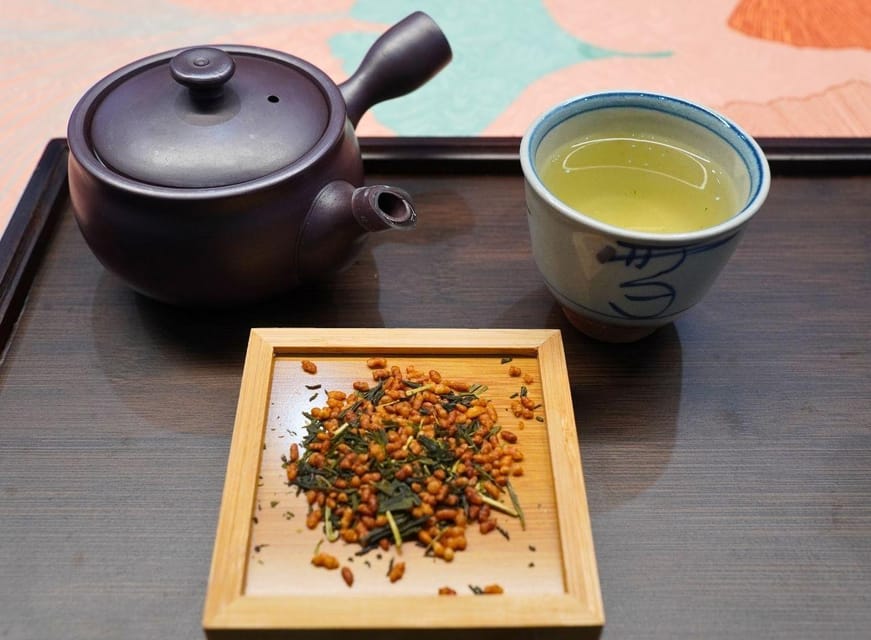
The final tea is Genmaicha, sencha blended with roasted rice from Niigata Prefecture. Its toasted aroma and comfortable flavor make it a natural ending after the more concentrated Gyokuro and matcha.
This last cup helps you compare teas by mood as well as flavor. Wakocha is light and floral, Gyokuro is more focused and savory, matcha is thick and vivid, and Genmaicha is warm and toasty. You leave with a useful mental map of several Japanese tea styles instead of one isolated memory.
The progression also feels well judged for a one-hour activity. You start with an easy welcome, move into careful tasting, take an active turn with matcha, and finish with something familiar and soothing. There is enough variety to keep the session moving, but not so much that the information becomes hard to follow.
The OCHARU location rewards a little planning
The tea room is across from Tokyo University, which makes the setting easy to pair with other sights. The university campus and nearby zoo have been mentioned as convenient additions, and the area gives you a break from Tokyo’s louder shopping districts.
Finding the entrance takes a little care. Look for the green OCHARU logo on the building, but look up. The sign is high, and it has been easy for people to walk past it more than once. If you see the tea shop, you are in the right place, since the tea ceremony room is accessed through that location.
Arrive about five minutes early. That gives you time to check in, find the room, and settle before the tea begins. The meeting point is not presented as a large attraction entrance, so a rushed arrival may add needless confusion.
The shop downstairs is worth a glance after the ceremony. You can buy tea and matcha products, and there may be other tea-related items such as accessories. Some people have also enjoyed trying green tea beer there. You do not need to shop, but it is a convenient place to continue the lesson by choosing tea to take home.
What the $38 price includes
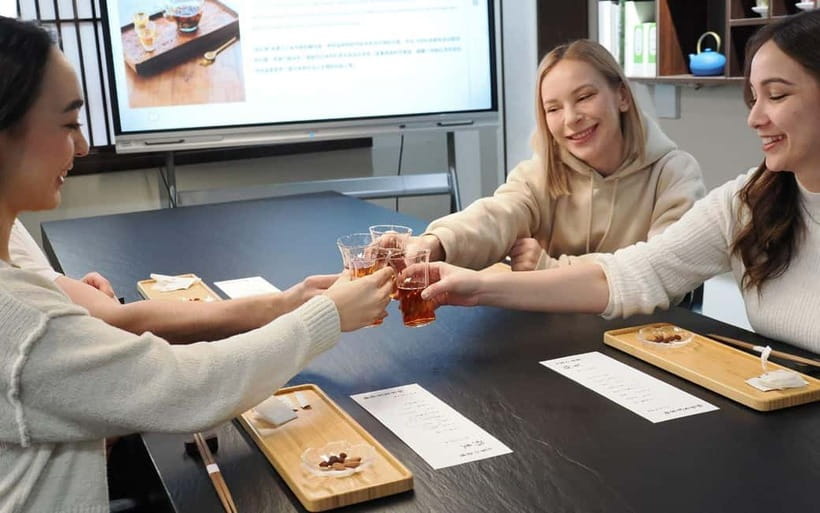
At $38 per person, this is good value if you treat it as both a tasting and a short cultural class. You receive several teas, seasonal wagashi, instruction from an English-speaking tea master, use of the tools, a certificate, and a group photo. Comparable sightseeing stops often give you one drink and a brief demonstration, while this session gives you four distinct tea experiences and your own turn at matcha.
The value is strongest for first-time visitors to Japan. You gain vocabulary, serving customs, flavor comparisons, and a basic understanding of brewing. That can make later visits to tea shops and cafés more rewarding, since you will know what you are ordering and why the preparation differs.
The price is less compelling if you only want a quick bowl of matcha. You can find matcha elsewhere in Tokyo for less, and this is not designed as a private masterclass. You are paying for explanation, variety, guided participation, and a keepsake as much as for the drinks.
Free cancellation up to 24 hours before the activity and the reserve-now, pay-later option make it easier to fit into a changing Tokyo schedule. The practical limits are more important: the session lasts only one hour, English is the listed language, and the activity is not suitable for wheelchair users.
Who will enjoy this tea ceremony most
I would recommend Ocharu to anyone who wants a compact cultural activity with real participation. It is especially well suited to:
- First-time visitors who want an introduction to Japanese tea
- Tea drinkers who want to compare several styles in one sitting
- Couples looking for a calm break from sightseeing
- Families with older children who can follow a guided activity
- Visitors interested in Japanese sweets, etiquette, and regional products
- People with a tight schedule who cannot spare half a day
The activity can also work for someone who does not usually drink tea, since the emphasis is on learning how the ingredients, tools, and customs fit together. Children can be included when the host makes an effort, though the supplied information does not specify a minimum age.
I would choose something else if you need step-free access, want a private ceremony, or are looking for a highly formal temple setting. Ocharu is polished and respectful, but it is also conversational and relaxed. That is a strength for most beginners, not a flaw, as long as you know what you are booking.
Small details that make the hour memorable
The certificate and group photo are simple keepsakes, but they help mark the experience. One certificate was written with a participant’s name in Japanese, which adds a thoughtful personal touch. You may also be allowed to keep small items such as chopsticks, depending on the session.
The hosts are another important part of the value. The strongest sessions are not only about correct movements. They include explanations of tea-growing regions, water temperatures, manners, local customs, and everyday Japanese life. A friendly host can turn a technical tasting into a conversation.
You should also feel free to ask questions. Hosts have discussed everything from tea production to language and local recommendations. That flexibility makes the activity feel less like a memorized show and more like a useful cultural exchange.
The one-hour format keeps the experience focused, but it also means explanations cannot cover every school of tea ceremony or historical period. You will leave with a foundation, not professional-level training. For most people planning a busy Tokyo visit, that is the right balance.
Should you book Ocharu?
Book it if you want to taste several Japanese teas, make matcha yourself, and learn the etiquette without sitting through a stiff or lengthy ceremony. The combination of Gyokuro, seasonal wagashi, tea leaves, and hands-on whisking gives you more substance than a simple photo opportunity.
The activity is particularly worthwhile near the start of your Japan trip, since the lessons can sharpen your appreciation of tea shops and sweets later on. Schedule it with time for Tokyo University, the zoo, or the surrounding neighborhoods, and allow a few extra minutes to find the high green sign.
Skip it if accessibility is essential or if your ideal ceremony is formal, silent, and highly traditional from start to finish. For everyone else, $38 buys a friendly, well-paced introduction to Japanese tea culture, with enough flavor and practical detail to stay with you after the certificate goes into your bag.
FAQ
How long does the Tokyo tea ceremony last?
The experience lasts about one hour. Starting times vary, so check availability when choosing a session.
What teas will I taste?
You will taste wakocha from Shizuoka, Gyokuro sencha, matcha that you prepare yourself, and Genmaicha made with sencha and roasted rice from Niigata Prefecture.
Can I make my own matcha?
Yes. The tea master teaches you how to use traditional tools and guides you through whisking and drinking your own matcha.
Is the activity offered in English?
Yes. English is the listed language, and the instructor leads the activity in English.
Where is the meeting point?
The Ocharu Tea Ceremony Room is across from Tokyo University. Look for the green OCHARU logo on the building. The sign is high, so check above eye level, and arrive five minutes early.
Is the activity suitable for wheelchair users?
No. The activity is listed as not suitable for wheelchair users.
What is included in the price?
The price includes wakocha and a tea cake, Gyokuro sencha, seasonal wagashi from Ougiya, the matcha-making session, Genmaicha, access to the tea room, a certificate, and a group photo.
Just added around Tokyo
- Kawagoe Japanese Food Tour : Unagi Kaiseki and Sake near Tokyo★ 5.0 · 30 reviews
- Kawagoe 4hr Private Tour with Licensed Guide (Kawagoe Dep)★ 5.0 · 13 reviews
- Little EDO Sushi Making workshop in Kawagoe★ 5.0 · 18 reviews
- 【R34】Tokyo:Private Daikoku tour in Modified R34★ 4.9 · 92 reviews
- :Tokyo,Shibuya/ Pro Photography in Kimono / English-Friendly★ 5.0 · 26 reviews
- Tokyo:Celebrate Unique Japanese New Year Tradition Festivity★ 3.9 · 20 reviews
- Tokyo: Allstar Food Tour★ 4.7 · 29 reviews
- Tokyo: West-Side Cycling and Food Tour with Guide★ 5.0 · 37 reviews
Tea Ceremony Experiences, compared.

Tea Ceremony in a Traditional Tea House in Kiyomizu
Our verdict →
World Heritage Kyoto & Nara Uji Authentic Matcha Experience
Our verdict →
Arashiyama Bamboo Forest, Monkeys, Matcha & Temple Tour
Our verdict →
Browse the lists this tour appears in