
Reviewed · TEA CEREMONY EXPERIENCES
Tokyo: Asakusa Kimono Dressing and Matcha Experience
Asakusa is at its most photogenic when you are dressed for the setting. This two-hour experience lets you choose a kimono or summer yukata, have your hair arranged, sip matcha, and then walk through the old district near Sensoji Temple. Yoshi and his team give the activity a personal touch, with patient help for first-time wearers, children, and visitors unsure what style suits them.
I especially like two things here: you can keep the kimono until 17:30, giving you time to explore Asakusa at your own pace, and the matcha lesson adds cultural meaning rather than treating the outfit as a costume alone. The main consideration is time. Dressing and hairstyling can take 45 to 70 minutes, and kimono layers may feel warm or restrictive, especially in summer.
Key points at a glance
- Four minutes from Asakusa Station: Kimono Rental YUI is also only two minutes from Kaminarimon Gate, making it easy to combine with Sensoji.
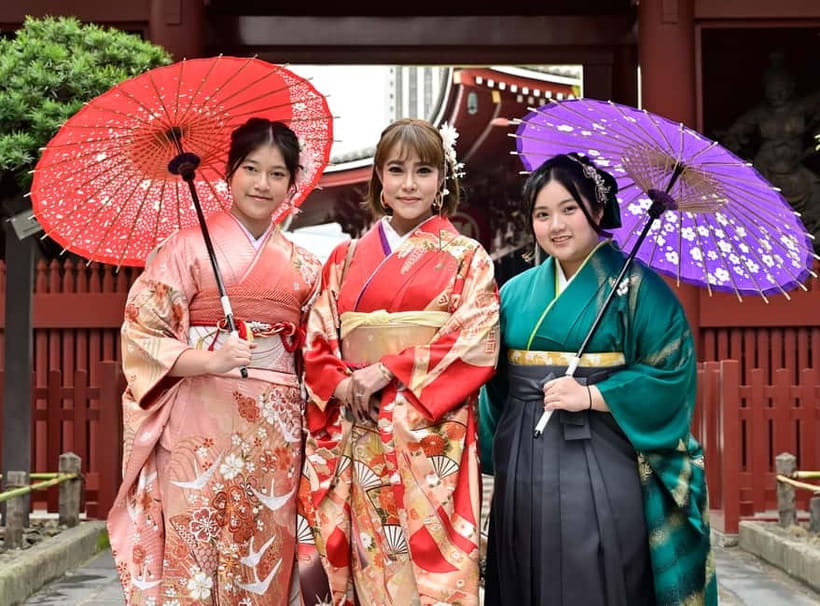
- A broad choice of outfits: Pick from kimonos and yukatas for adults and children, with some silk, lace, furisode, and haori hakama options costing extra.
- Hair and accessories included: Styling, hair ornaments, geta sandals, and a traditional handbag are part of the standard package. Makeup is not included.
- A short matcha lesson: Learn how to drink matcha in the traditional manner and enjoy Japanese sweets. This is an introduction, not a full tea ceremony.
- Flexible time outdoors: After dressing, you can walk around Asakusa until 17:30 before returning the outfit.
- Optional professional photos: Add a 60-minute session around Sensoji Temple and the Sumida River, with edited digital images sent within a week.
Why dressing up works so well in Asakusa
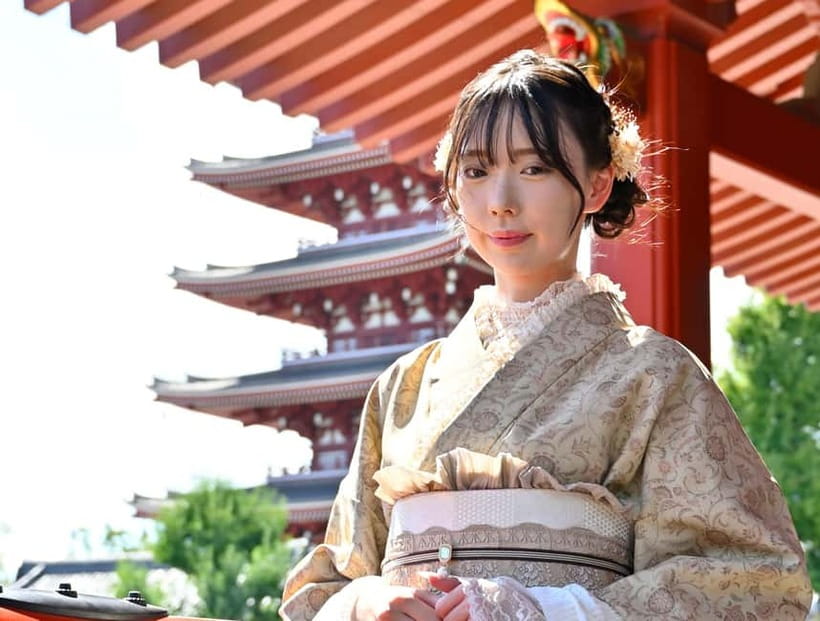
Tokyo can feel sleek and modern, but Asakusa offers a different mood. The district around Sensoji Temple has old-fashioned shopping streets, temple gates, narrow lanes, and views toward the Sumida River. Wearing a kimono here connects your photographs to the place instead of leaving you in a rental studio with a plain backdrop.
You do not need prior knowledge of kimono. The staff help with the layers, tie the outfit properly, and match the accessories. Several people who chose the experience found the staff especially patient with children, solo visitors, plus-size customers, and women with curly or Afro-textured hair. That matters because the quality of the fitting and styling can make or break the afternoon.
The warm welcome is one of the strongest parts of the experience. Yoshi speaks English and explains the matcha tradition, while the women on the team help with dressing and hair. The atmosphere is friendly rather than stiff, and the staff make an effort to help you feel comfortable even when communication is not perfect.
More Kimono Experiences in Tokyo
- Let’s make kimono !(Kimono is a gift for you
★ 5.0 · 252 reviews - Tokyo: Matcha and Kimono Experience
★ 4.7 · 219 reviews - Asakusa: Kimono Tea Ceremony with Matcha and Sweet
★ 4.9 · 153 reviews
Arriving at Kimono Rental YUI
The shop is close to the main Asakusa sights. From Asakusa Station, allow about four minutes on foot. From Kaminarimon Gate, the entrance to Sensoji, it is about two minutes. Once you reach the building, take the elevator to the second floor.
That location makes this easy to fit into a larger day. You can dress first, visit Sensoji and its surrounding streets, then return the kimono before the 17:30 deadline. Or you can visit the temple beforehand and arrive at the shop with a clear idea of the places you want to photograph.
The standard activity lasts about two hours, but the timetable has two parts. First comes the fitting, hair, and matcha session. Then you are free to wear the outfit outside for the rest of the day. Check the available start time carefully, since a late start leaves less time for walking before the return deadline.
Large luggage is not included in the basic price. Storage may be available for an added fee, so bring only what you can manage comfortably during the fitting and walk. Next-day return is also possible for an extra charge, but the normal plan requires you to bring the kimono back by 17:30.
Choosing between a kimono and a yukata
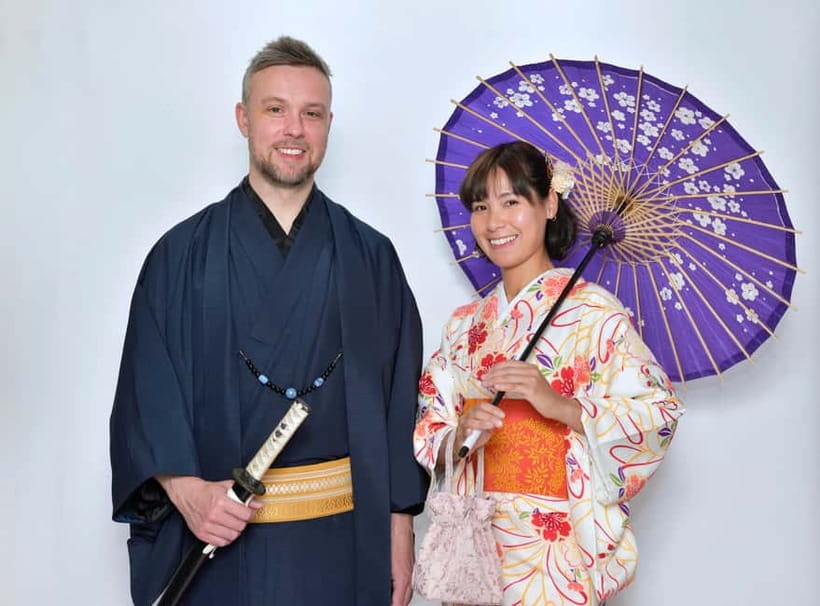
The shop offers both formal-looking kimono and lighter summer yukata. A yukata is generally the easier choice for a warm day or a relaxed stroll. A more traditional kimono gives you a fuller dressing experience and a more formal look in photographs.
You can choose from many colors and patterns, and the staff help coordinate the outfit with the handbag, sandals, and hair ornaments. The selection includes options for men, women, and children. Silk kimono, lace kimono, furisode, and haori hakama are available at an additional cost, so ask about any supplement before settling on a premium garment.
The regular price is $56 per person. For that amount, you receive the outfit, dressing, hair styling, accessories, footwear, handbag, matcha, and sweets. That is good value if you want more than a quick costume rental, especially since you can wear the outfit outside for several hours.
The extra charges are worth noting. Makeup is not included, and special garments cost more. If you want the most elaborate outfit, ask for the total price before the staff begin preparing it. You can still have a very attractive experience with the standard choices.
The fitting takes patience
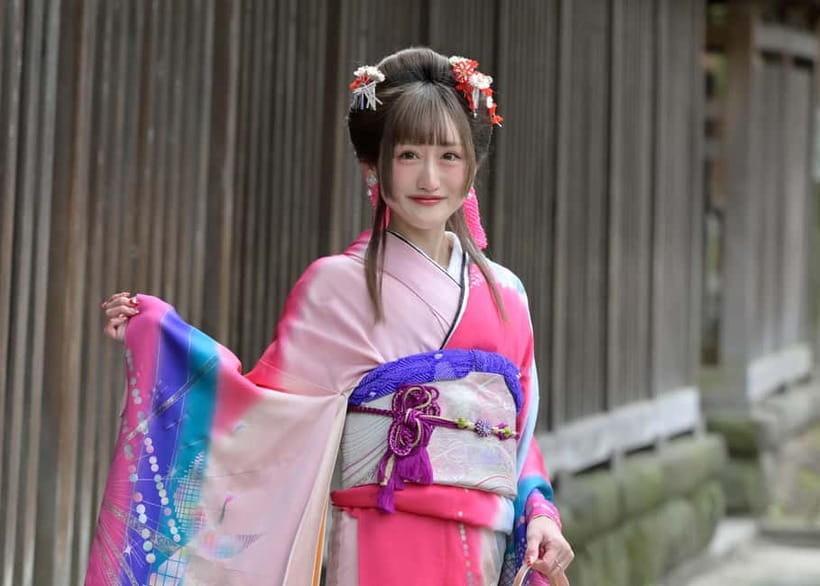
Allow 45 to 70 minutes for dressing and hairstyling. Kimono dressing is not a matter of slipping on one robe and tying a belt. The staff arrange the layers carefully, secure the obi, and make sure the outfit sits correctly before you leave the shop.
That time is part of the appeal, but it can feel long if you are expecting a quick change. Children may need extra patience, though the staff have worked carefully with young children, including a three-year-old. If you are traveling with a child, plan for a slower start and allow some quiet time after dressing.
The outfit also changes the way you walk. Geta sandals have a raised wooden sole, and the layers limit your stride. Several practical tips follow naturally: take smaller steps, watch curbs and stairs, and avoid carrying a large bag. One person specifically warned that kimono can feel warm under the layers, so summer visitors should consider a yukata and a morning or later-afternoon appointment.
The staff provide hair styling and accessories at no extra charge. You can ask for a style that feels comfortable rather than accepting the first suggestion. The attention given to different hair types is a real strength, especially if you have worried that a Japanese hairstyle might not work with your hair.
More Tea Ceremony Experiences in Tokyo
- Matcha Making Class in Tokyo with Authentic Japanese Sweets Set
★ 5.0 · 744 reviews - Tokyo: Traditional Tea Ceremony with a Tea Master
★ 5.0 · 528 reviews - Tokyo: Matcha Making Experience with Mochi Sweets in Asakusa
★ 4.9 · 388 reviews - Make Traditional Nerikiri Sweets & Matcha experience in Shibuya
★ 5.0 · 130 reviews
Matcha with an explanation, not just a photo prop
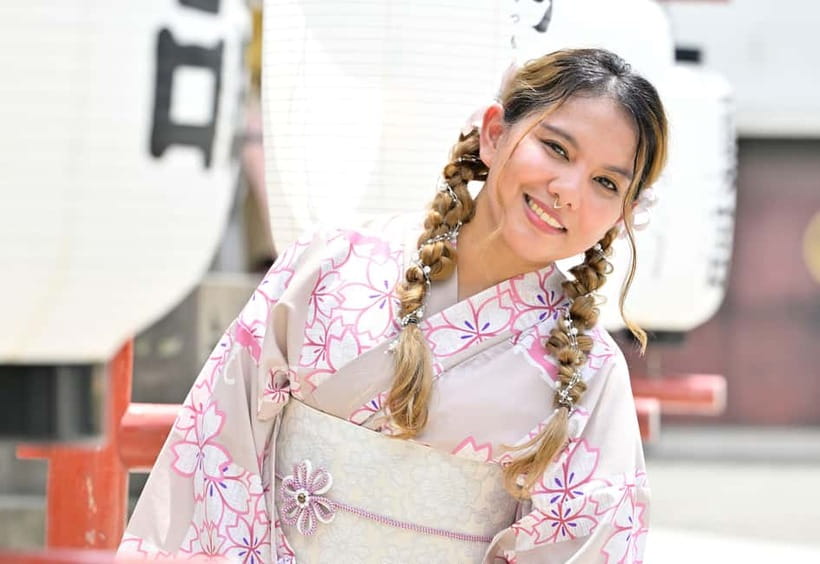
The matcha portion takes about 15 minutes. Yoshi explains the proper way to drink the tea according to Japanese tradition, and the experience includes Japanese sweets. You learn the basic etiquette and get a sense of why the movements and order matter.
Be clear about what this is. The activity includes a short matcha lesson, not a full formal tea ceremony. If you want an extended ceremony with all its rules and procedures, this will be too brief. If you want an accessible introduction during a sightseeing day, the length works well.
The lesson adds depth to the dressing experience. Without it, the outing could feel like a costume rental followed by photographs. The tea gives you a small cultural practice to carry into the rest of your time in Japan. You also get a calm pause after the fitting before stepping into the busy streets.
The sweets are included, and the tea is prepared as part of the session. You may share the experience with another small group, or book a private arrangement when available. English is supported, and the explanations are designed for first-time visitors.
Walking from Sensoji to the Sumida River
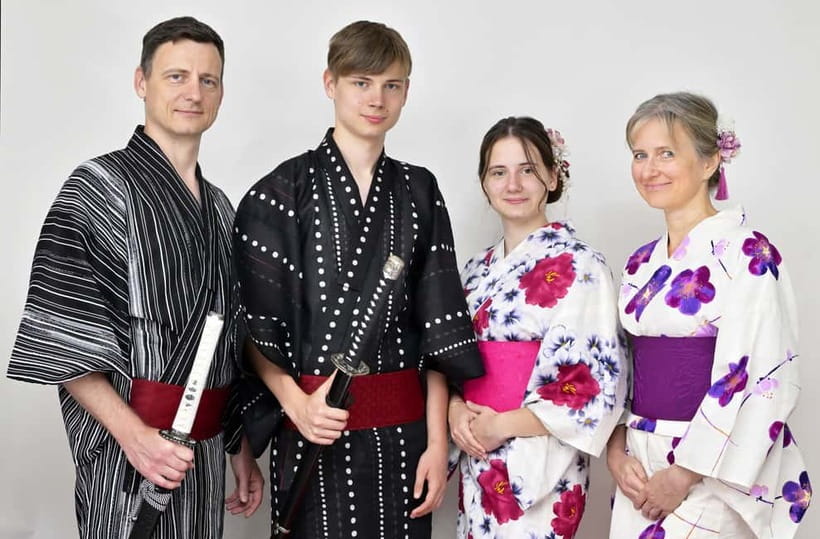
Once dressed, you can explore Asakusa until 17:30. Sensoji Temple is the obvious centerpiece, but the best part of the outing is having time to wander beyond the main gate. The surrounding streets give you different backdrops for the outfit, from temple architecture to quieter lanes and river views.
The freedom is useful because you are not tied to a guide for the entire afternoon. You can stop for food, browse shops, visit the temple, or simply take photographs at your own pace. The package does not include a tour guide, so you should not expect a detailed walking tour or a fixed route.
That lack of guiding is either a benefit or a limitation. I like the independence, particularly for repeat visitors or anyone who already knows the Asakusa sights. If you want someone to explain every temple building and lead you from place to place, you may prefer to add a separate guide service.
Be respectful around Sensoji. You are walking through an active religious site, not a film set. Keep pathways clear, follow temple rules, and remember that the kimono is part of a living tradition. The staff can explain the clothing and tea, but the wider sightseeing remains yours to handle thoughtfully.
The optional 60-minute photo session
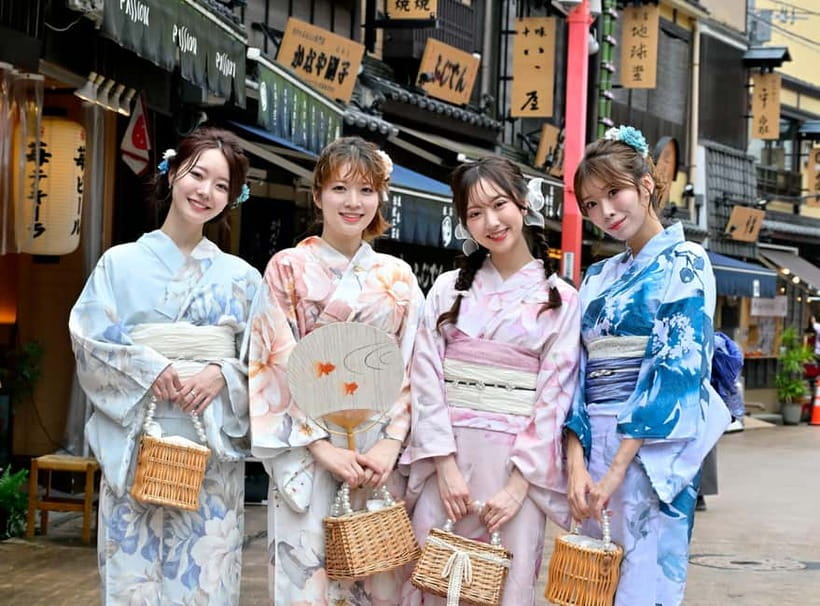
The photo add-on is the clearest upgrade for anyone who wants polished images rather than quick phone snapshots. A professional photographer accompanies you for 60 minutes and leads you to photogenic locations around Sensoji Temple and the Sumida River.
This is useful if you are traveling alone, if nobody in your group enjoys taking photographs, or if you want help with poses. One solo visitor found the photographer made posing feel easy, while other customers appreciated that staff members were willing to take a few phone photos even without the add-on.
The photographer does more than point a camera. You receive direction on where to stand and how to pose, which is valuable when the kimono limits movement. The edited image data is sent for download within a week after the session.
The photo session costs extra, and the standard activity does not promise professional images. Ask about the current add-on price when booking. If your main goal is cultural participation and a walk around Asakusa, your phone may be enough. If the photographs are the main reason you are booking, the upgrade makes more sense.
Who will enjoy this most
This suits couples, families, solo visitors, and friends who want a hands-on Tokyo activity rather than another observation deck or shopping stop. Children can take part, and the staff have shown patience with young ones during dressing and hair styling.
It is also a good choice if you want an outfit that works for several hours. Many costume activities end as soon as the photographs are finished. Here, the kimono stays with you until the return time, so the clothing becomes part of your Asakusa visit.
Wheelchair users can take part because the activity is listed as wheelchair accessible. The practical experience of moving around in a kimono and geta will still vary by person, so discuss any mobility needs with the provider before booking. The shop itself can support wheelchair access, but outdoor temple paths and crowded areas may require extra care.
Pregnant women should not book this activity. The fitting involves multiple layers and firm dressing around the body. Makeup is also not included, so bring your own products if you want a complete finished look.
The value of $56, and where costs can rise
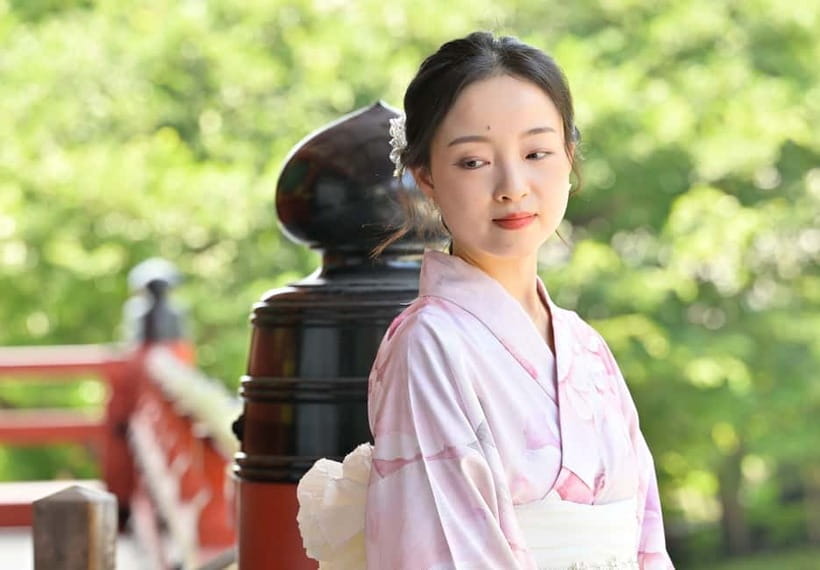
At $56, the standard package offers more than a basic rental. You receive the kimono or yukata, dressing, hair arrangement, accessories, sandals, handbag, matcha, and sweets. The ability to walk around Asakusa until 17:30 makes the price easier to justify.
The value is strongest if you plan to visit Sensoji anyway. You are combining a cultural activity with your sightseeing time instead of paying for a separate short photo stop. Families should remember that the price is per person, and special clothing, luggage storage, next-day return, and professional photography cost extra.
The private photo session is the biggest possible addition. It is not necessary for a good afternoon, but it can be worthwhile for a milestone trip, family portraits, or solo photographs that are better than casual phone pictures. Just keep the total cost in mind before choosing premium clothing and photography together.
Free cancellation is available up to 24 hours before the activity for a full refund. You can also reserve and pay later, which helps if your Tokyo schedule is still changing.
A few practical tips before you book
- Wear simple underlayers: The fitting includes several clothing layers, so comfortable, light clothing is easier than bulky outfits.
- Choose the season carefully: A yukata may be more comfortable in warm weather. Kimono layers can feel hot during summer walks.
- Bring a small bag: Large luggage is not included in the standard arrangement, and a bulky bag is awkward with geta sandals.
- Plan your return: The kimono must be back by 17:30 unless you pay for next-day return.
- Leave time for photographs: Dressing alone can take up to 70 minutes. Add more time if you want the optional one-hour shoot.
- Ask about premium choices: Lace, silk, furisode, and haori hakama may carry extra fees.
- Take smaller steps: Wooden geta sandals and fitted layers are easier when you slow down.
- Use the location well: Sensoji and Kaminarimon Gate are close, so combine the activity with your Asakusa sightseeing.
Should you book the Asakusa kimono and matcha experience?
I would book this if you want friendly help, a wide outfit choice, and enough time to use Asakusa as your setting. The strongest parts are the careful dressing, thoughtful hairstyling, warm English support from Yoshi and the team, and the chance to walk around after the shop visit.
I would skip it if you dislike formal clothing, have limited time before 17:30, or want a full tea ceremony and guided temple tour. For everyone else, $56 buys a well-rounded cultural activity rather than a quick dress-up photograph. Add the professional shoot if lasting images matter most, and choose a lighter yukata if you are visiting during hot weather.
FAQ
How long does the activity take?
The scheduled experience lasts about two hours. Dressing and hairstyling usually take 45 to 70 minutes, while the matcha experience takes about 15 minutes. You can then explore Asakusa in the kimono until 17:30.
Where is the meeting point?
Kimono Rental YUI is about four minutes from Asakusa Station and two minutes from Kaminarimon Gate. Take the elevator to the second floor of the building.
Is the matcha experience a full tea ceremony?
No. It is a short lesson on how to drink matcha according to Japanese tradition, with matcha tea and sweets included. A full tea ceremony is not included.
Can children take part?
Yes. Kimono and yukata rentals are available for children, and the activity is suitable for children.
Is the activity wheelchair accessible?
Yes, the activity is listed as wheelchair accessible.
Can I keep the kimono for the rest of the day?
You can wear it while exploring Asakusa, but you must return it by 17:30. Next-day return is available for an additional cost.
What does the photo session include?
The optional photo session lasts 60 minutes and takes place around Sensoji Temple and the Sumida River. A professional photographer accompanies you, and edited photo data is sent for download within a week.
Just added around Tokyo
- Kawagoe Japanese Food Tour : Unagi Kaiseki and Sake near Tokyo★ 5.0 · 30 reviews
- Kawagoe 4hr Private Tour with Licensed Guide (Kawagoe Dep)★ 5.0 · 13 reviews
- Little EDO Sushi Making workshop in Kawagoe★ 5.0 · 18 reviews
- 【R34】Tokyo:Private Daikoku tour in Modified R34★ 4.9 · 92 reviews
- :Tokyo,Shibuya/ Pro Photography in Kimono / English-Friendly★ 5.0 · 26 reviews
- Tokyo:Celebrate Unique Japanese New Year Tradition Festivity★ 3.9 · 20 reviews
- Tokyo: Allstar Food Tour★ 4.7 · 29 reviews
- Tokyo: West-Side Cycling and Food Tour with Guide★ 5.0 · 37 reviews
Tea Ceremony Experiences, compared.

Tea Ceremony in a Traditional Tea House in Kiyomizu
Our verdict →


World Heritage Kyoto & Nara Uji Authentic Matcha Experience
Our verdict →

Arashiyama Bamboo Forest, Monkeys, Matcha & Temple Tour
Our verdict →
Browse the lists this tour appears in