
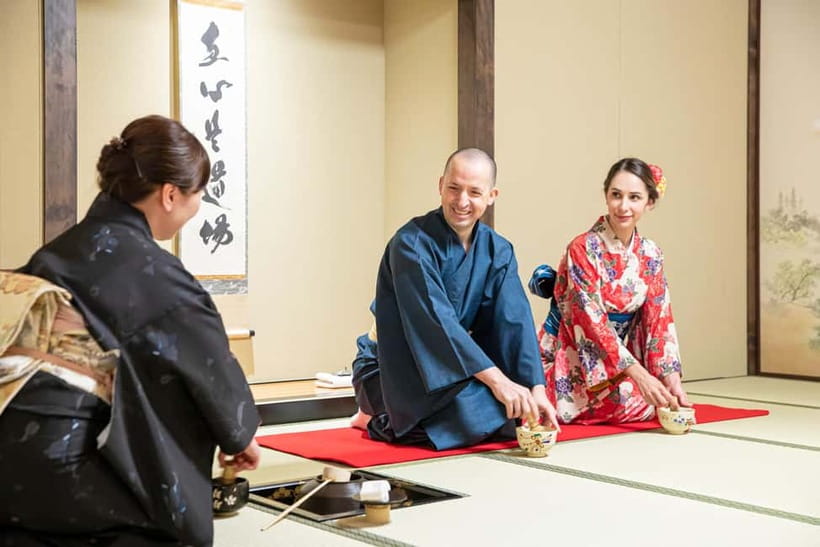
Reviewed · TEA CEREMONY EXPERIENCES
Asakusa: Kimono Tea Ceremony with Matcha and Sweet
The best part of this Asakusa experience comes before the tea is even poured. You choose a seasonal kimono, get dressed with help from the staff, and, if you have long hair, receive a matching style. Then you enter a quiet tea room and learn how to prepare your own matcha.
I especially like the hands-on whisking and the thoughtful explanation of the four principles behind the ceremony: harmony, respect, purity, and tranquility. I also like the photo time, including small indoor setups and a garden area, which gives solo visitors and couples a useful way to preserve the memory. The main consideration is that this is a calm, seated activity on tatami mats, and the group may include about 12 to 14 people.
Key points
- Seasonal kimono selection: Staff help you match the kimono, obi, hairpiece, and accessories.
- A real tea ritual: You watch the host prepare matcha, then whisk your own bowl.
- English guidance throughout: Hosts such as Mia, Wakana, Yoko, and Kyoko explain the ceremony clearly.
- Hair styling for women: This is included for women with long hair.
- Useful photo time: Indoor scenes, a small garden, and staff help with photos.
- Flexible plans: Cancellation is free up to 24 hours before the activity, and bamboo chairs can be requested ahead of time.
Choosing a Kimono in Asakusa
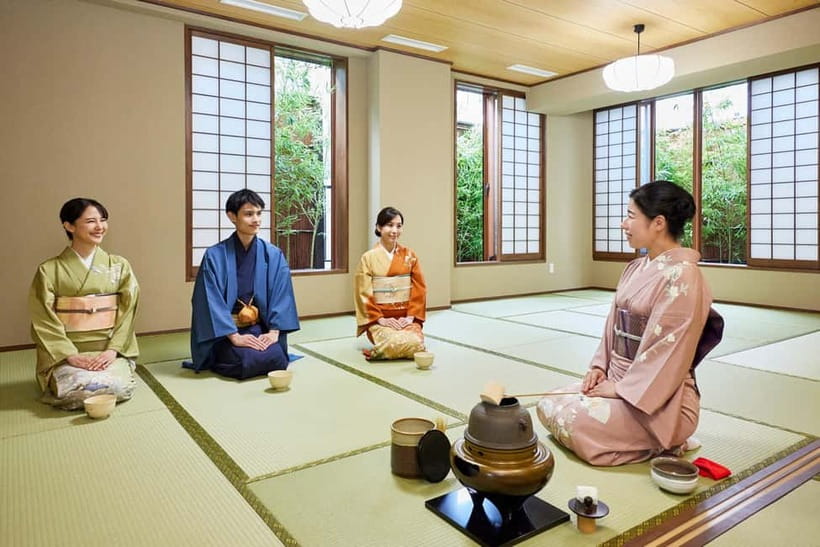
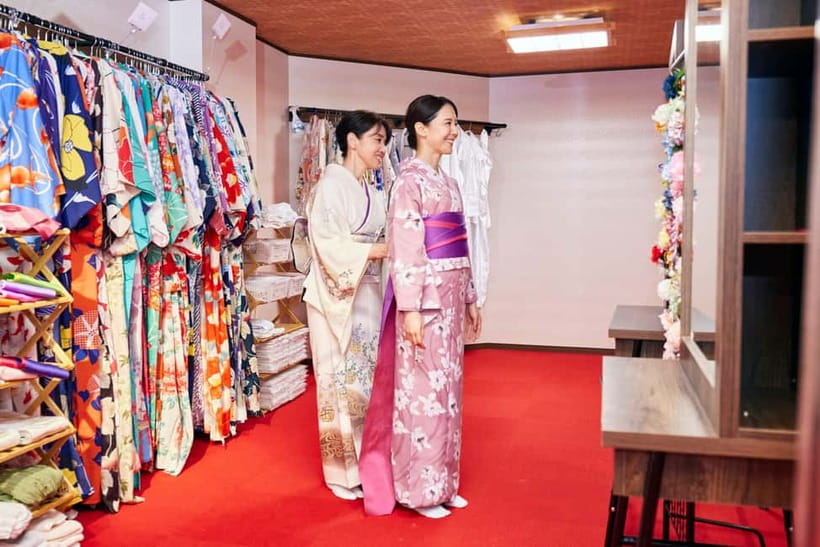
This experience begins with the part many people secretly hope will take a while: choosing what to wear. You select from seasonal kimonos in a range of colors and prints, then work with the staff to match an obi, hairpiece, and other accessories.
That assistance matters. A kimono is not simply a robe you slip on and tie at the waist. The finished look depends on the colors and patterns working together, and the staff help you make a choice that photographs well. If you already know which colors suit you, the process will move faster. If not, let the staff guide you.
Professional dressing is included. The staff arrange the layers and secure the obi so the outfit looks properly finished. It is a detailed process, but you do not need to know anything about kimono beforehand.
Women with long hair can also have their hair styled to suit the outfit. The styling is designed to be quick, and a matching hairpiece completes the look. Men can wear kimono as well, though the included hair styling is specifically for women with long hair.
One practical point: shoes are not allowed during the activity. You will remove them before entering the tatami area, so wear socks or hosiery you are comfortable showing. The clothing is also fitted and formal enough that you will want to move with care.
More Kimono Experiences in Tokyo
- Let’s make kimono !(Kimono is a gift for you
★ 5.0 · 252 reviews - Tokyo: Matcha and Kimono Experience
★ 4.7 · 219 reviews - Tokyo: Asakusa Kimono Dressing and Matcha Experience
★ 4.9 · 173 reviews
What the 90-Minute Schedule Feels Like
The full experience lasts about 90 minutes. That is long enough to learn the basic meaning of the tea ceremony and take photographs, but not so long that the formal sitting becomes tiring for most people.
The exact order can vary slightly, but you can expect four main stages:
- Kimono selection and dressing
- Hair styling for eligible participants
- Tea ceremony demonstration and explanation
- Matcha preparation, wagashi, and photographs
The dressing portion takes real time because the kimono is put on carefully. This is not a rushed costume change. The staff work with the outfit, obi, and accessories so the final appearance feels complete.
Once dressed, you enter the tea room. The mood changes immediately. The ceremony is quiet and deliberate, so you will want to put your phone away during the teaching portion and pay attention to the movements of the host.
After the ceremony, there is time to take pictures. The small garden and indoor photo areas provide simple backgrounds, and staff can help take photos of couples or solo visitors. That last detail is especially useful if you are traveling alone and do not want to rely on a timer.
Learning the Meaning Behind Matcha
The ceremony is not only a demonstration of how to make green tea. The host explains the ideas that shape the ritual: Wa, Kei, Sei, and Jaku.
Wa means harmony. Kei refers to respect. Sei means purity, and Jaku points to tranquility. These principles give structure to what might otherwise look like a series of careful hand movements.
The host shows how tea tools and utensils are handled, then explains the order of the preparation. Some of the tools are treated as treasured artifacts, so the ceremony also gives you a sense of why tea preparation is considered a serious cultural practice rather than a simple beverage service.
English guidance is provided throughout. Several hosts have been praised for making the explanations clear and friendly, including Mia, Wakana, Yoko, and Kyoko. The style can be informative without feeling stiff, and one host even adjusted the language when participants understood some Japanese.
The quiet setting is part of the value. You will not get the same experience in a crowded café while someone rushes through a matcha demonstration. Here, the pace asks you to watch closely and notice small actions: how the bowl is held, how the whisk moves, and how the tea is presented.
Whisking Your Own Matcha
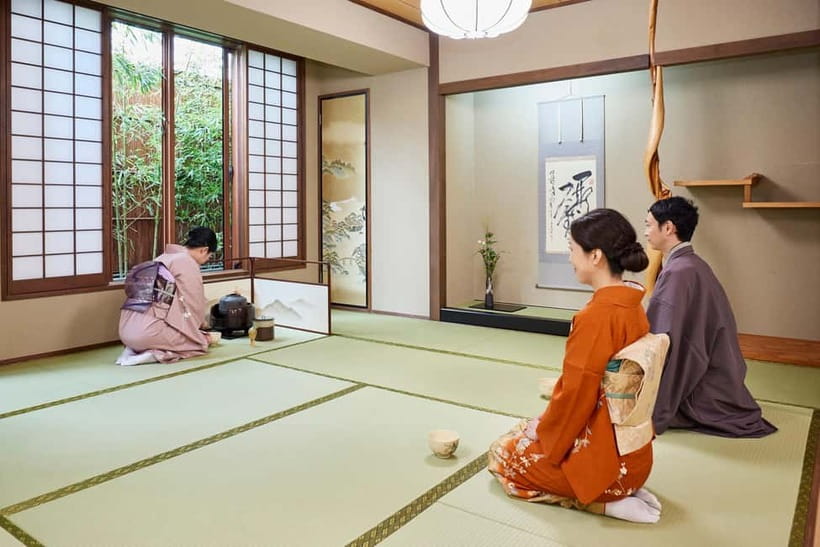
After watching the host, you prepare your own bowl of matcha. This is the point where the ceremony becomes personal rather than purely observational.
You handle the whisk and mix the tea yourself under guidance. The goal is not to produce a perfect bowl on your first try. The useful part is learning the motion and taking part in a practice that has been repeated for centuries.
The matcha has a distinct flavor that can be unfamiliar if you normally drink sweetened green tea. It is paired with wagashi, the traditional Japanese sweets served with tea. These sweets are seasonal, and their colors and flavors are chosen to reflect the time of year.
The wagashi also balances the bitterness of the matcha. You get a small taste of the relationship between tea and sweet, rather than simply receiving a snack on the side.
If you follow a vegan diet, the sweets have been suitable for vegan participants in some sessions, but the activity details do not promise a vegan menu every time. If this matters to you, confirm the current sweet selection before booking.
More Tea Ceremony Experiences in Tokyo
- Matcha Making Class in Tokyo with Authentic Japanese Sweets Set
★ 5.0 · 744 reviews - Tokyo: Traditional Tea Ceremony with a Tea Master
★ 5.0 · 528 reviews - Tokyo: Matcha Making Experience with Mochi Sweets in Asakusa
★ 4.9 · 388 reviews - Make Traditional Nerikiri Sweets & Matcha experience in Shibuya
★ 5.0 · 130 reviews
Photos, Garden Time, and Wearing the Kimono Beyond the Room
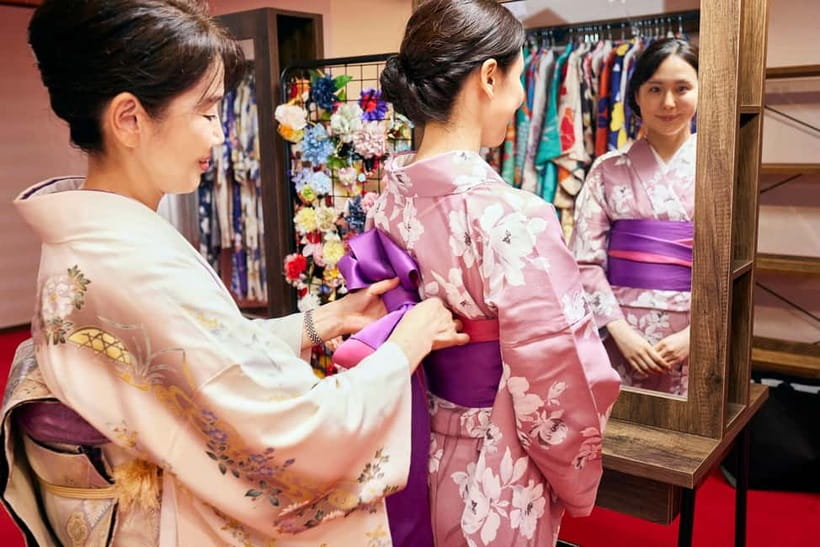
Photography is a major part of the experience, and the setup supports it. You can take pictures in arranged indoor spots and in a small garden area. The staff may help pose or photograph you, which takes pressure off the person who normally ends up holding the phone.
Couples can reveal their finished outfits to each other after dressing, making the moment feel more special than simply changing clothes side by side. Solo visitors also have a fair chance of getting good photos because staff are willing to assist.
The kimono may also be worn for a while after the ceremony, including nearby sightseeing, depending on the arrangement for your session. This gives you more value than a costume worn for only a few minutes. You could use the extra time for photos around Asakusa, though you should remember that a kimono can make walking and sitting less convenient.
Weather matters here. If it is cold or wet, you may prefer to stay inside after the ceremony. The outfit is also not everyday streetwear, so plan a nearby outing rather than a long day of train rides and distant sightseeing.
Seating, Group Size, and Comfort
The tea ceremony takes place on tatami mats, with shoes removed. Traditional floor seating is part of the setting, but it can be uncomfortable if you have knee, hip, or back problems.
Bamboo chairs are available by advance request. Do not wait until arrival to ask for one. If you need chair seating, include the request when you reserve.
The group size is usually about 12 to 14 people, although some sessions may feel smaller. A particularly intimate session can have only a few couples, while another may include a fuller group. You should expect a shared activity, not a private ceremony.
That group format has a benefit: you see other people try the tea preparation and can compare your own technique with theirs. The tradeoff is less control over the pace and fewer uninterrupted moments for photographs.
Children under seven are not permitted. Older children may appreciate the dressing and sweets, but parents should explain ahead of time that the tea room is quiet and calm. This is not a loud, free-form craft activity.
Is $66 a Good Value?
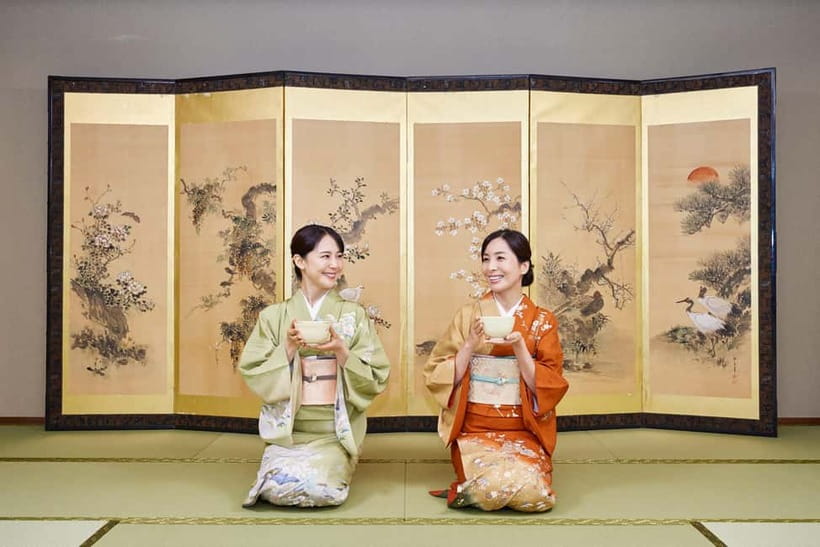
At $66 per person, the price covers more than a cup of matcha. You receive the kimono rental, professional dressing, hair styling for eligible women, the tea ceremony, your own matcha preparation, wagashi, English instruction, and photo opportunities.
The value is strongest if you want several Japanese cultural activities in one short booking. A kimono rental alone can take planning, and a formal tea ceremony can feel intimidating if you do not know the etiquette. This activity puts both together and provides staff to guide you through each step.
The price also makes more sense if you use the kimono for a little sightseeing afterward. The longer you wear it, the less the experience feels like a brief photo session. Still, the outing is only 90 minutes as an organized activity, and the listing does not promise an unlimited full-day rental for every booking. Confirm the post-ceremony rental details when you reserve.
For a first visit to Japan, this is a convenient introduction. It will not replace a long study of tea culture, nor is it designed to show every regional style of kimono. It gives you a focused, accessible taste of both.
Who Will Enjoy This Most
I would choose this for someone who wants a cultural activity with a strong visual side. The kimono, hair styling, tea room, sweets, and garden create plenty of memorable material for photos without requiring a full day.
It suits couples especially well. You can choose outfits together, take paired photos, and share the matcha preparation. The experience also works for solo visitors, since staff can help with pictures and guide you through each stage.
It is a good fit for first-time visitors who want English explanations. You do not need prior knowledge of Japanese tea ceremony etiquette, and you are not expected to perform the ritual perfectly.
I would be more cautious if you dislike sitting on the floor, do not enjoy quiet activities, or want a private experience. Request a bamboo chair in advance if needed, and understand that the group can include roughly 12 to 14 people.
Practical Tips Before You Book
Plan to arrive ready to remove your shoes. Since shoes are not allowed, comfortable socks are a sensible choice.
Wear undergarments and clothing that allow you to be dressed in layers. The staff will handle the kimono, but you will be more comfortable if you are not fighting bulky clothes underneath.
Think about your preferred photo colors before choosing a kimono. You do not need to arrive with a fixed plan, but knowing whether you prefer bold or softer colors can make selection easier.
If you have long hair and want styling, allow the staff to create the finished look rather than planning a complicated hairstyle of your own. Hair accessories are part of the coordinated appearance.
Reserve ahead if you need bamboo chairs. The activity is not suitable for children under seven, and the tea room is meant to remain quiet.
Cancellation is free up to 24 hours before the activity, and you can reserve now and pay later. That is useful when your Tokyo schedule depends on weather or changing plans.
Should You Book the Asakusa Kimono Tea Ceremony?
Book it if you want a polished, easy introduction to Japanese dress and tea culture, especially if photographs matter to you. The staff support, English instruction, hair styling, seasonal kimono choices, hands-on matcha preparation, and wagashi make the $66 fee reasonable for a 90-minute cultural outing.
I would skip it only if you need a private ceremony, cannot sit on tatami without a chair, or want a long, scholarly study of tea tradition. For most visitors, this is a friendly and well-organized way to slow down in Asakusa, dress for the occasion, and take part in a ritual rather than simply watch it.
FAQ
How long does the kimono tea ceremony last?
The complete activity lasts approximately 90 minutes.
What is included in the price?
The price includes the traditional tea ceremony, kimono rental, professional dressing, hair styling for women with long hair, matcha preparation, seasonal wagashi, and English guidance.
Is the activity conducted in English?
Yes. Full English guidance is provided, and the instructor language is English.
Can I choose my own kimono?
Yes. You can select a seasonal kimono, with staff helping you coordinate the obi, hairpiece, and accessories.
Is hair styling included?
Hair styling is included for women with long hair.
Can I wear the kimono after the ceremony?
The kimono may be worn for a while afterward for nearby sightseeing, depending on the arrangement for your session. Confirm the exact rental details when booking.
Do I have to sit on the floor?
Seating is on tatami mats. Bamboo chairs are available if requested in advance.
Are children allowed to participate?
Children under seven are not permitted.
What is the cancellation policy?
You can cancel up to 24 hours in advance for a full refund. You can also reserve now and pay later.
Just added around Tokyo
- Kawagoe Japanese Food Tour : Unagi Kaiseki and Sake near Tokyo★ 5.0 · 30 reviews
- Kawagoe 4hr Private Tour with Licensed Guide (Kawagoe Dep)★ 5.0 · 13 reviews
- Little EDO Sushi Making workshop in Kawagoe★ 5.0 · 18 reviews
- 【R34】Tokyo:Private Daikoku tour in Modified R34★ 4.9 · 92 reviews
- :Tokyo,Shibuya/ Pro Photography in Kimono / English-Friendly★ 5.0 · 26 reviews
- Tokyo:Celebrate Unique Japanese New Year Tradition Festivity★ 3.9 · 20 reviews
- Tokyo: Allstar Food Tour★ 4.7 · 29 reviews
- Tokyo: West-Side Cycling and Food Tour with Guide★ 5.0 · 37 reviews
Tea Ceremony Experiences, compared.

Tea Ceremony in a Traditional Tea House in Kiyomizu
Our verdict →


World Heritage Kyoto & Nara Uji Authentic Matcha Experience
Our verdict →

Arashiyama Bamboo Forest, Monkeys, Matcha & Temple Tour
Our verdict →
Browse the lists this tour appears in