
Reviewed · TEMPLES & SHRINES
Kyoto: Early Morning Fushimi Inari Shrine – Beat the Crowds
Fushimi Inari is Kyoto’s great visual knockout: thousands of orange torii gates winding up a wooded mountain. Go during the day and you may spend more time dodging people than noticing the shrine. This early morning tour gives you a quieter start, cooler air, and a far better chance at an uncluttered photo.
I like two things here. First, the guide explains what the gates, fox statues, shrines, and rituals mean instead of leaving you with a pretty but confusing walk. Second, the route includes a viewpoint and a less obvious sacred spot, so you see more than the famous entrance tunnel. The drawback is the uphill walking, which makes this a poor fit for anyone with limited fitness or mobility.
Key points to know before booking
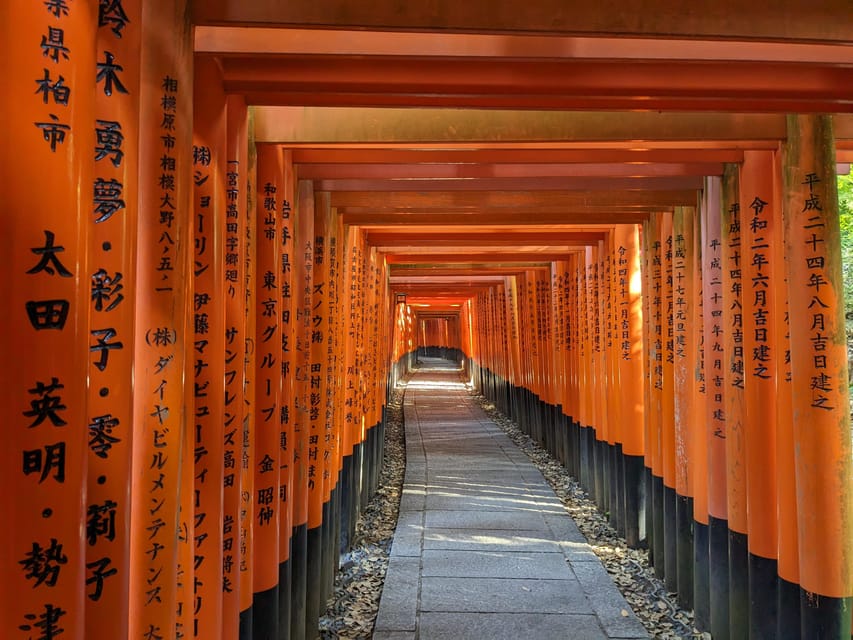
- Early access matters: Fushimi Inari is much easier to appreciate before the daytime crowds arrive.
- The mountain walk is real: Plan for a 150-minute outing with uphill sections and stairs.
- Your guide adds cultural context: Guides such as Teppei, Akino, Hiro, Masa, and Maru have been praised for clear explanations and personal care.
- You get more than the main torii tunnel: The route includes a viewpoint and a quieter side location with its own local meaning.
- The group can be private or small: That allows more time for questions and photos than a large coach tour.
- The $70 price buys interpretation, not transportation: You are paying for a local English-speaking guide and a carefully timed visit.
Why an early start changes Fushimi Inari
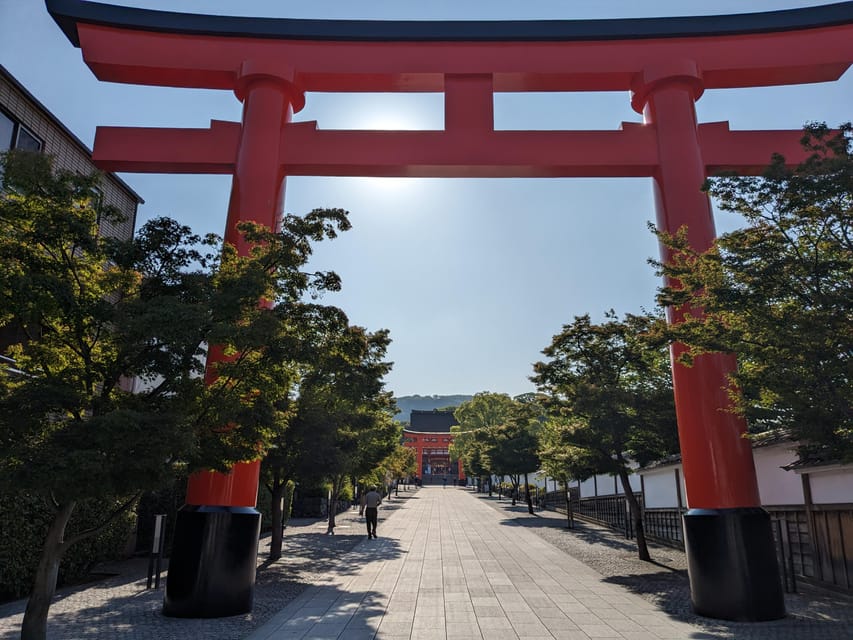
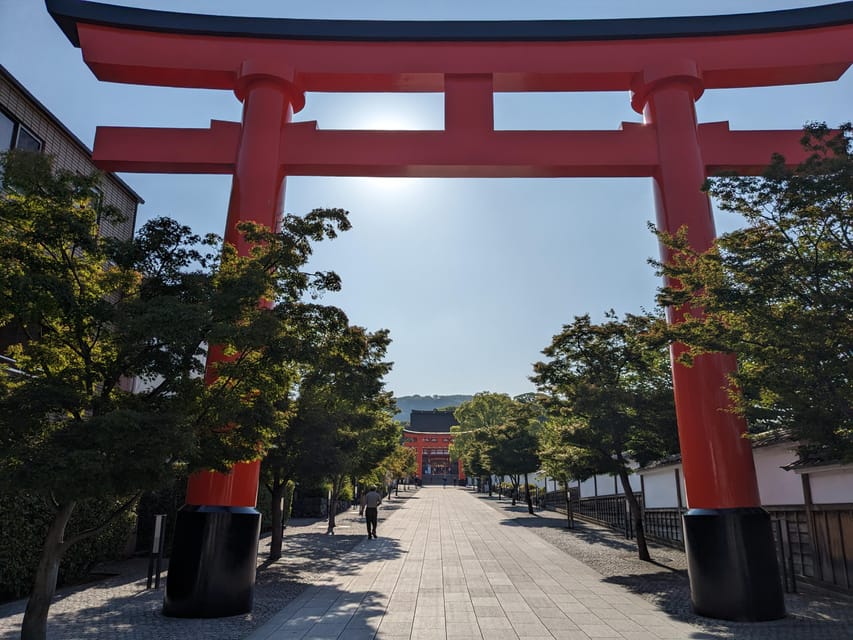
Fushimi Inari Taisha is among Kyoto’s most visited sights, and its orange torii gates are one of Japan’s defining travel images. That popularity creates a simple problem: the lower shrine grounds and first gates can become packed during the day.
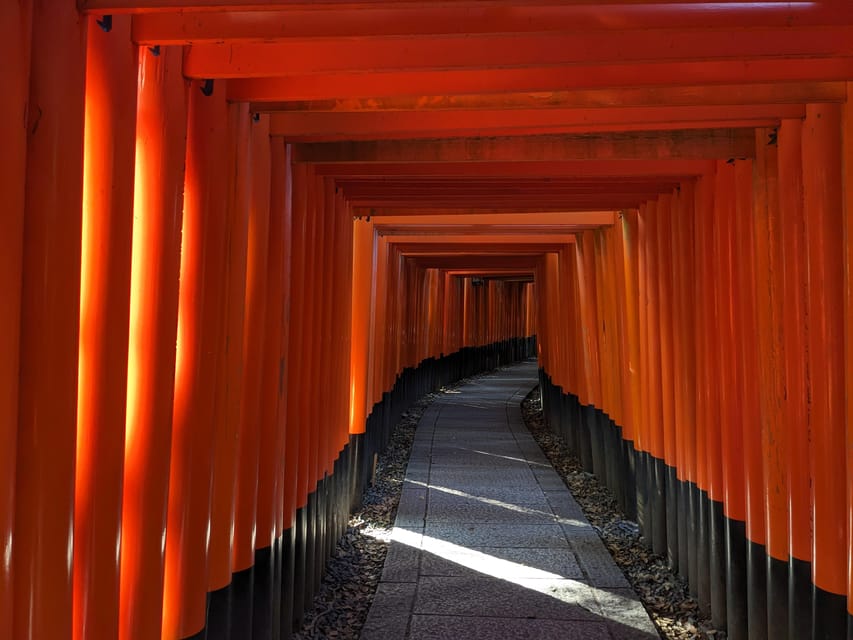
An early start helps in three ways. You get quieter paths, softer morning conditions, and a better chance to photograph the torii without a crowd in every frame. You also hear your guide more clearly and can pause at small shrines without feeling that you are blocking a stream of people.
I would not book this only for a quick photo at the entrance. The real value comes from walking farther and understanding what you are seeing. A guide can explain the role of Inari, the meaning of the torii, and why fox figures appear throughout the shrine grounds. Without that context, the route can look like an endless orange corridor. With it, the mountain feels like a living place of worship rather than a photo set.
The timing is especially useful in warm weather. A July booking, for example, means the uphill walk begins before the strongest heat of the day. In cooler months, the early start still helps with crowd control, though you should dress for the morning conditions.
More Temple & Shrine Tours in Kyoto
- Kyoto: Fushimi Inari, Kinkakuji, Bamboo Grove 1 Day Bus Tour
★ 4.8 · 4,316 reviews - Kyoto: Tea Ceremony in a Traditional Tea House in Kiyomizu
★ 4.9 · 3,519 reviews - Kyoto: Tea Ceremony Ju-An at Jotokuji Temple
★ 4.9 · 3,207 reviews
Meeting outside JR Inari Station
The meeting point is outside, across from the main entrance to JR Inari Station. Your guide holds a bright yellow DeepExperience signboard, making the location easier to spot.
This is a practical meeting point because the shrine is directly associated with Inari Station, but do not treat the train ride from Kyoto Station casually. One visitor arrived late after boarding a non-express train that stopped at several stations instead of using a faster service. The guide handled the delay kindly, but you should check the exact train and leave enough time to find the meeting point.
The tour ends back at Inari Station, so you do not need to arrange a separate return transfer. Transportation to and from the meeting point is not included, and the guide service is the main part of what you are buying.
Entering Fushimi Inari Taisha with a local guide
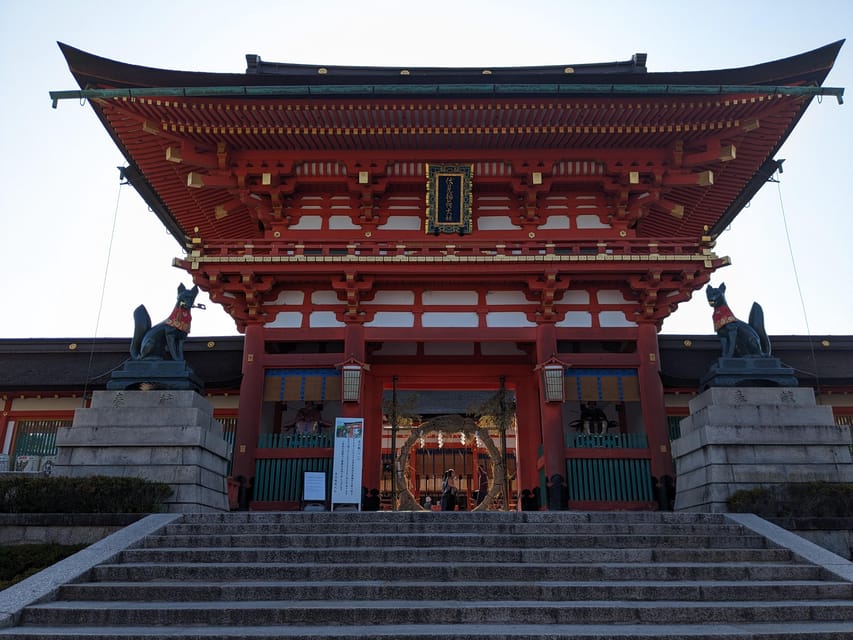
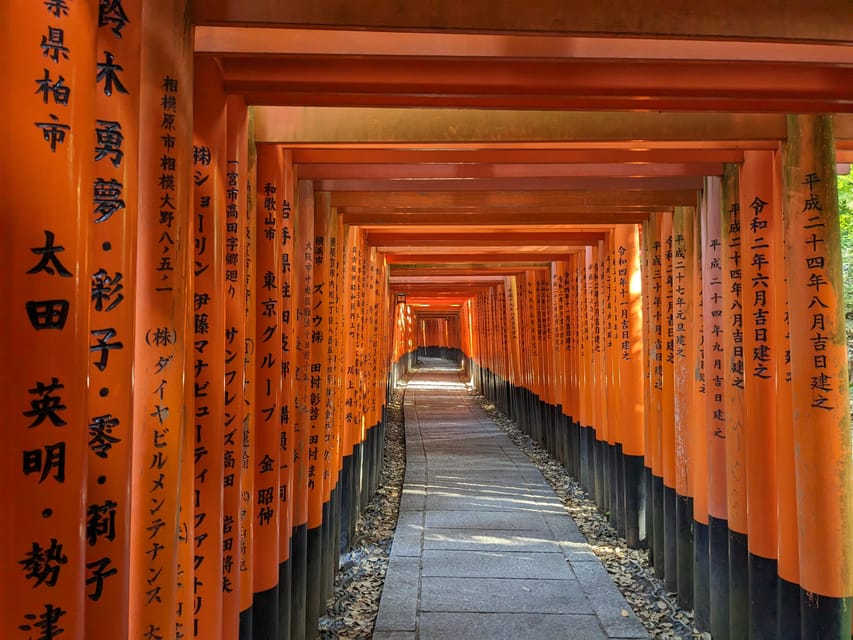
The first 90 minutes focus on Fushimi Inari Taisha itself. You will see the famous torii gates, shrine buildings, fox imagery, and other traditional structures while your guide explains the customs connected with the site.
The orange gates are donated by individuals and businesses, and the long rows create the effect that draws photographers from around the world. Your guide can help you look past the color and repetition to the religious meaning of the place. You will also learn how to show respect at the main shrines and what to do before entering sacred areas.
That practical instruction is valuable. Many people want to behave properly at a Japanese shrine but are unsure when to bow, how to approach a worship hall, or how to move through the grounds. Guides such as Hiro have been especially praised for explaining these steps as the walk unfolds, rather than turning the visit into a lecture.
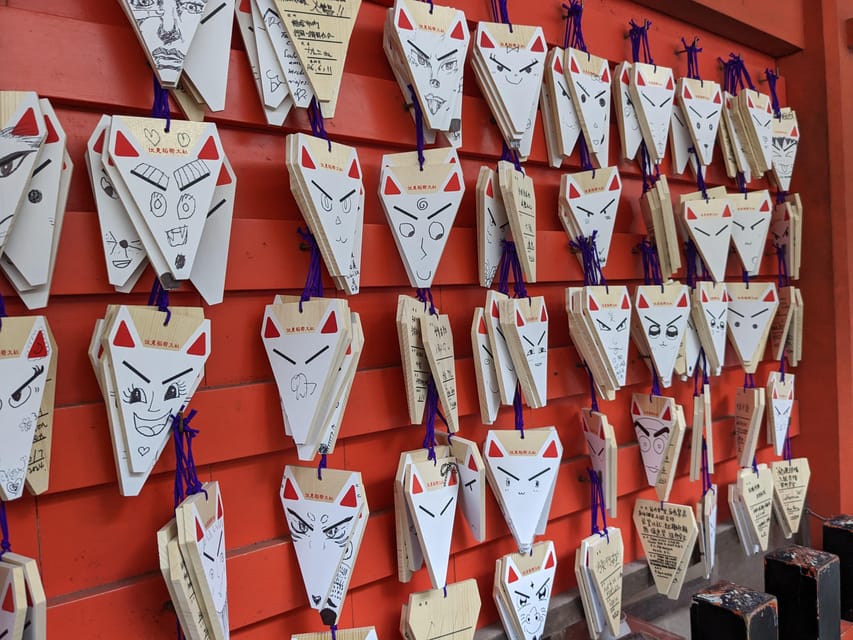
The fox figures are another reason to have a guide. Inari is associated with fox messengers, and the statues appear in different forms around the shrine. Look closely and you will find details that are easy to miss when your attention is fixed on the torii tunnel.
Teppei has received particularly strong praise for combining clear explanations with an easy, considerate manner. Akino has also been praised for her cultural knowledge and for offering useful ideas for other stops in Kyoto and Hiroshima. Guide assignments can change, so you should not book on the assumption that one specific person will lead your group.
Walking uphill through the orange torii gates
The route is not simply a flat shrine visit. You will walk uphill toward the sacred mountain, with stairs and uneven sections along the way. A 41-year-old participant described the climb as more demanding than expected at first, but later called it the highlight of the Japan trip. That gives you a useful warning: the route can feel like a genuine hike, even though it is packaged as a sightseeing tour.
Wear comfortable shoes. Choose clothing you can walk in for two and a half hours, and avoid carrying large bags. Baby strollers and baby carriages are not allowed, and luggage or large bags should not be brought along.
The reward for the climb is a calmer side of Fushimi Inari. The crowds usually thin as you move away from the lower entrance, and the torii gates feel less like a single famous image and more like a long devotional path. I like this part because the walk gives the shrine room to breathe.
The physical demands also shape who should book. This tour is not suitable for children under 10, people with mobility impairments, wheelchair users, or people with back, heart, respiratory, or altitude-related problems. It is also not recommended for people with a low level of fitness or anyone over 70. Those restrictions are worth taking seriously rather than treating them as routine fine print.
Same trip, a completely different kind of day:
- PERFECT KYOTO 1-Day Bus Tour
★ 5.0 · 13,518 reviews - Kyoto Geisha Walking Tour: Gion District & Hidden Gems
★ 4.7 · 3,273 reviews - Kyoto: Gion Magical Night Walking Tour with Geisha Trivia
★ 4.9 · 2,393 reviews - Kyoto: 45-Minute Tea Ceremony Lesson Experience
★ 4.3 · 2,378 reviews
The viewpoint and the quieter side stop
After the main shrine visit, the experience includes about 30 minutes at a viewpoint. The exact view can depend on the route and conditions, but the purpose is clear: you get a broader look beyond the close-up gates and shrine buildings.
This pause also breaks up the climb. You can catch your breath, take photographs, and ask questions while looking back over the area. The view is part of the value of going higher, since the lower torii gates are only one part of Fushimi Inari.
Another 30-minute section takes you to a quieter spot that many people would miss on their own. One guide-led visit included a small fountain connected with a local legend about curing illness. I would treat that story as part of the shrine’s tradition, not as medical advice, but it shows how the tour moves beyond the standard photo route.
This side visit is one of the best reasons to choose a guided walk instead of simply arriving alone. You may know where the main torii gates are, but you are less likely to know which side paths, shrines, or stories deserve your attention. The guide gives those places a reason to matter.
What the guides add to the morning
The strongest part of this tour is the human element. Across different bookings, guides including Teppei, Akino, Hiro, Masa, Maru, and Yoshi have been praised for warmth, patience, clear communication, and a genuine interest in Japanese culture.
That matters more on a shrine walk than it does on a simple sightseeing transfer. You will have questions about worship, the torii gates, the fox statues, local traditions, and Kyoto life. A good guide can adjust the pace and explain things in plain English instead of rushing through a memorized script.
Teppei is repeatedly praised for being attentive and generous with his time. He has also helped visitors with questions about the rest of their Kyoto plans. Maru has been praised for taking photos along the way, while Akino has offered practical suggestions for places to eat and drink in Kyoto and Hiroshima.
These details suggest a tour that can feel personal, particularly when you are placed in a small group or receive a private booking. Still, guide quality and personality will vary because you cannot select a specific guide from the information provided. The guide is included, but the exact person is not guaranteed.
Is $70 a fair price?
At $70 per person, this is not the cheapest way to see Fushimi Inari. You can visit the shrine without paying an entrance fee for a guide, and independent visitors can walk the torii route on their own.
The question is what you want from the morning. If you only need a quick photograph, $70 is hard to justify. If you want to avoid the busiest part of the day, understand the religious setting, learn how to pay your respects, and find the viewpoint and side stop without planning the route yourself, the price is more reasonable.
The tour lasts 150 minutes and includes an English-speaking local expert. Private and small-group options are available, though group size and the exact format depend on the booking choice. I see the price as paying for timing, interpretation, and local guidance rather than for transport or admission.
The special Inari souvenir adds a small extra touch. It is described as something unique to Inari and not available elsewhere, though the exact item is not specified. If you care about useful local keepsakes, this is a pleasant bonus rather than the main reason to book.
Who should choose this Fushimi Inari tour?
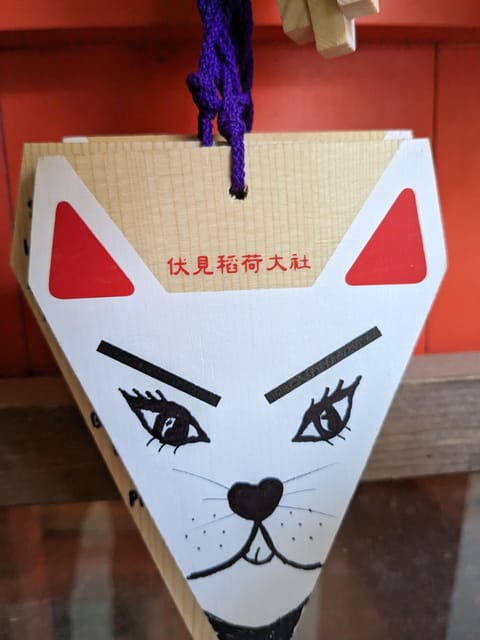
I would recommend it to first-time visitors who want more than a photo and prefer a planned morning. It is also a good choice if you are nervous about shrine etiquette, want to ask questions in English, or would rather not work out the best route through the mountain yourself.
The tour suits people who enjoy walking and want a quieter start to a major Kyoto sight. Couples, friends, and small family groups with children over 10 may find the format comfortable, especially if a private option is available for their date.
I would skip it if you have limited mobility, significant health concerns, or little interest in cultural explanation. I would also skip it if the uphill route sounds unpleasant. The famous lower torii gates can be visited independently, and you do not need a two-and-a-half-hour walk to see them.
For photography, the early timing is a major advantage. You still cannot expect the shrine to be empty, but you have a much better chance of getting a clean frame than you would later in the day.
Booking details that matter
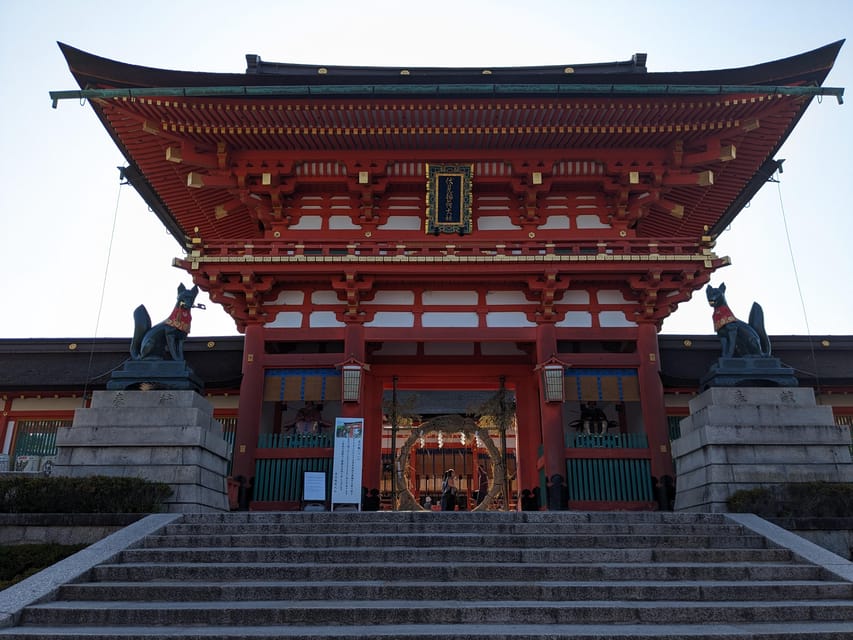
Cancellation is free up to 24 hours before the start time, and you can reserve now and pay later. That helps if your Kyoto schedule is still changing.
The tour is conducted in English. Meet outside across from JR Inari Station, look for the bright yellow signboard, and bring comfortable shoes and comfortable clothes. Do not bring luggage, large bags, strollers, or baby carriages, and do not arrive intoxicated.
The stated duration is 150 minutes. Since the walk includes uphill sections, a viewpoint, and a side stop, avoid booking it immediately before a fixed appointment unless you leave a sensible buffer.
Should you book it?
Book this tour if you want Fushimi Inari at its calmest practical hour and want a local person to explain the gates, shrine customs, fox figures, and less obvious places along the route. The early start, strong guide feedback, and small-group or private options make it a good fit for curious, active visitors.
Do not book it simply because the shrine is famous. The price is not for a short photo stop, and the mountain walk requires reasonable fitness. If you can handle the climb and value cultural insight, $70 buys a more thoughtful visit than going alone. If you only want the iconic orange tunnel, arrive early independently and save the money.
FAQ
How much does the Fushimi Inari tour cost?
The price is $70 per person.
How long does the tour last?
The tour lasts 150 minutes, or two and a half hours.
What language is the tour conducted in?
The tour is conducted in English with a live local guide.
Where do I meet the guide?
Meet outside, across from the main entrance to JR Inari Station. The guide will hold a bright yellow DeepExperience signboard.
What is included in the price?
An English-speaking local expert guide is included. The experience also includes a special souvenir unique to Inari.
Does the tour include transportation?
Transportation is not listed as included. The meeting point and end point are both at Inari Station.
Can I cancel for a full refund?
Yes. You can cancel up to 24 hours in advance for a full refund.
Can I reserve now and pay later?
Yes. The activity allows you to reserve your place and pay later.
What should I bring?
Bring comfortable shoes and comfortable clothes for the uphill walk.
Who should not book this tour?
The tour is not suitable for children under 10, wheelchair users, people with mobility impairments, or people with back, heart, respiratory, or altitude-related problems. It is also not suitable for people with a low level of fitness or people over 70.
More Morning Tours in Kyoto
- Kyoto Early Morning Tour with English-Speaking Guide
★ 5.0 · 1,427 reviews - Kyoto: Early Morning Tour with English-Speaking Guide
★ 4.9 · 1,128 reviews - Kyoto Morning Tour from Kyoto or Osaka
★ 4.0 · 281 reviews - Kyoto: Morning Japanese Bento Cooking Class
★ 5.0 · 149 reviews
Just added around Kyoto
- Sekka Cotton Furoshiki Class★ 5.0 · 19 reviews
- Secret Eastern Kyoto Biking Adventure★ 5.0 · 44 reviews
- Kyoto Sword Experience – includes Museum Ticket/Ninja Experience★ 4.5 · 149 reviews
- Scenic Green Tea Fields of Hidden Kyoto & Local Tea Exp (Private)★ 5.0 · 32 reviews
- Private Sake Tasting in Central Kyoto with Sake Sommelier★ 5.0 · 32 reviews
- Samurai School in Kyoto: Samurai for a Day★ 5.0 · 202 reviews
- SHIRAKAWA Japanese Culture Experiences with private English staff★ 5.0 · 16 reviews
- A Privately Guided Photoshoot in Beautiful Kyoto by a Pro★ 5.0 · 18 reviews
Temples & Shrines, compared.

Tea Ceremony in a Traditional Tea House in Kiyomizu
Our verdict →

Meiji Shrine, Asakusa, Skytree Bus Tour and Cruise
Our verdict →
Fushimi Inari Hidden Hiking Tour (Private Option Available)
Our verdict →
Osaka/Kyoto:Kinkakuji,Arashiyama,FushimiInariShrine,NaraPark
Our verdict →
Nikko: Kegon Falls, Lake Chuzenji & Toshogu Temple
Our verdict →
Kamakura & Enoshima Day Trip including Temple Tickets
Our verdict →Browse the lists this tour appears in