
Reviewed · COOKING CLASSES
Kyoto: Morning Japanese Bento Cooking Class
Kyoto’s morning bento class turns a familiar Japanese lunch into a hands-on lesson. You do not simply watch a chef prepare food. You make several dishes yourself, arrange them in a bento box, and sit down to eat the results. The class covers sushi, tempura, teriyaki chicken, and miso soup, along with smaller dishes that help explain how a Japanese meal fits together.
I like the small-group feel and the practical recipes. Instructors such as Tomoko, Yukari, Mei, and Mae have been praised for clear English, patient guidance, and useful tips for cooking at home. I also like that the food is prepared in a way you can repeat later, with recipes provided and advice on finding ingredients outside Japan.
The main thing to consider is the pace. You prepare a lot in roughly three hours, but the ingredients are already prepared for you. This is a cooking and culture class, not a knife-skills workshop, and some equipment may be shared rather than assigned to each person.
Key points at a glance
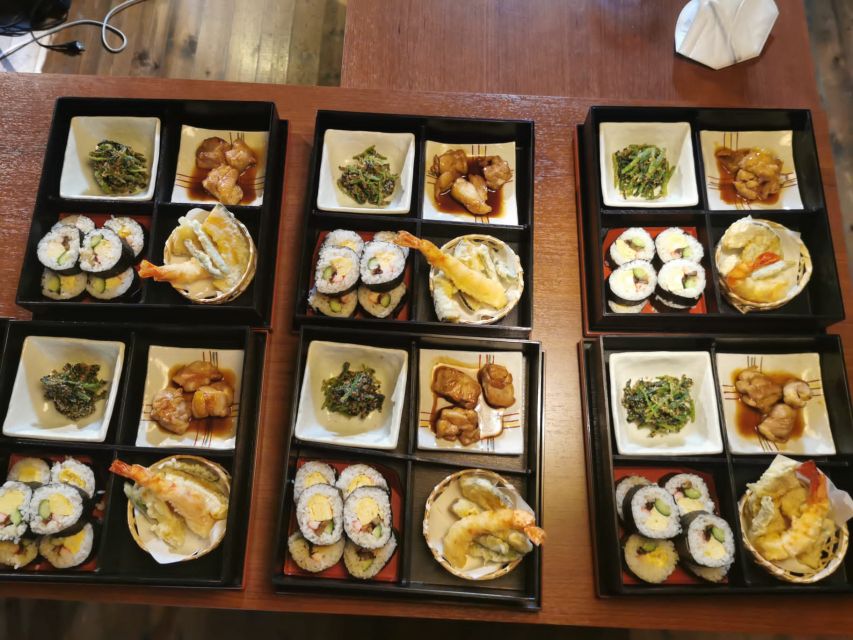
- A full bento meal in three hours: Make sushi, tempura, teriyaki chicken, miso soup, and other traditional dishes before lunch.
- English-speaking instruction: The class is designed for international visitors, with clear demonstrations and written recipes.
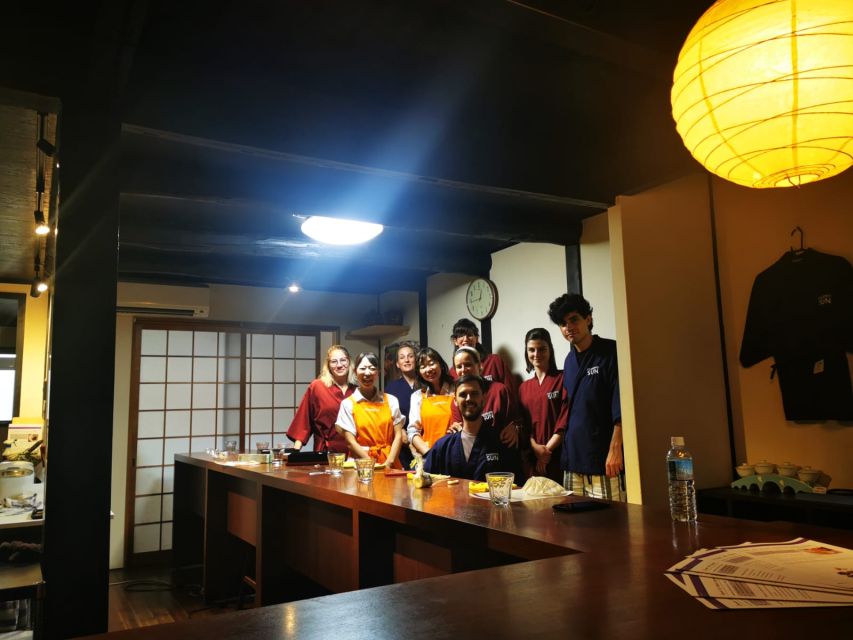
- Small groups help: Past class sizes have ranged from four to ten people, allowing for personal help and a relaxed atmosphere.
- Useful for home cooks: Instructors explain cooking tricks, ingredient choices, and ways to find Japanese products after returning home.
- Family-friendly hands-on work: Children around age 10 and teenagers have been able to take part with extra guidance.
- A central Kyoto meeting point: The class takes place at Cooking Sun on Funayacho in Shimogyo Ward, with no hotel pickup included.
What the Kyoto bento class is really about
Bento is more than food packed into a box. It is a Japanese way of planning a meal, balancing flavors, colors, textures, and portions in one tidy container. The tradition reaches back to the late Kamakura Period, from 1185 to 1333, and remains part of everyday Japanese life.
That background gives the class a useful purpose. You are not just learning how to roll sushi or fry vegetables. You are learning why several modest dishes work well together. The finished lunch gives you a clear picture of how Japanese home cooking can be varied without becoming complicated.
The class lasts about 2.5 to 3 hours, with the activity generally described as three hours. That is enough time to make several dishes, listen to cultural explanations, and eat what you prepare. The menu has been described as including six or seven dishes, depending on the class arrangement, so expect a busy morning rather than a single-recipe lesson.
More Cooking Classes in Kyoto
- Ramen Cooking Class at Ramen Factory in Kyoto
★ 5.0 · 1,937 reviews - Kyoto: Ramen Cooking Class at a Ramen Factory with Souvenir
★ 4.9 · 532 reviews - Kyoto: Ramen, Gyoza, and Onigiri Cooking Class
★ 5.0 · 445 reviews
Arriving at Cooking Sun in Shimogyo Ward
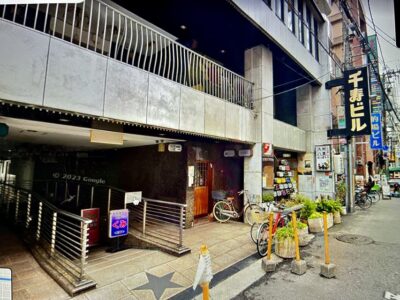
You meet at Cooking Sun, located at Funayacho, Shimogyo Ward, Kyoto, 600-8466. Hotel pickup and drop-off are not included, so you need to make your own way there and allow time to find the venue.
One past participant found the location difficult to find, so do not leave arrival until the last minute. Have the meeting address ready and check the starting time before setting out. Availability varies by date, and the booking system shows the available start times.
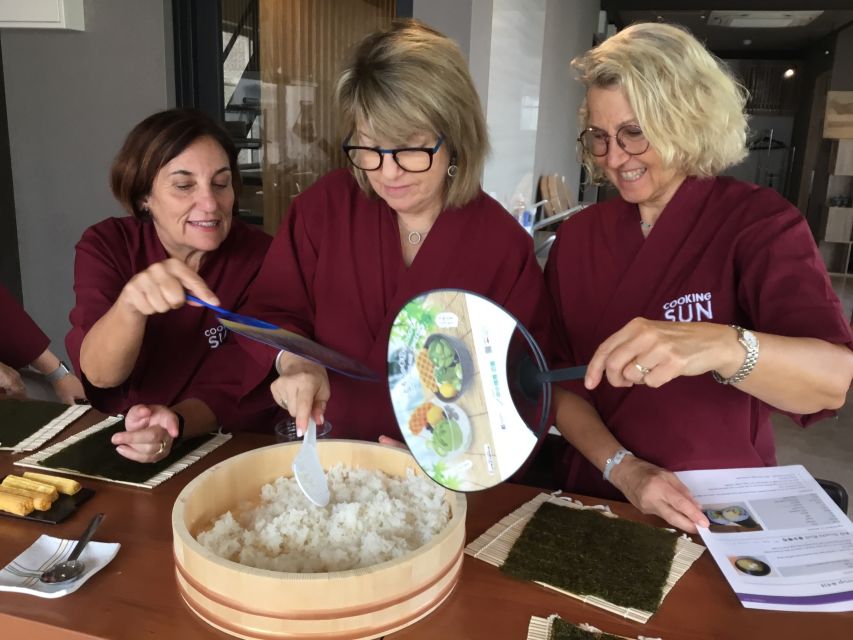
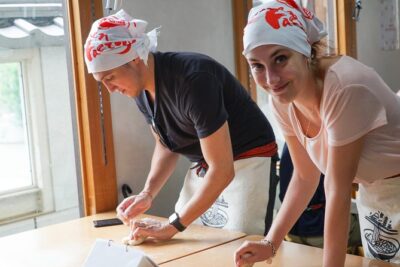
Once inside, you collect an apron and utensils and receive the ingredients for the morning. The setting is a working cooking school rather than a large show kitchen. That matters because the class depends on taking part, not sitting back in an audience.
Watching the demonstration before you cook
The instructor first explains the dishes and demonstrates the techniques. English is the teaching language, and the class is intended for visitors who may have little or no experience with Japanese cooking.
The teachers have earned strong praise for clear instructions and patient help. Names connected with the class include Tomoko, Yukari, Mei, Mae, Coco, and Ikari. The exact instructor depends on the date, but the teaching style is consistent in the most important ways: watch the step, try it yourself, and ask for help when needed.
Written recipes are provided. That is a real advantage. You can focus on the class instead of trying to remember every amount and step, then use the recipes at home. Instructors have also offered tips about where to find ingredients outside Japan, which helps solve the common problem of enjoying a cooking class but being unable to repeat it later.
Making sushi, tempura, and teriyaki chicken
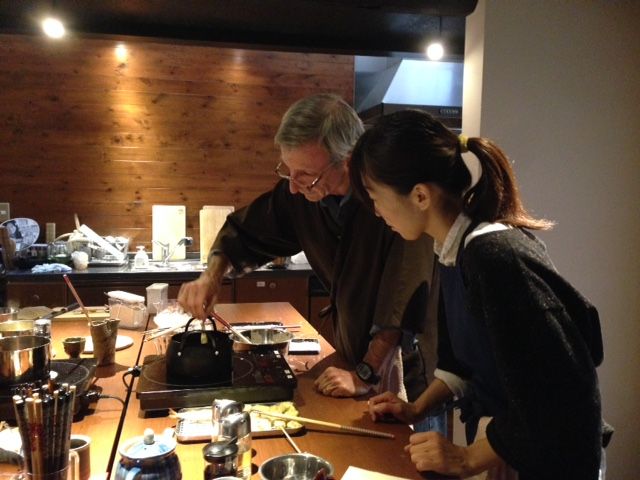
The menu gives you a useful sample of everyday Japanese cooking. Sushi teaches careful handling and presentation. Tempura adds a fried element with a different texture. Teriyaki chicken brings a sweet and savory main dish, while miso soup shows how a simple broth can anchor the meal.
You also prepare the smaller items needed to make a bento feel complete. These side dishes are important because the box is not built around one large serving. Its appeal comes from several small portions arranged together.
The work is hands-on, but do not expect to chop every ingredient from scratch. One participant specifically noted that the ingredients were already prepared, making the class less about knife technique and more about cooking, seasoning, shaping, and presentation. If you want a professional lesson in knife handling, this may feel limited. If you want to produce a complete Japanese lunch without spending half the morning on prep, it is a sensible trade.
The amount of food is one reason the class feels worthwhile. In a few hours, you make enough dishes to create a proper meal, not just a sample plate. The pace can be lively, especially when the class is full, but the instructors provide extra guidance when someone needs it.
Same trip, a completely different kind of day:
- PERFECT KYOTO 1-Day Bus Tour
★ 5.0 · 13,518 reviews - Kyoto: Fushimi Inari, Kinkakuji, Bamboo Grove 1 Day Bus Tour
★ 4.8 · 4,316 reviews - Kyoto: Tea Ceremony in a Traditional Tea House in Kiyomizu
★ 4.9 · 3,519 reviews - Kyoto Geisha Walking Tour: Gion District & Hidden Gems
★ 4.7 · 3,273 reviews
Arranging the bento box
The bento stage is where the separate recipes become one meal. You place the prepared dishes into the box, considering color, shape, and balance. This is not only decoration. A well-arranged bento makes small portions look inviting and helps keep different foods distinct.
You also get a better sense of Japanese food culture at this point. The box is portable, practical, and visually organized. Its design reflects the habit of making an everyday lunch feel cared for.
This part suits people who enjoy presentation as much as cooking. It also gives children a clear task. A family with twin 10-year-olds found that the children could participate and enjoyed the food, while another class provided extra help to a teenage student. Younger children may need close adult support, but the activity has worked well for families with older children.
Sitting down to eat your own lunch
After the cooking is finished, you eat the bento you prepared. This is the payoff, but it is also part of the lesson. You can taste how the dishes work together and see which recipes you most want to make again.
The meal is included in the $67 per-person price, along with the class, ingredients, apron, and utensils. That price is reasonable if you value both instruction and lunch. You are paying for several recipes, an English-speaking teacher, kitchen use, ingredients, and a prepared midday meal, not simply for a restaurant plate.
It is less compelling if you only want a cheap lunch or already know these dishes well. Even experienced home cooks have found new techniques in the class, but the value depends on your interest in learning. The strongest reason to book is that you leave with recipes and skills rather than only a memory of what someone else cooked.
How the group size changes the experience
Group size can vary. Classes have been as small as four people and as large as about ten, with reports of one or more instructors helping the group. Smaller groups naturally give you more direct contact and make it easier to ask questions.
A larger class may mean sharing some cooking equipment. One participant enjoyed the lesson but would have preferred more individual interaction instead of sharing apparatus. This is the one notable criticism in an otherwise extremely strong set of feedback, and it is worth keeping in mind if you want private, one-to-one instruction.
The shared format can also be part of the appeal. You meet people from different countries while working toward the same lunch. The class feels social without being a performance, and the cooking gives everyone an easy subject to talk about.
Dietary needs and accessibility
Tell Cooking Sun about dietary requirements when booking. The class has accommodated a no-shellfish version and has also handled vegetarian needs, but you should not wait until the morning of the activity to explain restrictions.
The experience is listed as wheelchair accessible. Specific details about the kitchen layout and bathroom access are not provided, so you may want to confirm any individual mobility needs before booking.
The cooking class is taught in English. The instructors are used to explaining the process to international visitors, and the clear demonstrations and written recipes make the lesson easier to follow.
What makes the recipes useful after Kyoto
The strongest practical feature is repeatability. The dishes are not presented as restaurant secrets requiring specialist equipment. Past participants have bought cooking tools or ingredients after class so they could try the recipes again at home.
You should still expect some differences once you leave Japan. Ingredients, brands, and equipment may vary, which is why the instructors’ advice about finding substitutes and Japanese products matters. Ask questions during the class while the ingredients are in front of you.
The recipes also make a good souvenir. They take up no luggage space, and they give you a reason to recreate the experience for friends or family. One participant arrived already familiar with Japanese food and still left with new tips, including advice about making rolled eggs.
Price, timing, and cancellation
At $67 per person, this is a mid-priced Kyoto activity. The three-hour duration makes it a substantial morning rather than a quick demonstration, and lunch is included at the end.
You can reserve now and pay later, which helps if you are still arranging a Japan itinerary. Free cancellation is available up to 24 hours in advance for a full refund. Starting times vary, so check availability before building the rest of your day around the class.
The morning timing works well with a Kyoto sightseeing plan. You eat lunch at the venue, then have the afternoon free. Just remember that this is a fixed class, not an activity you can join whenever you happen to arrive.
Who should book this cooking class?
I would recommend it to first-time visitors who want a direct connection with Japanese food culture. It is also a good choice for couples, families with older children, and home cooks who want recipes they can use after the trip.
You will get the most from it if you enjoy being active. The class involves watching, mixing, shaping, cooking, arranging, and tasting. If you prefer a quiet food tour or a chef-led demonstration with no work of your own, choose something else.
It is especially useful for people who have already eaten sushi and tempura in Japan but want to understand how those dishes are made. The class turns familiar restaurant food into something more approachable and repeatable.
Should you book it?
Book this class if you want a relaxed, social morning that ends with a real Japanese lunch and several recipes to take home. The clear English instruction, patient teachers, small-group format, and strong record of enjoyable classes make it a dependable choice.
Think twice if you need private equipment, extensive knife training, or a highly specialized menu. The ingredients are prepared in advance, groups can share tools, and the morning covers a lot of food in limited time. For most visitors, though, the balance is right: enough instruction to learn something useful, enough cultural context to understand the meal, and enough hands-on work to make the bento feel like your own.
FAQ
How long does the Kyoto bento cooking class last?
The class lasts about three hours, with the activity described as approximately 2.5 to 3 hours. Check the available starting times when booking.
What dishes will I make?
The class includes sushi, tempura, teriyaki chicken, and miso soup. You also prepare additional dishes for the bento, with the full menu sometimes described as six or seven traditional dishes.
Is lunch included?
Yes. After cooking, you eat the bento lunch you prepared. Lunch, ingredients, an apron, utensils, and the cooking class are included.
Is the class taught in English?
Yes. English is the listed teaching language, and the instructors provide demonstrations, explanations, and written recipes.
Where does the class meet?
The meeting point is Cooking Sun at Funayacho, Shimogyo Ward, Kyoto, Kyoto 600-8466.
Is transportation from my hotel included?
No. Hotel pickup and drop-off are not included, so you must make your own way to Cooking Sun.
Can the class accommodate dietary requirements?
You should advise the provider of dietary requirements when booking. A no-shellfish version and vegetarian accommodations have been provided.
Is the cooking class wheelchair accessible?
Yes. The activity is listed as wheelchair accessible.
Can I cancel for a refund?
Yes. You can cancel up to 24 hours in advance for a full refund. You can also reserve now and pay later to keep your plans flexible.
More Morning Tours in Kyoto
- Kyoto Early Morning Tour with English-Speaking Guide
★ 5.0 · 1,427 reviews - Kyoto: Early Morning Tour with English-Speaking Guide
★ 4.9 · 1,128 reviews - Kyoto Morning Tour from Kyoto or Osaka
★ 4.0 · 281 reviews - Kyoto: Arashiyama Bamboo Forest Morning Tour by Bike
★ 5.0 · 115 reviews
Just added around Kyoto
- Sekka Cotton Furoshiki Class★ 5.0 · 19 reviews
- Kyoto Sword Experience – includes Museum Ticket/Ninja Experience★ 4.5 · 149 reviews
- Scenic Green Tea Fields of Hidden Kyoto & Local Tea Exp (Private)★ 5.0 · 32 reviews
- Secret Eastern Kyoto Biking Adventure★ 5.0 · 44 reviews
- Private Sake Tasting in Central Kyoto with Sake Sommelier★ 5.0 · 32 reviews
- Samurai School in Kyoto: Samurai for a Day★ 5.0 · 202 reviews
- SHIRAKAWA Japanese Culture Experiences with private English staff★ 5.0 · 16 reviews
- A Privately Guided Photoshoot in Beautiful Kyoto by a Pro★ 5.0 · 18 reviews
Cooking Classes, compared.
Browse the lists this tour appears in