
Reviewed · SAMURAI EXPERIENCES
Kyoto 2 Hours Genuine Kendo / Samurai Experience In Japan
Kendo is more than swinging a bamboo sword. In this two-hour Kyoto class, you learn how bowing, footwork, rules, timing, and self-control fit together. The lesson includes armor and practical drills, so you get a real feel for the sport rather than a quick photo stop.
I like the English-friendly instruction, which makes unfamiliar terms and movements easier to follow. I also like the clear progression from warm-up and footwork to target practice and, when suitable, a friendly match. You get equipment, water, and a towel, too.
The main caution is physical effort. The armor gets hot, the class requires moderate fitness, and two hours can feel long if you want only a brief cultural demonstration. Bring a towel of your own, even though one is supplied.
Key points at a glance
- Meet at Hanazono Station: Your instructor meets you at the station, and the dojo is less than five minutes away on foot.
- Learn real kendo basics: The class covers rules, bowing, etiquette, footwork, terminology, and fundamental strikes.
- Wear the equipment: Armor and bamboo swords are supplied, giving you a better sense of how kendo is practiced.
- Progress from drills to practice: You may work on a dummy and take part in controlled practice with other members of the class.
- Learn the purpose behind the sport: The lesson explains kendo as a practice of spirit, manners, skill, and lifelong development.
- Plan for heat and exertion: The outfit can become warm, so water, a personal towel, and moderate fitness are useful.
Meeting your instructor at Hanazono Station
The experience begins at 10:00 am at Hanazono Station in Kyoto’s Ukyo Ward. This is a practical meeting point, especially if you are using the San-In Line. The instructor meets you at the station and walks with you to the dojo, which is less than five minutes away.
That short walk matters. You do not have to search for an unfamiliar building or arrive at a martial arts school unsure of where to go. If you are nervous about your first kendo class, meeting at the station gives you a simple start.
The activity ends back at the meeting point. Hotel pickup and drop-off are not included, so you need to arrange your own way to Hanazono Station. The location is near public transportation, but the experience does not include food, so plan breakfast or a meal afterward.
The class can accommodate up to 30 people. That is a fairly large possible group for a hands-on lesson, although the experience may run with fewer participants. A smaller class can mean more personal practice time, but you should not book this expecting a private lesson unless your reservation specifically confirms one.
More Samurai Experiences in Kyoto
- Kyoto Samurai Experience
★ 5.0 · 1,294 reviews - Kyoto: Kendo and Samurai Experience with Uniform and Gear
★ 4.9 · 815 reviews - Kyoto: Samurai Sword Class by Experts in Traditional Arts
★ 4.9 · 657 reviews
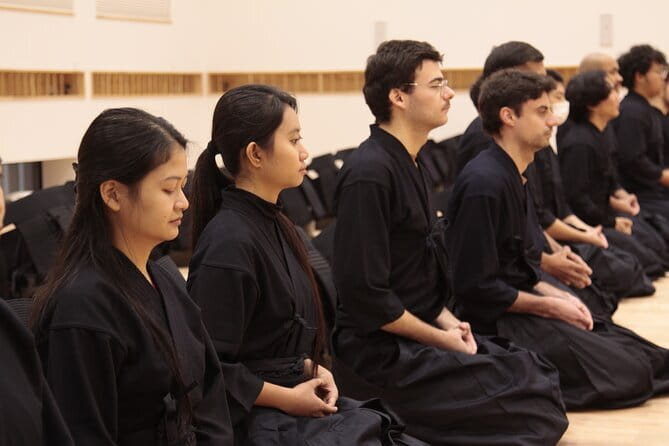
Starting with bowing, rules, and kendo manners
The lesson begins with the foundations of kendo, not with a sword fight. You learn the basic rules, terms, and etiquette that shape practice in a dojo.
Bowing is not a decorative extra here. It is part of how kendo expresses respect and discipline. You learn that the sport is tied to manners and conduct as much as to hitting a target. This helps explain why the class includes more than a few instructions about where to swing.
The experience presents kendo through three ideas: unifying the spirit, practicing good manners, and continuing for life. You are introduced to the mental and physical sides of the art, including focus, control, and the relationship between mind, skill, and body.
That background gives the physical drills a purpose. Instead of simply copying a movement, you can understand why posture, timing, and behavior matter. If you have seen kendo in films or demonstrations, this is the part that helps separate the sport from a staged sword performance.
The instruction is designed for people who may know little or no Japanese. The teachers have experience explaining kendo in English, and the class breaks down concepts in a direct way. That is a major advantage because Japanese terms and formal actions can otherwise be hard to follow during a first lesson.
Building skill through footwork and target practice
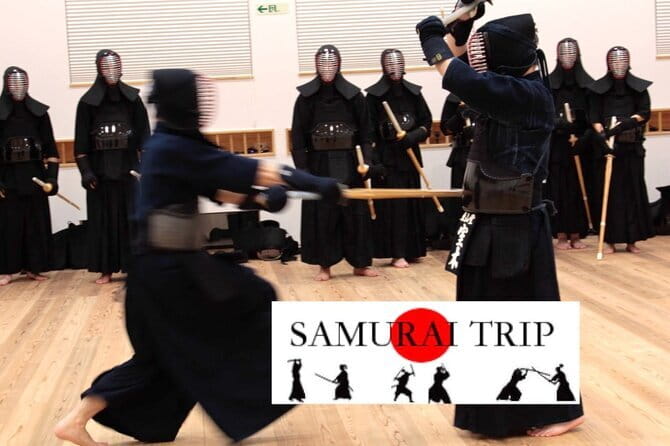
After the introduction, the class moves into warm-up work and basic movement. Footwork is a key part of kendo, and the lesson builds from that foundation before adding weapons.
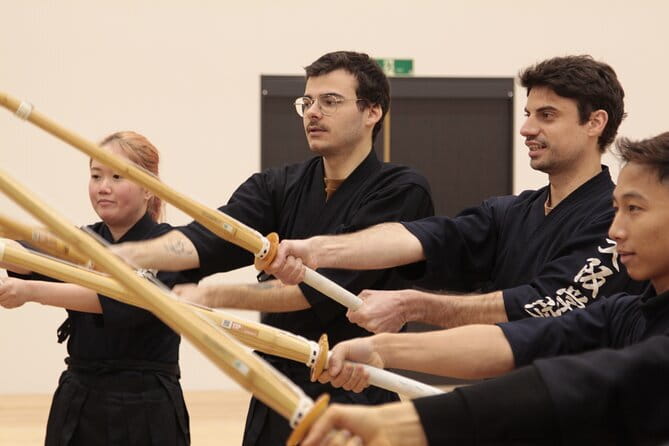
You may first practice how to stand, move, and keep your balance. Then you work with a bamboo sword, learning how to hold it and use it safely. The progression helps you keep track of what your hands, feet, and upper body should do at the same time.
One of the clearest parts of the class is the move from footwork to striking a dummy. This gives you a fixed target and lets you concentrate on technique before facing another person. For a first-timer, that can make the lesson feel less intimidating.
The bamboo swords are included with the equipment. You do not need to bring your own practice weapon, and you do not need prior kendo experience. The lesson is built as an introduction, not as an advanced training session.
The pace may still feel demanding. Kendo uses repeated movements, and the uniform and armor add heat. The physical work is one reason the moderate fitness recommendation matters. You should be ready to stand, move, practice strikes, and stay focused for the full session.
Putting on armor and experiencing the dojo
A central part of the class is learning how to use kendo armor. The equipment rental is included, so you can try the sport in a more complete form without arranging protective gear yourself.
Armor changes the feel of the activity. It gives you a better idea of how kendo is practiced, but it also makes the session warmer and more physical. A towel and bottled water are provided afterward, though bringing your own towel is still sensible if you tend to perspire during exercise.
The equipment also makes this more than a lecture about Japanese martial arts. You are learning through your body as well as through explanation. Putting on the armor, following dojo etiquette, and handling the bamboo sword help connect the cultural lesson to an actual practice.
The class is presented as safe and suitable for people at different starting levels. Experienced teachers guide the session and explain the actions before asking you to perform them. Still, safety depends on listening carefully and following the instructor’s directions, especially during paired practice.
You should not expect movie-style combat. The aim is controlled movement, proper form, and an introduction to kendo principles. That restraint is part of the value. You get a more honest look at the discipline instead of a staged samurai show.
More Martial Arts Experiences in Kyoto:
- Kyoto: Japanese Archery Workshop with Experienced Instructor
★ 4.9 · 132 reviews - Kendo and samurai experience in Kyoto
★ 4.5 · 47 reviews - Kyoto: Kendo Samurai Experience Tour
★ 4.7 · 33 reviews - Tokyo: Samurai Sword & Archery Class from Samurai Descendant
★ 5.0 · 603 reviews
From practice drills to a friendly match
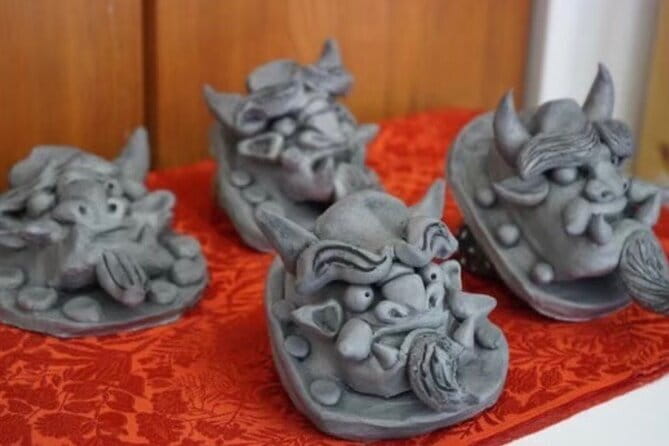
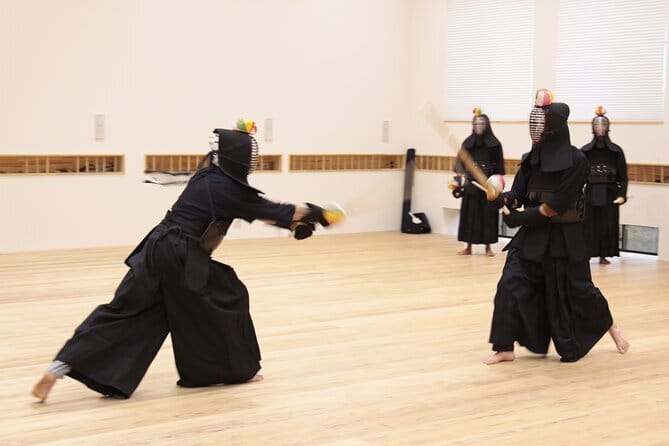
The lesson can build toward practice with other class members. The progression may include footwork, target work with a dummy, and then controlled matches. This gives the two hours a clear shape and makes the physical skills feel connected.
A match is likely to be the most exciting part for many people, but it is also where you need to keep expectations in check. You are not being trained to compete at a high level in one morning. The match is a guided way to apply basic timing, movement, and rules.
Some participants may have the chance to practice against the instructor. Takahiro Hayashi is noted as a friendly and energetic teacher who helps create a welcoming setting. If the group is small, you may get more direct attention, but a particular one-to-one exchange should not be assumed.
The class also leaves room for photos and videos. An instructor can help with photos or filming, which is useful if you want a record of wearing the armor and practicing with a bamboo sword. Keep the focus on the lesson itself, though. The photography is a useful extra, not the main purpose of the activity.
For families, the format can work well because it combines history, movement, and a clear goal. Parents and older children can learn together, provided everyone can manage the physical demands. The available information does not set a specific minimum age, so check the booking details if you are planning to bring a young child.
What makes this a cultural experience, not just exercise
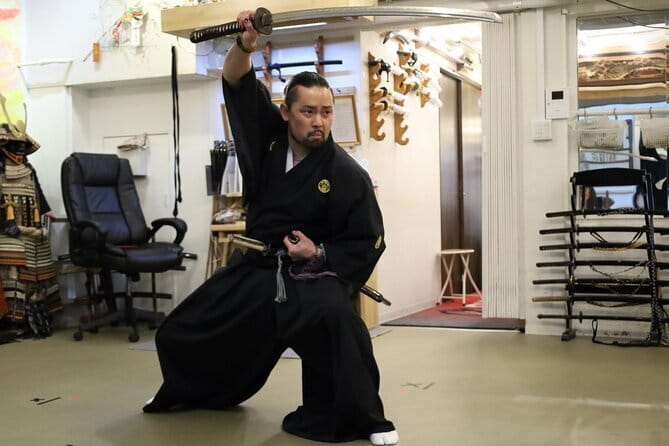
Kendo grew from Japanese sword traditions, but this class presents it as a modern practice built around discipline and conduct. You learn why people bow, how etiquette works, and how the sport links technique with character.
The instructors bring long experience to the lesson. The program describes more than 40 years of kendo history and guidance from a 7th Dan master. That does not mean you receive an advanced seminar, but it does mean the introduction is shaped by people who understand the form and purpose of the art.
I find this especially useful if you want more than a samurai-themed activity. The class gives you a look at how a Japanese martial art is practiced from the inside: with rules, repetition, respect, and control. You still have fun with the sword and armor, but the fun sits within a real framework.
The English instruction is important here. Kendo has its own vocabulary and formal behavior, and a basic translation may not explain why an action matters. An instructor who can explain the ideas in English helps you understand the culture instead of copying motions without context.
This is also a good choice for people who prefer active sightseeing. You are not sitting in a hall watching a demonstration. You are moving, sweating, practicing, and using the equipment. The tradeoff is that you will need to give the activity real energy.
Is $118.89 a fair price?
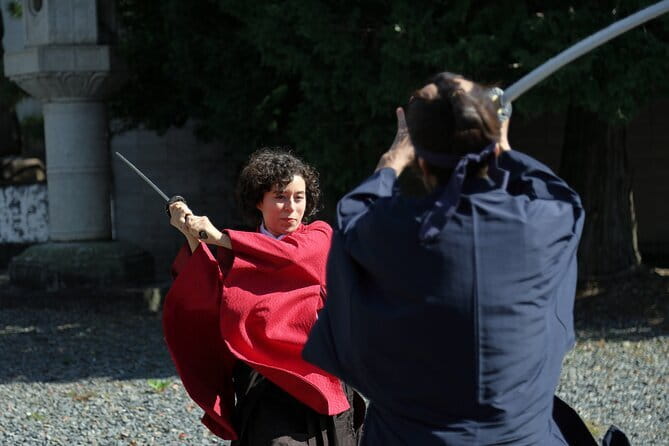
At $118.89 per person, this is not a budget activity. Its value depends on what you want from a Kyoto experience.
The price includes all kendo equipment, a towel, bottled water, instruction, and the two-hour session. You are also paying for an English-friendly introduction led by experienced instructors, not simply for access to a room and a bamboo sword. If you would otherwise struggle to find an English-language kendo class, that guidance adds practical value.
The activity makes more sense as a cultural lesson with physical training than as a cheap entertainment stop. You learn etiquette and the background of kendo, then use the equipment yourself. That combination is difficult to recreate by simply visiting a martial arts shop or watching a demonstration.
The cost may feel high if you are looking for a short photo opportunity or if you do not enjoy exercise. You also need to pay for your own transport to Hanazono Station and food before or after the class. On the other hand, the meeting arrangement is simple, and the included equipment removes the trouble of renting items separately.
The strong booking demand is worth noting. This experience is booked around 44 days ahead on average, so waiting until the last minute may limit your options. Free cancellation is available if you cancel at least 24 hours before the 10:00 am start time. Cancellations or changes made inside that window are not refunded or accepted.
Who should book this Kyoto kendo class?
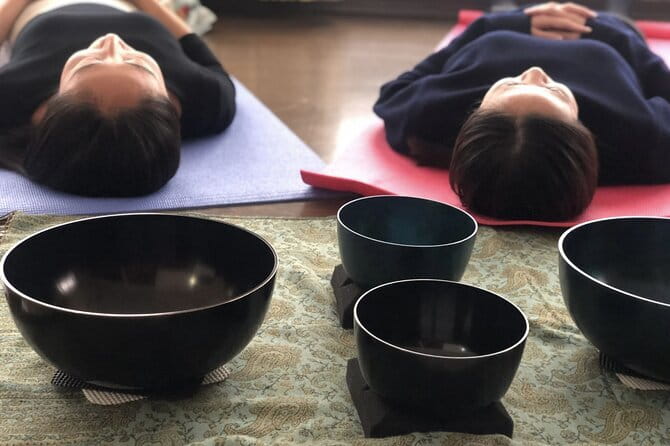
I would choose this for you if you want a hands-on look at Japanese culture and do not mind working up a sweat. It suits first-time kendo students, martial arts fans, families with physically capable older children, and anyone who prefers active lessons to passive sightseeing.
It is also a good fit if you care about instruction in English. The teachers explain the rules and techniques in a way beginners can follow, and the lesson does not assume that you already understand Japanese dojo customs.
You may want to skip it if you have limited mobility, a very low tolerance for heat, or only a small amount of time in Kyoto. The class lasts about two hours, and the activity recommends moderate physical fitness. It is not a quick stop that you can squeeze between two distant attractions.
Wear something suitable for exercise, and plan to bring a personal towel. Water is provided, but the armor can get hot. Arrive with enough time to reach Hanazono Station for the 10:00 am meeting.
Should you book it?
Book this class if you want to do more than look at samurai objects or watch a staged performance. You will learn the rules and etiquette of kendo, put on real equipment, handle a bamboo sword, and practice the basics with experienced teachers.
The best reason to book is the balance of culture and action. You get context about the art, then test your focus and footwork in the dojo. The main reasons to hesitate are the price, the heat, and the physical effort.
For an authentic-feeling introduction to kendo in Kyoto, this is a strong choice. Go in expecting a beginner lesson, not a professional bout, and you are likely to get a memorable two hours with useful insight into Japanese martial arts.
FAQ
Where does the kendo experience begin?
The activity begins at Hanazono Station, Hanazonoteranouchicho, Ukyo Ward, Kyoto, 616-8043, Japan.
What time does the class start?
The scheduled start time is 10:00 am.
How do I get to the dojo?
Your instructor meets you at Hanazono Station and walks with you to the dojo. The walk takes less than five minutes.
How long does the experience last?
The class lasts approximately two hours.
Is kendo equipment included?
Yes. All kendo equipment is included in the experience price.
Are a towel and water provided?
Yes. A kendo towel and bottled water are included. Bringing an extra personal towel is still recommended because the armor can become hot.
Do I need previous kendo experience?
No previous experience is stated as a requirement. The class teaches basic rules, techniques, footwork, terminology, etiquette, and armor use.
Is the instruction available in English?
Yes. The instructor has experience teaching in English and can explain the concepts for beginners.
How many people can join the class?
The activity has a maximum capacity of 30 people.
Can I cancel for a full refund?
Yes, if you cancel at least 24 hours before the local start time. Cancellations and changes made less than 24 hours before the start time are not accepted, and the amount paid is not refunded.
More 2-Hour Experiences in Kyoto
- Kyoto Gion: 2-Hour Geisha Culture & History Walking Tour
★ 5.0 · 1,186 reviews - Ninja 2-hour Hands-on Lesson by Japanese master in Kyoto -Medium
★ 5.0 · 218 reviews - Kyoto: 2-Hour Maiko Makeover and Photo Studio Shoot
★ 4.7 · 122 reviews - 2 Hour Night Walking Tour Throughout Gion with snack
★ 4.0 · 13 reviews
Just added around Kyoto
- Sekka Cotton Furoshiki Class★ 5.0 · 19 reviews
- Secret Eastern Kyoto Biking Adventure★ 5.0 · 44 reviews
- Kyoto Sword Experience – includes Museum Ticket/Ninja Experience★ 4.5 · 149 reviews
- Scenic Green Tea Fields of Hidden Kyoto & Local Tea Exp (Private)★ 5.0 · 32 reviews
- Private Sake Tasting in Central Kyoto with Sake Sommelier★ 5.0 · 32 reviews
- Samurai School in Kyoto: Samurai for a Day★ 5.0 · 202 reviews
- SHIRAKAWA Japanese Culture Experiences with private English staff★ 5.0 · 16 reviews
- A Privately Guided Photoshoot in Beautiful Kyoto by a Pro★ 5.0 · 18 reviews
Samurai Experiences, compared.

Browse the lists this tour appears in