
Reviewed · SAMURAI EXPERIENCES
Kyoto: Kendo Samurai Experience Tour
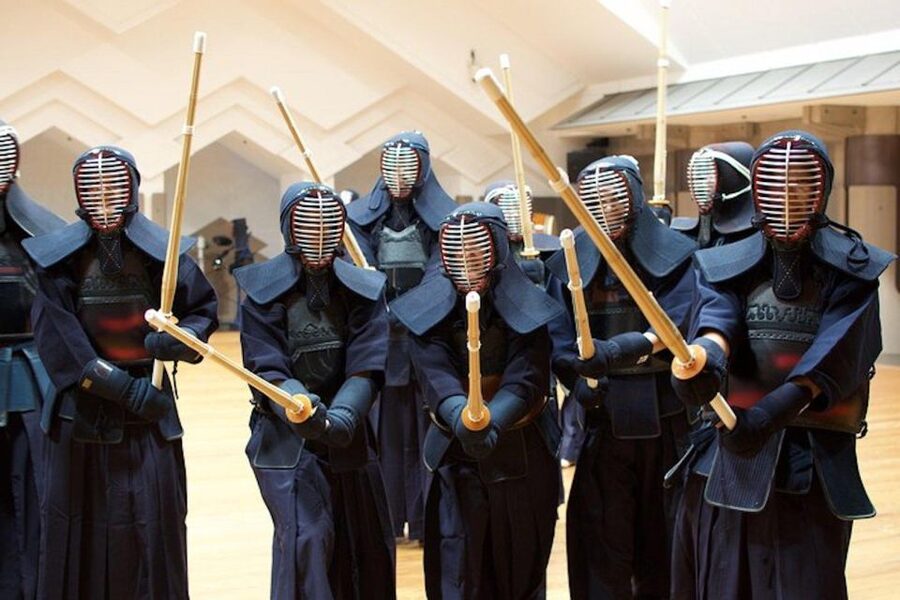
The best part of this Kyoto experience is that you do not simply watch a staged samurai show. You enter a dojo, learn the manners and movements of kendo, then put on full armor for controlled practice with a bamboo sword. Hayashi-sensei, a 7th Dan instructor, teaches with clear demonstrations, patience, and a bit of humor.
I like two things right away: the training is real but beginner-friendly, and the final match gives the lesson a clear goal. You also get equipment, mineral water, and a kendo towel for $116. The main catch is location. JR Hanazono Station is about 15 minutes from Kyoto Station, so this is not a quick stop beside the city’s central sights.
Key points to know before you book
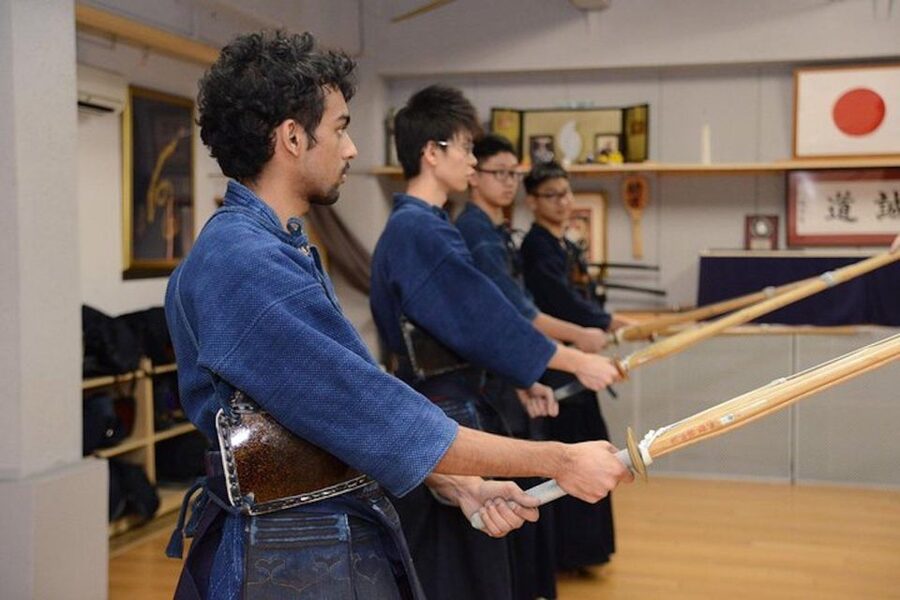
- Real dojo training: Learn kendo etiquette, movement, strikes, and rules rather than watching a costumed performance.
- Full protective armor: You put on kendo equipment and practice in a safe, supervised setting.
- A 7th Dan instructor: Hayashi-sensei brings long experience and uses demonstrations that are easy to follow, even with limited Japanese.
- A match at the end: The session builds toward controlled fighting practice, often making the final minutes the most exciting part.
- Easy rail access: Meet at the north exit of JR Hanazono Station, roughly 15 minutes from Kyoto Station on the JR Sagano Line.
- Good value for active visitors: The $116 fee covers instruction, armor, equipment, water, and a kendo towel.
What makes this kendo experience different
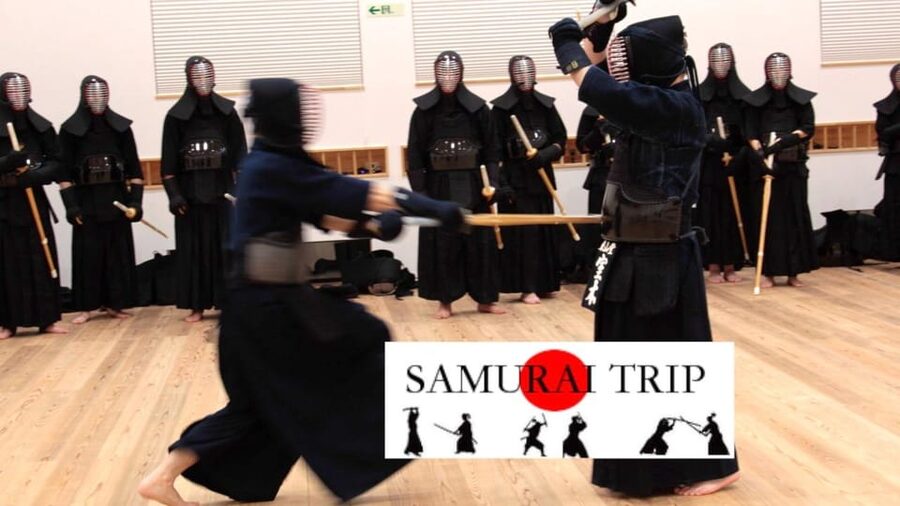
Kendo is often described as Japanese fencing, but that comparison only gets you part of the way. The bamboo sword, called a shinai, is important, but so are posture, footwork, timing, loud calls, respect, and strict dojo etiquette.
That combination gives this activity more substance than a quick samurai photo opportunity. You are not just holding a sword for a picture. You are learning why you bow, how you stand, how you move, and how a strike is performed with control.
The session is designed for beginners, including people with no martial arts background. It still involves actual practice against another person, so you should expect physical work. The equipment and instruction are meant to make that practice safe, but this is not a passive cultural demonstration.
The advertised duration is two hours. One participant described the active lesson as about 90 minutes, so you should allow the full two-hour window while understanding that the amount of active training can vary. Either way, the class is long enough to give you a proper introduction without taking over your day in Kyoto.
More Samurai Experiences in Kyoto
- Kyoto Samurai Experience
★ 5.0 · 1,294 reviews - Kyoto: Kendo and Samurai Experience with Uniform and Gear
★ 4.9 · 815 reviews - Kyoto: Samurai Sword Class by Experts in Traditional Arts
★ 4.9 · 657 reviews
Getting to JR Hanazono Station
Your meeting point is the north exit of JR Hanazono Station, written locally as JR 花園駅北口. From Kyoto Station, take the JR Sagano Line. The ride takes about 15 minutes, making the dojo fairly easy to reach by train.
I would build in extra time to find the correct exit. Hanazono is outside Kyoto’s busiest sightseeing core, and the experience does not include hotel pickup or drop-off. That is the price of getting a more dedicated training setting rather than squeezing a short lesson into a tourist district.
The station location also affects your schedule. If you plan to visit central Kyoto temples before class, check train times and leave room for the transfer. A participant found the distance greater than expected, although the activity itself proved worthwhile once they arrived.
Your reservation instructions should include each participant’s gender and height. This is practical rather than fussy. The organizers use those details to prepare suitable armor and equipment sizes.
Beginning with etiquette and basic movement
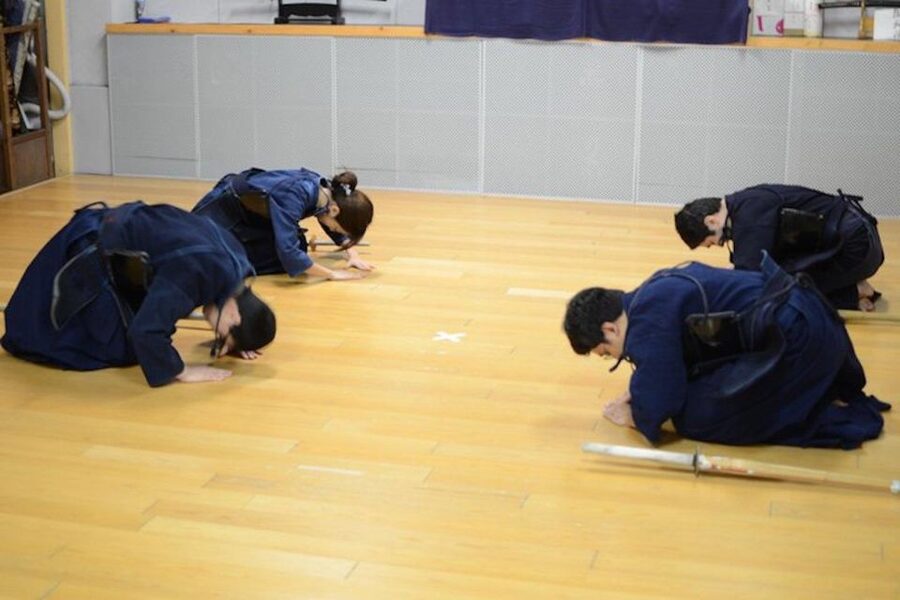
The first stage is not a rush to pick up a sword and start swinging. You begin with the customs and basic movements that give kendo its structure.
Expect instruction on how to stand, move, and follow the rules of practice. Footwork matters because kendo is not simply about arm strength. You need to control distance, stay balanced, and move with purpose. Even a beginner session treats the exercises as preparation for a real match.
This opening section may feel formal compared with a casual tourist activity. That is part of its value. Kendo trains attention as much as the body, and the etiquette explains how the practice remains disciplined and respectful.
Hayashi-sensei has received especially strong praise for breaking the steps into a logical order. His demonstrations help bridge language gaps, and the teaching can work even if your Japanese is limited. English and Japanese are available, and translation support may be used when needed.
Do not worry if you are not naturally athletic. The class is built around learning the correct sequence and responding to clear guidance. You will still work, but the emphasis is on following the technique rather than proving yourself.
Learning the bamboo sword techniques
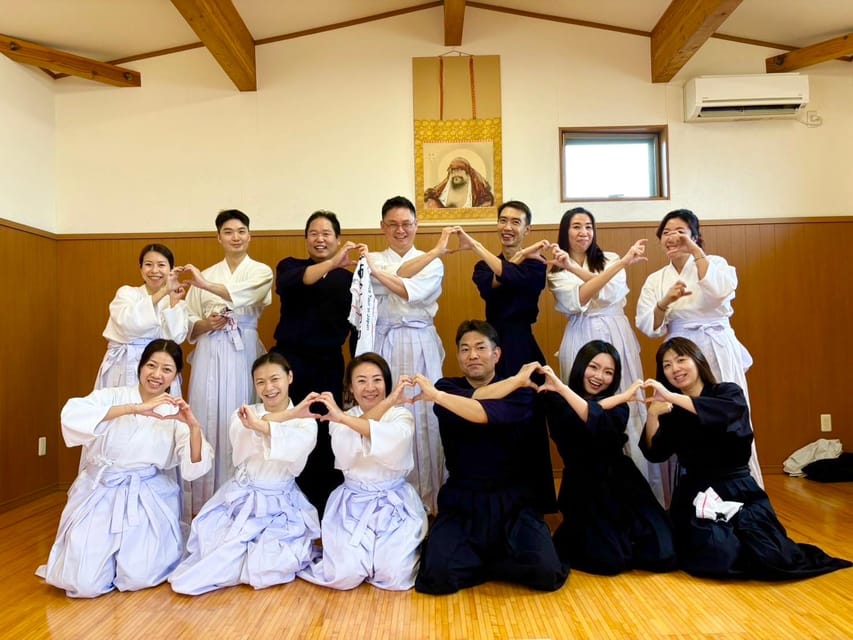
Once you have the basic stance and movement, the session moves into sword techniques. The bamboo sword is not a sharp samurai weapon, but the practice is not pretend. Kendo uses the shinai for controlled strikes, and the exercises teach you how to attack and respond within set rules.
The instructor demonstrates first, then guides you through the movements. This method is useful because kendo technique can be hard to understand from spoken directions alone. You can watch the position of the feet, hands, and body, then try to copy it.
The training is also a workout. Your legs and shoulders will work, and the repeated movements demand concentration. One family described the class as challenging and enjoyable, with the equipment and clean dojo adding to the sense of quality.
I would wear comfortable clothing beneath the armor and avoid arriving overheated. The activity provides the protective gear, but you are still doing physical exercise. The available information does not specify a changing-room arrangement, so arrive prepared and ask the instructor about any clothing needs when you meet.
More Martial Arts Experiences in Kyoto:
- Kyoto: Japanese Archery Workshop with Experienced Instructor
★ 4.9 · 132 reviews - Kyoto 2 Hours Genuine Kendo / Samurai Experience In Japan
★ 5.0 · 57 reviews - Kendo and samurai experience in Kyoto
★ 4.5 · 47 reviews - Tokyo: Samurai Sword & Archery Class from Samurai Descendant
★ 5.0 · 603 reviews
Putting on the full kendo armor
For many people, wearing the full armor is the moment the activity shifts from an introduction to a genuine practice session. The protective equipment changes how you move and gives you a better sense of the discipline’s physical demands.
You will use rental kendo armor and equipment, with sizing arranged from the height and gender information you provide. The class is supervised by experienced teachers, including a 7th Dan master, so you are not left to figure out the gear alone.
The armor also makes the lesson more memorable for families. Parents and children can see one another transform from sightseeing clothes into training equipment, then use the skills they have just learned. Several participants attended with a son, and the final parent-and-child match became a natural payoff to the lesson.
Do not expect the armor to feel light or effortless. The point is not comfort in the modern tourist sense. It lets you practice in a controlled way while showing why posture, breathing, and efficient movement matter.
The final match and controlled sword practice
The closing match is usually the liveliest part of the experience. By then, you have learned enough movement and basic rules to understand what you are trying to do. The instructor keeps the practice safe and controlled, but it still feels like a real contest.
This is especially fun for families and friends. A father may face a son, or siblings may face one another, with the bamboo swords and armor turning the room into a small training arena. The goal is not to determine the family champion. It is to apply the lesson, stay focused, and enjoy the unusual experience of practicing together.
The match also shows the difference between watching a samurai performance and taking part in kendo. You feel the timing, the need for distance, and the effort required to make a clean movement. Even a short bout can give you new respect for the training behind the art.
Keep your expectations sensible. You are taking an introductory class, not preparing for a tournament. The instructor guides the activity, and the emphasis is on safety, technique, and enjoyment. If you want a gentle cultural activity with almost no exertion, this is probably not the right pick.
Teaching style and language support
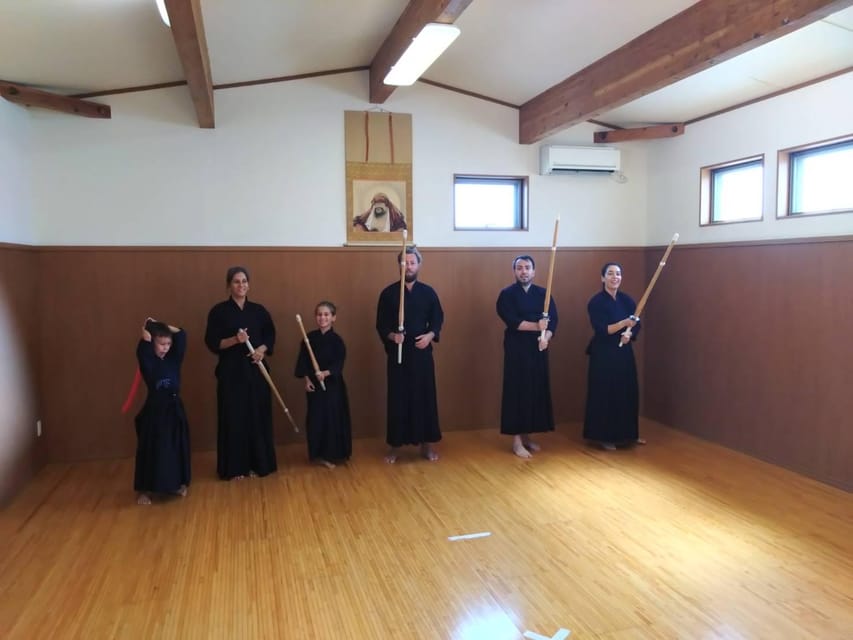
The instructor is one of the strongest reasons to choose this experience. Hayashi-sensei is described as friendly, patient, clear, and willing to use humor. His demonstrations are particularly helpful when words are limited.
The listed teaching languages are English and Japanese. One participant found the instructor informative despite limited English, because the physical demonstrations made the techniques easy to follow. Another had a meeting delay and found Hayashi-sensei understanding and accommodating.
That does not mean every explanation will be as detailed as a private English-language seminar. Kendo has specialized terms and formal routines, and some instruction may rely on watching and copying. For this activity, that can work well. The movements are visual, and the teacher can correct your position directly.
Small groups can make the experience even better. One father and son were the only participants on their date, giving them private tuition with the instructor. Group size is not specified in advance, so you should not book on the assumption that you will receive a private class. Still, a small group may allow more direct correction.
What the $116 price covers
At $116 per person, this is not a bargain-priced two-hour diversion. The cost makes more sense if you value instruction, proper equipment, and a hands-on cultural activity rather than a quick photo stop.
Your fee includes:
- Professional guide and instructor
- Rental kendo armor
- Rental kendo equipment
- Mineral water
- A free kendo towel
You do not pay extra for the armor or shinai rental, and you receive a small souvenir that is useful after the class. Food is not included, but the short duration means you can easily eat before or after in your wider Kyoto plan.
I see the best value for families, couples, and friends who want to do something active together. A temple visit can teach you about Kyoto’s history and religion, but kendo gives you a physical connection to Japanese discipline and etiquette. You leave with more than a photograph because you have actually practiced the basics.
The value is weaker if you mainly want a polished samurai show, a long historical lecture, or a low-cost activity. This price pays for a specialist instructor and equipment-based training. It is worth it for the right type of visitor, not automatically for everyone.
Who should book, and who should think twice
I would recommend this to you if you enjoy learning by doing. It suits first-time kendo students, families with older children who can follow instructions, active couples, and anyone curious about Japanese martial arts.
It is also a good choice if you have already seen Kyoto’s famous temples and want a different kind of cultural experience. The dojo setting, formal etiquette, and practice session offer a side of Japan that sightseeing alone rarely provides.
Think twice if you are pregnant or have a pre-existing medical condition. The activity specifically says it is not suitable in those cases. Since the class includes armor, repeated movement, and controlled fighting practice, you should take the physical nature seriously.
You should also think twice if your Kyoto schedule is packed tightly around central attractions. Hanazono is reachable by rail, but the train ride and transfer time make this more than a quick walk-in activity. Plan it as a real appointment.
Useful booking and cancellation details
You can cancel up to 24 hours before the activity for a full refund. The reserve-now, pay-later option lets you hold a place without paying at the time of booking, which is helpful when your Kyoto plans are still changing.
Starting times depend on availability, so check the schedule before planning the rest of your day. Give the organizer the gender and height of everyone attending so the correct equipment can be prepared.
Bring your booking details to JR Hanazono Station’s north exit, and remember that transportation to and from your hotel is not included. The activity provides water, but food is your responsibility.
FAQ
Where does the kendo experience meet?
The meeting point is the north exit of JR Hanazono Station, written as JR 花園駅北口.
How far is JR Hanazono Station from Kyoto Station?
The station is about 15 minutes from Kyoto Station by the JR Sagano Line.
How long does the kendo class last?
The advertised duration is two hours. Starting times depend on availability.
What languages are available?
Instruction is available in English and Japanese.
Do I need previous kendo experience?
No previous experience is required. The activity is designed to teach beginners the basic movements, etiquette, techniques, and rules.
Is kendo armor included?
Yes. Rental kendo armor and equipment are included in the price.
Do I receive anything to take home?
Yes. A free kendo towel is included.
Is hotel pickup included?
No. Hotel pickup and drop-off are not included, so you must make your own way to and from JR Hanazono Station.
Can I cancel for a full refund?
Yes. You can cancel up to 24 hours in advance for a full refund.
Should you book this Kyoto kendo class?
Book it if you want an active, authentic-feeling introduction to Japanese martial arts and do not mind taking a short train ride from central Kyoto. The strongest reasons are the full armor, clear instruction from Hayashi-sensei, and the chance to finish with a controlled match instead of stopping after a few basic poses.
I would especially choose it for a parent and child, siblings, or friends who enjoy a little friendly competition. The $116 price is fair when you use the equipment, instruction, water, and towel, though it is more than you need if you only want a samurai-themed photograph.
For the best experience, arrive ready to listen, move, and work. Kendo asks for attention and effort, but that is exactly why this short class can become one of the more memorable activities in Kyoto.
Just added around Kyoto
- Sekka Cotton Furoshiki Class★ 5.0 · 19 reviews
- Kyoto Sword Experience – includes Museum Ticket/Ninja Experience★ 4.5 · 149 reviews
- Scenic Green Tea Fields of Hidden Kyoto & Local Tea Exp (Private)★ 5.0 · 32 reviews
- Secret Eastern Kyoto Biking Adventure★ 5.0 · 44 reviews
- Private Sake Tasting in Central Kyoto with Sake Sommelier★ 5.0 · 32 reviews
- Samurai School in Kyoto: Samurai for a Day★ 5.0 · 202 reviews
- SHIRAKAWA Japanese Culture Experiences with private English staff★ 5.0 · 16 reviews
- A Privately Guided Photoshoot in Beautiful Kyoto by a Pro★ 5.0 · 18 reviews
Samurai Experiences, compared.
Browse the lists this tour appears in