
Reviewed · TEMPLES & SHRINES
E-Bike Nara Highlights – Todaiji, Knives, Deer, Shrine
Nara Park is far easier to grasp from an e-bike than on foot. In about three and a half hours, you can reach Todaiji, Kasuga Taisha, Mt. Wakakusa, and Ukimido, while still stopping to feed the deer and browse traditional Japanese knives. I like the efficient route and the way the ride gives you a feel for Nara beyond its famous temple gates. I also like the practical help from guides such as Chris, Remi, Robert, and Melody, especially at the knife shop.
The main tradeoff is pace. You cover plenty of ground, and the cycling can be fairly brisk rather than slow and leisurely. One recent account also noted that a bike was less suitable for a taller rider, so ask about fit before setting off. At $90 per person, this is good value if you want several major sights in one visit, but less so if you prefer long, unhurried temple visits.
Key points to know before you book

- Cover more than Nara Park’s deer: The route links Todaiji, Kasuga Taisha, Mt. Wakakusa, and Ukimido in one compact outing.
- Feed the deer the local way: Deer crackers are included, and your guide explains how to handle the polite but persistent animals.
- The knife stop is more than shopping: You receive an introduction to Japanese cutlery and help choosing a knife or souvenir if you want one.
- E-bikes flatten the hills: The electric assistance helps on the approach to the park and around Mt. Wakakusa.
- Kintetsu Nara Station is the useful meeting point: The bike base is less than a five-minute walk from the station, not from JR Nara Station.
- Expect a forward-moving tour: It suits riders who want to see a lot in limited time, not those looking for a gentle park stroll.
Why an e-bike is a smart way to see Nara
Nara’s main sights are spread across a broad park, and the distances can surprise you. Todaiji sits toward the eastern side of the central park, Kasuga Taisha is farther into the wooded area, and Ukimido lies in another section near the water. Walking between them is possible, but it takes time and energy you may want to save for the temples.
The e-bike changes the day. You still stop, walk, look, and listen, but the longer connections happen on two wheels. I particularly like this for a short stay in Nara, or for a first visit when you want a clear sense of how the historic sites fit together.
The bicycles have generally been described as being in good condition and easy to use. Electric assistance is especially useful around the park’s slopes, and one 60-year-old rider who described being out of shape still found the bike manageable. That said, you need to be able to ride a bicycle properly, and bicycle insurance is not included.
The ride is not a race, but it is not always slow. A recent account described the cycling portions as moving at a forward pace. Keep that in mind if you are picturing a casual pedal with frequent stops every few minutes. You will have sightseeing time at the main sites, yet the overall plan is built around covering ground efficiently.
More Temple & Shrine Tours in Nara
- Kyoto/Osaka: Nara, Fushimi Inari Taisha, Arashiyama Bus Tour
★ 4.7 · 1,275 reviews - Osaka/Kyoto: Arashiyama, Nara & Fushimi Inari Shrine w/Lunch
★ 4.4 · 754 reviews - Kyoto/Osaka: Kinkakuji, Bamboo Forest, and Nara Deer Park
★ 4.4 · 265 reviews
From Kintetsu Nara Station into the park
Meet at 16-1 Takamaichicho, in front of the Building LIFE 21, at the bike base. This is a useful location because it is only a few minutes from Kintetsu Nara Station. Be careful with the station name: the meeting point is near Kintetsu Nara, not JR Nara.
Arrive 15 minutes early. You will meet a guide wearing the JTA uniform, with a navy cap and red polo shirt. That small detail matters in a busy station area, especially if you are arriving with luggage or trying to get your bearings quickly.
The tour is offered in English and French, although French is not guaranteed on a shared departure. If French is important to you, contact the operator before booking. Private and small-group options are available, and a single person can reserve, but the tour needs at least two participants to operate. If that minimum is not reached, the session may be canceled with the option to reschedule or receive a full refund.
Before leaving, you should be comfortable with the bike controls and traffic movement. Helmets are available when requested and subject to supply. Child seats can be provided for riders under 10, with up to one child seat per e-bike.
Nara Park and the first deer encounter
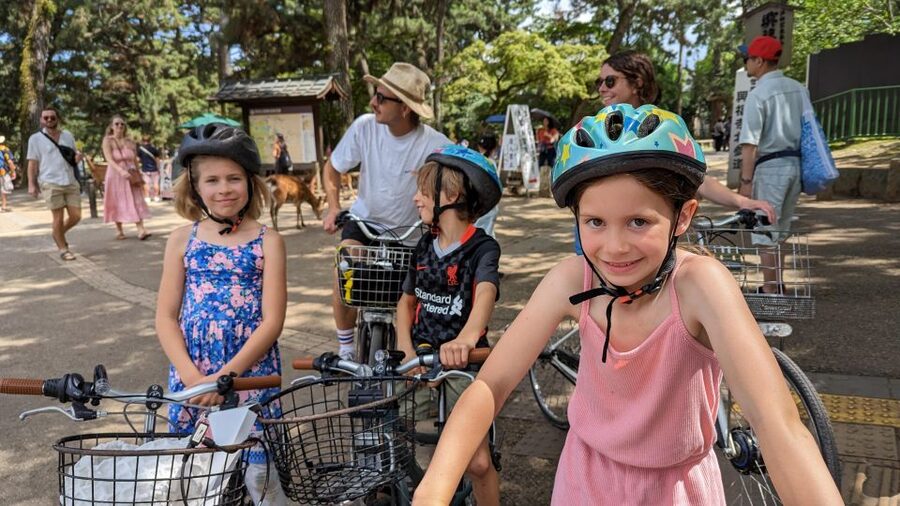
The first stretch takes you through Nara Park, where the ride itself is part of the appeal. You get scenic views, open space, and the chance to spot deer before reaching the major temple buildings.
Deer crackers are included, so you do not need to buy the first packet yourself. Your guide explains how to feed the deer in the Nara way. That guidance is useful because the animals are accustomed to visitors and can become very focused once they see food in your hands.
You will want to finish the crackers before putting your hands away. Bowing deer are charming, but they can also be persistent if they think another cracker is hiding somewhere. Extra crackers, food, and drinks cost extra, and cash is worth carrying.
This part is fun, but it is also a wildlife encounter in a public park. Listen to your guide and keep food controlled. The deer are one of Nara’s signature experiences, yet the visit is better when you treat them as animals rather than props for photographs.
Nandaimon Gate and Todaiji Temple
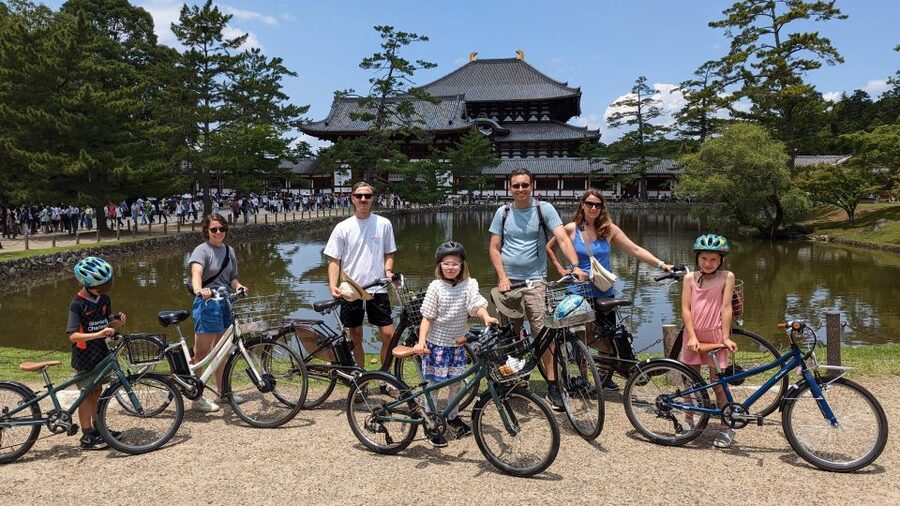
Nandaimon Gate gives you the grand arrival that Todaiji deserves. The gate is a natural photo stop, but it also prepares you for the temple’s scale, with its large timber structure and guardian figures. Your guide leads you through the area, then gives you time to look around and take photographs.
At Todaiji, the entrance fee is included. You have about 45 minutes for the temple, including a guided introduction and free time. That is enough for a solid first visit, especially if you have not seen the temple before, but it is not an afternoon for studying every carving or lingering in every corner.
Todaiji is one of the tour’s main reasons to book. The temple’s great interior and Buddhist setting give the day more depth than a simple deer-and-photo outing. Your guide can add context about Buddhism, Shinto practice, Japanese culture, and Nara’s place in the country’s past.
You also have a little time for shopping around the temple area. I would avoid using all of it on souvenirs unless you already know what you want. The later knife stop is a more focused place to shop, and Todaiji is best enjoyed with your attention on the building and its religious setting.
Same trip, a completely different kind of day:
- World Heritage Kyoto & Nara Uji Authentic Matcha Experience
★ 5.0 · 1,573 reviews - Nara Half Day Trip Walking Tour (Private Option Available)
★ 5.0 · 937 reviews - Nara Early Morning Tour (Kyoto or Osaka Departure Available)
★ 5.0 · 676 reviews - Kyoto and Nara Day Trip from Kyoto
★ 4.5 · 445 reviews
Pedaling past Mt. Wakakusa
The route continues toward Mt. Wakakusa, with a photo stop and scenic views from the bike. You do not climb the mountain as a separate hiking excursion, so treat this as a viewpoint and a pleasant section of the route rather than a strenuous mountain visit.
The e-bike helps here. Nara’s park area is not completely flat, and electric assistance lets you reach the sights without turning the day into a fitness test. It is one reason this outing works well for mixed-age families and for people who want less walking.
The bicycles can be a strong fit for families with older children. A family group described the e-bikes as a fun way to keep children engaged while seeing the sights. For younger riders, child seats are available within the stated limit of one per e-bike.
Japanese knives at Kikuichimonjushirokanenaga
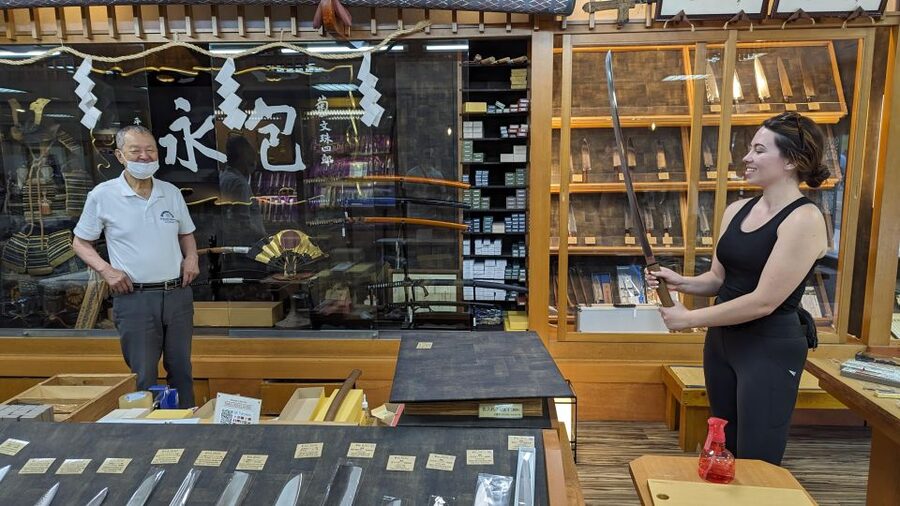
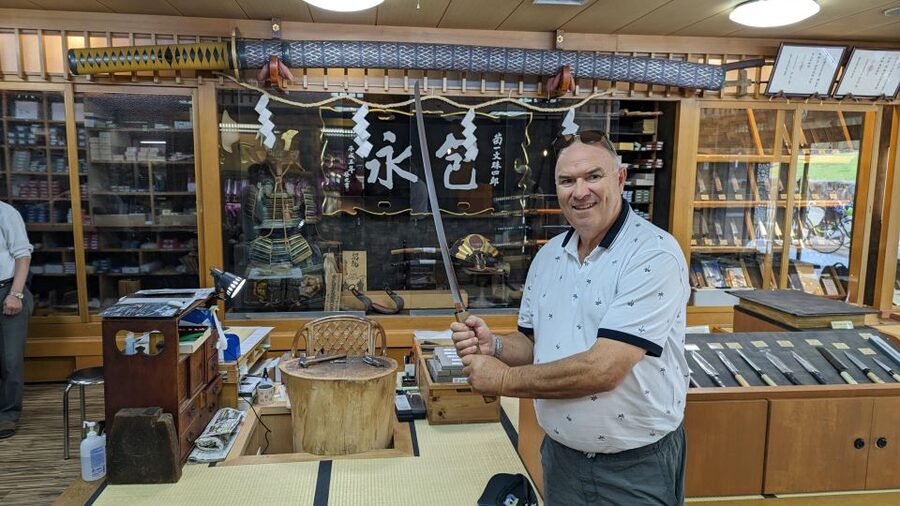
The stop at Kikuichimonjushirokanaga honten adds something unusual to the route. You receive an introduction to Japanese cutlery and its history, then have time to browse, ask questions, and consider a purchase.
This is not a random gift-shop pause. The shop is connected with a family tradition of sword making, and the cutlery presentation gives you a look at a Japanese craft that continues in practical form today. Guides can help explain the choices and assist with shopping, which is especially useful if you are unsure about blade types, intended use, or taking a knife home.
The included Japanese snack, Kanoko, is served during the stop. It is a small touch, but it breaks up the sightseeing and gives the group a moment to sit and reset.
You do not need to buy anything. Still, this is the place where your budget may take an unexpected hit. One rider arrived determined not to purchase a knife and left wishing they had bought a set or several gifts. If you are interested in cooking, Japanese craftsmanship, or useful souvenirs, allow room in your luggage and budget.
Kasuga Taisha and the lanterns
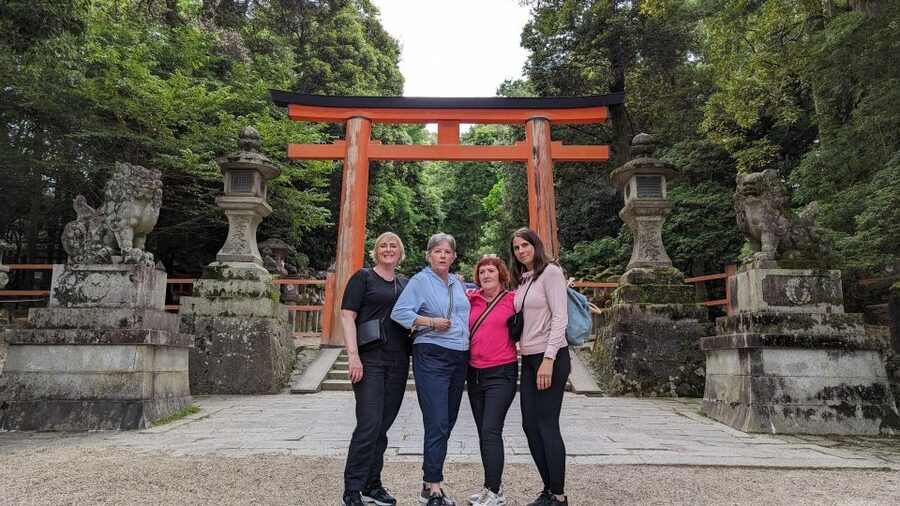
Kasuga Taisha brings a different mood from Todaiji. The shrine is known for its many stone and bronze lanterns, and the route gives you time to walk through the shrine area and take in its setting.
Your guide can help explain the difference between Shinto shrine customs and Buddhist temple practice. That is valuable because the two traditions often appear side by side in Nara, yet the buildings, rituals, and symbols are not the same.
You have about 30 minutes here. That is enough to see the main area and enjoy the atmosphere, but you may want more time if you are drawn to the lanterns and forest paths. The schedule keeps moving, so this is one stop where you should decide quickly what matters most to you.
The deer also appear around Kasuga Taisha. Their presence connects the shrine and the park in a way that feels distinctly Nara, but keep your camera ready and your food finished. The animals are not confined to one viewing area.
Ukimido and the final park circuit
After Kasuga Taisha, the route returns through Nara Park and stops at Ukimido for about 15 minutes. This gives you a quieter scenic pause after the larger temple and shrine complexes.
Ukimido is a photo stop and a chance to walk beside the water. The brief visit works well as a change of pace, though it will feel short if you want a long, reflective stop. Afterward, you cycle through the park and return to the bike base.
The full outing lasts 210 minutes. The listed stops account for most of that time, with the remaining minutes used for riding between them, getting organized, and moving through the park. Keep your later plans flexible. One group’s tour ran long, and the guide’s willingness to extend the experience was appreciated, but you should not schedule a train departure immediately after the stated end time.
Guides, group size, and the feel of the tour
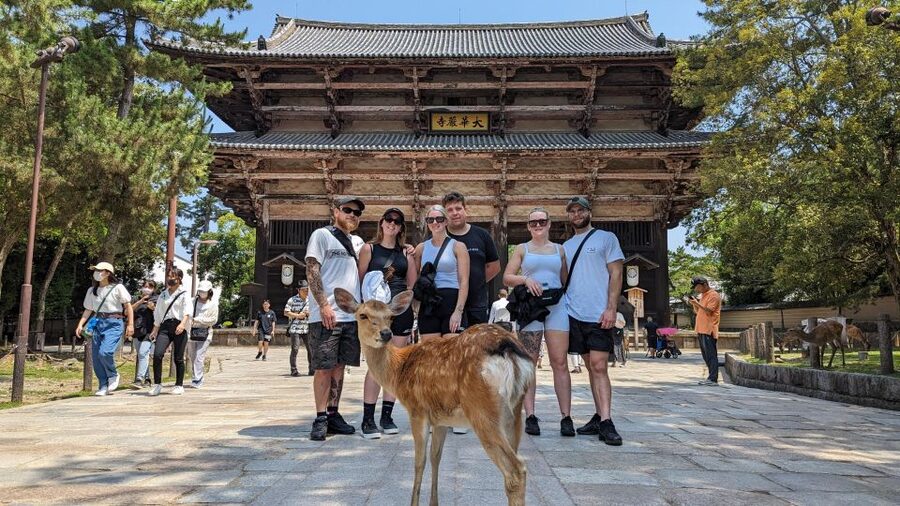
The guide can shape this experience as much as the sights. Chris and Christian have been praised for friendly, flexible leadership, while Remi has been noted for detailed explanations of Japan and the local area. Robert often receives praise for his historical explanations and patient approach, and Melody and Elodie have been described as helpful and accommodating.
That variety matters because the tour is not just a bike rental with a route map. You have a local guide managing the roads, the stops, the deer feeding, and the transitions between temple and shrine. Guides have also helped with photographs, and one guide shared candid pictures after a rainy outing.
The activity is available as a private or small-group experience. A small group gives you a better chance to ask questions and adjust the pace. A shared outing may include several nationalities, and English will usually take priority when French and English speakers are together.
Safety is taken seriously, but you remain responsible for your riding. Tell the guide if you need help with the bike, and be honest about your comfort level before booking. The one less positive account involved bike maintenance and fit for a taller rider, so anyone unusually tall should ask about bicycle size in advance.
Is $90 a fair price?
At $90 per person, the price includes the e-bike, a bilingual guide, Todaiji admission, deer crackers, the knife introduction, and one Kanoko snack. It also buys you a planned route through several parts of Nara Park without the work of figuring out where bicycles can go.
I see good value here if you have only half a day in Nara. A walking route covering the same sights would require more time and more energy, especially in warm weather. One rider specifically appreciated having the e-bike during a hot day, while another found it a useful way to make the most of a short stay.
The value is less clear if you are staying several days and enjoy walking slowly. The tour gives you limited time at each major stop, and you may prefer to visit Todaiji or Kasuga Taisha at your own pace. Some riders have also felt the bicycles were expensive, particularly for a private outing.
Free cancellation is available up to 24 hours before departure, and you can reserve now and pay later. Bring your passport, comfortable clothes, comfortable shoes, and cash. Pets, alcohol, drugs, and audio recording are not allowed.
Who should book this Nara e-bike tour?
I would choose this tour if you want a broad first look at Nara in one morning or afternoon. It suits couples, families with capable young riders, and anyone who wants to reduce long walks without giving up outdoor sightseeing.
It is also a good choice for people who like practical cultural details. The knife stop, the Kanoko snack, the deer-feeding guidance, and the explanations of Shinto and Buddhism give the outing more substance than a simple sightseeing circuit.
I would think twice if you dislike cycling, need long periods at each temple, or want a very slow ride. The route is active, and the timetable keeps you moving. Tall riders should check bike fit, and solo bookers should remember that two participants are needed for the departure to go ahead.
Should you book it?
Book it if you want to see the major Nara Park sights efficiently and enjoy the freedom of an e-bike. Todaiji, Kasuga Taisha, Mt. Wakakusa, Ukimido, deer, and Japanese knives make a varied half-day, and the guide adds the local context that is hard to get from a map.
Skip it if your ideal Nara visit means sitting quietly at one temple for hours. For everyone else, the $90 cost is reasonable when you value saved walking time, included admission, a guide, and a route that reaches more than the usual deer stop.
FAQ
Where does the tour meet?
Meet at 16-1 Takamaichicho, in front of Building LIFE 21 at the bike base. It is less than a five-minute walk from Kintetsu Nara Station, not JR Nara Station.
How long does the e-bike tour last?
The tour lasts 210 minutes, or about three and a half hours. Starting times vary, so check availability when booking.
What languages are available?
The tour is offered in English and French. French-speaking guides are available, but French is not guaranteed on a shared tour. Contact the operator ahead of time if you need a French-speaking guide.
Is the Todaiji entrance fee included?
Yes. The Todaiji entrance fee, e-bike rental, deer crackers, knife introduction, and one Kanoko snack are included.
Can children join the tour?
Young riders under 10 can be accommodated with child seats, with up to one child seat per e-bike. All participants who ride independently should be able to ride a bicycle properly.
What happens if I book alone?
Single guests can book, but at least two participants are required for the tour to operate. If the minimum is not reached, the session may be canceled, with rescheduling or a full refund offered.
More Electric Bike Rides in Nara
- Tokyo Top Highlights 3h Guided E-bike Tour
★ 5.0 · 714 reviews - 3h Tokyo E-Bike Tour: Hidden Gems, and Local Life with guide
★ 5.0 · 670 reviews - 5 Top Highlights of Kyoto Full Day Bike Tour (E-bike option)
★ 5.0 · 511 reviews - Tokyo: 3-Hour Bike or E-Bike City Highlights Tour
★ 4.8 · 435 reviews
More Bike Tours in Nara
- Nara: Bike Tour in Ancient Capital UNESCO World Heritage
★ 5.0 · 43 reviews - Nara: City Highlights Shared Group or Private Bike Tour
★ 4.9 · 34 reviews - Hidden Kyoto E-Biking tour
★ 5.0 · 1,843 reviews - Tokyo Guided Small-Group Biking Tour
★ 5.0 · 1,250 reviews
Just added around Nara
- Private Kyoto Tour by Car with Optional Nara or Osaka Add-Ons★ 5.0 · 36 reviews
- Kyoto, Osaka, Nara Private Tour by Car English Driver Guide★ 4.0 · 63 reviews
- Nara Todaiji Kasuga Taisha Private Full Day Tour From Kyoto★ 5.0 · 13 reviews
- From Kyoto: Nara History Guided Half Day Bus Tour with lunch★ 5.0 · 23 reviews
- Nara 8hr Private Tour – Kyoto DEP. with Licensed Guide★ 5.0 · 115 reviews
- Arashiyama & Nara Highlights: One-Day Private Tour Adventure★ 5.0 · 16 reviews
- Kyoto Private Car Tour – Full Day with Local Guide & Nara Option★ 5.0 · 169 reviews
- Kyoto & Nara Private Tour from Osaka Kyoto Hotel Pick-up★ 4.5 · 32 reviews
Temples & Shrines, compared.

Tea Ceremony in a Traditional Tea House in Kiyomizu
Our verdict →
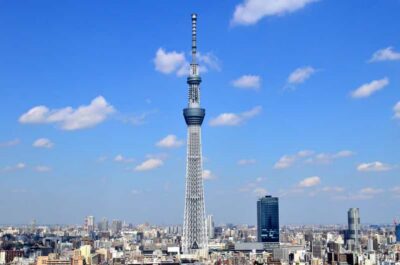
Meiji Shrine, Asakusa, Skytree Bus Tour and Cruise
Our verdict →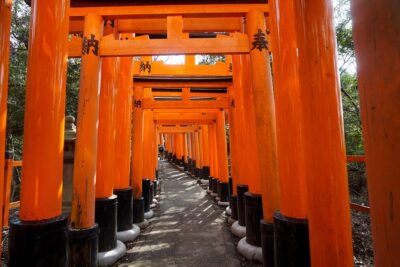
Fushimi Inari Hidden Hiking Tour (Private Option Available)
Our verdict →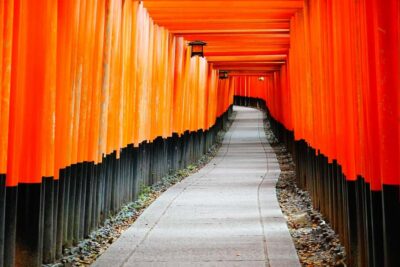
Osaka/Kyoto:Kinkakuji,Arashiyama,FushimiInariShrine,NaraPark
Our verdict →
Nikko: Kegon Falls, Lake Chuzenji & Toshogu Temple
Our verdict →
Kamakura & Enoshima Day Trip including Temple Tickets
Our verdict →Browse the lists this tour appears in