
Reviewed · TRADITIONAL CRAFTS
Kyoto Michelin Ramen Workshop or Painting Ramen Essentials
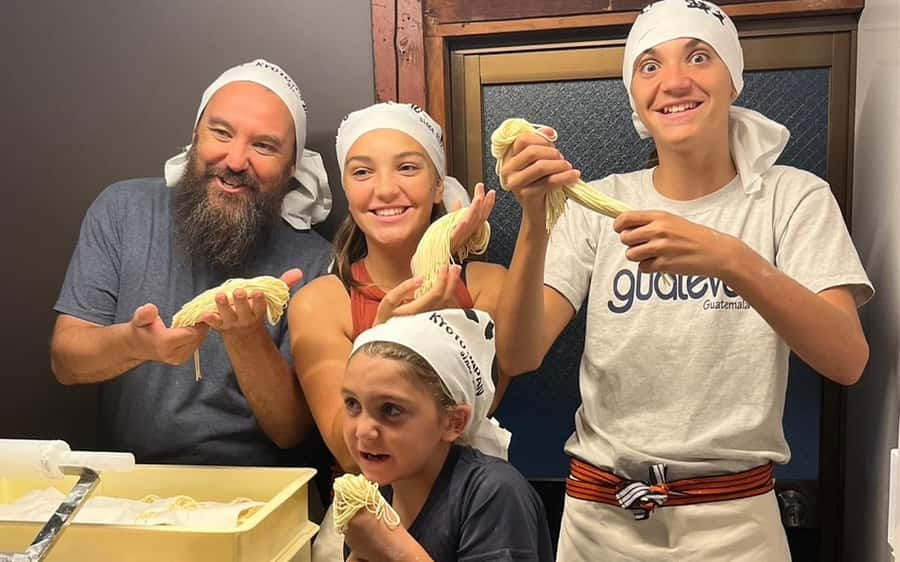
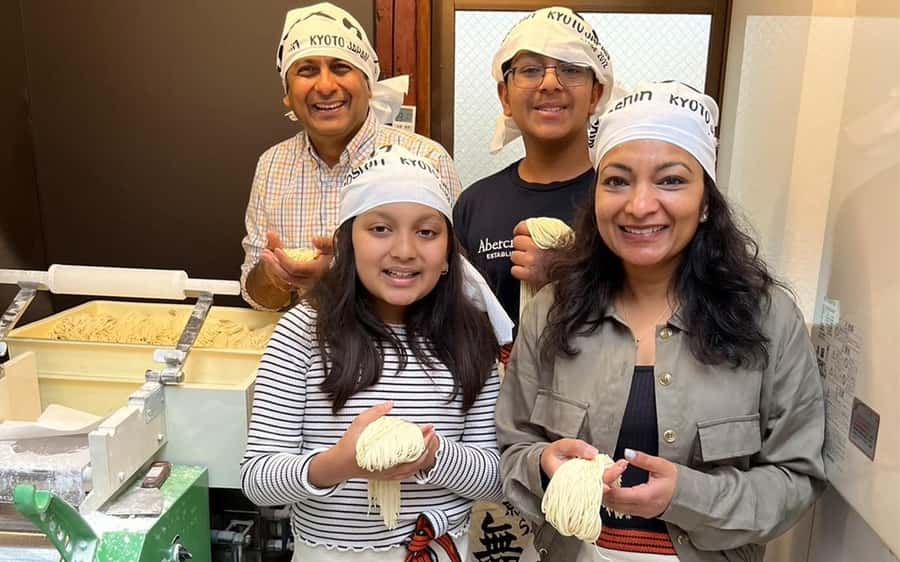
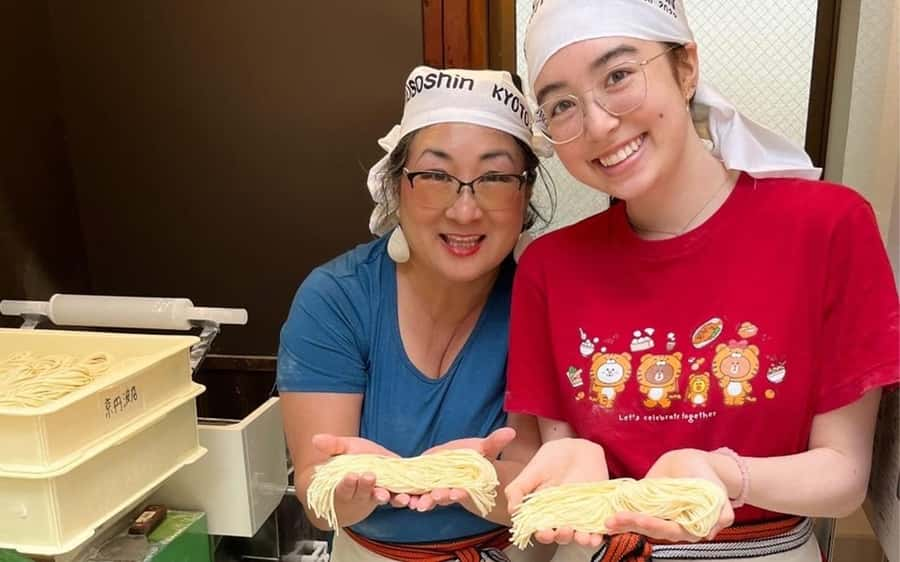
The best part of this Kyoto experience is that you do not just eat ramen, you see how the noodles come together. Musoshin’s instructors guide you through mixing, rolling, and cutting the dough, then you finish with a bowl of ramen at the restaurant. I like the hands-on noodle making and the fact that the meal is made with the same house recipes used by a restaurant with Michelin recognition in Toronto. I also like the relaxed, family-friendly teaching, with instructors such as Shin, Koki, Makoto, Momo, Shima, Patti, and Yaya praised for their patience and humor.
The main drawback is space. The noodle-making room is small, and a full class can feel tight, especially for a family of four joined by another group. You should also know that the noodles you make need to rest overnight, so the ramen you eat afterward is prepared by Musoshin rather than made from your own batch.
Key points to know before booking
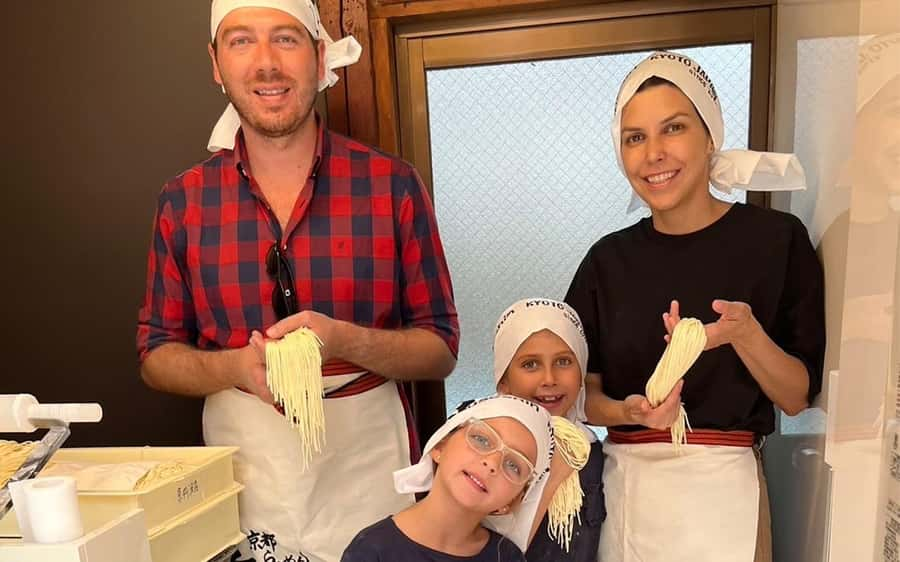
- You make noodles from the start: Mix ingredients, work the dough, roll it, and use the noodle machine with help from the instructors.
- The restaurant meal is part of the experience: After the workshop, walk to Musoshin’s restaurant for a bowl of ramen and a drink.
- Painting adds a creative hour: Depending on your booking, you can paint a ramen bowl or spoon, with a custom bowl kiln-fired at no extra charge and collected the next day.
- It suits children well: Young children and teenagers can take part, though the compact workspace may feel crowded.
- Vegetarian and vegan choices are available: Ask for the appropriate ramen option when booking or at the workshop.
- Gluten-free help may be possible: One family received special gluten-free noodles and a separate soup, but you should arrange this in advance rather than assume it is always available.
Making ramen with Musoshin in Kyoto
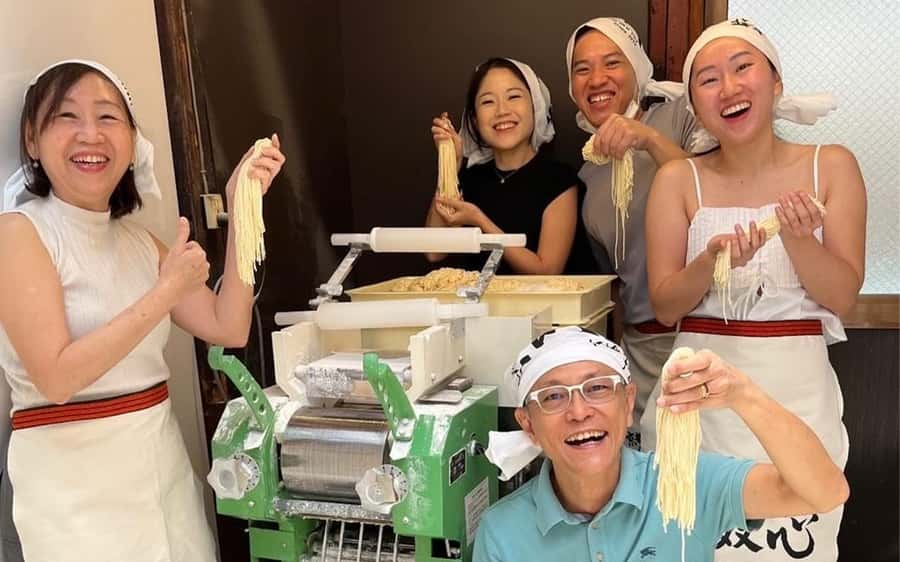
Musoshin began in Kyoto in 2022 and now operates six restaurants in Kyoto and Toronto. Its Toronto branch has been nominated for Michelin recognition for three consecutive years, and the company says it uses the same recipe at its Kyoto locations.
That connection matters because this is not a craft class set up by a general cooking school. You are learning inside a ramen business that makes its own noodles, soup, soy sauce, and roast pork. Musoshin says the noodles are made each morning and rested overnight for use the next day, while the soup cooks for 12 hours.
I find that detail useful when judging the experience. You are not simply pushing dough through a machine for a photograph. You get a look at the waiting, preparation, and repetition behind a good bowl of ramen. The class is short, but it gives you a better sense of why restaurant ramen depends on advance work.
The workshop is offered in English and Japanese. Several instructors have been praised for clear English, good humor, and a willingness to take photographs during the session. Shin, the owner, sometimes teaches the class himself, while other sessions may include staff such as Patti, Yaya, Rose, Koki, Makoto, Momo, or Shima.
More Craft Workshops in Kyoto
- Authentic knife making experience at a blacksmith in Kyoto
★ 4.8 · 350 reviews - Roketsu dyeing experience: M course Roketsu Dyeing Experience
★ 5.0 · 163 reviews - Kyoto: Ramen Bowl Painting and Michelin Cooking Class
★ 4.9 · 96 reviews
The one-hour noodle-making session
The class focuses on the dough and noodles for about an hour. You should expect to mix the ingredients, work the dough by hand, roll it through several stages, and finish with the noodle machine. The instructors demonstrate each step and help you take part instead of leaving you to watch from the side.
That hands-on format is the real reason to book. Children can use their hands and help with the machine, while adults get enough explanation to understand how the noodles change as they are worked. You also receive an ingredient list, which is useful if you want to try making ramen at home.
The pace is relaxed rather than rushed. The staff takes time to answer questions and explain what is happening. This helps younger participants, who may need extra help, and also makes the class enjoyable for adults who are interested in cooking rather than simply collecting a souvenir.
The dough you make is not served immediately. Musoshin explains that the noodles need to rest overnight before use. This is an important practical detail. If you imagined eating the exact noodles you just made, adjust your expectations. The workshop teaches the process, then the restaurant provides the meal.
Painting bowls and spoons
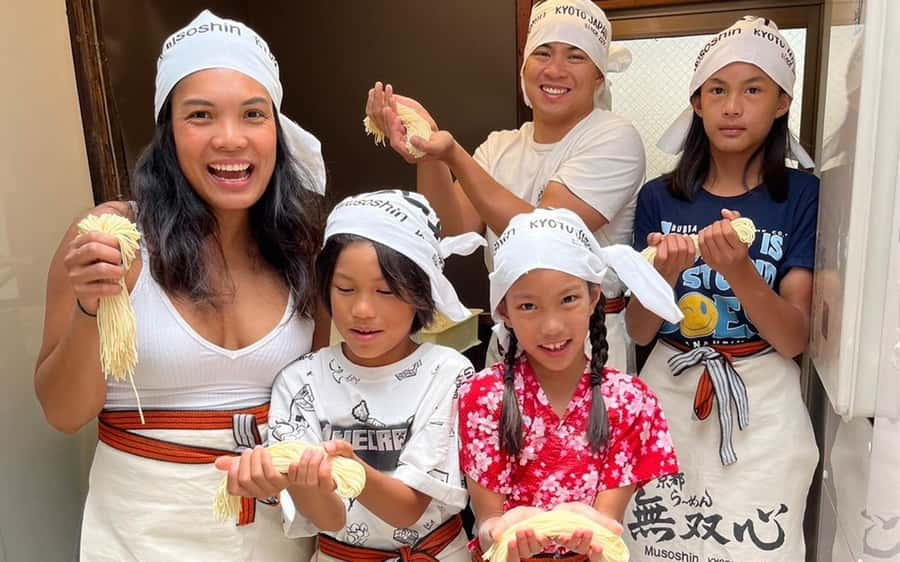
Some booking options include painting a ramen bowl or spoon. The art portion can take about an hour, with noodle preparation taking another half hour in one reported family schedule. Other descriptions focus on roughly an hour of noodle making, so the exact balance depends on the option you choose.
Painting gives the experience a quieter side. After the physical work of mixing and rolling dough, you can sit down and design something personal. Families often find this a good way to keep children involved, while couples and friends may enjoy making matching or deliberately different pieces.
If you paint a bowl, Musoshin can fire it in a kiln at no extra charge. You collect it the following day. This is a useful souvenir because it is connected to the meal and workshop rather than being a standard shop purchase.
Pay attention to the paint. One family found that pink needed to be applied thickly to show clearly after firing. If you want a bold design, use enough color and ask the instructor how the finished shade will look. The workshop also offers a ramen spoon as an option, and some packages include a bowl, spoon, apron, or other Musoshin items.
Eating the restaurant ramen afterward
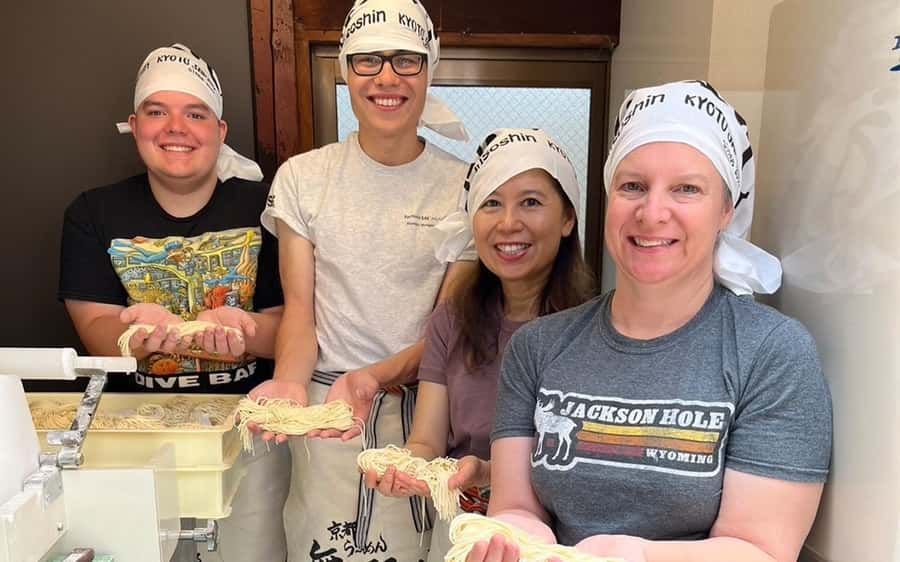
The workshop ends with ramen at the Musoshin restaurant, along with a drink. This part gives the class a satisfying finish, and it also lets you taste the result of the methods discussed during the lesson.
The restaurant makes its own soup for 12 hours and prepares the soy sauce and roast pork in-house. You can choose from available ramen options, including vegetarian and vegan versions. Families have also enjoyed black ramen, the restaurant specialty, and fried chicken, though the included meal details can vary by booking.
I would treat the meal as more than a convenient dinner. It is the point where you compare the simple ingredients and techniques from class with the finished restaurant dish. After handling dough yourself, you notice the texture and structure of the noodles more clearly.
The food is repeatedly praised as a highlight, with several people calling it the best ramen they had during a Japan trip. That is subjective, of course, but the meal is a strong part of the value. You are not paying only for a demonstration and a small taste. You receive a proper restaurant experience afterward.
More Ramen Tours in Kyoto
- Ramen Cooking Class at Ramen Factory in Kyoto
★ 5.0 · 1,937 reviews - Kyoto: Ramen Cooking Class at a Ramen Factory with Souvenir
★ 4.9 · 532 reviews - Kyoto: Ramen, Gyoza, and Onigiri Cooking Class
★ 5.0 · 445 reviews - Kyoto Ramen and Gyoza Cooking Class with Professional Chefs
★ 5.0 · 282 reviews
Why families tend to enjoy it
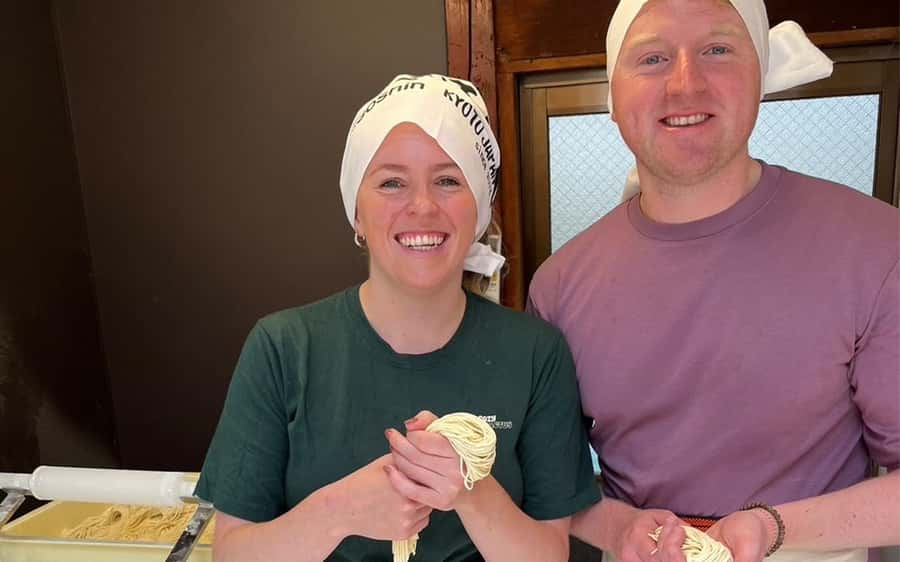
This is one of the better Kyoto activities for a family that wants a break from temples and museums. The work is tactile, the class lasts a manageable amount of time, and children can participate rather than simply watch an instructor cook.
A four-year-old has taken part with a family, while older children and teenagers have enjoyed both the noodle machine and the painting. A nine-year-old reportedly loved the class, and another family said its eleven-year-old daughter enjoyed the complete experience as much as the adults.
The instructors are a major part of this. Staff members are described as patient, funny, and attentive, and they make an effort to involve everyone. They also take photos during the activity, which is helpful when your hands are covered in dough.
Still, I would keep the small room in mind. One family of four found the space cramped after another group joined. If your children need a lot of room to move, or if anyone in your party dislikes close quarters, this may not be the easiest cooking class. The compact setting also means you should expect a cozy workshop rather than a spacious studio.
A good choice for couples and adult groups
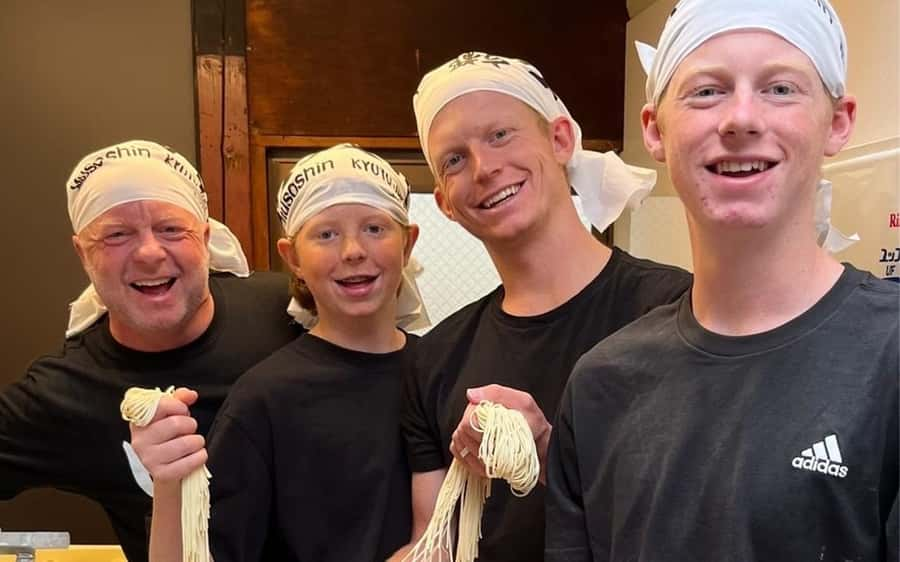
You do not need to be traveling with children to enjoy this. Couples, siblings, and groups of friends can divide the tasks, compare designs, and enjoy a meal together afterward.
The class has enough structure to keep the hour moving, but it is not presented as a serious chef-training session. I would choose it if you want a social activity with a food payoff, especially after several days of sightseeing. The painting option adds a calm, creative element, while the noodle work gives you something practical to discuss and try.
The staff’s conversational style also helps. Instructors have been praised for answering questions, chatting in English, and keeping the mood light. If you enjoy meeting local people through food, this offers more contact than a typical restaurant meal.
Price, inclusions, and overall value
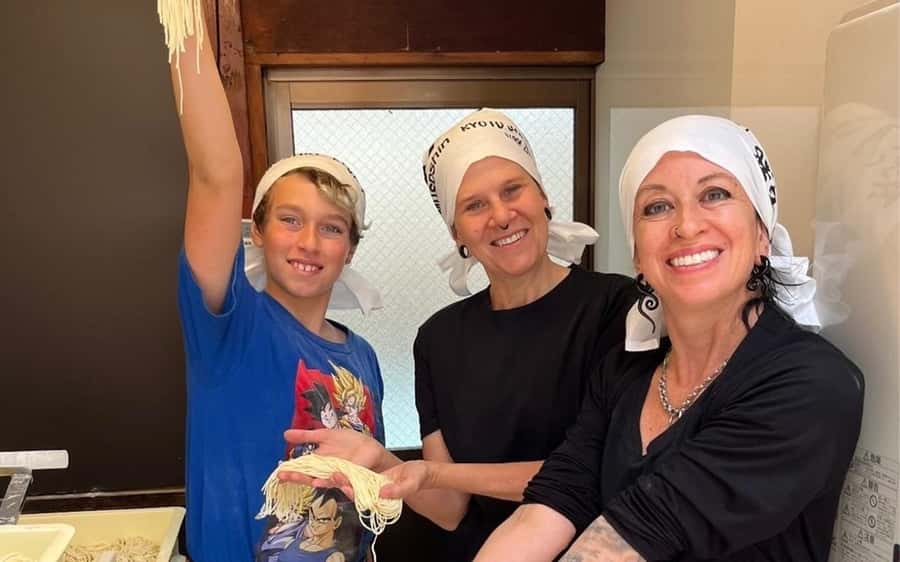
At $54 per person, the experience is not the cheapest way to eat ramen in Kyoto. You can find a bowl of ramen for far less. The price makes more sense when you count the instruction, the noodle-making materials, the workshop bandana, the restaurant meal, the drink, and any selected bowl, spoon, or apron option.
The free kiln firing is another useful inclusion if you choose the custom bowl. You still need to collect it the next day, so it works best if Kyoto is part of your itinerary for at least another night. If you are leaving immediately, a painted spoon or another available item may be easier to manage.
I see the value in the combination. You get an activity, a meal, a chance to speak with the staff, and a practical look at a working ramen business. It is especially good value for families who would otherwise pay for both a craft activity and dinner.
Check the exact option before paying. Meeting points can vary by package, and the bowl, spoon, apron, and painting portion are not necessarily included in every booking. The base experience includes the Michelin-nominated Musoshin connection, the workshop bandana, and the restaurant drink, while other items are listed as options.
You can reserve now and pay later, and cancellation is allowed up to 24 hours before the activity for a full refund. Those terms help if your Kyoto schedule is still shifting.
Vegetarian, vegan, and special dietary needs
Vegetarian and vegan ramen options are available, making this easier for mixed-diet groups. Tell the staff what you need before the meal so they can direct you to the right choice.
Gluten-free diners should contact Musoshin before booking. One child with celiac disease was given special gluten-free noodles and a separate gluten-free soup, which shows that the team may be able to help. It does not guarantee that the same arrangement is available at every session, so advance notice is essential.
The supplied information does not give a full allergen chart. If you have a serious allergy, ask specific questions before arriving rather than relying on a general vegetarian or vegan label.
Timing, meeting points, and what to bring
The activity returns to the meeting point at the end, but the exact starting point depends on the option booked. Check the confirmation carefully, particularly if you select a painting package or a different workshop format.
Wear clothes you do not mind wearing around food and paint. An apron may be included as an option, but you should not assume every booking includes one. The workshop provides the main equipment, including the bowl or spoon items connected with your selected package.
If you are collecting a kiln-fired bowl, leave room in your Kyoto schedule for pickup the next day. That small detail can make the difference between a useful souvenir and an item you cannot collect.
Should you book the Musoshin ramen workshop?
I would book this if you want a hands-on food activity rather than another sightseeing stop. It suits families, couples, and friends, and the restaurant meal gives the class a proper finish. The instructors make the process approachable, and the house-made noodles, soup, soy sauce, and roast pork give the experience a clear connection to Musoshin’s daily work.
I would hesitate only if you need a large, open workspace, have a tight Kyoto departure schedule, or expect to eat the exact noodles you make. For everyone else, $54 is reasonable for an hour of instruction, a creative option, a drink, and a restaurant ramen meal, especially when the custom bowl can be kiln-fired without an extra charge.
FAQ
Where does the ramen workshop take place?
The experience takes place in Kyoto, on Honshu, Japan, and is run by Musoshin Ramen. The exact meeting point can vary depending on the option you book.
How much does the experience cost?
The listed price is $54 per person. Some items, such as the ramen bowl, spoon, and apron, may depend on the option selected.
How long is the workshop?
The noodle-making portion is designed as a focused session of about one hour. Some options also include painting, with one family schedule allowing about an hour for painting and another half hour for ramen preparation.
Do I eat the noodles I make?
No. The noodles you make need to rest overnight before they are used. You eat ramen prepared by Musoshin at the restaurant after the workshop.
Is the restaurant meal included?
Yes. The experience includes ramen at the Musoshin restaurant and a drink.
Can children take part?
Yes. The workshop is family-friendly and has been enjoyed by children as young as four, as well as older children and teenagers. The room is small, so larger groups may find it cramped.
Are vegetarian and vegan ramen options available?
Yes. Vegetarian and vegan ramen options are available.
Can I paint a ramen bowl?
Painting a bowl is available with the appropriate option. Musoshin can fire your designed bowl in a kiln at no extra charge, and you can collect it the following day.
Is the workshop offered in English?
Yes. The listed languages are English and Japanese, and English-speaking instructors are available.
What is the cancellation policy?
You can cancel up to 24 hours before the activity for a full refund. You can also reserve and pay later, which keeps your plans flexible.
Just added around Kyoto
- Sekka Cotton Furoshiki Class★ 5.0 · 19 reviews
- Kyoto Sword Experience – includes Museum Ticket/Ninja Experience★ 4.5 · 149 reviews
- Scenic Green Tea Fields of Hidden Kyoto & Local Tea Exp (Private)★ 5.0 · 32 reviews
- Secret Eastern Kyoto Biking Adventure★ 5.0 · 44 reviews
- Private Sake Tasting in Central Kyoto with Sake Sommelier★ 5.0 · 32 reviews
- Samurai School in Kyoto: Samurai for a Day★ 5.0 · 202 reviews
- SHIRAKAWA Japanese Culture Experiences with private English staff★ 5.0 · 16 reviews
- A Privately Guided Photoshoot in Beautiful Kyoto by a Pro★ 5.0 · 18 reviews
Traditional Crafts, compared.
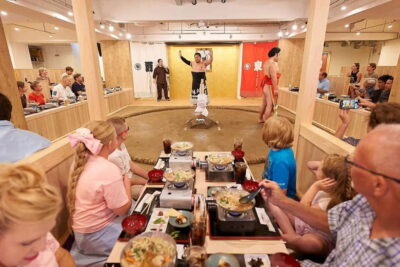
Tokyo Sumo Experience: Chanko & Mochi with a Former Pro
Our verdict →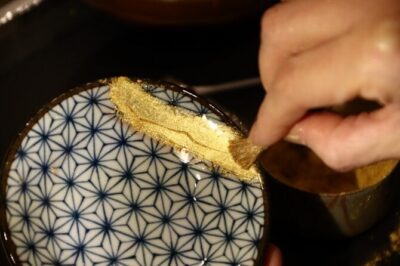
Kintsugi Experience: Art of Golden Joinery in Tokyo
Our verdict →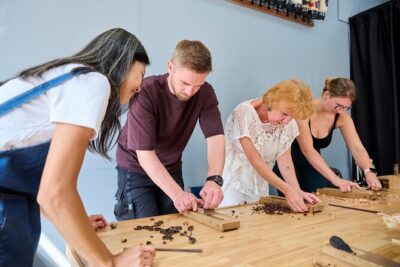

Matcha Making Experience with Mochi Sweets in Asakusa
Our verdict →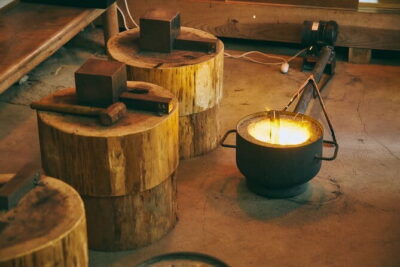
Authentic knife making experience at a blacksmith in Kyoto
Our verdict →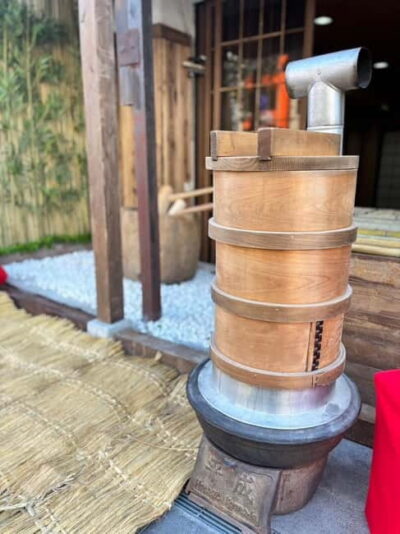

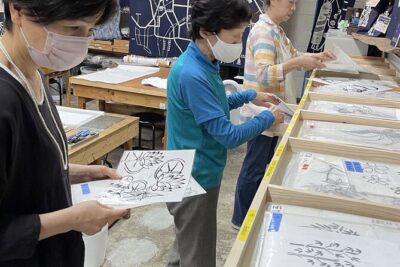
Roketsu dyeing experience: M course Roketsu Dyeing Experience
Our verdict →Browse the lists this tour appears in