
Reviewed · SAMURAI EXPERIENCES
Kendo and samurai experience in Kyoto
The memorable part here is the hands-on training. You do not simply pose beside a sword or watch a demonstration. You learn how to hold it, draw it, move correctly, and practice the discipline behind kendo and traditional swordsmanship. The class takes place near Shugakuin Imperial Villa, in a quieter part of Kyoto away from the city center.
I like the private-class feel and the patient instruction. I also like that beginners can work with several training tools, including bamboo swords, foam swords, and blunt replica blades, before trying more serious sword movements. The main thing to consider is that tatami mat cutting is no longer guaranteed, despite the activity’s older description and some past reports of it.
Key points
- Beginner-friendly instruction: No martial arts background is required, and the teacher adjusts the class to your pace.
- Private or very small-group feel: Your booking may receive the instructor’s full attention, especially when few people reserve the same time.
- Real kendo foundations: Learn posture, movement, sword handling, etiquette, and basic strikes rather than just staging photographs.
- Several practice weapons: Training may include bamboo, foam, and blunt replica swords, each suited to a different part of the lesson.
- Northern Kyoto setting: The studio is near Shugakuin, but it can take effort to find if you are not familiar with the area.
- Tatami cutting warning: Confirm the current program before booking if tameshigiri is the main reason you want to go.
Learning the sword in northern Kyoto
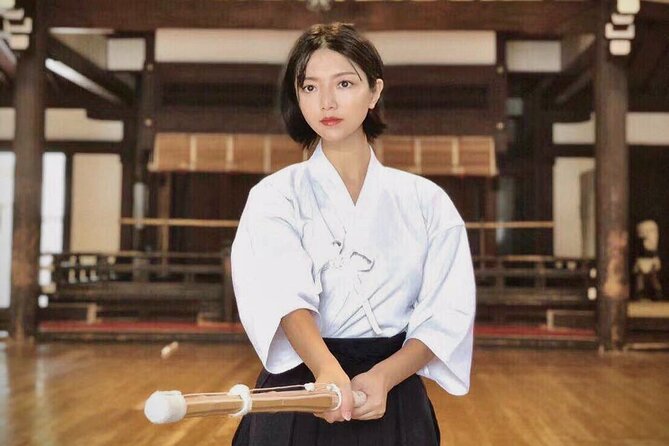
This is a practical introduction to Japanese sword culture, not a museum visit with a quick photo stop. Over roughly two hours, you work with an instructor on the basic movements and manners connected with kendo and traditional swordsmanship.
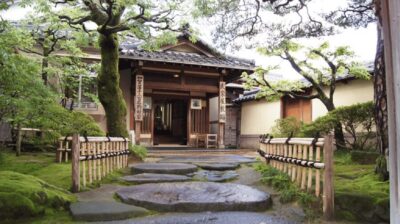
The experience is offered by Atelier NIN at a studio on Shugakuin Daidōchō in Sakyo Ward. That location matters. You are not in the middle of Kyoto’s busiest sightseeing district, and the quieter setting can make the class feel more focused. At the same time, the studio is on the outskirts of the central sightseeing area, and finding it can be difficult if you arrive without allowing extra time.
The activity information places Shugakuin Imperial Villa in the itinerary, but this should not be read as a separate villa tour. The meeting point and ending point are the studio. You come for the sword class, not for guided sightseeing inside the imperial property.
More Samurai Experiences in Kyoto
- Kyoto Samurai Experience
★ 5.0 · 1,294 reviews - Kyoto: Kendo and Samurai Experience with Uniform and Gear
★ 4.9 · 815 reviews - Kyoto: Samurai Sword Class by Experts in Traditional Arts
★ 4.9 · 657 reviews
What the two-hour class actually teaches
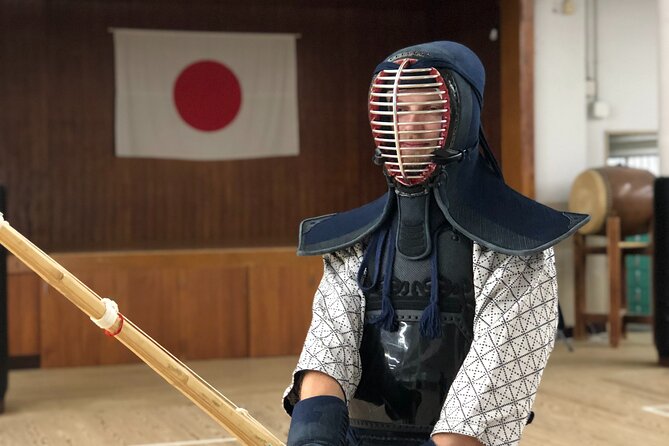
The lesson begins with the basics. You learn how to handle a sword safely, how to stand, and how to move with control rather than brute force. The instructor explains the names, origins, customs, and rules connected with kendo and samurai practice.
This is useful because sword handling looks simple until you try to keep your feet, hands, posture, and timing working together. The class places weight on technique. You do not need great strength to make progress, and the instructor can correct small movements before they become habits.
You may practice with several types of equipment:
- Bamboo swords for basic kendo movements
- Foam swords for safer introductory drills
- Blunt replica blades for sword-handling practice
- Training clothing and, depending on the session, traditional protective equipment
The equipment helps separate display from instruction. A bamboo sword gives you the feel of kendo practice, while a foam sword allows a more relaxed introduction. A blunt replica blade is used for handling and form, not as a sharp weapon.
The class may also include partner work or light sparring-style practice. Keep your expectations sensible. This is a short cultural activity, not a full martial arts course, and two hours is enough for an introduction rather than mastery.
Patient teachers make the difference
The instructor is the key to the experience. Names associated with the Kyoto sessions include Taka, Kengo, Hayato, and Matsudaira Takato Sensei. The teaching style can vary by session, but the strongest part of the program is the personal attention.
Taka is described as an engaging teacher who combines kendo instruction with katana practice. Kengo is noted for taking time to explain the tradition, helping with photographs, and encouraging students who are unsure of themselves. Hayato is associated with clear explanations of the history and technique.
English ability may also vary by instructor. Some teachers speak very good English, while one account describes communication as slower and occasionally dependent on Google Translate. That does not make the class impossible, since sword movements can be shown as well as explained, but it is worth knowing if detailed verbal instruction is important to you.
The small-group format helps. The maximum group size is 15, but a booking may be much smaller. One five-person group found that nobody else had booked the same time, turning the class into an almost private session. If you want personal correction, an off-peak time may give you the best chance of a quieter lesson.
Getting dressed and taking photographs
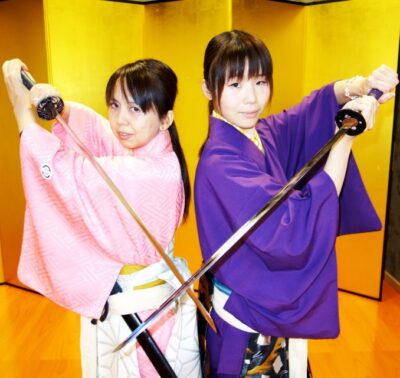
Part of the appeal is visual. You may wear samurai-style clothing or kendo training gear and pose with the equipment. The instructor can help take photographs and videos, which is useful when you are traveling without anyone available to document the activity.
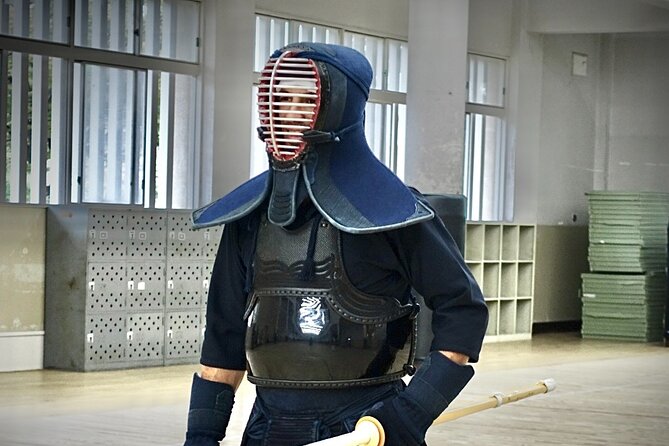
Set your expectations carefully about the clothing. Some sessions have included traditional attire and full protective kendo armor, while another participant received only a glimpse of a helmet and did not wear the full uniform. The exact costume experience can depend on the instructor, group, timing, and equipment available.
That variation is important if photographs are your main goal. You should expect opportunities for pictures, but do not assume you will wear every piece of armor shown in promotional images. The strongest reason to book is the instruction, with photographs as a welcome extra.
The setting itself may feel modest rather than polished. One account described a small, somewhat run-down studio, while others appreciated the old dojo atmosphere and the sense of stepping away from Kyoto’s crowded central streets. I would treat the space as a working training room, not a luxury attraction.
More Martial Arts Experiences in Kyoto:
- Kyoto: Japanese Archery Workshop with Experienced Instructor
★ 4.9 · 132 reviews - Kyoto 2 Hours Genuine Kendo / Samurai Experience In Japan
★ 5.0 · 57 reviews - Kyoto: Kendo Samurai Experience Tour
★ 4.7 · 33 reviews - Tokyo: Samurai Sword & Archery Class from Samurai Descendant
★ 5.0 · 603 reviews
The tatami cutting question
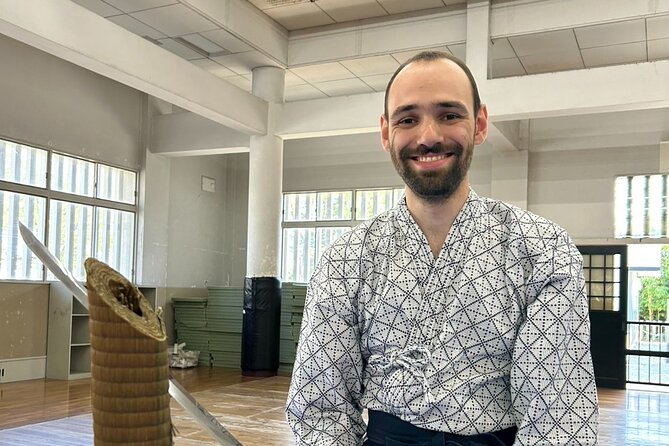
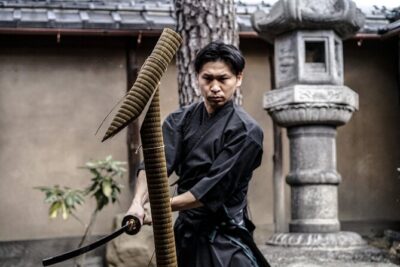
Tatami cutting, known as tameshigiri, is the point that needs the clearest warning. Older descriptions of the activity present cutting a tatami mat with a sword as the main event. Some past participants also describe doing it and call it the highlight of the class.
However, more recent information indicates that a change in Japanese law means the provider may no longer legally offer tatami cutting. Several people attended expecting it and did not receive it. This appears to be a change in what can be offered, rather than a teaching failure, but it still affects the value of the booking.
If you book, assume that tatami cutting will not be included unless the provider confirms it directly for your date. Do not pay the $105.68 price solely for that one activity. The class still has value through kendo practice, sword handling, cultural explanation, dressing up, and personal instruction, but the experience is different without the final cut.
This is also a good example of why activity descriptions can lag behind current regulations. Confirm the program before you commit, especially if you have dreamed of making one clean cut through a tatami roll.
Why the kendo practice matters
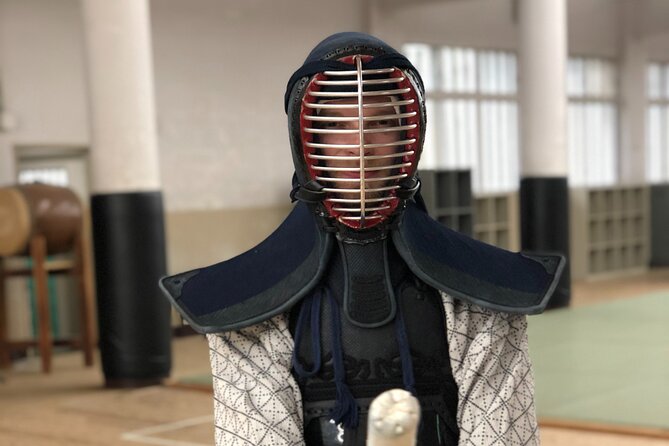
Kendo is more than swinging a bamboo sword. The instructor introduces posture, discipline, movement, and the respectful habits connected with the art. You learn how to take a sword in and out properly, how to hold it, and how to move with efficiency.
That makes the class more worthwhile than a simple samurai photo session. You leave with a better sense of why form matters. A correct movement is not only about force. Balance, angle, timing, and control all affect the result.
The class also offers a useful cultural bridge. Kyoto is full of castles, temples, gardens, and historic streets, but those places often show you the outside of Japan’s past. Here, you get a short lesson in how martial traditions are practiced and taught.
Do not expect a complete history of the samurai or a formal qualification. The emphasis is on participation. You hear enough context to understand the actions, then spend time repeating them yourself.
Location, timing, and the practical side
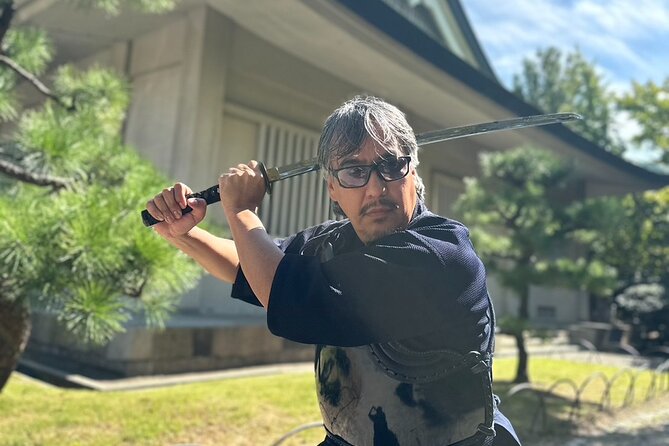
The meeting point is studio NIN 修学院, at 16 Shūgakuin Daidōchō, Sakyo Ward, Kyoto, postal code 606-8037. The class ends at the same place.
Because the studio is away from central Kyoto, plan your route before leaving. One person nearly abandoned the search after getting lost in a quiet area with few people to ask for directions. Another found the place hard to locate but felt the effort was worthwhile once the class began.
I would arrive early, save the address offline, and allow extra time for the final walk. The activity is near public transportation, but that does not mean the entrance will be obvious. The information provided does not specify a hotel pickup service, so plan to reach the studio yourself.
The duration is about two hours. That sounds generous, but changing clothes, explanations, photographs, and demonstrations take part of the session. One participant felt that too much time went to small talk and pictures, leaving less time for sword practice. If you want a fast, technique-heavy lesson, tell the instructor early that practice is your priority.
The experience can accept service animals, and most people can participate. Confirmation is provided when you book. The maximum group size is 15, although the actual class may be smaller.
Is $105.68 a fair price?
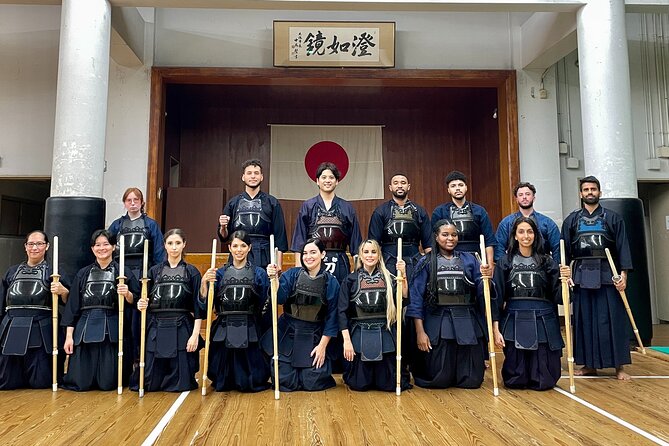
At $105.68 per person, this is not a cheap add-on. The value depends on what you want from it.
The price makes more sense if you receive a small class, steady instruction, training clothing, time with several practice swords, and help with photos. A private or nearly private session gives you more correction and more chances to ask questions. For a group of four or five, the cost may also feel reasonable because you share a memorable activity with friends or family.
The value is weaker if you are mainly paying for a full suit of armor or tatami cutting. Neither should be treated as guaranteed. The class can also feel brief once dressing, photography, and explanations are counted.
I would compare it with other paid cultural activities in Kyoto by asking what you will remember afterward. You may not leave with a long lesson in Japanese history, but you will have practiced a physical skill, learned basic kendo ideas, and handled equipment under supervision. For many people, that personal involvement justifies the price more than another passive sightseeing stop.
Who will enjoy this most?
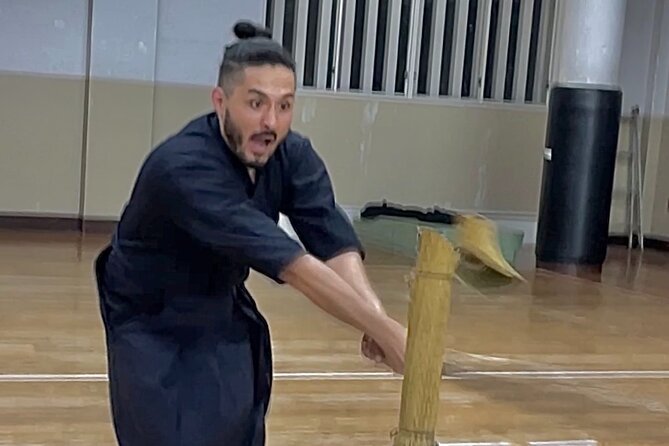
I would recommend it to first-time visitors who want something active between temples and museums. It suits couples, families with older children, small groups, and anyone interested in martial arts, Japanese history, anime, or traditional craft.
You do not need previous training. The instructor works with beginners, and the class is designed to be low-pressure. People with martial arts experience may still enjoy comparing styles, but they should not expect advanced instruction in only two hours.
This is less suitable if you want a polished studio, a guaranteed full costume, or a strict training schedule with little time for conversation. It is also a poor choice if tatami cutting is your only goal. The location adds travel time, and the class may feel expensive if you want only a few photographs.
Booking and cancellation basics
The activity offers free cancellation up to 24 hours before the scheduled start time. Cancel at least 24 hours ahead for a full refund. Changes or cancellations made later are not accepted for a refund.
The experience requires a minimum number of participants. If that minimum is not reached and the activity is canceled, you are offered another date or experience, or a full refund. A mobile ticket is available, which makes the booking simple to carry while you are in Kyoto.
My verdict: book it with realistic expectations
I would book this class if you want a personal, active introduction to kendo and samurai customs, especially if you are happy to trade central Kyoto convenience for a quieter studio and direct instruction.
The best reasons to go are the patient teachers, the chance to practice with several training weapons, the small-group atmosphere, and the photographs you can take in traditional clothing. The biggest cautions are the hard-to-find location, variable English communication, modest studio, and the loss of guaranteed tatami cutting.
Before paying, confirm two things: what clothing you will wear and whether any tatami cutting is legally available on your date. If those details are clear and you value participation over polish, this can be one of your most personal Kyoto activities. If you want a guaranteed armor photo shoot or a dramatic sword cut, choose only after checking the current program directly.
FAQ
Where does the kendo and samurai experience take place?
It takes place at studio NIN 修学院, 16 Shūgakuin Daidōchō, Sakyo Ward, Kyoto, 606-8037, Japan. The activity ends back at the same meeting point.
How long does the experience last?
The class lasts approximately two hours. That time includes instruction, equipment and clothing preparation, practice, explanations, and opportunities for photographs.
Do I need martial arts experience?
No. The class is suitable for beginners, and the instructor teaches basic sword handling, movement, posture, and kendo skills in a low-pressure setting.
Is tatami mat cutting included?
Do not assume it is included. Some older sessions included tatami cutting, but current information indicates that legal restrictions may prevent the provider from offering it. Confirm the program for your date before booking.
What kind of equipment is used?
Training may include bamboo practice swords, foam swords, and blunt replica blades. Participants may also wear training clothing or samurai-style attire, though the exact outfit can vary.
Can I cancel for a full refund?
Yes, if you cancel at least 24 hours before the experience start time. Cancellations or changes made less than 24 hours before the start are not eligible for a refund.
Just added around Kyoto
- Sekka Cotton Furoshiki Class★ 5.0 · 19 reviews
- Kyoto Sword Experience – includes Museum Ticket/Ninja Experience★ 4.5 · 149 reviews
- Scenic Green Tea Fields of Hidden Kyoto & Local Tea Exp (Private)★ 5.0 · 32 reviews
- Secret Eastern Kyoto Biking Adventure★ 5.0 · 44 reviews
- Private Sake Tasting in Central Kyoto with Sake Sommelier★ 5.0 · 32 reviews
- Samurai School in Kyoto: Samurai for a Day★ 5.0 · 202 reviews
- Samurai Performance and Casual Experience: Kyoto Ticket★ 4.5 · 115 reviews
- SHIRAKAWA Japanese Culture Experiences with private English staff★ 5.0 · 16 reviews
Samurai Experiences, compared.

Browse the lists this tour appears in