
Reviewed · TRADITIONAL CRAFTS
The Way of Tea: Kyoto Crafts, Hidden Temples & Wabi-Sabi Walk
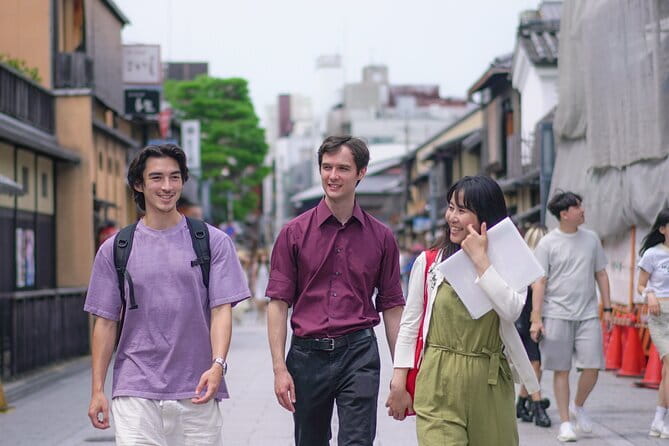
Kyoto’s tea culture makes more sense when you see the temples, gardens, crafts, and quiet details that shaped it. This 3.5-hour small-group walk links Gion with Kennin-ji, a second temple, a tea bowl shop, and a traditional tea house where you make matcha with a tea master.
I like the maximum group size of seven, which gives you room to ask questions, and I like that the tour ends with an actual tea ceremony rather than a quick cup served on the run. The main caution is communication: one published account found the guide’s English too soft to hear clearly, so this experience may feel less satisfying if you need long, detailed explanations at every stop.
Key points at a glance
- Gion begins the story: Learn about Japanese tea and visit a well-known matcha shop in Kyoto’s historic entertainment district.
- Kennin-ji adds temple context: See one of Kyoto’s long-established temples with admission included.
- Crafts connect to tea: A tea bowl shop introduces raku cups and the idea that every handmade piece has its own character.
- The group is capped at seven: You get a better chance to hear the guide and ask questions than on a large city tour.
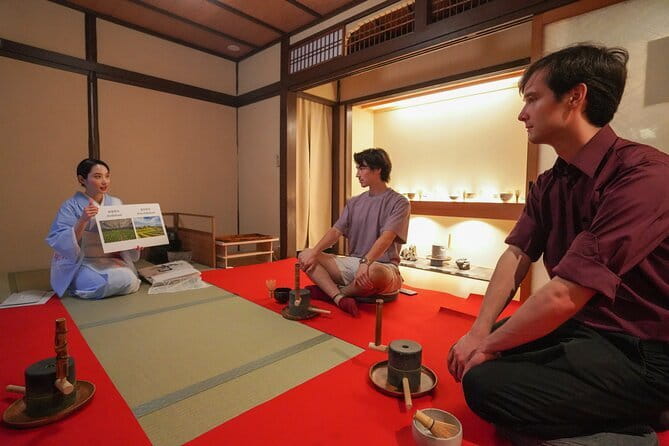
- The finale is hands-on: Make and drink matcha in a traditional Japanese house with instruction from a tea master.
- The route is one-way: Meet near Gion Shijo Station and finish near Kiyomizu, with no return to the starting point.
Why this Kyoto walk works
Many Kyoto tours ask you to choose between temples and tea. This one puts both in the same short outing. You begin in Gion, walk through temple grounds and craft shops, then finish with a tea-making session. That order matters. By the time you sit down for matcha, you have already seen some of the objects and ideas that give the ceremony meaning.
The tour is also built for people who would rather follow a local route than sort out Kyoto’s lanes and entrances alone. You meet at the Statue of Izumo-no-Okuni, directly outside Exit 5 of Gion Shijo Station on the Keihan Line. The guide carries an orange MagicalTrip Tour signboard, a useful detail in a busy area.
The experience costs $94.45 per person. That is not the cheapest way to see a temple or drink matcha in Kyoto, but the price includes an English-speaking guide, admission to two temples, the tea ceremony, matcha, and photos taken during the walk. I see the value mainly in the combination. If you want only a temple visit, this costs more than necessary. If you want a compact introduction to tea, ceramics, temples, and wabi-sabi without arranging each part yourself, the price is easier to justify.
More Craft Workshops in Kyoto
- Authentic knife making experience at a blacksmith in Kyoto
★ 4.8 · 350 reviews - Roketsu dyeing experience: M course Roketsu Dyeing Experience
★ 5.0 · 163 reviews - Kyoto Michelin Ramen Workshop or Painting Ramen Essentials
★ 4.9 · 100 reviews
Gion and the first taste of tea culture
The first section takes about 30 minutes in Gion. You learn how Japanese tea is made and visit a famous matcha shop while walking through the historic district.
Gion is a sensible starting point because tea is not just a drink here. It is tied to hospitality, craft, architecture, and the careful use of space. The tour does not treat the ceremony as an isolated performance. Instead, it starts by giving you a basic idea of the ingredient and the culture around it.
The matcha shop visit is brief, so set your expectations properly. This is an introduction rather than a long tasting session or a shopping stop with unlimited time. Additional food and drinks are not included, so budget separately if you want to buy something along the way.
I like this opening because it gives you a subject to watch for during the rest of the walk. When you later see a tea bowl or sit in a tea house, you are not starting from zero. You have already heard how matcha fits into Japanese tradition.
Kennin-ji after the Gion lanes
The next stop is Kennin-ji Temple, with about 30 minutes set aside for the visit. Admission to two temples is included in the tour price.
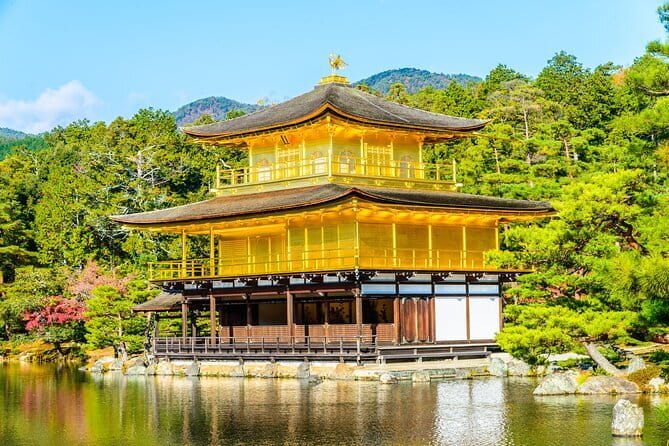
Kennin-ji has been part of Kyoto’s temple life for centuries, and the stop gives the walk a solid historical center. After the commercial and cultural setting of Gion, temple grounds provide a different pace. You can look at the buildings, garden setting, and details that reward slower attention.
Thirty minutes is enough for an introduction, but it is not enough for every corner of a major temple complex. If you are the kind of person who wants to read every panel and study each building at length, you may find the schedule brisk. The advantage is that you do not spend the whole afternoon at one site. You keep moving toward the tea and craft portions that make this tour different from a standard temple visit.
Your guide is meant to provide the context that can be hard to gather while walking alone. Still, the quality of that explanation depends on how clearly the guide speaks and how well the group can hear. One account described a guide who spoke very softly and seemed uncertain about some locations. That is not proof of a general problem, but it is a fair reason to stay near the guide and ask for repetition when needed.
Kyoto crafts and the meaning of a tea bowl
The craft portion takes place in Kyoto Prefecture and lasts about 30 minutes. You visit craft shops, then focus on ceramics at a tea bowl shop where the raku teacup is central.
This is one of the more useful parts of the walk because tea ceremony depends on objects as much as gestures. A bowl is not a disposable cup. Its shape, surface, weight, and small irregularities affect how the tea feels in your hands. The guide explains how each cup can carry its own character, history, and meaning.
That is where the tour’s wabi-sabi theme becomes practical. Wabi-sabi is often reduced to a vague appreciation of imperfection. Here, you get a chance to connect the idea to a handmade object. A raku bowl may not have the uniform finish of factory-made tableware, and that difference is part of its appeal.
The shop visit may be especially useful if you are considering buying a tea bowl in Kyoto. You can look with more understanding, even if you decide not to purchase anything. The tour does not state that shopping is included, and the price does not cover extra food or drinks, so treat any purchases as separate expenses.
As with Gion and Kennin-ji, the time is limited. You will get an introduction to the craft, not a full ceramics lesson. If pottery is your main interest, you may want a separate workshop. If you want to understand why ceramics matter in tea culture, this stop fits the tour well.
More Temple & Shrine Tours in Kyoto
- Kyoto: Fushimi Inari, Kinkakuji, Bamboo Grove 1 Day Bus Tour
★ 4.8 · 4,316 reviews - Kyoto: Tea Ceremony in a Traditional Tea House in Kiyomizu
★ 4.9 · 3,519 reviews - Kyoto: Tea Ceremony Ju-An at Jotokuji Temple
★ 4.9 · 3,207 reviews - Fushimi Inari Hidden Hiking Tour (Private Option Available)
★ 5.0 · 1,750 reviews
A quieter temple and garden
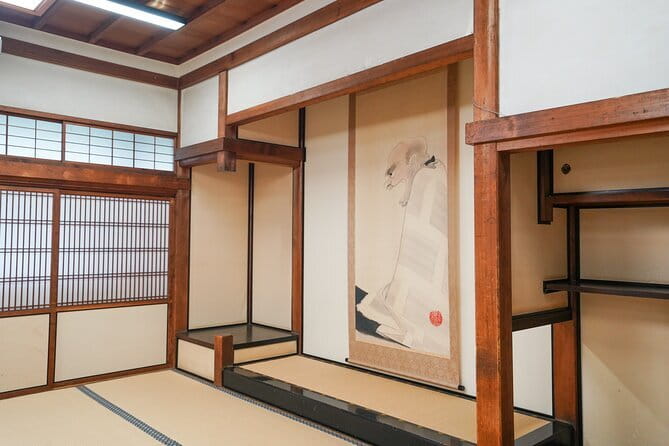
The itinerary also includes a hidden temple and garden, with another 30-minute stop. The exact temple name is not provided, so you should not book this expecting a named landmark with a guaranteed checklist of famous sights.
That uncertainty is not necessarily a weakness. Kyoto has many smaller religious spaces where the pleasure comes from the setting and the pause, not from ticking off a major attraction. A quieter temple can help you notice the qualities the tour is trying to explain: restraint, space, worn surfaces, and the relationship between a garden and the building beside it.
The phrase hidden temple should not lead you to expect a secret place with no other people. The tour can include other participants, and the group size is capped at seven rather than limited to one private party. Still, this stop gives the route a change of rhythm before the final ceremony.
Wear shoes you can walk in comfortably. The experience combines city streets, temple grounds, shops, and a traditional house. The supplied information does not specify the total walking distance or the exact number of stairs, so anyone with mobility concerns should ask the operator before booking. Most people can participate, and the route is near public transportation.
Making matcha in a traditional Japanese house
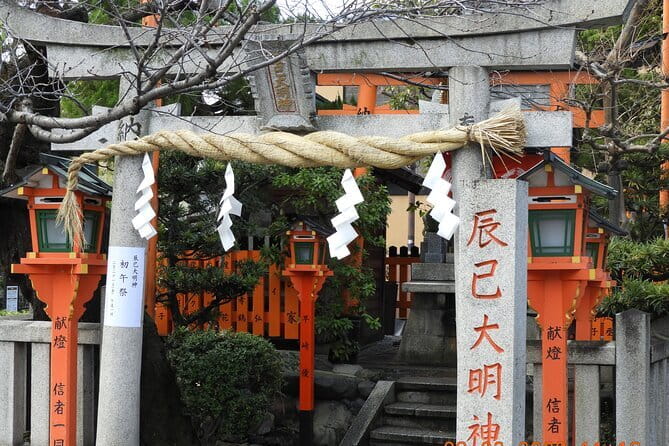
The final hour takes place at Tea Ceremony Chayu. You finish at the tea experience location, near 4-chome-172-7 Kiyomizu, rather than returning to Gion.
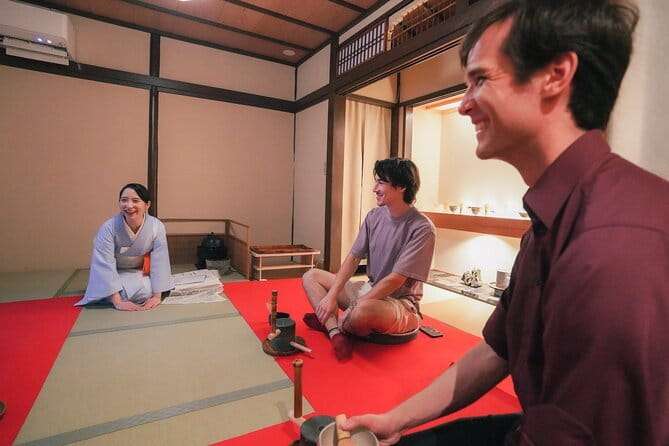
This is the heart of the experience. You drink matcha in a traditional Japanese house and receive instruction from a tea master. The wording points to a hands-on tea-making session, not simply watching someone else prepare a bowl. That makes the ceremony more memorable and gives you a direct sense of the care involved.
The earlier walk prepares you for this moment. You have seen the tea shop, temple spaces, and ceramics. You have heard about wabi-sabi and looked at raku bowls. Now you use that background in a quieter setting, where the bowl, tea, movements, and room work together.
Do not expect a casual café stop. A tea ceremony has its own pace and manners, and the tea master leads the process. Children must be at least 6 years old to take part in the ceremony. Younger children may come on the tour, but one adult must accompany them outside the facility during the tea experience.
Matcha is included, but additional food and drinks are not. If you want a larger snack or a separate meal, plan for it before or after the tour. The end point near Kiyomizu also makes this a useful lead-in to further sightseeing in eastern Kyoto, though no return transport is included.
Group size, guiding, and the pace of the route
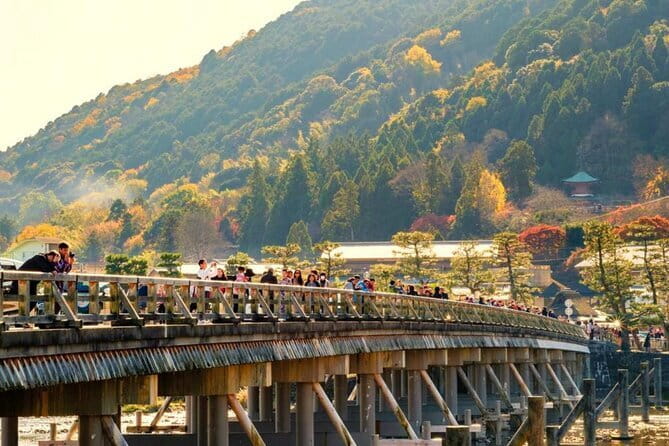
The maximum group size is seven. That is a strong feature for a walking tour that includes temples and a guided ceremony. You have a better chance of standing close enough to hear, asking a question without holding up a large crowd, and getting a photo taken during the outing.
Photos are included, which is handy if you want a few pictures of the experience without constantly managing your phone. The tour uses a mobile ticket, so you can keep the booking on your device.
The guide speaks English and leads the route from the Gion Shijo meeting point to the tea house. The schedule gives about 30 minutes to each of the first four sections and one hour to the ceremony. This is a structured outing, not an open-ended walk. Arrive early. The operator states that the group starts on time and will not wait if you miss it. A late arrival means no joining the tour, no refund, and no rescheduling.
The one clear communication concern deserves attention. One low-rated account found the guide difficult to hear and felt that some site explanations were incomplete. The overall score is 4.9 from 41 ratings, with 98 percent recommending the experience, so that complaint appears to be an exception rather than the main pattern. Still, if detailed spoken history is your top priority, ask questions early and stay close to the guide.
Weather, clothing, and practical planning
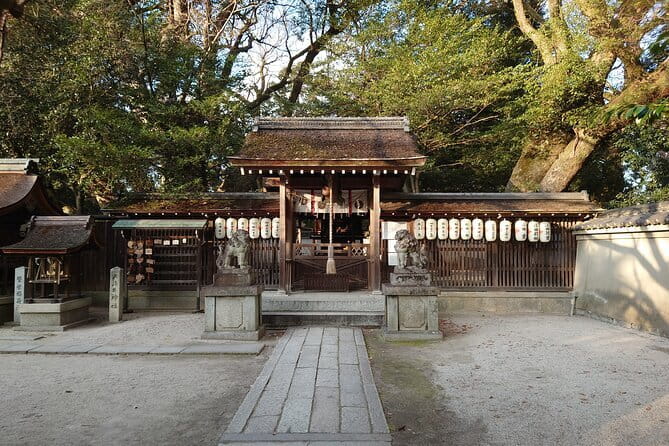
Kyoto’s temperatures can be severe. Summer highs may reach 40°C, while winter lows can fall to -5°C. Dress for the season, and remember that this is a walking tour with outdoor sections. Comfortable footwear is more important than dressing for a formal tea ceremony.
The tour may be canceled for unsafe weather. Free cancellation and rescheduling are available until 24 hours before the start time. If you cancel less than 24 hours ahead, the amount paid is not refunded, and changes made inside that window are not accepted.
The meeting point is convenient for public transportation, at Gion Shijo Station. The finish is in the Kiyomizu area. That one-way design is useful if you plan to continue sightseeing nearby, but less convenient if you need to return to your hotel immediately. Check your next destination before booking so you understand where the tour leaves you.
Who should book this experience
I would choose this tour if you want a compact introduction to several parts of Kyoto culture in one morning or afternoon. It suits first-time visitors who want help with navigation, couples and small families who prefer a limited group, and anyone curious about tea but unsure how a formal ceremony works.
It is also a good fit if you value context over collecting famous sights. The route connects Gion, temples, craft shops, ceramics, and tea in a way that gives each part more meaning.
I would hesitate if you want a long temple visit, a serious pottery workshop, or a private ceremony with plenty of time for questions. The tour moves through several stops in three and a half hours, and the unnamed second temple may matter less to you than a major landmark. It is also not ideal for very young children because those under 6 cannot enter the tea ceremony facility with the participating adult.
Should you book this Kyoto tea and temple walk?
Book it if you want one well-organized introduction to tea culture, especially if you like the idea of connecting matcha with temples, gardens, and handmade ceramics. The small group, included temple admission, tea master instruction, and one-way route give the $94.45 price reasonable value for a visitor who wants convenience and cultural context.
Skip it if you prefer to explore slowly on your own or if you need a guide with extensive, highly detailed commentary at every stop. Arrive early, prepare for Kyoto’s weather, wear comfortable shoes, and remember that the tour ends near Kiyomizu. For many visitors, the real payoff is not just drinking matcha. It is understanding why the bowl, the room, and the quiet steps leading to the tea matter.
FAQ
How long does the experience last?
The tour lasts approximately 3 hours and 30 minutes. The tea ceremony portion takes about 1 hour.
Where does the tour begin?
It begins at the Statue of Izumo-no-Okuni, directly outside Exit 5 of Gion Shijo Station on the Keihan Line.
How do I identify the guide?
The guide carries an orange signboard marked MagicalTrip Tour.
Where does the tour end?
The tour ends at the tea experience location near 4-chōme-172-7 Kiyomizu, in Kyoto’s Higashiyama Ward.
Is temple admission included?
Yes. Admission to two temples is included in the tour price.
Is the tea ceremony included?
Yes. The experience includes a tea ceremony in a traditional Japanese house, matcha, and instruction from a tea master.
What group size should I expect?
The tour has a maximum of seven participants, although other participants may join your group.
Can children join the tea ceremony?
Children must be 6 years old or older to enter the tea ceremony experience. Younger children may join the walking tour, but one adult must remain outside with them during the ceremony.
Is the tour available in English?
Yes. An English-speaking guide leads the experience.
What happens if I need to cancel?
You can cancel for a full refund up to 24 hours before the start time. Cancellations or changes made less than 24 hours before the start time are not accepted for a refund or rescheduling.
More Walking Tours in Kyoto
- Kyoto Geisha Walking Tour: Gion District & Hidden Gems
★ 4.7 · 3,273 reviews - Kyoto: Gion Magical Night Walking Tour with Geisha Trivia
★ 4.9 · 2,393 reviews - Kyoto: Gion Geisha District Walking Tour – Stories of Geisha
★ 4.7 · 2,187 reviews - Night Walk in Gion: Kyoto’s Geisha District
★ 4.5 · 2,003 reviews
Just added around Kyoto
- Sekka Cotton Furoshiki Class★ 5.0 · 19 reviews
- Secret Eastern Kyoto Biking Adventure★ 5.0 · 44 reviews
- Kyoto Sword Experience – includes Museum Ticket/Ninja Experience★ 4.5 · 149 reviews
- Scenic Green Tea Fields of Hidden Kyoto & Local Tea Exp (Private)★ 5.0 · 32 reviews
- Private Sake Tasting in Central Kyoto with Sake Sommelier★ 5.0 · 32 reviews
- Samurai School in Kyoto: Samurai for a Day★ 5.0 · 202 reviews
- SHIRAKAWA Japanese Culture Experiences with private English staff★ 5.0 · 16 reviews
- A Privately Guided Photoshoot in Beautiful Kyoto by a Pro★ 5.0 · 18 reviews
Traditional Crafts, compared.
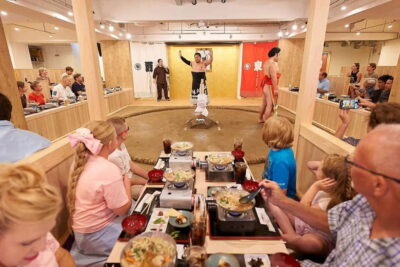
Tokyo Sumo Experience: Chanko & Mochi with a Former Pro
Our verdict →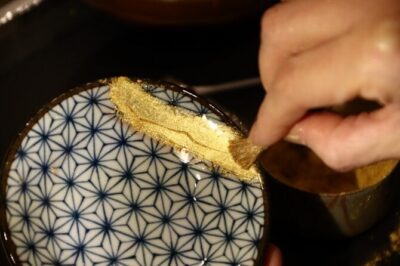
Kintsugi Experience: Art of Golden Joinery in Tokyo
Our verdict →

Matcha Making Experience with Mochi Sweets in Asakusa
Our verdict →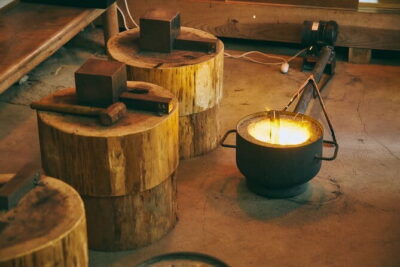
Authentic knife making experience at a blacksmith in Kyoto
Our verdict →
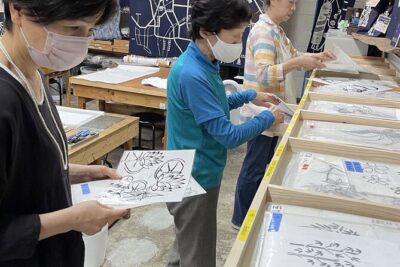
Roketsu dyeing experience: M course Roketsu Dyeing Experience
Our verdict →Browse the lists this tour appears in