
Reviewed · SUMO EXPERIENCES
Tokyo Sumo Experience: Chanko & Mochi with a Former Pro
Tokyo Sumo Experience: Chanko & Mochi with a Former Pro
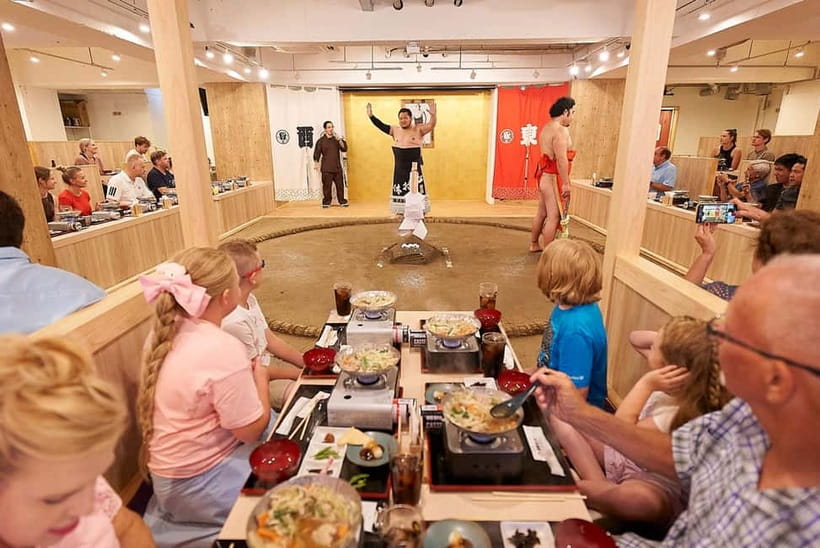
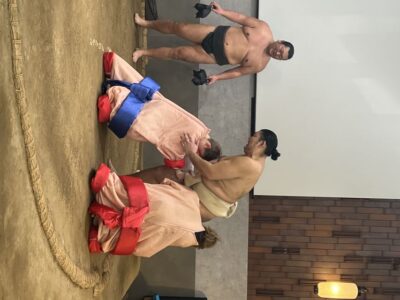
The best part of this two-hour event is the chance to see sumo wrestlers at close range, not from the far side of a huge arena. You eat chanko nabe beside the dohyo, watch real techniques, pound mochi, and, if you like, step into the ring yourself for a friendly match.
I like the mix of food and hands-on activity. The hot pot gives you a taste of the wrestlers’ daily diet, while the mochi making and sumo bout keep the evening moving. It also works well for families, since children and adults can take part.
The main consideration is that this is an entertaining cultural show, not a serious morning training visit at an active stable. Seating is assigned, so you cannot choose your place, and standard seats are not suitable for holding a child on your lap.
Key points to know before booking
- Former professional wrestlers lead the event, explaining sumo training, food, techniques, and daily life.
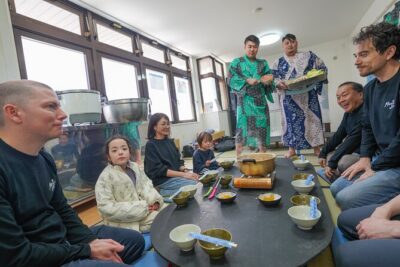
- Chanko nabe is served during the show, giving you a filling Japanese hot pot meal rather than a simple snack.
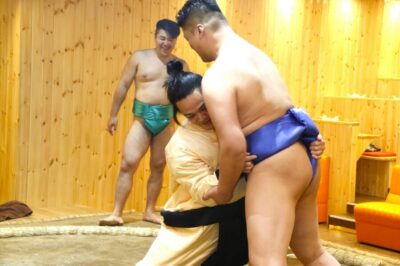
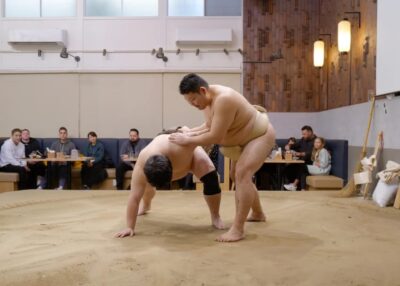
- You can step onto the dohyo for a controlled, humorous wrestling match with a sumo wrestler.
- Mochi pounding is a real group activity, followed by sweet mochi for dessert.
- Ryogoku Station is close by, with a large sumo sign and flags marking the first-floor venue.
- Vegetarian, vegan, and gluten-free meals require notice at least two days ahead, while halal meals are not available.
Why Ryogoku is the right place for a sumo evening
Ryogoku is Tokyo’s sumo district. The location matters because you are not being asked to learn about sumo in an unrelated restaurant or theater. You are in the part of the city most closely tied to the sport, with easy connections to Asakusa, Akihabara, Nihonbashi, and Tokyo Skytree.
The venue is on the first floor, a short walk from Ryogoku Station. Look for the large sumo wrestler sign and flags. One useful tip is to arrive early enough to find the entrance without rushing. The sign helps, but the area can still take a moment to sort out if you are unfamiliar with Ryogoku.
The activity lasts two hours, which makes it easy to fit around other Tokyo plans. You could pair it with Asakusa earlier in the day, visit nearby sightseeing spots, or use it as an evening meal and cultural stop. Since starting times vary, check the available session when booking.
More Craft Workshops in Tokyo
- Kintsugi Experience: Art of Golden Joinery in Tokyo
★ 5.0 · 467 reviews - Tokyo Chopstick Making Workshop with Artisan
★ 5.0 · 466 reviews - Tokyo: Matcha Making Experience with Mochi Sweets in Asakusa
★ 4.9 · 388 reviews
Chanko nabe gives the event a real taste of sumo life
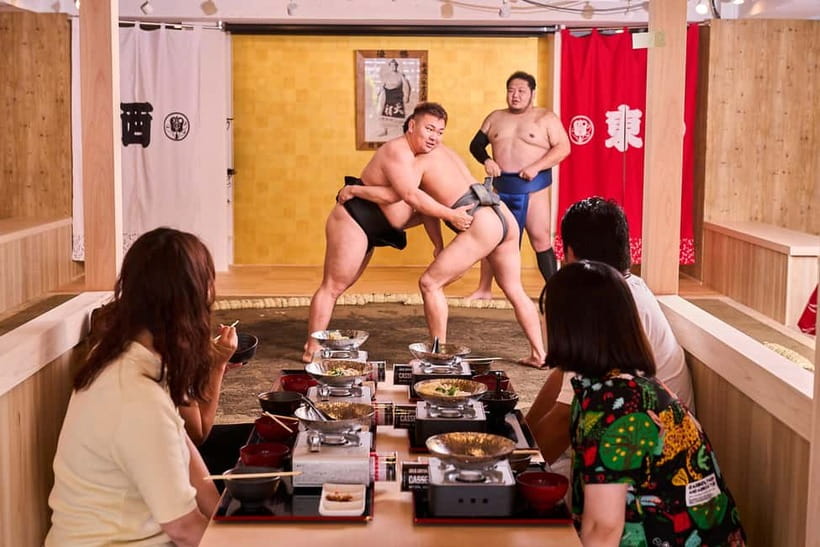
The meal is chanko nabe, the hot pot traditionally associated with sumo stables. It is served while the demonstrations take place, so you are not sitting through a show on an empty stomach.
The dish is described as delicious, healthy, fresh, and filling. That combination matters at this price. At $103 per person, the meal helps make the experience feel like more than a short performance followed by a photo opportunity.
Chanko nabe is also a useful window into sumo culture. Food is part of a wrestler’s training routine, and the meal lets you connect the physical size and strength of the wrestlers with what they eat. You are not simply watching a match. You are getting a small look at the daily structure behind the sport.
The meal may include a complimentary sour plum drink. If you have an alcohol allergy, ask about the drink before accepting it, since one participant could not have it. Vegetarian, vegan, and gluten-free food can be prepared if you notify the provider at least two days before the reservation date. Halal meals cannot be provided, although you may bring your own food.
The sumo demonstrations explain more than a match
The wrestlers demonstrate sumo techniques and sample training movements before the audience participation begins. This is one of the strongest parts of the program because it gives context to what you are seeing.
A sumo bout can look simple from a distance: two large athletes push until one leaves the ring. Up close, the balance, footwork, timing, and force become easier to appreciate. The demonstration lets you see some of the techniques before anyone is invited to try them.
The event also covers sumo training, diet, techniques, and the wrestlers’ lifestyle. English and Japanese are available, so you can follow the explanations without needing Japanese language skills. The host helps keep the pace lively and encourages participation without making the evening feel like a formal lecture.
You should set your expectations correctly. This is not a silent, traditional training session where you watch wrestlers practice for several hours. It is designed as an accessible and funny introduction for adults and children. If you want a serious look at professional training, a morning stable visit would be more suitable. If you want to understand the basics while taking part, this format is the better fit.
Mochi pounding is the most unusual hands-on activity
The mochi portion begins with a demonstration of the traditional pounding process. Cooked rice is worked with a large wooden mallet until it becomes sticky and smooth. The wrestlers show how the process works, then invite participants to take a turn.
This is more than a dessert course. Mochi making gives you a physical activity that feels distinctly Japanese, and it is easy for children to understand. You do not need special knowledge or athletic ability. You simply follow the instructions, take a turn, and enjoy the finished sweet mochi afterward.
The activity also creates some of the best photo opportunities. You can photograph the mochi demonstration and the interaction with the wrestlers, although you should bring your own camera because one is not provided. Comfortable clothing is a sensible choice, especially if you expect to participate in every activity.
The pounding can be a favorite part of the evening because it is less intimidating than wrestling. It gives shy participants an easy way to join in before deciding if they want to step onto the dohyo.
More Sumo Experiences in Tokyo:
- Tokyo: Sumo Show Experience with Chicken Hot Pot and a Photo
★ 4.8 · 6,678 reviews - Tokyo: Sumo Show and Dining Experience
★ 4.8 · 2,742 reviews - the SUMO show
★ 5.0 · 1,960 reviews - Tokyo Shinjuku Sumo Show & Experience with Photo
★ 5.0 · 1,750 reviews
Stepping onto the dohyo is optional, but worth considering
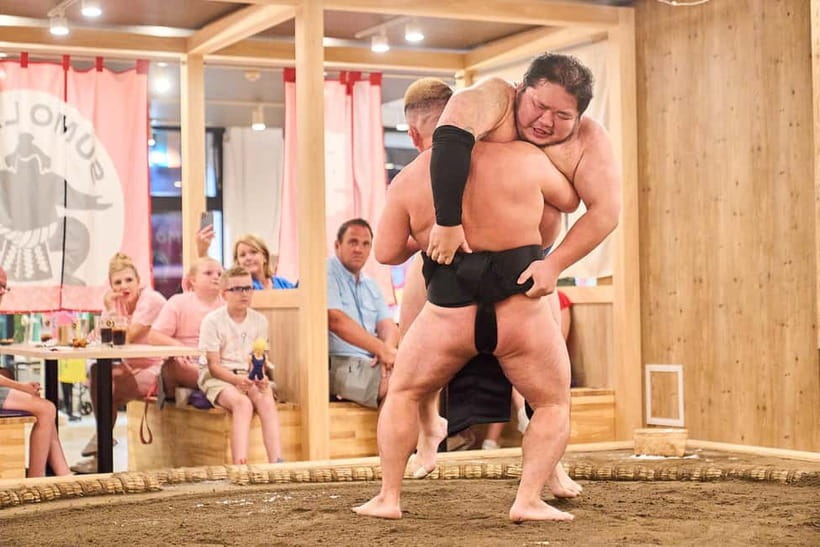
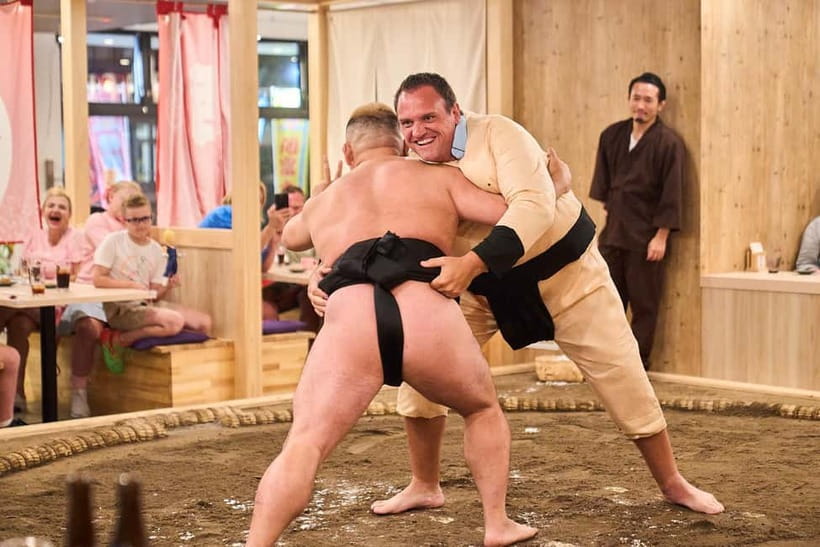
The sumo wrestling portion is the big audience draw. Volunteers are invited onto the dohyo to try sumo techniques and face a wrestler in a controlled bout.
You do not need to be athletic, and you do not have to take part. You can watch the demonstrations and support other participants from your seat. The tone is playful and carefully managed, with the wrestlers and host guiding the action.
If you do participate, expect the wrestler to make the contest entertaining rather than dangerous. The point is not to defeat a former professional. It is to feel the difference in size, balance, and power while giving the audience a good laugh.
Adults and children can participate, which makes the event a good choice for families with different interests. Children as young as six have enjoyed the food and show, and older children and teenagers can take part in both the wrestling and mochi activities. Still, the venue provides an important seating warning: standard seats are not safe for holding a child on your lap. Reserve a place for every person. Box seats can hold up to six people and are safe for a child on an adult’s lap.
Assigned seating affects how you plan the visit
Your seat is assigned by the venue. You cannot request a specific location, so do not book this expecting to select a front-row place or sit beside a particular part of the dohyo.
That does not cancel out the value of the event, but it is worth knowing before you arrive. The room is arranged around the ring, and your view will depend on the seat assigned to you. If sitting together matters, book the correct number of places and check the box-seat option if it suits your group.
The seating rule is particularly important for families. Standard seats require each person to have a reservation, even if a child might normally sit on a parent’s lap. Box seats offer more flexibility and can accommodate up to six people.
Smoking is not allowed. The venue is not suitable for wheelchair users, so anyone with mobility concerns should take that limitation seriously before paying.
What the $103 price includes
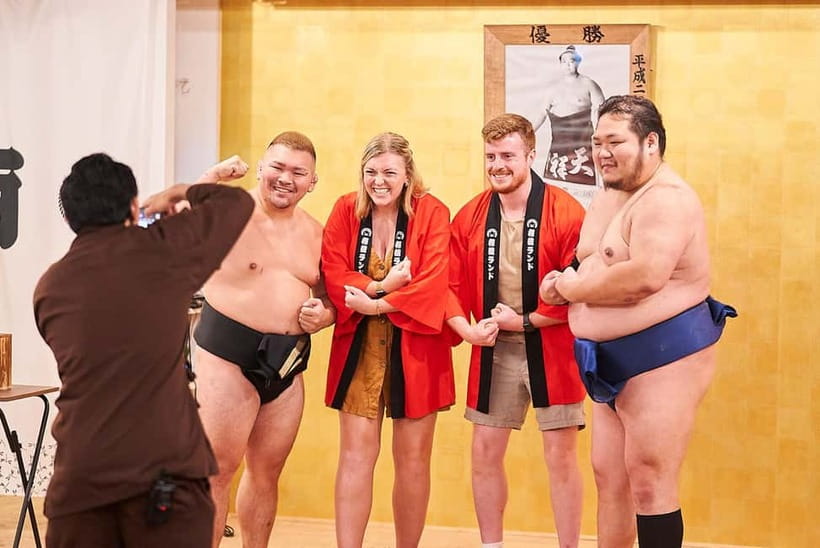
The cost is $103 per person for two hours. That is not a cheap drop-in activity, but it includes several parts that would otherwise be separate: a sumo performance, explanations from former professionals, chanko nabe, mochi making, sweet mochi, and the chance to wrestle.
I see the strongest value for people who plan to participate. If you only want to sit and watch, the price may feel high compared with a simple cultural show. If you eat the meal, join the mochi activity, try the techniques, and step onto the dohyo, the experience fills the full two hours and feels more worthwhile.
The food also makes the price easier to judge. You are receiving a proper hot pot meal rather than a small tasting plate, and the meal is part of the cultural lesson. The format can also save you the trouble of arranging separate sumo-related activities around Tokyo.
A group of friends, a family, or a work team can get extra value from the shared participation. The evening includes enough laughter and audience involvement to work as a group outing, not just an individual sightseeing stop.
Who will enjoy this most
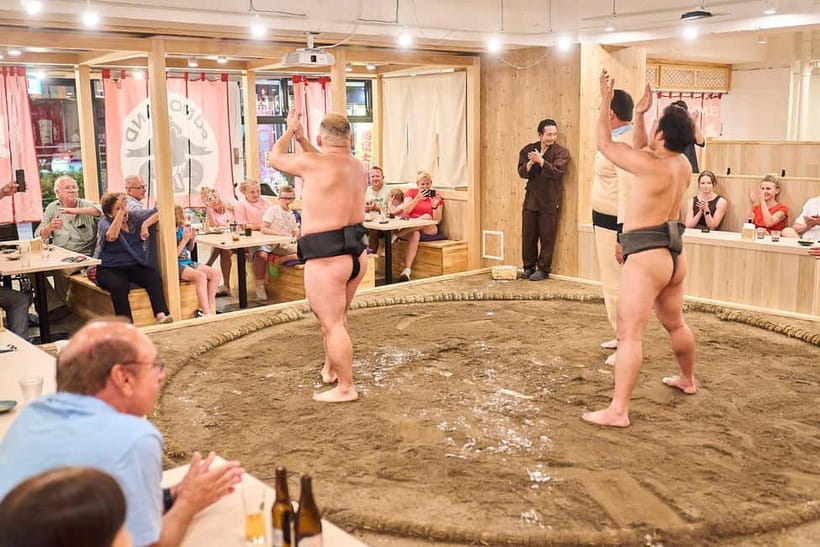
I would recommend this to first-time visitors who want a clear introduction to sumo without attending a full tournament. It is also a good choice if your Tokyo dates do not line up with a tournament in January, May, or September.
Families are well suited to the event. Children can watch the demonstrations, eat the hot pot, pound mochi, and try wrestling if they wish. Adults who normally avoid audience participation can simply watch, while more outgoing members of the group can take the active role.
It also suits visitors who want a meal with their cultural activity. You are not spending two hours on a lecture. The food, demonstrations, mochi, and wrestling break up the program and keep it social.
You may want to choose another activity if you are looking for a quiet or highly traditional experience. The host encourages laughter and participation, and the event is built for entertainment. It is not intended to reproduce a serious training visit inside a sumo stable.
Practical planning for your two hours
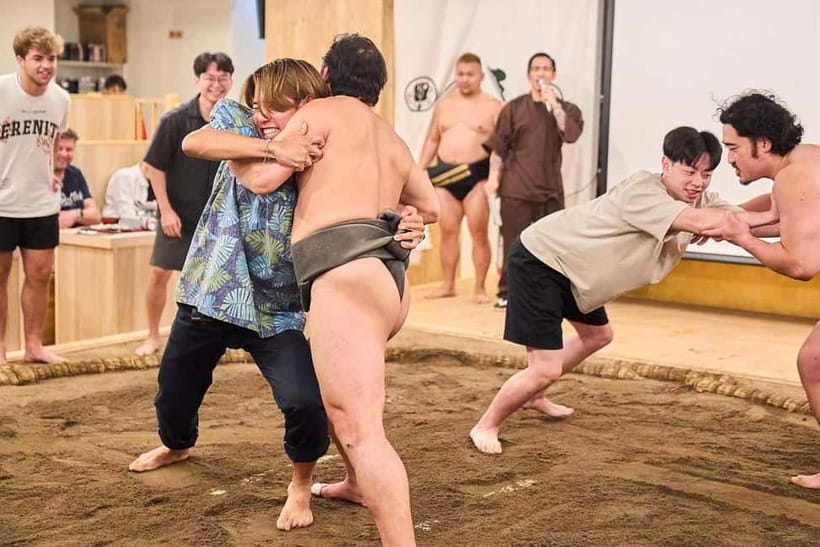
Wear comfortable clothes if you think you will wrestle or pound mochi. Bring a camera for photographs with the wrestlers and around the dohyo.
Allow enough time to walk from Ryogoku Station and locate the first-floor entrance marked by the sumo sign and flags. The station area is convenient, but arriving at the last minute could make the entrance harder to spot.
Tell the provider about vegetarian, vegan, or gluten-free needs at least two days in advance. Halal food is not available, though you may bring your own food. If you have allergies, ask about the included drink and meal ingredients before the event begins.
The activity is offered in English and Japanese. Free cancellation is available up to 24 hours before the start time, and you can reserve now and pay later, which helps if your Tokyo schedule is still changing.
Should you book the Tokyo Sumo Experience?
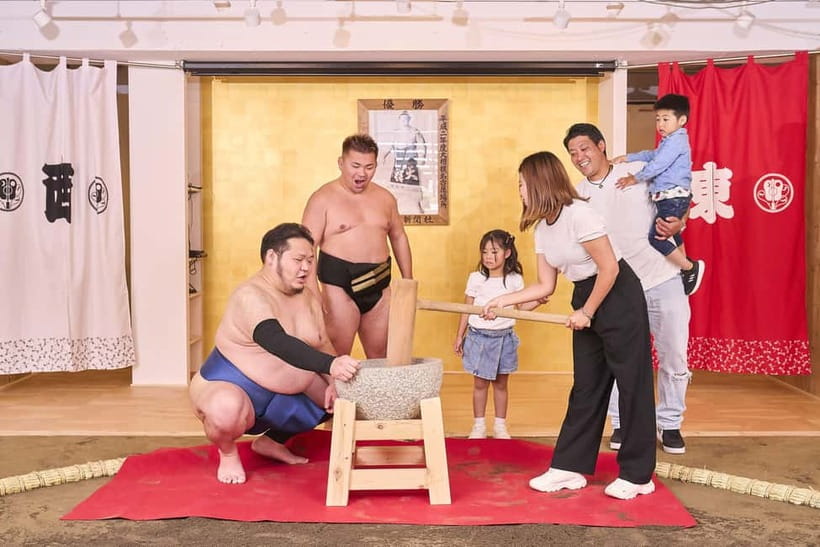
Book it if you want sumo explained in a friendly, hands-on way, especially if you are visiting Tokyo outside tournament season. The combination of chanko nabe, former professionals, mochi pounding, and a chance to wrestle gives you much more to do than simply watch a short demonstration.
I would be especially comfortable recommending it to families, groups, and first-time sumo fans. The main reasons to hesitate are the $103 price, assigned seating, limited accessibility, and the fact that this is an entertaining presentation rather than serious training.
For the best value, arrive ready to participate. Eat the chanko nabe, try the mochi pounding, volunteer for the techniques, and step onto the dohyo if you are comfortable. That is when the two-hour format earns its price.
FAQ
How long does the Tokyo Sumo Experience last?
The activity lasts two hours.
Where does the sumo experience take place?
It takes place in Ryogoku, near Ryogoku Station. The venue is on the first floor and is marked by a large sumo wrestler sign and flags.
What food is included?
Chanko nabe is served as the meal, followed by sweet mochi made during the mochi activity.
Can I participate in sumo wrestling?
Yes. You can step onto the dohyo and try sumo techniques or a friendly wrestling match with the wrestlers. Participation is optional.
Are vegetarian, vegan, or gluten-free meals available?
Yes, these meals can be provided if you notify the provider at least two days before the reservation date.
Can I choose my seat?
No. Seats are assigned by the venue, and specific seats cannot be requested.
Is the activity suitable for wheelchair users?
No. The activity is not suitable for wheelchair users.
Just added around Tokyo
- Kawagoe Japanese Food Tour : Unagi Kaiseki and Sake near Tokyo★ 5.0 · 30 reviews
- Kawagoe 4hr Private Tour with Licensed Guide (Kawagoe Dep)★ 5.0 · 13 reviews
- Little EDO Sushi Making workshop in Kawagoe★ 5.0 · 18 reviews
- 【R34】Tokyo:Private Daikoku tour in Modified R34★ 4.9 · 92 reviews
- :Tokyo,Shibuya/ Pro Photography in Kimono / English-Friendly★ 5.0 · 26 reviews
- Tokyo:Celebrate Unique Japanese New Year Tradition Festivity★ 3.9 · 20 reviews
- Tokyo: Allstar Food Tour★ 4.7 · 29 reviews
- Tokyo: West-Side Cycling and Food Tour with Guide★ 5.0 · 37 reviews
Sumo Experiences, compared.
Sumo Show Experience with Chicken Hot Pot and a Photo
Our verdict →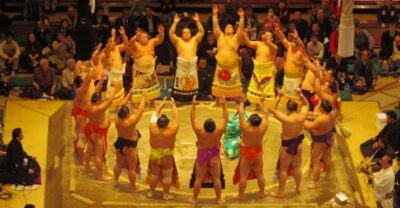
Authentic Sumo Experience in Tokyo: Enter the Sanctuary
Our verdict →
Browse the lists this tour appears in