
Reviewed · SUMO EXPERIENCES
Tokyo: Sumo Show and Dining Experience
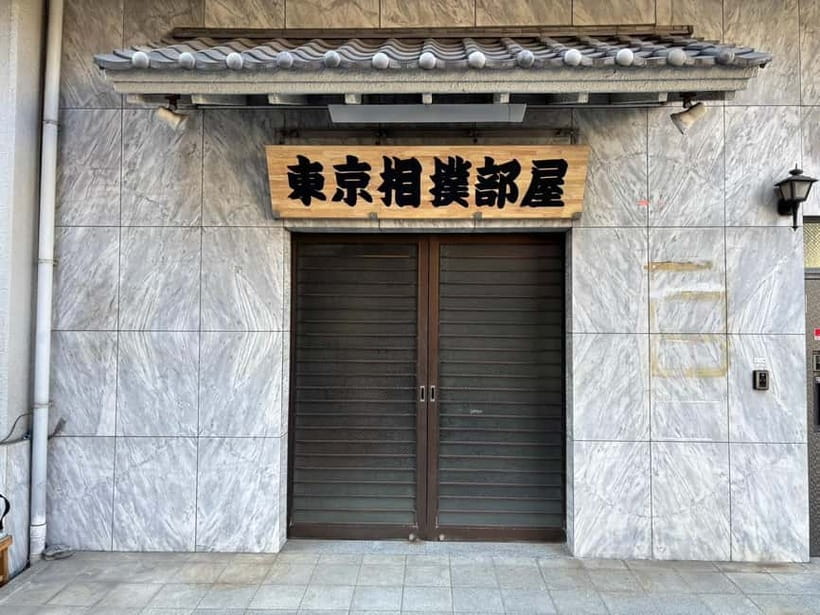
The best part of this experience is the close-up look at sumo as a sport, not just as a spectacle. At Tokyo Sumo Room, former Makuuchi wrestler Tokitsumi helps explain the rules and traditions before retired rikishi demonstrate their strength, technique, and comic timing. You may even step into the ring and try a bout yourself.
I like the small, friendly setting, where the action is near enough to feel real rather than staged at a distance. I also like the combination of English instruction and Japanese food, especially the chanko-nabe-style meal served with the dinner option. The main thing to watch is the booking choice: the 11:00 AM and 7:00 PM shows can include food, but the 3:00 PM show does not.
Key points to know before you book
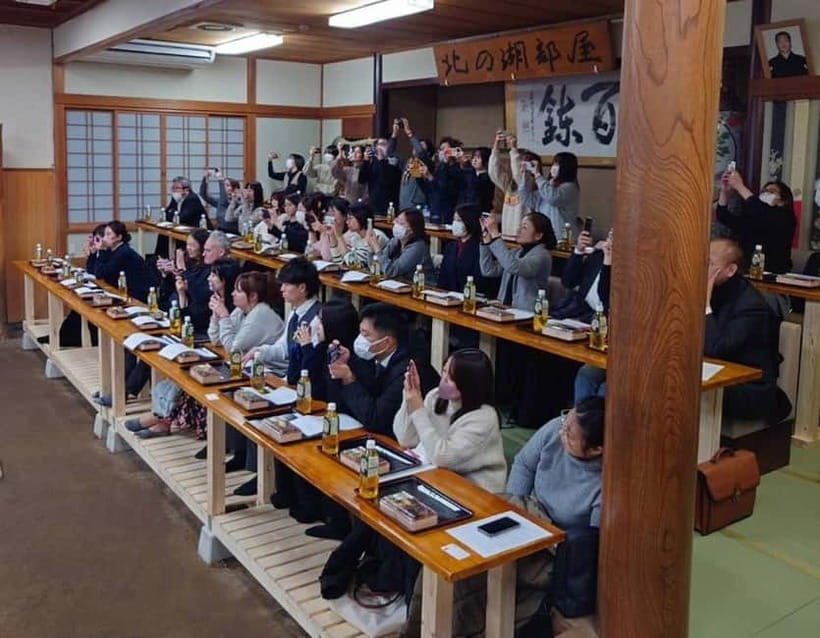
- Former wrestler at the helm: Tokitsumi, a former Makuuchi sumo wrestler, operates the venue and presents its cultural background.
- Audience participation matters: You can watch the demonstrations or volunteer to practice and wrestle with a retired rikishi.
- Food depends on the time: Meal options are available for the 11:00 AM and 7:00 PM shows, not the 3:00 PM show.
- Kiyosumi-Shirakawa setting: The venue is easy to reach by public transport and sits in one of eastern Tokyo’s popular cultural districts.
- English support: The instructor and presentation are in English, making the rules easier to follow.
- Good for mixed ages: Families, solo visitors, and groups can all take part, with wheelchair access available.
What Tokyo Sumo Room actually offers
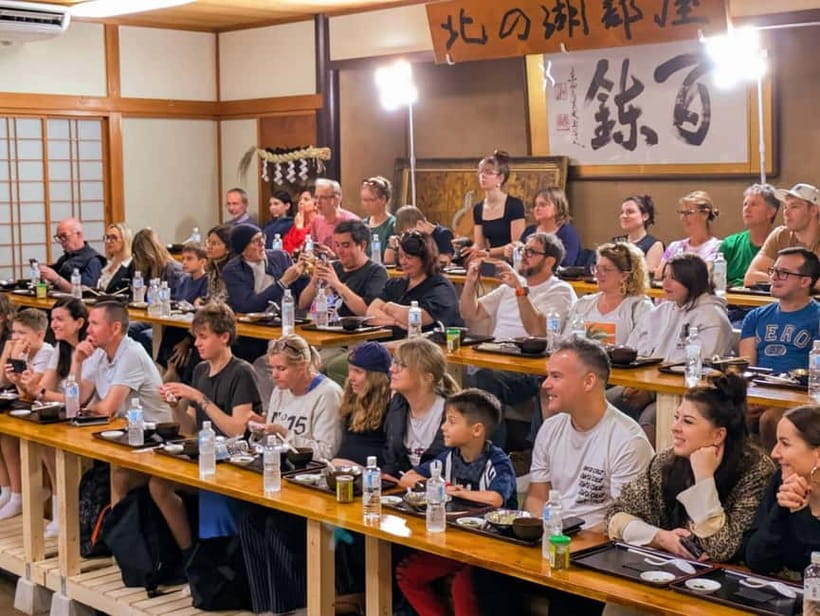
Tokyo Sumo Room is part restaurant, part cultural lesson, and part live sporting show. It is operated by former Makuuchi wrestler Tokitsumi, so the event has a direct connection to the sumo world rather than being a generic Japanese-themed dinner.
That distinction matters. You are not simply watching two large athletes push each other around for a few minutes. The program explains the customs, movements, rules, and training behind sumo, then lets you see those ideas in action.
The presentation is designed for an international audience. English is used throughout, and the host explains the sport in a lively way. The tone is friendly and often funny, which helps make a formal Japanese tradition easier to understand.
The venue is in Kiyosumi-Shirakawa, a district in eastern Tokyo known for galleries, cafés, and a calmer feel than the central shopping zones. You will need to arrange your own transport, but the area is accessible by public transport. I would allow enough time to arrive without rushing, especially if you are fitting the show between other Tokyo plans.
More Dinner Experiences in Tokyo
- Tokyo Bar Hopping Tour in Shinjuku (All-You-Can-Drink + Dinner)
★ 5.0 · 3,587 reviews - Sumida River: Japanese Traditional Yakatabune Dinner Cruise
★ 4.6 · 779 reviews - Tokyo Bay Yakatabune Dinner/Day Cruise with Japan Show and Drinks
★ 4.5 · 473 reviews
The opening lesson: rules, ritual, and training
The experience begins with an introduction to sumo history and basic rules. This is an important part of the program because sumo can look simple until you learn what counts as a winning move and how much ceremony surrounds each bout.
You learn about the sport’s traditions and get a clearer sense of why wrestlers perform certain movements before fighting. The explanations also give context for the athletes’ training. Sumo is not just about size. Balance, timing, footwork, leg strength, and the ability to absorb force all matter.
Some of the most useful parts of the program focus on training. You see demonstrations connected to the physical work sumo wrestlers do to get into shape, rather than only watching a polished match. That makes the sport easier to respect as a demanding athletic discipline.
The host’s role is central here. The presentation is informative without becoming a lecture, and the humor keeps the pace moving. If you know little about sumo, you can follow along. If you already watch tournaments, you will still appreciate seeing the customs explained in a more personal setting.
The main show, up close
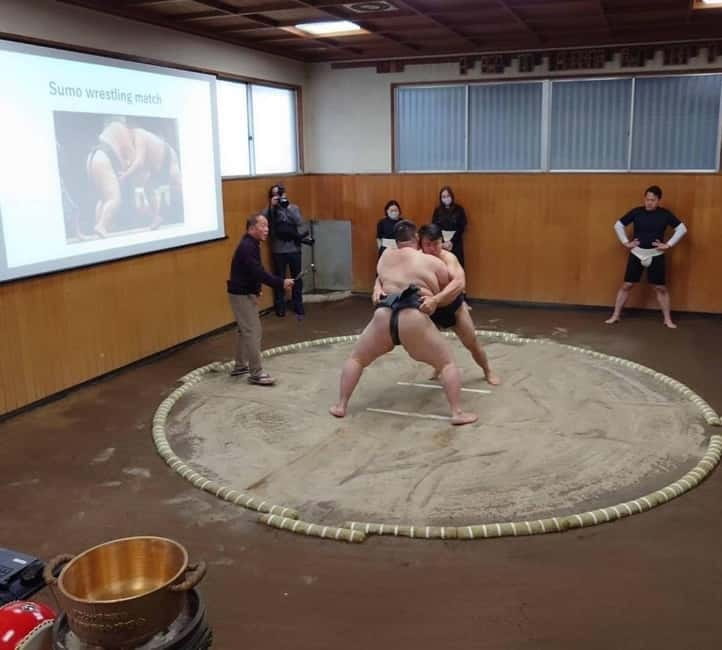
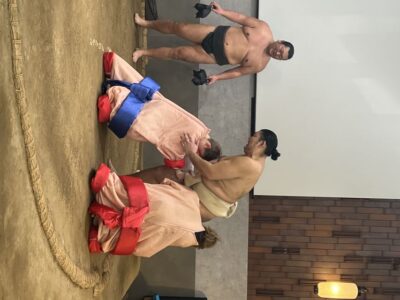
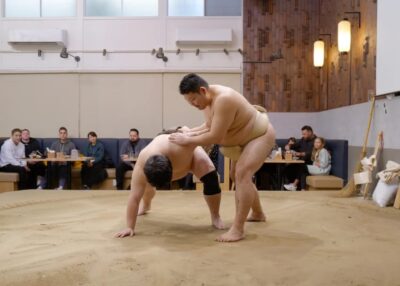
After the introduction, the rikishi demonstrate sumo techniques and take part in several contests. The exact number of wrestlers can vary, but the experience commonly features two former sumo wrestlers, with some sessions including three.
The small room is a real advantage. You are close to the action, so you can see the force behind each movement. There is no distant arena atmosphere here. Instead, you get a compact setting where the wrestlers can react to the audience and keep the mood light.
The bouts are presented as entertainment, but the athletic skill remains clear. Even a short exchange shows how hard it is to move someone who has trained for sumo. The humor does not erase the sport. It gives you an easy way into a tradition that can otherwise seem formal or difficult to read.
The wrestlers also joke with one another and with the audience. That interaction is one of the strongest parts of the event. The show feels welcoming rather than stiff, and people who know nothing about sumo are not left sitting quietly at the edge of the room.
Should you step into the ring?
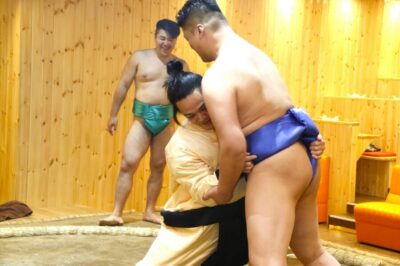
If you are willing, audience participation is the part I would not skip. You may be invited to practice sumo movements or challenge one of the retired wrestlers. This is not a serious contest, of course, but it gives you a quick lesson in how much strength and balance the sport requires.
The experience may include a mawashi, the traditional belt used in sumo. One participant described it as less uncomfortable than expected, but you should still wear comfortable clothing and be ready for a physical activity. Comfortable shoes are specifically recommended, and you should bring a camera if you want photos.
You do not have to wrestle. Watching other people take part can be just as entertaining, especially when children or family members enter the ring. Still, I think the participation option adds real value because it changes the event from a performance you watch into a cultural activity you remember.
The wrestlers control the pace, so you are not expected to match their strength. Their role is to show you the contrast between an ordinary visitor and a trained rikishi. Expect good-natured comedy, not a competitive fight.
The venue may hold more than 20 people, though one session had only eight participants. A smaller group makes the interaction easier and gives you more room to ask questions or volunteer. Group size can vary, so do not assume every time slot will feel equally intimate.
More Sumo Experiences in Tokyo:
- Tokyo: Sumo Show Experience with Chicken Hot Pot and a Photo
★ 4.8 · 6,678 reviews - the SUMO show
★ 5.0 · 1,960 reviews - Tokyo Shinjuku Sumo Show & Experience with Photo
★ 5.0 · 1,750 reviews - Tokyo: Sumo Show and Experience in Shinjuku
★ 4.8 · 1,001 reviews
The Japanese meal and chanko-nabe connection
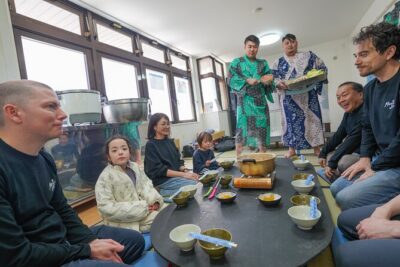
The dining element gives the experience more substance than a show alone. Meal selections at the 11:00 AM and 7:00 PM sessions include Japanese cuisine designed to fit the sumo theme. Food can include dishes inspired by chanko-nabe, the hearty hot pot traditionally associated with sumo wrestlers.
The chanko-style meal is one of the most useful cultural links in the program. It helps explain how food connects to the daily life and training of a rikishi. It is also practical: after watching a physical demonstration, a filling meal makes the event feel like a complete outing rather than a short stage performance.
The meal has received strong praise for taste and quantity. Some diners were offered second servings, and one dinner included enough food for several people to enjoy multiple helpings. Sake may also be available as a personal purchase, though personal expenses are not included in the activity price.
Vegetarian options are available by request and can also be modified on the day. I would still mention your needs when booking, since food arrangements are easier when the venue knows in advance.
Pay close attention to the selected time and meal wording. The 3:00 PM show has no meal plan. There has also been confusion around descriptions of the show with dinner, so check the exact option before paying. If the meal matters to you, choose the 11:00 AM or 7:00 PM meal option and confirm what it includes.
Why the setting works for families and solo visitors
This is a strong choice for families because the event has several layers. Children can watch a physical show, learn a few basic rules, see the wrestlers train, and possibly join the action. Adults get the cultural background and food, while the jokes keep the experience from feeling too serious.
The program also works well for a solo visitor. One person who ended up attending alone still received a warm welcome and full participation in the event. The informal format makes it easier to talk with the host and other people in the room.
Three generations can enjoy it together because the show does not depend on advanced knowledge of Japanese sport. The explanations are in English, the demonstrations are visual, and the humor works across age groups.
It is also a good pick for a first day in Japan. The activity gives you an early introduction to Japanese customs, food, and a traditional sport without requiring you to understand a tournament schedule. You can learn the basics here, then watch professional sumo later with a better eye for what is happening.
How the price measures up at $79
At $79 per person, this is not the cheapest meal or cultural presentation in Tokyo. The value depends on what you want from the outing.
If you only want to watch a few minutes of sumo, the price may feel high. You are paying for a longer package of instruction, demonstrations, audience interaction, and, on selected show times, Japanese food. The former wrestler connection and chance to meet retired rikishi also add something that a video or museum visit cannot provide.
I think the price is reasonable for visitors who would otherwise pay separately for a Japanese dinner and a cultural activity. The meal, when included, makes the cost easier to justify. The chance to participate makes it more appealing for families and groups.
The value drops if you choose the 3:00 PM show expecting food. That time is useful for a shorter cultural stop, but you will need to budget separately for eating afterward. Check the booking details carefully rather than assuming every show includes dinner.
The activity lasts about 90 minutes to two hours. That is long enough to feel worthwhile but short enough to fit into a busy Tokyo day. The program’s compact length also helps if you are traveling with children or combining it with nearby Kiyosumi-Shirakawa sights.
Practical details that affect your visit
Book ahead if you have a fixed schedule. The venue is popular, and advance booking helps secure the time and meal option you want.
Transportation is not included. You are responsible for reaching the venue in Kiyosumi-Shirakawa, though the area is accessible by public transport. Check the route before leaving, especially if you are coming from western Tokyo or making a connection during the evening.
Wear comfortable shoes and clothing that allows easy movement. You may only watch, but the audience participation can involve stepping into the ring and practicing with the wrestlers.
Bring a camera. The close setting creates good chances for photos, and the hosts may help record participation. Personal expenses, including anything outside the included meal, are extra.
Smoking is not allowed indoors. The venue is wheelchair accessible, which makes this a useful option for visitors who need step-free access. If you have specific mobility needs, it is still sensible to confirm arrangements before arrival.
Free cancellation is available up to 24 hours before the activity for a full refund. A reserve-now, pay-later option is also available, which helps if your Tokyo plans are still shifting.
Who will enjoy it most
I would recommend this to anyone curious about Japanese culture but not eager to sit through a long formal lecture. The show gives you useful facts, physical demonstrations, and plenty of laughs in one sitting.
It is especially suited to:
- Families looking for an activity children can understand and join
- First-time visitors who want a simple introduction to sumo
- Solo visitors who prefer a welcoming group setting
- Food-focused visitors choosing the 11:00 AM or 7:00 PM meal option
- Sumo fans who want close contact with retired wrestlers
- Visitors with limited time who need an activity lasting under two hours
It may be less suitable if you want to watch a full professional tournament bout in a large arena. This is a cultural show and hands-on demonstration, not a day at a major sumo tournament. The friendly comedy and audience involvement are central to the format.
Should you book Tokyo Sumo Room?
Book it if you want sumo explained in plain English, close-up demonstrations, Japanese food, and the chance to test your balance against a retired rikishi. The strongest reasons to go are the personal setting, the welcoming hosts, and the way the show connects sport with food and tradition.
Choose the 11:00 AM or 7:00 PM meal option if dining is part of your plan. Pick the 3:00 PM show only if you want the performance and lesson without food, or if you have another meal arranged.
I would not treat this as a substitute for a professional tournament. I would treat it as a lively introduction to sumo that gives you context, a few laughs, and a story to take home. At $79, it makes the most sense for families, first-time visitors, and anyone who values personal interaction over a passive show.
FAQ
Where is Tokyo Sumo Room located?
Tokyo Sumo Room is located in Kiyosumi-Shirakawa in Tokyo, on Honshu. The venue is accessible by public transport.
How long does the sumo experience last?
The activity lasts between 90 minutes and two hours, depending on the scheduled program.
Is the experience conducted in English?
Yes. The instructor and presentation are in English.
Does every show include a meal?
No. Japanese cuisine is available with the meal options for the 11:00 AM and 7:00 PM shows. No meal plan is available for the 3:00 PM show.
What type of food is served?
The menu features Japanese cuisine, including hearty dishes inspired by chanko-nabe, the traditional hot pot associated with sumo wrestlers.
Are vegetarian options available?
Yes. Vegetarian options are available upon request and can also be modified on the day of the visit.
Can I participate in the sumo demonstrations?
Audience participation is available as part of the experience. You may have the chance to practice or wrestle with a retired sumo wrestler, though you can also simply watch.
Is the venue wheelchair accessible?
Yes. Tokyo Sumo Room is wheelchair accessible.
Can I cancel my booking?
You can cancel up to 24 hours in advance for a full refund. A reserve-now, pay-later option is also available.
More Shows & Performances in Tokyo
- Tokyo: Samurai Restaurant Show Ticket with 2 Drinks
★ 4.5 · 1,307 reviews - Tokyo:Luxury Sumo Show Experience & Japanese cuisine & Drink
★ 4.7 · 577 reviews - Tokyo: Samurai Entertainment Night Show in Kanda Shrine
★ 4.6 · 417 reviews - Tokyo Dinner Cruise & Tradition Show & Drinks & Tokyo Tower
★ 4.7 · 315 reviews
Just added around Tokyo
- Kawagoe Japanese Food Tour : Unagi Kaiseki and Sake near Tokyo★ 5.0 · 30 reviews
- Kawagoe 4hr Private Tour with Licensed Guide (Kawagoe Dep)★ 5.0 · 13 reviews
- Little EDO Sushi Making workshop in Kawagoe★ 5.0 · 18 reviews
- 【R34】Tokyo:Private Daikoku tour in Modified R34★ 4.9 · 92 reviews
- :Tokyo,Shibuya/ Pro Photography in Kimono / English-Friendly★ 5.0 · 26 reviews
- Tokyo:Celebrate Unique Japanese New Year Tradition Festivity★ 3.9 · 20 reviews
- Tokyo: Allstar Food Tour★ 4.7 · 29 reviews
- Tokyo: West-Side Cycling and Food Tour with Guide★ 5.0 · 37 reviews
Sumo Experiences, compared.
Sumo Show Experience with Chicken Hot Pot and a Photo
Our verdict →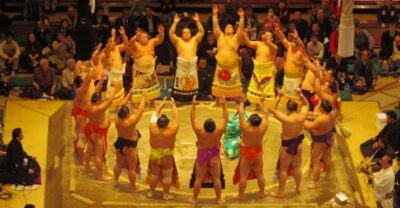
Authentic Sumo Experience in Tokyo: Enter the Sanctuary
Our verdict →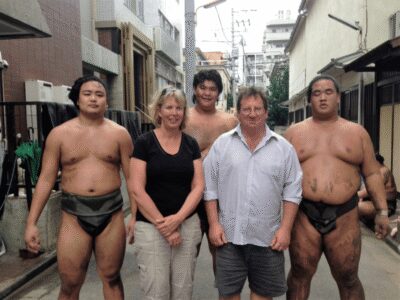
Browse the lists this tour appears in