
Reviewed · SUMO EXPERIENCES
Tokyo: Sumo Experience and Chanko Nabe Lunch
Sumo is far more than two large men pushing each other from a ring. This two-hour Tokyo experience explains the rituals, rules, training, and meaning of the sport through demonstrations by former professional wrestlers. You can even step into the ring for a playful match, though you should expect to lose quickly and cheerfully.
I like the close-up setting and the clear English instruction. I also like that lunch is part of the experience, not an afterthought: the wrestlers prepare Chanko Nabe, the hearty hot pot associated with sumo life. The main consideration is timing. The session starts at 1:00 PM, and you need to arrive before the doors open at 12:40 PM.
Key points
- Learn sumo from former professionals: Get plain-English explanations of rules, rituals, training, and competition.
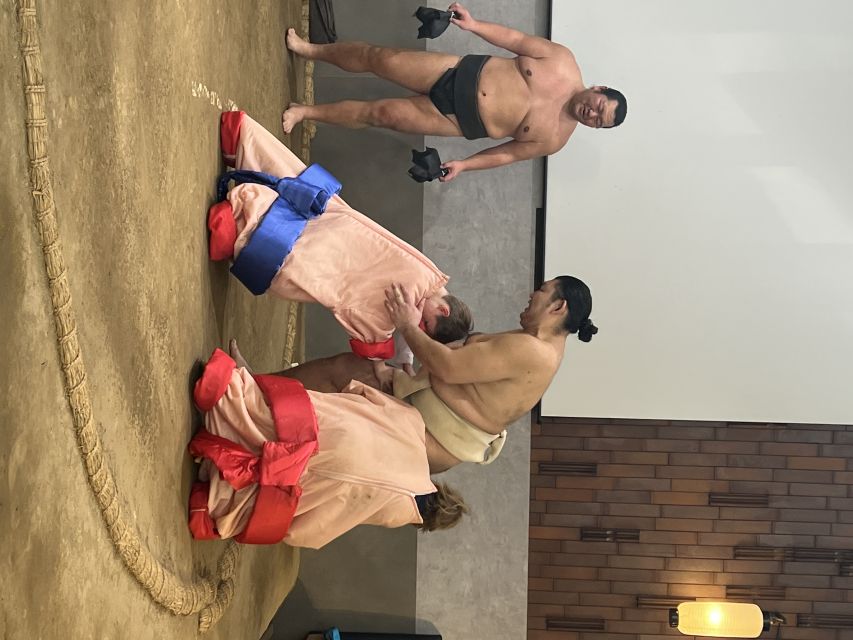
- Try a playful wrestling match: Audience members may be invited to wear a sumo costume and join the demonstration.
- Eat Chanko Nabe prepared by wrestlers: The hot pot forms the filling center of a Japanese-style lunch.
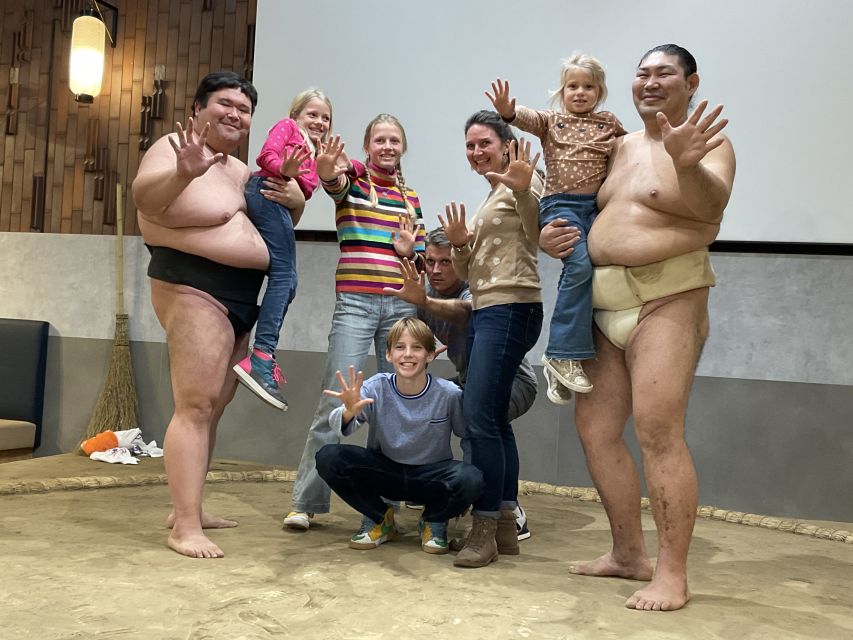
- Keep the group small: Participation is limited to six people, creating plenty of room for questions and photos.
- Choose your Tokyo neighborhood: The experience takes place in Asakusa on Mondays and Ryogoku on Thursdays.
- Plan carefully for the fixed start: Arrive before 1:00 PM, since the activity begins on time.
Why this sumo lunch is more than a photo opportunity
At first glance, this may look like a lighthearted show built around costume photos and comic wrestling. There is certainly plenty of that. But the useful part comes first: former sumo wrestlers explain why the sport matters and how a match actually works.
Sumo has a long tradition, with rituals that can seem puzzling if you only see a few seconds of a bout. Before the wrestlers charge, they perform movements and gestures that carry meaning. The explanations help you see the bout as a formal contest shaped by discipline, rules, and ceremony, not simply a test of size.
The instruction is in English, which matters here. Without clear explanations, the salt tossing, foot stomping, ring etiquette, and pre-match gestures can blur into a colorful performance. Here, you get the basic framework first, then watch demonstrations that make the ideas easier to follow.
The score is 4.8 out of 5 from 257 ratings, and that high mark makes sense for the format. The activity combines a lesson, live demonstration, audience participation, photographs, and lunch in one compact visit. You are not asked to spend a full day on the subject, but you still leave with a better grasp of what you have seen at a sumo tournament or on television.
More Sumo Experiences in Tokyo:
- Tokyo: Sumo Show Experience with Chicken Hot Pot and a Photo
★ 4.8 · 6,678 reviews - Tokyo: Sumo Show and Dining Experience
★ 4.8 · 2,742 reviews - the SUMO show
★ 5.0 · 1,960 reviews
Meeting former wrestlers in an intimate setting
The experience is limited to six participants, although one account describes a larger audience arrangement at the venue. That means the exact feel may depend on the session, but the central activity is designed around direct interaction rather than watching from a distant seat.
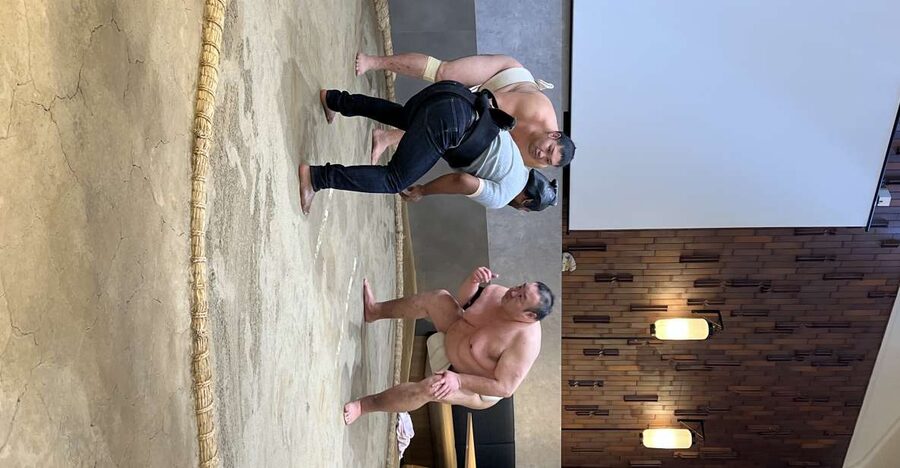
The former wrestlers are the main reason to book. They explain the sport, demonstrate techniques, answer questions, and bring a playful tone to the room. Performers identified in the experience include Audrey and Jumbo, whose showmanship and humor are part of the appeal.
You will see strength up close, but the tone is friendly rather than severe. The wrestlers make room for jokes and photographs, while still showing how difficult it is to move someone who has trained in sumo. One useful feature is that the humor does not replace the lesson. You get entertainment, but also explanations of training and competition.
This works especially well for families. Children can see the size and strength of the athletes without being expected to understand every technical detail. The wrestlers make an effort to involve younger participants, and several of the activities are visual enough to hold attention across different ages.
Understanding the rituals before the bout
A good sumo introduction should answer a simple question: what am I looking at? This experience takes that question seriously.
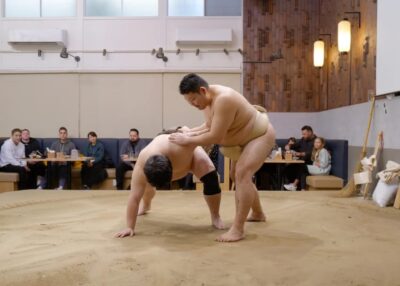
The instructors explain the rules and the purpose of the ring. They also set the scene for the rituals that surround a bout. You learn why the opening movements matter and how the contest is decided. The demonstrations then give you a practical reference point, so the information does not remain abstract.
That combination is valuable if you have never attended a professional tournament. Sumo can appear slow before the action begins and incredibly fast once the wrestlers move. Understanding the preparation helps you notice the discipline in the pauses, the positioning, and the sudden burst of force.
The explanations are aimed at people new to sumo, including visitors who may know only the basic image of two wrestlers pushing at close range. You do not need prior knowledge. If you already follow the sport, the experience will be less about discovering every detail and more about seeing familiar customs explained in a personal setting.
Stepping into the ring for a playful match
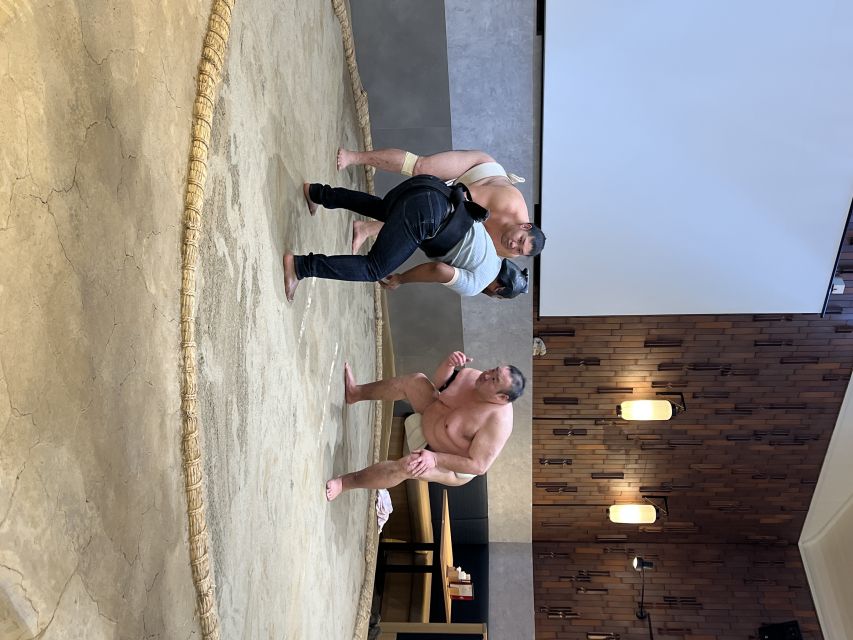
The interactive part is the biggest draw for many people. Selected audience members may be asked to put on a sumo wrestler costume and help with the demonstration. Not everyone can be chosen, so you should not book this expecting a guaranteed bout.
The wording matters: this is a playful duel, not a serious contest. The point is to show the difference between ordinary strength and trained sumo technique, while giving you a funny story and a set of photographs. If you are selected, expect the retired wrestler to control the exchange safely and theatrically.
Some sessions allow anyone who wants to have a go to participate, but the supplied information does not promise that every person will wrestle. You can still watch the demonstration and take pictures if you are not chosen. The group format gives you a good view of the action, and there is reported to be enough time for photographs with the wrestlers.
If you are uncomfortable with physical participation, you can enjoy the experience without entering the ring. If you are eager to try, tell the staff when you arrive, but understand that selection remains part of the format.
A few more Tokyo half-days worth comparing
- 1-Day Tokyo Bus Tour
★ 5.0 · 14,250 reviews - Tokyo: TOKYO SKYTREE® Admission ticket
★ 4.5 · 11,192 reviews - Tokyo: teamLab Planets TOKYO Digital Art Museum Entry Ticket
★ 4.6 · 9,779 reviews - Tokyo: Shinjuku Food Tour (13 Dishes at 4 Local Eateries)
★ 5.0 · 6,603 reviews
Chanko Nabe turns the lesson into lunch
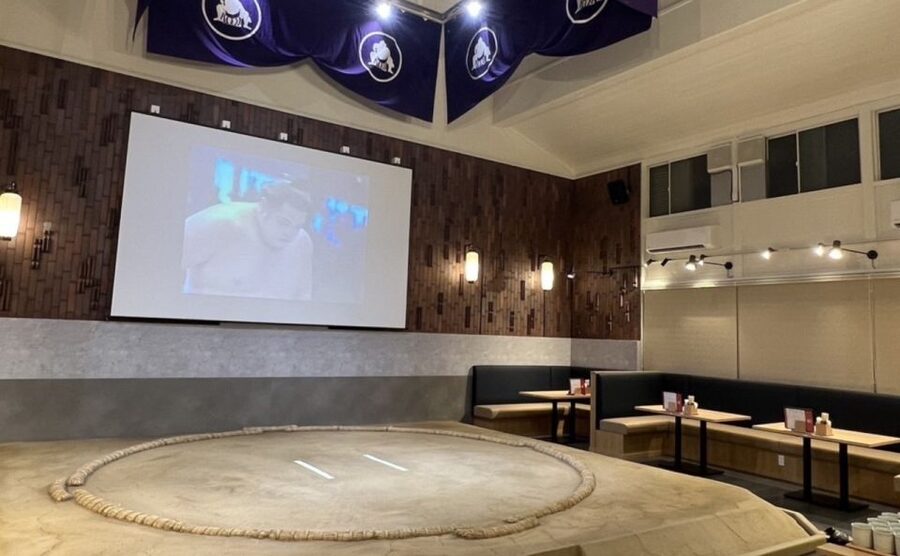
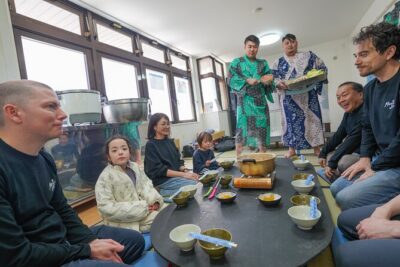
After the demonstration, you sit down to Chanko Nabe, a Japanese-style hot pot associated with sumo wrestlers. The wrestlers prepare it themselves, which gives the meal a direct connection to the subject rather than treating lunch as a separate restaurant stop.
Chanko Nabe is known as a filling meal that provides stamina. In this setting, it also gives you a taste of the communal food connected with sumo training. The meal has been described as hot, plentiful, and served promptly. Some descriptions also note a three-course lunch, with drinks and dessert included.
The food receives unusually strong praise across the experience. That does not mean you should expect an elaborate restaurant tasting menu. You are paying for a cultural activity with a substantial lunch, not a fine-dining reservation. Still, a hot meal after the demonstrations makes the two-hour schedule feel complete.
Vegetarian and Halal meals can be requested, but you need to note this during reservation or contact the provider by email at least two days before the visit. Do not wait until you arrive. The regular meal centers on the hot pot, so dietary planning is important.
Asakusa on Monday, Ryogoku on Thursday
The neighborhood depends on the day you choose. Monday sessions take place in Asakusa, while Thursday sessions are held in Ryogoku.
That distinction may help you fit the activity into your Tokyo plans. Asakusa is useful if you are already visiting the city’s traditional temple district. Ryogoku is the more natural choice for sumo fans because it is strongly associated with the sport. The experience itself remains the same in purpose, but the surrounding day can feel different depending on which location you book.
The exact meeting point is sent with your voucher and map. There is no hotel pickup or drop-off, so you need to make your own way there and allow enough time to find the entrance.
The schedule is fixed: start time is 1:00 PM, with doors opening at 12:40 PM. The supplied information contains a reference to 12:40 AM, but for a 1:00 PM lunch session, you should plan around the stated afternoon start and arrive before it. Late arrival is a poor strategy because the explanations and opening demonstrations begin on time.
Is $95 a fair price?
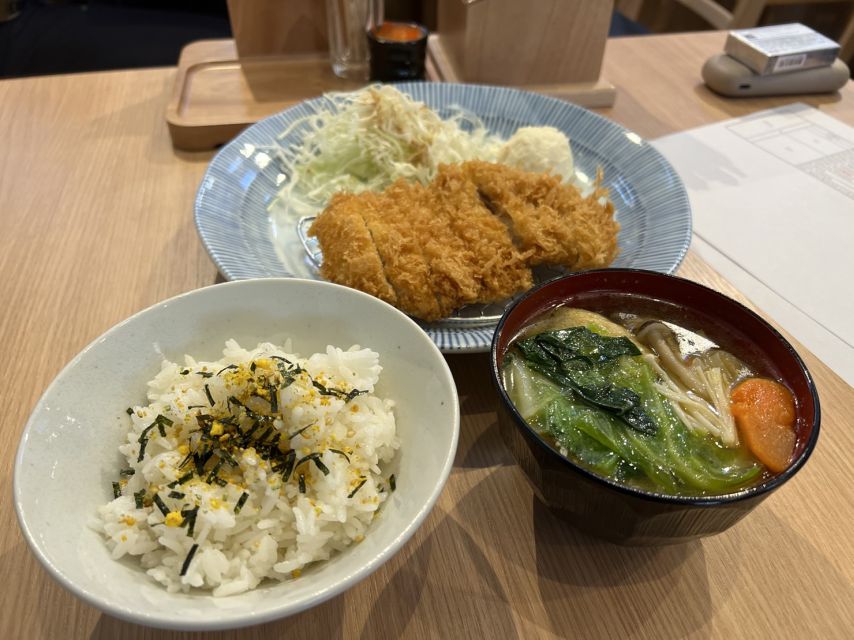
At $95 per person, this is not a cheap lunch. The price is easier to justify when you count everything included: entrance, the sumo presentation, direct interaction with former professionals, the participatory demonstration, photographs, and lunch.
A regular meal in Tokyo can cost much less. A sumo match, however, requires a particular schedule, location, and ticket. This experience gives you a compact introduction without asking you to understand the sport alone. For a first visit to Japan, that educational help has real value.
I would compare it with the cost of a standard cultural show rather than with the price of Chanko Nabe at a restaurant. You are paying for access to the wrestlers and for the chance to ask questions in English. The meal makes the price feel more reasonable, but the people and explanations are the real product.
The small-group promise is also important. A limit of six participants suggests more personal contact than a large bus tour, though the venue may host additional people depending on the session. If you want an intense technical class, this is not that. If you want a friendly introduction with food and audience participation, the price is easier to defend.
Who will enjoy this most?
I would recommend this experience to first-time visitors who want an activity that explains Japanese culture without becoming formal or academic. It is also a good choice for families, couples, and anyone looking for an indoor lunch plan with a strong visual element.
You will get the most from it if you are willing to laugh at yourself. The costume and wrestling portion is deliberately playful. Someone who wants a quiet lecture or a serious athletic workshop may find the comic presentation too light.
It suits children well because the wrestlers are friendly and the activity changes pace: explanation, demonstration, participation, photographs, and food. Adults can enjoy the same structure, especially if they want to understand the rituals seen in tournament broadcasts.
The experience is also suitable for wheelchair users. English is the teaching language, and the activity is listed as wheelchair accessible. For dietary needs, arrange vegetarian or Halal food at least two days ahead.
What to know before you book
Keep your expectations in the right place. This is not a live professional tournament, and the retired wrestlers are not competing against each other in a serious match. It is a guided introduction with staged demonstrations and safe audience participation.
The chance to wrestle is not guaranteed for every participant. Some people may be selected to wear the costume and take part, while others will watch, laugh, and take photographs. If being in the ring is your main reason for booking, treat it as a possibility rather than a promise.
The experience lasts two hours, which is long enough for a useful introduction and lunch without taking over your whole afternoon. The fixed 1:00 PM start is convenient for a midday meal, but it leaves little room for a late morning sightseeing stop elsewhere in Tokyo.
Cancellation is free up to 10 days before the activity for a full refund. That generous deadline helps if your Tokyo schedule is still changing, but it is far enough in advance that you should not leave the decision until the last few days.
Should you book this sumo experience?
Book it if you want accessible sumo instruction, warm interaction, and a proper lunch in one short activity. The former wrestlers explain the sport clearly, the demonstrations are entertaining without losing the cultural point, and the hot pot gives the visit a satisfying finish.
I would be especially keen to book this for a family, a first visit to Japan, or a birthday surprise. You get a good mix of learning and laughter, and the photo opportunity adds a lasting souvenir.
Skip it if you want a full professional tournament, a guaranteed wrestling bout, or a quiet meal with no audience involvement. Otherwise, $95 is a reasonable price for a personal English-language introduction to sumo, particularly when lunch, participation, and former professional wrestlers are all included.
FAQ
How long does the sumo experience last?
The activity lasts two hours.
What time does the activity start?
It starts at 1:00 PM. You should arrive before the start, with the doors opening at 12:40 PM.
Is the experience conducted in English?
Yes. The instruction is in English.
Where does the activity take place?
It takes place in Asakusa on Mondays and in Ryogoku on Thursdays. The exact meeting point is provided with your voucher and map.
Is lunch included?
Yes. Chanko Nabe hot pot lunch is included, along with the entrance fee and participation fee.
Can I wrestle a sumo wrestler?
Some participants may be selected to wear a sumo wrestler costume and join the demonstration. Participation is playful, but not every participant is guaranteed a turn.
Can vegetarian or Halal meals be arranged?
Yes. You need to request a vegetarian or Halal meal during reservation or contact the provider by email at least two days before the activity.
Is the activity wheelchair accessible?
Yes. The activity is listed as wheelchair accessible.
Just added around Tokyo
- Kawagoe Japanese Food Tour : Unagi Kaiseki and Sake near Tokyo★ 5.0 · 30 reviews
- Kawagoe 4hr Private Tour with Licensed Guide (Kawagoe Dep)★ 5.0 · 13 reviews
- Little EDO Sushi Making workshop in Kawagoe★ 5.0 · 18 reviews
- 【R34】Tokyo:Private Daikoku tour in Modified R34★ 4.9 · 92 reviews
- :Tokyo,Shibuya/ Pro Photography in Kimono / English-Friendly★ 5.0 · 26 reviews
- Tokyo:Celebrate Unique Japanese New Year Tradition Festivity★ 3.9 · 20 reviews
- Tokyo: Allstar Food Tour★ 4.7 · 29 reviews
- Tokyo: West-Side Cycling and Food Tour with Guide★ 5.0 · 37 reviews
Sumo Experiences, compared.
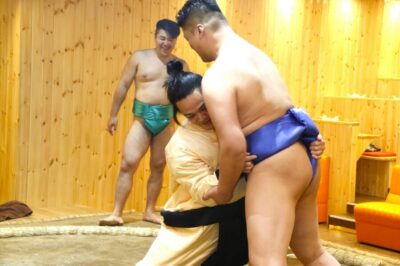
Sumo Show Experience with Chicken Hot Pot and a Photo
Our verdict →
Authentic Sumo Experience in Tokyo: Enter the Sanctuary
Our verdict →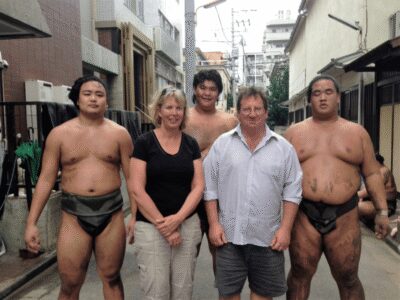
Browse the lists this tour appears in