

Reviewed · HISTORICAL TOURS
Tokyo: Imperial Palace East Gardens Walking Tour
Tokyo’s Imperial Palace East Gardens give you two very different views of the city in one easy outing: manicured Japanese gardens on one side, and the hard military remains of Edo Castle on the other. The old castle walls, watch points, and broad stone foundations make the shogun era easier to picture than a museum display ever could.
I like the way the guide connects castle engineering with garden design, then adds small cultural details about emperors, samurai, and modern Japan. I also like the flexible, human side of the tour. Guides including Mei, Kei, Wakana, and Tatsie are praised for clear English, humor, patient answers, and even help with photos and later Tokyo plans.
The main consideration is simple: you do not enter the Imperial Palace itself. This is an outdoor walking tour of the East Gardens and former Edo Castle grounds, so you need to be ready for 2.5 hours on foot, with weather playing a role.
Key points to know before you book
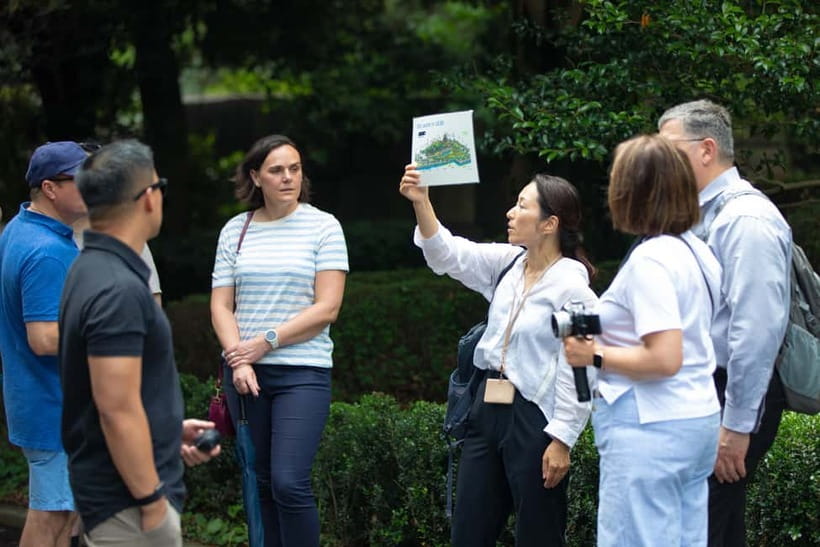
- Edo Castle survives in stone and space: Honmaru foundations, gates, walls, guard houses, and defensive features show how the castle once worked.
- Ninomaru Garden is the calm center: Ponds, bridges, shaped trees, stone lanterns, and bonsai create a classic Japanese garden setting.
- The guide makes the difference: Mei, Kei, Wakana, Mieko, Tatsie, and others are praised for clear history, friendly conversation, and a good pace.
- Spring and fall are the showiest seasons: Cherry blossoms and autumn foliage add color, though the gardens remain worthwhile outside those periods.
- This is not a palace interior tour: You explore the East Gardens, not the Imperial Palace buildings.
- The price is modest: At $19 per person for 150 minutes with an English-speaking guide, the tour offers good value if you want context rather than a silent stroll.
Why the East Gardens are worth your time
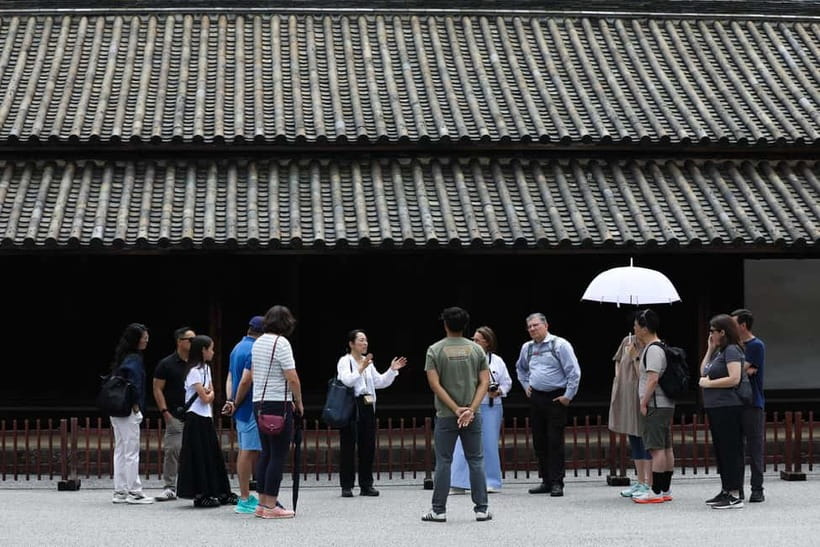
Tokyo can feel like a city of glass towers, train lines, neon signs, and tight side streets. The East Gardens offer a different rhythm. You walk through open lawns, clipped trees, ponds, bridges, and old stonework, yet the modern capital remains close by.
That contrast is the central appeal. You are not visiting a remote historic site preserved outside the city. You are standing on the former grounds of Edo Castle, once the seat of the Tokugawa shoguns, with central Tokyo continuing around you.
I find this setting especially useful early in a Tokyo visit. It gives you a quick lesson in how Japan moved from a feudal system ruled by shoguns to the modern imperial state. A good guide can explain the changes without turning the walk into a lecture.
The gardens also reward travelers who care more about atmosphere than a long checklist of sights. There is no single grand building to enter or dramatic palace room to photograph. Instead, the interest comes from the relationship between the ruins, the plants, the water, and the stories attached to each part of the grounds.
More Garden Tours in Tokyo
- Imperial Palace East Garden and Edo Castle Walking Tour in Tokyo
★ 5.0 · 510 reviews - Tokyo Castle, Imperial Palace, Shogun & Garden Walking Tour
★ 5.0 · 211 reviews - Tokyo: Edo Castle & East Garden of the Imperial Palace Tour
★ 4.7 · 112 reviews
Meeting at Wadakura Fountain Park
The tour begins near Starbucks Coffee at Kokyo Gaien Wadakura Fountain Park. Your guide waits nearby at the stated meeting point, at approximately 35.6829933, 139.7611971.
This is a practical starting area because it places you beside the broad open grounds around the Imperial Palace. Still, Tokyo meeting points can be confusing, especially if you are arriving from a large station or navigating with luggage. I would allow extra time to find the Starbucks and identify your guide before the scheduled start.
Once the group is together, the guide leads the walk toward the East Gardens. The experience returns to the same Starbucks area after the 2.5-hour visit, which makes it easier to plan lunch, shopping, or another central Tokyo sight afterward.
The tour is wheelchair accessible, an important point for anyone who needs a more carefully planned route. Since the activity takes place outdoors, you should still consider the day’s weather and your own comfort with an extended walk.
Seeing Honmaru, the heart of Edo Castle
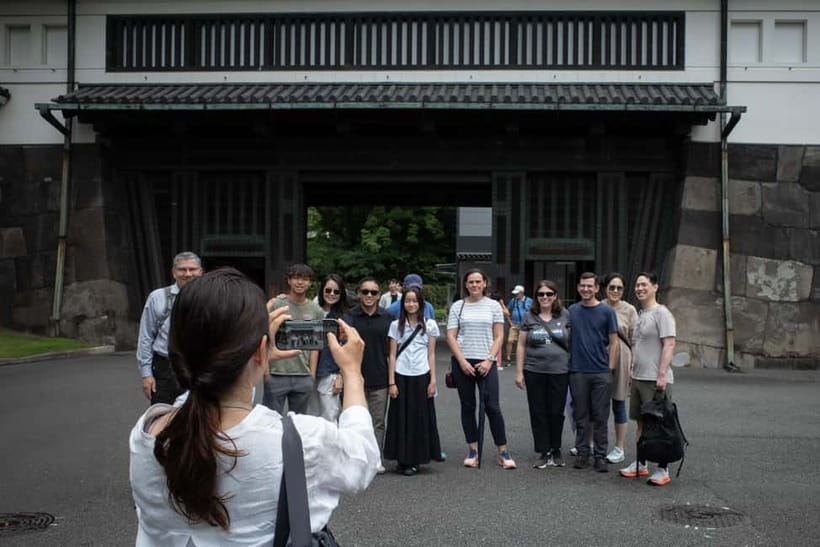
The former Honmaru area is one of the most useful stops because it helps you understand the size and layout of Edo Castle. Honmaru was the main compound, the core area of the castle complex.
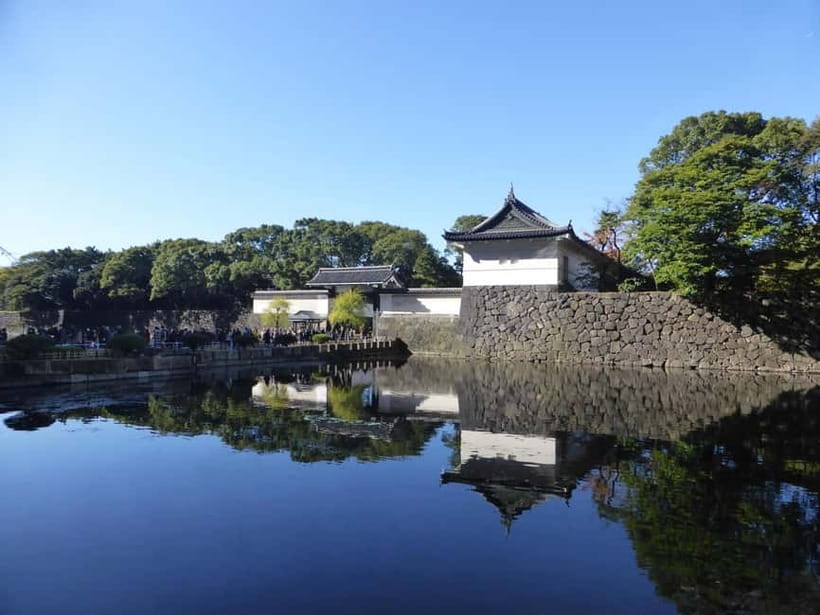
Today, you see remnants rather than an intact palace. The foundations, gates, and defensive structures are fragments, but they provide enough evidence for a guide to explain how the castle was organized and protected.
This is where visual aids can add real value. Mei, one of the frequently praised guides, has used printed and laminated maps and historical images to show what the grounds once looked like. That kind of material matters because a low wall or stone platform can be difficult to interpret on its own.
You will not find a complete castle rising above the gardens. If you expect turrets, grand interiors, or a fully restored fortress, this tour may feel modest. If you enjoy reconstructing a vanished place from its foundations and layout, the stop becomes much more rewarding.
The defensive details are also worth your attention. Stone walls, gates, guard houses, and watch towers were not placed for decoration. They reveal how movement was controlled and how a powerful castle protected its inner areas. Guides such as Kei have been especially praised for explaining the military side of the site, which adds substance to what could otherwise look like a pleasant park walk.
The quiet design of Ninomaru Garden
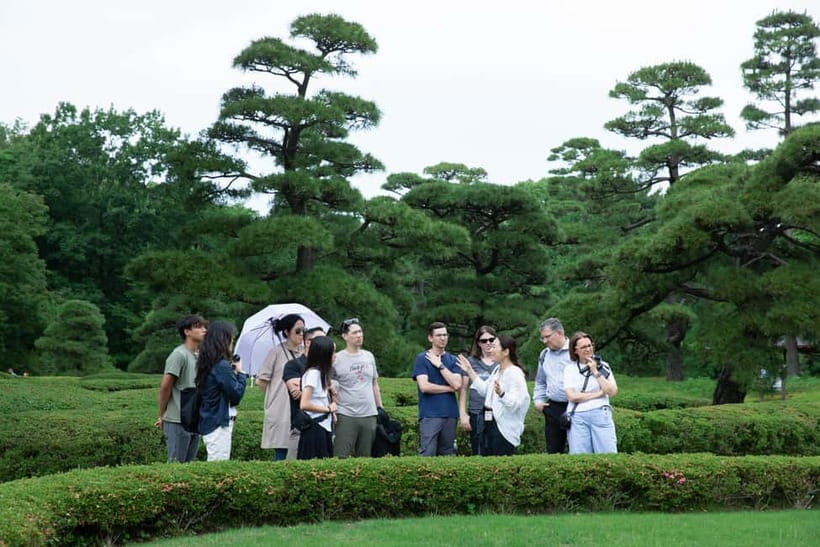
After the castle remains, Ninomaru Garden gives the walk a softer mood. This garden is known for traditional Japanese design, with carefully arranged trees, shrubs, ponds, bridges, stone lanterns, and bonsai.
The design is not about filling every space with color or decoration. It depends on proportion, spacing, shaped vegetation, and views that change as you move. I like this part of the visit because it shows that the East Gardens are not only an archaeological site. They are also a carefully maintained place for looking, pausing, and noticing small details.
Your guide can point out features you might otherwise pass without understanding. A pond may seem simple until you see how the bridge, trees, stones, and open water work together. A pruned tree may look like ordinary garden maintenance until you learn how much care goes into its form.
The garden is also a good place to slow the pace. Several people specifically praised tours that allowed time to appreciate the setting rather than rushing from one explanation to the next. A well-paced guide, such as Miracle or Wakana, gives you room to listen and take photographs without making the experience feel hurried.
More Historical Tours in Tokyo
- Tokyo: Imperial Palace and Shogun Historical Walking Tour
★ 5.0 · 2,251 reviews - Tokyo: Imperial Palace Japanese History Walking Tour
★ 4.9 · 987 reviews - Tokyo: Imperial Palace and Shogun Walking Tour
★ 4.9 · 935 reviews - Yanaka Walking Tour: Historic and Traditional District of Tokyo
★ 5.0 · 530 reviews
Seasonal beauty, from blossoms to autumn leaves
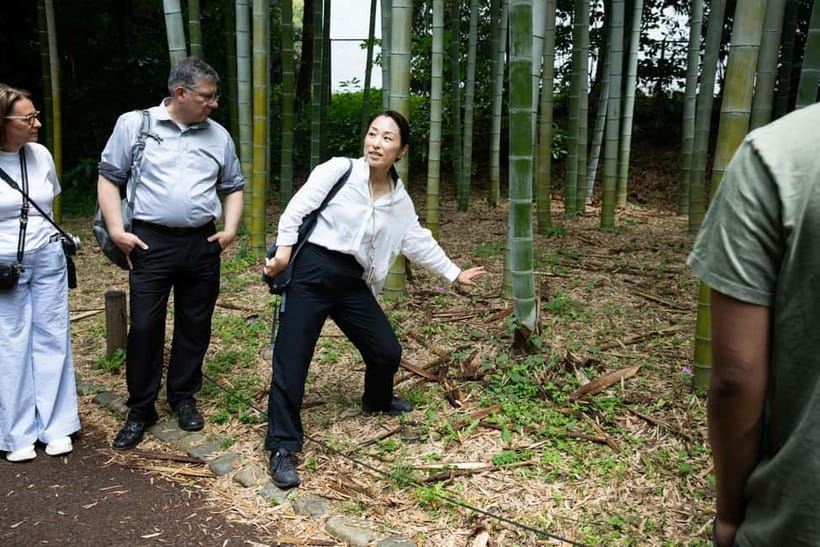
Spring is the most obvious time to consider this tour if cherry blossoms are high on your Tokyo list. The East Gardens offer seasonal blossom views, and the open grounds give you a break from the crowded streets and tightly packed city parks.
Fall brings a different reward. Late November and early December can add red, orange, and yellow foliage, with the garden’s ponds and stone features providing good settings for photographs. The colorful leaves can make the walk feel especially polished, but you should not book only for a guaranteed display. Seasonal timing and weather affect what you see.
The gardens remain worthwhile in winter and summer, though the mood changes. In cooler months, the stone foundations and bare structure of the grounds may come forward more clearly. In warmer months, the greenery becomes the main attraction. The tour’s historical explanation keeps it from depending entirely on flowers or leaves.
Wear shoes you can walk in comfortably, and check the forecast before leaving. Rain does not automatically ruin the experience. Miko, for example, was praised for keeping a group happy during wet weather. Still, an outdoor tour is better when you bring suitable clothing and accept that the views may look different from the bright seasonal photographs used to promote Tokyo.
How the guides shape the experience
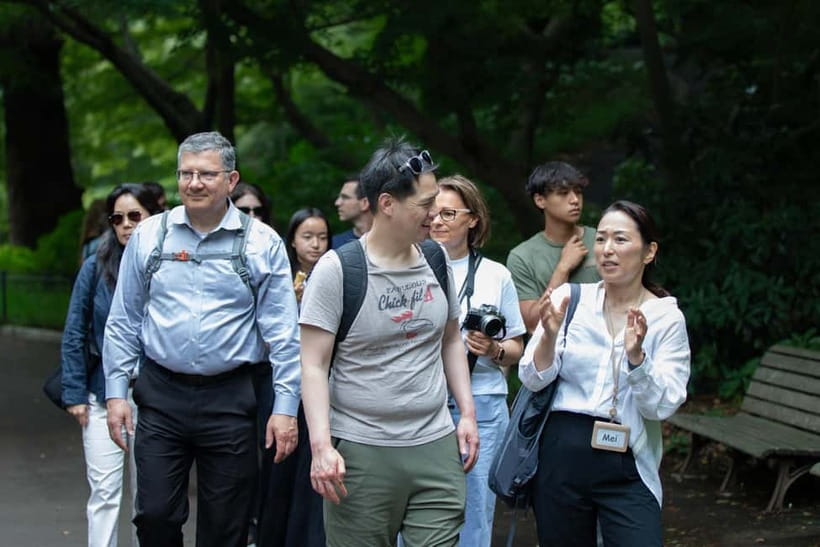
The strongest part of this tour is the guide’s ability to turn scattered remains into a story. Several guides receive repeated praise for being friendly, clear, funny, and willing to answer questions.
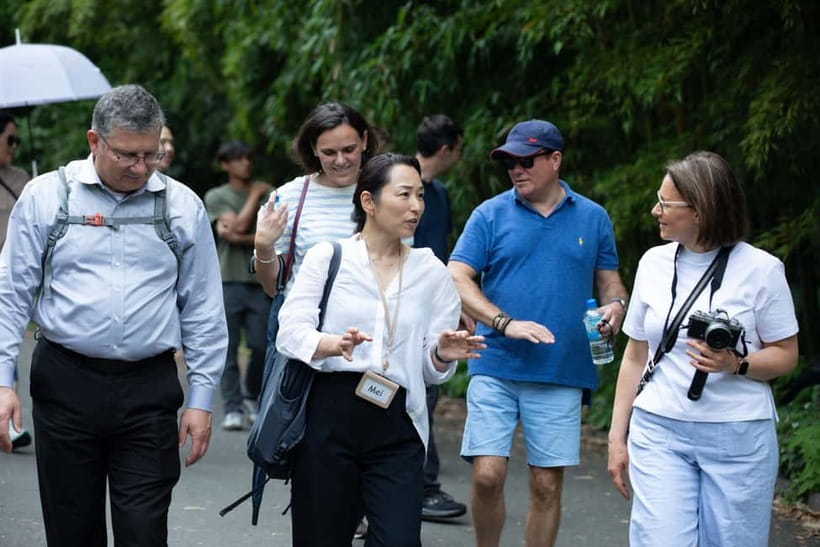
Mei is often singled out for her energy, patience, historical explanations, and practical Tokyo suggestions. Kei is praised for being approachable and well informed, with a good willingness to handle questions. Wakana is described as warm, helpful, and strong in English. Tatsie receives praise for a comfortable pace and lightly delivered information about shoguns, customs, and the gardens.
You may be assigned a different guide, so you should not book on the assumption that one particular person will lead your group. The wider pattern is encouraging: the guides are expected to explain the site in English and make the history accessible rather than merely point at stones.
The humor also helps. Stories about the imperial family, modern Japan, and the old ruling class can be dry in the wrong hands. A guide who adds a funny aside or answers a personal question can make the 150 minutes pass quickly.
Another practical strength is the guides’ willingness to help beyond the formal script. Some have offered to take photographs, answered questions about the rest of a Tokyo trip, or suggested places to eat and visit later. That is not the main product, but it adds useful local contact to a short tour.
Is $19 good value?
At $19 per person, this is a reasonable price for a 2.5-hour guided walk in central Tokyo. You are paying for interpretation, not entry to a major indoor attraction. The value comes from learning what the foundations, walls, gardens, and defensive structures mean.
You could walk through the East Gardens without a guide, and that may suit you if you prefer to move alone or read at your own pace. But the surviving castle remains are not always self-explanatory. Without context, you may see a large stone base and move on. With a guide, you can picture the former castle layout, understand its defenses, and connect the site to Japan’s political past.
The price is especially fair if you are interested in history, Japanese gardens, architecture, or photography. It is less compelling if your main goal is to see the Imperial Palace interior, meet members of the royal family, or explore a fully preserved castle building. Those things are not part of this walk.
The activity includes the walking tour and guide. Admission to the Imperial Palace itself is not included, and the tour does not go inside the palace. That distinction is worth keeping clear when you compare it with other Tokyo palace experiences.
Who should take this walk?
I would recommend it to first-time Tokyo visitors who want an easy introduction to Edo-era Japan without leaving the city center. It also suits families, since the mix of stories, ruins, gardens, and open space is easier to handle than a long museum visit.
History fans will get the most from Honmaru and the castle defenses. Garden lovers will prefer Ninomaru, the ponds, shaped trees, stone lanterns, and bonsai. Photographers should consider spring or fall, when blossoms and foliage add color to the old stonework.
This may not be the right choice if you dislike guided groups, need a completely self-directed visit, or want a short stop of less than an hour. At 150 minutes, it is long enough to feel substantial, but it is still a walking activity in the open air.
The wheelchair-accessible format makes it suitable for many travelers with mobility needs, though you should still confirm any personal route requirements when booking. The available language is English.
Booking advice and final verdict
I would book this tour if you want the East Gardens to mean more than a green pause between Tokyo Station and your next attraction. The $19 price is modest, the route combines gardens with castle remains, and the guide adds the historical links that are easy to miss alone.
Choose a spring or autumn time if seasonal scenery matters most. Choose any available date if your priority is understanding shoguns, Edo Castle, imperial Japan, and traditional garden design.
Skip it if you specifically want to enter the Imperial Palace or see a complete castle building. For everyone else, this is a well-balanced introduction to old Tokyo, with enough garden beauty to keep the history from feeling heavy and enough stonework to give the walk real substance.
FAQ
Does the tour enter the Imperial Palace?
No. The tour visits the Imperial Palace East Gardens and the former Edo Castle grounds, but it does not go inside the Imperial Palace.
How long does the tour last?
The walking tour lasts 150 minutes, or 2.5 hours.
What is included in the price?
The $19 price includes the walking tour and an English-speaking live guide.
Is admission to the Imperial Palace included?
No. Entry to the Imperial Palace is not included, and the tour does not go inside the palace.
Where does the tour begin?
The meeting point is near Starbucks Coffee at Kokyo Gaien Wadakura Fountain Park. The stated coordinates are 35.6829933, 139.7611971.
Where does the tour finish?
The tour returns to the Starbucks Coffee area at Kokyo Gaien Wadakura Fountain Park.
Is the tour wheelchair accessible?
Yes. The activity is listed as wheelchair accessible.
Can I cancel the booking?
Yes. You can cancel up to 24 hours in advance for a full refund. You can also reserve now and pay later.
More Walking Tours in Tokyo
- Tokyo Tsukiji Fish Market Food and Culture Walking Tour
★ 5.0 · 3,184 reviews - Tokyo: Shinjuku Local Bar and Izakaya Guided Walking Tour
★ 4.9 · 1,794 reviews - Tokyo: Tsukiji Fish Market Food and Walking tour
★ 5.0 · 1,724 reviews - Tokyo: Asakusa Walking Tour with Sensoji Temple Visit
★ 4.8 · 1,583 reviews
Just added around Tokyo
- Kawagoe Japanese Food Tour : Unagi Kaiseki and Sake near Tokyo★ 5.0 · 30 reviews
- Kawagoe 4hr Private Tour with Licensed Guide (Kawagoe Dep)★ 5.0 · 13 reviews
- Little EDO Sushi Making workshop in Kawagoe★ 5.0 · 18 reviews
- 【R34】Tokyo:Private Daikoku tour in Modified R34★ 4.9 · 92 reviews
- :Tokyo,Shibuya/ Pro Photography in Kimono / English-Friendly★ 5.0 · 26 reviews
- Tokyo:Celebrate Unique Japanese New Year Tradition Festivity★ 3.9 · 20 reviews
- Tokyo: Allstar Food Tour★ 4.7 · 29 reviews
- Tokyo: West-Side Cycling and Food Tour with Guide★ 5.0 · 37 reviews
Historical Tours, compared.

Imperial Palace and Shogun Historical Walking Tour
Our verdict →
World Heritage Kyoto & Nara Uji Authentic Matcha Experience
Our verdict →
Kyoto Gion: 2-Hour Geisha Culture & History Walking Tour
Our verdict →

Hiroshima Historical Walking Tour – Why A-Bomb was Dropped
Our verdict →
Yanaka Walking Tour: Historic and Traditional District of Tokyo
Our verdict →
Shinjuku Historical Walking Tour & Secret Backstreets
Our verdict →
Mt. Fuji Heritage Tour: Traditional Villages, Lakes & Shrine
Our verdict →Browse the lists this tour appears in