
Reviewed · PEACE MEMORIAL TOURS
Hiroshima Historical Walking Tour – Why A-Bomb was Dropped
Hiroshima is easiest to understand when you see its military past and human cost in the same walk. This 150-minute route begins at Gokoku Shrine and Hiroshima Castle, then moves through Gate Park, the Atomic Bomb Dome, and Peace Memorial Park before ending at the museum.
I like the clear story line, which builds toward August 6 rather than dropping you straight into the memorials. I also like the guides’ personal touch: Chihiro and other Hiroshima-based guides have shared family connections to the city, while guides such as Thomas bring an outside perspective shaped by years in Japan. The one drawback is that the subject is heavy, and two and a half hours on foot can feel demanding in hot, cold, or wet weather.
Key points at a glance
- Begins at Gokoku Shrine: Learn why Hiroshima mattered to Japan’s military before reaching the memorial sites.
- Hiroshima Castle adds useful context: The castle helps explain the city’s growth, wartime role, and position as a military center.
- The route ends at the Peace Memorial Museum: You can continue straight into the museum while the guide’s explanation is still fresh.
- Guides bring different viewpoints: Chihiro, Emi, Emmy, Thomas, Chisa, and others have led this tour, with several guides offering local or long-term Japan perspectives.
- The pace leaves room for questions: Short visits, photo stops, sitting breaks, and food tips help keep the walk manageable.
- The price is fair for a focused history tour: At $35, you are paying for interpretation and structure, not transportation or museum admission.
A walk that explains more than the bombing
Many people arrive in Hiroshima with one question: why was this city chosen? The answer is not one neat sentence, and this tour does well to set up the military, political, and geographic background before reaching the destruction itself.
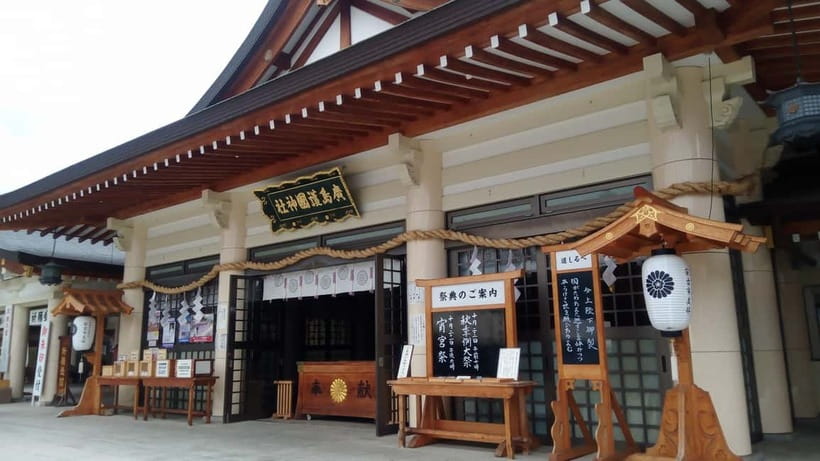
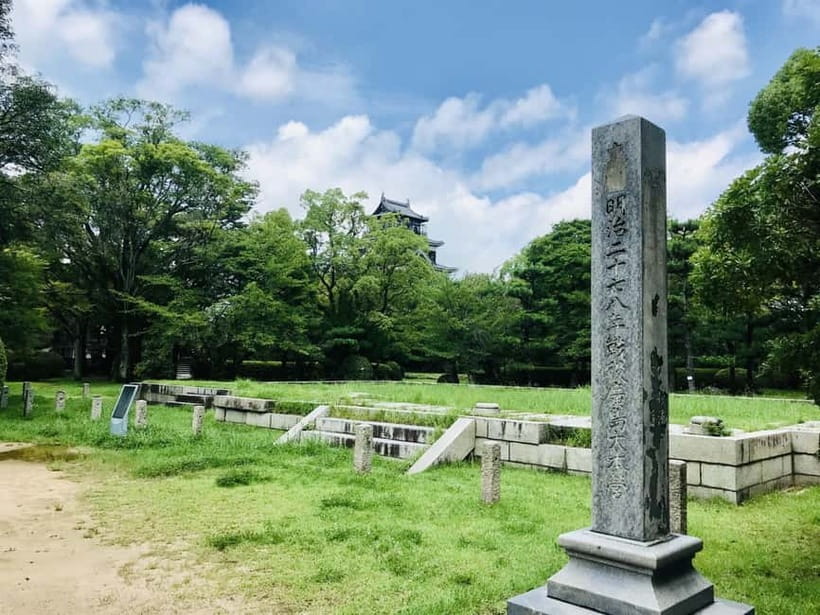
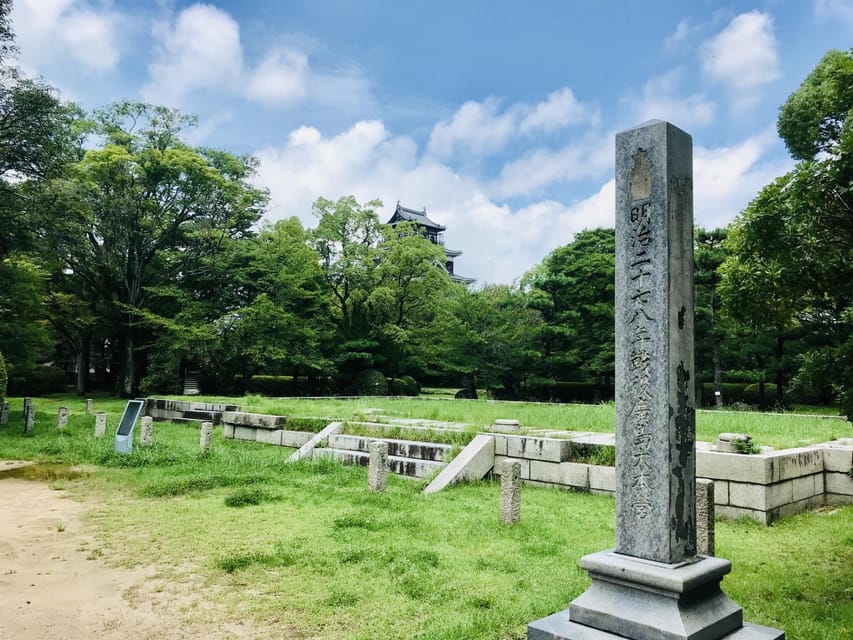
You begin at Hiroshima Gokoku Shrine, in front of the torii gate near the main hall. From there, the route uses visible places in central Hiroshima to explain what the city was before the atomic bomb. That matters. Without this background, Hiroshima can seem like a city defined only by one terrible morning.
I like that the walk does not treat the bombing as an isolated event. You hear about Hiroshima’s role in wartime Japan, its military facilities, and the reasons it became a target. The aim is not to excuse the bombing or force one political answer. Instead, the guide gives you the setting needed to think about the decision and its consequences.
The experience is led in English. Names listed for guides include Chihiro, Thomas, Emi, Emmy, Chisa, Katja, and Kasha, so the exact personality and background of your guide can vary. Some are from Hiroshima, some are Japanese guides with personal ties to the city, and Thomas has been living in Japan for eight years after coming from Europe. That mix can be useful, since you may hear both a local Japanese view and an outsider’s questions about the subject.
More Historical Tours in Hiroshima
- Hiroshima Peace (Heiwa) Walking Tour at World Heritage Sites
★ 5.0 · 872 reviews - Miyajima Half-day Trip Historical Walking Tour
★ 5.0 · 284 reviews - Hiroshima: History of Hiroshima Group Walking Tour
★ 4.8 · 266 reviews
Gokoku Shrine: starting with Hiroshima before 1945
Gokoku Shrine is an effective starting point because it places you in a setting connected with military remembrance. The shrine honors those who died in service, and the guide uses it to introduce Japan’s wartime culture and the role of the armed forces.
This is not simply a ceremonial first stop. It gives you a chance to consider how Hiroshima’s identity was tied to the military before the atomic bomb. The guide can then connect the shrine to the wider city, rather than presenting the Peace Park as a separate memorial zone with no link to Hiroshima’s earlier life.
Pay attention to the opening explanation. It sets up many of the questions that return later, including Hiroshima’s military importance and why American planners considered it a suitable target. The guide may also pause for questions here, which helps if you are not familiar with Japan’s role in World War II.
The meeting point is easy to identify: the front of the Gokoku-jinja torii gate near the main hall. Arrive ready to walk, with water and comfortable shoes. The tour is wheelchair accessible, but you should still allow extra time for the outdoor route and check current conditions when booking.
Hiroshima Castle: military importance behind the city
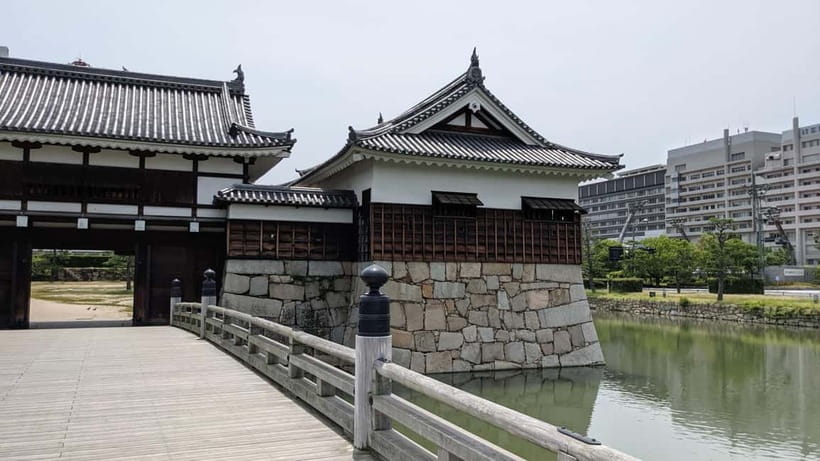
The walk continues to Hiroshima Castle, where you have about 20 minutes for a guided visit and photo stop. The castle is useful because it shows that Hiroshima was not chosen at random. Its position and military institutions helped make it important long before 1945.
You will hear about Hiroshima’s development as a military center and how that shaped the city during the war. This part of the tour gives the bombing a strategic frame, while also reminding you that military importance existed alongside ordinary urban life.
The castle itself is a visual pause in a serious morning. You can take photographs and look at the surrounding grounds, but do not expect a long castle tour or an extended architectural lecture. The focus remains on the city’s wartime role and the chain of decisions that led toward the bombing.
I find this stop especially useful for first-time visitors. If you go straight from the station to the Peace Memorial Park, you may understand the scale of the suffering but miss why Hiroshima was viewed as a military target. The castle fills in that missing piece.
The middle stops connect strategy with daily life
The published route includes another guided stop after Hiroshima Castle, followed by Hiroshima Gate Park for about 30 minutes. The exact focus of the additional stop can vary, but the wider route has included Hiroshima Orizuru Tower and the Hiroshima Prefectural Industrial Promotion Hall area.
Gate Park helps break up the walk and gives the guide room to discuss Hiroshima beyond the immediate blast. You may hear about the city’s culture, rebuilding, and the way Hiroshima has shaped its public message around peace. Some guides also provide local food suggestions and advice on other museums and places of interest.
This is one of the tour’s practical strengths. You are not only collecting dates and military facts. You are getting a picture of a living city, including what to eat and how to use the rest of your day.
The pace is generally designed to keep the subject manageable. There are short sitting breaks on some departures, and the distance is described as comfortable rather than exhausting. Still, it remains a 150-minute walking tour. If the weather is poor, the emotional weight of the topic and the physical demands of the walk can add up.
More Walking Tours in Hiroshima
- Hiroshima City 4hr Private Walking Tour with Licensed Guide
★ 5.0 · 437 reviews - Hiroshima Walking Tour Why A Bomb was dropped to Hiroshima
★ 5.0 · 347 reviews - Hiroshima: Food and Culture Guided Walking Tour with Dinner
★ 4.9 · 212 reviews - Hiroshima: Peace Walking Tour of World Heritage Sites
★ 4.9 · 190 reviews
The Atomic Bomb Dome: the route turns toward August 6
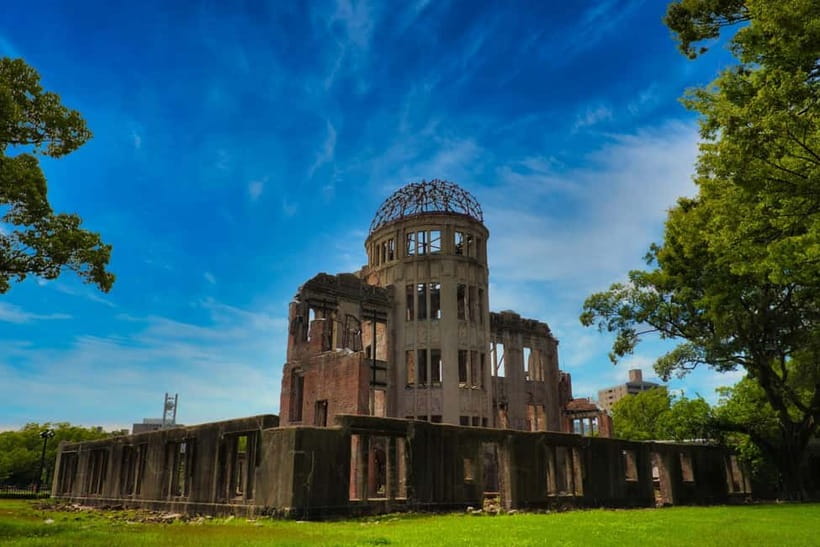
At the Atomic Bomb Dome, the tour gives you about 20 minutes with a guide. This is the point where the earlier military discussion meets the physical evidence of the bombing.
The building, formerly the Hiroshima Prefectural Industrial Promotion Hall, survived close to the point of the blast and became one of the city’s most recognizable memorials. You do not need a long speech to understand its force. The exposed structure does much of the work, while the guide explains its place in Hiroshima’s story.
This can be a quiet part of the walk. The Dome is photographed constantly, but it is not merely a backdrop. Your guide helps you see it as a surviving building in a city that was almost entirely transformed around it.
Do not expect the full museum treatment here. The stop is relatively brief, and the strongest detail comes from the connection between the Dome, the river area, the Peace Park, and the people who were caught in the blast. If you want a longer look, you can return later after the tour.
Peace Memorial Park: from destruction to remembrance
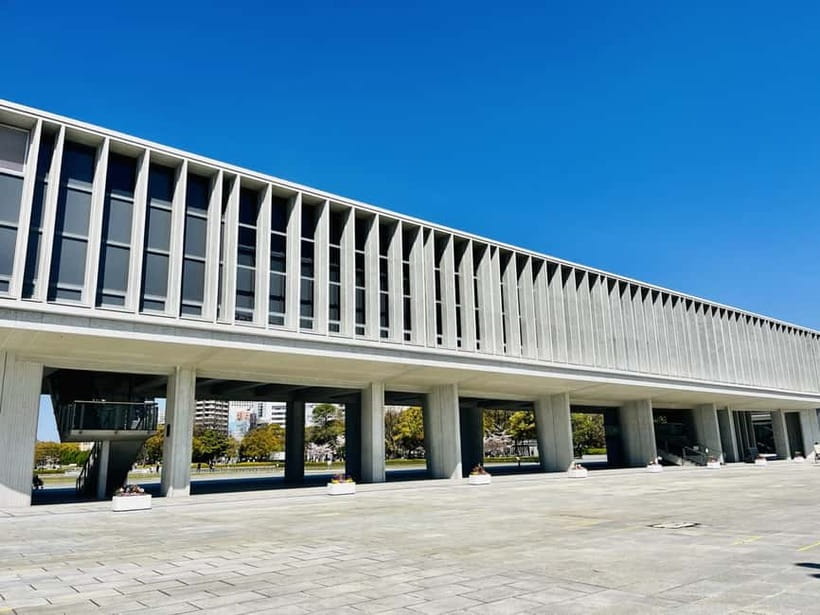
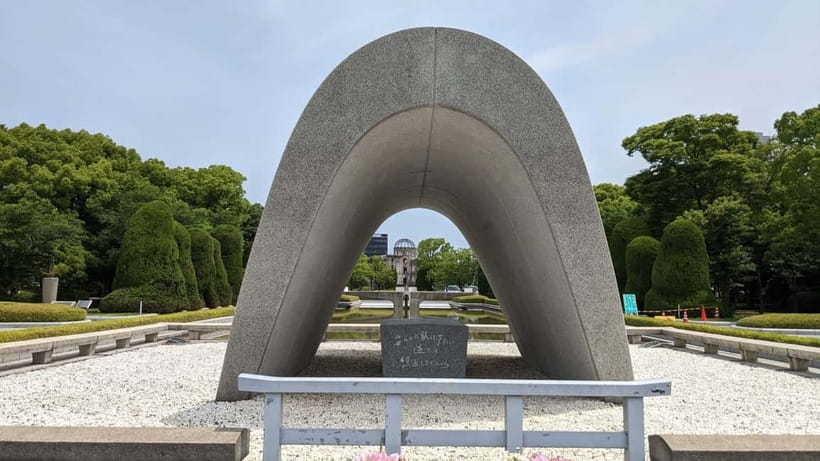
The route then spends about 30 minutes in Hiroshima Peace Memorial Park. This is where the tour shifts from why Hiroshima was targeted to what the bombing did to people, families, neighborhoods, and the culture of the city.
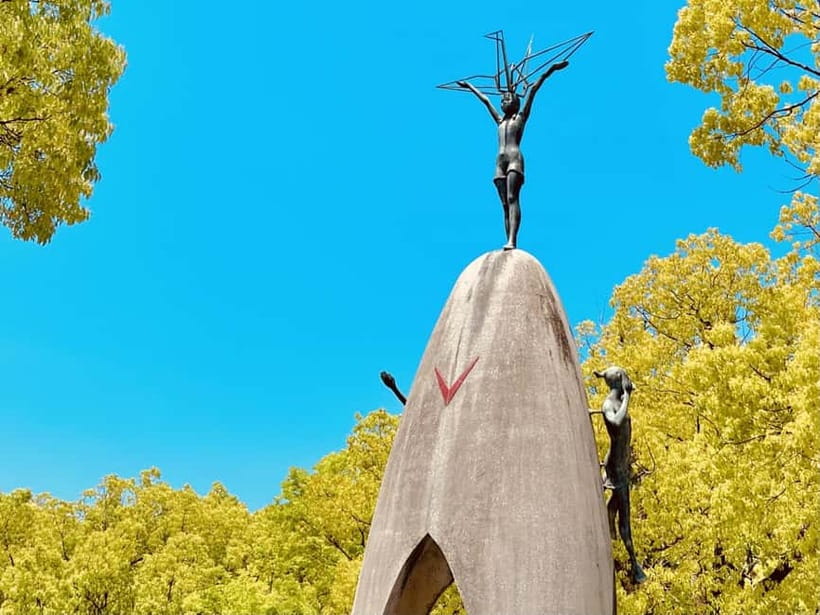
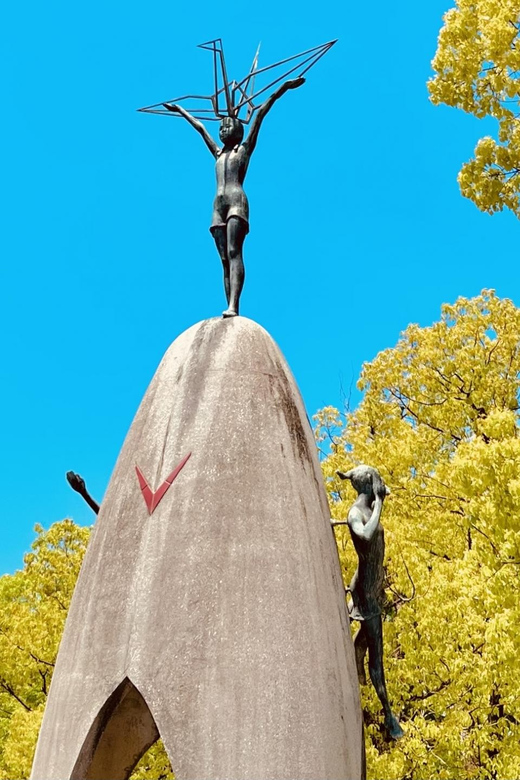
Your guide may explain the Children’s Peace Monument and the meaning of the paper cranes. The cranes connect the park’s public memorials with an individual story of childhood illness, hope, and remembrance. Millions of folded cranes have been left at the monument, and guides can help you understand why this simple paper tradition carries such weight.
The park also gives the tour a wider moral direction. Hiroshima is not presented only as a victim city or as a military target. The guide discusses the suffering caused by the bombing while also pointing toward reconciliation and peace advocacy.
This balance is important. The subject can easily become either a dry military lecture or an emotional account with too little context. The best guides, including Chihiro, Emi, and Emmy, have been praised for holding both sides together: clear facts, personal reflection, and a sense of hope without smoothing over the horror.
Expect the mood to become more somber here. You may want a little quiet time after the formal guiding ends. The park is not a place to rush through for photographs, even though there are many opportunities to take them.
Finishing at the Peace Memorial Museum
The tour finishes at the Hiroshima Peace Memorial Museum, which is a major practical advantage. You receive the historical framework first, then enter the museum with a clearer sense of the city’s military role, the bombing’s timing, and the human stories that follow.
The museum is not listed as part of the guided portion itself, so allow extra time if you plan to visit the galleries. The tour does not replace the museum. Instead, it helps you approach the exhibits with the right questions and a better grasp of the sequence of events.
I recommend continuing into the museum soon after the walk. The guide’s explanation of the city, the Dome, the park, and the bombing will still be fresh. If you are particularly sensitive to graphic wartime material, remember that the subject becomes more direct inside the museum than it is on the walk.
Families can consider this tour, but the topic requires some preparation. One 12-year-old joined a departure and found the guide engaging, yet the experience remains serious. Parents should decide how much detail is suitable for their children.
Guides and the value of personal perspective
The strongest feature of this experience is the guiding. You are not handed a list of dates and sent from monument to monument. The guide builds a story and leaves room for questions.
Chihiro has been especially associated with a local Hiroshima perspective, including family experiences and a personal commitment to peace. Emi and Emmy have also been praised for clear English, strong storytelling, and the ability to explain a painful subject without making the walk feel cold or mechanical.
Thomas offers a different kind of value. He is not Japanese, but he has lived in Japan for years and explains Japanese history and culture in accessible English. That can help if you prefer a guide who anticipates the questions an overseas visitor may have.
Guide quality can never be guaranteed on a rotating tour, and the exact name is not fixed in advance in the information provided. Still, the repeated strengths are clear: friendly communication, patience with side questions, a good pace, and useful recommendations for food after the tour.
Is $35 good value for 150 minutes?
At $35 per person, this is a reasonable price for a two-and-a-half-hour guided walk in central Hiroshima. You are paying for an organized route and a guide who can connect sites that are easy to visit separately but harder to understand as one story.
The price feels strongest if you are visiting Hiroshima for the first time or have limited time in the city. A guide can save you from reading several signs quickly and trying to assemble the argument yourself. The tour also gives you food suggestions and ideas for other points of interest.
The value is less obvious if you already know Hiroshima’s wartime history well or plan to spend several days with specialist museums and books. In that case, the walk may repeat some background material. It is also not a bargain package that includes meals, transport, museum entry, or a private guide. Tips are not included.
The free cancellation period is up to 24 hours before the tour, and you can reserve now and pay later. Starting times depend on availability. These details help if your Japan schedule is still changing.
Who should book this Hiroshima walk?
I would choose this tour if you want a guided introduction before visiting the Peace Memorial Museum. It suits first-time visitors, history-minded travelers, families with older children, and anyone who wants to understand Hiroshima as a city rather than only as a memorial site.
It is also a good fit if you value conversation. The guides welcome questions, and several departures have included help with restaurant reservations, local food suggestions, and advice about museums.
I would think twice if you dislike walking, need a fully indoor activity, or want a narrowly academic examination of the bombing. The route is accessible, but it remains an outdoor walk, and the emotional subject is not light entertainment.
Final verdict: book it before the museum
I recommend booking this tour if you want the Peace Memorial Park and museum to mean more than a set of solemn buildings. The route gives you Hiroshima’s military background, the city’s pre-bomb identity, the physical reminder of the Atomic Bomb Dome, and the peace message that followed.
Choose a departure that leaves you time to enter the museum afterward. Bring water, wear sensible shoes, and expect a serious discussion. At $35, the main purchase is not transport or admission. It is the guide’s ability to turn separate sites into a clear, human story.
FAQ
Where does the Hiroshima historical walking tour begin?
The tour begins in front of the torii gate of Hiroshima Gokoku-jinja, near the shrine’s main hall.
Where does the tour finish?
The guided walk finishes at the Hiroshima Peace Memorial Museum.
How long does the tour last?
The tour lasts 150 minutes, or two and a half hours.
What language is the tour offered in?
The tour is conducted in English with a live English-speaking guide.
Is the Peace Memorial Museum admission included?
No museum admission is listed as included. The tour finishes at the museum, allowing you to visit it afterward.
Can I cancel or pay later?
You can cancel up to 24 hours in advance for a full refund. You can also reserve now and pay later, subject to the booking terms.
More Peace Memorial Tours in Hiroshima
- Hiroshima: Miyajima Peace Memorial Icons of Peace and Beauty
★ 4.9 · 361 reviews - Hiroshima/Guided Virtual Tour of Peace Park/PEACE PARK TOUR VR
★ 5.0 · 157 reviews - Hiroshima: Peace Memorial Park and Atomic Bomb Dome Tour
★ 4.9 · 91 reviews - Hiroshima; Hiroshima Peace Memorial Museum and Castle Tour
★ 5.0 · 89 reviews
Just added around Hiroshima
- Full Day Hiroshima and Miyajima Tour by Bullet Train from Kyoto★ 4.5 · 120 reviews
- The Peace Memorial to Miyajima : Icons of Peace and Beauty★ 4.5 · 31 reviews
- Hiroshima Saijo Sake Tasting Tour with visit to 7 Breweries★ 5.0 · 104 reviews
- Shore Excursion from Hiroshima Port : Private Tour in Hiroshima★ 5.0 · 17 reviews
- Okunoshima Rabbit Island Cycling Tour with Local Guide★ 4.5 · 17 reviews
- Hiroshima & Miyajima All-Inclusive Tour w/Licensed guide Pancho★ 5.0 · 54 reviews
- Private Full Day Hiroshima Tour★ 4.5 · 29 reviews
- Hiroshima Private Tour with a Local – Highlights & Hidden Gems★ 4.5 · 24 reviews