
Reviewed · FOOD TOURS
Tokyo: 3-Hour Food Tour of Shinbashi at Night
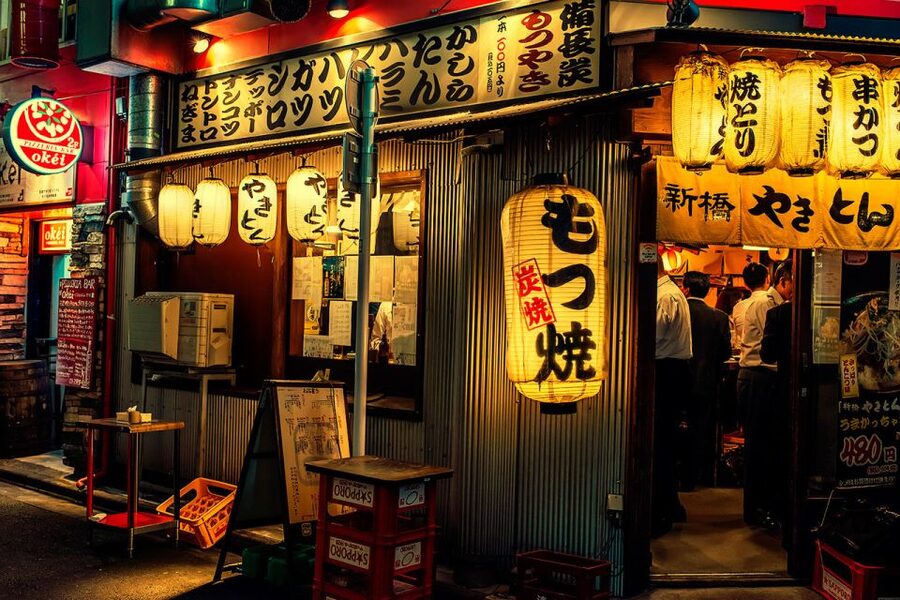
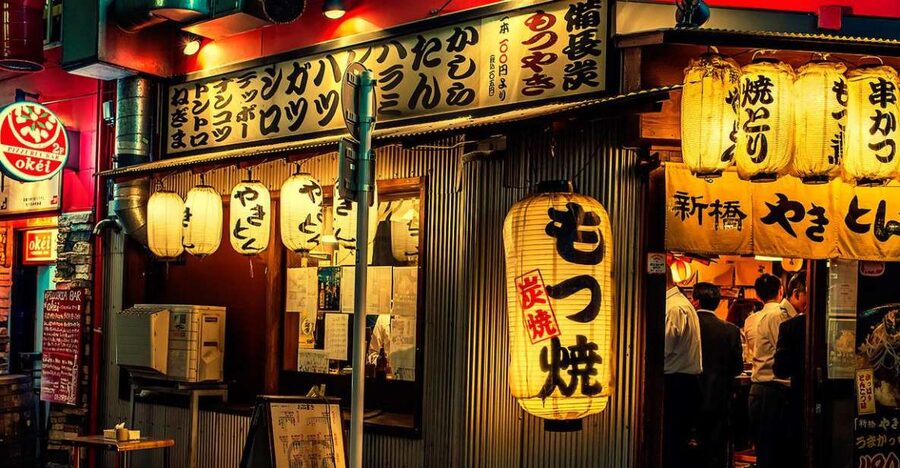
Shinbashi after dark is Tokyo with its office tie loosened. This three-hour food walk takes you through the small bars, ramen shops, and back lanes where workers eat and drink after work. You may begin with a steaming bowl of ramen, move on to smoky Wagyu, and finish with a traditional sweet and a tasting of regional sake.
I like the local setting and the small group, which makes it easier to ask questions and get help with unfamiliar dishes. I also like the guides’ personal touch. Ray uses visual aids for dining phrases, Yappy has taken groups to a private karaoke room, and Francois once arranged a birthday surprise for a young adult in his group.
The main drawback is the price: $170 per person before gratuity, transport, and extra food or drinks. You also need to arrive on time, since the guide waits only five minutes and cannot provide directions by phone once the group has left.
Key points to know before you book
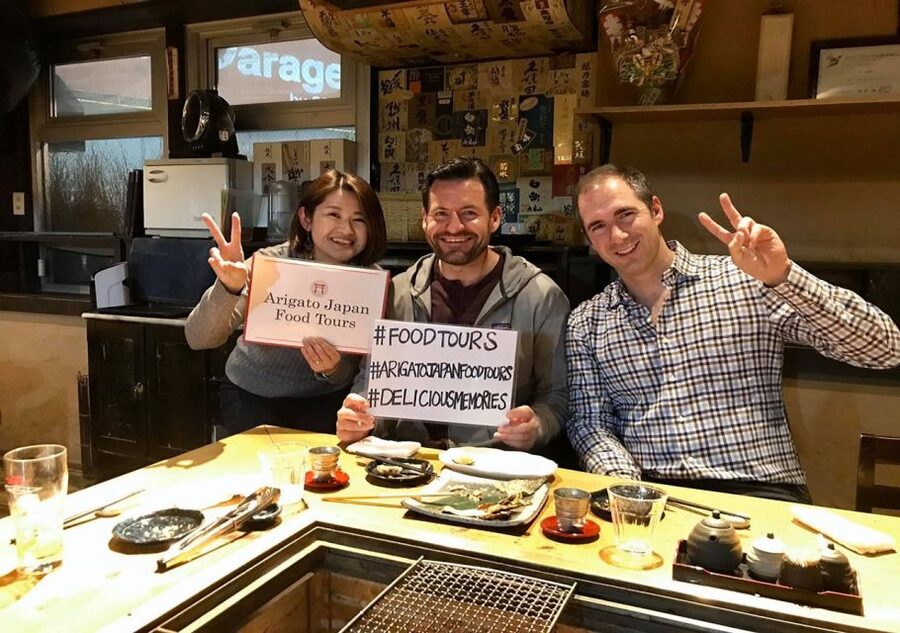
- Shinbashi after work: Eat beside Tokyo office workers in one of the city’s best-known old-school drinking districts.
- Several food stops: Expect local dishes, ramen, seared Wagyu, a traditional dessert, and a sake tasting.
- A small English-speaking group: The maximum is 10 people, giving the guide room to explain customs and answer questions.
- Guides who add local color: Ray, Yappy, Francois, Tommy, Marc, Yoko, Ryan, and Anne have led this experience at different times.
- A strict meeting point: Meet in front of the retired steam engine at the Hibiya exit of Shinbashi Station.
- Adults only: Everyone must be at least 20, and comfortable shoes are essential.
Shinbashi at night, where office workers let go
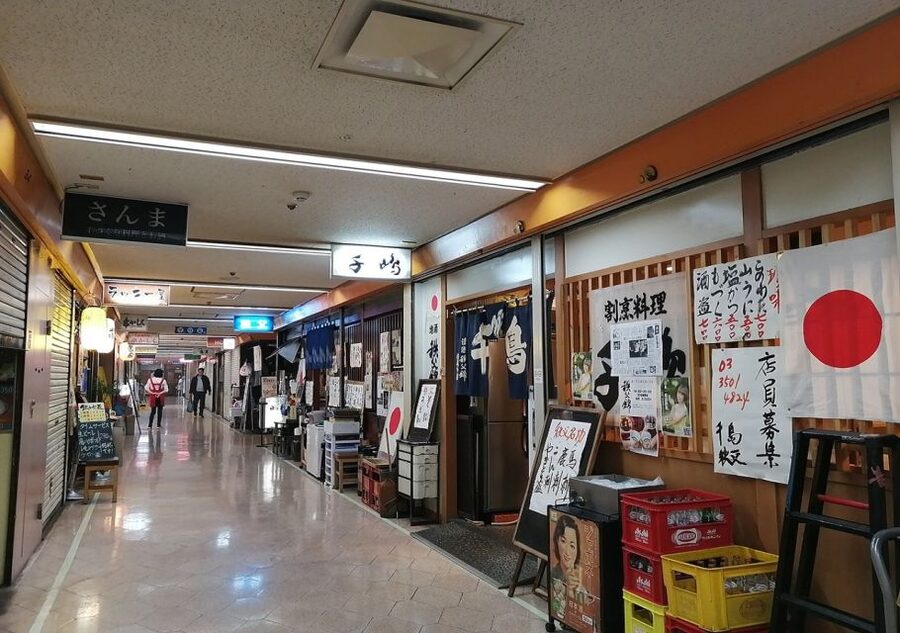
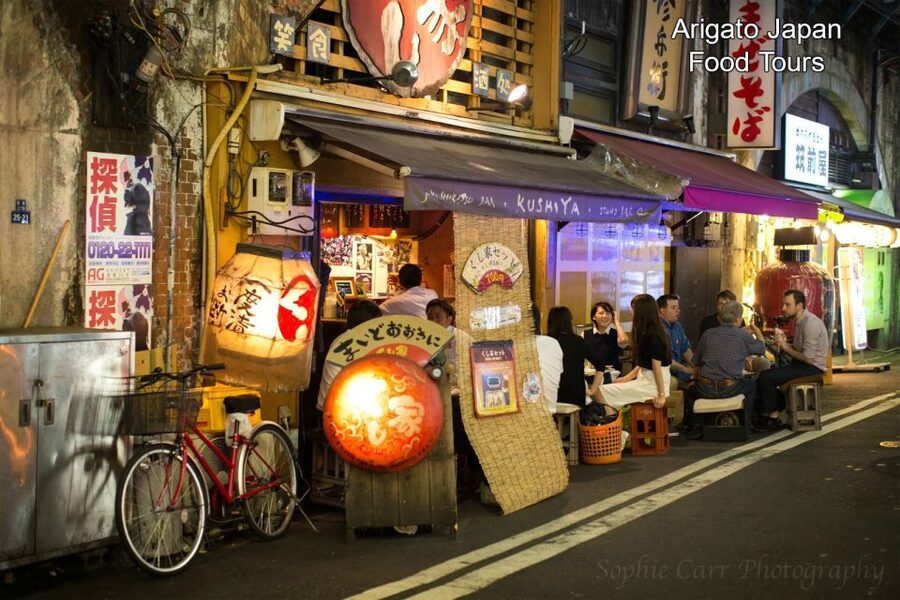
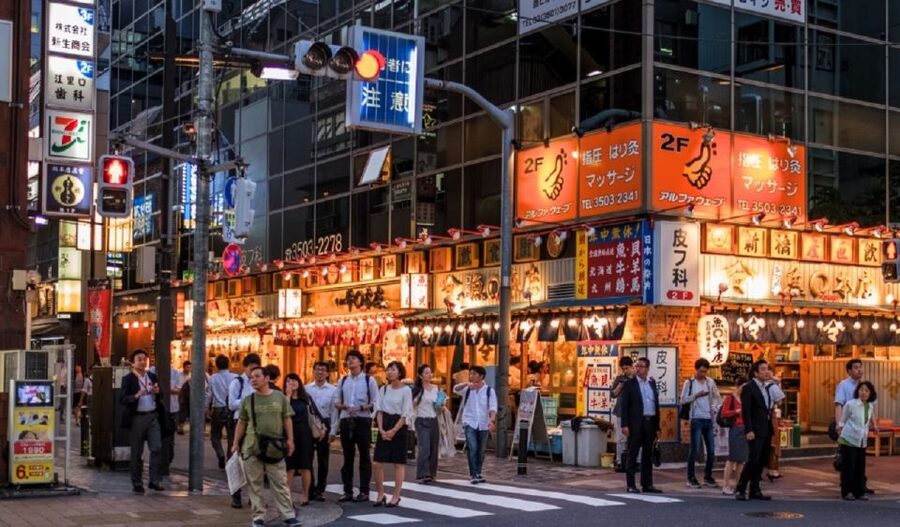
Shinbashi is a fine place to see a less polished but more useful side of Tokyo. The district sits close to major office areas, so after work its narrow lanes fill with people looking for a quick meal, a drink, or a few hours with colleagues.
You are not simply moving from one famous restaurant to another. The value is in seeing how the neighborhood works. Small establishments, casual counters, and old-fashioned drinking spots form the backdrop. Your guide helps explain the pub culture, the dining manners, and the meaning behind the dishes.
That setting matters. Tokyo has plenty of food aimed at sightseers, but Shinbashi gives you a look at ordinary evening routines. You will eat in the same general district where local employees unwind, rather than spending the whole evening in a polished tourist quarter.
The walking itself is part of the experience. The backstreets can be easy to miss if you stay on the main road or rely only on major restaurant names. A guide who knows the area saves you from spending your evening guessing which doorway leads to a worthwhile meal.
More Food Tours in Tokyo
- Tokyo: Shinjuku Food Tour (13 Dishes at 4 Local Eateries)
★ 5.0 · 6,603 reviews - Tokyo Tsukiji Fish Market Food and Culture Walking Tour
★ 5.0 · 3,184 reviews - Tokyo: Shinjuku Food Tour (15 Dishes and 4 Eateries)
★ 4.9 · 2,033 reviews
Starting at the steam engine by Hibiya Exit
The meeting point is the decommissioned steam engine outside the Hibiya exit of Shinbashi Station. This is a practical landmark in a station area with many entrances, so confirm that you are going to the Hibiya side rather than simply heading to Shinbashi Station and hoping to find the group.
Arrive early. The guide can wait only five additional minutes after the scheduled start. Once the tour begins, the guide cannot give directions by phone. That rule may feel strict, but it protects the reservations and keeps the group from arriving late at small restaurants where timing and space matter.
Wear shoes you can walk in for three hours. Shinbashi is easy to explore on foot, but you may be moving through narrow streets and standing at some food stops. Bring your passport or another ID card, particularly because this is an adult-only activity.
The tour is for people aged 20 and over. Smoking is permitted in most parts of Shinbashi, so you should expect smoke in the neighborhood and possibly near some drinking establishments.
Ramen first, with a taste of everyday Tokyo
A steaming bowl of ramen gives the evening a satisfying start. The appeal here is not only the noodles or broth. Your guide can explain the flavors and the role ramen plays in quick, casual Japanese eating.
The supplied details describe a bowl with strong umami character, so you can expect a savory dish rather than a light introduction to Japanese food. This is useful for first-time visitors who may recognize ramen but still be unsure how its broth, toppings, and eating customs fit together.
A guided meal also lowers the risk of ordering badly. You can ask what a dish contains and learn the basic dining phrases that make a meal feel more comfortable. Ray, one of the guides, used visual aids to show how to bless a meal and thank restaurant staff when leaving. Those small lessons can help you far beyond this one evening.
Food preferences deserve some thought before booking. The available information does not promise a fully customizable menu, though a past guide, Anne, was flexible about what one group ordered. If you have allergies, religious restrictions, or a serious dislike of particular ingredients, contact the provider before paying rather than assuming the menu can be changed.
Seared Wagyu and the pleasure of one good bite
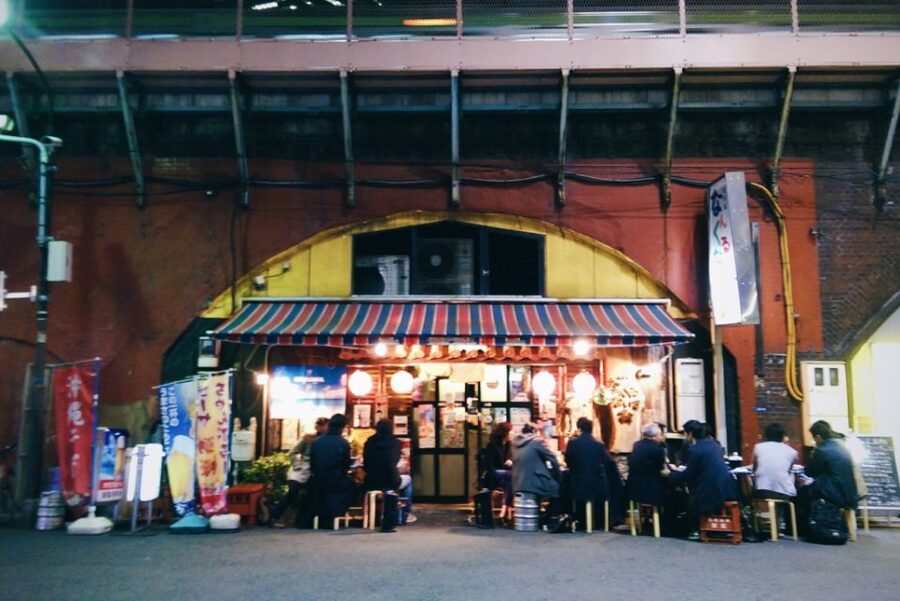
The Wagyu course brings a more luxurious note to the route. The description focuses on buttery meat, a soft texture, and a smoky seared edge. That contrast with ramen makes the meal feel like a tasting tour rather than one long bowl of noodles.
You should think of this as a chance to sample a prized Japanese ingredient in a social setting, not a full steak dinner. The amount of meat is not specified, and the tour includes several stops, so you are tasting across the neighborhood instead of filling up at one restaurant.
This is also where a guide can add practical context. Japanese beef comes with plenty of labels and price differences, and a local guide can help you understand what you are tasting without turning dinner into a lecture. The best moments on this tour appear to come from that mix of explanation and relaxed conversation.
Food and drink are included at the planned stops, but extra orders are not. If you want another drink or more food, you pay for it yourself. That is worth remembering when you compare the $170 cost with a self-guided evening.
More Night Tours in Tokyo
- Tokyo After 5: Authentic Japanese Food & Drink Night Tour
★ 4.5 · 560 reviews - EVO, WRX, Skyline – JDM Night Run to Daikoku Car Meet
★ 4.9 · 478 reviews - Tokyo: Daikoku Car Meet Tour at Night with JDM Guides
★ 4.6 · 193 reviews - Shibuya Meltdown Night Tour: All-You-Can-Drink Bar Hopping
★ 4.8 · 183 reviews
Regional sake, or nihonshu, with room to learn
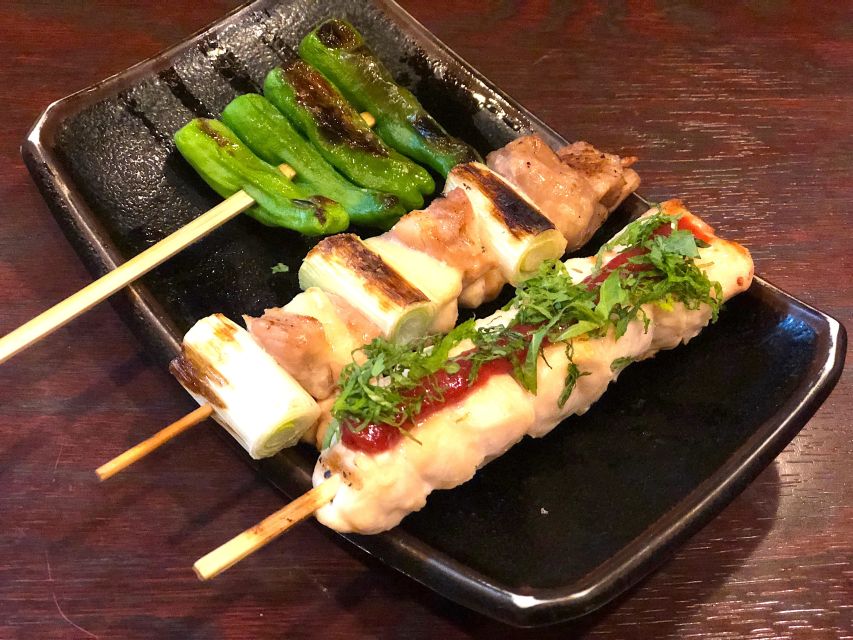
The sake tasting is one of the more distinctive parts of the experience. You sample regional varieties and pay attention to how the flavor changes from one pour to the next. The description points to crisp aromas and a smooth, complex finish, but the real benefit is learning how to taste rather than simply ordering sake by guesswork.
One useful language point came from the tour experience itself: a participant discovered that the drink they enjoyed is more properly called nihonshu. You do not need to master the terminology, but knowing a few words can make ordering less intimidating.
The tasting is especially useful if you have tried sake before and found it too broad a category to understand. Regional differences and serving styles can make the drink seem quite different from one glass to the next. Your guide can connect those differences to the food on the table.
The tour includes the sake tasting, but additional drinks cost extra. Also, this is an adult drinking experience, not a general family food walk. Anyone who does not drink should check directly about nonalcoholic alternatives, since those are not specified in the available details.
Dessert and the final turn through the lanes
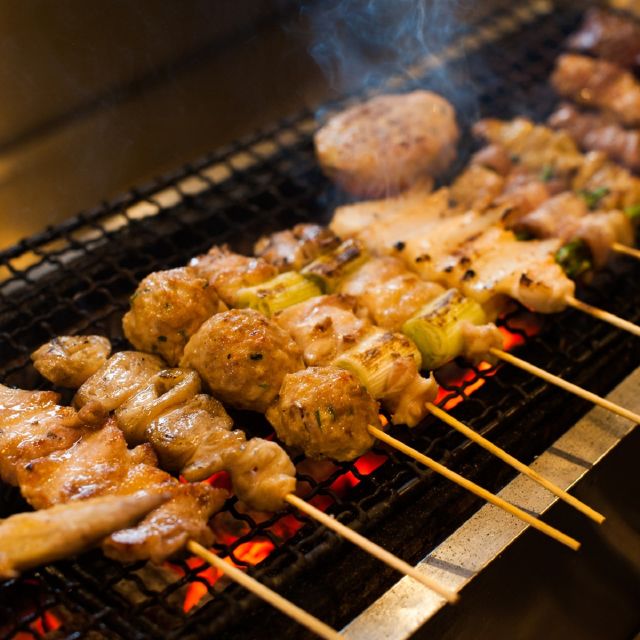
A traditional dessert closes the meal on a gentler note. The exact sweet is not named, so do not book this expecting a particular confection. Instead, see it as a final taste that rounds out the savory dishes and gives your guide one more chance to explain local food customs.
The final walk is valuable because Shinbashi is best understood as a sequence of small changes. A main road leads into a tighter lane, a bright sign gives way to a quiet doorway, and a restaurant counter becomes a place where regulars know what to order. These details are easy to pass without context.
Some groups have added karaoke after the food tour. That is not part of the included package, but Yappy joined one group for singing in a private room, and Francois joined another group afterward. Treat this as a possible extra arrangement, not a guaranteed part of the three hours. Any additional charge would be your responsibility.
What the guide adds to the evening
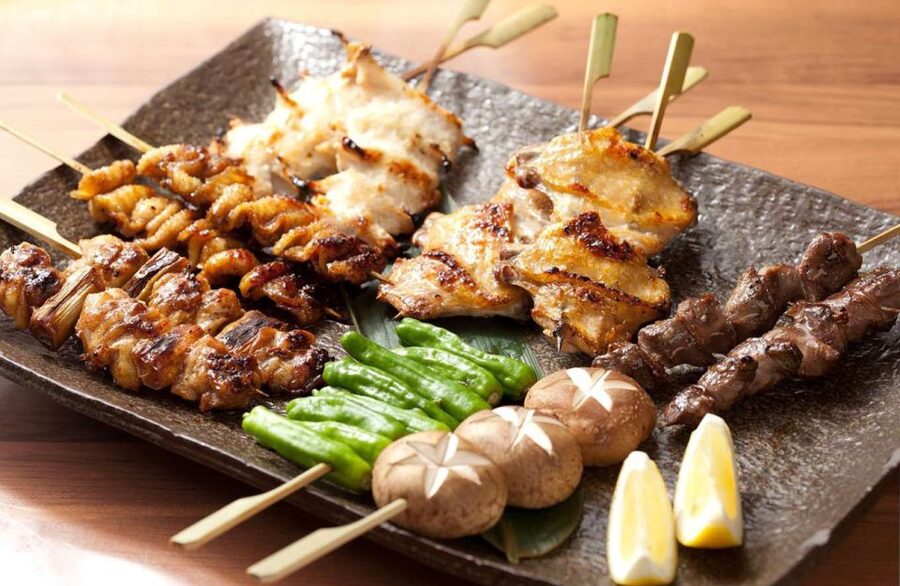
The guide is the difference between a series of meals and a useful introduction to Shinbashi. The experience is conducted in English, and the group is capped at 10, a sensible size for small restaurants and conversation.
Different guides bring different personalities. Ray has been praised for explaining food and bar culture with visual aids. Francois has handled special occasions with care. Tommy has offered recommendations for the rest of a Tokyo stay, while Yappy has combined food knowledge with an easygoing approach and an optional karaoke extension.
Other named guides include Marc, Yoko, Ryan, and Anne. Their roles are not identical, so your experience will depend partly on who leads your departure. The consistent aim is clear: explain the food, introduce the district, and help you understand customs that are easy to miss on your own.
I would use the guide actively. Ask what local people order, how to thank staff, what sake terms mean, and which districts might suit you later. The evening gives you a natural chance to gather Tokyo food advice while you are already eating.
Is $170 good value?
At $170, this is not a bargain food crawl. You are paying for more than the cost of the included dishes. The price covers a guide, reservations at several stops, the sake tasting, and the work of bringing a small group into places that may be difficult to choose or enter on your own.
For a first night in Tokyo, that can be worthwhile. You get an introduction to local pub culture, a walk through Shinbashi, several food styles, and practical help with ordering. The small group also gives the evening a more personal feel than a large bus-style excursion.
Still, you should compare the experience with your own habits. If you are happy to eat inexpensive ramen, choose a bar at random, and use translation tools, you can spend far less. The tour makes more sense if you value context, confidence, and access to a planned series of stops.
Remember that gratuity, transportation, and extra food or drinks are not included. Shinbashi Station is the meeting point, and hotel pickup is not included, though it can be arranged for an additional charge. Build those costs into your decision.
Who will enjoy this food walk most?
This tour suits an adult who wants a guided introduction to Japanese food and drinking customs without spending a full day in a cooking class. It is especially useful early in a Tokyo visit, when you can use the guide’s suggestions for later meals.
It also fits couples, solo visitors, and small groups who enjoy talking while they eat. The maximum of 10 people keeps the group manageable, and the three-hour length gives you a full evening without taking over your entire night.
You may want to choose another activity if you dislike walking, cannot tolerate smoke, avoid alcohol, or need strict control over every ingredient. The exact restaurant sequence and dessert are not given, and extra ordering is at your own cost.
The adult age limit is firm: no one under 20 can join. Bring ID, arrive early, and wear sensible shoes. Those simple details matter more here than they would on a sit-down restaurant reservation.
Book it or spend the evening on your own?
Book this tour if you want Shinbashi explained from the inside, with ramen, Wagyu, sake, dessert, and a guide who can help you read the social cues. It is a strong choice for your first few nights in Tokyo, especially if you want local food ideas for the rest of your stay.
Skip it if $170 feels too high for a three-hour meal, or if you prefer choosing restaurants independently. The tour’s greatest value is its setting and guidance, not the raw amount of food.
For the right person, the evening offers a useful first look at Tokyo after work: not a staged show, but a walk through the places where people eat, drink, talk, and head home. Just arrive at the steam engine on time.
FAQ
Where does the Tokyo food tour meet?
Meet in front of the decommissioned steam engine at the Hibiya exit of Shinbashi Station.
How long does the experience last?
The tour lasts three hours. Starting times vary, so check availability when booking.
How many people can join the group?
The tour is limited to 10 participants.
Is the tour conducted in English?
Yes. It includes a live English-speaking local guide.
What food and drink are included?
The experience includes local dishes at several food stops, a sake-tasting experience, and a traditional dessert. The description also highlights ramen and Wagyu.
Are extra drinks and food included?
No. Additional drinks or food can be purchased at your own expense.
Can children join the tour?
No. Only adults aged 20 and over are permitted.
What should I bring and wear?
Bring a passport or ID card and wear comfortable walking shoes. Smoking is permitted in most areas of Shinbashi, so keep that in mind when deciding if the tour suits you.
What happens if I arrive late?
The guide can wait only five additional minutes after the scheduled start. After the group leaves, the guide cannot provide directions by phone.
Can I cancel the booking?
You can cancel up to 24 hours in advance for a full refund. The reserve-now, pay-later option lets you hold a place without paying immediately.
More 3-Hour Experiences in Tokyo
- Tokyo Top Highlights 3h Guided E-bike Tour
★ 5.0 · 714 reviews - 3h Tokyo E-Bike Tour: Hidden Gems, and Local Life with guide
★ 5.0 · 670 reviews - Tokyo: 3-Hour Bike or E-Bike City Highlights Tour
★ 4.8 · 435 reviews - Tokyo: 3-hour Guided E-Bike Tour of the City’s Hidden Gems
★ 4.8 · 251 reviews
More Food & Drink in Tokyo
- Best of Shinjuku: Izakaya Food Tour (4 Stops, 14+ Tastings)
★ 5.0 · 1,863 reviews - Tokyo: Tsukiji Fish Market Food and Walking tour
★ 5.0 · 1,724 reviews - Eat and Drink Like a Local: Tokyo Ueno Food Tour-Taverns&Ramen
★ 5.0 · 957 reviews - Tokyo: Shibuya Food Tour (13 dishes and 4 Eateries)
★ 5.0 · 770 reviews
Just added around Tokyo
- Kawagoe Japanese Food Tour : Unagi Kaiseki and Sake near Tokyo★ 5.0 · 30 reviews
- Kawagoe 4hr Private Tour with Licensed Guide (Kawagoe Dep)★ 5.0 · 13 reviews
- Little EDO Sushi Making workshop in Kawagoe★ 5.0 · 18 reviews
- 【R34】Tokyo:Private Daikoku tour in Modified R34★ 4.9 · 92 reviews
- :Tokyo,Shibuya/ Pro Photography in Kimono / English-Friendly★ 5.0 · 26 reviews
- Tokyo:Celebrate Unique Japanese New Year Tradition Festivity★ 3.9 · 20 reviews
- Tokyo: Allstar Food Tour★ 4.7 · 29 reviews
- Tokyo: West-Side Cycling and Food Tour with Guide★ 5.0 · 37 reviews
Food Tours, compared.
Shinjuku Food Tour (13 Dishes at 4 Local Eateries)
Our verdict →
Kyoto Night Foodie Tour in Gion (9+ dishes + 6 Sake tastings)
Our verdict →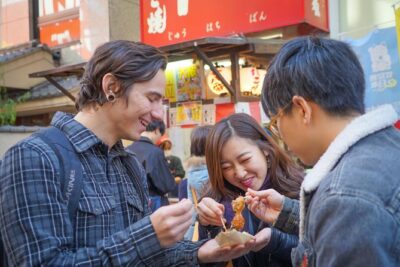
Osaka Local Foodie Walking Tour in Dotonbori and Shinsekai
Our verdict →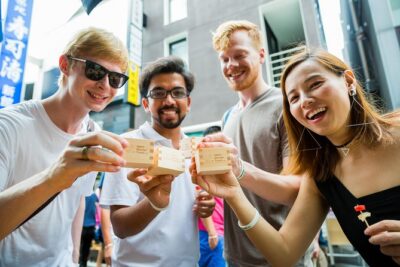
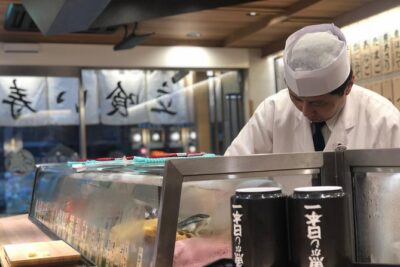
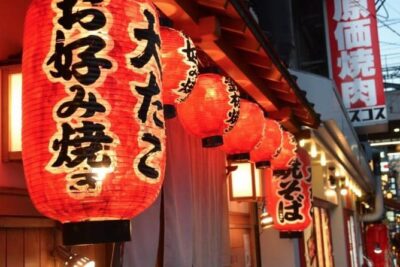
Food Tour in Ueno with 10+ Tastings of Japanese Classics
Our verdict →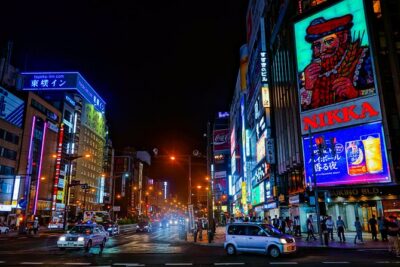
Browse the lists this tour appears in