
Reviewed · FISH MARKET TOURS
Tokyo: Tsukiji Fish Market Food and Culture Walking Tour
Tsukiji is best understood through your stomach. This three-hour walk leads you into the market’s tight lanes for Wagyu beef skewers, tamagoyaki, fish cakes, fruit, and sushi or a seafood bowl, while your guide explains what you are eating and why the market matters to Tokyo’s chefs. It is a practical way to get past the first wave of confusion.
I like the small group size of two to eight people, which makes it easier to hear your guide and ask about unfamiliar foods. I also like the relaxed pace. Guides such as Shun, Nazu, Miki, Robert, and Yoshiko have been praised for mixing food advice with shrine etiquette, market history, and help choosing products to take home.
The main caution is the market calendar. Fish wholesalers and some stalls close on Wednesdays, Sundays, public holidays, and other scheduled closure days, so parts of the tasting menu may be missing. Vegetarians, vegans, and people needing halal or gluten-free food should also choose another tour.
Key points at a glance
- Start at Tsukiji Honganji Temple: Meet at the main gate, with a chance to learn about the area before entering the market lanes.
- Eat a full range of Japanese market food: The planned tastings include Wagyu beef, fish cakes, Japanese omelet, seasonal fruit, and either sushi or a fresh fish bowl.
- Keep the group small: A maximum of eight people gives the guide room to answer questions and help with ordering.
- Allow for a crowded walk: Comfortable shoes matter, and rain can make the narrow market lanes harder to navigate.
- Check the market calendar carefully: Wednesdays, Sundays, and other closed days mean fewer open shops and a reduced menu.
- Think of the $96 price as a guided food outing: You are paying for several tastings, a local escort, cultural context, and help finding food you might skip on your own.
Starting with Tsukiji Honganji Temple
The meeting point is the main gate of Tsukiji Honganji Temple, formally known as the Jodo Shinshu Hongwanji-ha Tsukiji Hongwanji. This is a useful starting place because it gives the tour a bit of cultural shape before the eating begins.
Your guide may explain the temple and the development of the Tsukiji area before leading you toward the market. Guides have also shown visitors the proper cleansing routine at a shrine and explained local customs. That small introduction helps you understand that this is not simply a row of snack stalls.
Look for your guide at the temple gate when the tour starts. Since Tsukiji is busy and the station exits can be confusing, allow enough time to reach the meeting point. One person who missed the start because of train trouble was able to join later, but you should not count on that. A punctual arrival keeps the group together and avoids a stressful first few minutes.
More Food Tours in Tokyo
- Tokyo: Shinjuku Food Tour (13 Dishes at 4 Local Eateries)
★ 5.0 · 6,603 reviews - Tokyo Tsukiji Fish Market Food and Culture Walking Tour
★ 5.0 · 3,184 reviews - Tokyo: Shinjuku Food Tour (15 Dishes and 4 Eateries)
★ 4.9 · 2,033 reviews
Walking the outer market lanes
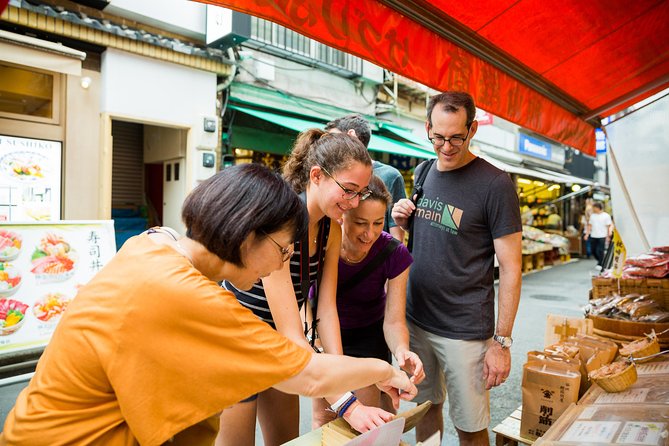
The tour’s main setting is Tsukiji Outer Market, a maze of food shops and stalls outside the former inner wholesale market. You will pass vendors selling fish, shellfish, prepared foods, cooking ingredients, sweets, tea, and seasonal produce.
This is where a guide earns the fee. You can walk through Tsukiji alone, but it is hard to know which shop is worth your time, what a food is called, or how to buy it without slowing a busy vendor. Your guide handles much of that friction and points out items that are easy to miss.
The first part of the market visit lasts about 30 minutes, followed by roughly two and a half hours of guided walking and tasting. The division is not rigid in the way a museum tour might be. You will walk, stop to eat, hear explanations, and pause when something catches your eye.
The market can be crowded, especially on Saturday mornings. One 8:30 a.m. group encountered heavy foot traffic and light rain, while another visitor found rainy weather made umbrellas and conversation difficult. If your schedule allows, a midweek opening day may be more comfortable, but always check that the market is operating that day.
What you actually eat at Tsukiji
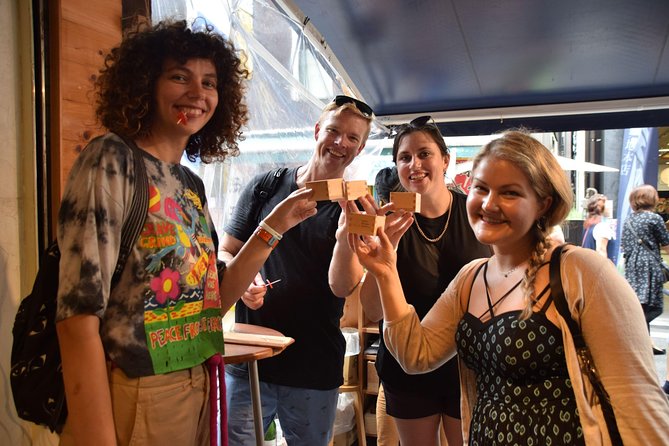
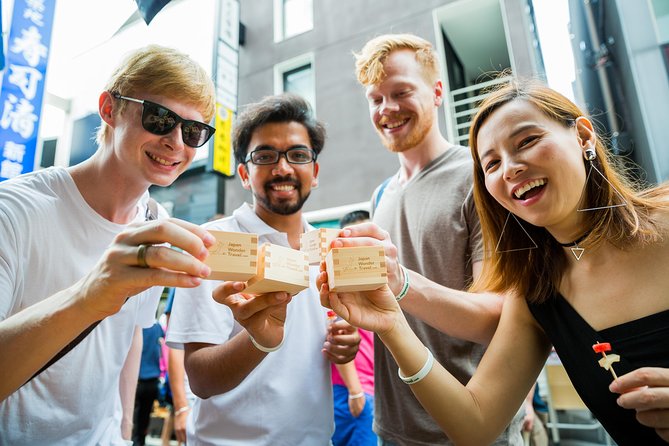
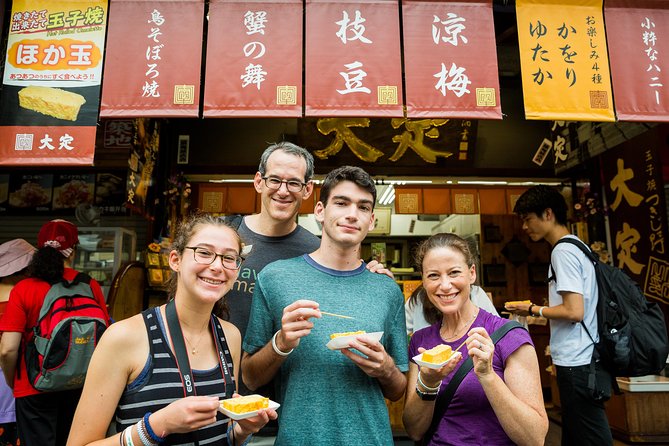
The food is the heart of the experience, and the set menu covers a useful spread of Japanese market staples.
The Wagyu beef skewer is often the big hit. It is high-grade beef served in a simple, easy-to-eat form, and several people singled it out as the best bite of the tour. You may like it enough to return to the stall after the tour, as one group did.
You will also sample Japanese omelet, known as tamagoyaki, and fried fish cake. These are everyday market foods rather than formal restaurant dishes. That is part of their value. You get to taste how food is sold and enjoyed in a working market, not just how it appears on a polished dinner menu.
Seasonal fruit adds a useful change of pace. The selection depends on the time of year and what is open, so do not expect a fixed fruit list. Some groups have also bought strawberries, oysters, tea, matcha ice cream, squid, and sea urchin, but these extra purchases are not the guaranteed menu. Bring money if you want to add something beyond the included tastings.
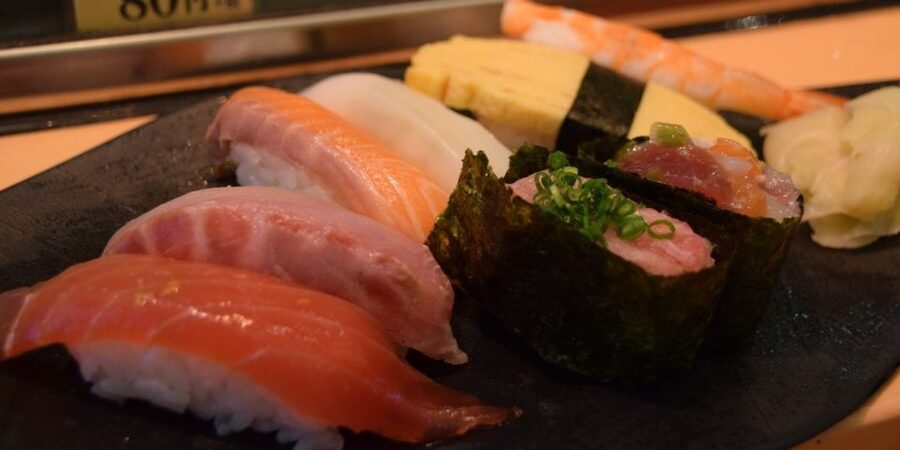
The tour ends with either sushi or a seafood bowl, depending on the day. This final meal gives the walk a clear finish after the smaller snacks. Some groups have watched a sushi chef prepare and cut the fish before eating a sashimi bowl. The demonstration adds a bit of theater, but the main benefit is seeing how fresh fish is handled and presented.
Because the final dish changes, do not book expecting one exact restaurant plate. If sushi is the priority, ask about the day’s menu before booking or accept that the seafood bowl may be the alternative.
Why a guide helps here
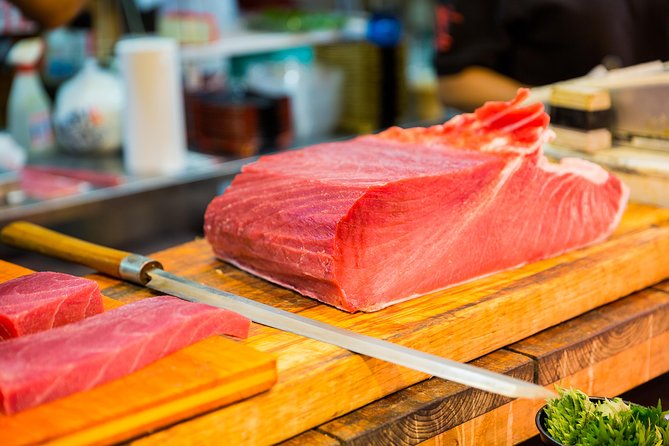
Tsukiji rewards curiosity but can punish indecision. You may see something unfamiliar and keep walking because you cannot tell how it is served, how much it costs, or whether it fits into your morning. A local guide removes that uncertainty.
The strongest part of the guiding seems to be the personal attention. Shun has been praised for being friendly, patient, and good at explaining both food and culture. Nazu has helped groups understand the market’s past and choose among food options. Miki, Robert, Keiko, Luna, Yuki, and Yoshiko have also received strong praise for combining clear explanations with an easygoing manner.
The guides do more than name dishes. They can explain how top chefs shop for fresh ingredients, how the inner and outer markets developed, and how to behave around shrines and vendors. One guide helped a group choose tea to take home. Another offered restaurant suggestions for the rest of the day. These small additions are useful because they turn a food stop into a better understanding of Tokyo’s daily habits.
The quality of a walking tour always depends partly on the individual guide, and names are not assigned in advance here. The repeated praise for different guides is encouraging, but you cannot request a particular person with certainty unless the operator agrees.
More Market Tours in Tokyo
- Tokyo: Tsukiji Fish Market Food and Walking tour
★ 5.0 · 1,724 reviews - Tokyo: Tsukiji Fish Market Guided Walking Tour
★ 4.9 · 1,397 reviews - Tsukiji Fish Market Guided Tour and Sushi Making with Pro Chef
★ 5.0 · 775 reviews - Tsukiji Fish Market: Street Food & Culture Walking Tour
★ 5.0 · 669 reviews
The small group makes a real difference
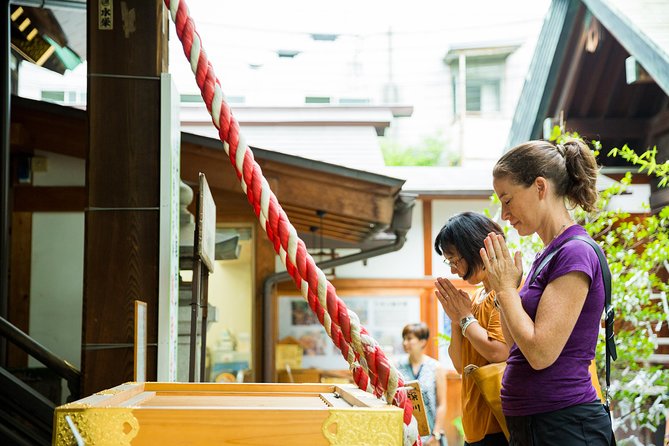
The tour accepts only two to eight people. That is a strong feature in Tsukiji, where a large group could block lanes, lose sight of the guide, or wait too long at every stall.
With fewer people, you can ask what a particular fish is, stop for a photo, or explain a food concern without holding up a busload of people. Several groups were as small as four people, creating a more personal outing. The guide can also help you interact with vendors when language or ordering feels awkward.
Small does not mean quiet. The market itself can be noisy and packed. Rain makes this harder, since umbrellas can block sight lines and voices disappear into the crowd. Stay close to the guide, wear shoes with good grip, and keep your hands free for food and small purchases.
The walking is moderate rather than extreme, but this is not a sit-down tasting. You will spend most of three hours on your feet. The activity is not suitable for wheelchair users or people with mobility impairments.
The market calendar matters more than the booking calendar
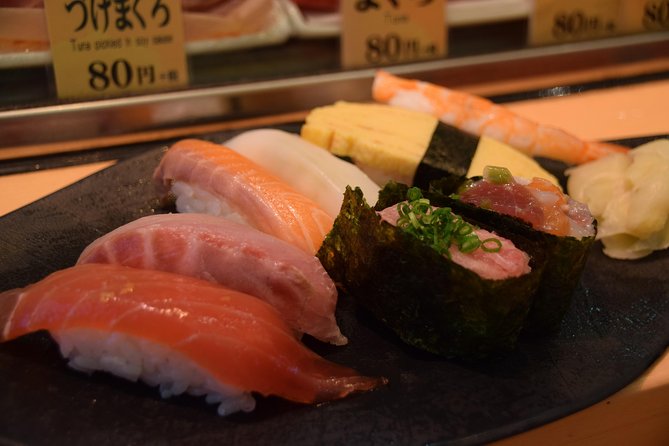
This is the most important practical warning. The fish market and some shops close on Wednesdays, Sundays, public holidays, and other market closure days. The tour may still be scheduled, but the experience can be different.
On closed days, Japanese omelet, fish cake, and fruit may not be available because the relevant shops are shut. The seafood tasting may also change if a restaurant suddenly cannot serve the planned meal. In that case, an alternative is provided, but you should not expect an identical menu.
Check the operating calendar before you pay. A public holiday Monday can look like an ordinary weekday on a booking page, yet still leave important stalls closed. If you want the broadest food selection, choose an open market day and avoid assuming that any listed starting time guarantees full activity.
Is $96 a fair price?
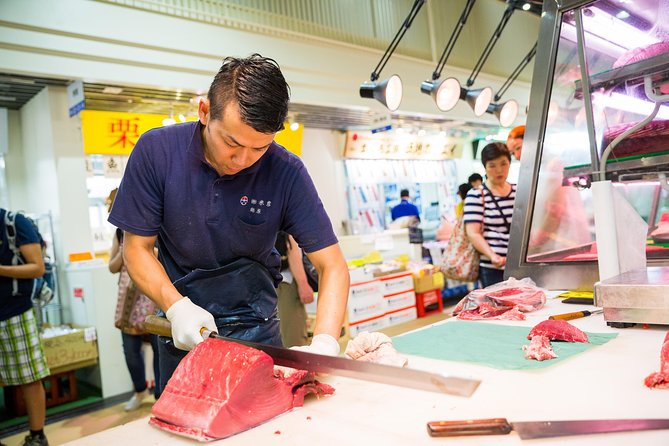
At $96 per person, this is not a cheap snack walk. You could spend less by wandering through Tsukiji and buying one or two items yourself.
The value comes from the package. The price includes a three-hour walking tour, an English-speaking local guide, several tastings, a high-grade Wagyu skewer, Japanese omelet, fish cake, seasonal fruit, and a final sushi or fish bowl, depending on the day. You also get help navigating the market and context that would be difficult to gather quickly on your own.
For a first visit to Tokyo, I think the cost can make sense if you want a structured introduction and plan to eat your way through the area. The tour may also save you from spending money on poor choices in a crowded market. It is less attractive if you are already confident ordering Japanese food, prefer to browse alone, or want a fixed restaurant meal rather than a moving series of tastings.
Drinks are not listed among the included items. One person felt sake or beer should not have been an extra charge, so ask before ordering alcohol. The minimum drinking age is 20.
Who should book this Tsukiji walk?
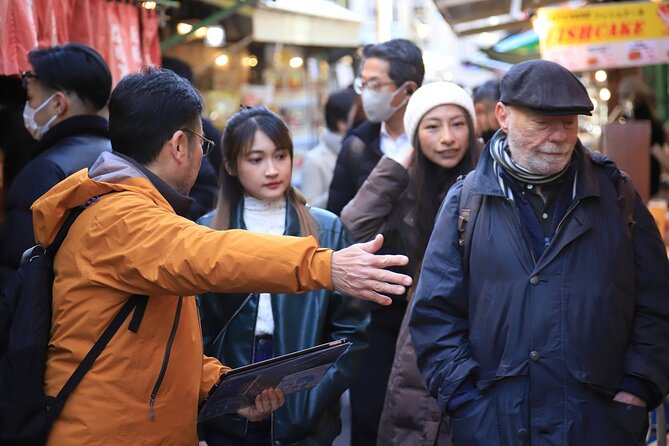
This tour suits first-time visitors who want to understand the market without spending half a morning guessing where to go. It is also a good fit for people who enjoy small samples, casual food, and local explanation more than a formal cooking class.
Families with older children may enjoy it, though the walking, crowds, and food choices require some patience. Infants’ meals are not included. The activity works especially well near the start of a Tokyo trip because the market orientation can help you recognize foods and customs later in your visit.
You should think twice if you are vegetarian or vegan. The tour is not designed for either diet, and it does not accommodate halal or gluten-free requests. Seafood allergies and other food restrictions are not addressed in the supplied details, so ask the operator directly before booking rather than hoping the menu can be changed.
The experience also favors people who can walk and stand for three hours. It is not suitable for wheelchair users or those with mobility impairments.
A practical way to plan your morning
Wear comfortable clothes and shoes. Bring a camera, but keep it out of the way in narrow lanes and ask before photographing vendors or food preparation.
Do not arrive hungry enough to feel rushed, but leave room for many small bites. The included tastings add up, and the final sushi or seafood bowl is more like lunch than a token sample. If you want to buy tea, fruit, seafood, or another snack, save time and budget for purchases after the tour.
The tour returns to Tsukiji Honganji Temple and finishes near Tsukiji Station. That makes it easy to continue sightseeing, but give yourself a little breathing room if you have a timed reservation elsewhere. Market walking is slower than the map suggests, especially in wet weather or on a crowded Saturday.
Should you book it?
Book this tour if you want a friendly, guided introduction to Tsukiji and value food advice as much as sightseeing. The small groups, generous tasting list, and strong guide lineup make it a good first-day Tokyo activity, especially with guides such as Shun, Nazu, Miki, Robert, or Yoshiko.
Skip it if you need vegetarian, vegan, halal, or gluten-free food, cannot manage a moderate amount of walking, or plan to visit on a market closure day. The $96 price is fair for the food and guidance, but only when the full market is open and you want more than a self-guided snack stop.
FAQ
How long does the Tsukiji food tour last?
The tour lasts three hours, including the walk through the market, food tastings, cultural explanations, and the final sushi or seafood bowl.
Where does the tour meet?
Meet your English-speaking guide at the main gate of Tsukiji Honganji Temple when the tour begins.
What food is included?
The included menu features high-grade Wagyu beef skewers, fresh fish bowl or sushi depending on the day, Japanese omelet, seasonal fruit, and fried fish cake.
Is the final meal sushi or a seafood bowl?
It depends on the day. The tour provides either sushi or a fresh seafood bowl, and an alternative is offered if the planned restaurant cannot serve the meal.
Is the tour suitable for vegetarians or vegans?
No. The tour does not accommodate vegetarians, vegans, halal requests, or gluten-free requests.
What happens if I visit on a Wednesday or Sunday?
The fish market and some shops are closed on Wednesdays, Sundays, and other closure days. Japanese omelet, fish cake, and fruit may not be available, so check the market calendar before booking.
More Fish Market Walks in Tokyo
- Tokyo Sushi Making Class in Tsukiji with Professional Chef
★ 5.0 · 1,177 reviews - Tsukiji Fish Market Small-Group Food Walking Tour
★ 5.0 · 621 reviews - Tokyo: Tsukiji Fish Market Sushi Making Class with Pro Chef
★ 4.9 · 506 reviews - Tokyo Food Tour Taste Fresh Delights at Tsukiji Market
★ 5.0 · 429 reviews
More Walking Tours in Tokyo
- Tokyo: Imperial Palace and Shogun Historical Walking Tour
★ 5.0 · 2,251 reviews - Tokyo: Shinjuku Local Bar and Izakaya Guided Walking Tour
★ 4.9 · 1,794 reviews - Tokyo: Asakusa Walking Tour with Sensoji Temple Visit
★ 4.8 · 1,583 reviews - Tokyo Castle & Imperial PalaceーShogun Walking Tour
★ 4.7 · 1,068 reviews
Just added around Tokyo
- Kawagoe Japanese Food Tour : Unagi Kaiseki and Sake near Tokyo★ 5.0 · 30 reviews
- Kawagoe 4hr Private Tour with Licensed Guide (Kawagoe Dep)★ 5.0 · 13 reviews
- Little EDO Sushi Making workshop in Kawagoe★ 5.0 · 18 reviews
- 【R34】Tokyo:Private Daikoku tour in Modified R34★ 4.9 · 92 reviews
- :Tokyo,Shibuya/ Pro Photography in Kimono / English-Friendly★ 5.0 · 26 reviews
- Tokyo:Celebrate Unique Japanese New Year Tradition Festivity★ 3.9 · 20 reviews
- Tokyo: Allstar Food Tour★ 4.7 · 29 reviews
- Tokyo: West-Side Cycling and Food Tour with Guide★ 5.0 · 37 reviews
Fish Market Tours, compared.
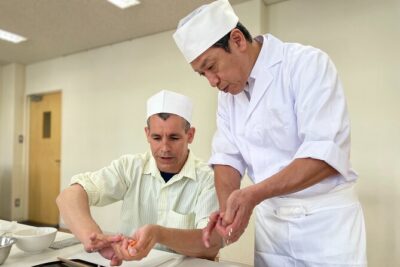
Tokyo Sushi Making Class in Tsukiji with Professional Chef
Our verdict →

Wakayama Cat Train, Seafood market, Hot Springs Tour
Our verdict →
Awesome Private Tour: Tsukiji, Asakusa, Shinjuku, Shibuya
Our verdict →Browse the lists this tour appears in